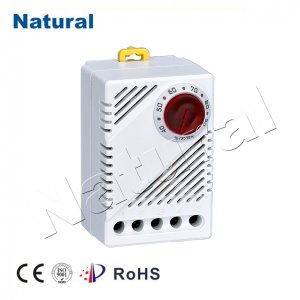
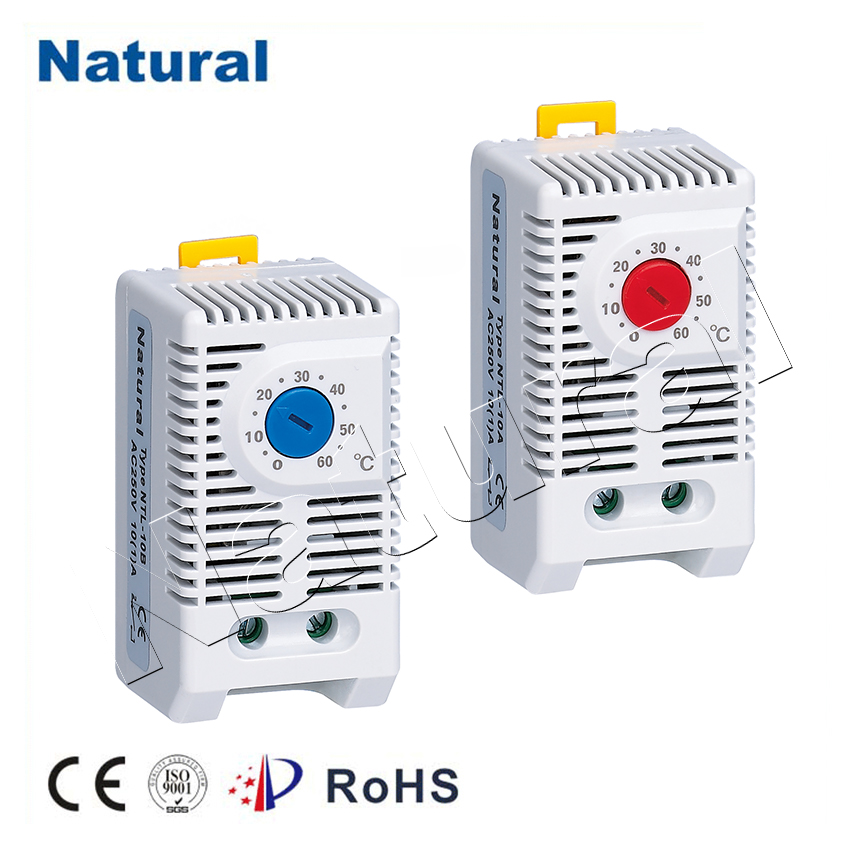
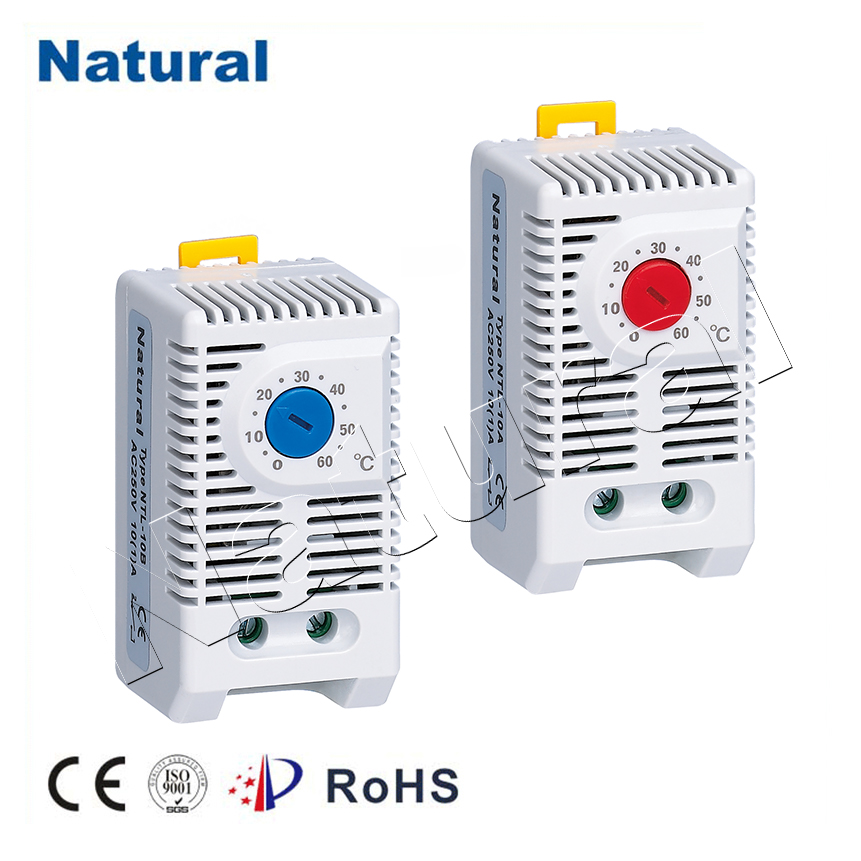
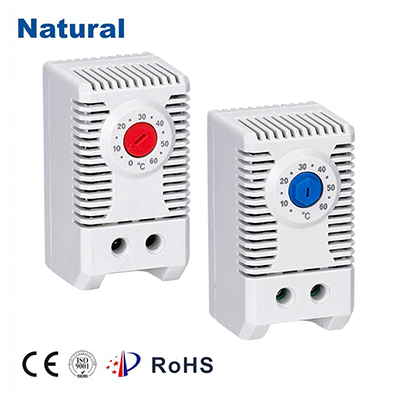
In today’s rapidly advancing technological landscape, smart devices have transformed the way we interact with our surroundings, making our lives more convenient and efficient. One such remarkable innovation is the thermostat controller, a cutting-edge device that not only ensures optimal comfort within our living spaces but also contributes to energy conservation and sustainability.
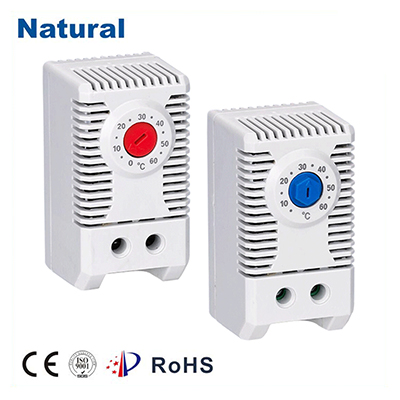
The thermostat controller, often regarded as the heart of modern home climate management, has evolved significantly from its conventional counterparts. Traditional thermostats offered basic temperature adjustment options, requiring manual input and lacking adaptability to changing conditions. However, the new generation of thermostat controllers employs state-of-the-art sensors, connectivity features, and advanced algorithms to create a seamless and tailored experience for users. At the core of the thermostat controller’s functionality are its advanced sensors. Equipped with temperature, humidity, occupancy, and light sensors, these devices continuously monitor their surroundings. By gathering real-time data, they enable the controller to make informed decisions, optimizing temperature settings and creating an ideal indoor environment. For instance, during hot summer months, the thermostat can detect the rise in temperature and adjust the cooling system to maintain a comfortable and consistent atmosphere, saving energy and reducing utility costs. Connectivity is another key feature that sets the thermostat controller apart. With Wi-Fi or Bluetooth capabilities, users can control their home climate remotely through dedicated mobile applications. Imagine being able to adjust the temperature settings while still at the office or even while on vacation. This not only ensures a warm welcome upon returning home but also prevents unnecessary energy consumption when the house is unoccupied. The real magic of a thermostat controller lies in its advanced algorithms, which enable it to learn from user preferences and adapt to their routines. By analyzing patterns of temperature adjustments, occupancy, and time of day, the controller can proactively optimize settings, minimizing energy wastage while keeping inhabitants comfortable. Over time, the device develops a customized schedule that aligns with the household’s lifestyle, effortlessly maintaining the desired temperature without constant manual input. Energy efficiency and sustainability have become crucial considerations in today’s world, and thermostat controllers play a vital role in addressing these concerns. By intelligently managing heating and cooling systems, these devices contribute to reduced energy consumption and lower carbon footprints. Some advanced models even provide energy usage reports, empowering users with insights into their consumption habits and encouraging them to make greener choices. In conclusion, the thermostat controller stands as a shining example of how technology can enhance our lives in more ways than one. Its ability to create a personalized, comfortable environment while simultaneously promoting energy efficiency underscores its importance in modern homes. As the world continues to prioritize sustainability and smart living, the thermostat controller paves the way for a brighter, more environmentally conscious future. So, whether you’re seeking the perfect temperature or aiming to reduce your ecological impact, the thermostat controller is your ultimate partner in achieving both goals effortlessly.