Monthly Archives: September 2023

Enhancing Air Quality and Efficiency with Ventil Fan Filters

In the modern age, indoor air quality has become a topic of growing concern. With the majority of our time spent indoors, ensuring the air we breathe is clean and safe is paramount. This is where the role of ventil fan filters comes into play. These unassuming devices play a crucial role in maintaining a healthy indoor environment while also improving the efficiency of ventilation systems.

ventil fan filter

Understanding Ventil Fan Filters Ventil fan filters, also known as ventilation fan filters, are devices designed to trap airborne particles and pollutants present in the air, preventing them from circulating within a space. These filters are strategically placed in ventilation systems, which are responsible for exchanging indoor air with fresh outdoor air. As the air passes through the fan filter, particles such as dust, pollen, pet dander, and even some bacteria and viruses are captured, leading to improved air quality. Benefits of Using Ventil Fan Filters Enhanced Indoor Air Quality: The primary benefit of ventil fan filters is their ability to significantly improve indoor air quality. By trapping particles that can trigger allergies and respiratory issues, these filters create a healthier and more comfortable living environment. Healthier Occupants: Clean air is vital for overall well-being. Ventil fan filters help reduce the risk of allergic reactions, asthma exacerbation, and other respiratory illnesses, ensuring the health and comfort of occupants. Extended Equipment Life: Ventilation systems often have to work harder when air is filled with dust and particles. By using fan filters, the amount of debris that enters the system is reduced, leading to less wear and tear on the equipment and potentially extending its lifespan. Energy Efficiency: A clogged ventilation system requires more energy to operate, leading to increased energy bills. Fan filters prevent the accumulation of debris in the system, thus maintaining its efficiency and reducing energy consumption. Reduced Maintenance: Regular maintenance of ventilation systems can be time-consuming and costly. Fan filters simplify this process by capturing a significant portion of the particles before they can enter the system, reducing the frequency and intensity of maintenance tasks. Choosing the Right Ventil Fan Filter Selecting the appropriate fan filter is essential for maximizing its benefits. Consider the following factors when choosing a ventil fan filter: Filter Efficiency: Filters are rated based on their efficiency in capturing particles of different sizes. Higher efficiency filters (HEPA filters) are capable of capturing even the smallest particles, making them an excellent choice for people with severe allergies or respiratory conditions. Airflow: Ensure that the fan filter allows sufficient airflow through the ventilation system without causing too much resistance, as this can affect the overall efficiency of the system. Filter Replacement: Regular filter replacement is necessary to maintain optimal performance. Choose a filter that is easy to replace and has replacement filters readily available. Maintenance: Some filters can be cleaned and reused, while others need to be replaced entirely. Consider your preference and maintenance capabilities when choosing a filter type. Conclusion In a world where indoor air quality is a growing concern, ventil fan filters offer a practical solution to improve the air we breathe. From enhancing indoor air quality to promoting energy efficiency and reducing maintenance efforts, these filters play a vital role in creating a healthy and comfortable living environment. When selecting a fan filter, take into account factors such as efficiency, airflow, replacement, and maintenance requirements to ensure that your ventilation system operates at its best. By investing in quality ventil fan filters, we invest in our well-being and the longevity of our indoor spaces.
Enhancing Energy Efficiency and Comfort with Thermostats: Introducing Demex DMO 1140 and DMS 1141

In today’s fast-paced world, where energy efficiency and comfort are paramount, the role of thermostats has become increasingly significant. Demex, a pioneering leader in thermostat technology, introduces its latest innovations: the Demex DMO 1140 and DMS 1141 thermostats. These advanced devices are poised to revolutionize the way we control our indoor environments, offering unparalleled precision, convenience, and energy savings.

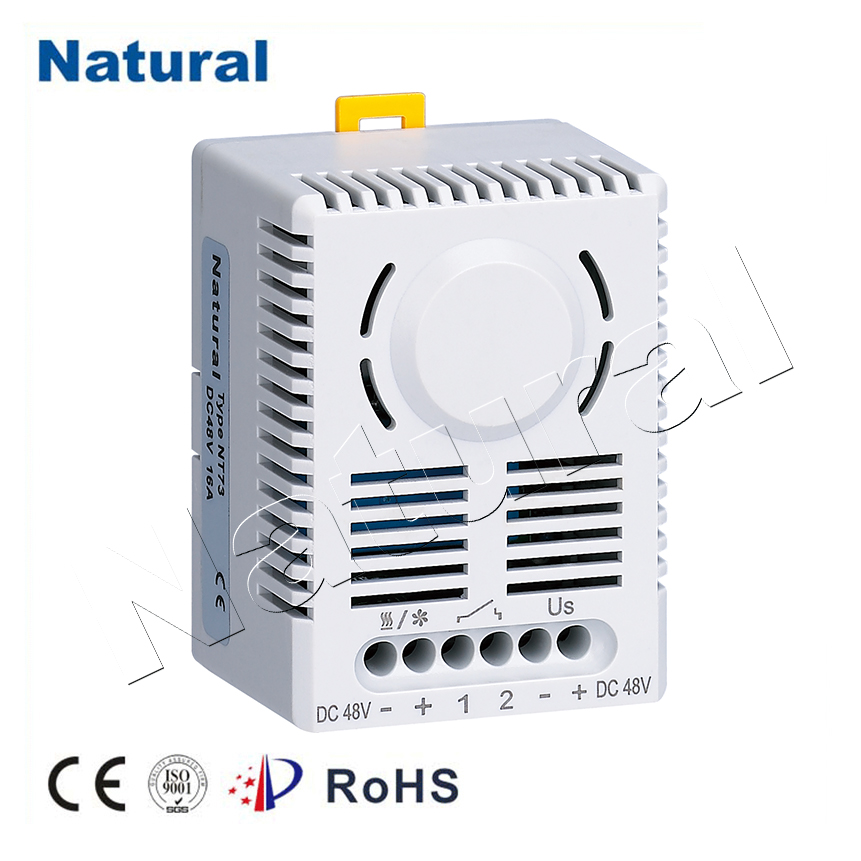
thermostats demex dmo 1140 dms 1141

Unveiling the Demex DMO 1140 and DMS 1141: A Leap Forward in Thermostat Technology The Demex DMO 1140 and DMS 1141 thermostats are cutting-edge solutions that blend innovation and practicality seamlessly. Designed to cater to both residential and commercial spaces, these thermostats are equipped with a range of features that prioritize efficiency, ease of use, and customization. 1. Energy Efficiency In the pursuit of sustainability, energy efficiency takes center stage. The DMO 1140 and DMS 1141 thermostats feature smart programming capabilities that learn the user’s preferences and adjust the indoor climate accordingly. This not only minimizes energy wastage but also significantly reduces utility costs. By optimizing heating and cooling cycles, these thermostats contribute to a greener planet while ensuring utmost comfort. 2. Precise Temperature Control Accurate temperature control is pivotal for creating a comfortable living or working environment. The Demex thermostats boast advanced temperature sensors that provide real-time readings, enabling precise adjustments. With the option to set desired temperatures for different times of the day, users can effortlessly maintain an ideal atmosphere without manual intervention. 3. User-Friendly Interface Demex understands the importance of user-friendly interfaces in today’s tech-savvy world. The DMO 1140 and DMS 1141 thermostats feature intuitive touchscreen displays, making it easy for users to navigate settings, schedules, and temperature preferences. The interface’s clarity and simplicity ensure that even those less accustomed to technology can enjoy the full benefits of these devices. 4. Seamless Connectivity Incorporating IoT (Internet of Things) capabilities, the Demex thermostats can be controlled remotely through smartphones or other compatible devices. Whether you’re on the go or relaxing at home, you have complete control over your indoor climate. This feature not only adds convenience but also assists in adjusting settings in real-time, ensuring a welcoming space upon your arrival. 5. Customization Options Every space is unique, and the Demex thermostats acknowledge this fact. With customizable programming options, users can tailor heating and cooling schedules to align with their routines. This adaptability enhances energy savings by avoiding unnecessary temperature adjustments during unoccupied periods. 6. Integration with Smart Home Systems The Demex DMO 1140 and DMS 1141 thermostats seamlessly integrate with various smart home ecosystems. Whether you have a smart lighting system, security cameras, or other compatible devices, these thermostats can collaborate with them to enhance overall home automation and convenience. Conclusion In the ever-evolving landscape of HVAC technology, the Demex DMO 1140 and DMS 1141 thermostats stand out as beacons of innovation, efficiency, and comfort. Their state-of-the-art features, including energy-efficient programming, precise temperature control, user-friendly interfaces, remote connectivity, customization options, and smart home integration, make them indispensable tools for modern living. As we move toward a future that demands sustainable practices and seamless living experiences, Demex has taken a significant step forward with these thermostats. By incorporating these intelligent devices into our homes and businesses, we not only elevate our comfort levels but also contribute to a more energy-conscious world. The Demex DMO 1140 and DMS 1141 thermostats are more than just gadgets – they are the keystones of a smarter, greener, and more comfortable tomorrow.

The Role of Thermostat Temperature Controllers in Efficient Heating

Introduction

thermostat temperature controller heater

In the realm of modern comfort and energy efficiency, the thermostat temperature controller has emerged as a pivotal component in the operation of heaters. This innovative device not only enables precise control over indoor temperatures but also contributes significantly to energy conservation and cost savings. In this article, we will delve into the workings and benefits of thermostat temperature controllers for heaters. The Function of Thermostat Temperature Controllers A thermostat temperature controller serves as the brain behind the heating process. Its primary function is to monitor the ambient temperature of a space and regulate the heater’s operation accordingly. The controller achieves this by activating the heater when the temperature falls below the desired setpoint and deactivating it once the set temperature is reached. This continuous cycle maintains a consistent and comfortable indoor climate. Precision and Customization One of the remarkable advantages of thermostat temperature controllers is their precision in temperature regulation. Unlike traditional heating systems that often result in temperature fluctuations, these controllers ensure that the desired temperature is maintained with minimal variance. This precision not only enhances comfort but also prevents energy wastage by avoiding excessive heating. Moreover, thermostat temperature controllers offer a high degree of customization. Users can easily set their preferred temperature, enabling them to create an environment that suits their comfort level. Some advanced controllers even allow programming of temperature schedules, enabling different settings during various times of the day. Energy Efficiency and Cost Savings The integration of thermostat temperature controllers with heaters has brought about significant improvements in energy efficiency. By operating the heater only when necessary, these controllers minimize energy consumption, thereby reducing utility bills and environmental impact. The ability to fine-tune heating cycles ensures that energy is not squandered on maintaining excessively high temperatures. Smart Thermostat Technology In recent years, the advancement of smart technology has revolutionized thermostat temperature controllers. Smart thermostats can connect to the internet and be controlled remotely through smartphones or computers. This feature proves invaluable, as it allows users to adjust heating settings even when they are away from home. Additionally, many smart thermostats incorporate machine learning algorithms that adapt to users’ preferences and schedules, optimizing energy usage over time. Enhancing Heater Lifespan Thermostat temperature controllers play a pivotal role in prolonging the lifespan of heaters. The controlled and efficient operation facilitated by these controllers reduces the wear and tear experienced by heating elements, extending their durability. This translates to fewer repairs and replacements, resulting in long-term cost savings for homeowners and businesses. Conclusion In the realm of heating technology, thermostat temperature controllers have emerged as indispensable tools for maintaining optimal indoor comfort while prioritizing energy efficiency. Their precision, customization, and integration with smart technology have transformed the way we heat our spaces. By regulating heating cycles and preventing unnecessary energy consumption, these controllers not only contribute to cost savings but also promote a greener and more sustainable future. As we continue to seek innovative ways to balance comfort and conservation, thermostat temperature controllers stand at the forefront of this endeavor.

The Evolution and Functionality of Thermostat Temperature Controllers

Introduction

thermostat temperature controller

In today’s rapidly advancing world, technology has seeped into every aspect of our lives, even shaping the way we manage the temperature within our living spaces. The thermostat temperature controller, an ingenious invention, has revolutionized the way we experience comfort in our homes and workplaces. This article delves into the evolution and functionality of thermostat temperature controllers, showcasing how they have become an essential component of modern living. The Evolution of Thermostat Temperature Controllers The history of thermostat temperature controllers dates back to the 17th century when Dutch scientist Cornelis Drebbel created one of the earliest known temperature regulators. However, it was not until the 19th and 20th centuries that significant advancements were made. The bi-metallic strip thermostat, patented in the late 19th century, was a milestone that paved the way for automated temperature control. This invention utilized the principle of metals expanding and contracting at different rates in response to temperature changes. The dawn of the digital age saw the introduction of electronic thermostats in the mid-20th century, replacing mechanical components with electronic sensors and controls. This leap enabled more precise temperature regulation and paved the way for programmable thermostats. These early programmable models allowed users to set temperature schedules, adjusting heating or cooling based on occupancy patterns. Functionality of Modern Thermostat Temperature Controllers Fast forward to the present, and we find ourselves immersed in the era of smart thermostat temperature controllers. These cutting-edge devices have elevated temperature control to an entirely new level. At the heart of their functionality lies connectivity and intelligent automation. Smart thermostats are equipped with Wi-Fi capabilities, enabling remote control through smartphone apps and integration with smart home ecosystems. This connectivity empowers users to adjust temperatures from anywhere, ensuring a comfortable environment upon their return. Moreover, these thermostats often possess learning algorithms that adapt to users’ preferences and routines over time, optimizing energy consumption without sacrificing comfort. Geofencing technology is another innovation that has been integrated into modern thermostat temperature controllers. By utilizing the GPS location of users’ smartphones, geofencing allows the thermostat to detect when occupants are approaching home. This triggers the thermostat to adjust the temperature settings, ensuring the ideal comfort level upon arrival. Energy efficiency is a crucial aspect of modern thermostat design. Many smart thermostats offer energy usage reports and suggestions on how to conserve energy without compromising comfort. They can also detect when a space is unoccupied and adjust the temperature accordingly, minimizing energy wastage. The Role in Climate Control Thermostat temperature controllers play a significant role in climate control, not only for individual households but also for larger commercial buildings. Precise temperature regulation not only enhances comfort but also has a profound impact on productivity, health, and energy consumption. In commercial settings, advanced thermostat systems are integrated into HVAC (Heating, Ventilation, and Air Conditioning) systems, contributing to the optimization of indoor air quality and energy use. These systems often utilize complex algorithms to analyze various factors such as occupancy, external weather conditions, and building insulation, allowing for dynamic and efficient climate control. Conclusion From humble beginnings as bi-metallic strips to today’s smart and connected devices, thermostat temperature controllers have come a long way. They have evolved into essential tools that offer convenience, comfort, and energy efficiency. As technology continues to advance, it is fascinating to contemplate what further innovations will shape the future of thermostat temperature controllers, enhancing our quality of life and environmental sustainability.

The Evolution and Importance of Thermostat Switches

In the realm of modern technology, thermostat switches play a pivotal role in regulating temperature, enhancing energy efficiency, and ensuring comfort in both residential and commercial spaces. These unassuming devices have come a long way in their evolution, revolutionizing the way we control our indoor environments.

thermostat switch

The Genesis of Thermostat Switches The concept of controlling indoor temperature dates back centuries, but it wasn’t until the late 19th century that the first thermostat was introduced. Early thermostats were simple, mechanical devices that used bimetallic strips to expand and contract with temperature changes, thereby triggering a switch to control heating or cooling systems. The Technological Leap Advancements in electronics and materials science have transformed thermostat switches into sophisticated tools. Traditional mechanical systems have been largely replaced by electronic ones, offering more accurate and responsive temperature control. Modern thermostats incorporate sensors that can detect even slight temperature fluctuations, enabling quicker and more precise adjustments to maintain the desired comfort level. Energy Efficiency and Sustainability One of the most significant contributions of thermostat switches is their role in promoting energy efficiency. Programmable thermostats allow users to set specific temperature schedules for different times of the day, reducing energy consumption when heating or cooling isn’t required. This not only saves money for users but also reduces the overall carbon footprint by conserving energy resources. The Emergence of Smart Thermostats The 21st century has witnessed the rise of smart thermostats, a remarkable fusion of technology and convenience. These devices are equipped with advanced sensors, Wi-Fi connectivity, and artificial intelligence algorithms that learn user preferences over time. With the capability to be controlled remotely via smartphones or voice assistants, smart thermostats provide unparalleled flexibility and control. The Role in HVAC Systems Thermostat switches are an integral component of heating, ventilation, and air conditioning (HVAC) systems. They serve as the brain of these systems, receiving temperature inputs from sensors and orchestrating the operation of heating and cooling equipment. Precise temperature regulation not only ensures comfort but also extends the lifespan of HVAC systems by preventing unnecessary wear and tear. Challenges and Future Trends While thermostat switches have come a long way, there are still challenges to overcome. One such challenge is the need to balance automation with user control. As automation increases, there is a risk of users losing touch with their environment’s nuances. Striking the right balance between smart automation and user preferences will be crucial in the coming years. In terms of future trends, the integration of thermostat switches into broader home automation ecosystems is expected to gain momentum. These switches will likely communicate with other smart devices, such as window blinds and lighting systems, to optimize energy usage and overall comfort. Conclusion Thermostat switches have evolved from simple mechanical devices to sophisticated, intelligent tools that shape our indoor environments with precision and efficiency. Their journey from bimetallic strips to smart sensors showcases the remarkable progress in technology and its impact on our daily lives. As we move forward, embracing these advancements while staying attuned to our individual needs will pave the way for a more comfortable, energy-efficient, and sustainable future.

The Role of Small Thermostats in Modern Comfort Control

In the ever-evolving landscape of technological advancements, even the smallest devices can make a significant impact on our daily lives. One such innovation is the small thermostat, a marvel of modern engineering that has transformed the way we control and experience indoor comfort. This article delves into the fascinating world of small thermostats and their indispensable role in enhancing our living spaces.

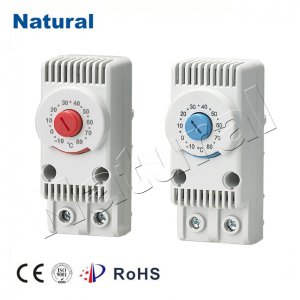
thermostat small

Gone are the days when adjusting the temperature in a room involved manual efforts. With the advent of small thermostats, we now have the power to regulate indoor temperatures with precision and convenience. These diminutive devices utilize cutting-edge sensors and smart algorithms to monitor and maintain the ideal climate within our homes, offices, and other environments. At the heart of every small thermostat lies a sophisticated system of sensors that detect temperature, humidity, and even occupancy. These sensors gather real-time data and relay it to the thermostat’s intelligent control unit, which then makes informed decisions to ensure optimal comfort. Whether it’s a scorching summer day or a chilly winter evening, the small thermostat works tirelessly to maintain the desired temperature, creating an environment that suits our preferences. What sets small thermostats apart is their ability to learn from our habits and adjust accordingly. Through machine learning algorithms, these devices analyze our temperature preferences over time and create personalized schedules. Imagine walking into a cozy home after a long day at work, where the thermostat has already anticipated your arrival and adjusted the temperature to your liking. This level of automation not only enhances comfort but also contributes to energy savings by avoiding unnecessary heating or cooling. The rise of the Internet of Things (IoT) has further propelled small thermostats into the realm of smart technology. Many of these devices can now be controlled remotely through smartphone apps or integrated with virtual assistants like Amazon Alexa or Google Assistant. This connectivity empowers users to manage their indoor climate from anywhere, ensuring a welcoming ambiance upon their return or even optimizing energy usage while they’re away. Energy efficiency has become a crucial consideration in today’s world, and small thermostats play a pivotal role in this endeavor. By utilizing occupancy sensors and advanced algorithms, these devices can intelligently adjust the temperature based on whether a room is occupied or vacant. This feature prevents wasteful heating or cooling of unoccupied spaces, resulting in lower energy bills and a reduced carbon footprint. Beyond their functional benefits, small thermostats are also contributing to the larger goal of sustainable living. With their energy-saving capabilities and ability to integrate with renewable energy systems, these devices align with the global push towards environmentally conscious practices. As more individuals adopt small thermostats, the cumulative impact on energy consumption can be substantial, making a positive contribution to our planet’s future. In conclusion, the small thermostat may be compact in size, but its influence on modern comfort control is monumental. From their intelligent sensors and learning capabilities to their role in energy efficiency and sustainability, these unassuming devices have reshaped the way we experience indoor environments. As technology continues to advance, we can only anticipate further innovations in the realm of small thermostats, promising even greater comfort, convenience, and conservation of resources.

The Innovations and Benefits of the KTO 011 Thermostat

Introduction

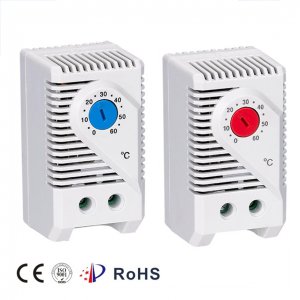
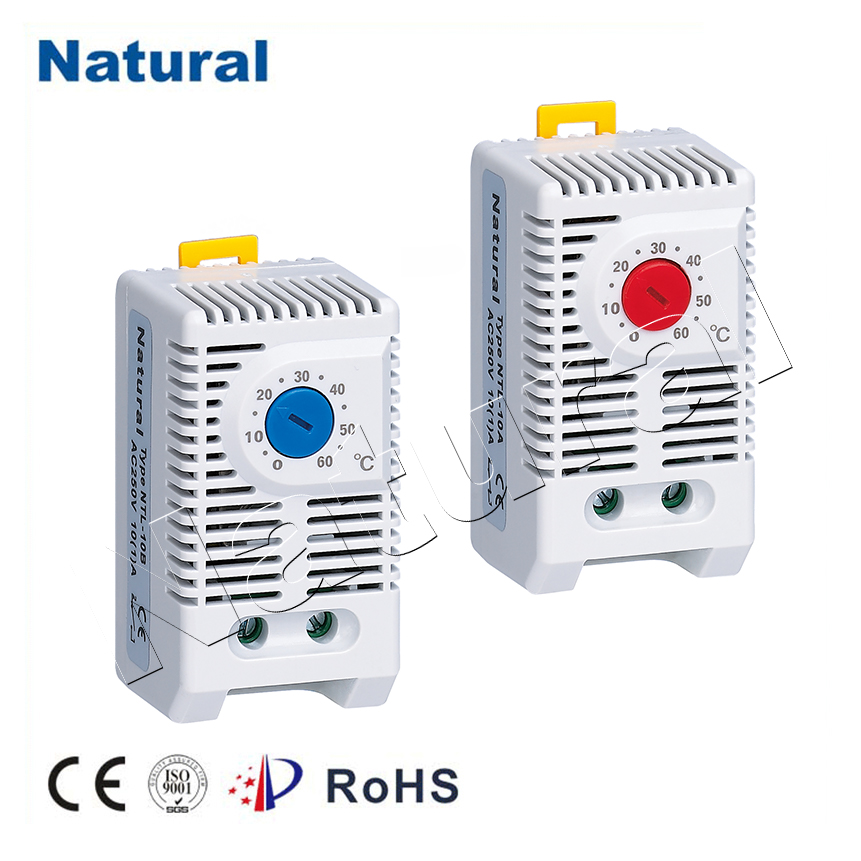
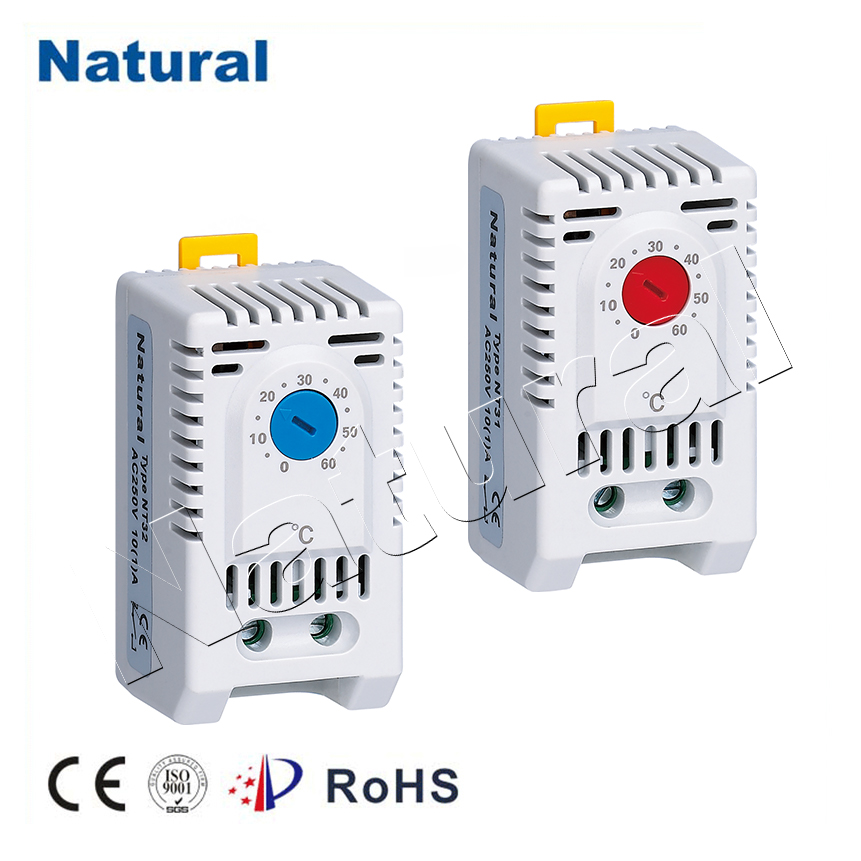
thermostat kto 011

In the ever-evolving landscape of technology, innovative products continue to shape the way we interact with our environment. One such product that has garnered attention is the KTO 011 thermostat. This article delves into the functionalities, benefits, and impact of the KTO 011 thermostat, shedding light on its contributions to energy efficiency and user convenience. Functionality and Design The KTO 011 thermostat stands out for its advanced functionality and ergonomic design. Developed with precision engineering, it is designed to regulate temperatures efficiently, making it a vital component in various settings, from household appliances to industrial applications. The device employs a bimetallic strip that responds to temperature changes by bending, thereby activating or deactivating the connected circuit. This simple yet effective mechanism ensures accurate temperature control, preventing overheating or excessive cooling. Energy Efficiency One of the key advantages of the KTO 011 thermostat is its contribution to energy efficiency. By maintaining optimal temperature levels, the device prevents unnecessary energy consumption, resulting in lower utility bills and reduced carbon footprints. In appliances such as refrigerators and heaters, the KTO 011 ensures that the internal environment remains consistent, minimizing energy waste and extending the lifespan of these appliances. Versatility in Applications The KTO 011 thermostat’s versatility is a driving factor behind its widespread adoption. Its adaptable design allows it to be integrated into diverse systems, ranging from industrial machinery to household devices. For instance, it plays a crucial role in temperature-sensitive processes within manufacturing, safeguarding equipment and products from temperature-related damage. Simultaneously, it enhances the user experience in appliances like ovens and water heaters by providing reliable temperature control for consistent performance. User-Friendly Interface Beyond its technical prowess, the KTO 011 thermostat boasts a user-friendly interface. Equipped with straightforward controls, users can easily set desired temperature thresholds. The device’s intuitive design requires minimal effort to operate, making it accessible to a wide range of users, from professionals to homeowners. This user-centered approach contributes to its popularity and widespread use. Reliability and Durability In industrial environments where precision and durability are paramount, the KTO 011 thermostat excels. Its robust construction ensures resistance to mechanical stress and environmental factors, enhancing its reliability in demanding conditions. This durability translates into reduced maintenance requirements and increased uptime for equipment reliant on accurate temperature control. Conclusion The KTO 011 thermostat represents a milestone in the world of temperature regulation technology. With its innovative design, energy efficiency, versatility, user-friendly interface, and reliability, it has found its way into various applications, making our lives more comfortable and our industries more efficient. As we continue to prioritize sustainable practices and technological advancements, the KTO 011 thermostat stands as a testament to how small yet impactful innovations can significantly influence our daily lives and contribute to a greener future.

“Enhancing Energy Efficiency with Thermostat-controlled Industrial Cooling”

Introduction

thermostat industrial cooling

In today’s rapidly evolving industrial landscape, energy efficiency has become a paramount concern. The efficient management of resources not only benefits a company’s bottom line but also contributes to a more sustainable and environmentally conscious operation. One area where significant strides have been made in recent years is industrial cooling, aided by the integration of advanced thermostat technology. This article explores the role of thermostat-controlled industrial cooling systems in enhancing energy efficiency and optimizing operations. The Evolution of Industrial Cooling Industrial cooling has historically been a resource-intensive process, demanding substantial amounts of energy to maintain optimal temperatures in various manufacturing processes. Traditional cooling methods often lack precision and adaptability, leading to wasteful energy consumption and increased operating costs. However, the advent of thermostat-controlled industrial cooling has revolutionized this landscape by introducing intelligent and dynamic temperature regulation. The Thermostat Advantage Thermostat-controlled industrial cooling systems offer several distinct advantages that contribute to improved energy efficiency and overall operational optimization: Precise Temperature Regulation:Thermostats equipped with advanced sensors can accurately monitor and adjust temperature levels in real-time. This precision ensures that cooling systems only operate when necessary, reducing unnecessary energy consumption. Adaptive Cooling:Modern thermostats utilize sophisticated algorithms that can learn from historical data and adapt to changing conditions. This adaptability ensures that cooling systems respond appropriately to fluctuations in heat load, resulting in efficient energy usage. Remote Monitoring and Control:Thermostat-controlled cooling systems can be monitored and adjusted remotely, allowing facility managers to make real-time changes based on demand or unexpected variations. This remote accessibility minimizes wastage and ensures optimal performance. Energy Consumption Analytics:Many thermostat systems offer data analytics capabilities, providing insights into energy consumption patterns and opportunities for further optimization. These insights empower businesses to make informed decisions to reduce energy usage and associated costs. Reduced Equipment Wear:By preventing temperature fluctuations and ensuring consistent cooling, thermostat-controlled systems contribute to extending the lifespan of cooling equipment. This reduction in wear and tear translates to cost savings through decreased maintenance and replacement expenses. Case Studies in Efficiency Several real-world examples highlight the transformative impact of thermostat-controlled industrial cooling: Automotive Manufacturing:In the automotive industry, precise temperature control is critical for processes such as welding and painting. Thermostat-controlled cooling has enabled manufacturers to achieve optimal conditions, resulting in improved product quality and reduced energy consumption. Food Processing:Food processing facilities require strict temperature control to maintain product freshness and safety. Thermostat-regulated cooling ensures that energy is used only when necessary, preserving both product quality and reducing operational costs. Data Centers:Data centers generate significant heat due to the operation of servers. Thermostat-controlled cooling systems in data centers can efficiently manage temperature fluctuations, leading to reduced energy consumption and enhanced equipment performance. Textile Production:Textile manufacturing involves various heat-intensive processes. By utilizing thermostats to control cooling, textile manufacturers can achieve energy savings while maintaining consistent product quality. Conclusion In an era of heightened environmental awareness and resource optimization, thermostat-controlled industrial cooling systems have emerged as a vital tool for enhancing energy efficiency and operational excellence. By offering precise temperature regulation, adaptive cooling strategies, remote monitoring, and energy consumption analytics, these systems enable businesses to minimize wastage, reduce costs, and contribute to a more sustainable industrial future. As technology continues to evolve, the integration of advanced thermostat technology promises even greater strides in energy efficiency across various industrial sectors.

“Efficiency and Control: Exploring the Benefits of Thermostat DIN Rails”

Introduction

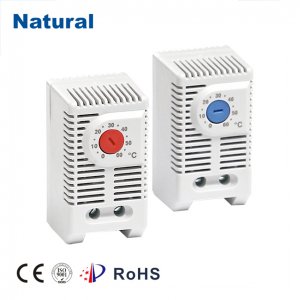
thermostat din rail

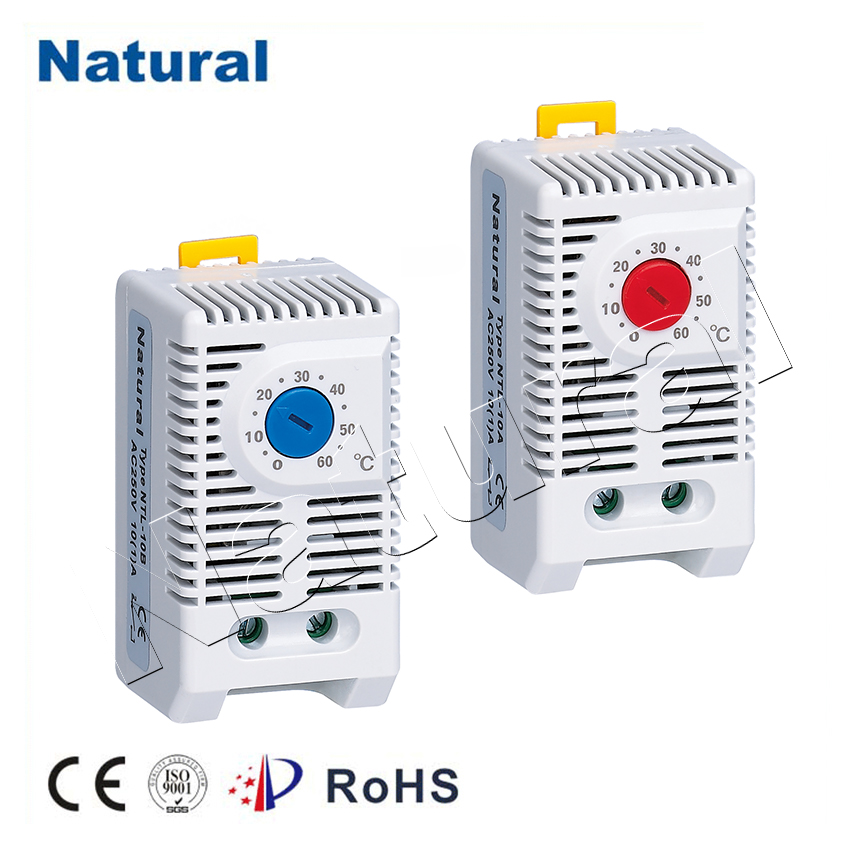
In the realm of modern technology, where automation and energy efficiency take center stage, the thermostat DIN rail has emerged as a crucial component in optimizing temperature control systems. This unassuming device, often overlooked, plays a pivotal role in various industrial and residential applications. In this article, we delve into the world of thermostat DIN rails, unraveling their significance, functionalities, and the myriad benefits they bring to our daily lives. Understanding Thermostat DIN Rails A thermostat DIN rail is a compact and standardized device that fits onto a DIN rail – a metal rail used for mounting various industrial control equipment. Its primary purpose is to regulate temperature by controlling heating, cooling, or ventilation systems. Unlike traditional thermostats, DIN rail thermostats offer greater flexibility and compatibility due to their standardized design. They are commonly employed in HVAC (Heating, Ventilation, and Air Conditioning) systems, industrial ovens, incubators, and many other applications requiring precise temperature management. Functionality and Features DIN rail thermostats boast an array of features that contribute to their widespread adoption. One key feature is their programmability. Users can define temperature setpoints, hysteresis values, and time delays, allowing for customized temperature profiles that align with specific operational needs. This versatility is particularly advantageous in environments where temperature fluctuations can impact product quality or process efficiency. Moreover, thermostat DIN rails often incorporate digital displays that provide real-time temperature readings and system status. This visibility empowers operators to monitor conditions closely and make informed decisions promptly. Some advanced models even offer remote connectivity, enabling users to adjust settings and receive alerts via mobile devices or computers, ensuring round-the-clock control and peace of mind. Benefits in Industrial Applications In industrial settings, precise temperature control is often paramount. Thermostat DIN rails shine in this regard, contributing to energy efficiency and operational excellence. By maintaining consistent temperatures, they enhance production processes, reduce material waste, and extend equipment lifespan. For instance, in manufacturing facilities, the precise regulation of temperature-sensitive chemicals can prevent unwanted reactions, leading to higher product quality and safety. Energy Efficiency and Cost Savings Thermostat DIN rails play a vital role in energy conservation. They prevent unnecessary heating or cooling, ensuring systems only operate when required. This proactive approach results in substantial energy savings, which is not only environmentally responsible but also financially rewarding. Businesses can significantly reduce utility bills, further justifying the initial investment in these devices. Integration with Building Management Systems In commercial buildings, DIN rail thermostats seamlessly integrate into larger building management systems (BMS). This integration allows for centralized control of heating and cooling across multiple zones, optimizing energy usage based on occupancy patterns and specific requirements. As a result, office spaces, shopping malls, and hotels can maintain comfortable environments while minimizing energy waste. Conclusion The thermostat DIN rail, though compact in size, is a powerhouse of efficiency and control. Its ability to maintain precise temperatures, coupled with programmable features and integration capabilities, positions it as a cornerstone of modern temperature management systems. Whether in industrial or commercial applications, the benefits it brings – from energy savings to enhanced product quality – are undeniable. As technology continues to advance, the thermostat DIN rail remains a vital tool in the pursuit of a more sustainable and streamlined future.

The Role and Advancements of Thermostat Controllers in Modern Living

In the realm of modern living, where comfort and efficiency hold paramount importance, thermostat controllers have emerged as indispensable tools. These intelligent devices play a pivotal role in maintaining optimal temperatures within our homes, offices, and various other spaces. In this article, we will delve into the significance of thermostat controllers, their evolution, and the ways in which they are shaping our daily lives.

thermostat controller

The Evolution of Thermostat Controllers The journey of thermostat controllers began with simple mechanical devices that allowed users to manually adjust the temperature settings. Over time, technological advancements paved the way for programmable thermostats. These early iterations enabled users to set temperature schedules, allowing for energy savings by adjusting the temperature according to occupancy patterns. However, the true revolution arrived with the advent of smart thermostat controllers. These cutting-edge devices are equipped with Wi-Fi connectivity, machine learning algorithms, and sophisticated sensors that offer a seamless blend of comfort, convenience, and energy efficiency. Smart thermostats learn from user preferences, adapt to weather changes, and can even be controlled remotely through smartphone apps. The Significance of Thermostat Controllers Thermostat controllers have transformed the way we experience our living spaces. They provide several key benefits that enhance our comfort and contribute to energy conservation: Energy Efficiency: One of the primary advantages of modern thermostat controllers is their ability to optimize energy usage. They can learn the thermal characteristics of a building and make real-time adjustments to minimize energy waste while maintaining comfort levels. Cost Savings: The energy efficiency achieved through precise temperature control leads to substantial cost savings on utility bills. By avoiding unnecessary heating or cooling, users can significantly reduce their expenses over time. Customized Comfort: Advanced thermostat controllers allow users to create personalized temperature profiles. Whether it’s warming up the house before waking up or cooling it down before arriving home, these devices ensure that the environment is always as desired. Remote Access: Smart thermostats take convenience a step further by enabling remote access through smartphones or other connected devices. This feature is especially beneficial for frequent travelers who can ensure their homes are at a comfortable temperature upon their return. Environmental Impact: The reduced energy consumption facilitated by thermostat controllers has a positive impact on the environment by lowering carbon emissions and minimizing the overall ecological footprint. Innovations Shaping the Future As technology continues to evolve, so do thermostat controllers. The future holds even more exciting possibilities: Integration with Smart Homes: Thermostat controllers are becoming integral components of smart home ecosystems. They can communicate with other smart devices like lights, blinds, and appliances to create a seamless, automated living experience. Artificial Intelligence and Machine Learning: The integration of AI and machine learning enables thermostat controllers to make increasingly accurate predictions about user preferences and environmental conditions, leading to even more efficient energy management. Health and Wellness Considerations: Future thermostat controllers may incorporate sensors that monitor indoor air quality, humidity levels, and other factors that impact occupants’ health and comfort. Renewable Energy Integration: As renewable energy sources become more prevalent, thermostat controllers can adapt to fluctuations in energy availability, optimizing heating and cooling patterns accordingly. In conclusion, thermostat controllers have evolved from simple temperature adjusters to sophisticated, energy-efficient tools that are shaping the way we experience our indoor environments. Their journey from mechanical to smart devices underscores their vital role in modern living. As technology advances, these controllers are poised to become even more intelligent, seamlessly integrating with our lives while promoting sustainability, comfort, and cost savings.