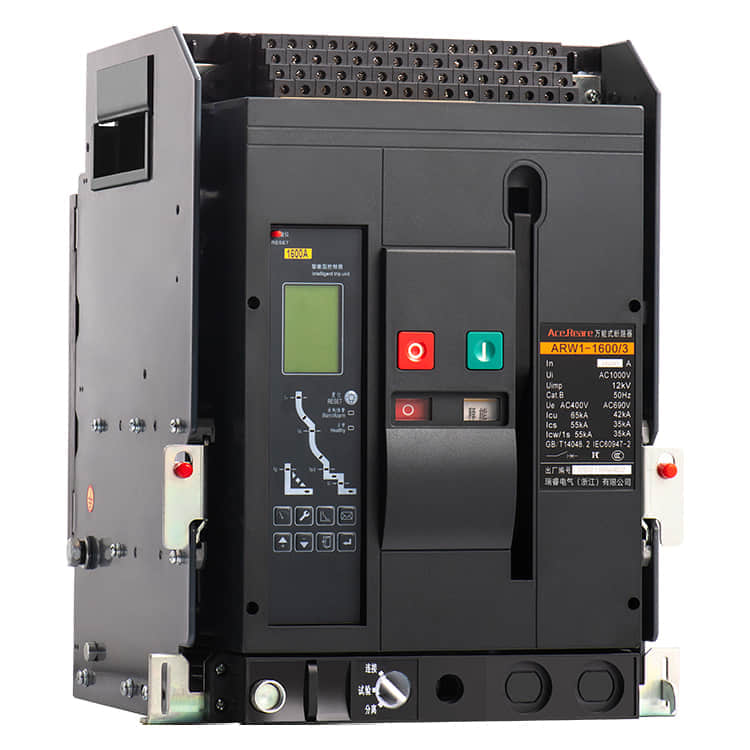
Monthly Archives: September 2023

Innovations in Molded Case Circuit Breaker Manufacturing

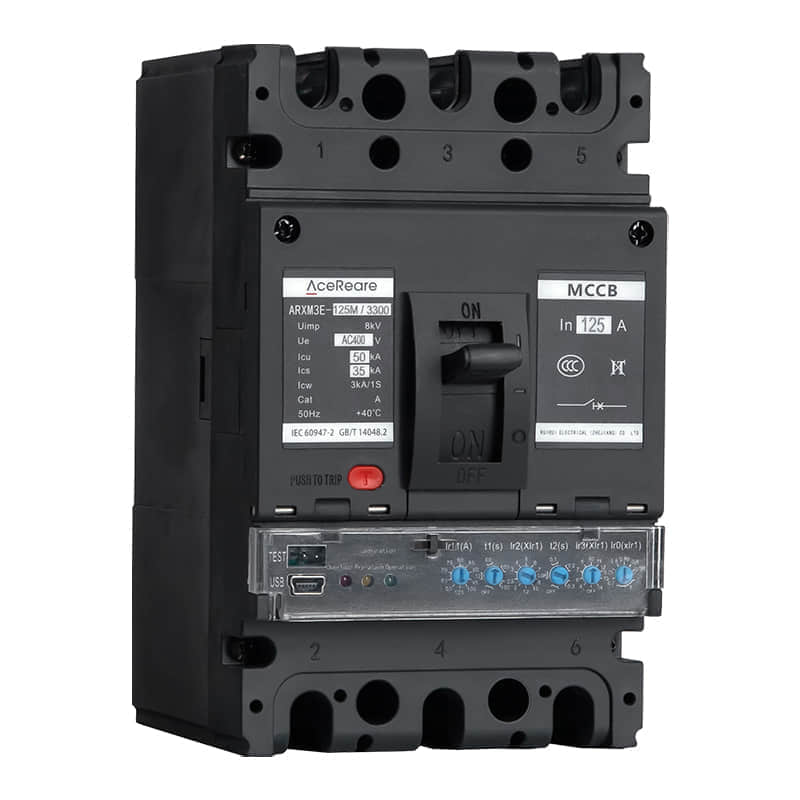
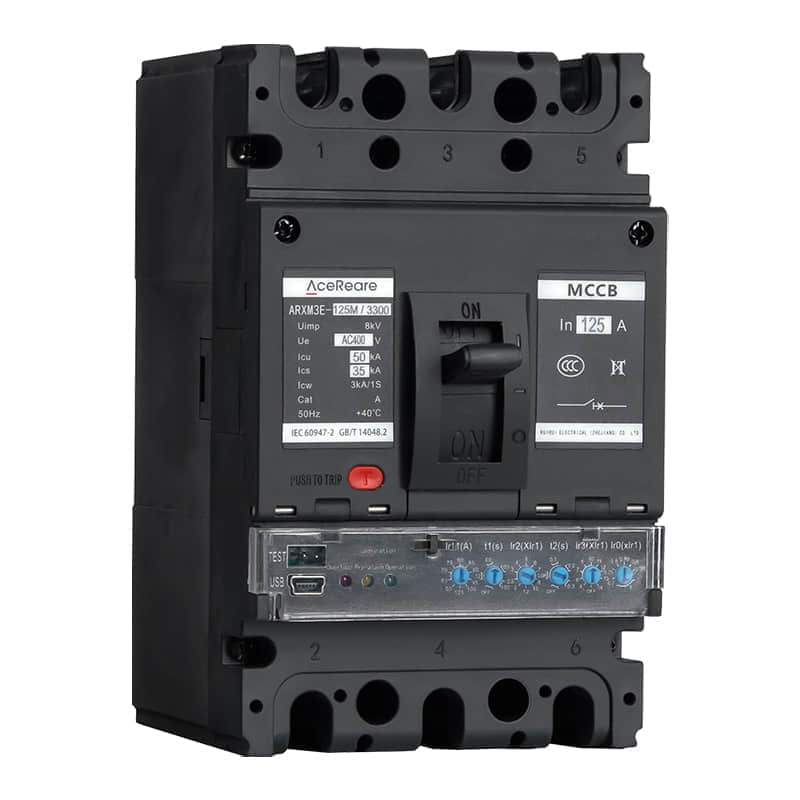
Molded Case Circuit Breakers (MCCBs) play a crucial role in electrical systems, safeguarding them from overcurrents and short circuits. As technology advances, so does the manufacturing process of these essential components. In this article, we delve into the innovations that have shaped the landscape of MCCB manufacturing, ensuring safety, efficiency, and reliability in electrical distribution networks.
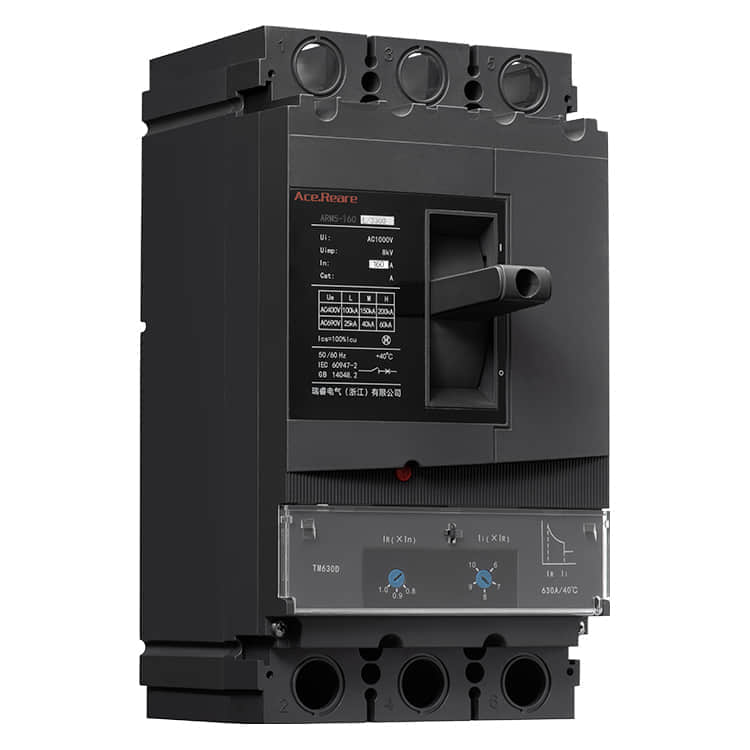
Manufacturer of molded case circuit breaker

Evolution of MCCBs: From Conventional to Advanced Manufacturing
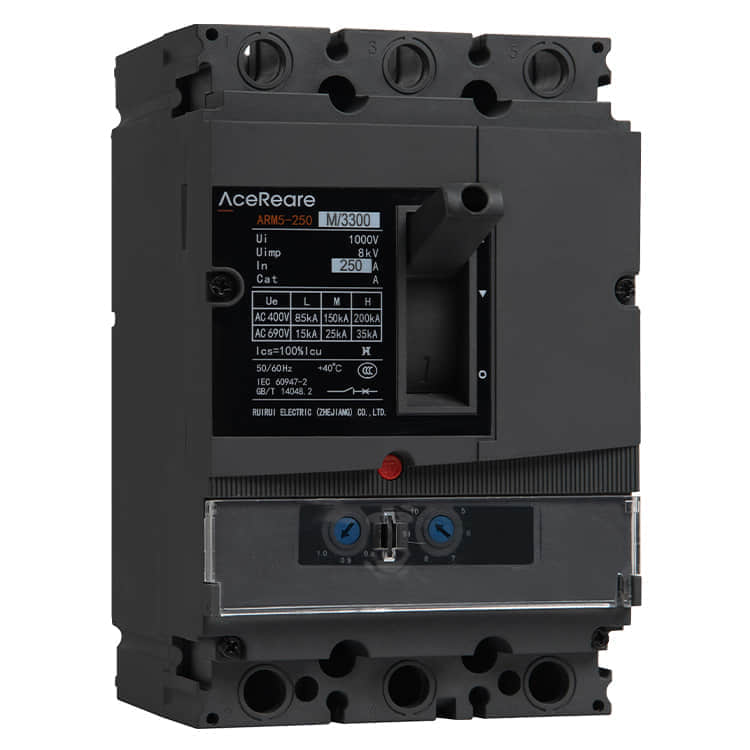
Manufacturer of molded case circuit breaker

Traditionally, MCCBs were manufactured using labor-intensive processes, often involving manual assembly and testing. However, the demand for increased performance, enhanced features, and higher reliability prompted a shift towards automated manufacturing techniques. Modern MCCB manufacturing facilities now utilize cutting-edge technologies such as robotics, computer-aided design (CAD), and advanced quality control systems. Precision Engineering and Design One of the key advancements in MCCB manufacturing is precision engineering. CAD software allows engineers to design intricate components with meticulous accuracy. This results in better-fitting parts, improved performance, and reduced energy losses within the breaker. Moreover, computer simulations enable manufacturers to assess various design iterations before selecting the optimal one for production. Smart Manufacturing and IoT Integration The rise of Industry 4.0 has influenced MCCB manufacturing significantly. Smart manufacturing techniques involve the integration of the Internet of Things (IoT) devices and sensors throughout the production process. These sensors monitor various parameters, such as temperature, pressure, and vibration, in real-time. This data is then analyzed to detect anomalies, predict maintenance needs, and optimize the manufacturing process for higher efficiency and quality. Materials Innovation The choice of materials has a direct impact on the performance and longevity of MCCBs. With advancements in material science, manufacturers now have access to lighter, more durable, and heat-resistant materials. These materials not only improve the MCCBs’ efficiency but also extend their operational lifespan, reducing the need for frequent replacements. Quality Control and Testing Ensuring the reliability of MCCBs is paramount. Advanced testing methods, including thermal imaging, X-ray inspection, and automated functional tests, guarantee that each MCCB leaving the production line meets the strictest quality standards. Manufacturers can identify potential defects early in the process, reducing the likelihood of faulty products reaching consumers. Environmental Considerations In today’s environmentally conscious world, sustainable manufacturing practices are gaining importance. Manufacturers of MCCBs are focusing on reducing energy consumption during production, optimizing material usage, and implementing recycling programs for end-of-life MCCBs. This approach not only minimizes the environmental impact but also aligns with the global push for a greener future. Customization and Flexibility Every electrical system is unique, and MCCBs must be tailored to suit various requirements. Advanced manufacturing allows for greater customization and flexibility in MCCB design and production. Manufacturers can swiftly adapt their processes to produce MCCBs with specific features, ratings, and sizes, meeting the diverse needs of customers across industries. Global Outreach and Accessibility Innovations in MCCB manufacturing have not only enhanced their quality but also increased their accessibility on a global scale. As developing countries expand their electrical infrastructure, the availability of reliable MCCBs becomes crucial. Advanced manufacturing techniques enable manufacturers to produce high-quality MCCBs at a larger scale and more affordable costs, contributing to the electrification of remote and underserved areas. Conclusion The manufacturer of molded case circuit breakers has evolved significantly over the years, driven by technological advancements and the need for safer and more efficient electrical systems. From precision engineering and smart manufacturing to materials innovation and quality control, these innovations have revolutionized MCCB manufacturing. As our reliance on electricity continues to grow, these advancements ensure that our electrical distribution networks remain robust, resilient, and prepared for the future.
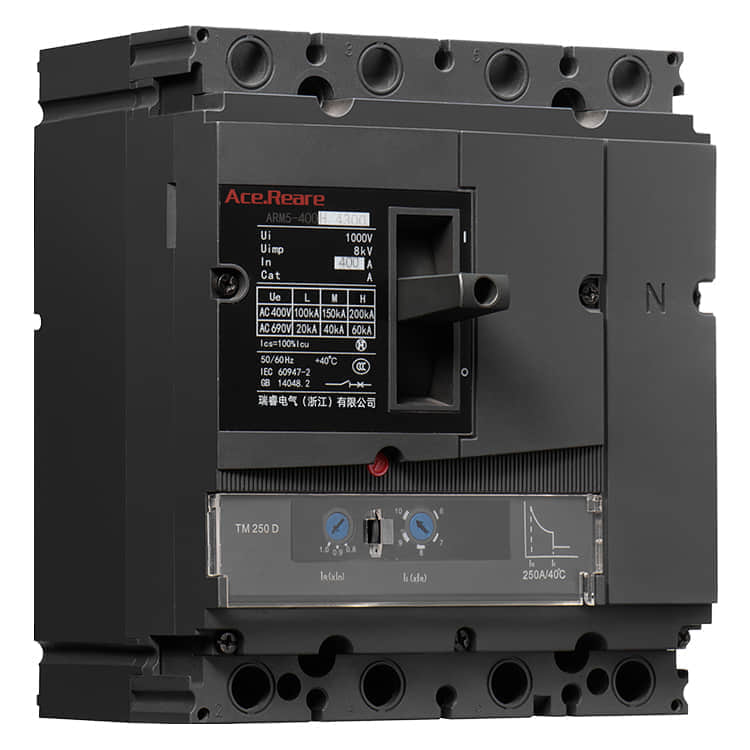
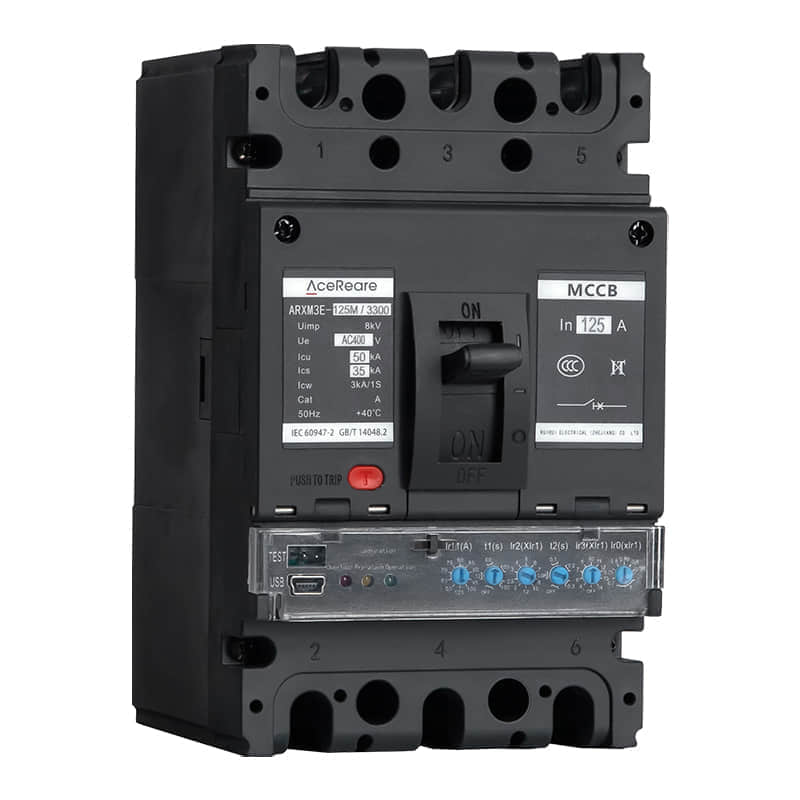
Manufacturer of molded case circuit breaker

Innovations in Electronic Circuit Breaker Manufacturing

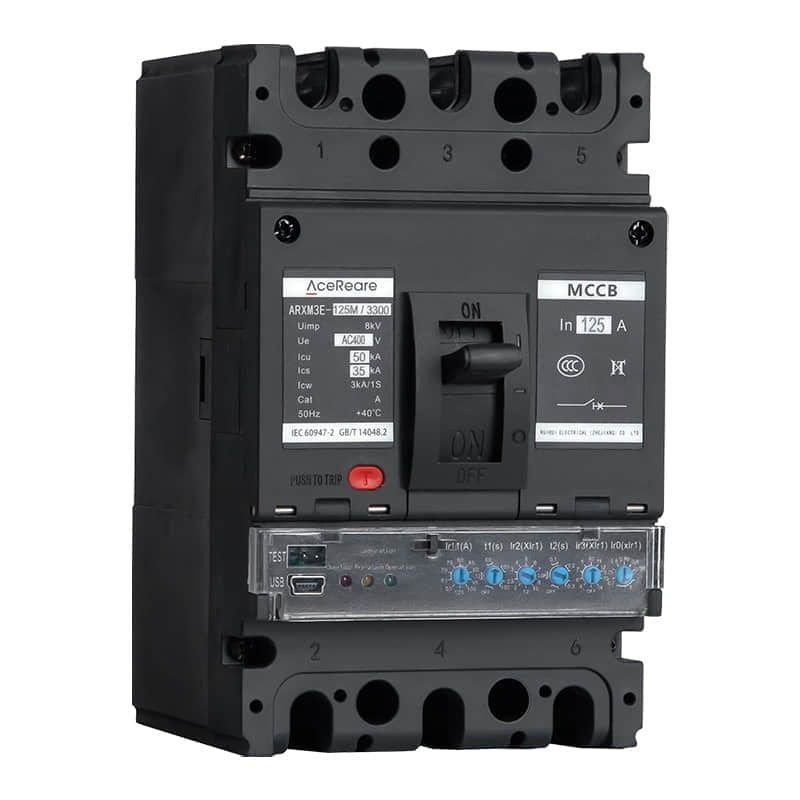
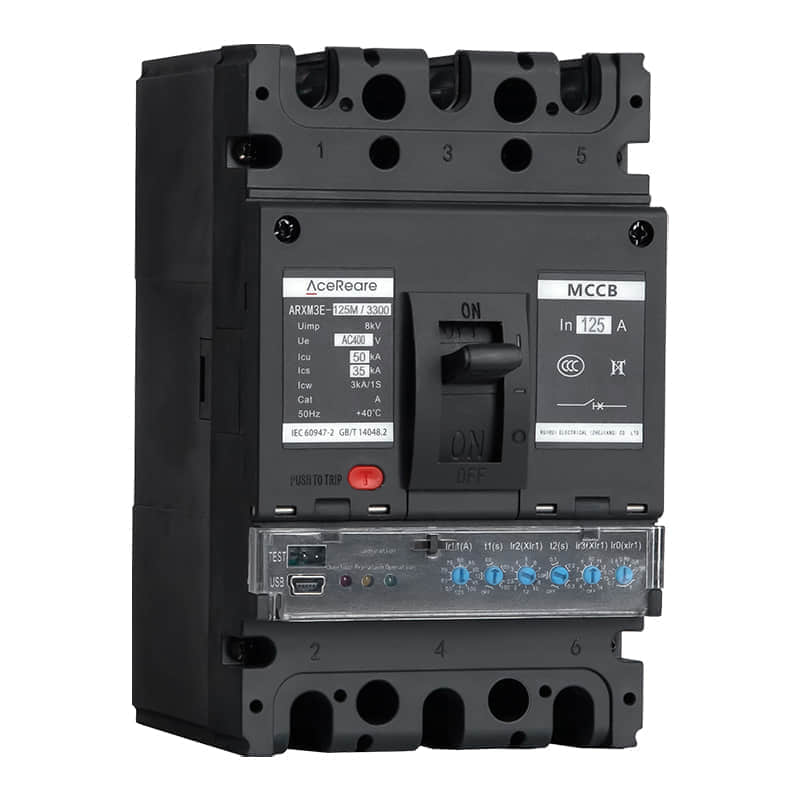
In the ever-evolving landscape of electrical systems, the role of electronic circuit breakers has become increasingly crucial. These devices serve as the first line of defense, safeguarding equipment and installations against overloads and short circuits. Behind the scenes of this technological advancement lies the diligent work of manufacturers specializing in electronic circuit breakers.

Manufacturer of electronic circuit breaker

The manufacturer of electronic circuit breakers plays a pivotal role in shaping the modern electrical industry. With a blend of innovation, precision engineering, and a commitment to safety, these manufacturers have transformed the way power is distributed and managed. Let’s delve into the world of electronic circuit breaker manufacturing and explore the key factors that make it an essential part of our technological progress.

Manufacturer of electronic circuit breaker

Cutting-edge Technology: Electronic circuit breakers have moved far beyond their traditional electromechanical counterparts. Manufacturers are now integrating microprocessors, sensors, and advanced algorithms into their designs. These innovations enable electronic circuit breakers to not only interrupt faulty currents but also provide insights into power usage patterns. By analyzing this data, businesses and households can optimize their energy consumption, leading to both cost savings and reduced environmental impact. Safety First: Ensuring safety in electrical systems is paramount, and electronic circuit breakers play a vital role in achieving this goal. Manufacturers meticulously design their products to respond swiftly and accurately to electrical faults. The use of advanced materials and testing procedures guarantees that these circuit breakers can endure the stresses of daily operations while consistently delivering reliable protection. Customization and Adaptability: Each application may have unique requirements, demanding circuit breakers with varying capacities and characteristics. Manufacturers recognize this diversity and offer a wide range of products to suit different needs. Whether it’s for industrial machinery, commercial buildings, or residential complexes, electronic circuit breakers can be tailored to specific voltage and current demands. Remote Control and Monitoring: Modern electronic circuit breakers can be integrated into smart grid systems, allowing for remote control and real-time monitoring. This feature is invaluable for maintenance crews, as it enables them to identify and address issues without physically accessing the circuit breaker. Manufacturers are at the forefront of developing these smart solutions, contributing to the digitization and automation of the power distribution sector. Efficiency and Reliability: The electronic circuit breaker’s ability to rapidly detect and isolate faults contributes to the overall stability of electrical networks. By preventing overloads and short circuits from propagating, these devices help in maintaining uninterrupted power supply. Manufacturers continuously refine their designs to enhance efficiency and reliability, supporting the seamless functioning of critical infrastructure. Environmental Considerations: As sustainability takes center stage, electronic circuit breaker manufacturers are also striving to minimize their products’ environmental impact. This includes utilizing eco-friendly materials in production, designing circuit breakers with higher energy efficiency, and facilitating easier recycling processes at the end of the product’s lifecycle. Global Impact: The work of electronic circuit breaker manufacturers extends across borders, providing essential components for infrastructure projects worldwide. Their contributions enable the electrification of remote areas, the expansion of urban centers, and the advancement of industries. This global reach underscores the significance of their role in modern society. In conclusion, the manufacturer of electronic circuit breakers occupies a crucial position in the realm of technological progress. Through innovative designs, a focus on safety, adaptability to diverse needs, integration with smart systems, and a commitment to efficiency and sustainability, these manufacturers drive the evolution of electrical systems. As we continue to rely on electricity for every facet of life, their contributions remain essential in shaping a safer, more efficient, and interconnected world.

Manufacturer of electronic circuit breaker

Innovating the Future: The Leading Manufacturer of DC Molded Case Circuit Breakers

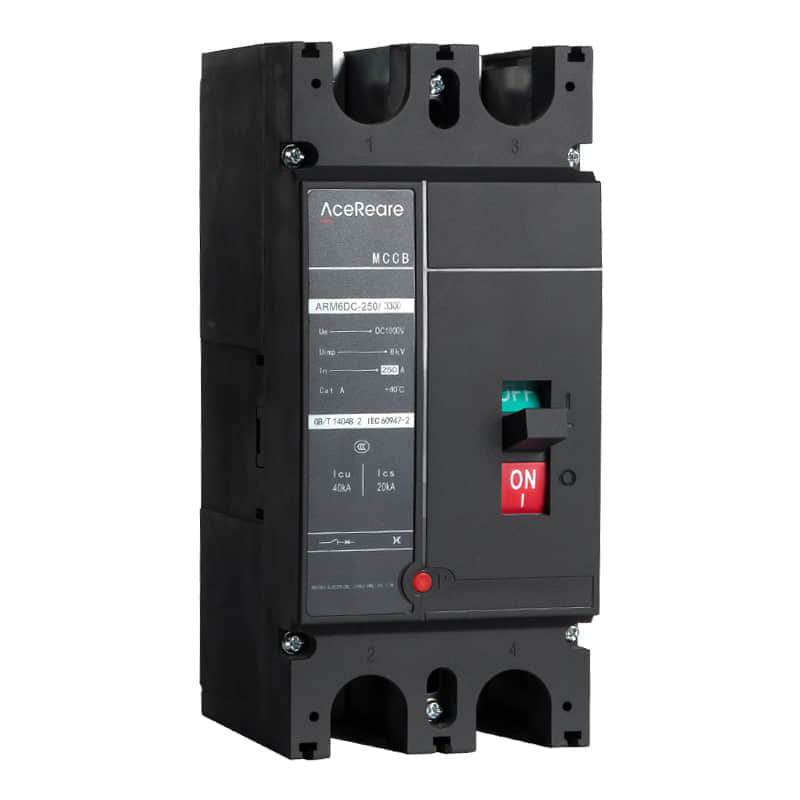
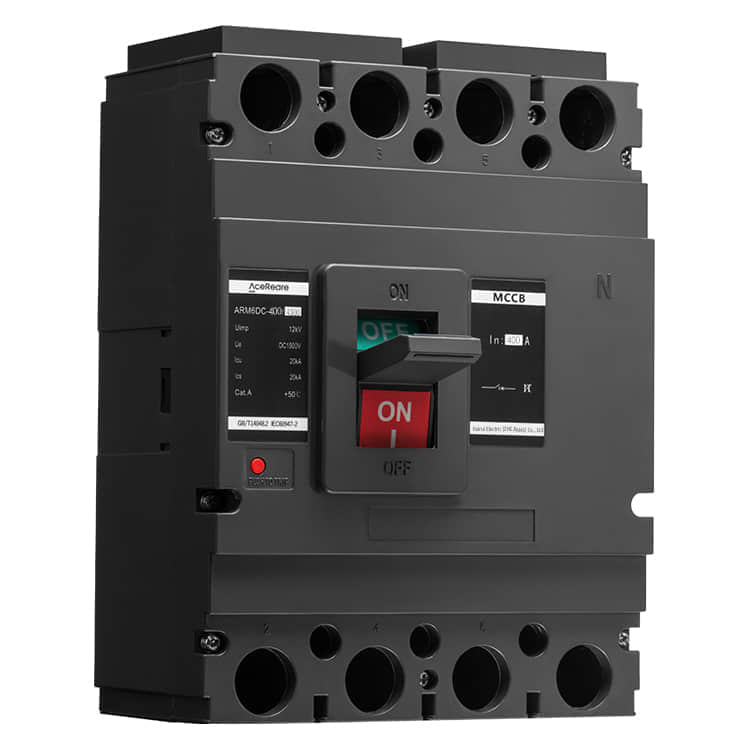
In the dynamic realm of electrical engineering, the role of Direct Current (DC) molded case circuit breakers cannot be overstated. These essential components ensure the safety and reliability of electrical systems by interrupting and controlling the flow of current. At the forefront of this pivotal technology is our leading manufacturer of DC molded case circuit breakers, dedicated to advancing electrical distribution, safeguarding equipment, and propelling industrial and commercial sectors into the future.
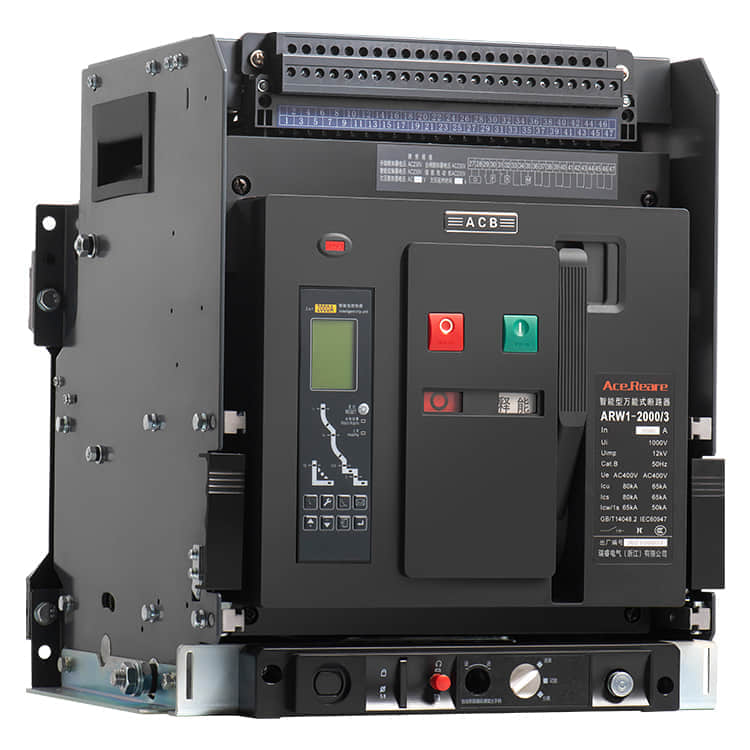
Manufacturer of DC molded case circuit breaker

Engineering ExcellenceOur manufacturer stands as a beacon of engineering excellence, driven by a commitment to innovation and quality. With a rich history spanning decades, the company has consistently embraced cutting-edge technologies to design, produce, and distribute DC molded case circuit breakers that set new industry benchmarks. This dedication to excellence has solidified our manufacturer’s position as a trusted partner for businesses and industries worldwide.

Manufacturer of DC molded case circuit breaker

Advanced Research and DevelopmentAt the heart of our manufacturer’s success lies an unwavering focus on research and development (R&D). A team of brilliant minds, including engineers, physicists, and designers, collaborate to push the boundaries of circuit breaker technology. This commitment has led to breakthroughs in materials science, thermal management, and fault detection, resulting in circuit breakers that offer superior performance and unmatched reliability. Tailored SolutionsUnderstanding that each application has unique requirements, our manufacturer prides itself on delivering tailored solutions. Whether it’s for renewable energy systems, data centers, manufacturing plants, or critical infrastructure, the company’s DC molded case circuit breakers are designed to address specific challenges posed by these diverse sectors. This customization ensures optimal functionality, safety, and efficiency, contributing significantly to the longevity of connected equipment and the overall stability of electrical networks. Industry Standards and ComplianceAs a trailblazer in the field, our manufacturer consistently leads the charge in defining industry standards and compliance regulations. Rigorous testing procedures are applied throughout the manufacturing process to guarantee that every circuit breaker meets or exceeds the most stringent quality and safety requirements. By adhering to international standards, the manufacturer plays a pivotal role in promoting global electrical safety. Sustainability and Energy EfficiencyRecognizing the urgent need for sustainable practices, our manufacturer integrates principles of energy efficiency and environmental responsibility into its product design. DC molded case circuit breakers are engineered not only for performance but also with a focus on minimizing energy loss and maximizing resource utilization. This commitment to sustainability aligns with the global shift towards greener technologies and resonates with eco-conscious consumers and industries. Global Reach and ImpactThe influence of our manufacturer extends far beyond its headquarters, with a global network of partners, distributors, and clients. This extensive reach ensures that breakthroughs in circuit breaker technology are accessible to a wide range of markets, from emerging economies to developed nations. As a result, the manufacturer’s impact on enhancing electrical safety and efficiency is felt across the globe. Driving Innovation ForwardIn conclusion, the manufacturer of DC molded case circuit breakers stands as a driving force behind innovation in the electrical engineering landscape. Through a dedication to engineering excellence, advanced R&D, tailored solutions, adherence to industry standards, sustainability, and a far-reaching global impact, the company continues to reshape the way industries manage and distribute electrical power. With each technological leap forward, the manufacturer propels us closer to a safer, more efficient, and electrifying future.

Manufacturer of DC molded case circuit breaker

The Leading Manufacturer of Electronic Molded Case Circuit Breakers

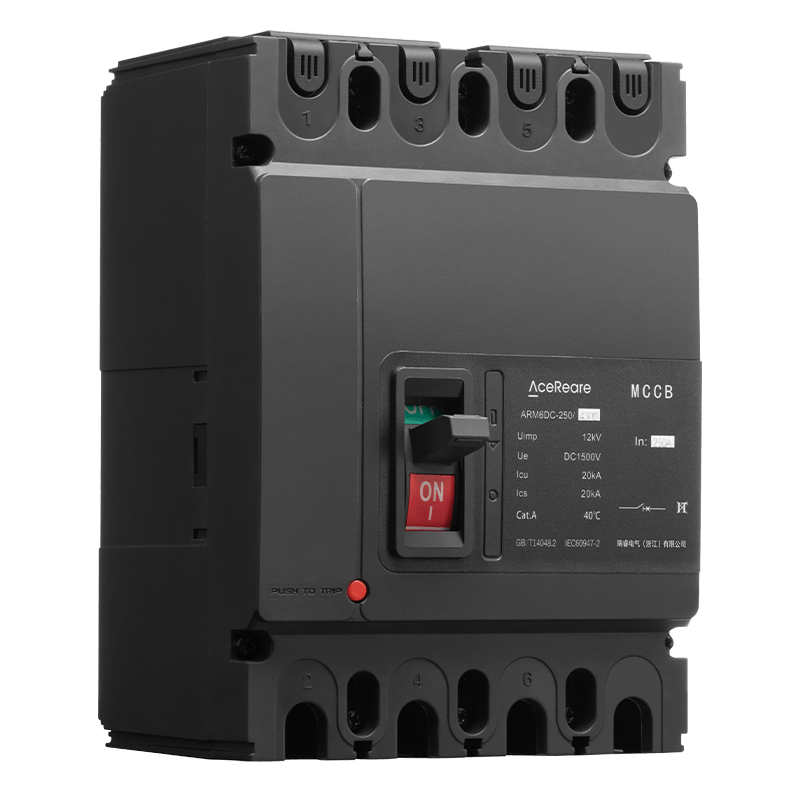
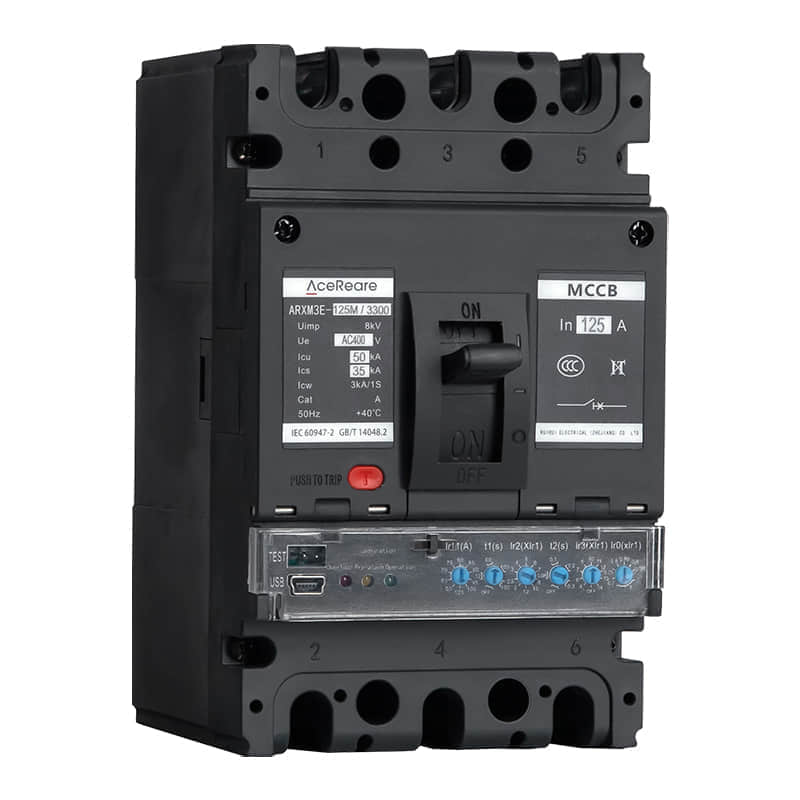
In the realm of modern electrical systems, ensuring safety, reliability, and efficient energy distribution is paramount. At the heart of this mission are electronic molded case circuit breakers (MCCBs), essential components that safeguard equipment and infrastructure from electrical overloads and faults. Among the industry leaders in producing these critical devices, one manufacturer stands out: combining cutting-edge technology with a legacy of excellence, they have become synonymous with innovation and reliability.

Manufacturer of electronic  molded case circuit breaker

Unveiling TechnoGuard: Pioneering Safety and Efficiency

Manufacturer of electronic  molded case circuit breaker

Meet TechnoGuard, a frontrunner in the world of electronic MCCB manufacturing. With a rich history spanning over four decades, TechnoGuard has continuously redefined industry standards through its unwavering commitment to research, development, and customer satisfaction. Innovative Engineering: TechnoGuard’s success story is written by its dedicated engineers and researchers. They consistently push the boundaries of technological innovation, developing MCCBs that incorporate the latest advancements in materials, design, and digital connectivity. These breakthroughs allow for real-time monitoring, remote control, and enhanced diagnostic capabilities, making TechnoGuard MCCBs an integral part of the ever-evolving “smart” electrical grids. Stringent Quality Control: In the realm of electrical systems, there is no room for compromise. TechnoGuard understands this better than anyone. Every MCCB leaving their production line undergoes rigorous testing procedures that adhere to international safety and performance standards. This commitment to quality assurance ensures that their products deliver optimal performance even in the harshest environments, effectively minimizing downtime and reducing the risk of electrical hazards. Sustainability in Focus: As global awareness of environmental issues grows, TechnoGuard takes its role in promoting sustainability seriously. The manufacturer integrates eco-friendly practices into its production processes, sourcing materials responsibly and optimizing energy consumption. This not only reduces the environmental footprint but also sets an example for the industry at large. Global Outreach, Local Approach: With a presence in over 50 countries, TechnoGuard’s impact is truly global. However, they understand the importance of tailoring solutions to local needs. Their regional teams work closely with clients, understanding the unique challenges each market presents. This customer-centric approach enables them to deliver MCCBs that not only meet technical requirements but also align with specific cultural and regulatory contexts. Empowering the Future: TechnoGuard’s commitment extends beyond the present. They invest in education and training programs, equipping the next generation of electrical engineers with the skills and knowledge needed to build and maintain advanced electrical systems. By fostering innovation from an early stage, they contribute to the industry’s long-term growth and development. A Secure Tomorrow, Powered by TechnoGuard In an era driven by technology, electricity is the lifeblood of progress. However, this progress must be underpinned by safety and reliability. As the demand for efficient energy distribution and consumption grows, the role of electronic MCCBs becomes increasingly crucial. In this landscape, TechnoGuard shines as the leading manufacturer of these essential components, providing the safety net that allows industries and communities to thrive. In conclusion, the story of TechnoGuard is one of innovation, quality, and responsibility. Their dedication to pushing the boundaries of technology, ensuring the highest standards of quality, promoting sustainability, and engaging with communities worldwide makes them a true leader in the realm of electronic MCCB manufacturing. With TechnoGuard in the vanguard, the future of electrical systems is brighter, safer, and more efficient than ever before.

Manufacturer of electronic  molded case circuit breaker

The Precision of Injection Molded Parts: A Masterpiece of Modern Manufacturing

Injection molding has revolutionized the world of manufacturing with its precision, efficiency, and versatility. It has become an essential process in various industries, from automotive to consumer electronics, producing everything from intricate components to everyday items. In this article, we will delve into the world of injection molded parts, exploring their manufacturing process, applications, and the advantages they offer.

injection molded parts

The Injection Molding Process

injection molded parts

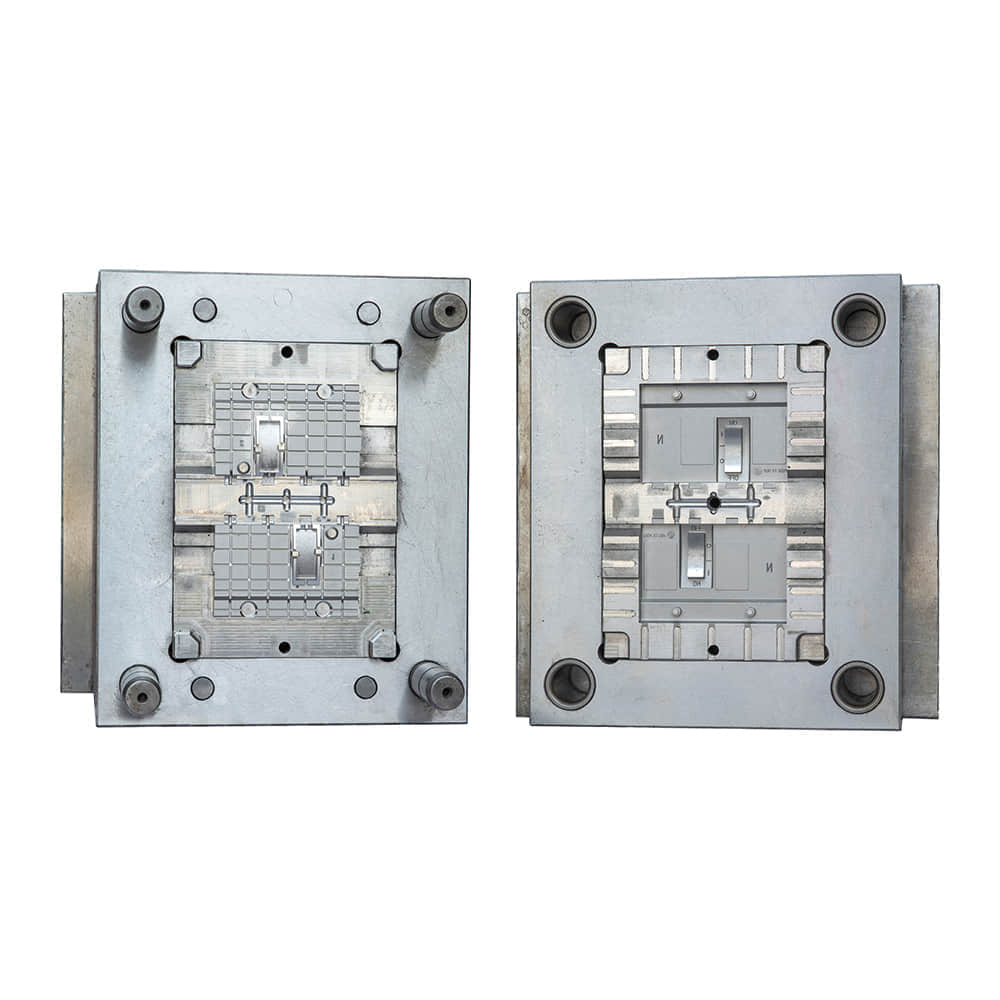
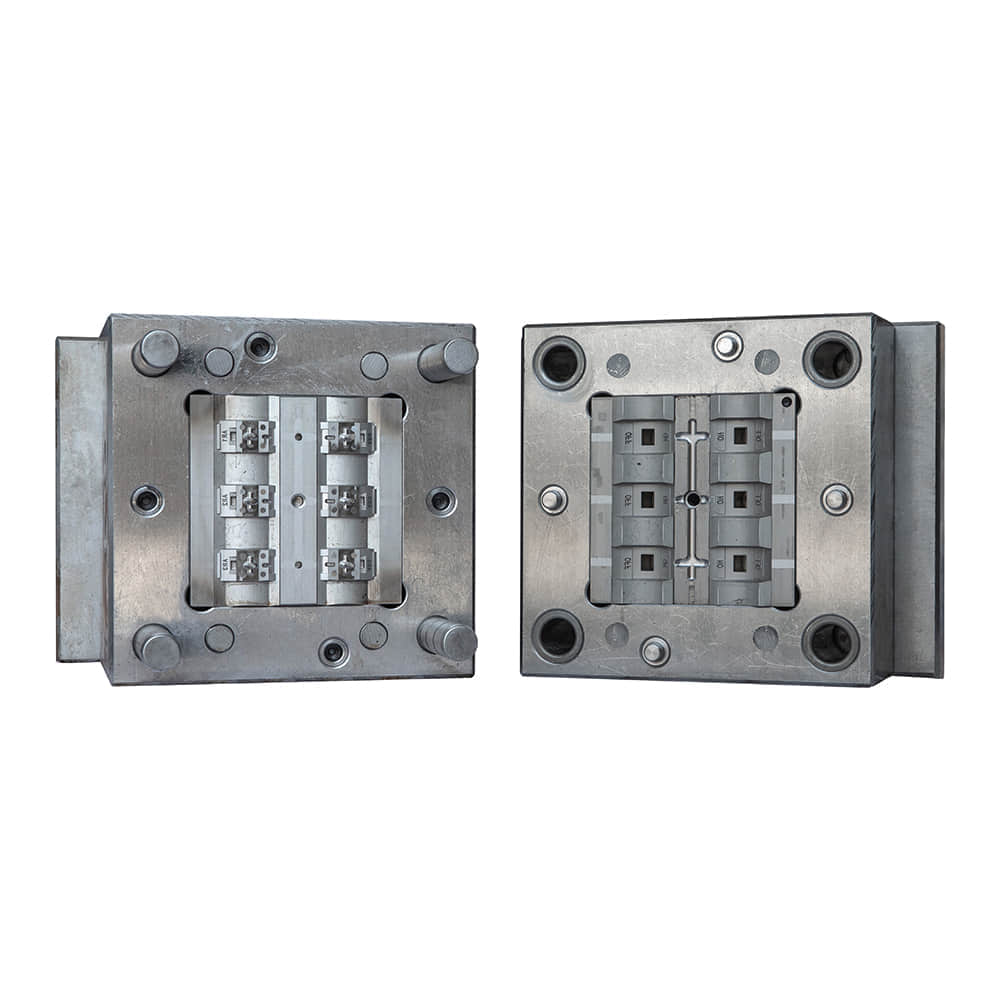
Injection molding is a manufacturing technique that involves injecting molten material, typically plastic, into a mold cavity. Once the material cools and solidifies, it takes on the shape of the mold, resulting in a finished product. This process is highly repeatable and allows for the production of complex parts with tight tolerances. Material Preparation: The process begins with the selection of a suitable thermoplastic material. The chosen material is then melted and prepared for injection. Injection: The molten material is injected into a mold cavity under high pressure. This pressure ensures that the material fills the entire cavity, capturing all the intricate details of the part. Cooling: After injection, the mold is cooled to solidify the material. The cooling process is critical, as it determines the part’s final properties and dimensions. Ejection: Once the material has solidified, the mold opens, and the finished part is ejected. The cycle then repeats for the next part. Applications of Injection Molded Parts Injection molded parts find applications in a wide range of industries, owing to their versatility and precision. Some common applications include: Automotive Industry: Injection molded parts are used in car interiors, exteriors, and under the hood. They provide lightweight, durable solutions for components such as dashboards, bumpers, and engine covers. Consumer Electronics: From smartphone cases to laptop housings, injection molded parts play a vital role in the consumer electronics industry. They offer a sleek and protective exterior for these devices. Medical Devices: Many critical medical devices are made using injection molding, ensuring precision and biocompatibility. These include syringes, IV connectors, and even prosthetic components. Packaging: Plastic bottles, caps, and closures are often produced through injection molding, offering a cost-effective and reliable solution for packaging needs. Toys and Games: The toy industry relies heavily on injection molding for producing action figures, game pieces, and various other toys. The process allows for the creation of intricate designs and vibrant colors. Advantages of Injection Molded Parts The popularity of injection molded parts can be attributed to several key advantages: Precision: Injection molding offers exceptional dimensional accuracy and repeatability. Parts can be produced with tight tolerances, ensuring a perfect fit in assemblies. Efficiency: The high-speed nature of the process, along with the ability to create multiple cavities within a single mold, results in efficient and cost-effective production. Versatility: Injection molding accommodates a wide range of materials, colors, and finishes. It can produce parts ranging from small, intricate components to large, structural pieces. Reduced Waste: The process generates minimal waste, as excess material can often be reground and reused in subsequent runs. Durability: Injection molded parts are known for their durability and resistance to wear, chemicals, and environmental factors. Conclusion Injection molded parts have become a cornerstone of modern manufacturing. Their precision, efficiency, and versatility make them indispensable in a wide array of industries, shaping everything from our vehicles to our electronic devices. As technology continues to advance, we can expect injection molding to play an even more significant role in the production of high-quality, precision-engineered components that drive innovation and improve our everyday lives.

injection molded parts

Precision Engineering and Innovation: The World of Injection Molded Parts Manufacturing

In today’s rapidly evolving industrial landscape, injection molded parts have emerged as essential components in a wide array of products, ranging from consumer electronics to medical devices. At the heart of this revolution lies the Injection Molded Parts Manufacturer, a key player in turning imaginative designs into tangible realities with precision, efficiency, and innovation.

Injection molded parts manufacturer

Precision Engineering: Mastering the Art of Perfection

Injection molded parts manufacturer

Injection molding is a manufacturing process that involves injecting molten material, usually plastic, into a mold cavity. This process requires a delicate balance of design expertise, engineering prowess, and cutting-edge technology. Injection molded parts manufacturers specialize in achieving precision in every step, from the initial design and mold creation to the final production. The journey begins with design. Manufacturers collaborate closely with clients to conceptualize and refine product designs. Computer-aided design (CAD) software helps in translating these ideas into digital models. These virtual representations allow for meticulous analysis and adjustments before physical production commences. Innovation at the Core In the world of injection molded parts, innovation is not just a buzzword – it’s a driving force. Manufacturers constantly push the boundaries of what’s possible. They experiment with new materials, advanced molding techniques, and sustainable practices. One area witnessing rapid innovation is material selection. Manufacturers are exploring biodegradable and recycled materials to create environmentally friendly products without compromising on quality. Moreover, they’re experimenting with composite materials to enhance the mechanical and thermal properties of the molded parts, opening doors to even wider applications. Efficiency: Optimizing Production Processes Efficiency is paramount in modern manufacturing, and injection molded parts manufacturers excel in optimizing their production processes. With automated systems and robotics, they ensure consistency, reduce human errors, and accelerate production rates. This not only streamlines the manufacturing process but also enhances the overall quality of the parts produced. Furthermore, manufacturers implement lean manufacturing principles to minimize waste and improve resource utilization. This approach benefits both the company’s bottom line and the environment. Quality Control: Ensuring Excellence Maintaining high-quality standards is non-negotiable in injection molded parts manufacturing. Manufacturers employ a range of quality control measures to ensure that each piece meets specifications. Advanced imaging technologies, such as X-ray and laser scanning, are used to identify even the slightest defects that might not be visible to the naked eye. The Human Factor: Skilled Craftsmanship in a High-Tech World While technology plays a pivotal role, skilled human intervention remains irreplaceable. Engineers, designers, and technicians bring their expertise to the table, fine-tuning processes, troubleshooting issues, and making critical decisions that machines cannot replicate. It’s the synergy between human craftsmanship and technological innovation that yields exceptional results. Applications Across Industries The influence of injection molded parts manufacturers extends across industries. In the automotive sector, they contribute to lightweight yet durable components that enhance fuel efficiency. Medical devices owe their precision and reliability to meticulously manufactured injection molded parts. Consumer electronics benefit from intricate designs that accommodate advanced functionalities. A Sustainable Future As the world embraces sustainability, injection molded parts manufacturers are actively contributing to eco-friendly practices. By embracing bioplastics, recycling programs, and energy-efficient processes, they’re minimizing their carbon footprint and setting an example for other industries. Conclusion The realm of injection molded parts manufacturing is one of precision, innovation, and collaboration. Manufacturers play a vital role in shaping the products that define modern life. With an unwavering commitment to excellence and a forward-looking approach, they continue to drive progress, redefine possibilities, and transform ideas into reality.

Injection molded parts manufacturer

Exploring the Mechanics and Applications of Blanking Dies

Introduction

Blanking Die

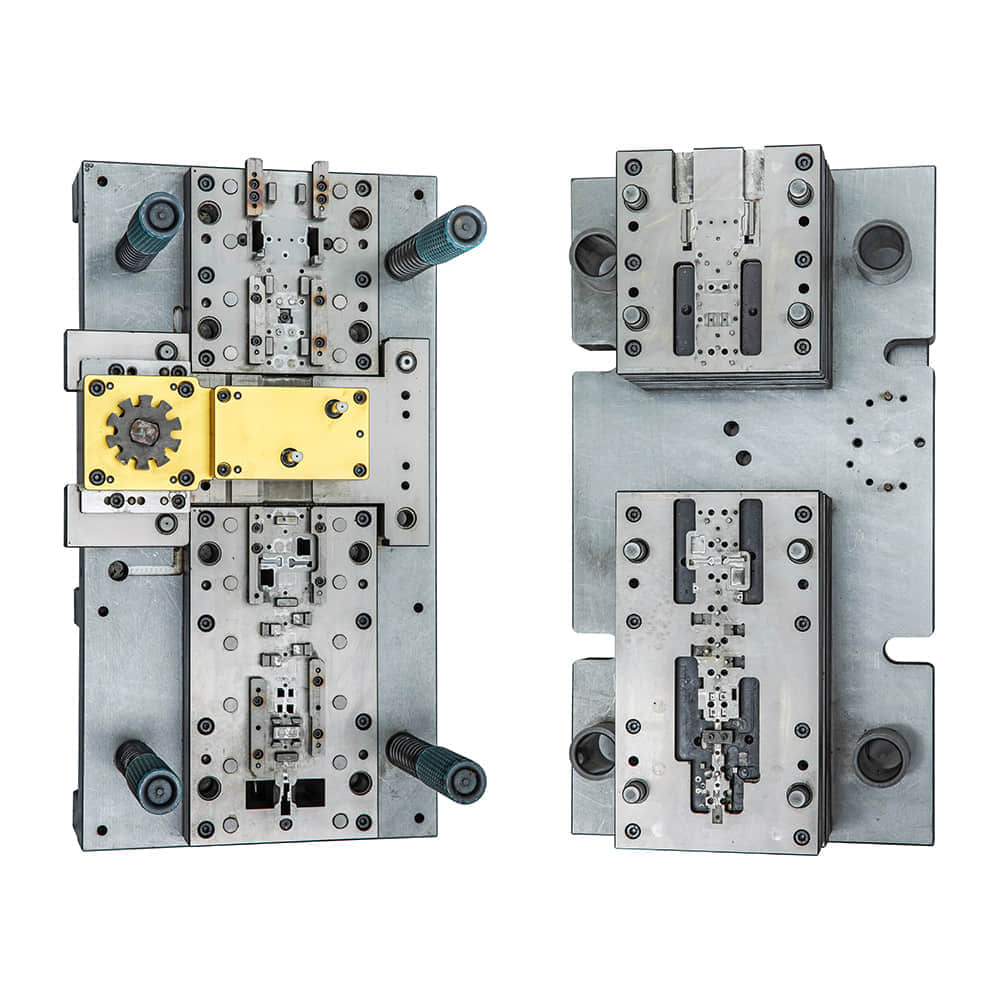
Blanking dies are an integral part of modern manufacturing processes, serving a critical role in various industries such as automotive, electronics, aerospace, and more. These specialized tools play a pivotal role in shaping raw materials into precise components, facilitating the creation of countless everyday products. In this article, we delve into the world of blanking dies, exploring their mechanics, applications, and significance in today’s industrial landscape.

Blanking Die

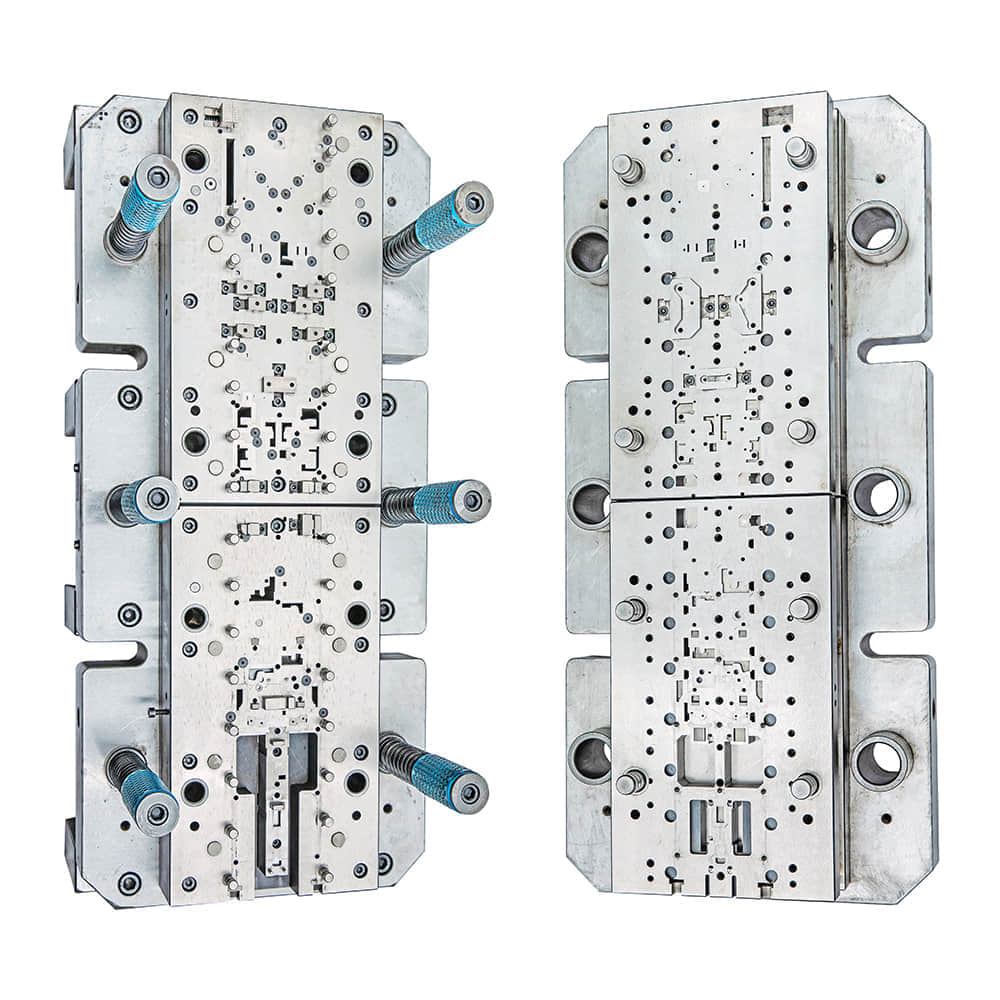
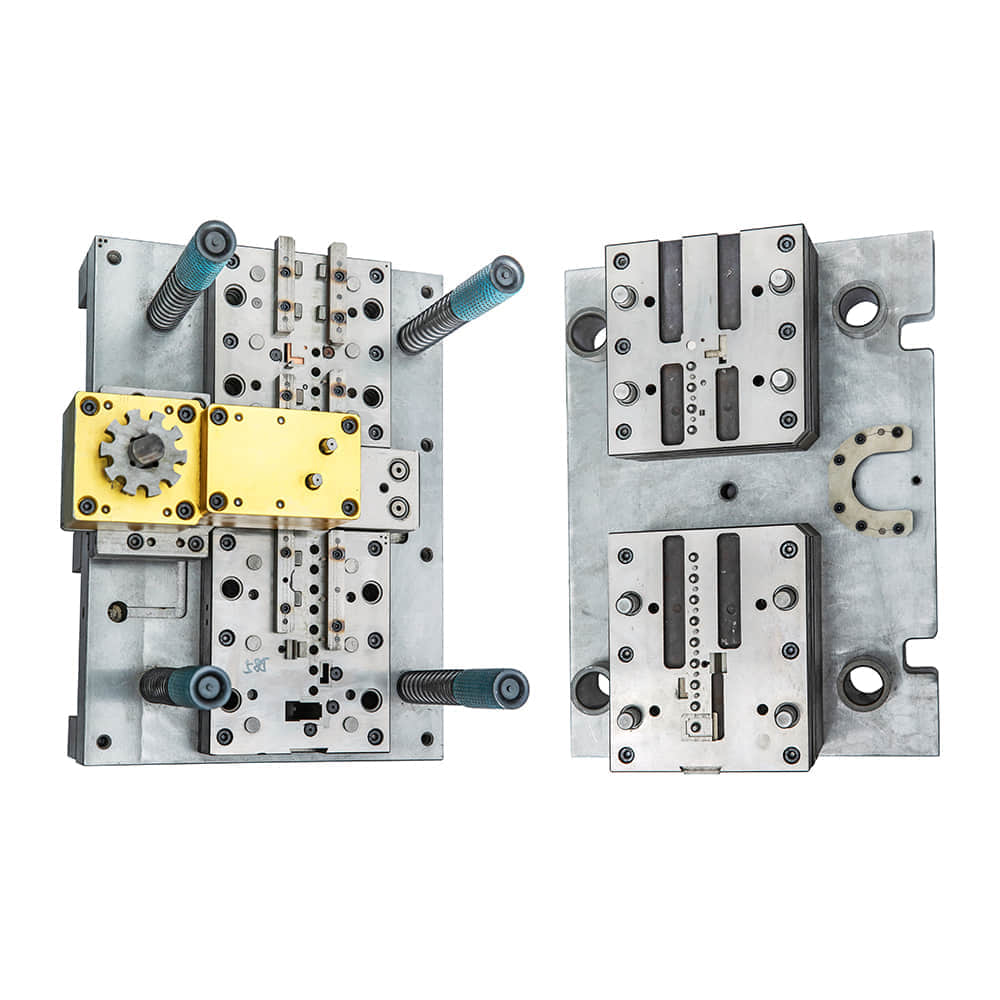
Mechanics of Blanking Dies Blanking dies are tools used to cut out intricate shapes from sheet metal or other flat materials, often in large quantities. The process involves the application of significant force to shear the material along a predetermined cutting line, resulting in a precisely shaped piece known as a “blank.” The mechanics of blanking dies are based on principles of force, material properties, and precision engineering. These dies consist of a punch, which exerts the cutting force, and a die, which provides support for the material being cut. When the punch and die come together, the material experiences plastic deformation and ultimately fractures along the edges of the die aperture. Proper alignment and sharpness of the punch and die are essential for clean and accurate cuts. Factors such as material thickness, hardness, and the complexity of the shape being cut influence the design of the blanking die and the force required. Applications of Blanking Dies The applications of blanking dies are widespread and diverse. One of the primary uses is in the automotive industry, where blanking dies are employed to create intricate components like gears, clutch plates, and engine parts. The electronics sector relies on blanking dies to produce components for gadgets, such as smartphone cases and connectors. Additionally, household appliances, aerospace components, and packaging materials are often manufactured using blanking dies. The efficiency and accuracy of blanking dies make them invaluable for mass production. Their ability to quickly transform raw materials into uniform blanks significantly reduces production time and costs. Furthermore, blanking dies can work with a wide range of materials, including metals, plastics, and even textiles, showcasing their adaptability and versatility. Significance in Modern Industry The role of blanking dies in modern industry cannot be overstated. Their contributions extend beyond shaping materials; they impact overall product quality, production speed, and cost-effectiveness. The precision of blanking dies ensures that each cut piece adheres to exact specifications, reducing material waste and the need for further processing. As a result, manufacturers can maintain consistent product quality while optimizing resource utilization. Moreover, the use of blanking dies minimizes the reliance on manual labor, leading to enhanced safety for workers and reducing the risk of errors. This automation, coupled with computer-aided design (CAD) and computer-aided manufacturing (CAM) technologies, enables intricate designs to be executed with remarkable accuracy. Conclusion In conclusion, blanking dies play a pivotal role in modern manufacturing across various industries. Their ability to shape raw materials into precise components with efficiency, accuracy, and consistency has revolutionized the way products are produced. As technology continues to advance, it is likely that blanking dies will evolve further, becoming even more sophisticated and adaptable to the ever-changing demands of industry. Whether in the creation of automotive parts, electronics, or everyday items, blanking dies remain at the forefront of innovation, driving progress and shaping the world around us.

Blanking Die

“Precision Perfection: Exploring the World of Injection Mold Manufacturers”

In today’s industrial landscape, the art of injection molding plays a pivotal role in manufacturing processes across a myriad of industries. The unsung heroes behind this intricate process are injection mold manufacturers, who craft the essential molds that bring products to life. In this article, we delve into the fascinating world of injection mold manufacturers, uncovering the science, craftsmanship, and innovation that define their work.

Injection mold manufacturer

The Backbone of Manufacturing

Injection mold manufacturer

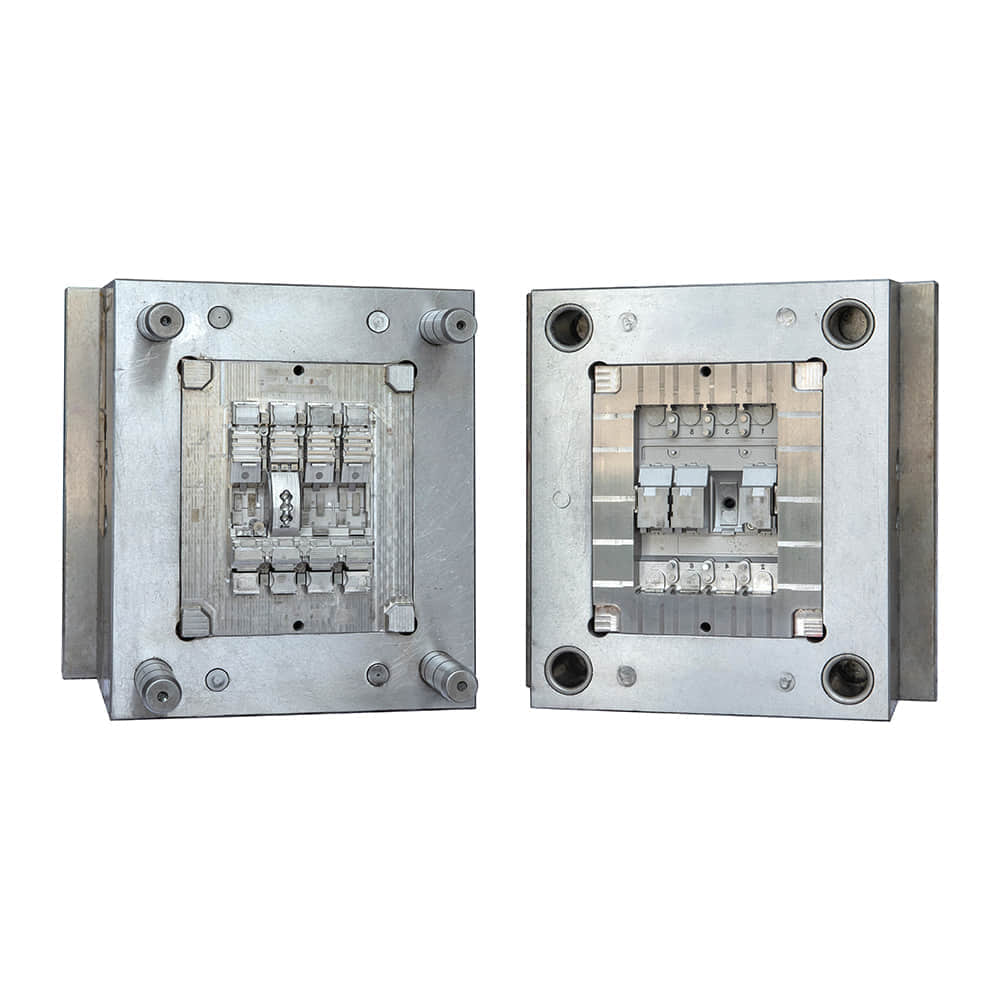
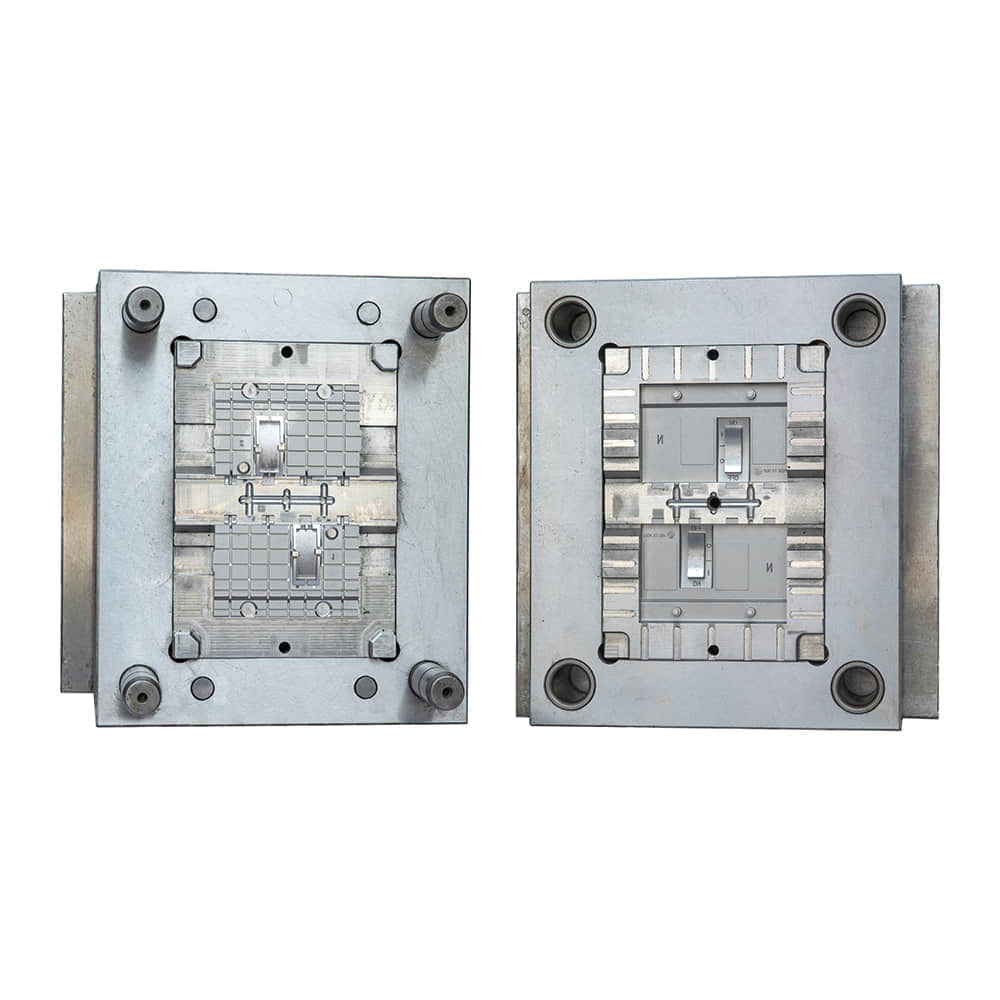
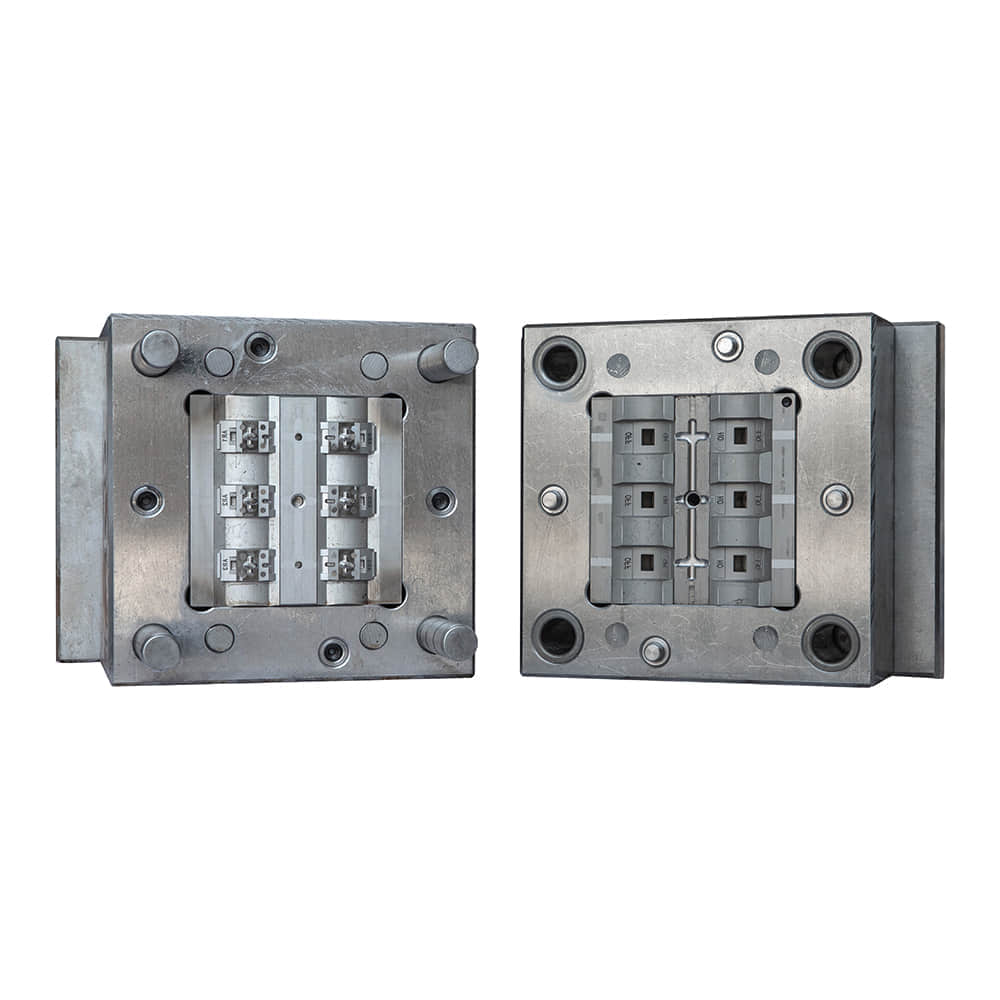
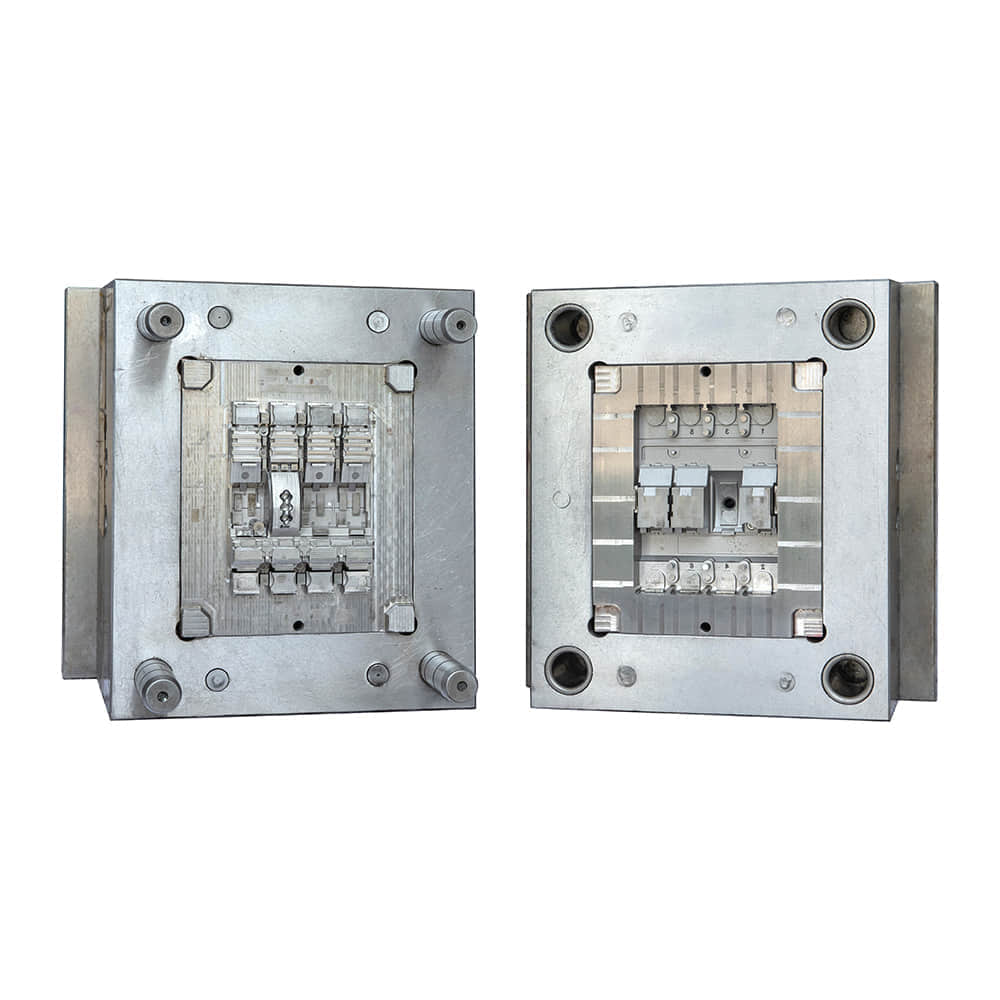
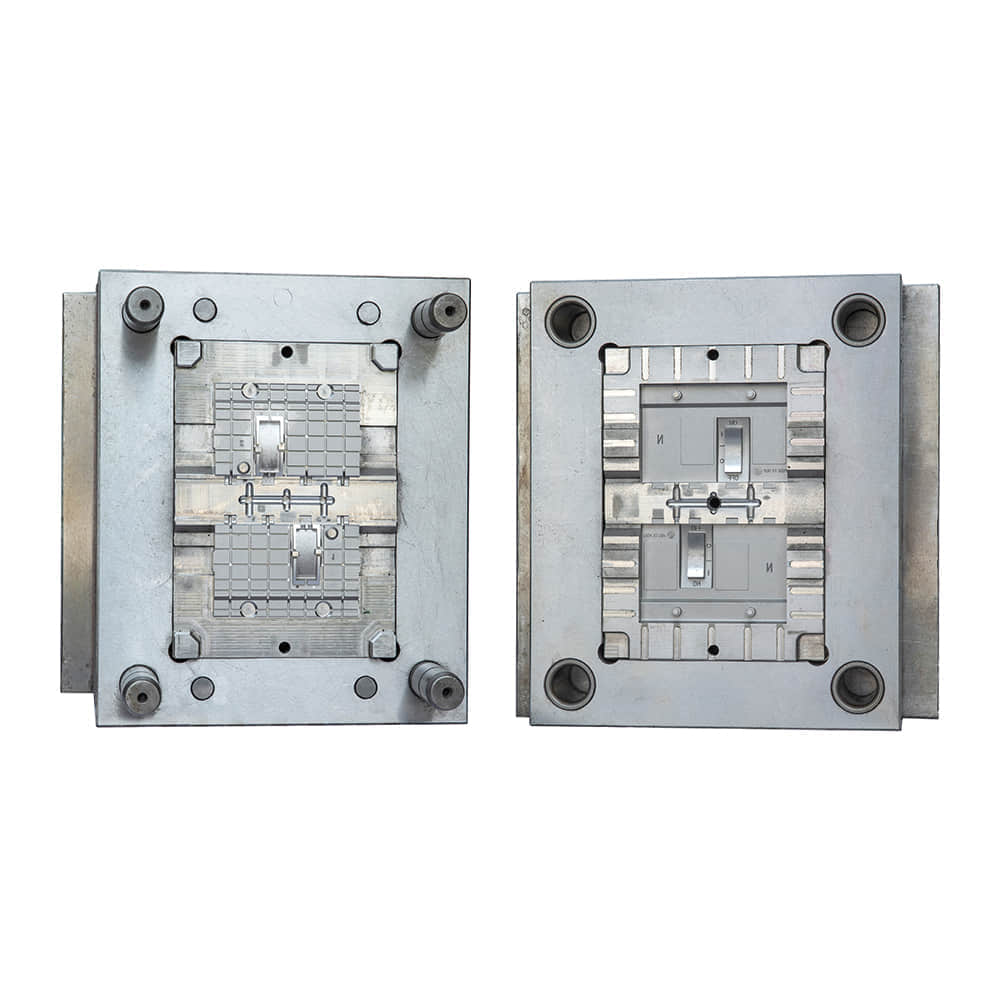
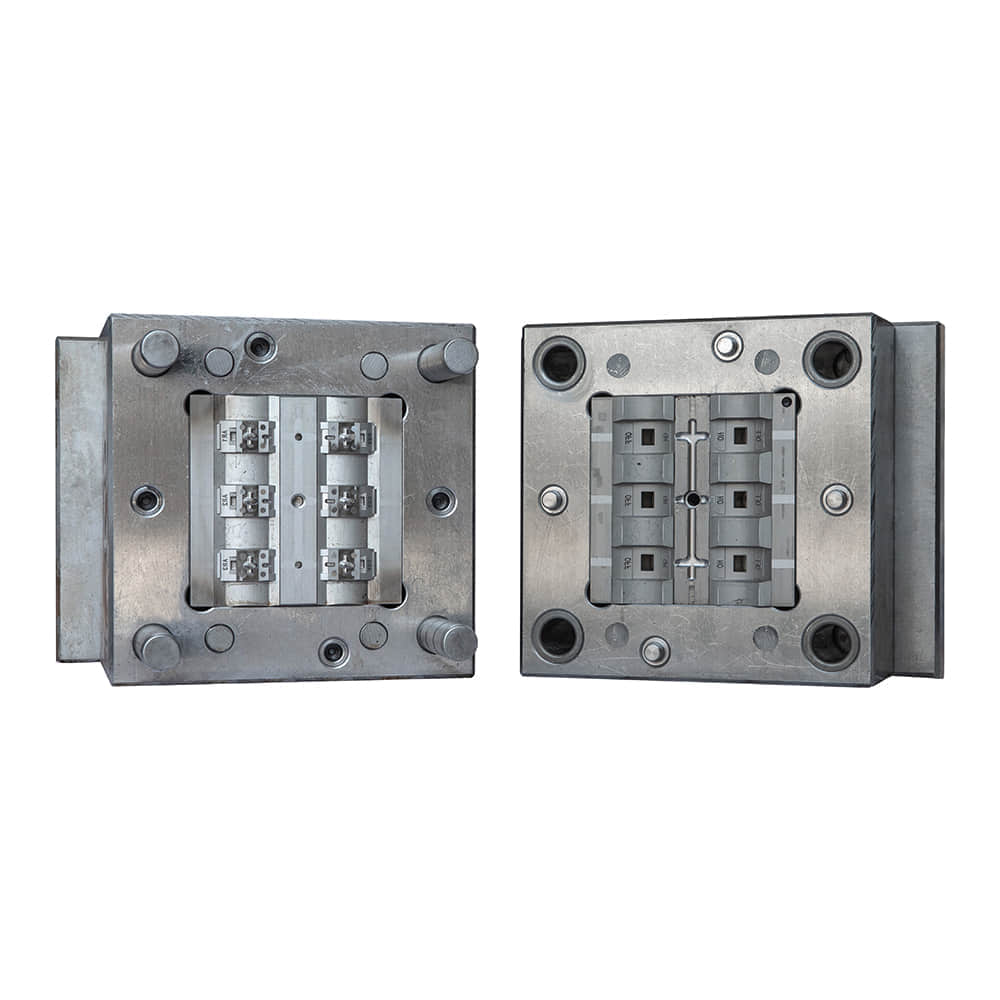
Injection molding is a manufacturing process that involves the injection of molten material into a carefully designed mold cavity. This process is used to produce a wide range of products, from intricate medical devices to everyday plastic items like bottle caps. The precision and quality of these molds are instrumental in determining the final product’s performance and appearance. The Art of Design One of the first steps in injection mold manufacturing is the design of the mold itself. Skilled engineers and designers meticulously craft these molds, taking into account factors such as material properties, product geometry, and production volume. Modern computer-aided design (CAD) software and cutting-edge simulation tools enable manufacturers to create highly precise molds that meet the most stringent requirements. Materials Matter Selecting the right material for an injection mold is crucial. Molds must withstand high temperatures and pressures while maintaining dimensional stability. Common materials include hardened steel, aluminum, and even reinforced plastics for less demanding applications. The choice of material depends on factors like production volume, material to be molded, and budget constraints. Craftsmanship and Precision Once the mold design is finalized, the real craftsmanship begins. Highly skilled toolmakers meticulously machine the mold components with precision and accuracy. This involves intricate milling, grinding, and EDM (Electrical Discharge Machining) processes. The result is a mold that can withstand the rigors of mass production while producing consistent, high-quality parts. Cutting-Edge Technology Injection mold manufacturers are continually embracing technological advancements. High-speed machining, 3D printing for rapid prototyping, and sophisticated mold cooling systems are just a few examples of how technology is transforming the industry. These innovations not only improve efficiency but also reduce lead times and costs. Quality Control and Testing Quality control is paramount in injection mold manufacturing. Rigorous testing ensures that molds meet specifications and can produce flawless parts. Advanced metrology tools, such as coordinate measuring machines (CMMs), laser scanners, and X-ray inspection systems, are employed to guarantee precision and reliability. Environmental Responsibility In today’s environmentally conscious world, injection mold manufacturers are increasingly adopting sustainable practices. They focus on reducing material waste, energy consumption, and emissions. Additionally, many manufacturers explore bio-based and recyclable materials for mold production to minimize their carbon footprint. Global Reach Injection mold manufacturers have a global presence, serving industries worldwide. Whether it’s automotive components in Germany, consumer electronics in Japan, or medical devices in the United States, these manufacturers are instrumental in shaping diverse sectors of the economy. The Future of Injection Molding The future holds exciting possibilities for injection mold manufacturers. Industry 4.0 concepts, including the Internet of Things (IoT) and artificial intelligence (AI), are being integrated to create smart and predictive manufacturing environments. This not only enhances efficiency but also reduces downtime and maintenance costs. In conclusion, injection mold manufacturers are the unsung heroes behind the scenes, shaping the world of manufacturing. Their dedication to precision, craftsmanship, and innovation ensures that the products we rely on daily are of the highest quality. As technology advances and sustainability becomes increasingly important, the role of injection mold manufacturers will continue to evolve, pushing the boundaries of what is possible in the manufacturing world.

Injection mold manufacturer

Innovating Safety and Reliability: Frame Circuit Breaker Withdrawal Switch Manufacturer

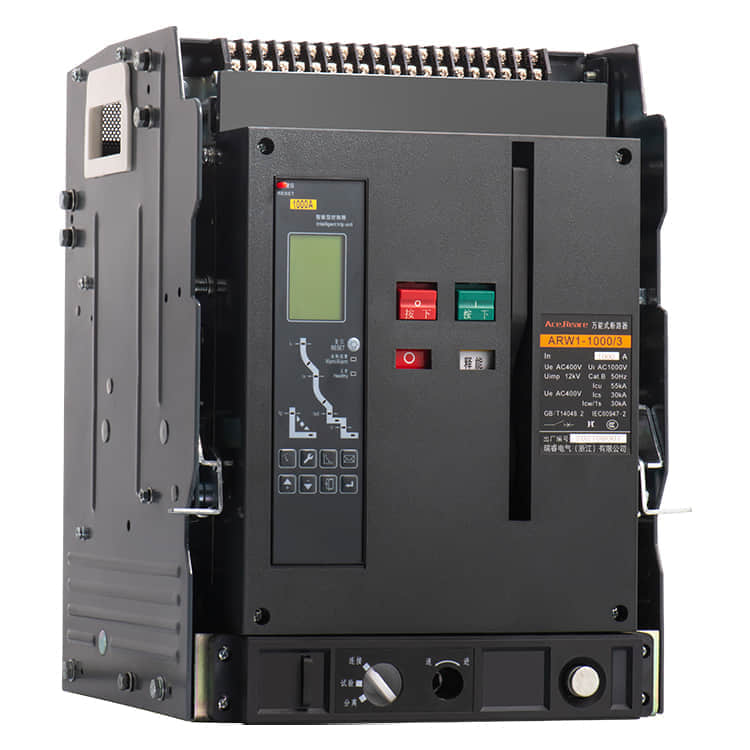
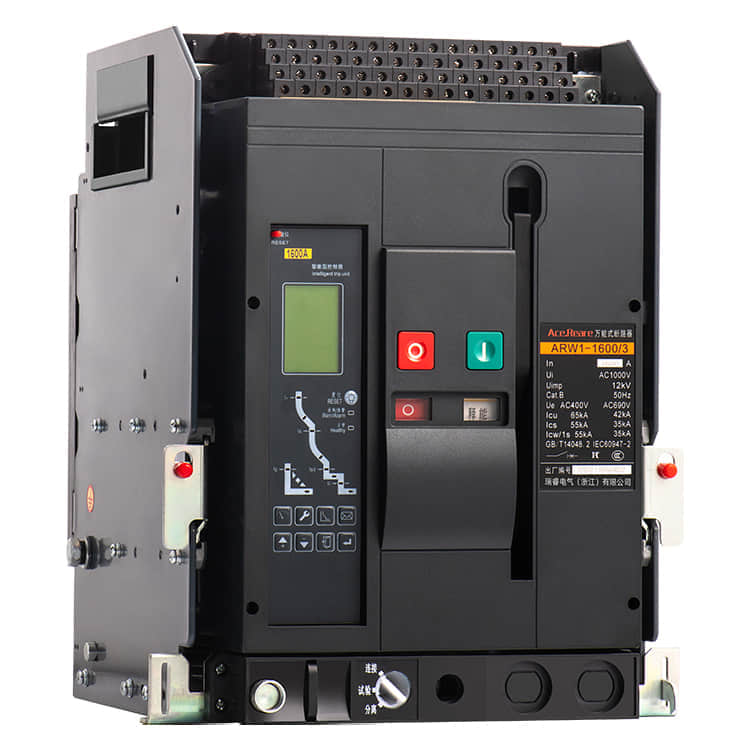
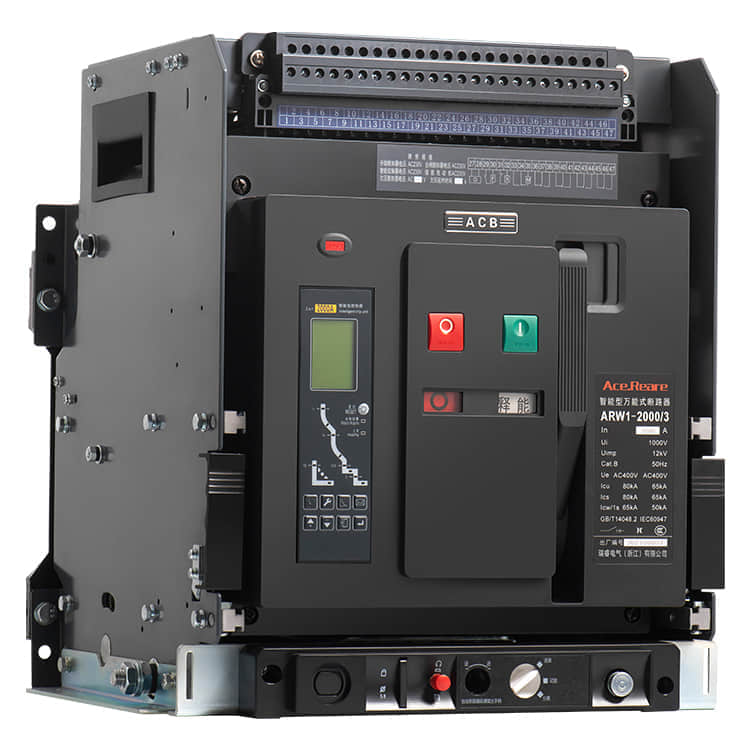
In the dynamic landscape of electrical engineering, safety and reliability stand as the cornerstones of efficient power distribution. One pivotal element in this realm is the Frame Circuit Breaker Withdrawal Switch, a technological marvel that exemplifies the union of innovation and practicality. As we delve into the significance and advancements brought forth by its manufacturers, we unravel a story of progress that continues to reshape the way we interact with electrical systems.

Frame Circuit Breaker Withdrawal Switch Manufacturer

The Frame Circuit Breaker Withdrawal Switch, often referred to as the FCBS, embodies a critical component within power distribution networks. Its primary function revolves around providing a secure means of disconnecting power during maintenance, emergencies, or system upgrades. What sets the FCBS apart is its capacity to interrupt heavy electrical currents swiftly, averting potential hazards and equipment damage. It acts as a sentinel, safeguarding both personnel and infrastructure alike.

Frame Circuit Breaker Withdrawal Switch Manufacturer

At the forefront of FCBS innovation are manufacturers who have tirelessly worked to enhance its design, efficiency, and safety features. These manufacturers have taken a multifaceted approach, incorporating cutting-edge technologies, advanced materials, and user-centric design principles. One of the key advancements that have revolutionized FCBS manufacturing is the integration of smart technology. Modern FCBS units are equipped with intelligent sensors and communication modules that enable real-time monitoring and remote operation. This innovation not only expedites fault detection but also allows for prompt responses to potential issues, minimizing downtime and enhancing overall system reliability. Moreover, manufacturers have devoted substantial efforts to optimizing the mechanical aspects of FCBS. High-quality materials, precision engineering, and modular designs have streamlined installation and maintenance processes. This not only reduces the time required for these activities but also contributes to increased longevity and durability, subsequently lowering the total cost of ownership. Safety remains paramount in the evolution of FCBS manufacturing. Manufacturers have incorporated sophisticated safety features, including overload protection, short-circuit detection, and arc-flash mitigation systems. These advancements not only shield personnel from potential harm but also enhance the operational lifespan of the FCBS itself. In recent years, environmental consciousness has permeated the realm of electrical engineering. FCBS manufacturers have responded by implementing eco-friendly designs that prioritize energy efficiency and sustainability. Reduced energy consumption during operation and manufacturing processes not only align with global environmental goals but also translate to cost savings for end-users. Globalization has propelled the FCBS market onto the international stage, fostering healthy competition among manufacturers. This competition has catalyzed innovation, driving manufacturers to push boundaries and continuously raise the bar for quality and functionality. The result is a market flooded with diverse options, each offering unique features tailored to specific needs. In conclusion, the journey of Frame Circuit Breaker Withdrawal Switch manufacturers encapsulates a narrative of progress, safety, and adaptability. These manufacturers have harnessed technological advancements to redefine how power distribution networks are managed, ensuring the safety of personnel and the longevity of infrastructure. With an unwavering commitment to innovation and an acute understanding of the evolving industry landscape, FCBS manufacturers are poised to continue their transformative impact well into the future.

Frame Circuit Breaker Withdrawal Switch Manufacturer

Frame Circuit Breaker Fixed Switch OEM Manufacturer

In today’s rapidly evolving technological landscape, electrical systems form the backbone of modern society. Among the crucial components that ensure the safety and efficiency of these systems, frame circuit breakers and fixed switches play a pivotal role. Behind the scenes, original equipment manufacturers (OEMs) are the driving force, producing these vital devices that keep our world powered and secure.

Frame circuit breaker fixed switch OEM manufacturer

The Essence of Frame Circuit Breaker Fixed Switch OEM Manufacturers

Frame circuit breaker fixed switch OEM manufacturer

Frame circuit breakers and fixed switches are essential electrical devices that provide protection against overloads, short circuits, and other electrical faults. They are key players in preventing catastrophic failures, electrical fires, and disruptions in power distribution. The responsibility of producing these intricate components falls on OEMs specialized in electrical equipment manufacturing. Precision Engineering and Innovation Manufacturing frame circuit breakers and fixed switches requires precision engineering and a deep understanding of electrical systems. OEMs leverage advanced technologies and engineering expertise to design and create devices that meet stringent safety standards and performance requirements. These manufacturers are at the forefront of innovation, constantly improving the efficiency and reliability of their products. Customization for Diverse Applications The role of OEM manufacturers extends beyond mass production. They also offer customization to meet the diverse needs of different industries and applications. Whether it’s for residential, commercial, or industrial use, OEMs can tailor frame circuit breakers and fixed switches to specific requirements. This versatility ensures that the devices seamlessly integrate into various electrical systems, enhancing overall safety and functionality. Collaboration with Industries Frame circuit breaker fixed switch OEM manufacturers don’t operate in isolation. They collaborate closely with industries such as construction, manufacturing, energy production, and more. These collaborations are essential for understanding the unique demands of each sector and developing solutions that align with industry standards. Through such partnerships, OEMs contribute to the advancement of safety and technology across multiple domains. Quality Control and Safety Compliance Safety is paramount when it comes to electrical systems, and OEM manufacturers take this aspect seriously. Rigorous quality control processes are implemented throughout the manufacturing cycle to ensure that each frame circuit breaker and fixed switch meets the highest standards. This involves thorough testing, adherence to safety regulations, and continuous improvement based on real-world performance data. Global Impact and Reliability The impact of frame circuit breaker fixed switch OEM manufacturers reverberates globally. Reliable power distribution is a cornerstone of modern living, from powering homes and businesses to supporting critical infrastructure. OEMs contribute to this reliability by producing devices that can withstand the rigors of daily operation, environmental factors, and unexpected electrical events. Sustainability and the Future In an era focused on sustainability, OEM manufacturers are also playing their part. By developing energy-efficient circuit breakers and switches, they contribute to reducing energy waste and minimizing the carbon footprint. Additionally, many OEMs are exploring eco-friendly materials and manufacturing processes to align with global environmental goals. Conclusion Frame circuit breaker and fixed switch OEM manufacturers are unsung heroes of the electrical world. Their dedication to precision engineering, safety, and innovation ensures that our modern lives continue to run smoothly. As technology advances and our reliance on electricity grows, the role of these manufacturers remains integral to a secure and efficient electrical infrastructure.

Frame circuit breaker fixed switch OEM manufacturer