Monthly Archives: September 2023

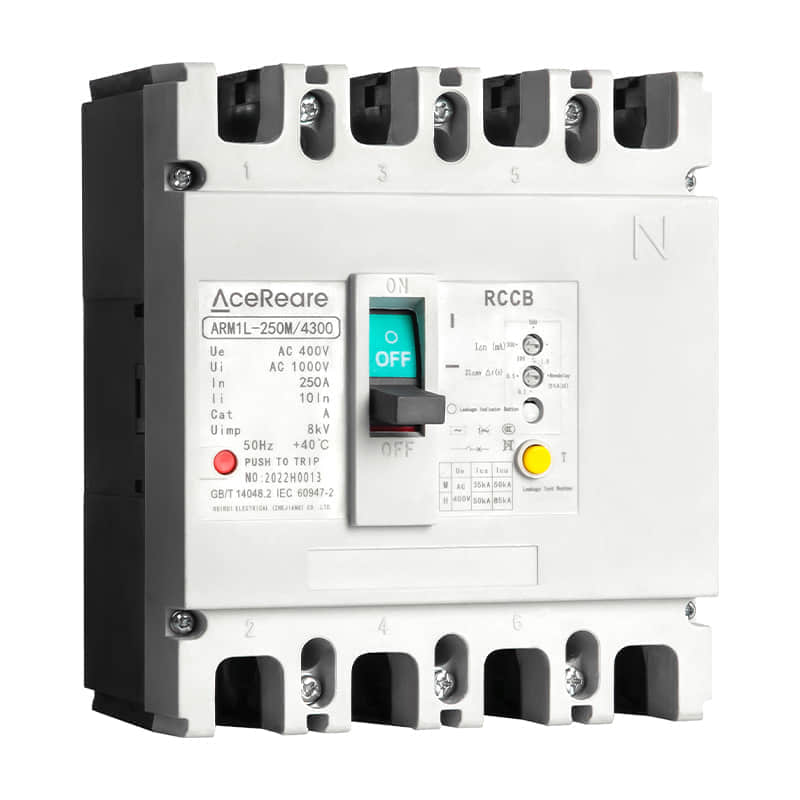
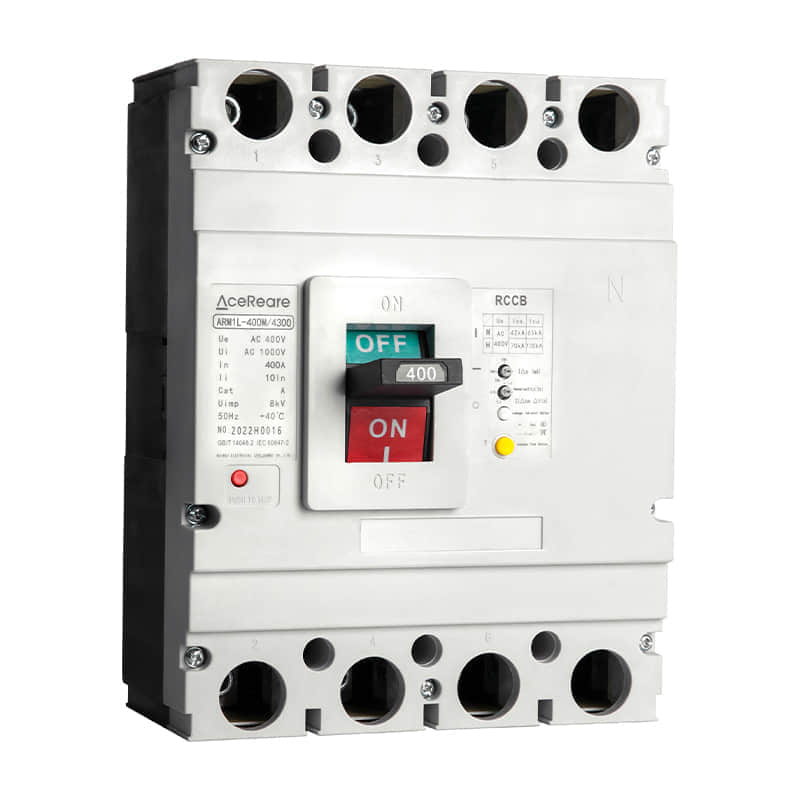
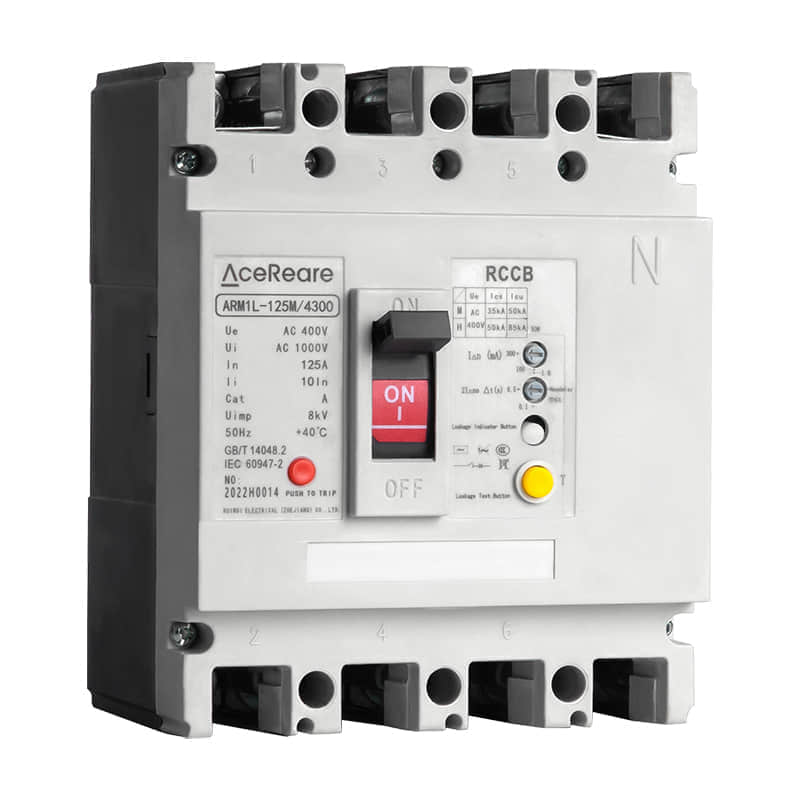
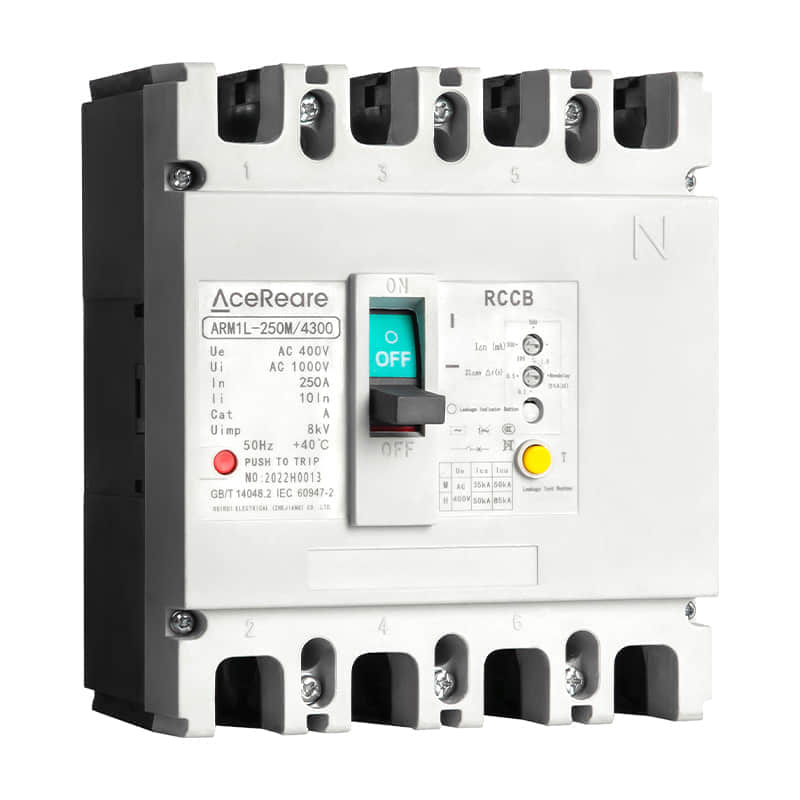
Molded Case Circuit Breakers: Safeguarding Your Electrical Systems
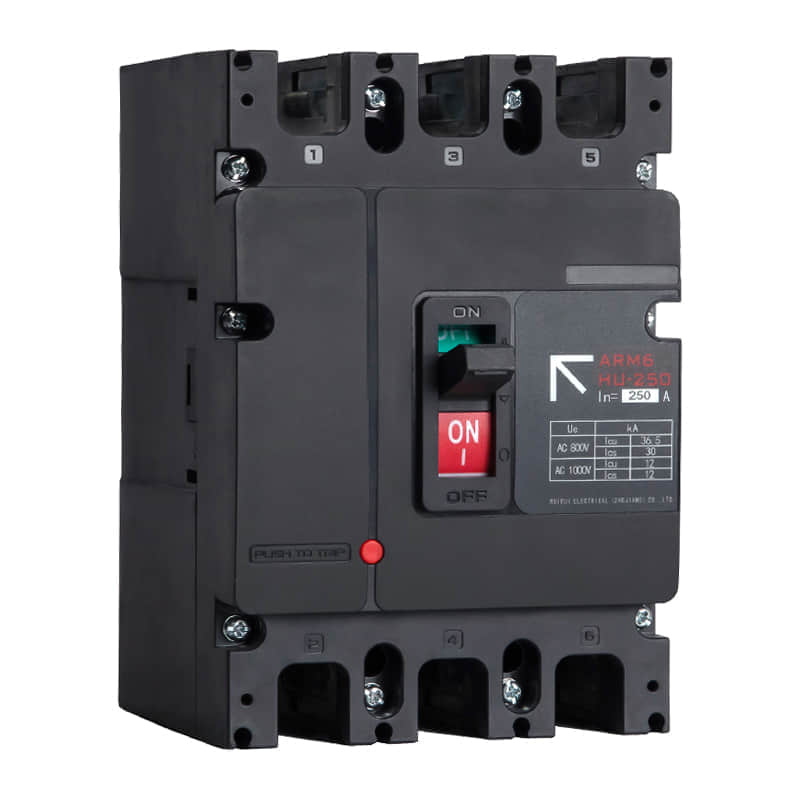
Molded Case Circuit Breakers: Safeguarding Your Electrical Systems

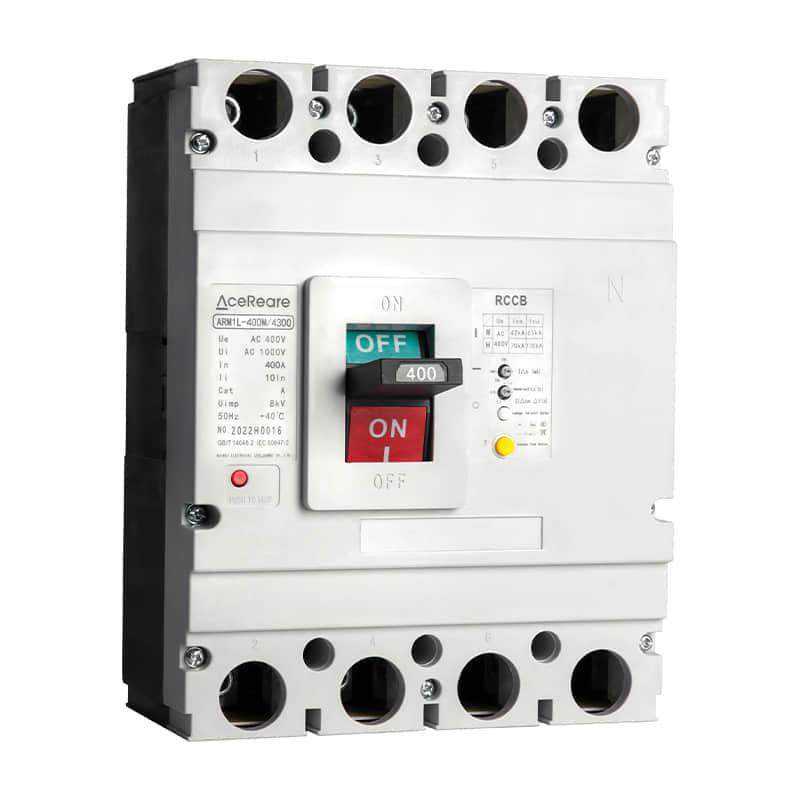
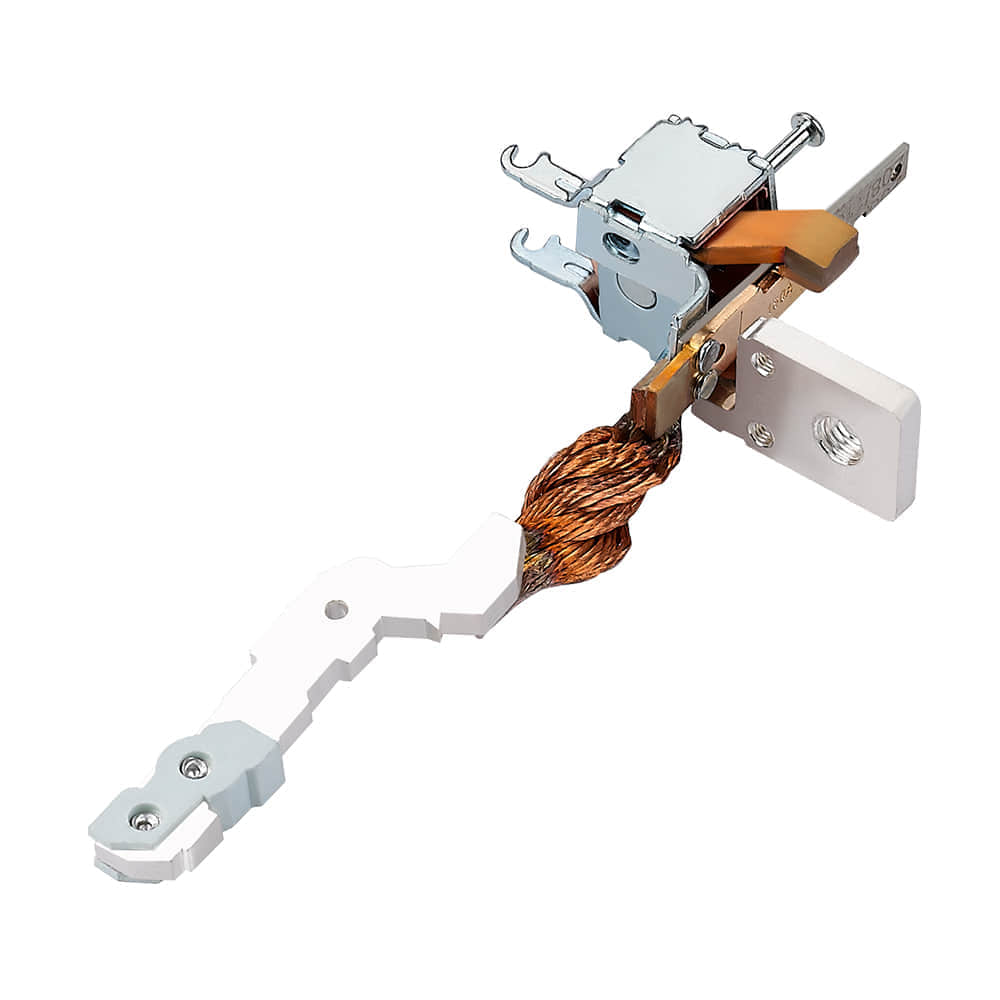
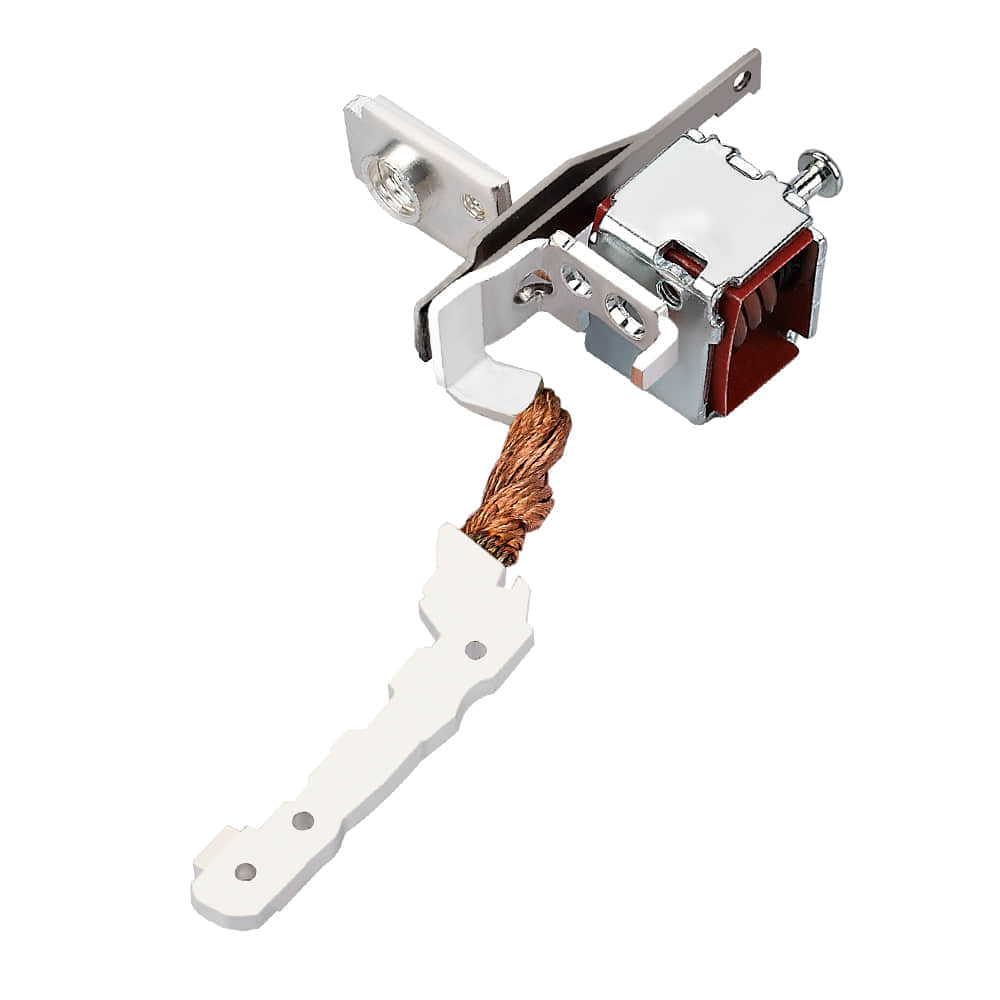
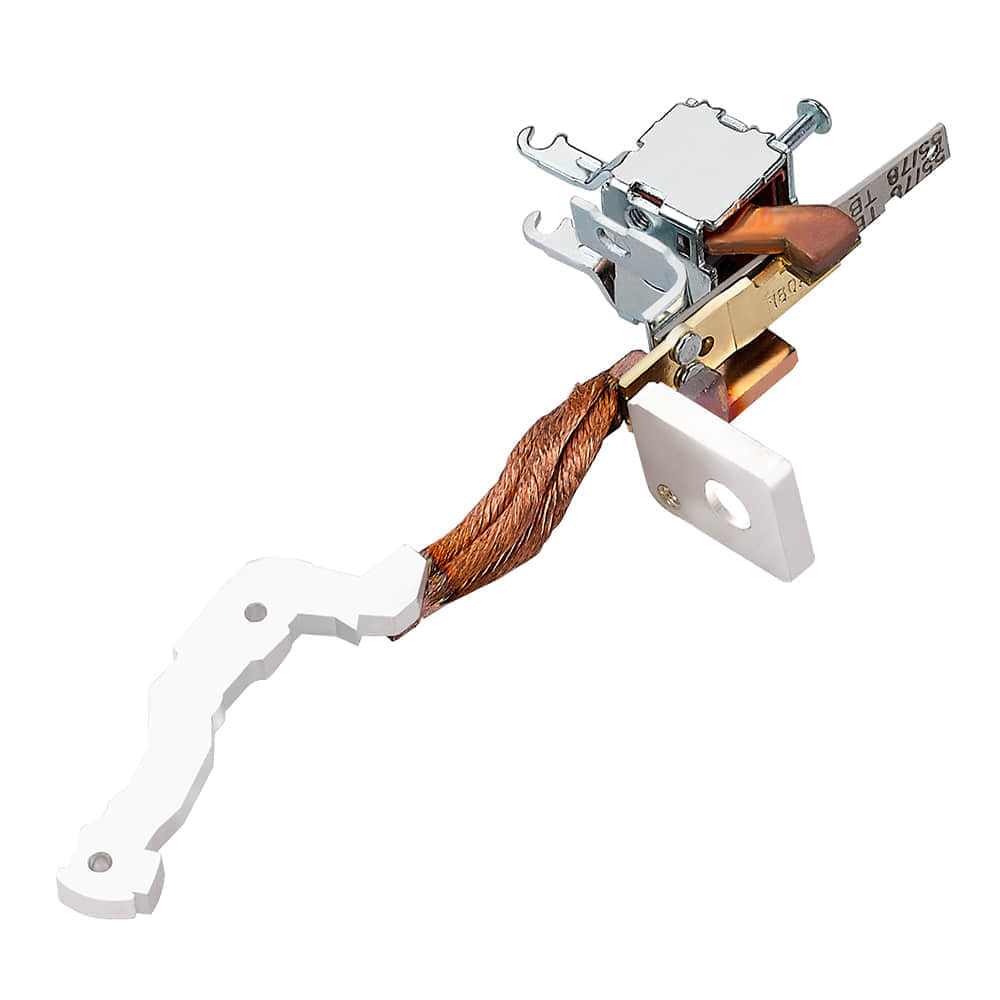
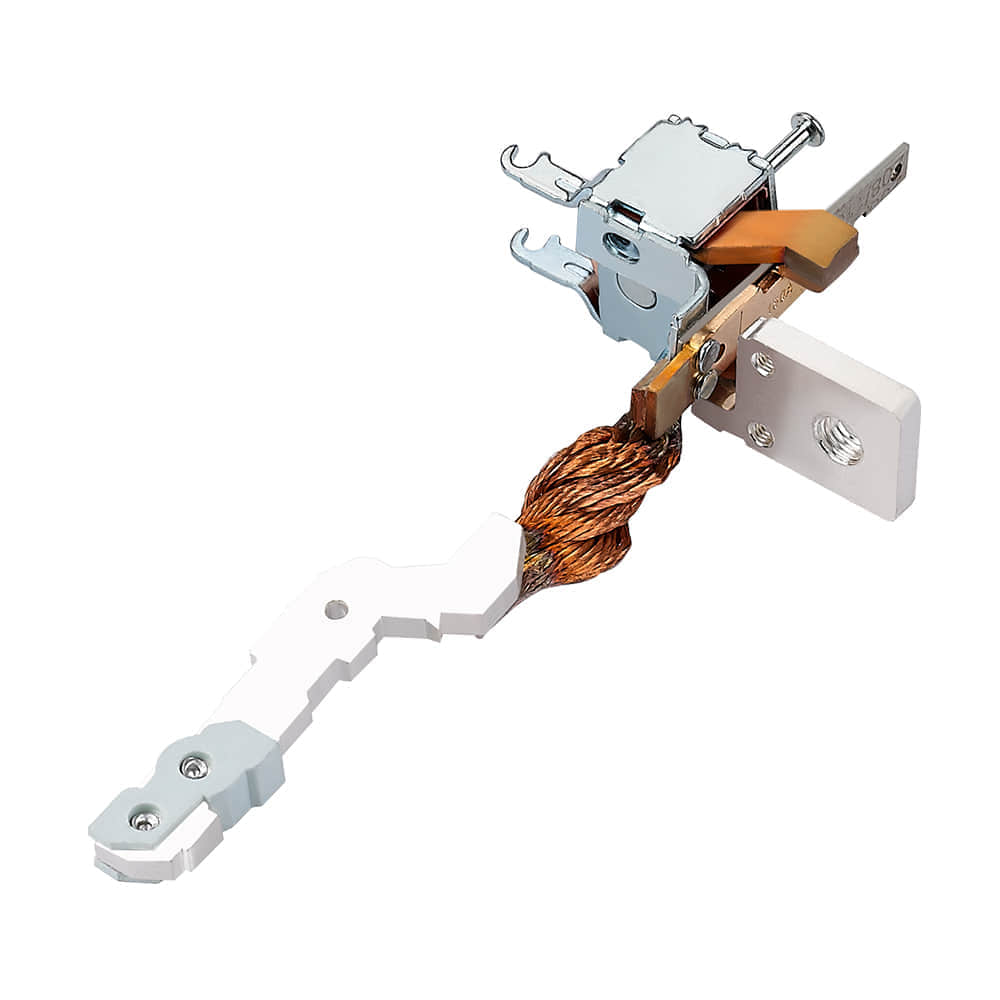
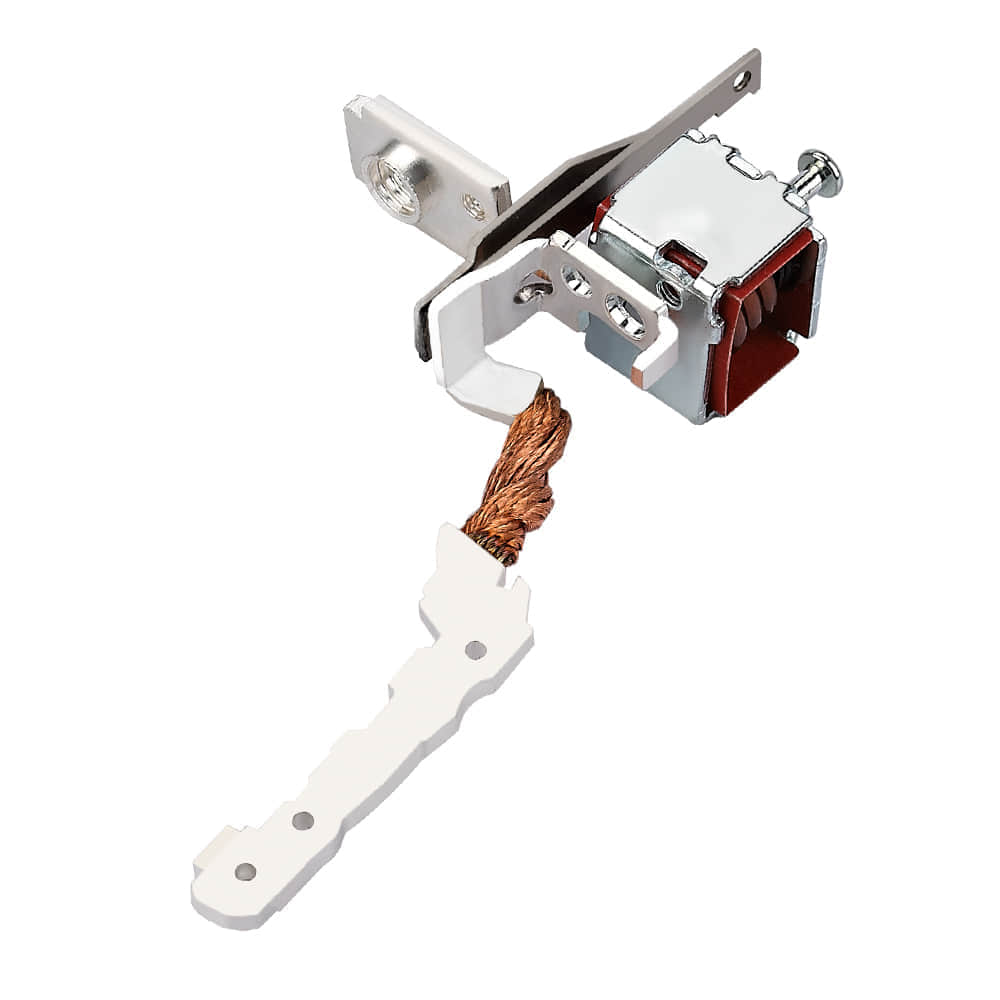
Molded case circuit breaker

In our modern world, electricity is the lifeblood that powers our homes, businesses, and industries. With the ever-increasing demand for electrical power, ensuring the safety and reliability of electrical systems is paramount. One critical component that plays a pivotal role in this endeavor is the Molded Case Circuit Breaker (MCCB). In this article, we will explore what MCCBs are, how they work, and why they are indispensable in safeguarding electrical systems.
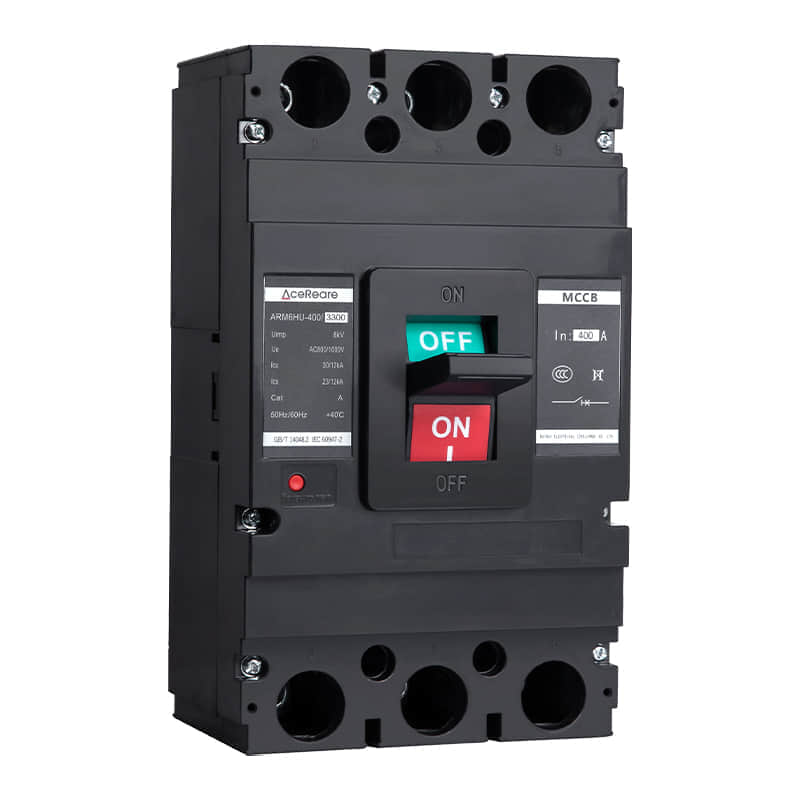
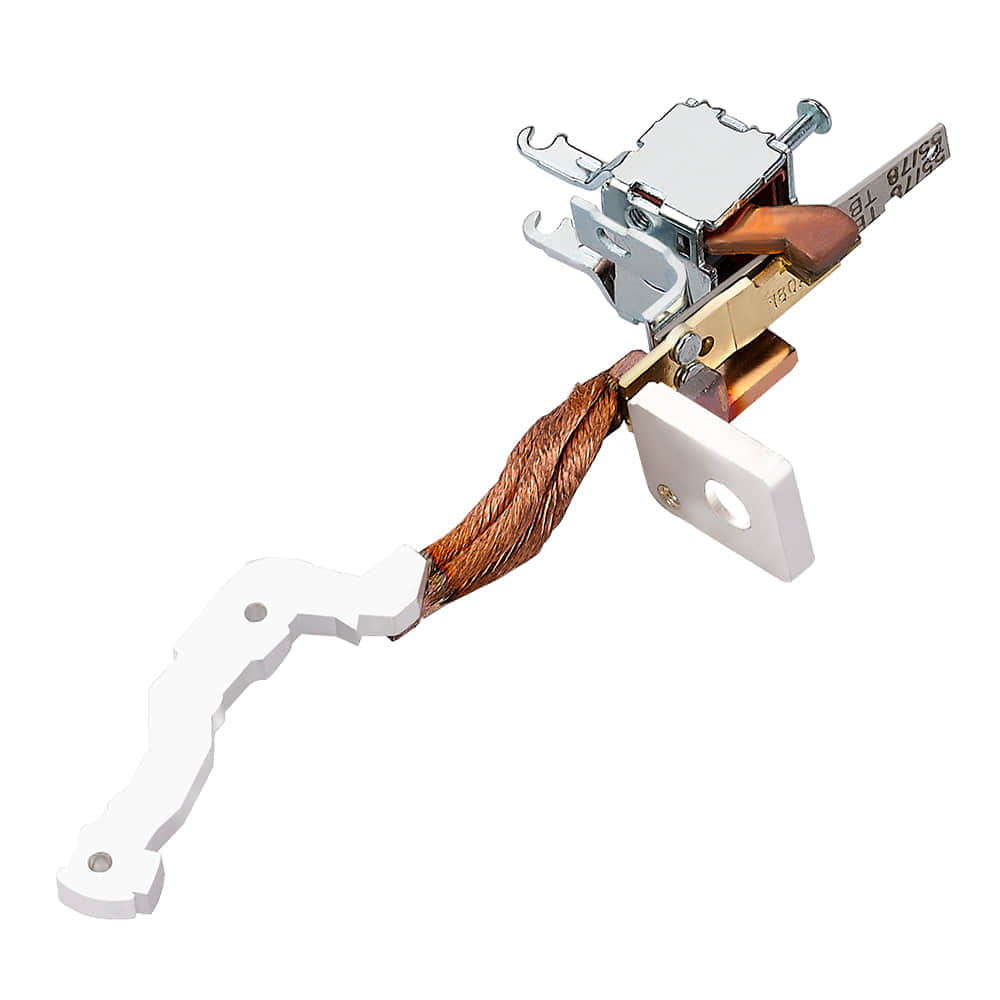
Molded case circuit breaker

What Is a Molded Case Circuit Breaker (MCCB)? A Molded Case Circuit Breaker, often abbreviated as MCCB, is a type of electrical protection device used in power distribution systems. It is designed to provide protection against overcurrents, which can occur due to short circuits or overload conditions. These breakers are named “molded case” because their outer casing is typically made from a durable, molded insulating material. How Does an MCCB Work? MCCBs work based on a simple yet effective principle. They consist of a switch-like mechanism that opens and closes an electrical circuit. When the current flowing through the circuit exceeds a predetermined threshold, the MCCB’s internal mechanism trips, instantly disconnecting the circuit and interrupting the flow of electricity. This rapid response is crucial in preventing electrical fires, equipment damage, and electrical hazards. MCCBs come with adjustable trip settings, allowing them to be fine-tuned to match the specific needs of the electrical system they protect. The key trip settings include: Overload Protection:MCCBs monitor the continuous current flow in the circuit. If the current exceeds the rated capacity for an extended period (an overload), the breaker trips to prevent overheating and damage to wires and equipment. Short Circuit Protection:In the event of a short circuit, where an abnormally high current flows due to a fault, MCCBs react instantly to interrupt the current flow, preventing catastrophic damage. Ground Fault Protection:Some MCCBs incorporate ground fault protection to detect leakage currents to ground. This is crucial for safety in areas where electrical systems need to be particularly sensitive to any potential shocks, such as swimming pools or construction sites. Instantaneous Protection:This setting allows for the rapid interruption of the circuit without delay, offering additional protection against faults. Why Are MCCBs Essential? Safety:Safety is paramount in electrical systems. MCCBs play a pivotal role in preventing electrical fires, reducing the risk of electrocution, and protecting property and lives. Equipment Protection:Overcurrents can cause significant damage to electrical equipment. MCCBs help safeguard expensive machinery and appliances by preventing excessive currents. Reliability:Electrical systems need to be dependable. MCCBs contribute to system reliability by ensuring that faults are quickly addressed, minimizing downtime. Customization:The ability to adjust trip settings makes MCCBs versatile, as they can be tailored to the specific needs of various applications, from residential to industrial. Cost Savings:While they are an investment, MCCBs can save money in the long run by reducing the costs associated with equipment replacement, repairs, and downtime. In conclusion, Molded Case Circuit Breakers are the unsung heroes of our electrical systems. They silently guard against the invisible dangers of overcurrents, ensuring our homes, businesses, and industries run smoothly and safely. As we continue to rely on electricity to power our lives, let us not forget the essential role played by MCCBs in keeping the lights on and the world running.
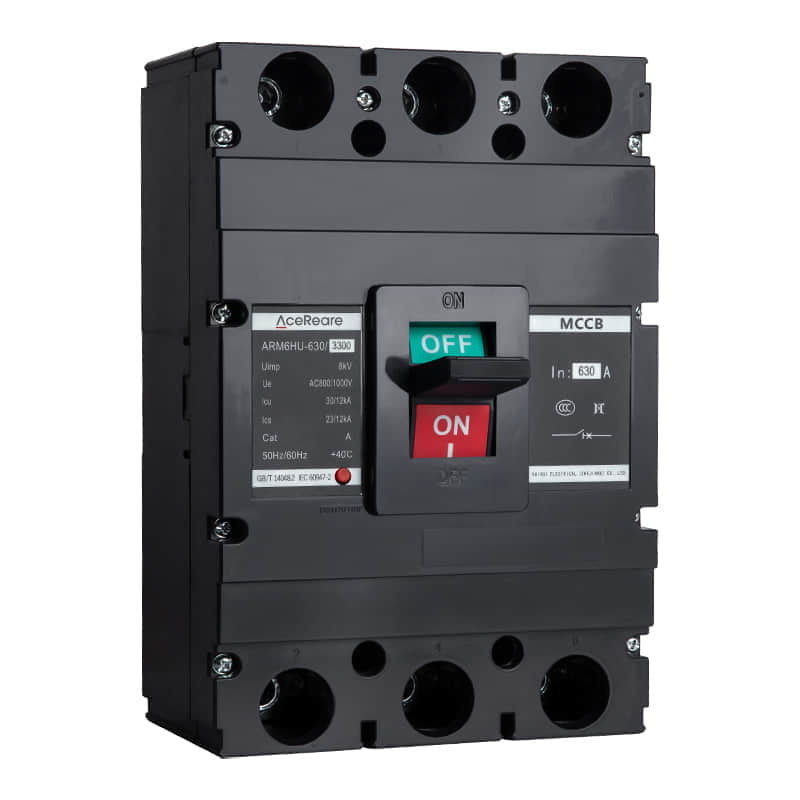
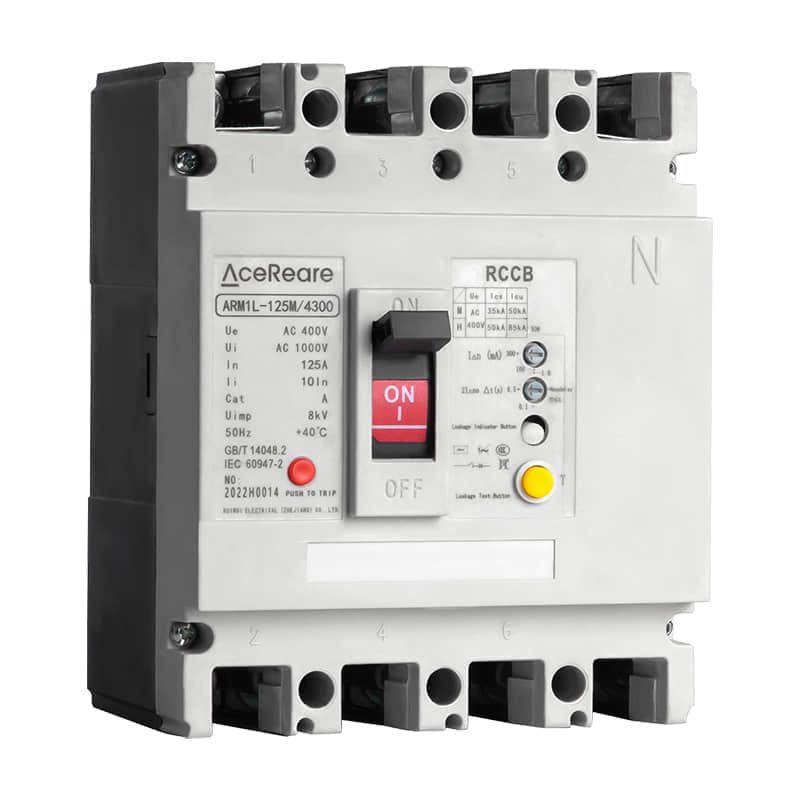
Molded case circuit breaker

Metal Stamping Parts OEM Manufacturer: Precision, Quality, and Innovation

In the realm of modern manufacturing, metal stamping has emerged as a pivotal process that shapes various industries. At the heart of this process are Metal Stamping Parts OEM Manufacturers, the unsung heroes who provide precision, quality, and innovation to countless products that we encounter daily.

Metal stamping parts OEM manufacturer

Precision Crafting: The Art of Metal Stamping

Metal stamping parts OEM manufacturer

Metal stamping is a manufacturing technique that involves cutting and shaping metal sheets to create intricate components used in a plethora of applications. This precision-oriented process demands expertise, state-of-the-art machinery, and a meticulous eye for detail. Metal Stamping Parts OEM Manufacturers excel in producing parts with consistent dimensions, intricate designs, and tight tolerances. This precision ensures that the stamped parts seamlessly integrate into larger assemblies, guaranteeing the overall functionality of the end products. Quality Assurance: Beyond the Surface When it comes to metal stamping parts, quality extends far beyond the surface. Metal Stamping Parts OEM Manufacturers understand this implicitly. They source high-grade materials that align with the required specifications of the final product. Rigorous quality checks are implemented throughout the production process, from material selection to tooling design and from stamping to finishing. This commitment to quality ensures that the parts not only look impeccable but also meet performance expectations and safety standards. Driving Innovation: From Concept to Creation Innovation is the lifeblood of the manufacturing industry, and Metal Stamping Parts OEM Manufacturers are at the forefront of this innovation. Collaborating closely with their clients, these manufacturers transform ideas and concepts into tangible metal components. Their expertise in material selection, design optimization, and production techniques allows them to suggest innovative alternatives that enhance the functionality and cost-efficiency of the final product. Versatility Across Industries Metal stamping parts find their way into an array of industries, from automotive and aerospace to electronics and consumer goods. Metal Stamping Parts OEM Manufacturers possess the flexibility to cater to these diverse sectors. They adapt their processes to suit the specific requirements of each industry, whether it’s producing lightweight components for the automotive sector or miniature precision parts for electronics. Environmental Responsibility In the current global scenario, environmental responsibility is a top priority. Metal Stamping Parts OEM Manufacturers are increasingly embracing eco-friendly practices. They employ energy-efficient machinery, optimize material usage to reduce waste, and implement recycling programs. By adopting these sustainable practices, they contribute to both a greener planet and the longevity of their own industry. Conclusion The world of manufacturing pivots on the capabilities of Metal Stamping Parts OEM Manufacturers. Their craftsmanship shapes products that range from the mundane to the extraordinary, all while upholding the principles of precision, quality, and innovation. As industries evolve and consumer demands shift, these manufacturers stand ready to adapt, ensuring that the products they help create continue to enrich our lives while exemplifying the heights of engineering excellence.

Metal stamping parts OEM manufacturer

Exploring the Realm of Metal Stamping Parts: Unveiling the Role of an ODM Manufacturer

In the intricate world of manufacturing, where precision and quality reign supreme, metal stamping emerges as a cornerstone process. Central to this process are Metal Stamping Parts Original Design Manufacturer (ODM) companies, the unsung heroes behind many of the products we encounter daily. This article delves into the realm of metal stamping parts ODM manufacturers, shedding light on their significance, processes, and contributions.

Metal stamping parts ODM manufacturer

The Essence of Metal Stamping Parts ODM Manufacturers

Metal stamping parts ODM manufacturer

Metal stamping, the process of transforming flat metal sheets into various shapes and forms, plays a vital role in industries spanning automotive, electronics, aerospace, and more. At the heart of this process are ODM manufacturers, who specialize in producing metal stamping parts based on the design and specifications provided by clients. These manufacturers serve as collaborators, turning conceptual designs into tangible products. Precision and Innovation: The Manufacturing Process The hallmark of a reputable metal stamping parts ODM manufacturer lies in its precision-driven manufacturing process. It begins with collaboration and communication between the client and the manufacturer’s engineering team. Clear understanding of design specifications, material requirements, and intended applications is essential. Following this, advanced computer-aided design (CAD) software comes into play, creating detailed blueprints that guide the production process. The choice of metal alloy is a critical decision, affecting the durability, functionality, and cost of the final product. With CAD-guided precision, the manufacturer then fabricates the stamping die – a custom tool used to cut and shape the metal. The actual stamping process involves feeding a metal sheet into a stamping press, which houses the meticulously crafted die. Enormous pressure is applied, seamlessly transforming the sheet into the desired shape. This process can repeat thousands of times, each cycle yielding a precisely stamped part. Advantages of Partnering with a Metal Stamping Parts ODM Manufacturer Expertise: ODM manufacturers are experts in their field, possessing a deep understanding of materials, design optimization, and production efficiency. Their involvement ensures that the end product is not only functional but also cost-effective to produce. Cost and Time Efficiency: Collaborating with an ODM manufacturer eliminates the need for a client to set up an in-house metal stamping facility. This not only saves costs but also accelerates the production timeline. Quality Control: Established ODM manufacturers implement stringent quality control measures throughout the production process. This guarantees that the stamped parts meet industry standards and client expectations. Innovation: ODM manufacturers bring fresh perspectives and innovative solutions to the table. Their experience across various industries equips them with the knowledge to suggest design modifications that enhance the final product’s performance. Scalability: Whether a client requires a small batch or mass production, ODM manufacturers can accommodate varying production scales. Applications Across Industries The versatility of metal stamping parts ODM manufacturers is evident in their applications across diverse industries. In the automotive sector, they craft precision components for engines, transmissions, and chassis. In electronics, they produce connectors, terminals, and shielding components. The aerospace industry benefits from their production of intricate parts used in aircraft assemblies. Conclusion In the grand tapestry of manufacturing, Metal Stamping Parts ODM Manufacturers are the artists that turn raw materials into functional artistry. Their precision, innovation, and dedication form the backbone of industries we depend upon. As we admire the products of our modern world, let us not forget the integral role played by these ODM manufacturers in shaping the present and future.

Metal stamping parts ODM manufacturer

Exploring the World of Metal Stamping Parts Manufacturers

Metal stamping, a fundamental process in the manufacturing industry, plays a pivotal role in shaping various products that we encounter daily. From intricate electronic components to robust automotive parts, metal stamping manufacturers are the unsung heroes behind the scenes, turning sheets of metal into precise and functional components. In this article, we delve into the world of metal stamping parts manufacturers, exploring their significance, processes, and impact on modern production.

Metal stamping parts manufacturers

The Significance of Metal Stamping Parts Manufacturers

Metal stamping parts manufacturers

Metal stamping is a manufacturing technique that involves cutting, bending, and shaping metal sheets to create parts and components. These parts serve as integral building blocks for industries like automotive, aerospace, electronics, and appliances. Metal stamping parts manufacturers are at the heart of this process, utilizing advanced machinery and technology to transform raw materials into usable components that meet strict quality standards. The Metal Stamping Process The metal stamping process is a fusion of creativity, engineering, and precision. It begins with the creation of a custom tool and die, which outlines the desired shape and features of the component. This die is then pressed onto a metal sheet, cutting the material into the desired shape. Additional processes like bending, embossing, and coining can be applied to achieve the final form. Manufacturers employ various stamping methods, including progressive, transfer, and tandem stamping, based on the complexity of the component and the required volume. Progressive stamping involves a series of operations performed in sequence, while transfer stamping moves the component between different stations for various operations. Tandem stamping utilizes multiple presses in a row to perform operations simultaneously, increasing efficiency for high-volume production. Innovation and Technology The realm of metal stamping is not impervious to technological advancements. Modern metal stamping parts manufacturers harness the power of computer-aided design (CAD) and computer-aided manufacturing (CAM) software to design intricate tooling with unparalleled accuracy. Simulation software allows them to visualize and optimize the stamping process before physical production, reducing the likelihood of defects and material wastage. Additionally, the incorporation of robotics and automation has revolutionized metal stamping. Automated material handling, die changes, and quality inspections have streamlined production, resulting in faster turnaround times and enhanced precision. These innovations have not only improved efficiency but also reduced the physical toll on workers, making the manufacturing environment safer and more ergonomic. Quality Control and Compliance Metal stamping parts manufacturers adhere to stringent quality control measures to ensure the components they produce are reliable and consistent. Advanced inspection techniques such as computer vision systems, coordinate measuring machines (CMM), and non-destructive testing are employed to identify even the slightest deviations from specifications. This dedication to quality guarantees that the stamped parts integrate seamlessly into the final product, whether it’s a consumer electronic device or a critical automotive component. Environmental Considerations As industries focus more on sustainability, metal stamping parts manufacturers are also adopting eco-friendly practices. The efficient use of materials, recycling of scrap metal, and implementation of energy-efficient machinery contribute to reducing the environmental footprint of the manufacturing process. By minimizing waste and optimizing resource utilization, these manufacturers are aligning with global efforts toward a greener future. Conclusion Metal stamping parts manufacturers are the backbone of modern manufacturing, shaping the products that drive our world. Their innovative processes, integration of technology, commitment to quality, and environmental consciousness collectively make them key players in various industries. As technology continues to advance and industries evolve, these manufacturers will remain at the forefront of innovation, driving progress and enabling the creation of products that shape our future.

Metal stamping parts manufacturers

Precision in Every Press: Exploring the Realm of Metal Stamping Parts Manufacturers

In the intricate world of manufacturing, precision and efficiency are paramount. Among the myriad processes that shape our modern world, metal stamping stands out as a cornerstone of production. Metal stamping parts manufacturers play a pivotal role in creating a wide array of products that range from everyday essentials to cutting-edge innovations.

Metal stamping parts manufacturer

The Craftsmanship Behind Metal Stamping Parts Manufacturers

Metal stamping parts manufacturer

Metal stamping, often referred to as presswork or pressing, is a manufacturing process that involves shaping metal sheets into various forms using specialized machinery equipped with dies and punches. This process requires an amalgamation of engineering prowess and craftsmanship. Metal stamping parts manufacturers are the unsung heroes behind many of the items we encounter daily, such as automobile components, household appliances, electronic devices, and even aerospace components. Precision Engineering: A Symphony of Science and Skill At the heart of metal stamping lies the concept of precision engineering. Manufacturers meticulously design and create custom tools, dies, and molds to ensure that each stamped part meets exact specifications. The marriage of scientific principles with the artistry of craftsmanship results in a symphony of moving parts that orchestrate the transformation of raw metal into intricate components. Technology’s Firm Embrace The 21st century has seen a remarkable evolution in the technology utilized by metal stamping parts manufacturers. Computer Numerical Control (CNC) machines have become the cornerstone of this industry. These machines operate based on computer-aided designs, translating intricate digital blueprints into tangible metal components with minimal room for error. This technological integration not only enhances accuracy but also expedites production, meeting the demands of a fast-paced world. Materials: From Common to Exotic Metal stamping parts manufacturers exhibit adaptability by working with a wide spectrum of metals. From commonplace steel and aluminum to more exotic alloys, they skillfully manipulate these materials to create parts with diverse attributes. Whether it’s a delicate electronic connector demanding conductivity or a robust automotive component requiring strength, these manufacturers masterfully tailor materials to suit specific applications. Economic Efficiency and Sustainability The process of metal stamping isn’t just about precision; it’s also about economic efficiency. The ability to mass-produce intricate parts with minimal waste sets metal stamping apart as an environmentally conscious choice. The practice aligns with sustainability goals by optimizing material usage and reducing energy consumption, making it a greener alternative in the realm of manufacturing. Beyond the Assembly Line While metal stamping parts manufacturers are often associated with large-scale production, they are equally adept at accommodating custom and low-volume orders. This versatility stems from their adaptability in tooling and processes. Whether it’s prototyping the latest technological breakthrough or realizing a bespoke artistic creation, metal stamping offers a bridge between industrial might and individual ingenuity. Innovation as the North Star In an era driven by innovation, metal stamping parts manufacturers stand as torchbearers of progress. Their collaboration with industries such as automotive, aerospace, electronics, and healthcare ensures that advancements reach every facet of our lives. As these industries evolve, so do the techniques and technologies employed by metal stamping, fostering a cycle of perpetual advancement. Conclusion The quiet artistry of metal stamping parts manufacturers reverberates through the products that shape our world. Their unwavering commitment to precision, coupled with the embrace of technology, underscores their importance in contemporary manufacturing. From the mundane to the extraordinary, these manufacturers breathe life into sheets of metal, turning them into indispensable components that propel industries forward.

Metal stamping parts manufacturer

Metal Stamping Parts: Precision Engineering for Diverse Applications

Metal stamping parts are an integral aspect of modern manufacturing, playing a crucial role in industries ranging from automotive and electronics to aerospace and beyond. This advanced technique allows manufacturers to create intricate, accurate, and high-quality components that serve as the building blocks for various products we use daily. In this article, we will delve into the world of metal stamping, exploring its process, applications, and advantages.

Metal stamping parts

The Metal Stamping Process: Precision Redefined

Metal stamping parts

Metal stamping is a manufacturing process that involves transforming flat metal sheets into specific shapes through pressing, forming, bending, and cutting. The process typically involves a series of intricate steps, including die design and fabrication, material selection, and stamping. Dies are specialized tools used to shape the metal sheets according to the desired specifications, often requiring precision engineering to ensure consistency and quality in the final product. Applications Across Industries Metal stamping parts find their application in a wide array of industries, showcasing their versatility and significance in modern production. One of the prominent sectors benefiting from metal stamping is the automotive industry. From structural components to intricate parts like gears and engine components, metal stamping ensures the production of parts that are not only durable but also contribute to the overall safety and performance of vehicles. The electronics industry also heavily relies on metal stamping for producing components like connectors, terminals, and heat sinks. The precision offered by this process is crucial in electronics, as it enables seamless integration and optimal functioning of various devices, from smartphones to complex medical equipment. Furthermore, metal stamping caters to the demands of the aerospace industry by crafting parts that meet strict quality and safety standards. Whether it’s intricate brackets or panels, these parts contribute to the structural integrity and operational efficiency of aircraft and spacecraft. Advantages of Metal Stamping The use of metal stamping parts presents several advantages that make it a preferred manufacturing technique: Precision:Metal stamping allows for the creation of intricate and precise parts with tight tolerances, ensuring consistency and reliability in the end product. Cost-Efficiency:Once the dies are created, the actual stamping process becomes highly efficient and can produce parts at a rapid rate, reducing overall manufacturing costs. Versatility:Metal stamping can be applied to a variety of metals, including steel, aluminum, copper, and alloys, expanding its potential applications. High Volume Production:Metal stamping is well-suited for high-volume production runs, making it ideal for industries that require large quantities of consistent parts. Minimal Material Waste:The process minimizes material waste as it involves cutting shapes from a flat sheet, optimizing material usage. Complex Shapes:The technology allows for the creation of complex geometries that might be challenging or expensive to achieve through other methods. Challenges and Future Trends While metal stamping offers numerous benefits, it also presents challenges. Designing intricate dies, selecting appropriate materials, and ensuring consistent quality throughout large production runs can be demanding. However, advancements in computer-aided design (CAD) and simulation software have significantly improved the accuracy and efficiency of the process. Looking ahead, the industry is likely to embrace further automation and digitalization. Robotics and AI-driven quality control systems can enhance precision and reduce the margin of error. Additionally, as sustainability gains prominence, metal stamping can contribute by optimizing material usage and minimizing waste. In Conclusion Metal stamping parts have revolutionized modern manufacturing by providing precise, efficient, and versatile solutions across industries. From automobiles to electronics and aerospace, metal stamping plays a vital role in shaping the products that define our lives. As technology continues to evolve, so too will the capabilities of metal stamping, ensuring that it remains a cornerstone of innovation in the manufacturing world.

Metal stamping parts

Exploring the Realm of Metal Stamping Die OEM Manufacturers

In the world of modern manufacturing, precision and efficiency are paramount. Among the myriad processes that contribute to the production of complex metal components, metal stamping stands out as a cornerstone technique. At the heart of this process lies the Metal Stamping Die OEM Manufacturer, an unsung hero playing a pivotal role in shaping industries across the globe.

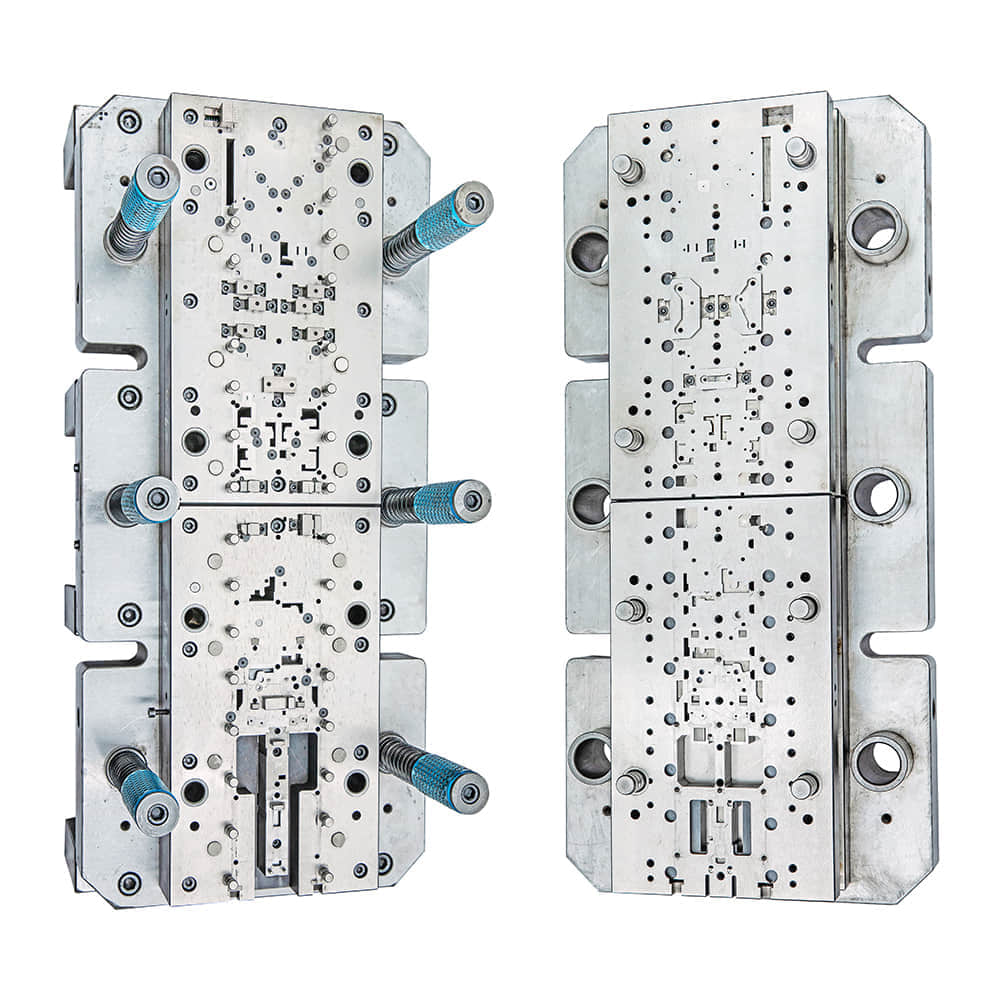
Metal Stamping Die OEM Manufacturer

The Essence of Metal Stamping Die OEM Manufacturers

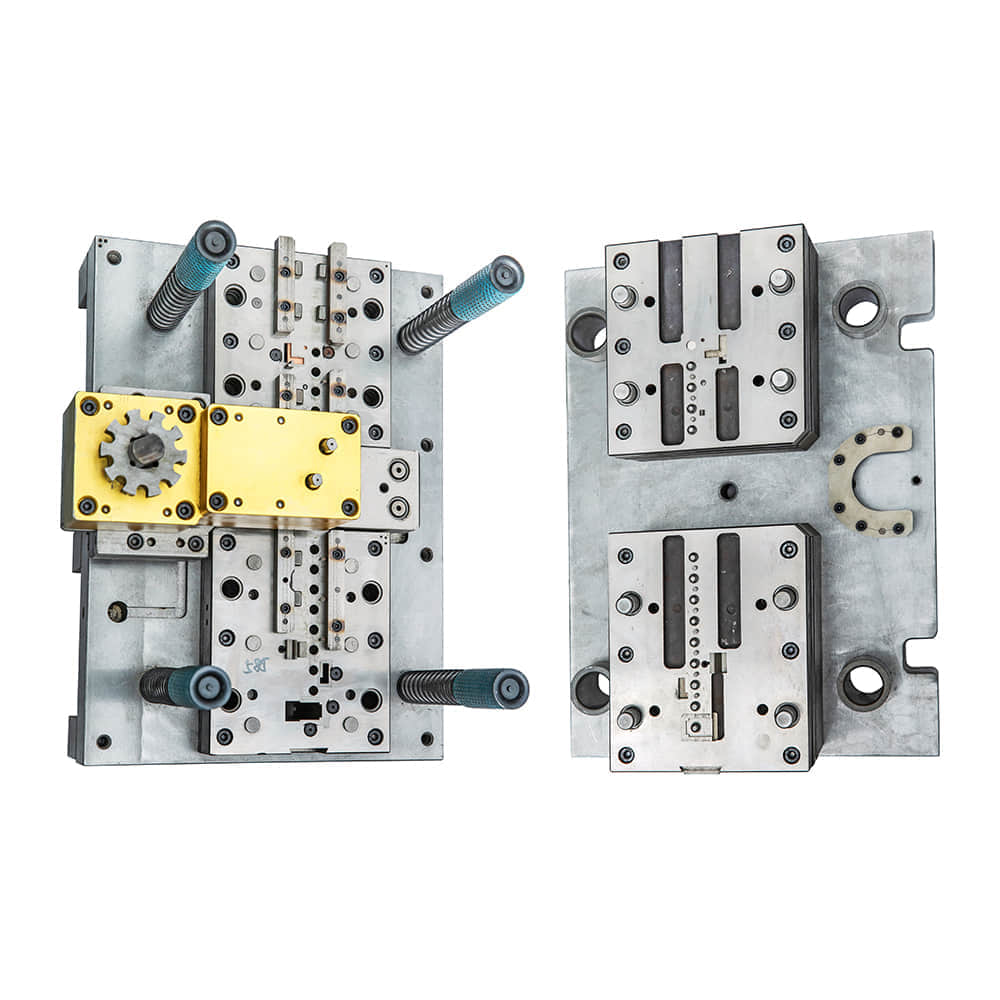
Metal Stamping Die OEM Manufacturer

Metal stamping is a manufacturing process that transforms flat metal sheets into intricate shapes through pressing, forming, and cutting. The pivotal element of this process is the metal stamping die – a specialized tool that defines the final product’s design with remarkable accuracy and consistency. Original Equipment Manufacturers (OEMs) in this field are the masterminds behind these dies, often working behind the scenes to enable the production of countless everyday items. Precision Engineering at Its Core Metal stamping die OEM manufacturers are synonymous with precision engineering. They meticulously design and fabricate dies with tight tolerances, ensuring that each stamped part adheres to the desired specifications. These manufacturers employ advanced techniques like computer-aided design (CAD) and computer-aided manufacturing (CAM) to create dies that guarantee uniformity in production and minimal waste of resources. Customization – Meeting Diverse Industry Needs The versatility of metal stamping die OEM manufacturers is evident in their ability to cater to a wide range of industries. From automotive to electronics, aerospace to medical equipment, these manufacturers produce dies tailored to specific needs. This level of customization ensures that manufacturers in different sectors can rely on these experts to produce components that align perfectly with their requirements. Innovation in Material Usage Advancements in material science have significantly impacted the metal stamping die manufacturing sector. Modern OEM manufacturers are not only skilled in working with traditional metals like steel and aluminum but also adept at handling exotic and composite materials. This capability expands the possibilities for industries, allowing them to explore new avenues in lightweighting, durability, and performance. Efficiency and Cost-Effectiveness Metal stamping die OEM manufacturers contribute to the efficiency of the manufacturing ecosystem. Their expertise minimizes production errors, reduces lead times, and maximizes material utilization. This, in turn, enhances cost-effectiveness for both the OEM manufacturer and their clients. By optimizing the manufacturing process, metal stamping die OEM manufacturers play a crucial role in keeping production lines running smoothly. The Symbiotic Partnership The relationship between metal stamping die OEM manufacturers and the industries they serve is symbiotic. While these manufacturers remain largely in the background, their influence reverberates through supply chains. They work hand in hand with manufacturers to develop dies that align with their vision, ensuring that the end products maintain consistency and quality. Looking Ahead As technology continues to evolve, metal stamping die OEM manufacturers find themselves at the crossroads of innovation. Additive manufacturing, simulation technologies, and further advancements in materials are reshaping the landscape. These manufacturers are not only adapting to change but actively driving it, pushing the boundaries of what’s possible in the realm of precision metal component production. In conclusion, Metal Stamping Die OEM Manufacturers are the unsung champions of modern manufacturing. Their mastery over precision engineering, versatility across industries, and commitment to innovation propel industries forward. As we move into an era of ever more intricate and demanding designs, these manufacturers are poised to lead the charge, ensuring that the world of metal stamping continues to thrive.

Metal Stamping Die OEM Manufacturer

Exploring the Realm of Metal Stamping Die ODM Manufacturers

Metal Stamping Die Original Design Manufacturer (ODM): Revolutionizing Precision Manufacturing

Metal Stamping Die ODM Manufacturer

In the dynamic landscape of precision manufacturing, Metal Stamping Die Original Design Manufacturers (ODMs) have emerged as crucial players, driving innovation and efficiency in the production of intricate metal components. Their expertise in designing and fabricating specialized metal stamping dies is reshaping industries and contributing to the advancement of various sectors, from automotive to electronics.

Metal Stamping Die ODM Manufacturer

Defining Metal Stamping Die ODM Manufacturers Metal stamping is a process that involves shaping and forming metal sheets into desired designs and dimensions. The heart of this process lies in the metal stamping die, a tool used to cut, shape, and mold the metal sheets with high precision. Metal Stamping Die ODM Manufacturers are companies that specialize in creating customized, top-quality stamping dies according to the specific requirements of their clients. Innovative Customization and Design One of the distinguishing features of Metal Stamping Die ODM Manufacturers is their ability to provide innovative customization. Unlike traditional manufacturers, Metal Stamping Die ODMs excel at developing unique solutions tailored to the exact needs of their clients. They collaborate closely with clients, understanding their design concepts and functional requirements to craft stamping dies that deliver exceptional precision and efficiency. Advanced Technology Integration In the realm of metal stamping die fabrication, technology plays a pivotal role, and Metal Stamping Die ODM Manufacturers are at the forefront of integrating advanced technologies. Computer-Aided Design (CAD) software and simulations allow these manufacturers to create intricate die designs with meticulous attention to detail. The application of Computer-Aided Manufacturing (CAM) software further enables precise machining of the dies, ensuring seamless execution during the stamping process. Driving Industries Forward Metal Stamping Die ODMs have a profound impact on various industries. In the automotive sector, they contribute to the production of essential components such as chassis, engine parts, and transmission elements. Their ability to produce complex, high-strength components with tight tolerances enhances the overall performance and safety of vehicles. The electronics industry also benefits significantly from Metal Stamping Die ODM Manufacturers. The production of intricate connectors, contacts, and shielding components relies on the precision of stamping dies. ODMs play a vital role in meeting the demand for smaller, lighter, and more efficient electronic devices. Quality Assurance and Efficiency The relentless pursuit of quality and efficiency sets Metal Stamping Die ODM Manufacturers apart. These companies implement rigorous quality control measures throughout the design and manufacturing processes. Cutting-edge inspection techniques, such as laser scanning and coordinate measuring machines, ensure that each stamping die meets the highest standards of accuracy. The emphasis on efficiency goes beyond product quality. Metal Stamping Die ODMs are experts in optimizing die designs for minimal material waste, reduced production time, and streamlined operations. This not only benefits clients in terms of cost savings but also contributes to sustainable manufacturing practices. Conclusion In the world of precision manufacturing, Metal Stamping Die ODM Manufacturers have established themselves as key players driving innovation, customization, and efficiency. Through their expertise in die design, advanced technology integration, and commitment to quality, they continue to shape industries ranging from automotive to electronics. As industries evolve and demand increasingly intricate metal components, Metal Stamping Die ODMs are poised to lead the way in revolutionizing the future of manufacturing.

Metal Stamping Die ODM Manufacturer

Exploring the World of Metal Stamping Die Manufacturers

Metal stamping dies play a crucial role in shaping the modern manufacturing landscape, enabling the efficient production of various metal components used in industries ranging from automotive to electronics. Behind these intricate tools are skilled manufacturers who combine craftsmanship, technology, and innovation to create the backbone of modern manufacturing processes.

Metal stamping Die manufacturers

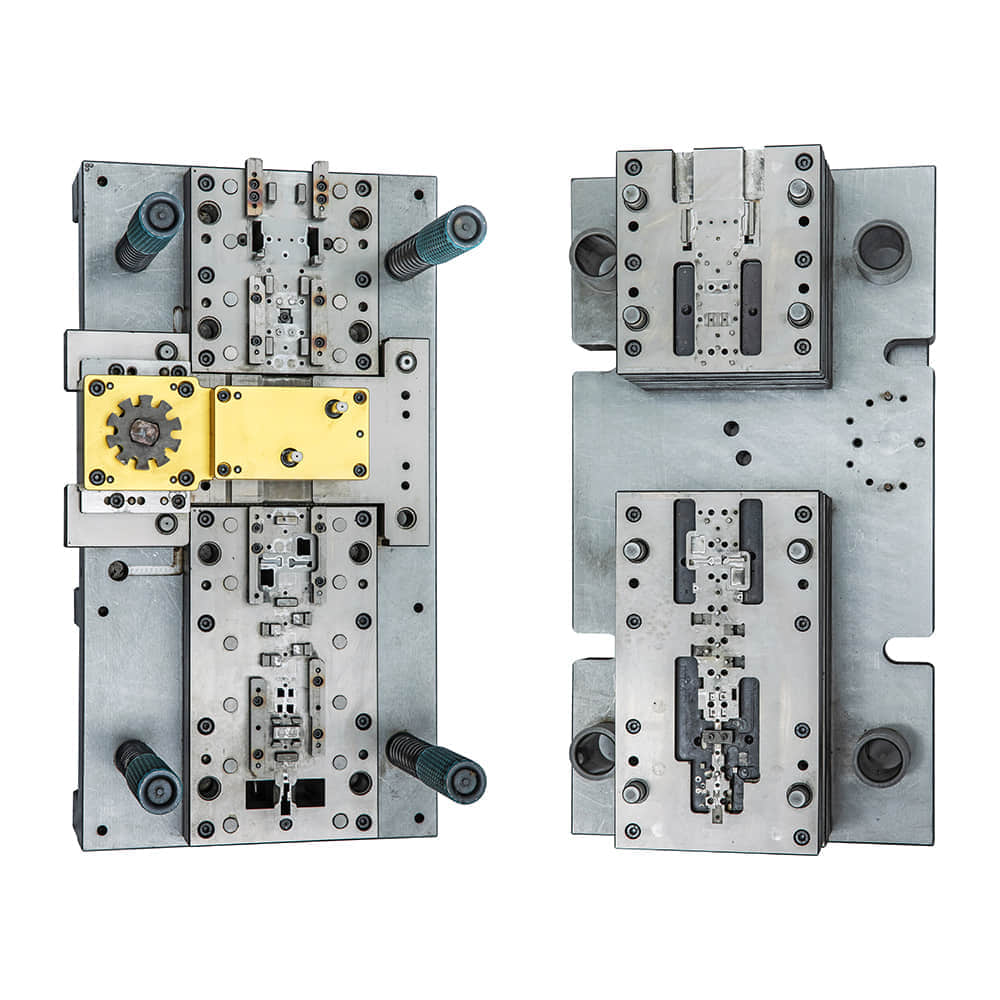
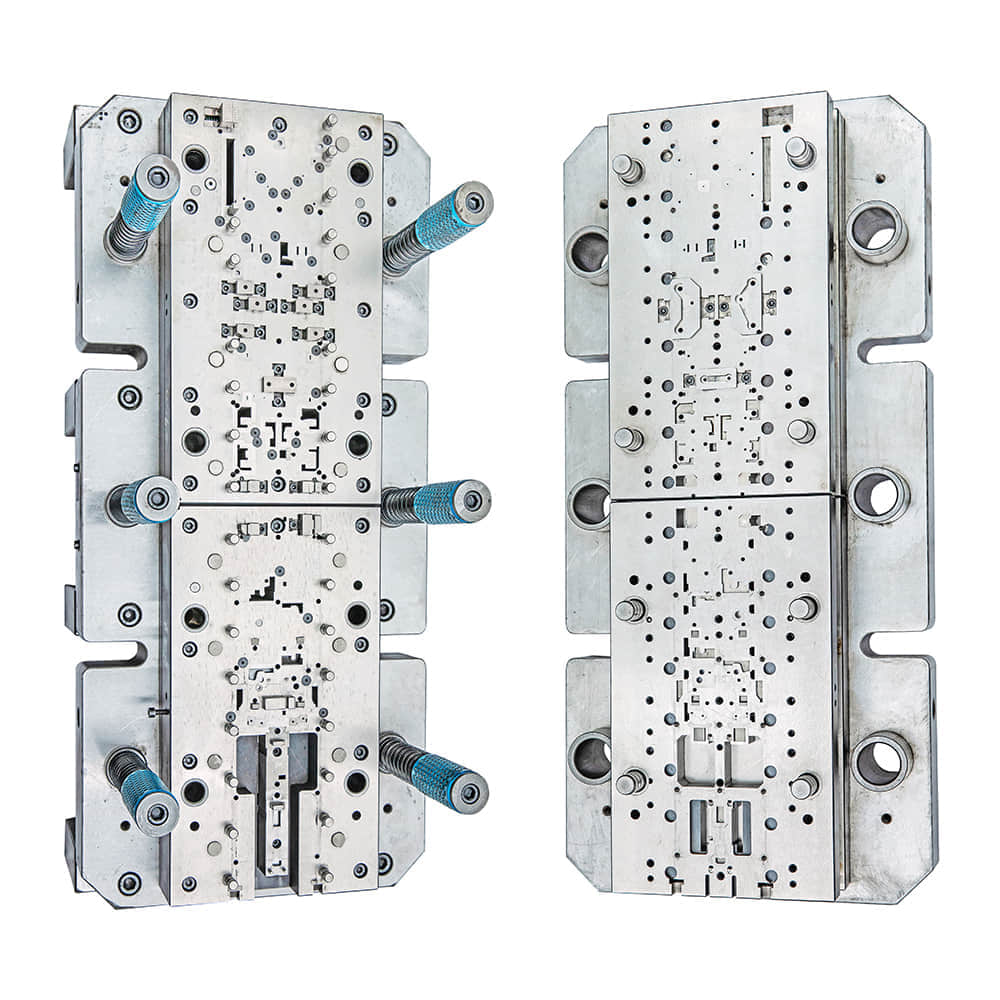
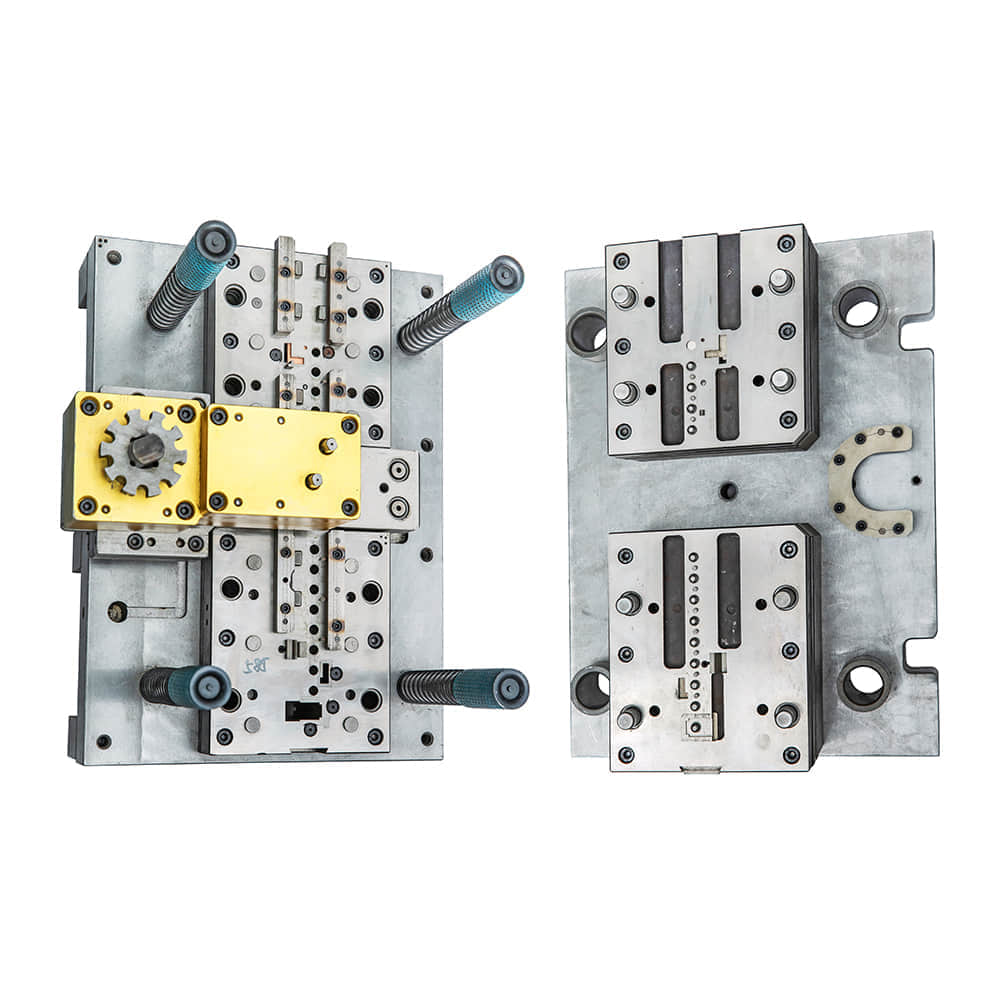
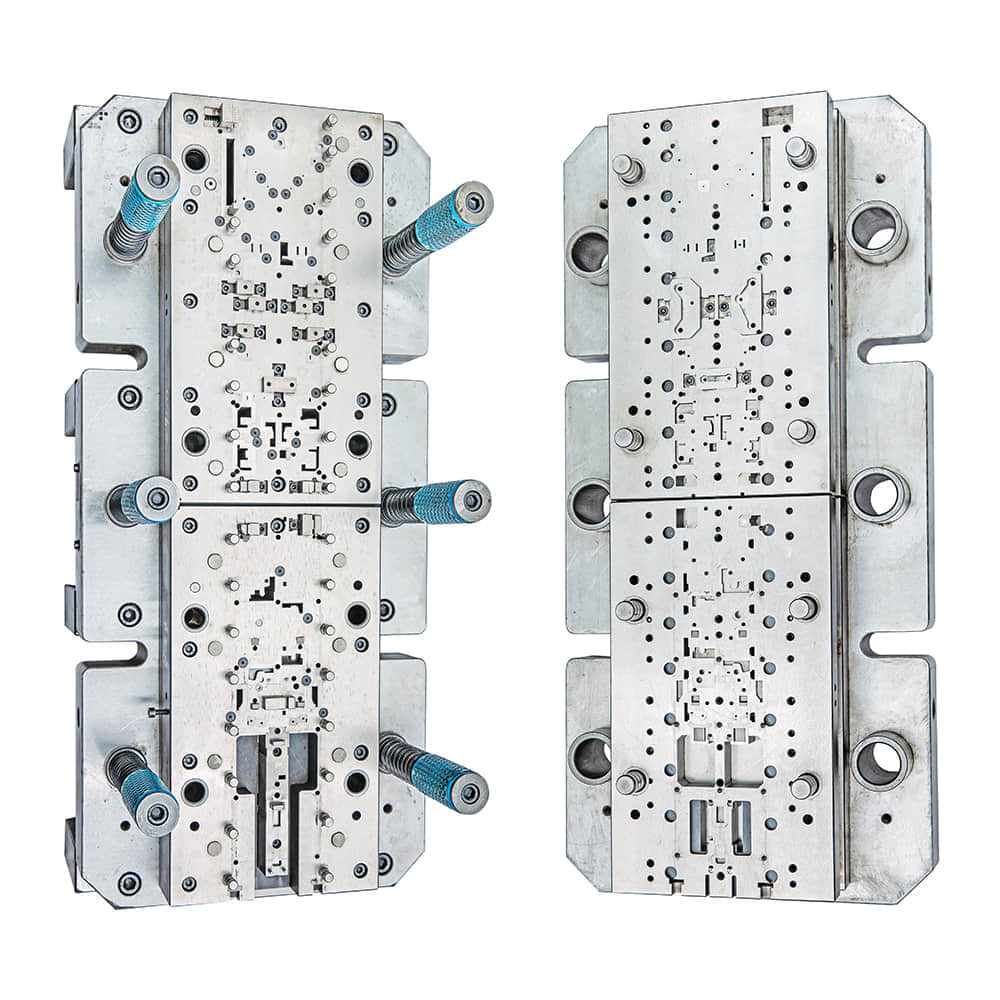
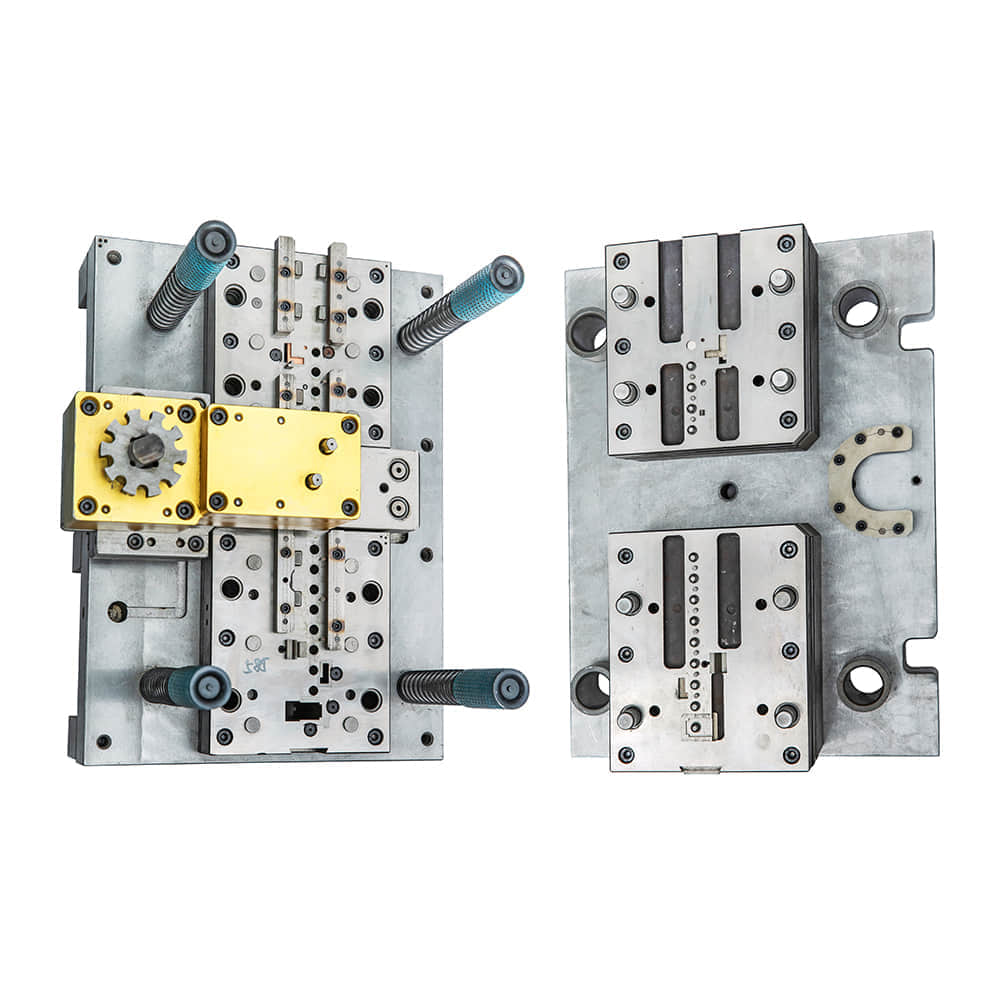
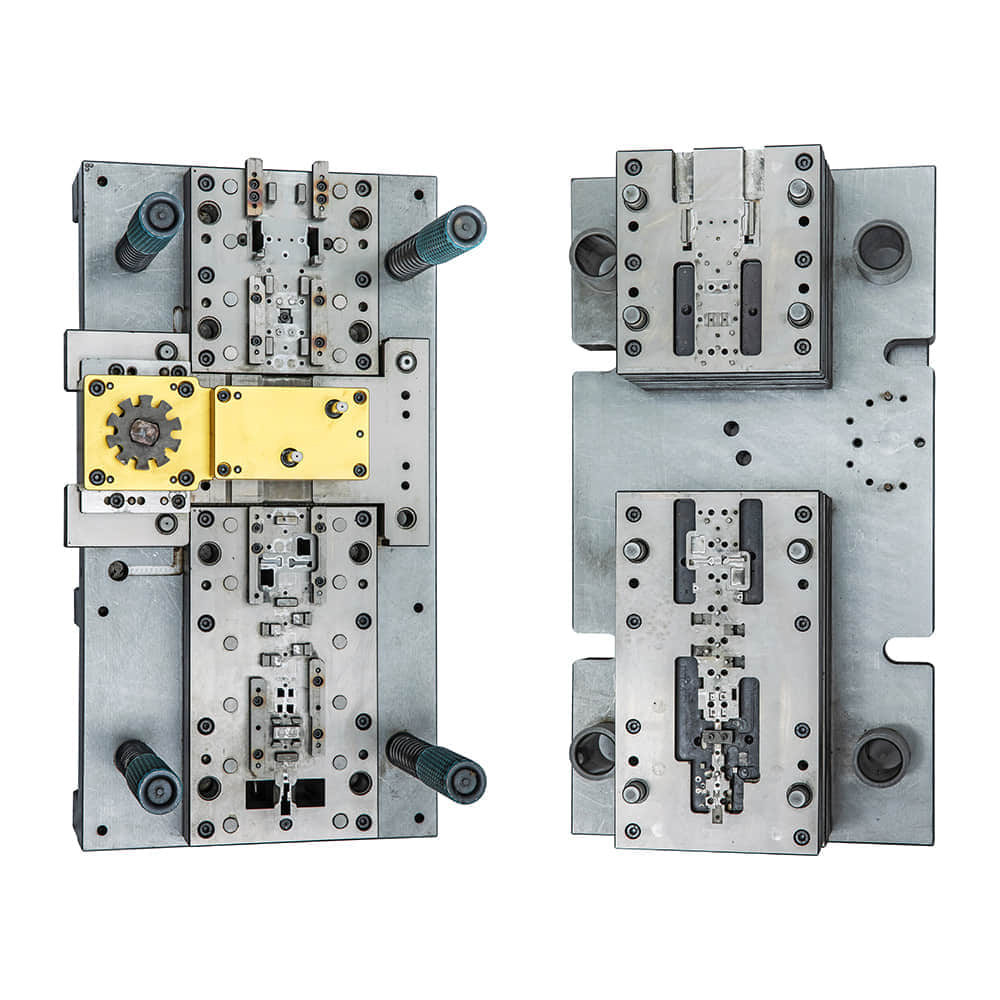
Metal stamping dies, often referred to simply as “dies,” are specialized tools used in metal stamping processes to cut or form metal sheets into desired shapes. These shapes can range from intricate designs to functional components that are integral to everyday products. Metal stamping die manufacturers are the masterminds behind the conception, design, fabrication, and maintenance of these tools.

Metal stamping Die manufacturers

The manufacturing of metal stamping dies is a multi-faceted process that requires a unique blend of expertise. These manufacturers need to have a deep understanding of metallurgy, engineering principles, and material science. Each die is meticulously crafted to ensure precision, durability, and consistent performance. The process begins with the conceptualization of the design, often using computer-aided design (CAD) software, which allows manufacturers to visualize the final product before manufacturing even begins. Once the design is finalized, manufacturers choose the appropriate materials for the die’s construction. The choice of material depends on factors such as the type of metal being stamped, the expected production volume, and the desired die lifespan. Common materials include various grades of steel, carbide, and even advanced materials like titanium alloys. The manufacturing process might involve CNC machining, wire cutting, and other advanced techniques to shape and form the components of the die. Precision is the hallmark of metal stamping die manufacturing. The tiniest deviation can result in defective components or production downtime. Therefore, manufacturers employ advanced machining and quality control techniques to ensure that every component of the die meets exact specifications. Computer-controlled precision machining tools are used to create the intricate details necessary for stamping accuracy. In recent years, technological advancements have transformed the landscape of metal stamping die manufacturing. Computer simulations and finite element analysis allow manufacturers to test and refine their designs virtually before physical production begins. This not only saves time and resources but also contributes to the overall efficiency of the manufacturing process. Additionally, automation and robotics are being integrated into die manufacturing facilities to enhance production speed while maintaining the highest quality standards. The role of metal stamping die manufacturers extends beyond the initial production phase. Regular maintenance and, if necessary, repairs are essential to ensure the longevity of these valuable tools. Wear and tear are natural consequences of the die’s continuous use, and manufacturers need to possess the expertise to diagnose issues and perform necessary maintenance tasks promptly. In conclusion, metal stamping die manufacturers are the unsung heroes of modern manufacturing. Their expertise and dedication drive the creation of intricate tools that underpin various industries. From the initial design to the final product and beyond, these manufacturers play a vital role in ensuring the efficiency, precision, and quality of metal stamping processes. As technology continues to advance, we can expect even greater innovation in the world of metal stamping die manufacturing, further propelling industries into the future.

Metal stamping Die manufacturers

Exploring the Excellence of BMC Molding Manufacturers

In the realm of modern manufacturing, the process of Bulk Molding Compound (BMC) has emerged as a versatile and efficient method. BMC molding manufacturers play a pivotal role in producing a wide range of components that are not only sturdy but also exhibit exceptional design flexibility. This article delves into the world of BMC molding manufacturers, shedding light on their significance, the advantages of BMC molding, and the industries they impact.

BMC molding manufacturer

The Significance of BMC Molding Manufacturers

BMC molding manufacturer

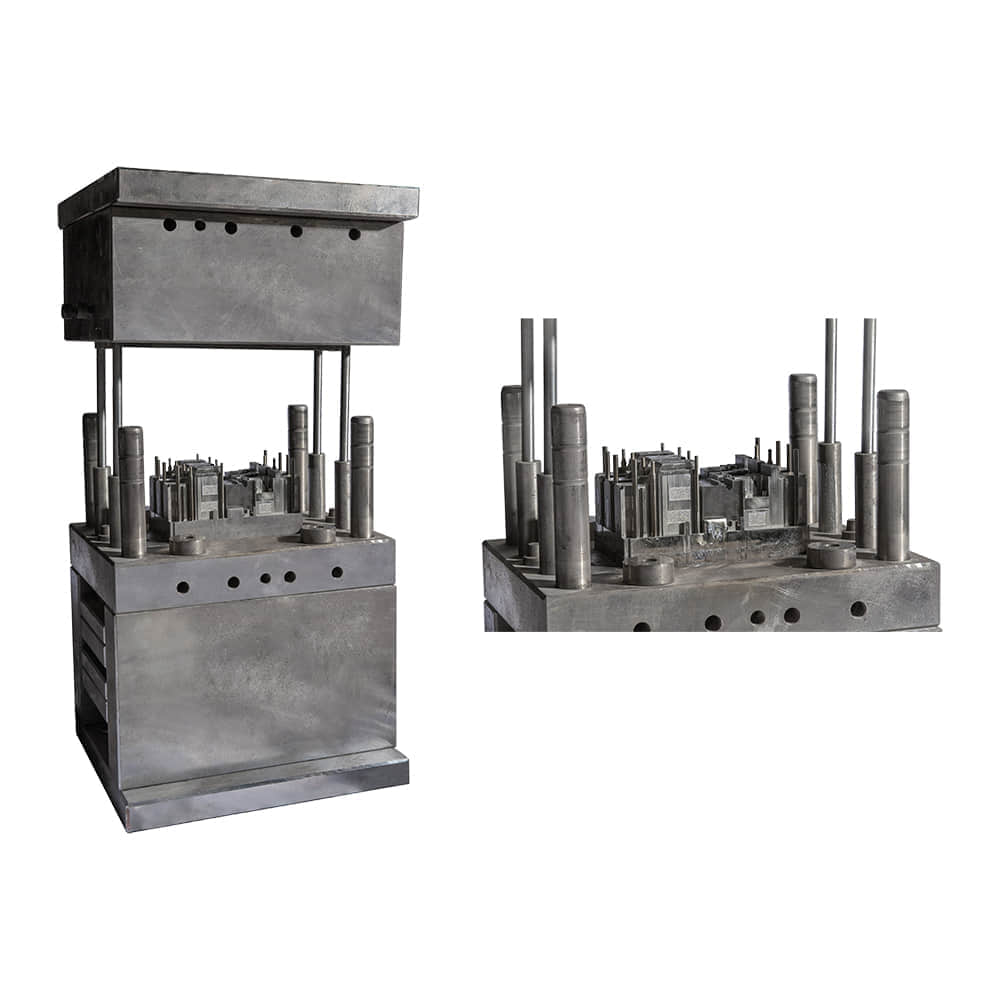
BMC molding manufacturers hold a significant position in the manufacturing landscape, offering innovative solutions to various industries. BMC, a mixture of thermosetting resin, fibers, and fillers, allows for intricate designs and exceptional surface finishes. Manufacturers leverage this composite to create high-quality components for applications spanning automotive, electrical, aerospace, and consumer goods industries, among others. Advantages of BMC Molding Design Flexibility:One of the standout features of BMC molding is its design flexibility. Manufacturers can mold complex shapes with precision, enabling the production of components that might be challenging to create using other methods. Durable and Lightweight:BMC components offer an excellent balance between durability and weight. This attribute is particularly valuable in the automotive and aerospace industries, where the demand for strong yet lightweight parts is high. Corrosion and Heat Resistance:BMC materials exhibit remarkable resistance to corrosion, chemicals, and high temperatures. This makes them suitable for applications in harsh environments, such as automotive engine components and industrial equipment. Surface Finish:BMC molding manufacturers can achieve exceptional surface finishes directly from the mold. This can eliminate the need for additional finishing processes, reducing production time and costs. Cost-Effective Production:BMC molding allows for the rapid and efficient production of components. The short cycle times and minimal material wastage contribute to cost-effectiveness, making it an attractive option for high-volume manufacturing. Industries Impacted by BMC Molding Manufacturers Automotive Industry:BMC molding plays a crucial role in the automotive sector by producing various components like exterior body panels, under-the-hood parts, and interior components. The lightweight yet robust nature of BMC materials contributes to improved fuel efficiency and vehicle performance. Electrical Industry:The electrical industry benefits from BMC molding in the production of insulators, switchgear components, and electrical enclosures. The excellent electrical insulation properties of BMC make it an ideal choice for these applications. Aerospace Industry:In the aerospace field, BMC molding is utilized for creating lightweight yet strong components for aircraft interiors, engine parts, and structural elements. Its resistance to extreme temperatures and chemicals suits the stringent requirements of this industry. Consumer Goods:BMC molding manufacturers produce components for a range of consumer goods, including kitchen appliances, power tools, and bathroom fixtures. The ability to achieve intricate designs and high-quality finishes aligns well with the aesthetic demands of consumer products. Industrial Equipment:Industrial equipment manufacturers rely on BMC molding for the production of various parts that need to withstand harsh industrial environments. The corrosion resistance and durability of BMC materials make them well-suited for heavy-duty applications. In conclusion, BMC molding manufacturers play a vital role in modern manufacturing, offering a solution that combines design flexibility, durability, and cost-effectiveness. The advantages of BMC molding extend to numerous industries, influencing the design and performance of a wide array of products. As technology continues to advance, we can expect BMC molding to evolve further, bringing even more innovative solutions to the manufacturing landscape.

BMC molding manufacturer