Monthly Archives: September 2023

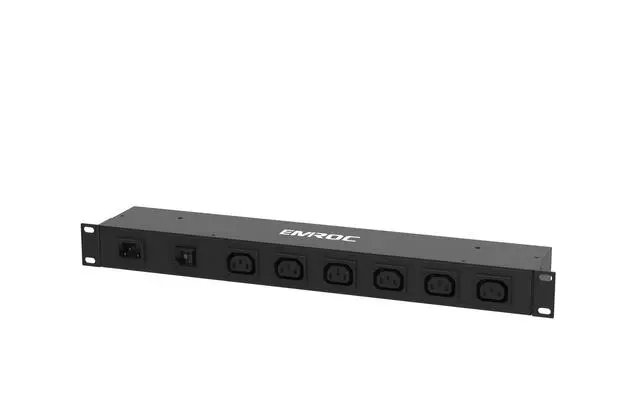
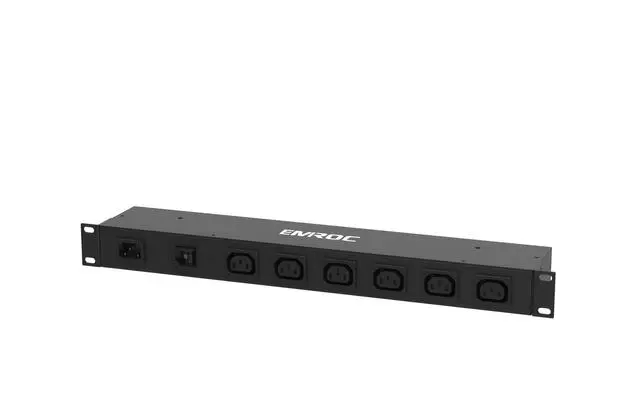
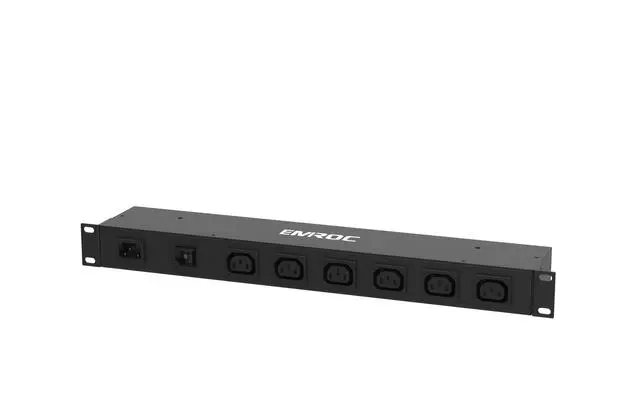
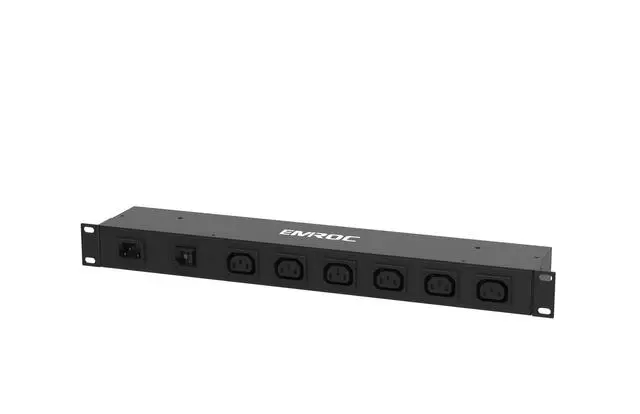
Comparing PDUs: Which One Reigns Supreme?

Power Distribution Units (PDUs) play a critical role in ensuring the smooth operation of data centers, server rooms, and various industrial settings. These devices serve as the backbone of electrical power management, helping to distribute power to connected equipment efficiently and safely. When it comes to selecting the right PDU for your specific needs, the choices can be overwhelming. In this article, we’ll compare different types of PDUs and discuss which one might be the better choice for your application.
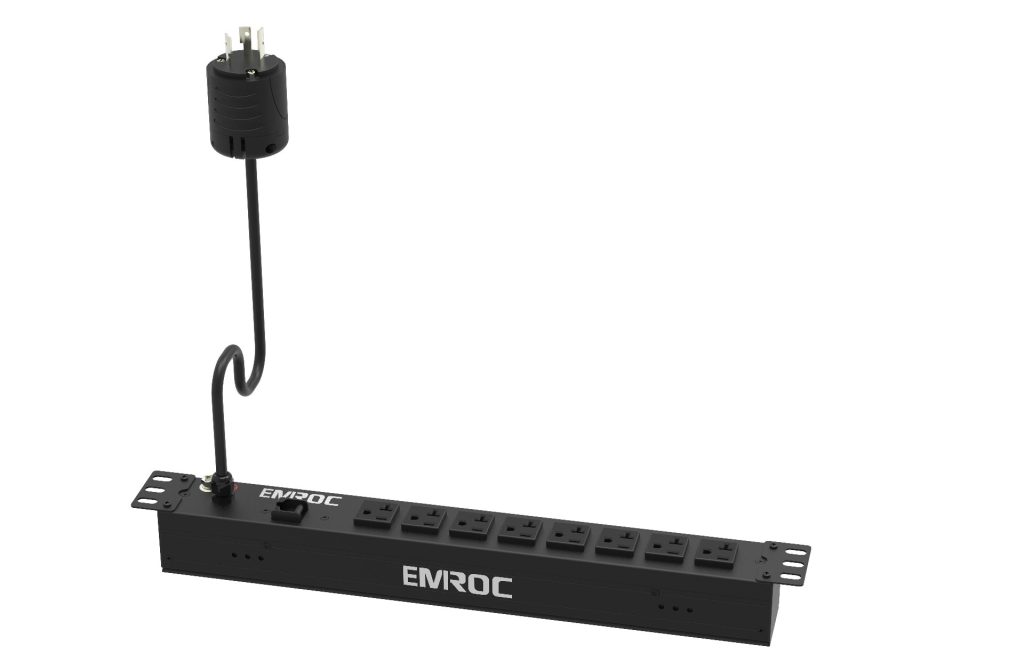
Which PDU is better

Basic PDUs: Simplicity at its Finest Basic PDUs are the simplest and most cost-effective option available. They provide a straightforward way to distribute power to multiple devices without any advanced features. Basic PDUs are essentially power strips, often with surge protection, that can be mounted on a rack or placed in a cabinet. One of the key advantages of basic PDUs is their affordability. They are ideal for small businesses or applications with budget constraints. However, their simplicity comes at a cost: lack of remote monitoring, control, and power management capabilities. If your primary concern is only distributing power without any need for remote access or automation, basic PDUs may be the right choice for you. Metered PDUs: Balancing Cost and Visibility Metered PDUs offer a middle-ground solution between basic and advanced PDUs. These units provide valuable insight into power consumption by offering metering capabilities, typically displaying real-time power usage on a built-in display or through remote monitoring software. For organizations looking to strike a balance between cost and visibility, metered PDUs are a suitable option. They provide the ability to monitor power consumption trends and identify potential issues, making them a popular choice for businesses focused on energy efficiency and cost savings. Managed PDUs: Power Management at Your Fingertips Managed PDUs are a step up in terms of sophistication. These devices come equipped with remote management features, allowing administrators to monitor and control individual outlets from a centralized interface. This level of control enables data center operators to optimize power distribution, reboot unresponsive equipment remotely, and set alarms for overloads or unusual power usage patterns. Managed PDUs are particularly advantageous for large data centers or environments where uptime and remote management are paramount. They provide the flexibility and control needed to ensure that critical equipment stays online and operational, while also enhancing energy efficiency by allowing for intelligent power cycling and load balancing. Switched PDUs: Advanced Control and Automation Switched PDUs take power management to the next level by offering not only monitoring and control but also automation capabilities. These units enable users to automate power sequencing, schedule equipment power cycling, and perform load shedding during peak demand periods. In addition to remote monitoring and control, switched PDUs often integrate with environmental sensors and provide data on temperature, humidity, and other environmental factors. This holistic approach to power and environmental management can help organizations optimize their data center operations for both performance and sustainability. Conclusion: Choosing the Right PDU for Your Needs Selecting the best PDU for your application depends on your specific requirements, budget constraints, and long-term goals. Basic PDUs are a cost-effective choice for simple power distribution needs, while metered PDUs provide valuable power consumption insights. Managed PDUs offer remote management capabilities for enhanced control, and switched PDUs take automation to the next level. Consider your organization’s unique needs, such as the criticality of uptime, the importance of energy efficiency, and the scale of your operations, when making your decision. In many cases, a combination of different PDU types might be the most effective approach to meet your diverse power management needs. Ultimately, the right PDU choice will help ensure the reliability, efficiency, and performance of your electrical infrastructure.
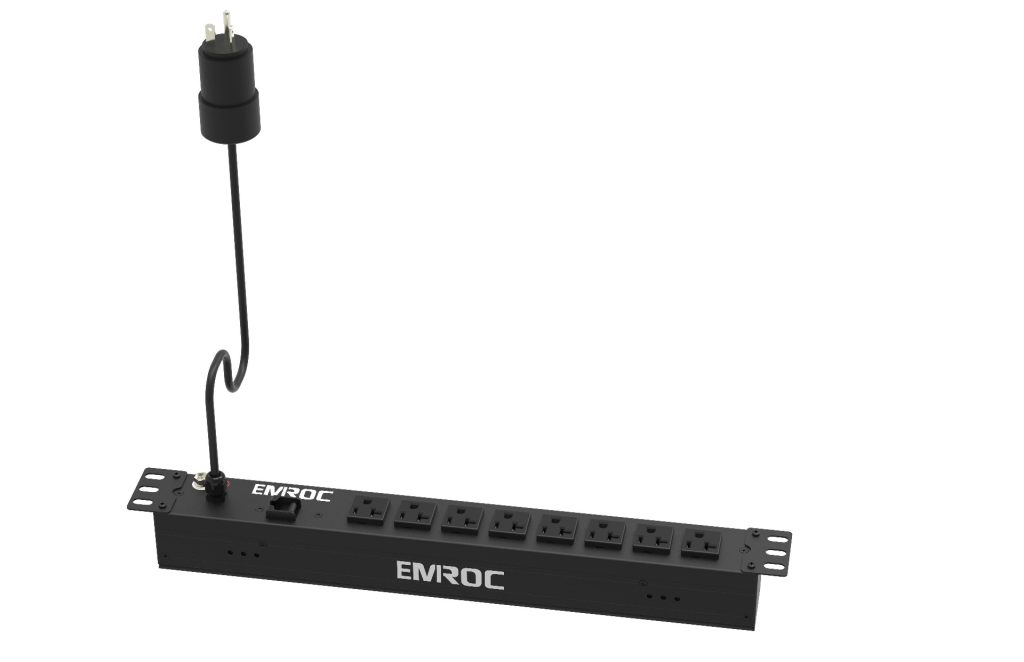
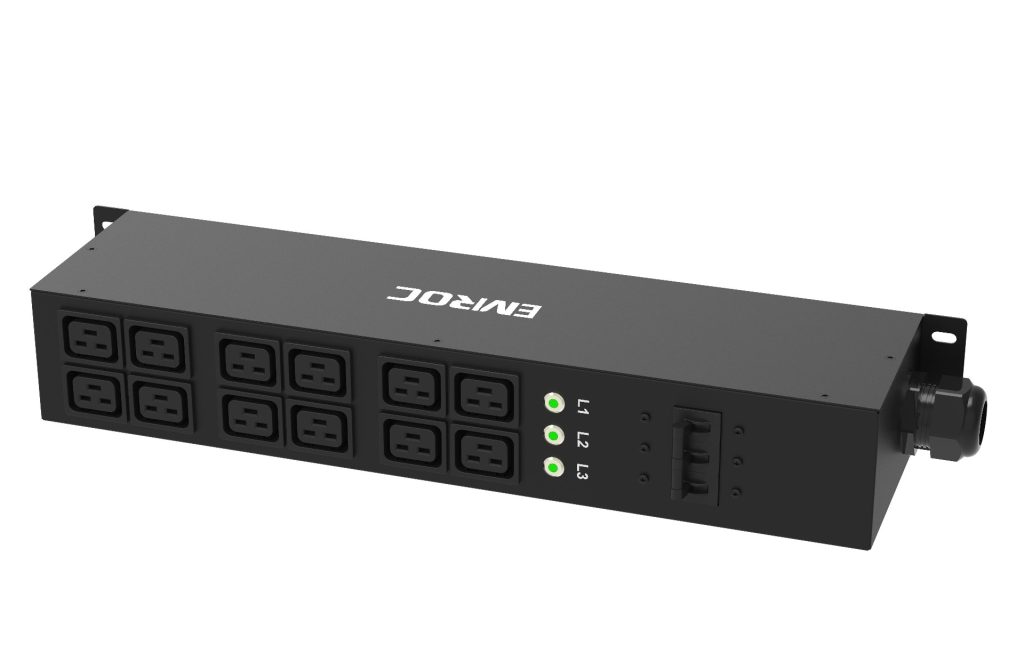
Enhancing Electrical Efficiency with Power Distribution Units (PDUs)

In today’s technology-driven world, the efficient and reliable distribution of electrical power is a critical aspect of ensuring the smooth operation of various industries. Power Distribution Units (PDUs) play a pivotal role in this process by managing and distributing power from a single source to multiple devices. This article delves into the significance of PDUs, their types, features, and their contribution to optimizing power usage and enhancing overall operational efficiency.

power distribution unit

Understanding Power Distribution Units A Power Distribution Unit (PDU) is a device used to control the distribution of electric power to multiple devices within a data center, industrial facility, or commercial space. PDUs serve as a centralized point of control, allowing administrators to monitor, allocate, and regulate power usage to different equipment. By preventing power overloads and ensuring uniform power distribution, PDUs help safeguard critical electronic systems from downtime and damage. Types of PDUs PDUs come in various types, each designed to cater to specific needs and environments. The primary types include: Basic PDUs:These PDUs offer simple power distribution without any advanced features. They are ideal for situations where remote monitoring and control are not required. Metered PDUs:Metered PDUs provide the ability to monitor power consumption at the outlet level. This information is valuable for tracking energy usage, identifying potential inefficiencies, and managing capacity planning. Switched PDUs:Switched PDUs go a step further by allowing remote control of individual outlets. This feature is beneficial for rebooting devices remotely, load shedding during peak demand, and isolating malfunctioning equipment. Monitored and Switched PDUs:These combine the features of metered and switched PDUs, offering both power consumption monitoring and remote outlet control. Intelligent PDUs:Intelligent PDUs provide advanced monitoring, analytics, and management capabilities. They often include features like environmental monitoring (temperature, humidity), predictive maintenance insights, and integration with other data center management systems. Features and Benefits PDUs offer several key features that contribute to improved efficiency and effectiveness: Remote Monitoring and Control:PDUs enable administrators to monitor power usage, voltage, and current remotely. This proactive approach helps in identifying irregularities and potential issues before they escalate. Load Balancing:PDUs facilitate the distribution of power evenly across connected devices. Load balancing prevents overloading of circuits and reduces the risk of downtime due to tripped breakers or blown fuses. Energy Efficiency:By tracking power consumption at the outlet level, PDUs help organizations identify energy-hungry devices. This information allows for targeted efforts to reduce power wastage, leading to cost savings and reduced carbon footprint. Capacity Planning:Metered and intelligent PDUs provide insights into power usage trends. This data aids in effective capacity planning, ensuring that power resources are allocated optimally as the infrastructure grows. Remote Management:Switched and intelligent PDUs allow remote power cycling of individual outlets. This capability can save time and resources by avoiding the need for physical intervention when devices become unresponsive. Conclusion In the realm of modern technology, the reliable distribution of electrical power is a non-negotiable requirement. Power Distribution Units (PDUs) serve as the linchpin of efficient power management by offering various types and features that empower administrators to regulate power distribution, monitor consumption, and enhance overall efficiency. As industries continue to rely heavily on electronic systems, the role of PDUs in maintaining uptime, preventing outages, and optimizing power usage remains indispensable.

Enhancing Efficiency and Reliability with Dedicated PDUs for Computer Rooms

In the ever-evolving landscape of technology, computer rooms play a pivotal role in housing critical IT infrastructure that drives businesses and organizations forward. As the demand for uninterrupted connectivity and efficient data management continues to rise, the significance of power distribution cannot be overstated. This is where Dedicated Power Distribution Units (PDUs) come into play, offering tailored solutions to meet the specific requirements of computer rooms, ensuring optimal performance, reliability, and scalability.

Dedicated PDU for computer room

Dedicated PDUs, designed exclusively for computer room environments, provide a multitude of benefits that contribute to the seamless operation of mission-critical systems. One of the most compelling advantages is their ability to offer precise power management. Computer rooms often house an assortment of equipment with varying power demands, including servers, networking devices, storage systems, and more. Dedicated PDUs feature outlets and power delivery options tailored to these requirements, preventing overloads and ensuring that each device receives the necessary power without compromising safety. Reliability is the cornerstone of any computer room, as even the briefest interruption can lead to significant downtime and financial losses. Dedicated PDUs enhance the reliability of power distribution through features such as redundancy and failover capabilities. Redundant power feeds and automatic switching mechanisms guarantee uninterrupted power flow in the event of a primary power source failure. This not only safeguards critical operations but also minimizes the risk of data loss and system damage. Scalability is another essential aspect of modern computer rooms. As businesses grow, their IT infrastructure must accommodate increased demands. Dedicated PDUs can be configured to support expansion seamlessly. By offering customizable options for additional outlets and power capacity, these PDUs empower organizations to scale their operations without the need for extensive reconfigurations or replacements. Efficiency is a driving force behind the adoption of Dedicated PDUs. These units often incorporate advanced features like power monitoring, metering, and reporting. By providing real-time data on energy consumption, IT managers can identify underutilized resources, optimize power distribution, and implement energy-saving initiatives. This not only aligns with environmental sustainability goals but also reduces operational costs over the long term. Security considerations are paramount in computer rooms, where sensitive data and proprietary information are stored. Dedicated PDUs enhance security by offering remote monitoring and management capabilities. Administrators can monitor power usage, perform updates, and even remotely cycle power to devices, mitigating risks associated with physical access and potential security breaches. In conclusion, Dedicated PDUs tailored for computer room environments offer a comprehensive solution to the power distribution challenges faced by modern businesses and organizations. Their ability to provide precise power management, enhance reliability, support scalability, improve efficiency, and bolster security makes them an indispensable component of any state-of-the-art IT infrastructure. As technology continues to advance and computer rooms become even more integral to operations, the role of Dedicated PDUs will only become more pronounced. By investing in these purpose-built solutions, businesses can ensure that their critical IT systems operate seamlessly, allowing them to stay competitive in an ever-changing digital landscape.

Exploring China PDU OEM Factories: Powering Global Innovation

In the dynamic landscape of technological advancement, Power Distribution Units (PDUs) play an integral role in providing efficient and reliable power distribution to various electronic devices and data centers. Among the prominent players in this field, China’s PDU Original Equipment Manufacturer (OEM) factories have emerged as key contributors to the global technology ecosystem. Let’s delve into the world of China PDU OEM factories and explore their significance in powering innovation worldwide.

China PDU OEM factory

The Rise of China PDU OEM Factories China’s prowess in manufacturing is widely recognized, and the PDU sector is no exception. PDU OEM factories in China have witnessed a remarkable evolution, from initially catering to domestic markets to becoming crucial suppliers for international brands. This transformation can be attributed to China’s investment in technological infrastructure, skilled labor, and emphasis on quality production. Technological Innovation and Expertise China PDU OEM factories leverage state-of-the-art technologies to design and manufacture PDUs that meet the ever-growing demands of diverse industries. These factories boast advanced research and development capabilities, allowing them to produce PDUs equipped with smart features like remote monitoring, power consumption analysis, and automated load balancing. By staying at the forefront of innovation, China’s PDU OEM factories contribute significantly to the global transition towards intelligent power management solutions. Global Reach and Collaboration The impact of China’s PDU OEM factories extends far beyond its borders. Collaborating with international partners, these factories facilitate cross-border knowledge exchange and technology transfer. This collaboration not only enhances the quality and capabilities of the PDUs but also fosters a globally interconnected ecosystem where ideas and solutions flow freely, benefitting businesses and end-users alike. Quality Control and Compliance In recent years, China’s PDU OEM factories have prioritized stringent quality control measures and compliance with international standards. By obtaining certifications such as ISO 9001 and ISO 14001, they ensure that their products meet the highest quality benchmarks while adhering to environmental regulations. This dedication to quality has earned them a reputation for producing PDUs that are reliable, safe, and durable. Sustainability and Green Initiatives China’s PDU OEM factories are not only concerned with technological advancements but also with sustainable production practices. Many of these factories have embraced green initiatives, focusing on energy-efficient manufacturing processes and the use of eco-friendly materials. By incorporating sustainability into their operations, they contribute to reducing the carbon footprint of the technology industry. Challenges and Opportunities While China’s PDU OEM factories have achieved remarkable success, they are not without challenges. Intense market competition, evolving industry standards, and the need to continuously innovate pose ongoing hurdles. However, these challenges also present opportunities for growth, pushing these factories to push their boundaries and set new industry benchmarks. Conclusion China’s PDU OEM factories have evolved into pillars of technological innovation, global collaboration, and quality production. Their contributions extend far beyond hardware manufacturing; they power the engines of progress across industries by delivering reliable and efficient power distribution solutions. As these factories continue to adapt to changing demands and surmount challenges, they cement their position as essential players in the ongoing technological revolution. Through their unwavering commitment to excellence, China’s PDU OEM factories are not just shaping the future of power distribution—they are powering the future itself.

The Evolution of PDU Manufacturers: Powering the Digital Age

With the rapid advancement of technology and the increasing dependence on data-driven operations, the demand for reliable power distribution solutions has never been greater. Power Distribution Units (PDUs) play a crucial role in ensuring a consistent and efficient supply of electricity to data centers, industrial facilities, and businesses worldwide. This article explores the evolution of PDU manufacturers, highlighting their pivotal role in powering the digital age.

PDU manufacturer

The Genesis of PDU Manufacturers The origins of PDU manufacturers can be traced back to the early days of electrical engineering. As electricity became a fundamental part of modern life, so did the need for efficient power distribution systems. In the late 19th and early 20th centuries, companies like General Electric and Westinghouse laid the foundation for what would eventually become the PDU manufacturing industry. The Rise of Data Centers The true transformation of PDU manufacturing began with the rise of data centers in the late 20th century. With the growing importance of computing, businesses and organizations needed reliable infrastructure to house their servers and IT equipment. This led to the development of specialized PDUs designed to meet the unique power distribution needs of data centers. Technological Advancements The 21st century brought about significant technological advancements, driving PDU manufacturers to innovate continually. These innovations included intelligent PDUs that offered remote monitoring and control capabilities. These smart PDUs allowed data center operators to optimize power usage, identify potential issues, and respond to them proactively, thus increasing efficiency and reducing downtime. Energy Efficiency and Sustainability As environmental concerns took center stage, PDU manufacturers shifted their focus toward energy efficiency and sustainability. New designs and technologies emerged, such as energy-efficient PDUs that reduced power consumption and minimized waste. Some PDUs also incorporated renewable energy sources, further aligning with global sustainability goals. Customization and Scalability Modern PDU manufacturers recognize that one size does not fit all. They now offer a wide range of customizable solutions to meet the diverse needs of their customers. Whether it’s a small business, a massive data center, or an industrial facility, PDU manufacturers provide scalable options that can adapt to changing requirements. Cybersecurity In an era of increasing cyber threats, cybersecurity has become a paramount concern for PDU manufacturers. Protecting critical power distribution systems from cyberattacks is essential to ensuring uninterrupted operations. Manufacturers have invested heavily in developing robust security measures to safeguard their products and, by extension, the businesses and organizations that rely on them. Global Reach PDU manufacturers have expanded their global reach, serving customers on every continent. They’ve established partnerships and distribution networks to ensure that their products are readily available to meet the demands of a connected world. This global presence has also facilitated the exchange of knowledge and best practices, fostering further innovation in the industry. The Future of PDU Manufacturers Looking ahead, PDU manufacturers are poised to play an even more critical role in shaping the future of power distribution. As the Internet of Things (IoT) continues to grow, the demand for reliable, scalable, and secure power solutions will only increase. PDU manufacturers will need to embrace emerging technologies like edge computing and 5G, adapting their products to support these evolving infrastructures. In conclusion, the evolution of PDU manufacturers reflects the broader technological advancements and changing needs of our digital age. From their humble beginnings in the early days of electricity to their current status as key players in power distribution for data centers and beyond, PDU manufacturers have continuously adapted and innovated. As they move forward, they will remain essential in ensuring the reliable and efficient flow of power that underpins our interconnected world.

Personalized PDU Solutions: Tailoring Power Distribution for Enhanced Efficiency

In the fast-paced world of modern technology, efficient power distribution has become a paramount concern for data centers, industries, and businesses alike. The ability to customize Power Distribution Units (PDUs) to meet specific needs has emerged as a game-changing solution, offering enhanced control, scalability, and resource optimization.

PDU customization

The Basics of PDU Customization Power Distribution Units, commonly known as PDUs, are vital components responsible for delivering electrical power to various equipment within data centers, industrial setups, and commercial spaces. Traditionally, PDUs were viewed as standardized devices with limited adaptability. However, the landscape has evolved, and today, PDU customization empowers organizations to align their power distribution infrastructure with their unique requirements. Customization Options PDU customization offers a range of options to cater to diverse operational needs. Intelligent Load Monitoring enables real-time tracking of power consumption, helping organizations identify energy-hungry devices and optimize usage. Outlet Configurations can be tailored to fit specific equipment plug types, ensuring seamless compatibility and minimizing the need for adapters. Moreover, Voltage and Phase Configuration customization ensures that the PDU aligns with the facility’s power supply, eliminating any potential mismatch. Scalability and Future-Proofing One of the key advantages of PDU customization is its scalability. As organizations grow and expand their operations, their power requirements evolve as well. Customizable PDUs can be designed to accommodate changing power needs, reducing the need for costly replacements or upgrades. This adaptability not only saves resources but also enhances the overall efficiency of the power distribution system. Efficient Resource Allocation PDU customization facilitates strategic resource allocation, which is crucial for both cost savings and sustainability. By having granular control over power distribution, organizations can ensure that power is directed precisely where it’s needed, avoiding wastage and maximizing the utilization of available resources. This is particularly significant in energy-intensive environments where optimizing power consumption can lead to substantial savings over time. Enhanced Monitoring and Control The integration of smart technology in PDU customization allows for advanced monitoring and control capabilities. Remote Management features enable administrators to oversee power usage, troubleshoot issues, and even perform power cycling tasks from a centralized location. Additionally, environmental sensors can be incorporated into the PDUs to provide real-time data on temperature, humidity, and other conditions, contributing to proactive maintenance and improved operational reliability. Challenges and Considerations While PDU customization offers numerous benefits, it’s essential to navigate potential challenges. Over-customization can lead to complexity and compatibility issues, underscoring the importance of striking the right balance between customization and standardization. Moreover, careful planning and collaboration between IT, facilities, and engineering teams are essential to ensure that the customized PDUs align with the organization’s long-term goals. In Conclusion In a rapidly evolving technological landscape, PDU customization emerges as a powerful tool for optimizing power distribution. The ability to tailor PDUs to specific needs enhances efficiency, scalability, and resource allocation. By embracing PDU customization, organizations can unlock a new level of control over their power infrastructure, driving innovation, sustainability, and operational excellence. As the demand for efficient power distribution continues to rise, the role of PDU customization in shaping the future of technology cannot be underestimated.

Power Distribution Units (PDUs) – Enhancing Electrical Management

Power Distribution Units (PDUs) play a crucial role in efficiently managing electrical power distribution within various environments. From data centers to commercial buildings, PDUs serve as essential components to ensure reliable and safe power distribution. In this article, we will explore the significance of PDUs, their types, and their contributions to enhancing electrical management.

PDU

Understanding PDUs A Power Distribution Unit (PDU) is an electrical device designed to distribute power to multiple devices from a single source. It acts as an intermediary between the main power source and the various devices that require electricity. PDUs come in various sizes and configurations, ranging from basic models to highly advanced units with remote monitoring and management capabilities. Types of PDUs PDUs are categorized based on their functionalities and features. The two primary categories are basic PDUs and intelligent PDUs. Basic PDUs: These are straightforward units that provide basic power distribution without any advanced features. They typically include multiple outlets or receptacles to connect devices. Basic PDUs are cost-effective solutions for environments where remote monitoring and control are not necessary. Intelligent PDUs: Also known as smart PDUs, these units offer advanced features such as remote monitoring, power consumption tracking, and outlet-level control. Intelligent PDUs are ideal for data centers and critical environments where efficient power management is crucial. They provide valuable insights into power usage and enable administrators to proactively manage power distribution. Benefits of Using PDUs Efficient Resource Allocation: PDUs allow for efficient allocation of power resources. In data centers, where multiple servers and networking equipment require power, PDUs help prevent overloading and ensure each device receives the necessary power without compromising the overall system. Remote Monitoring and Management: Intelligent PDUs enable remote monitoring of power consumption, voltage, and current. This capability is particularly valuable for data centers with a large number of devices spread across various locations. Administrators can monitor and adjust power distribution settings without physically accessing the equipment. Enhanced Safety: PDUs contribute to electrical safety by preventing overloads and short circuits. Modern PDUs are equipped with circuit breakers and surge protection mechanisms that safeguard connected devices from electrical faults. Reduced Downtime: With the ability to monitor power usage and receive alerts in real-time, administrators can take proactive measures to address potential issues. This helps minimize downtime caused by power-related problems and improves overall system reliability. Scalability: As businesses grow and add more devices to their infrastructure, PDUs provide a scalable solution for expanding power distribution. They can accommodate additional devices while maintaining efficient power management practices. Energy Efficiency: Intelligent PDUs enable monitoring of power consumption at the outlet level. This information allows organizations to identify energy-intensive devices and implement strategies to optimize energy usage, leading to cost savings and reduced environmental impact. Conclusion Power Distribution Units (PDUs) serve as indispensable tools in managing electrical power distribution across various settings. From basic units to intelligent models with advanced monitoring capabilities, PDUs offer benefits such as efficient resource allocation, remote management, enhanced safety, reduced downtime, scalability, and energy efficiency. As technology continues to advance, PDUs will likely play an even more critical role in optimizing power distribution and contributing to sustainable practices.

Advancing Electrical Safety: The Leading Supplier of Electronic MCCBs

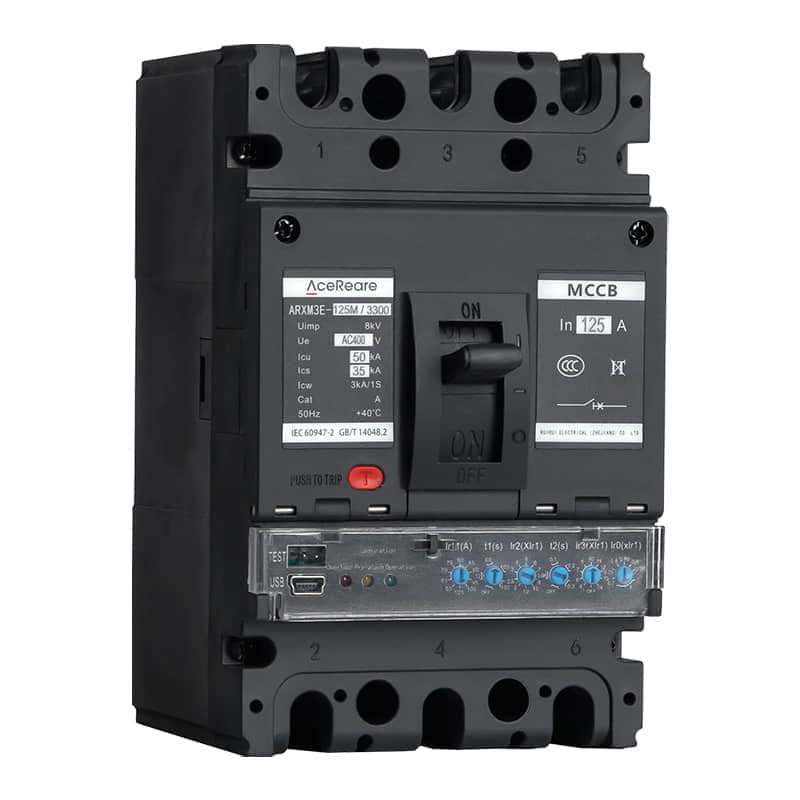
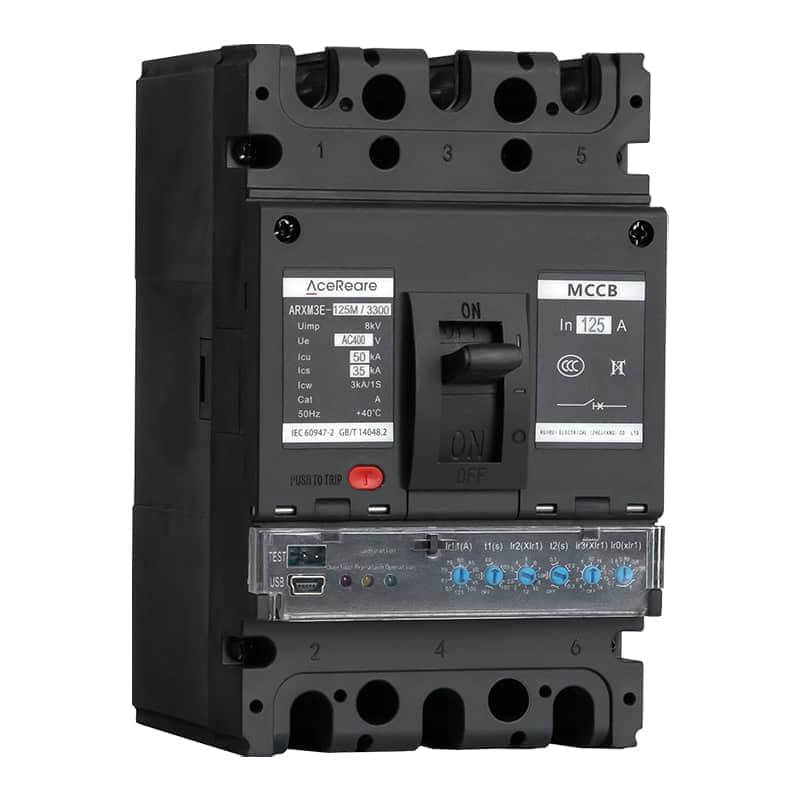
In the realm of electrical systems, safety stands as an uncompromisable pillar. One key player that significantly contributes to maintaining electrical safety is the supplier of electronic MCCBs (Molded Case Circuit Breakers). These sophisticated devices play a critical role in protecting electrical circuits and equipment from overcurrents and short circuits, ensuring the smooth functioning of various industries and applications.

Supplier of electronic  MCCB

Evolution of MCCBs:MCCBs have come a long way from their mechanical roots to the current electronic variants that offer enhanced precision and intelligence. Traditional MCCBs operated solely on mechanical principles, often resulting in delays in tripping during faults and limited customization options. However, with the integration of electronics, MCCBs have become highly responsive and adaptable to different situations.

Supplier of electronic  MCCB

The Pioneering Supplier:At the forefront of this transformation stands our leading supplier of electronic MCCBs. With a legacy of innovation spanning decades, our supplier has revolutionized electrical protection systems. Equipped with cutting-edge technology and a deep understanding of industry needs, they have consistently delivered products that combine reliability, efficiency, and safety. Key Features of Electronic MCCBs: Selective Tripping:Electronic MCCBs offer selective tripping, which means that only the faulty part of the circuit is disconnected while keeping the rest operational. This feature minimizes downtime and ensures continued productivity. Adjustable Settings:These MCCBs allow for parameter customization to suit the specific requirements of a given application. Parameters such as current ratings, time delays, and fault tolerances can be finely tuned. Communication Capabilities:With the integration of communication protocols, electronic MCCBs can be remotely monitored and controlled. This feature is particularly beneficial for industries spread across vast areas or multiple locations. Advanced Protection Algorithms:The supplier has incorporated advanced protection algorithms that enable MCCBs to detect various types of faults accurately. This includes identifying insulation faults, ground faults, and overcurrents with high precision. Data Logging:Electronic MCCBs can log operational data, providing crucial insights into the behavior of the electrical system. This data aids in preventive maintenance and troubleshooting. Applications Across Industries:The versatility of electronic MCCBs makes them indispensable across a wide range of industries. From manufacturing units to commercial buildings, from data centers to renewable energy installations, these MCCBs ensure the safe and uninterrupted operation of critical systems. Commitment to Safety:Our supplier’s dedication to safety goes beyond product features. They actively engage in creating awareness about electrical safety best practices. Through training sessions, seminars, and informative resources, they empower professionals and end-users to make informed decisions and operate electrical systems safely. Looking Ahead:As technology continues to advance, the field of electronic MCCBs is poised for further innovation. Our supplier remains committed to research and development, constantly seeking ways to enhance the performance and capabilities of their products. In conclusion, the supplier of electronic MCCBs plays a pivotal role in shaping the landscape of electrical safety. Their dedication to innovation, commitment to safety, and contribution to various industries make them an indispensable partner in the journey towards reliable and secure electrical systems. As industries evolve and technology marches forward, we can undoubtedly expect our supplier to remain at the vanguard of electrical safety, ensuring a brighter and safer future.

Supplier of electronic  MCCB

Exploring the Advancements and Applications of SMC Molding

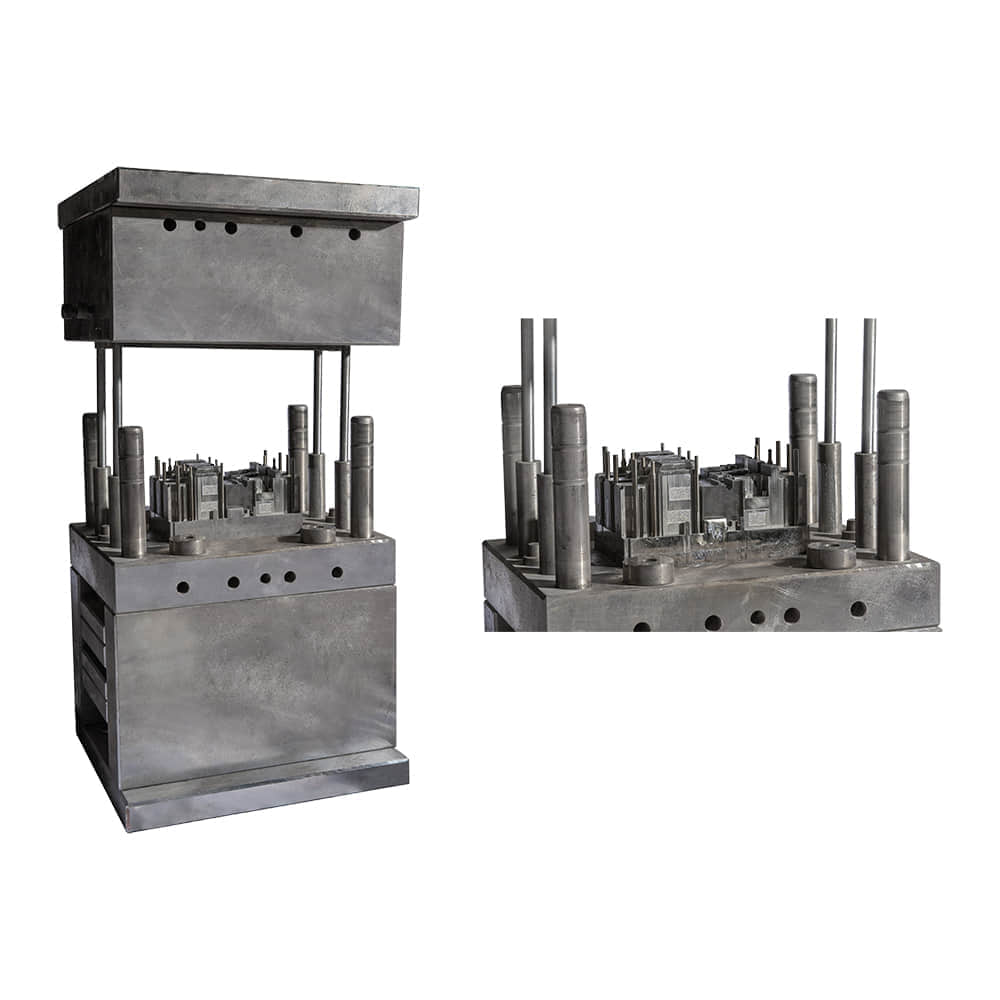
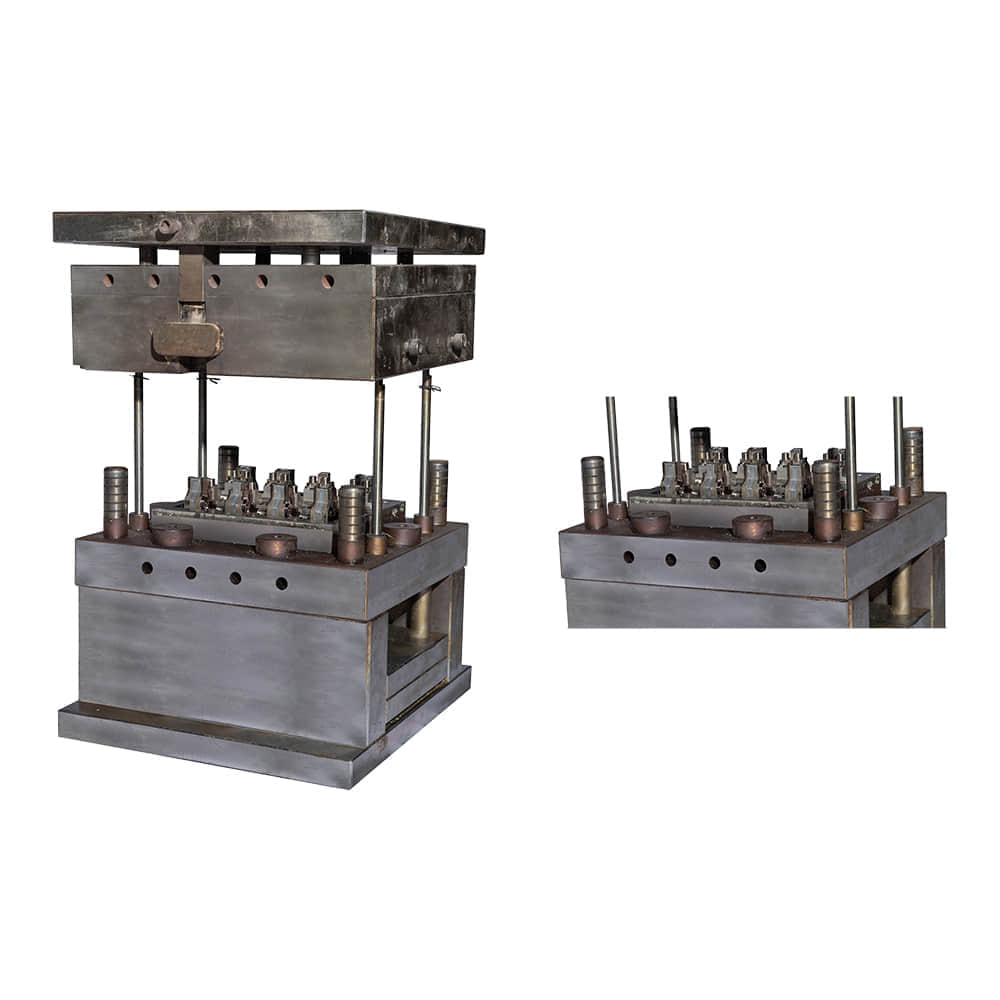
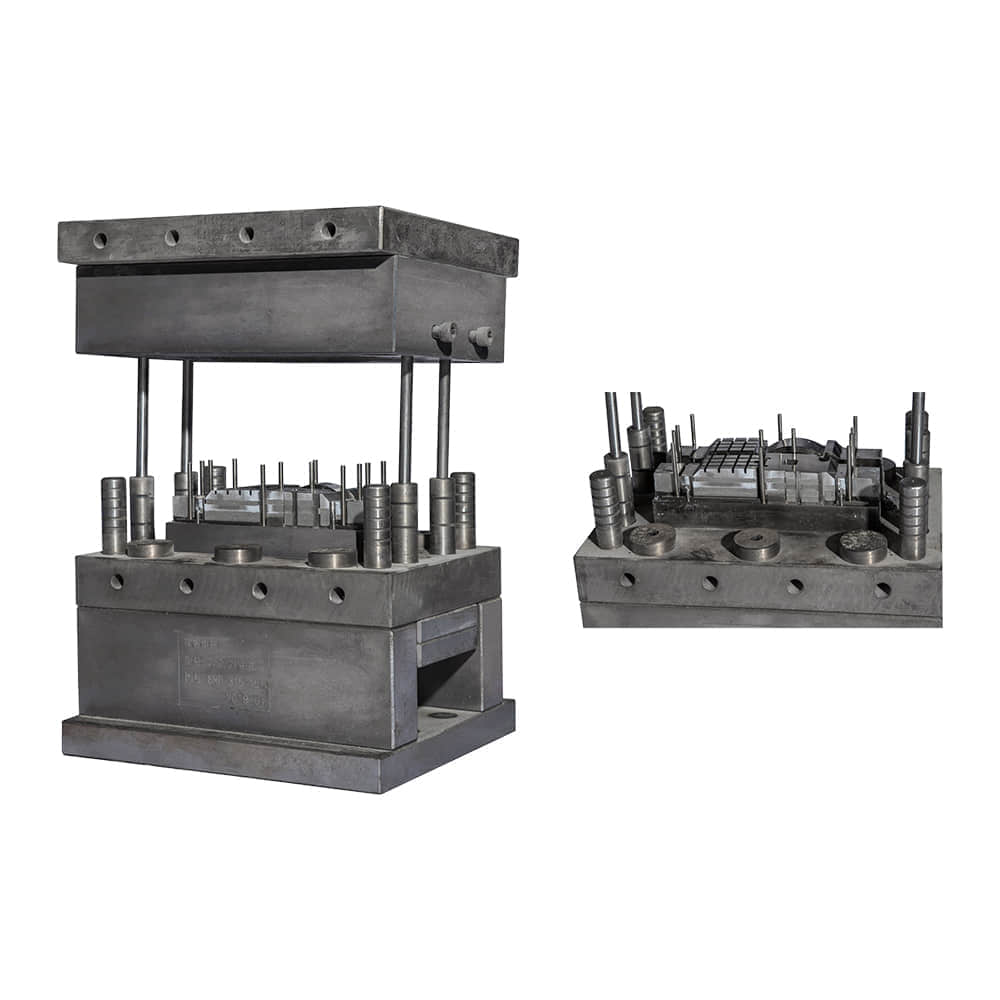
In the realm of advanced manufacturing processes, Sheet Molding Compound (SMC) molding stands as a revolutionary technique that has transformed the production landscape. SMC molding is a composite manufacturing method that combines resins, fibers, and various additives to create high-performance, lightweight, and durable components. This article delves into the key features, benefits, and applications of SMC molding, highlighting its significance in modern industries.

SMC molding

Key Features of SMC Molding:

SMC molding

SMC molding involves the compression molding of a pre-prepared sheet of composite material. This sheet comprises chopped glass fibers, thermosetting resin, and additives, which are uniformly distributed. The mixture is then heated and compressed within a mold to create the desired shape. The process occurs in a closed mold, allowing for complex designs and intricate details to be reproduced with precision. Benefits of SMC Molding: High Strength and Lightweight:SMC products boast impressive strength-to-weight ratios, making them suitable for applications requiring both structural integrity and reduced weight. Design Flexibility:The closed mold process of SMC molding enables the production of intricate shapes, textures, and details that might be challenging or costly with other manufacturing methods. Corrosion Resistance:SMC components exhibit exceptional resistance to corrosion, making them ideal for outdoor and harsh environments. Reduced Cycle Times:SMC molding’s relatively short cure times and quick demolding processes contribute to efficient production cycles. Dimensional Stability:SMC products demonstrate minimal expansion or contraction under varying temperatures, ensuring consistent performance in diverse conditions. Cost-Efficiency:The combination of material efficiency, reduced labor costs, and shorter production times positions SMC molding as a cost-effective choice for many applications. Applications of SMC Molding: Automotive Industry:SMC molding finds application in manufacturing various automotive components, including exterior panels, bumpers, and interior parts. The lightweight yet robust nature of SMC makes vehicles more fuel-efficient while maintaining safety standards. Construction Sector:SMC components are used in architectural elements such as cladding panels, roofing, and utility enclosures. The materials’ durability and resistance to environmental factors contribute to their longevity in construction projects. Electrical Infrastructure:SMC molding produces electrical enclosures, cable trays, and utility boxes, benefiting from the material’s excellent electrical insulation properties and corrosion resistance. Transportation:In the transportation industry, SMC molded parts are applied in the manufacturing of boats, trains, and buses due to their resistance to moisture and harsh weather conditions. Renewable Energy:SMC components are employed in wind turbine blades and solar panel structures due to their capacity to withstand dynamic loads and exposure to outdoor environments. Consumer Goods:SMC molding contributes to the creation of durable, lightweight consumer goods such as furniture, sporting equipment, and appliances. In conclusion, Sheet Molding Compound (SMC) molding has emerged as a transformative manufacturing technique with a wide range of applications across industries. Its exceptional strength-to-weight ratio, design flexibility, and resistance to various environmental factors make it a preferred choice for producing high-performance components. As technology continues to advance, SMC molding is likely to evolve further, enabling even more innovative solutions for the challenges of modern manufacturing.

SMC molding

Understanding RCCB: Ensuring Electrical Safety

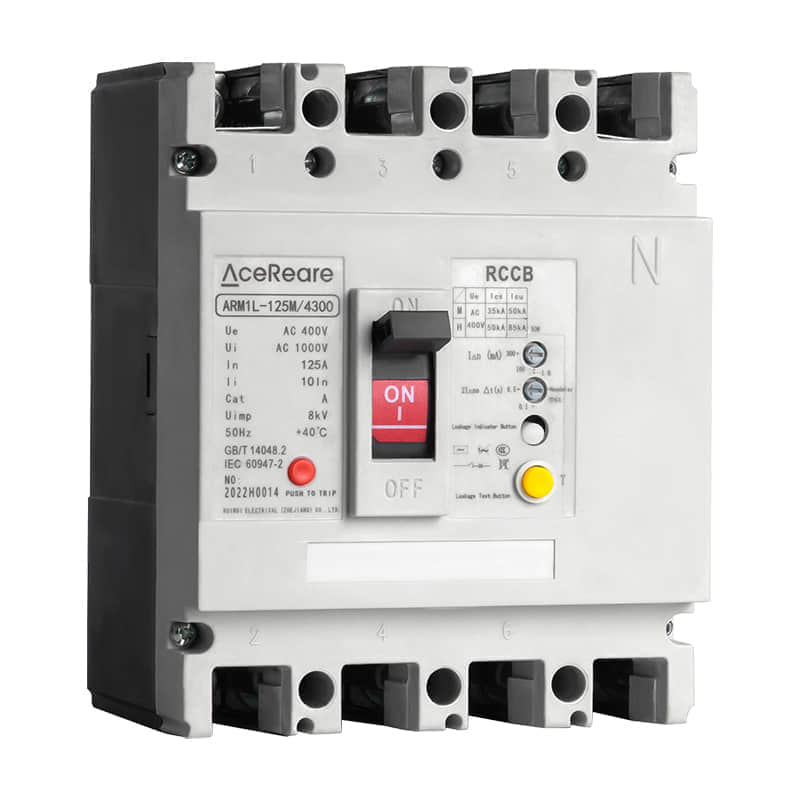
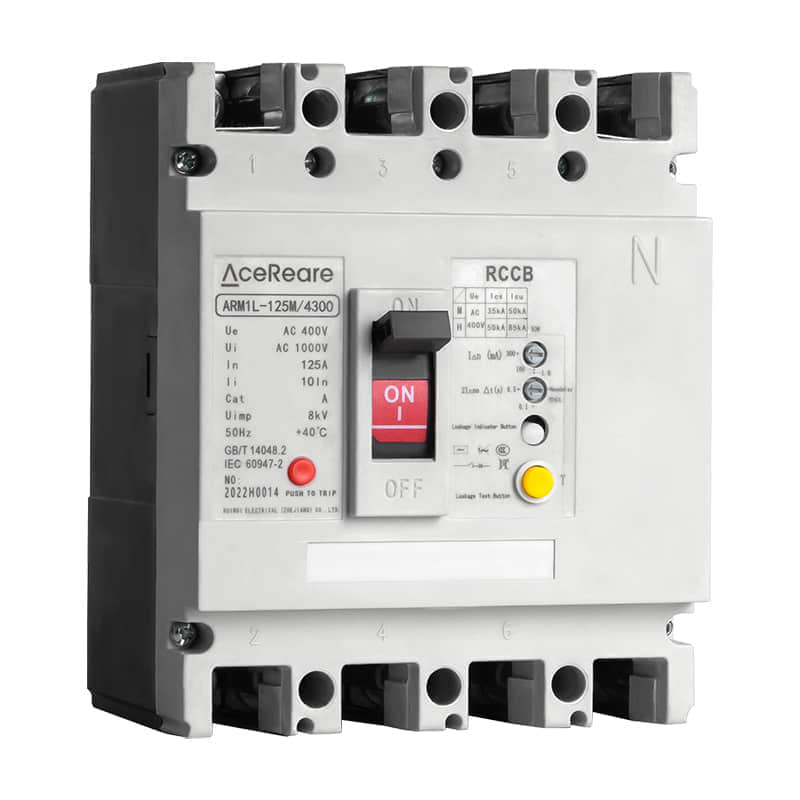
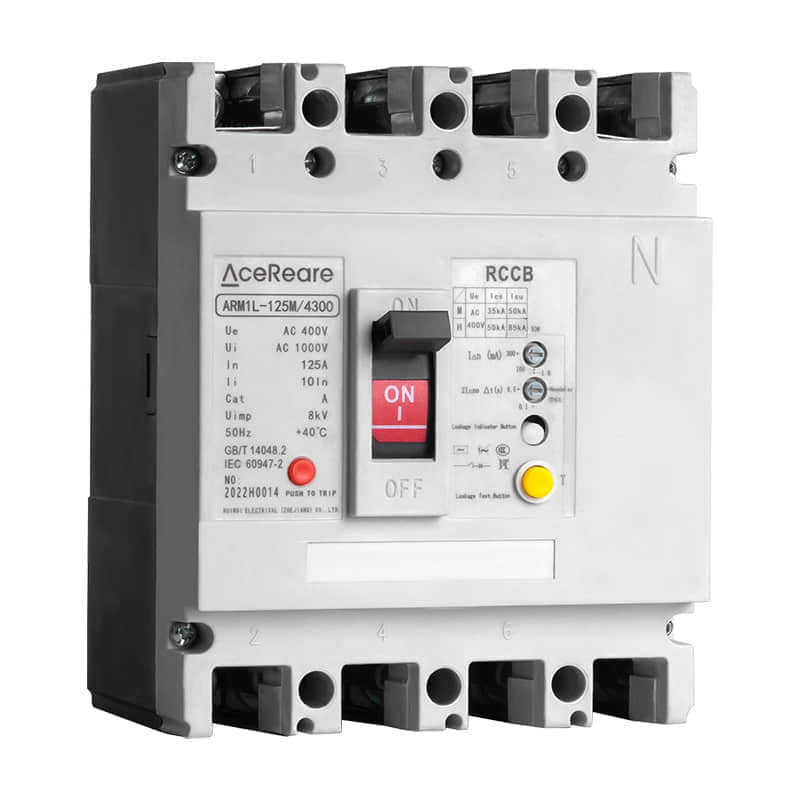
Residual Current Circuit Breakers (RCCBs) are an essential component of modern electrical systems, playing a crucial role in safeguarding lives and property by preventing electrical accidents. In this article, we will delve into what RCCBs are, how they work, and why they are indispensable in electrical installations.

RCCB

What is an RCCB?

RCCB

An RCCB, or Residual Current Circuit Breaker, is a specialized electrical device designed to protect against electrical faults and ensure the safety of electrical systems. It primarily serves to detect and interrupt abnormal electrical currents caused by ground faults, leakage, or short circuits. Unlike conventional circuit breakers that only protect against overcurrents, RCCBs are specifically engineered to respond to residual current imbalances. How Does an RCCB Work? The fundamental principle behind the operation of an RCCB is the measurement of the difference in current flowing into and out of a circuit. In a balanced electrical system, the current entering a circuit should be equal to the current leaving it. However, in the presence of a ground fault or leakage, this balance is disrupted, resulting in a residual current. An RCCB constantly monitors this residual current. If it detects a difference exceeding a preset threshold, typically 30 milliamperes (mA), it swiftly opens the circuit, disconnecting the power supply. This rapid response is critical, as even small imbalances in current can lead to fatal electric shocks or fires. Why are RCCBs Essential? Protection Against Electric Shocks:One of the primary functions of an RCCB is to prevent electric shocks. It can detect even minute imbalances in current flow and cut off the power supply within milliseconds, reducing the risk of fatal accidents. Fire Prevention:RCCBs are instrumental in fire prevention. They can detect and mitigate electrical faults that could lead to overheating and fires. This is especially vital in residential and commercial settings, where electrical fires can result in substantial property damage and loss of life. Equipment Protection:RCCBs also safeguard electrical appliances and equipment from damage. They can detect faults in the equipment or wiring and disconnect the power before any significant damage occurs. Code Compliance:Many electrical codes and regulations mandate the installation of RCCBs in specific locations, such as bathrooms, kitchens, and outdoor outlets, to ensure the safety of occupants and property. Peace of Mind:Having RCCBs installed in your electrical system provides peace of mind, knowing that you have an added layer of protection against electrical hazards. Types of RCCBs There are two main types of RCCBs: Type AC RCCB:These are designed to detect and protect against sinusoidal alternating current (AC) faults. They are suitable for most residential and commercial applications. Type A RCCB:Type A RCCBs are more advanced and can detect not only AC but also pulsating direct current (DC) faults. They are typically used in industrial settings where DC currents may be present. Installation and Maintenance Proper installation and regular maintenance of RCCBs are crucial to ensuring their effectiveness. They should be installed by qualified electricians who follow manufacturer guidelines and local electrical codes. Routine testing of RCCBs is also recommended to confirm their functionality. In conclusion, Residual Current Circuit Breakers are vital components of electrical systems that play a pivotal role in safeguarding lives and property. Their ability to detect and respond to residual current imbalances makes them indispensable in preventing electric shocks, fires, and equipment damage. Installing and maintaining RCCBs in your electrical system is a proactive step towards ensuring electrical safety in your home or workplace.

RCCB