Monthly Archives: September 2023

Enhancing Comfort and Efficiency with Air Heaters

Introduction

air heater

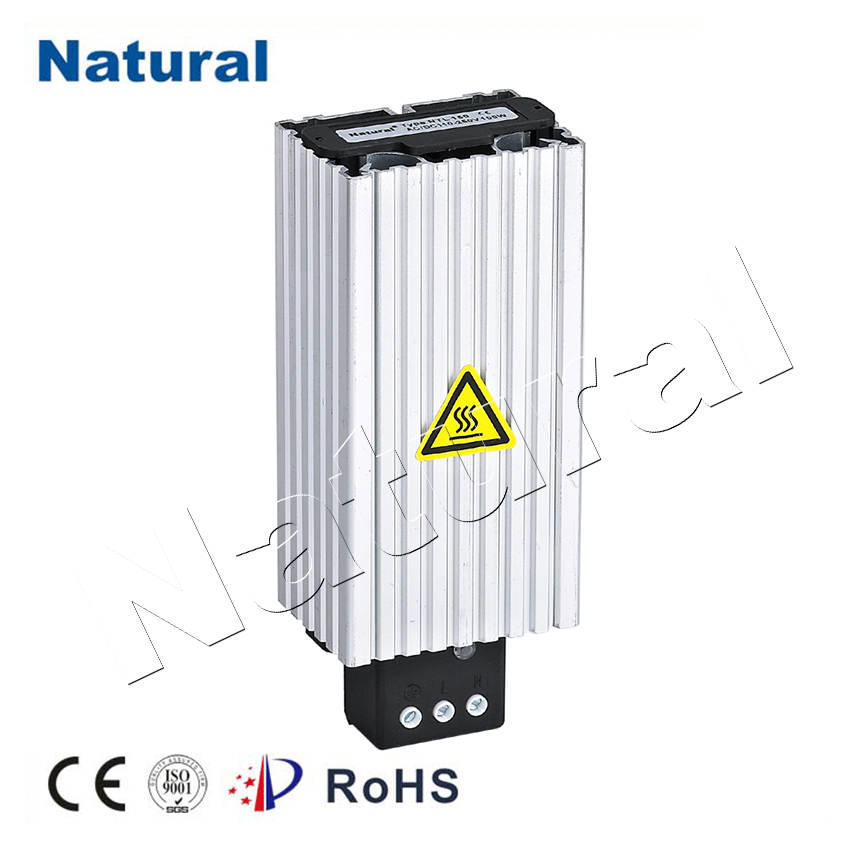
In the quest for optimal indoor comfort and energy efficiency, air heaters have emerged as invaluable appliances. These devices play a pivotal role in maintaining a pleasant living environment while also contributing to reduced energy consumption. In this article, we will delve into the functionalities and benefits of air heaters, shedding light on their significance in modern households and commercial spaces. The Role of Air Heaters Air heaters, also known as space heaters, are devices designed to raise the temperature of a specific area or room. They work by drawing in air, heating it, and then distributing the warmed air back into the designated space. This process ensures that occupants are shielded from cold temperatures, especially during the winter months. Types of Air Heaters Convection Heaters:These heaters warm the air by passing it over a heated surface, causing it to rise and circulate throughout the room. Convection heaters are known for their silent operation and ability to heat up larger spaces. Radiant Heaters:Radiant heaters emit infrared radiation that directly heats up objects and people within their line of sight. They are effective for quick, targeted heating and are often used in outdoor or semi-outdoor settings. Fan-forced Heaters:These heaters combine convection and a fan to distribute warm air more rapidly. They are suitable for evenly heating medium-sized rooms. Benefits of Air Heaters Energy Efficiency:Air heaters offer energy-efficient heating solutions by allowing users to warm specific areas without having to heat an entire building. This targeted approach significantly reduces energy wastage. Quick Heating:Air heaters provide rapid warmth, which is particularly advantageous in areas that need to be heated promptly, such as bathrooms or small offices. Cost Savings:By avoiding the need to heat an entire building, air heaters help cut down on utility bills, making them a cost-effective solution for localized heating needs. Zoned Heating:Air heaters enable zoned heating, meaning different areas can be maintained at different temperatures according to occupants’ preferences, optimizing comfort levels. Portability:Many air heaters are designed to be portable, allowing users to move them around as needed. This feature is especially useful for those who frequently change rooms or spaces. Considerations and Safety Tips While air heaters offer numerous benefits, it’s essential to use them safely: Proper Ventilation:Ensure that the room is adequately ventilated to prevent a buildup of carbon monoxide, a colorless and odorless gas that can be produced by some fuel-powered heaters. Keep Flammable Items Away:Maintain a safe distance between the heater and any flammable materials to prevent the risk of fire. Manufacturer’s Guidelines:Follow the manufacturer’s instructions for installation, usage, and maintenance to ensure the heater operates efficiently and safely. Conclusion Air heaters are integral components of modern heating systems, offering both comfort and energy efficiency. Their ability to provide targeted heating and cost-effective solutions makes them an ideal choice for various settings. As technology continues to advance, we can expect even more innovative features that enhance the performance and safety of these indispensable appliances.
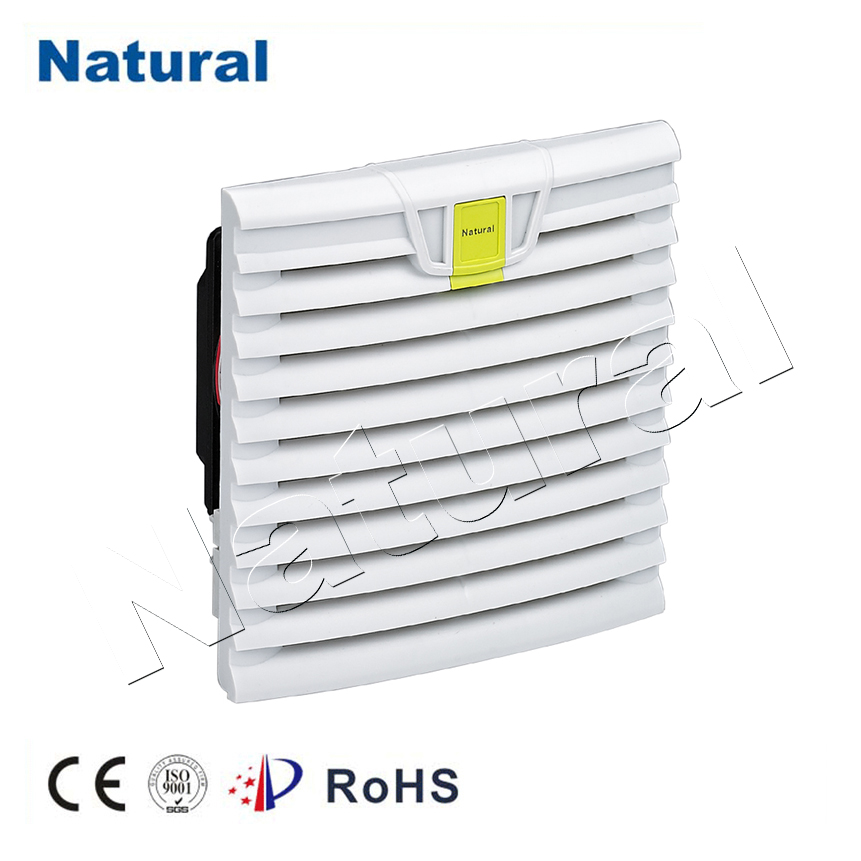
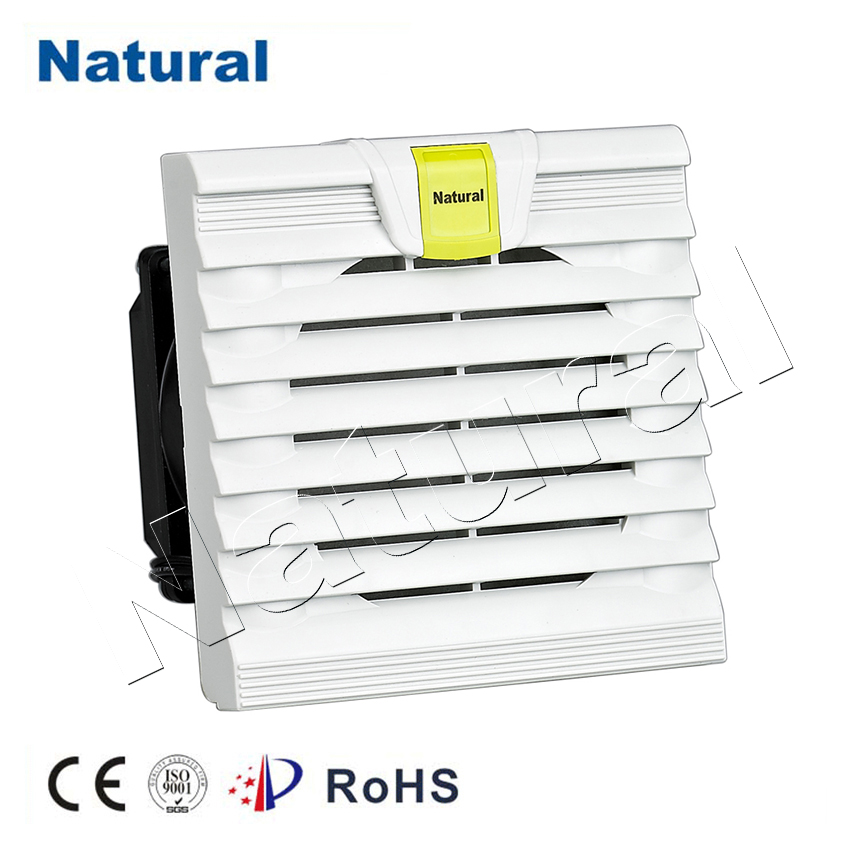
Enhancing Indoor Air Quality with Air Filter Fans

In today’s rapidly urbanizing world, concerns over air quality have escalated, making it imperative to seek effective solutions for maintaining a healthy living environment. Air filter fans have emerged as a key player in this pursuit, offering a multifaceted approach to enhancing indoor air quality. This article delves into the significance and benefits of air filter fans, shedding light on their role in creating cleaner and healthier indoor spaces.

air filter fan

Understanding Air Filter Fans Air filter fans, often referred to as air purifiers with built-in fans, are innovative devices designed to remove pollutants and contaminants from indoor air. These pollutants include dust, pollen, pet dander, smoke particles, volatile organic compounds (VOCs), and even bacteria and viruses. The fundamental mechanism behind air filter fans involves drawing in air from the environment, passing it through a series of filters, and then releasing purified air back into the room. The built-in fan facilitates the circulation of air, ensuring that a significant volume is processed over a short period. The Benefits of Air Filter Fans Improved Air Quality: The primary benefit of air filter fans is the noticeable enhancement of indoor air quality. By capturing and removing a wide range of pollutants, these devices help reduce the presence of allergens and irritants, thereby minimizing the risk of respiratory issues and allergies. Healthier Living Environment: Clean air directly translates to a healthier living environment. Airborne contaminants can aggravate existing health conditions and contribute to the development of new ones. Air filter fans play a pivotal role in creating a space where inhabitants can breathe comfortably and freely. Odor Elimination: Many air filter fans are equipped with activated carbon filters that excel at neutralizing odors. This feature is particularly beneficial in kitchens, bathrooms, and spaces where unwanted smells tend to accumulate. Protection from Pathogens: In the wake of recent global health concerns, the ability of air filter fans to capture and neutralize bacteria and viruses has gained significant attention. While they cannot replace proper hygiene practices, these devices offer an additional layer of defense against airborne pathogens. Enhanced Sleep Quality: Some air filter fans are designed to operate quietly, making them suitable for bedroom use. By maintaining clean air and reducing allergens that might disrupt sleep, these devices can contribute to improved sleep quality. Energy Efficiency: Modern air filter fans are engineered to be energy-efficient, consuming minimal electricity while delivering optimal performance. This makes them a sustainable choice for maintaining indoor air quality over the long term. Choosing the Right Air Filter Fan Selecting an appropriate air filter fan requires consideration of various factors, including the size of the space, the types of pollutants you want to target, the device’s filtration efficiency, and your budget. High-efficiency particulate air (HEPA) filters are widely regarded as effective in capturing particles as small as 0.3 microns, making them suitable for most indoor environments. Additionally, some air filter fans offer smart features such as air quality sensors and Wi-Fi connectivity, allowing you to monitor and control the device remotely through a smartphone app. Conclusion Air filter fans have revolutionized indoor air quality management, providing an efficient means of removing pollutants, allergens, and contaminants from our living spaces. By delivering cleaner air and numerous health benefits, these devices contribute to our overall well-being. As we navigate an increasingly urbanized world, investing in air filter fans is a proactive step toward creating a healthier and more comfortable indoor environment for ourselves and our loved ones.

Enhancing Indoor Air Quality with Air Filter Cabinets

In an era where environmental concerns and health considerations take center stage, the quality of the air we breathe indoors has never been more important. With the rising awareness of indoor air pollutants and their potential health impacts, technologies like air filter cabinets are gaining prominence as effective solutions to maintain healthier indoor environments.

air filter cabinet

What Are Air Filter Cabinets? Air filter cabinets, often referred to as air purifier cabinets, are innovative devices designed to improve indoor air quality by removing various airborne pollutants. These pollutants encompass a wide range of particles, including dust, pollen, pet dander, mold spores, bacteria, and even certain gases and odors. These cabinets come equipped with a variety of filters, such as HEPA filters, activated carbon filters, and UV-C light technology, working in tandem to capture and neutralize contaminants, resulting in cleaner and fresher air. The Importance of Indoor Air Quality Indoor air quality plays a crucial role in our overall health and well-being. As we spend a significant portion of our lives indoors, whether at home or in the workplace, the air we breathe directly influences our respiratory health and cognitive function. Poor indoor air quality has been linked to allergies, asthma exacerbations, respiratory infections, and even long-term health issues. Therefore, investing in technologies that enhance indoor air quality, such as air filter cabinets, is an investment in our health and quality of life. How Air Filter Cabinets Work Air filter cabinets operate on the principle of filtration and purification. The process begins with the intake of air from the environment, which then passes through a series of filters designed to capture different types and sizes of particles. HEPA filters are particularly effective at trapping microscopic particles, while activated carbon filters adsorb gases and odors. Some advanced cabinets also incorporate UV-C light, which can neutralize bacteria and viruses. The purified air is then released back into the indoor space, ensuring a constant circulation of cleaner air. Benefits of Using Air Filter Cabinets Reduced Allergens:Air filter cabinets excel at removing common allergens such as pollen, pet dander, and dust mites, providing relief to individuals prone to allergies. Respiratory Health:By eliminating airborne particles and pollutants, these cabinets can contribute to improved respiratory health, particularly for those with asthma or other respiratory conditions. Odor Elimination:Activated carbon filters effectively absorb odors from cooking, pets, and other sources, leading to fresher-smelling indoor spaces. Bacterial and Viral Control:UV-C technology helps in deactivating and neutralizing bacteria, viruses, and other microorganisms that may be present in the air, reducing the risk of infections. Peace of Mind:Knowing that the air you and your loved ones breathe is cleaner and healthier can provide peace of mind and contribute to an overall sense of well-being. Integration into Modern Living Spaces Air filter cabinets are designed to seamlessly integrate into modern living spaces. They come in various sizes and designs, allowing homeowners and businesses to choose options that complement their interior aesthetics. Some cabinets are even equipped with smart features, enabling remote control and monitoring through mobile apps, further enhancing user convenience. Conclusion In the pursuit of healthier indoor environments, air filter cabinets stand as innovative solutions that effectively improve air quality by eliminating a wide range of pollutants. These devices play a crucial role in reducing allergens, enhancing respiratory health, controlling odors, and neutralizing harmful microorganisms. As awareness about indoor air quality continues to grow, incorporating air filter cabinets into homes and workplaces can result in cleaner, fresher, and more comfortable living spaces for everyone.

The Advantages of Adjustable Temperature Control Switches

In today’s fast-paced world, technological advancements are continually shaping our lives for the better. One such innovation that has greatly impacted various industries is the adjustable temperature control switch. These switches have become an indispensable component in modern appliances and systems, offering precise and efficient temperature regulation. This article explores the significance of adjustable temperature control switches, their applications, and the benefits they bring to our daily lives.

adjustable temperature control switch

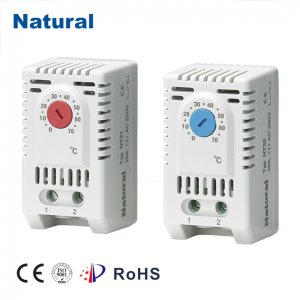
Precise Temperature Management Adjustable temperature control switches, as the name suggests, provide the ability to fine-tune temperature settings according to specific requirements. This precision is crucial in a range of applications, from industrial processes to household appliances. In industrial settings, these switches play a pivotal role in maintaining consistent temperatures during manufacturing processes, which is vital for quality control and product integrity. Similarly, in residential applications, adjustable temperature control switches are the driving force behind appliances like ovens, refrigerators, and water heaters, ensuring optimal functioning and energy efficiency. Versatile Applications The scope of adjustable temperature control switches spans across various domains. Medical equipment such as incubators and temperature-controlled chambers rely on these switches to create the ideal environment for patients or experiments. Greenhouses and agricultural setups also benefit from precise temperature control for optimal plant growth. Furthermore, these switches find their place in the automotive industry, where they regulate engine temperatures, contributing to efficient fuel combustion and reduced emissions. Energy Efficiency One of the most significant advantages of adjustable temperature control switches is their contribution to energy efficiency. Traditional on/off switches can lead to temperature fluctuations, requiring appliances to work harder to maintain the desired temperature. In contrast, adjustable switches allow for gradual adjustments, preventing abrupt temperature changes and reducing energy consumption. This not only saves costs for consumers but also aligns with global efforts to reduce carbon footprints and conserve energy resources. Enhanced Equipment Lifespan Temperature fluctuations can take a toll on the lifespan of electronic components and machinery. Adjustable temperature control switches help mitigate this issue by maintaining stable operating conditions. By preventing overheating or extreme cooling, these switches extend the longevity of equipment and reduce the frequency of repairs or replacements. This aspect is particularly critical in industrial environments where downtime due to equipment failure can result in significant financial losses. Improved User Experience Incorporating adjustable temperature control switches into everyday appliances enhances user experience. Imagine having a shower with water that maintains a consistent temperature throughout, or a coffee maker that brews at the perfect temperature for your preferred flavor. These switches provide convenience and reliability, making our interactions with technology seamless and enjoyable. Conclusion The adjustable temperature control switch stands as a remarkable example of how technology can transform the way we live and work. From industrial processes that demand precision to household appliances that simplify our routines, these switches have become integral to various aspects of our lives. Their ability to provide precise temperature regulation, versatility across applications, energy efficiency, extended equipment lifespan, and improved user experience showcases their undeniable significance. As technology continues to evolve, we can expect adjustable temperature control switches to remain a cornerstone of innovation, enhancing efficiency and comfort across the board.

The Evolution and Benefits of the Adjustable Thermostat

In today’s fast-paced world, the convenience and efficiency of modern technology continue to shape our daily lives. Among these innovations, the adjustable thermostat stands as a remarkable example of how small changes can bring about significant improvements. This article delves into the evolution and benefits of the adjustable thermostat, exploring its impact on comfort, energy conservation, and environmental sustainability.

adjustable thermostat

A Journey Through Time: The Evolution of Thermostats The journey of thermostats dates back to ancient times when people relied on primitive methods to regulate indoor temperatures. However, it was only in the 17th century that the concept of a mechanical thermostat began to take shape, leading to the development of the first bimetallic thermostat in the 19th century. This innovation marked a turning point, as it introduced the concept of temperature-sensitive materials that could expand and contract based on heat variations. Fast forward to the 20th century, and the introduction of electronic thermostats paved the way for more precise temperature control. Yet, it wasn’t until the advent of microprocessors that adjustable thermostats truly revolutionized the field. These devices offered programmable schedules, allowing users to set specific temperatures for different times of the day. This not only maximized comfort but also initiated energy conservation practices. The Benefits of Adjustable Thermostats Enhanced Comfort:Adjustable thermostats offer personalized comfort, allowing individuals to set temperatures that suit their preferences. Whether it’s a cozy 72°F during winter or a refreshing 68°F during summer, the ability to adjust the thermostat ensures a pleasant indoor environment year-round. Energy Conservation:One of the most significant benefits of adjustable thermostats is their impact on energy consumption. With programmable schedules, users can lower the temperature when the house is empty or during sleeping hours, saving energy without compromising comfort. This not only reduces utility bills but also contributes to a greener planet. Environmental Sustainability:The collective adoption of adjustable thermostats can have a profound impact on the environment. By consuming less energy for heating and cooling, we can reduce carbon emissions and mitigate the effects of climate change. This aligns with global efforts to transition toward sustainable living practices. Financial Savings:The economic benefits of adjustable thermostats are evident in reduced energy bills. According to the U.S. Department of Energy, homeowners can save about 10% per year on heating and cooling costs by adjusting their thermostat by 7-10°F for 8 hours a day. Remote Control and Smart Integration:Modern adjustable thermostats often come equipped with smart technology, allowing users to control them remotely through smartphones or other devices. This feature adds an extra layer of convenience and control, ensuring that homes are at the desired temperature upon arrival. Embracing the Future As technology continues to advance, so does the functionality and efficiency of adjustable thermostats. Smart thermostats, for instance, can learn from users’ habits, adjust to changing weather conditions, and even integrate with other smart devices in the home. These innovations demonstrate that the journey of the thermostat is far from over. In conclusion, the adjustable thermostat has come a long way from its humble beginnings. From bimetallic mechanisms to sophisticated smart thermostats, this device has transformed the way we control indoor temperatures. With benefits ranging from enhanced comfort to environmental sustainability, the adjustable thermostat has become a cornerstone of modern living. By embracing this technology and making conscious temperature choices, we can create a more comfortable, energy-efficient, and sustainable future for generations to come.

The Function and Advantages of Adjustable Mechanical Thermostats

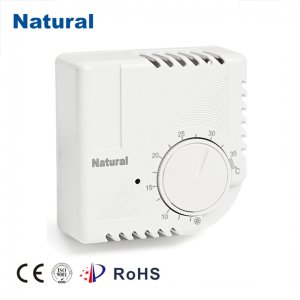
In today’s rapidly advancing technological world, one might assume that high-tech gadgets and smart devices dominate the realm of temperature control. However, amidst the proliferation of digital innovations, the adjustable mechanical thermostat remains a steadfast and reliable tool for maintaining comfortable indoor environments. This article delves into the functioning and benefits of the adjustable mechanical thermostat, highlighting its enduring significance in modern settings.

adjustable mechanical thermostat

Functionality and Operation The adjustable mechanical thermostat is a classic example of simplicity meeting practicality. Operating on the principle of a bimetallic strip, this device consists of two metal strips with different rates of expansion bonded together. As the temperature changes, these strips expand or contract at varying rates, causing the strip to bend. This bending action is then translated into mechanical motion that either opens or closes a circuit. When the circuit is closed, heating or cooling systems are activated to bring the room temperature back to the desired level. Advantages Reliability:One of the primary advantages of adjustable mechanical thermostats is their reliability. Unlike their digital counterparts, which may be susceptible to software glitches or connectivity issues, mechanical thermostats are immune to such technological hiccups. They function solely based on the physical properties of the bimetallic strip, ensuring consistent performance over time. Simplicity:Simplicity often breeds durability, and this holds true for mechanical thermostats. Their straightforward design makes them easy to install and operate, reducing the need for extensive user manuals or technical expertise. Homeowners can quickly grasp their operation without the complexities of digital interfaces. Energy Efficiency:In an era when energy conservation is paramount, mechanical thermostats offer an energy-efficient solution. Once set to the desired temperature, they do not consume additional power to maintain the selected climate. This stands in contrast to digital models that may continually draw power for displays or connectivity features. Cost-Effectiveness:Mechanical thermostats are notably more affordable than their digital counterparts. This cost-effectiveness extends beyond the initial purchase, as their durable construction reduces the need for frequent replacements or repairs. Compatibility:Mechanical thermostats are often compatible with a wide range of heating and cooling systems. This universality makes them suitable for various residential and commercial applications, regardless of the specific HVAC setup. No Learning Curve:While digital thermostats may require users to navigate through menus and settings, mechanical thermostats are user-friendly with no learning curve. Simply set the desired temperature by turning a dial, and the thermostat takes care of the rest. Longevity:Thanks to their sturdy construction and lack of electronic components, mechanical thermostats have a reputation for longevity. They can withstand wear and tear, making them a sound investment over the years. Conclusion In a world captivated by digital innovation, the adjustable mechanical thermostat remains a reliable, cost-effective, and energy-efficient solution for temperature control. Its straightforward operation, compatibility with a variety of systems, and long-lasting durability make it a favored choice for many homeowners and businesses. As technology continues to evolve, it’s important to remember that sometimes the simplest solutions are the most enduring.

Embracing Coziness: Exploring the Convenience and Benefits of 12V Heaters

Introduction

12v heater

In the modern world, where comfort and convenience go hand in hand, the advent of innovative technologies has redefined how we experience our daily lives. Among these innovations, 12V heaters stand out as a remarkable solution for bringing warmth to various settings. From vehicles to outdoor adventures, these portable heating devices have gained popularity for their efficiency, adaptability, and convenience. Compact and Portable One of the key advantages of 12V heaters is their compact size and portability. These heaters are designed to be easily carried and installed in a variety of settings, making them versatile tools for staying warm in different environments. Whether you’re on a camping trip, a road journey, or simply working in a chilly workspace, a 12V heater can provide the warmth you need without taking up much space. Efficient Energy Usage 12V heaters are designed with efficiency in mind. Operating at a low voltage, they consume relatively little power compared to larger heating systems. This efficiency not only helps to conserve energy but also extends the life of your vehicle’s battery when used on the go. This makes them an eco-friendly choice that aligns with the growing emphasis on sustainability and energy conservation. Adaptability in Various Settings These heaters are adaptable to a wide range of settings, making them a valuable asset for both indoor and outdoor activities. In vehicles, a 12V heater can quickly warm up the interior during cold winter mornings, ensuring a comfortable driving experience. For outdoor enthusiasts, these heaters are a game-changer, allowing camping trips to be enjoyable even in the coldest weather. Their flexibility extends to construction sites, where they provide a heat source in temporary workspaces. Safety First Safety is a top priority when it comes to heating devices, and 12V heaters excel in this aspect as well. Equipped with safety features such as automatic shut-offs and overheating protection, these heaters offer peace of mind during operation. This is especially crucial in confined spaces like vehicles or tents, where proper ventilation might be limited. Ease of Installation Installing a 12V heater is a straightforward process that doesn’t require advanced technical skills. Most heaters come with user-friendly instructions, allowing users to set them up without hassle. This accessibility means that individuals from all walks of life can enjoy the benefits of warmth without the need for extensive training or expertise. Conclusion In a world that values both comfort and efficiency, 12V heaters emerge as a solution that ticks all the boxes. Their compact size, energy efficiency, adaptability, safety features, and ease of installation make them an appealing choice for a wide range of scenarios. Whether you’re embarking on a winter road trip, camping under the stars, or working in a temporary workspace, a 12V heater can provide the warmth you need to stay cozy and content. As technology continues to advance, embracing innovations like these heaters allows us to enhance our comfort while minimizing our environmental footprint.

Maximizing Power Distribution Efficiency with APC PDU

In the ever-evolving landscape of technology, ensuring efficient and reliable power distribution is paramount. As organizations strive to optimize their data centers and IT infrastructure, the role of the Advanced Power Distribution Unit (APC PDU) becomes increasingly crucial. In this article, we will delve into the significance of APC PDUs and explore how they contribute to enhancing operational efficiency, reducing downtime, and achieving sustainable growth.

APC PDU

Introduction The rapid proliferation of digital transformation has fueled the demand for greater computing power, resulting in larger data centers and more complex IT setups. Within these environments, managing power distribution is not only about providing electricity; it’s about optimizing consumption, ensuring redundancy, and monitoring for potential issues. The Role of APC PDUs The APC PDU, as a cornerstone of modern power management, offers a comprehensive solution to address these challenges. At its core, an APC PDU acts as a central hub for power distribution, enabling IT professionals to control and monitor power usage down to individual outlets. This level of granularity empowers data center managers to efficiently allocate resources, prevent overloads, and plan for future capacity needs. Enhancing Operational Efficiency Efficiency is a key factor in any successful organization. APC PDUs play a vital role in boosting operational efficiency by providing real-time data on energy consumption. Armed with this information, IT teams can make informed decisions about load balancing and equipment placement, thereby optimizing energy usage and reducing wastage. Additionally, remote management capabilities offered by APC PDUs streamline troubleshooting processes and minimize the need for on-site interventions, further contributing to operational efficiency. Mitigating Downtime Unplanned downtime can have severe financial and reputational implications for businesses. APC PDUs offer advanced features such as remote monitoring, alerts, and predictive analytics that aid in identifying potential issues before they escalate into full-blown outages. By continuously monitoring power parameters, APC PDUs enable proactive maintenance, ensuring that critical systems remain online and operational. Scalability and Future-Readiness As businesses expand and technology evolves, the ability to scale infrastructure seamlessly is vital. APC PDUs are designed with scalability in mind, allowing organizations to add and manage new equipment effortlessly. This flexibility not only accommodates growth but also future-proofs the infrastructure by adapting to changing power requirements and standards. Energy Efficiency and Sustainability In an era marked by increased awareness of environmental impact, energy efficiency is a priority. APC PDUs contribute to sustainability efforts by providing insights into power consumption patterns and trends. Armed with this data, organizations can implement strategies to optimize energy usage, reduce their carbon footprint, and adhere to regulatory requirements. Security and Monitoring The digital landscape is not without its security challenges. APC PDUs offer secure access controls and encryption protocols, safeguarding critical power management functions from unauthorized access. Furthermore, the ability to monitor power usage at the granular level helps detect any anomalies that may indicate security breaches or unauthorized activities. Conclusion In conclusion, the APC PDU stands as a pivotal tool in the modern data center and IT infrastructure landscape. Its ability to provide accurate and real-time power distribution insights enhances operational efficiency, mitigates downtime risks, and facilitates sustainable growth. By harnessing the capabilities of APC PDUs, organizations can navigate the complexities of power management with confidence, ensuring their systems remain reliable, efficient, and adaptable to future demands.

Comparing PDUs: Which Brand Reigns Supreme?

Introduction

Which brand of PDU is better

Power Distribution Units (PDUs) play a crucial role in managing and distributing electrical power within data centers and various industrial settings. With an array of brands vying for dominance in this competitive market, it becomes imperative to scrutinize and compare the features, performance, and reliability of these products to determine which brand of PDU stands out as the superior choice. Brand A: Cutting-Edge Technology and Unrivaled Performance Brand A has carved a niche for itself by consistently pushing the boundaries of technological innovation. Their PDUs are equipped with state-of-the-art features, such as remote monitoring and control capabilities, environmental sensors, and energy-efficient designs. The integration of intelligent power management software allows for real-time monitoring of power consumption, load balancing, and proactive troubleshooting. One of the key strengths of Brand A is its commitment to reliability. Their PDUs are engineered with robust components and undergo rigorous testing to ensure they can withstand demanding operational conditions. The brand’s focus on quality control has earned it a reputation for producing PDUs that exhibit minimal downtime, reducing the risk of critical system failures. Brand B: Simplicity and Cost-Effectiveness in Harmony In contrast, Brand B has garnered attention by prioritizing simplicity and cost-effectiveness without compromising on performance. Their PDUs offer user-friendly interfaces and straightforward installation processes, making them accessible even to non-technical personnel. This emphasis on simplicity not only reduces the learning curve but also contributes to quicker deployment times. Brand B’s PDUs excel in providing value for money. While they may lack some of the advanced features of their competitors, they offer a reliable and efficient power distribution solution at a fraction of the cost. For businesses seeking a balance between performance and budget considerations, Brand B’s PDUs present an enticing proposition. Comparative Analysis When evaluating PDUs from Brand A and Brand B, several factors come into play. Firstly, the intended usage scenario plays a significant role. Organizations with intricate power distribution needs and a high tolerance for investment might find Brand A’s technologically advanced PDUs more appealing. On the other hand, small to medium-sized businesses seeking a cost-effective yet reliable solution may gravitate towards Brand B’s offerings. Secondly, scalability and future-proofing should be considered. Brand A’s focus on cutting-edge technology positions its PDUs as forward-looking investments, capable of adapting to evolving power management requirements. Brand B’s simpler approach may lack the same degree of adaptability in the face of rapidly changing technological landscapes. Lastly, support and customer service should not be overlooked. Brand A’s premium pricing is often accompanied by comprehensive customer support, including timely assistance, regular updates, and warranty options. Brand B’s affordability might translate to more limited support, potentially posing challenges during troubleshooting or urgent situations. Conclusion In the realm of Power Distribution Units, the debate over which brand is better ultimately hinges on individual needs and priorities. Brand A offers advanced features, robustness, and a clear focus on technological innovation, making it suitable for enterprises with complex power distribution requirements. Brand B, on the other hand, caters to businesses seeking simplicity, cost-effectiveness, and quick deployment. In the end, the “better” brand is contingent on the specific context in which the PDUs will be utilized. Whether it’s cutting-edge technology or budget-conscious solutions, both Brand A and Brand B bring distinct advantages to the table. As the landscape of power distribution continues to evolve, the choice between these brands will continue to be influenced by the ever-changing demands of modern industries.

Enhancing Power Distribution Efficiency with Cabinet Dedicated PDUs

In today’s rapidly evolving technological landscape, efficient power distribution within data centers has become paramount. As data centers continue to expand and accommodate the growing demands of digitalization, the importance of optimizing power management cannot be overstated. One essential component that contributes significantly to power efficiency is the Cabinet Dedicated Power Distribution Unit (PDU).

Cabinet dedicated PDU

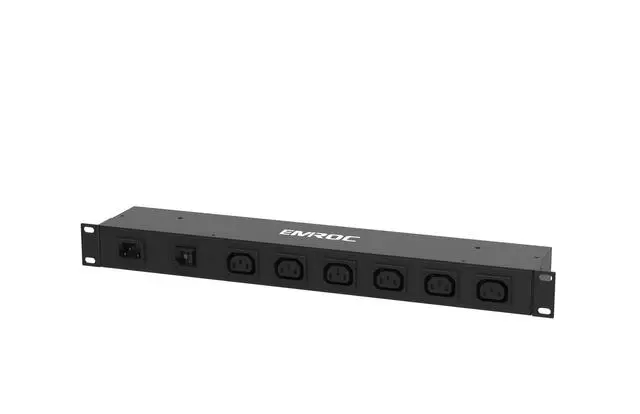
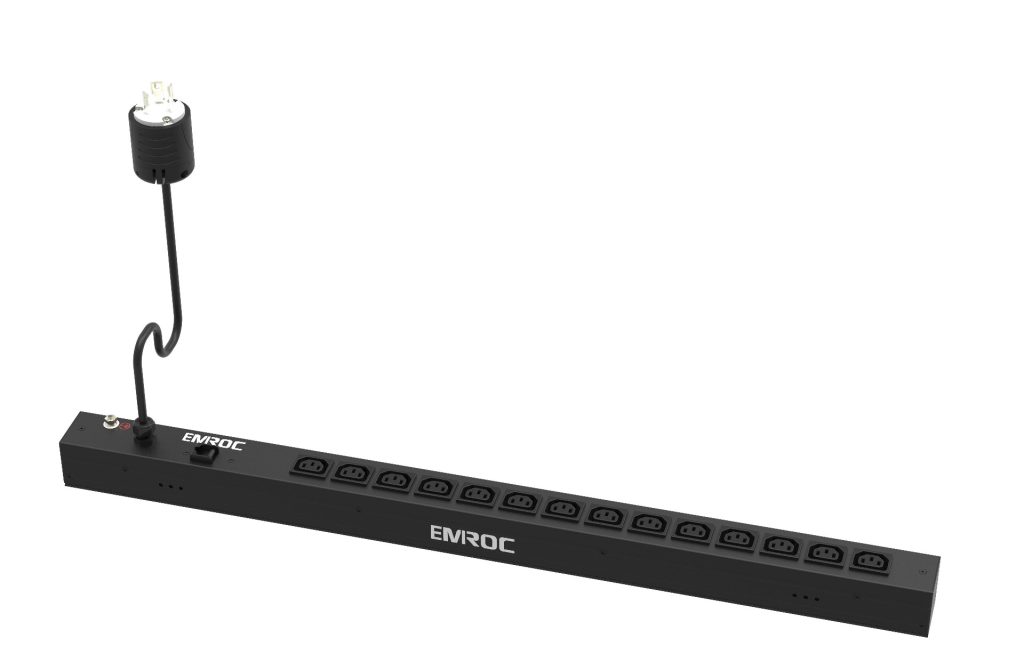
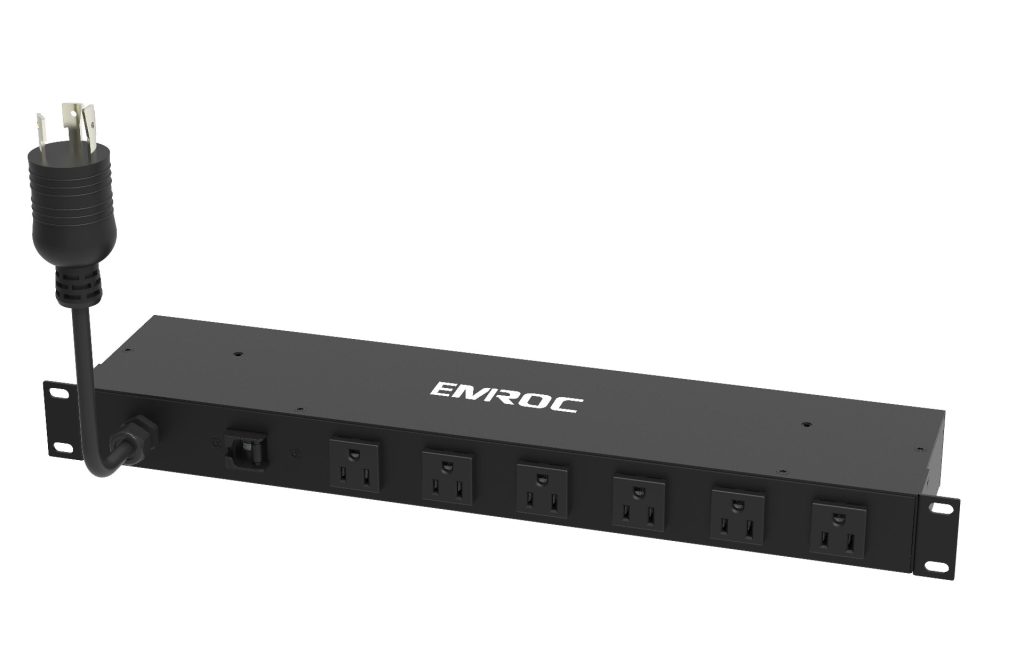
A Cabinet Dedicated PDU is a specialized device designed to distribute electrical power within server cabinets in data centers. Unlike traditional PDUs that serve multiple cabinets, a Cabinet Dedicated PDU is tailored to serve a single cabinet, offering a range of advantages that can significantly improve power management and operational efficiency. One of the primary benefits of Cabinet Dedicated PDUs is their ability to provide precise power allocation. Since each server cabinet can have varying power requirements based on the equipment it houses, a dedicated PDU ensures that power is distributed precisely according to the needs of that specific cabinet. This level of customization not only prevents overloading of circuits but also enhances the overall reliability of the data center’s power infrastructure. Moreover, Cabinet Dedicated PDUs offer advanced monitoring and management features. They are equipped with real-time power consumption monitoring, allowing data center administrators to closely track the energy usage of individual cabinets. This data-driven insight enables informed decision-making regarding capacity planning, load balancing, and energy conservation strategies. The modular nature of Cabinet Dedicated PDUs further contributes to their appeal. These units are designed for easy installation, maintenance, and scalability. As data center requirements evolve, additional cabinets can be seamlessly integrated, each with its own dedicated PDU. This modularity not only simplifies expansion but also enhances fault tolerance by containing any potential issues within a single cabinet. Another advantage is the increased level of security offered by Cabinet Dedicated PDUs. By isolating power distribution at the cabinet level, the risk of unauthorized access or tampering is minimized. This is particularly crucial for data centers that handle sensitive information and need to adhere to stringent security standards. Efficiency in power usage is a key concern for data center operators seeking to reduce operational costs and minimize their environmental footprint. Cabinet Dedicated PDUs play a vital role in achieving these objectives. By delivering power directly to the equipment in the cabinet, these PDUs eliminate unnecessary energy losses associated with long power cable runs. This efficiency translates into lower utility bills and a reduced carbon footprint, contributing positively to the data center’s sustainability efforts. In conclusion, as data centers continue to be the backbone of modern digital infrastructure, the role of Cabinet Dedicated PDUs in optimizing power distribution cannot be ignored. Their ability to provide tailored power allocation, advanced monitoring, modularity, security, and energy efficiency make them an indispensable component of a well-designed data center. By embracing these specialized PDUs, data center operators can enhance their operational efficiency, reduce costs, and align with environmentally conscious practices. As technology advances and the demands on data centers grow, investing in Cabinet Dedicated PDUs becomes a strategic decision for a more efficient and sustainable future.