Monthly Archives: September 2023

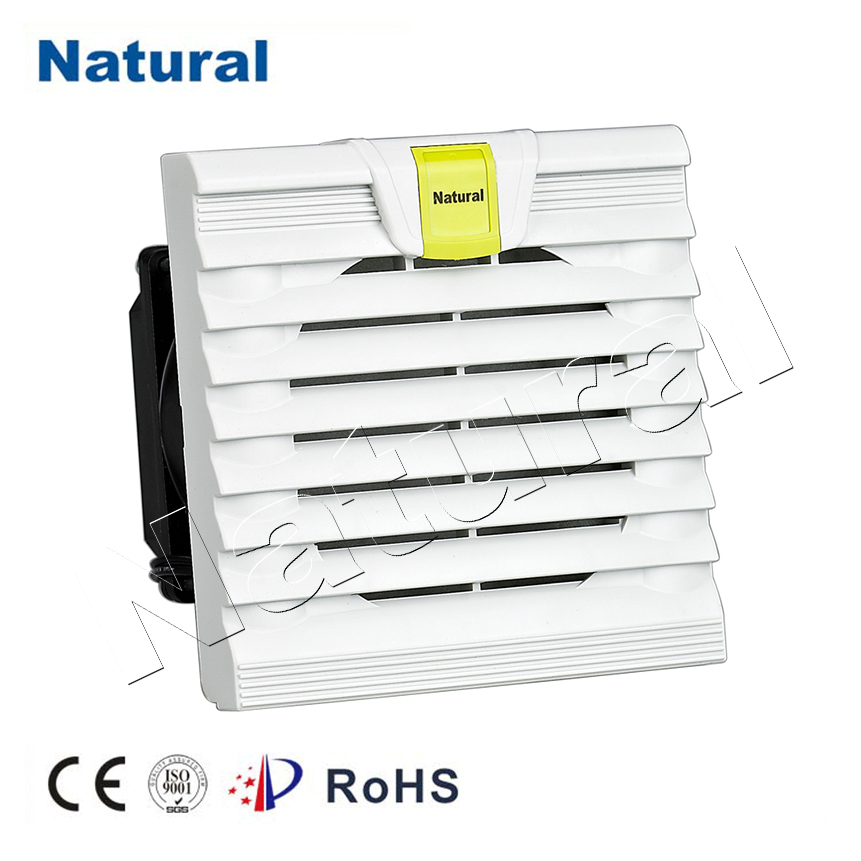
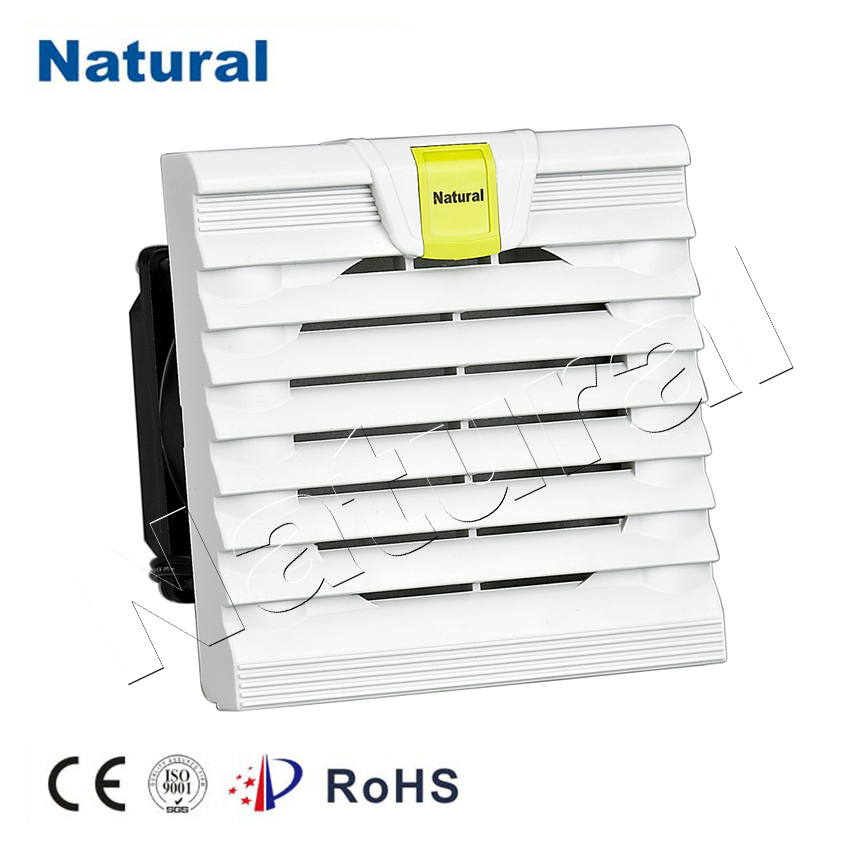
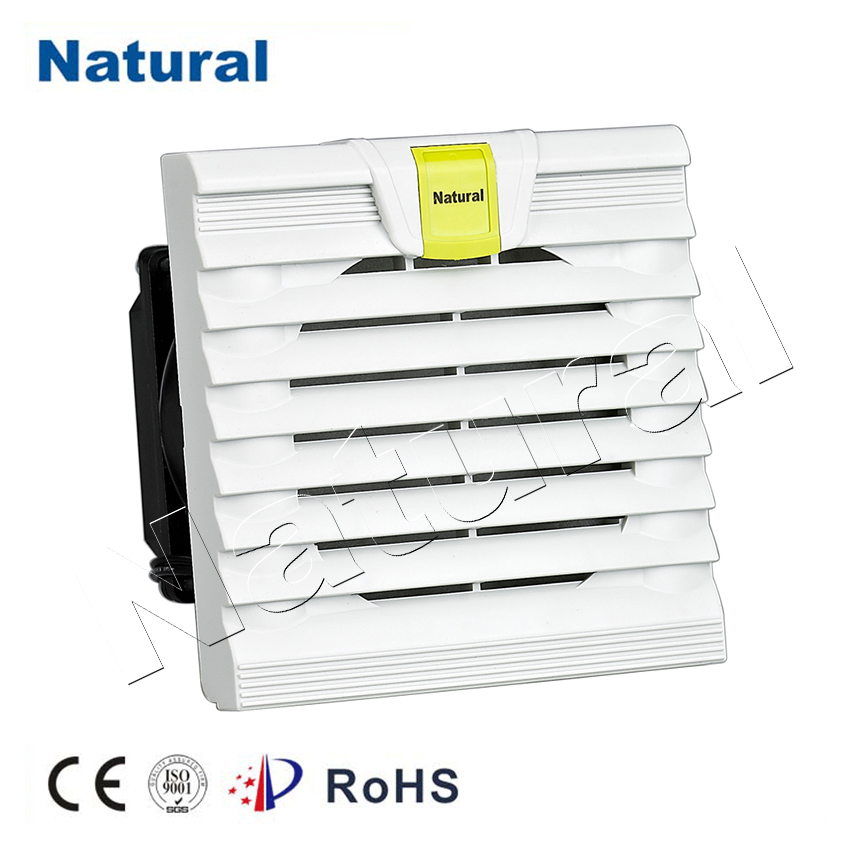
Enhancing Air Quality with Cabinet Filter Fans

In today’s rapidly evolving technological landscape, the efficient cooling and maintenance of electronic equipment have become crucial. Among the various components aiding in this endeavor, cabinet filter fans play a pivotal role. These unassuming yet highly effective devices offer an innovative solution for maintaining optimal air quality within electronic enclosures, ensuring the longevity and reliability of sensitive equipment.
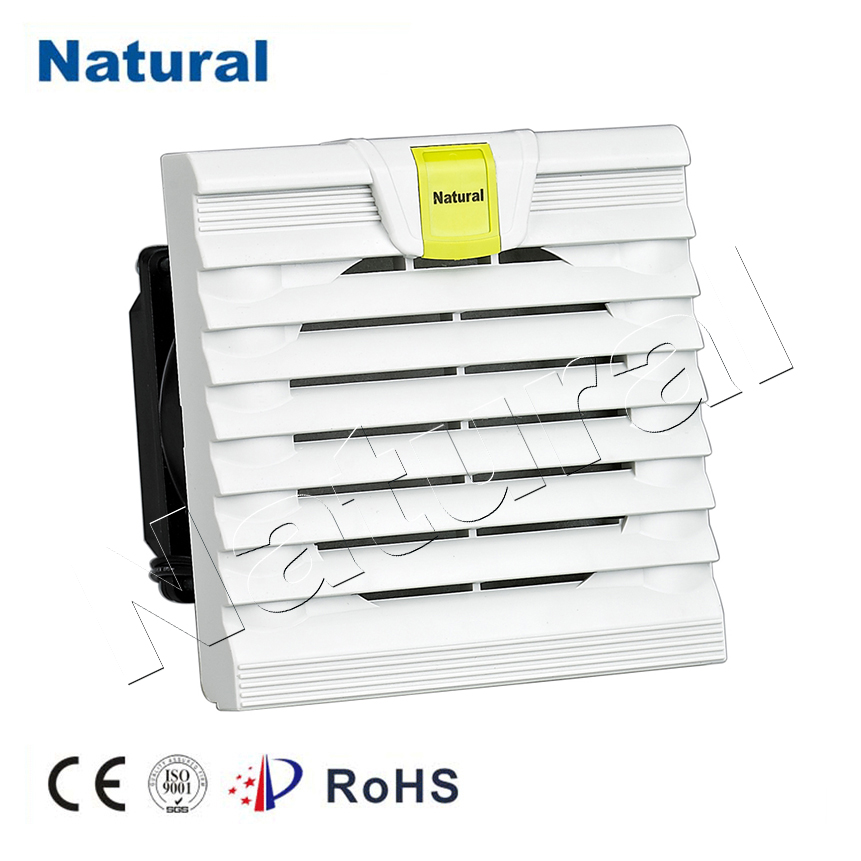
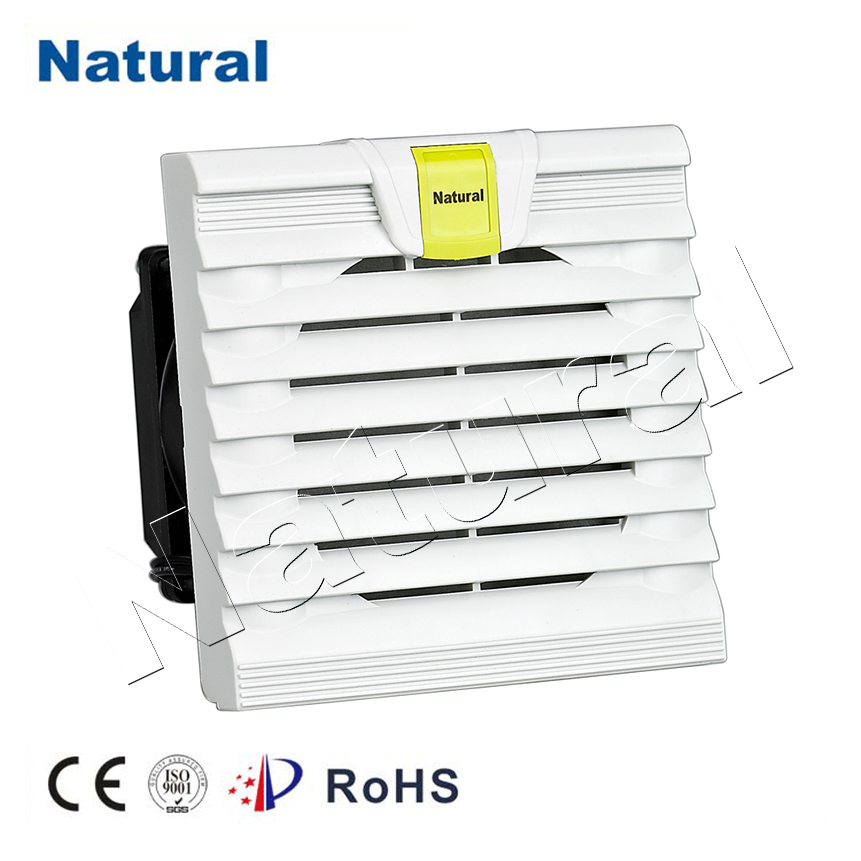
cabinet filter fan

The Significance of Cabinet Filter Fans Electronic cabinets and enclosures house a plethora of valuable and sensitive equipment, ranging from servers and networking devices to industrial control systems. The proper functioning of these components relies heavily on maintaining an optimal operating temperature and preventing the accumulation of dust and debris. This is where cabinet filter fans step in, functioning as a vital line of defense. Efficient Air Filtration One of the primary functions of cabinet filter fans is efficient air filtration. These fans are equipped with filters designed to capture and prevent the ingress of dust, dirt, and other particles into the enclosure. Dust accumulation can lead to overheating and reduced performance of electronic components, potentially causing system failures and downtime. Cabinet filter fans, with their fine mesh filters, ensure that the air circulating within the enclosure remains clean and free from contaminants. Heat Dissipation and Temperature Control Heat is a natural byproduct of electronic devices operating at high speeds. Without proper heat dissipation, the temperature inside an electronic enclosure can skyrocket, leading to malfunctions or permanent damage. Cabinet filter fans aid in temperature regulation by expelling hot air from the enclosure and drawing in cooler external air. This active ventilation process prevents overheating and maintains a stable operating temperature, thereby prolonging the lifespan of the enclosed equipment. Noiseless Operation and Energy Efficiency Modern cabinet filter fans are designed with noise reduction in mind. They employ advanced technologies, such as aerodynamically optimized fan blades and vibration-absorbing materials, to operate quietly without disturbing the surrounding environment. Additionally, these fans are energy-efficient, consuming minimal power while delivering maximum airflow. This energy-conscious design aligns with contemporary efforts towards sustainability and reduced carbon footprint. Customization and Integration Cabinet filter fans are not one-size-fits-all solutions; they can be tailored to specific requirements. Manufacturers offer a variety of fan sizes, airflow capacities, and filter types to accommodate diverse enclosure designs and environmental conditions. Moreover, these fans can be seamlessly integrated into both new and existing enclosures, providing a versatile and adaptable solution for various applications. Applications Across Industries The versatility of cabinet filter fans extends across a wide range of industries. From data centers and telecommunications to manufacturing plants and transportation systems, electronic enclosures are omnipresent. Cabinet filter fans find their place in these domains by ensuring consistent performance and minimizing equipment downtime. They contribute to maintaining the reliability of mission-critical systems and safeguarding sensitive electronic components. Conclusion As technology continues to advance, the importance of maintaining optimal air quality within electronic enclosures cannot be overstated. Cabinet filter fans emerge as an indispensable solution, offering efficient air filtration, heat dissipation, and noiseless operation. These unobtrusive devices exemplify the marriage of innovation and functionality, contributing significantly to the reliability and longevity of sensitive electronic equipment across various industries. In a world driven by technology, the role of cabinet filter fans is set to remain pivotal, enabling seamless operation and preserving the integrity of our electronic systems.
Exploring the Cabinet Filter: Enhancing Image Processing Techniques

Introduction

cabinet filter

In the realm of digital image processing, the evolution of sophisticated algorithms has greatly impacted various fields, from photography and entertainment to medical imaging and scientific research. Among these algorithms, the Cabinet Filter stands as a remarkable approach that has gained attention due to its ability to enhance and refine images in unique ways. This article delves into the concept and applications of the Cabinet Filter, shedding light on its significance in the world of image processing. Understanding the Cabinet Filter The Cabinet Filter, while not as widely known as some mainstream image filters, offers a distinctive way to manipulate and modify images. Unlike traditional filters that often focus on adjusting brightness, contrast, or color balance, the Cabinet Filter takes a more intricate approach. It involves a series of localized transformations, inspired by the idea of a craftsman meticulously working on fine woodwork inside a cabinet. This filter operates by breaking down an image into smaller, overlapping regions, or “cabinets.” Each of these cabinets is then treated as an independent unit, allowing for specific adjustments tailored to the characteristics of that region. This localized treatment is what sets the Cabinet Filter apart from other filters, as it can target fine details and nuances that might be overlooked by more generalized filters. Applications and Advantages Enhancing Texture: The Cabinet Filter excels at enhancing and bringing out intricate textures within an image. This makes it particularly useful in fields such as art restoration, archaeology, and forensics, where revealing hidden details can provide crucial insights. Image Restoration: Old and damaged photographs often suffer from uneven fading and deterioration. The Cabinet Filter’s ability to apply different corrections to various parts of an image can help restore its original quality and charm. Selective Focus: By applying different levels of sharpening or blurring to different cabinets, the filter can simulate a selective focus effect. This effect draws attention to the subject while creating an artistic depth-of-field simulation. Aesthetic Photography: For photographers seeking a unique visual style, the Cabinet Filter offers a tool to impart a vintage or artistic look to images, enhancing mood and atmosphere. Medical Imaging: In medical imaging, the Cabinet Filter’s localized adjustments can help emphasize specific features, aiding in the diagnosis process. Challenges and Considerations While the Cabinet Filter presents numerous advantages, it’s not without challenges. Implementing the filter efficiently requires handling overlapping regions, ensuring seamless transitions, and controlling the degree of adjustment to avoid artifacts or unnatural effects. The computational complexity can also be a concern, as the filter’s localized nature demands more processing power than global filters. Conclusion The Cabinet Filter introduces a refreshing approach to image processing by focusing on localized adjustments reminiscent of a craftsman’s delicate work within a cabinet. Its ability to enhance textures, restore images, create selective focus, and provide aesthetic appeal opens doors to new possibilities across various domains. As technology advances and algorithms improve, the Cabinet Filter might find even broader applications, impacting industries beyond the realms of art and photography.

Exploring the Cabinet Filter: A Versatile Solution for Image Enhancement

Introduction

cabinet filter

In the realm of digital image processing, the quest for achieving superior image quality is an ongoing endeavor. One powerful tool that has garnered attention in recent years is the Cabinet Filter. This innovative technique has proven its mettle in various image enhancement tasks, thanks to its adaptability, efficiency, and remarkable results. Understanding the Cabinet Filter The Cabinet Filter, though relatively new, has rapidly gained prominence due to its unique approach to image enhancement. Developed as an alternative to traditional filters, this method employs a combination of local and non-local operations, making it exceptionally versatile. Unlike conventional linear filters that merely alter pixel values within a certain radius, the Cabinet Filter takes a more holistic approach. It draws inspiration from the concept of a “cabinet” where objects are stored, organized, and retrieved efficiently. Similarly, the Cabinet Filter accumulates information from different parts of an image and intelligently selects the most suitable enhancements for each pixel. Adaptive Enhancement One of the distinguishing features of the Cabinet Filter is its adaptive nature. Instead of applying a uniform enhancement to the entire image, the filter identifies variations in local structures and adjusts its operations accordingly. This adaptability ensures that both large-scale features and intricate details are enhanced optimally. The Cabinet Filter achieves adaptability through a two-step process. First, it analyzes the image to identify regions with similar characteristics. Then, it tailors enhancement strategies based on these regions, leading to a harmonious balance between enhancement and preservation of original features. Applications in Image Restoration The Cabinet Filter truly shines in the realm of image restoration. Whether dealing with noisy photographs or images suffering from artifacts, this technique proves its efficacy. In denoising tasks, the filter’s ability to distinguish between noise and true image features leads to remarkable outcomes. Even in cases where noise patterns vary across the image, the Cabinet Filter adapts, yielding visually pleasing results. Furthermore, when restoring images corrupted by compression artifacts, the Cabinet Filter’s non-local approach proves invaluable. It identifies similarities across the image and effectively restores lost details, resulting in images that retain their natural appearance while being free from distortions. Beyond Restoration: Creative Applications While image restoration is a critical application, the Cabinet Filter isn’t limited to this realm alone. Its adaptability extends to creative tasks such as stylization and artistic filtering. By harnessing its capacity to identify structures and patterns, artists and designers can create unique visual effects that imbue images with an artistic flair. Conclusion The Cabinet Filter has emerged as a powerful and flexible tool in the world of image enhancement. Its ability to adapt to varying image structures and its effectiveness in restoration and creative applications highlight its potential. As technology advances and image processing evolves, the Cabinet Filter’s role is set to expand, contributing to the ongoing pursuit of achieving impeccable image quality.

Enhancing Air Quality and Cooling Efficiency with Cabinet Fan Filters

In today’s rapidly advancing technological landscape, electronic devices and equipment have become integral components of both our personal and professional lives. From data centers to home entertainment systems, the need to maintain optimal operating conditions for these devices is paramount. One of the key factors in ensuring the longevity and reliability of such equipment is managing the internal temperature and air quality within cabinets. This is where cabinet fan filters play a pivotal role, enhancing air quality and cooling efficiency to safeguard the functionality of electronic systems.

cabinet fan filter

The Role of Cabinet Fan Filters Cabinet fan filters are specialized components designed to maintain a clean and controlled environment within electronic enclosures. These enclosures house sensitive equipment that generates heat during operation. The accumulation of dust, dirt, and other particulate matter can obstruct airflow, leading to inadequate cooling and potential overheating. Cabinet fan filters act as barriers against these contaminants, ensuring the integrity of the internal environment. Benefits of Using Cabinet Fan Filters Improved Air Quality: One of the primary functions of cabinet fan filters is to trap and prevent dust and debris from entering the cabinet. Clean air is crucial for the optimal performance of electronic components, as dust particles can settle on sensitive surfaces, impeding heat dissipation and potentially causing short circuits. Enhanced Cooling Efficiency: Efficient cooling is essential for preventing overheating, which can lead to performance degradation and even system failure. Cabinet fan filters allow air to circulate freely while blocking debris, maintaining consistent cooling and prolonging the lifespan of equipment. Reduced Maintenance Frequency: Without proper filtration, dust and contaminants can accumulate rapidly, necessitating frequent cleaning and maintenance. By incorporating cabinet fan filters, the frequency of manual cleaning and maintenance is reduced, saving time and resources. Extended Equipment Lifespan: Electronic components exposed to high temperatures and poor air quality are more likely to experience premature failure. By maintaining a controlled environment through fan filters, the lifespan of equipment is extended, reducing the need for frequent replacements. Energy Efficiency: When cooling systems have to work harder to compensate for restricted airflow, energy consumption increases. Cabinet fan filters promote efficient airflow, contributing to energy savings and cost reduction. Choosing the Right Cabinet Fan Filter Selecting the appropriate cabinet fan filter is essential to ensure compatibility and effectiveness. Factors to consider include: Airflow Rate: Choose a fan filter with an airflow rate suitable for the heat generated by the enclosed equipment. Filtration Efficiency: Look for filters with high-efficiency ratings to effectively capture even the smallest particles. Filter Media: Different filter media offer varying levels of filtration. Synthetic fibers and foam are common materials used in cabinet fan filters. Installation: Easy installation is crucial for maintenance and replacement. Opt for filters that can be easily removed and cleaned or replaced. Cabinet Size: Select fan filters that match the dimensions of the cabinet’s ventilation openings. Conclusion In the realm of electronics, maintaining optimal operating conditions is essential for equipment longevity and performance. Cabinet fan filters serve as guardians, ensuring clean air and efficient cooling within electronic enclosures. By mitigating the risks associated with dust and debris accumulation, these filters contribute to the overall reliability and efficiency of electronic systems. As technology continues to evolve, the role of cabinet fan filters remains indispensable in safeguarding our valuable electronic investments.

Enhancing Airflow Efficiency and Equipment Longevity with Cabinet Fan Filters

In today’s rapidly evolving technological landscape, electronic equipment has become an integral part of our lives, driving innovation and progress across various industries. The proper functioning of this equipment is paramount, as even a minor disruption can lead to significant setbacks. One often overlooked yet crucial component for maintaining the optimal performance and longevity of electronic devices is the cabinet fan filter. In this article, we will delve into the importance of cabinet fan filters and how they contribute to enhancing airflow efficiency and extending the lifespan of valuable equipment.

cabinet fan filter

The Role of Cabinet Fan Filters Cabinet fan filters play a pivotal role in maintaining the health of electronic equipment by ensuring a controlled and clean environment within enclosures. These filters are strategically placed on the intake and exhaust sides of cabinets to prevent the ingress of dust, dirt, and other particulate matter. Dust accumulation may seem inconsequential, but it can have dire consequences for sensitive electronic components. Preserving Airflow Efficiency Airflow is a critical factor in preventing the overheating of electronic equipment. Heat dissipation is essential for ensuring that devices operate within their optimal temperature ranges. Cabinet fan filters aid in preserving airflow efficiency by blocking the entry of contaminants that could obstruct ventilation pathways. Unrestricted airflow not only prevents overheating but also contributes to consistent performance and minimizes the risk of sudden failures. Mitigating the Impact of Contaminants Dust and debris are ubiquitous, and their presence can be especially detrimental within electronic enclosures. Over time, accumulated particulates can form insulating layers on components, leading to an increase in operating temperatures. This, in turn, can degrade the performance of electronic devices and potentially lead to premature hardware failure. Cabinet fan filters act as a barrier, capturing these contaminants before they can infiltrate the cabinet and cause harm. Prolonging Equipment Lifespan Investing in cabinet fan filters is a proactive approach to extending the lifespan of electronic equipment. By maintaining a clean and controlled environment, these filters help reduce the wear and tear that devices undergo due to exposure to dust and other pollutants. This not only saves costs associated with frequent maintenance and replacement but also ensures that valuable equipment continues to operate optimally for an extended period. Choosing the Right Cabinet Fan Filter Selecting the appropriate cabinet fan filter is crucial to reaping the full benefits of its protective capabilities. Factors such as filtration efficiency, airflow resistance, and compatibility with specific cabinet designs must be considered. High-quality filters with efficient filtration mechanisms ensure that only clean air enters the enclosure, while minimal airflow resistance guarantees that equipment cooling remains efficient. Conclusion In the world of electronics, where reliability and performance are paramount, every precaution must be taken to safeguard valuable equipment. Cabinet fan filters stand as silent sentinels, shielding electronic enclosures from the harmful effects of dust and contaminants. By preserving airflow efficiency and mitigating the impact of particulate matter, these filters contribute to the prolonged lifespan of electronic devices. As technology continues to advance, the role of cabinet fan filters remains crucial in ensuring the seamless operation of our interconnected world.

Enhancing Airflow and Filtration with Cabinet Fans and Filter Fans

In today’s technologically advanced world, the effective cooling and filtration of electronic equipment are paramount to maintaining optimal performance and longevity. Cabinet fans and filter fans play a crucial role in achieving these objectives, ensuring that electronic components are kept within safe temperature ranges and protected from harmful contaminants. In this article, we will delve into the significance of cabinet fans and filter fans in various applications and industries.

cabinet fan and filter fan

Cabinet Fans: Keeping Electronics Cool Electronic devices generate heat during operation, and excessive heat can lead to performance degradation, shortened lifespans, and even outright failures. Cabinet fans are specialized fans designed to dissipate heat within enclosed spaces, such as server cabinets, control panels, and electrical enclosures. They function by actively pulling in cooler external air and expelling hot air generated by the equipment. One of the key advantages of cabinet fans is their ability to maintain a consistent operating temperature. By preventing temperature spikes and maintaining a stable environment, these fans contribute to improved performance and reliability. This is particularly crucial in data centers, where numerous servers are concentrated in a confined space, creating a high-heat environment. Cabinet fans help ensure that servers can function optimally without the risk of overheating. Filter Fans: Purifying the Air In addition to temperature regulation, protecting electronic equipment from airborne contaminants is equally important. Dust, dirt, and other particles can accumulate on delicate components, obstruct airflow, and compromise performance. This is where filter fans come into play. Filter fans combine the functionality of fans with air filtration systems to ensure a clean and particle-free environment within cabinets and enclosures. Filter fans operate by drawing in external air through a filtration mechanism before expelling it into the enclosure. The filters capture particles, preventing them from settling on sensitive electronics. This proactive approach reduces the need for frequent manual cleaning and maintenance, saving time and effort. Moreover, in industries with stringent cleanliness requirements, such as pharmaceuticals and food processing, filter fans are indispensable for preventing contamination of products and maintaining regulatory compliance. Applications and Industries The applications of cabinet fans and filter fans are widespread across various industries. Telecommunications, industrial automation, energy production, and automotive manufacturing are just a few sectors that heavily rely on these technologies. In the telecommunications industry, for instance, communication equipment generates substantial heat, and uninterrupted performance is vital. Cabinet fans ensure that communication networks remain operational by preventing heat-related malfunctions. Similarly, in manufacturing environments, control panels that regulate complex machinery need to be cooled efficiently to maintain production uptime. Cabinet fans become indispensable for seamless operations. Conclusion In a world driven by technology, the reliable operation of electronic equipment is paramount. Cabinet fans and filter fans are unsung heroes in this regard, ensuring optimal operating temperatures and protection against contaminants. Their role spans across a wide array of industries and applications, contributing to improved efficiency, enhanced performance, and extended lifespans of electronic components. As technology continues to evolve, the significance of these cooling and filtration solutions will only grow, solidifying their place as essential tools in the realm of electronics.

Bimetal Thermostat: Revolutionizing Temperature Control

Introduction

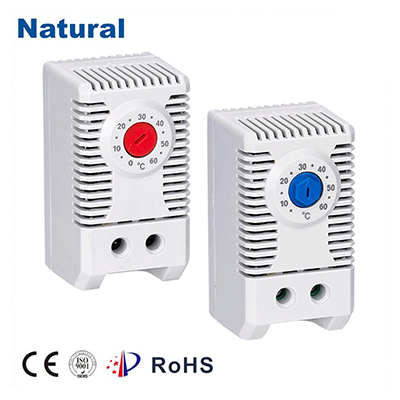
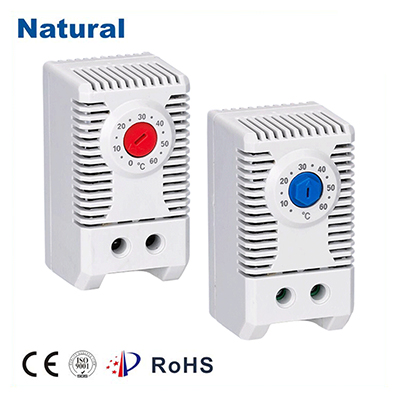
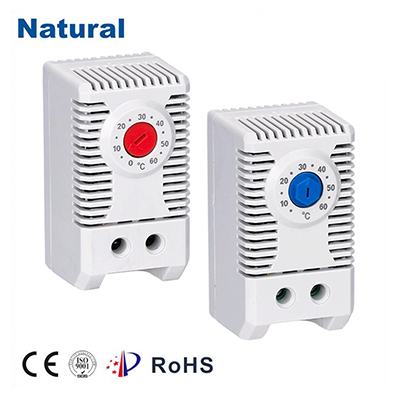
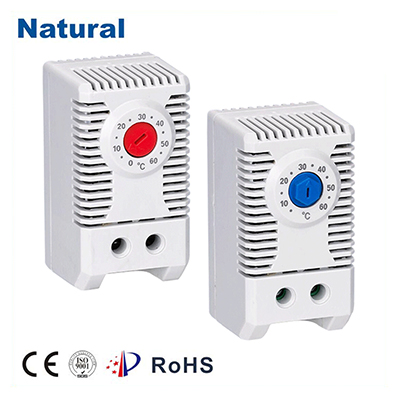
bimetal thermostat

In the realm of temperature regulation, bimetal thermostats have emerged as a cornerstone of modern engineering. Combining innovation, precision, and reliability, these remarkable devices have transformed the way we control temperature in a wide range of applications. This article delves into the intricacies of bimetal thermostats, exploring their working principle, applications, advantages, and significance in contemporary industries. Working Principle At the heart of every bimetal thermostat lies a simple yet ingenious working principle. These devices are composed of two distinct metal strips, each with different coefficients of thermal expansion, firmly bonded together. As temperature changes, these strips expand or contract at different rates, causing the bimetallic strip to bend. This bending action is harnessed to trigger a switch that controls the connected system. In this way, the bimetal thermostat acts as an automatic temperature-sensitive switch, enabling precise temperature control. Applications The versatility of bimetal thermostats is evident through their widespread applications across various industries. In household appliances like ovens and refrigerators, they ensure optimal temperature settings, enhancing food safety and quality. HVAC systems rely on bimetal thermostats to maintain comfortable indoor environments. Industrial processes, ranging from manufacturing to automotive, utilize these thermostats to safeguard equipment from overheating. Furthermore, bimetal thermostats find their place in safety mechanisms like fire detectors and thermal cut-offs, preventing potential hazards. Advantages Bimetal thermostats offer several key advantages that contribute to their popularity: Reliability: Thanks to their mechanical simplicity, bimetal thermostats have proven to be highly reliable over time. They do not require power to function, reducing the risk of electronic malfunctions. Cost-Effectiveness: The manufacturing process for bimetal thermostats is relatively straightforward, making them cost-effective solutions for temperature control in various applications. Durability: Bimetal thermostats can withstand harsh conditions, making them suitable for use in rugged environments, such as industrial settings. Accuracy: These thermostats provide accurate temperature regulation within a specified range, ensuring consistent performance. Longevity: Due to the absence of electronic components, bimetal thermostats have extended lifespans compared to electronic alternatives. Significance in Modern Industries The significance of bimetal thermostats in modern industries cannot be overstated. Their reliability and cost-effectiveness make them indispensable components in countless devices, from household appliances to critical safety systems. Moreover, their compatibility with a broad temperature range makes them invaluable tools for applications where precision is paramount. As industries evolve and technology advances, bimetal thermostats continue to adapt. Engineers and designers are incorporating these devices into innovative solutions that address contemporary challenges, proving that this century-old technology remains relevant and essential. Conclusion In conclusion, bimetal thermostats have left an indelible mark on the world of temperature control. Their ingenious working principle, coupled with their reliability and versatility, has led to their widespread adoption in various industries. From enhancing household appliances to safeguarding industrial equipment, bimetal thermostats continue to play a pivotal role in modern engineering. As we move forward, it is clear that these unassuming devices will continue to shape the way we interact with and control temperature in our ever-changing world.

Bimetal Thermostats: A Precise and Reliable Temperature Control Solution

Introduction

bimetal thermostat thermostat

In the world of temperature control, bimetal thermostats have emerged as a dependable and versatile solution. These devices play a crucial role in various industries and applications where maintaining specific temperature ranges is paramount. The ingenious design and functionality of bimetal thermostats make them an indispensable tool for ensuring the efficient operation of countless devices and systems. The Ingenious Mechanism At the heart of a bimetal thermostat lies a simple yet ingenious mechanism. The device consists of two different metal strips, usually composed of materials with varying coefficients of thermal expansion. When exposed to temperature changes, these metal strips expand or contract at different rates, causing the entire structure to bend or flex. This mechanical movement is harnessed to actuate a switch that controls the heating or cooling process. Accurate Temperature Sensing One of the primary advantages of bimetal thermostats is their accurate temperature sensing capability. As the temperature fluctuates, the bimetal strip responds with a predictable bending motion. This motion can be finely calibrated to trigger the switch at a precise temperature point. This accuracy ensures that the controlled environment remains within the desired temperature range, preventing overheating or excessive cooling. Reliability and Durability Bimetal thermostats are renowned for their robustness and durability. The absence of fragile components, such as delicate electronics or sensors, makes them less susceptible to wear and tear. This resilience allows bimetal thermostats to function reliably even in challenging environments, such as industrial settings with vibrations, dust, and humidity. Their longevity reduces maintenance needs and overall costs. Diverse Applications The versatility of bimetal thermostats is evident in their widespread applications. They are commonly found in household appliances like ovens, toasters, and refrigerators, where they ensure consistent and safe temperature levels. In industrial settings, bimetal thermostats are used in machinery, manufacturing processes, and HVAC systems to control temperature variations. Even automotive applications benefit from the accuracy and reliability of bimetal thermostats in regulating engine temperatures. Energy Efficiency Bimetal thermostats contribute to energy efficiency by preventing unnecessary heating or cooling. By accurately maintaining the desired temperature range, they minimize energy consumption and reduce operational costs. This eco-friendly characteristic aligns with modern efforts to create sustainable and environmentally responsible technologies. Limitations and Future Developments While bimetal thermostats offer numerous advantages, they do have limitations. Their responsiveness can be slower compared to electronic sensors, which might not be suitable for applications requiring rapid temperature changes. Additionally, their accuracy can be influenced by factors such as mechanical wear over time. Researchers and engineers are continuously working to improve bimetal thermostat technology. Incorporating smart features, enhanced materials, and more sophisticated calibration methods could address current limitations and expand the range of applications even further. Conclusion Bimetal thermostats are a shining example of how a simple yet effective mechanism can have a profound impact on various industries. Their accurate temperature sensing, reliability, and versatility make them a cornerstone of temperature control solutions. As technology advances, bimetal thermostats are likely to continue evolving, ensuring that they remain a vital component in the world of temperature regulation for years to come.

Bimetal Thermostats: Precision and Efficiency in Temperature Control

Introduction

bimetal thermostat

In the world of modern technology, bimetal thermostats stand as a testament to the remarkable fusion of engineering and physics. These ingenious devices have transformed the way we regulate temperature, finding applications in a wide array of industries, from household appliances to industrial machinery. This article delves into the fascinating realm of bimetal thermostats, exploring their principles of operation, diverse applications, and the advantages they bring to various sectors. Principles of Operation At the heart of every bimetal thermostat lies a simple yet ingenious principle: the differential expansion of two different metals in response to temperature changes. Typically composed of two metal strips, usually brass and steel, bonded together, these thermostats rely on the varying rates of thermal expansion exhibited by the two metals. When exposed to heat, the metal strips expand at different rates, causing them to bend. This bending is harnessed to actuate a switch, either opening or closing an electrical circuit. This basic yet effective mechanism enables bimetal thermostats to accurately detect and respond to temperature fluctuations within a specific range. As the temperature rises, the metals bend in one direction, and when the temperature decreases, they bend in the opposite direction, creating a reliable and repeatable control system. Diverse Applications Bimetal thermostats find an astonishing range of applications across industries due to their precision and simplicity. In household appliances, they regulate the temperature of ovens, refrigerators, and water heaters, ensuring that the desired temperature is maintained without constant manual adjustment. The automotive sector employs bimetal thermostats in engine cooling systems, preventing overheating and optimizing engine performance. Additionally, these thermostats play a crucial role in industrial settings, controlling the temperature in furnaces, incubators, and even in safety devices like fire alarms. Advantages of Bimetal Thermostats Reliability:Bimetal thermostats operate without the need for external power sources or complex control systems. This inherent simplicity contributes to their reliability and long-term performance. Cost-effectiveness:The manufacturing process for bimetal thermostats is relatively straightforward, leading to cost-effective production. This makes them an attractive choice for both consumer and industrial applications. Durability:The robust design of bimetal thermostats allows them to withstand challenging environments and mechanical stress, ensuring their durability in various conditions. Accuracy:Bimetal thermostats offer precise temperature control within a designated range, making them suitable for applications where maintaining a specific temperature is crucial. Safety:In safety-critical applications, bimetal thermostats provide an added layer of protection by automatically shutting down systems when temperatures exceed safe limits. Conclusion Bimetal thermostats stand as a remarkable example of how a simple concept can be harnessed to create a versatile and reliable technology. Their ability to accurately sense and regulate temperature has made them indispensable in numerous industries, enhancing efficiency, safety, and convenience. As technology continues to advance, it is evident that bimetal thermostats will remain an integral part of our lives, quietly ensuring that the world around us remains at the perfect temperature.

Automatic Temperature Control Thermostats: Enhancing Comfort and Efficiency

In the modern world, where comfort and energy efficiency are paramount concerns, the development of technologies like automatic temperature control thermostats has revolutionized the way we manage our indoor environments. These intelligent devices have become an indispensable part of households and businesses alike, offering both convenience and energy savings.

automatic temperature control thermostat

Automatic temperature control thermostats, often referred to simply as smart thermostats, are devices designed to regulate the temperature of a space without constant manual intervention. Unlike traditional thermostats that require manual adjustments to maintain a desired temperature, these advanced thermostats are equipped with sensors, algorithms, and connectivity features that enable them to learn from user behavior, anticipate preferences, and make automatic adjustments accordingly. One of the most significant advantages of automatic temperature control thermostats is their ability to enhance comfort. These devices utilize occupancy sensors to detect when a room is occupied, allowing them to adjust the temperature based on real-time occupancy data. Imagine walking into a room and having the temperature perfectly suited to your liking without having to touch a dial. Smart thermostats make this a reality by seamlessly adapting to your presence and preferences. Moreover, these thermostats excel in energy efficiency. They can learn your daily routines and create personalized heating and cooling schedules, ensuring that energy is not wasted when spaces are unoccupied. Some models even take weather forecasts into account, adjusting indoor temperatures in anticipation of changing outdoor conditions. This not only optimizes comfort but also contributes to substantial energy savings over time, reducing utility bills and lessening the overall carbon footprint. The convenience and efficiency of automatic temperature control thermostats are further amplified by their remote control capabilities. Through smartphone apps or web interfaces, users can monitor and adjust their thermostat settings from virtually anywhere. This proves invaluable for those moments when you forget to adjust the temperature before leaving for a vacation or returning home unexpectedly. With just a few taps on your phone, you can ensure that your living space is at the desired temperature when you arrive. Integration with smart home ecosystems is another compelling feature of these thermostats. Many smart thermostats are compatible with popular virtual assistants like Amazon Alexa, Google Assistant, and Apple HomeKit. This integration allows for voice-activated control, enabling you to adjust the temperature by simply speaking a command. Furthermore, some devices can communicate with other smart appliances, such as ceiling fans or blinds, to create a harmonized indoor environment that maximizes comfort and energy efficiency. Concerns about security and privacy are often raised with any connected device, and automatic temperature control thermostats are no exception. Manufacturers have recognized this and have implemented various security measures, such as data encryption and multi-factor authentication, to protect user information and device functionality. It’s crucial for users to follow best practices, such as using strong passwords and regularly updating software, to ensure the security of their smart thermostat. In conclusion, automatic temperature control thermostats have brought a new level of comfort and efficiency to modern living. These devices have the capacity to learn, adapt, and enhance the indoor environment by adjusting temperatures based on occupancy, schedules, and even weather forecasts. With remote control capabilities, integration into smart home ecosystems, and a focus on security, smart thermostats have become a cornerstone of both convenience and energy conservation. As technology continues to evolve, we can expect these devices to play an increasingly vital role in creating a more comfortable and sustainable future.