Monthly Archives: September 2023

The Innovative Comfort: Exploring the Advancements of the Din Thermostat

Introduction

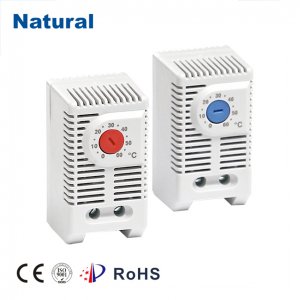
din thermostat

In the realm of modern home automation, the Din thermostat has emerged as a game-changer, revolutionizing the way we control and manage our indoor environments. With its cutting-edge features, intuitive design, and energy-efficient capabilities, the Din thermostat has quickly become an indispensable component of smart homes worldwide. The Evolution of Thermostats Thermostats have come a long way since their inception. From basic manual dials to programmable devices, each iteration aimed to provide greater control and convenience. However, the Din thermostat takes this evolution a step further by seamlessly integrating with our modern, tech-driven lifestyles. Sleek Design and User-Friendly Interface One of the standout features of the Din thermostat is its sleek and minimalist design. Its compact form factor and elegant finish blend seamlessly with various interior aesthetics. The device’s user-friendly interface boasts a touchscreen display that allows homeowners to easily set and adjust temperature settings with just a few taps. Smartphone Connectivity and Remote Control What truly sets the Din thermostat apart is its seamless smartphone connectivity. Through dedicated mobile applications, users can remotely monitor and control their home’s temperature settings. Whether you’re at the office, on vacation, or simply lounging on the couch, the Din thermostat ensures that you remain in control of your comfort. Intelligent Learning and Adaptability A hallmark of the Din thermostat is its intelligent learning capabilities. By analyzing your patterns and preferences, the thermostat adapts over time to create personalized heating and cooling schedules. This not only enhances comfort but also leads to substantial energy savings by optimizing usage based on your daily routines. Energy Efficiency and Sustainability In an era of increasing environmental consciousness, the Din thermostat aligns perfectly with the goal of reducing energy consumption. Its built-in sensors detect occupancy and adjust the temperature accordingly, minimizing energy wastage. Additionally, the thermostat provides energy usage reports, empowering homeowners to make informed decisions about their consumption patterns. Compatibility and Integration The Din thermostat embraces compatibility and integration with other smart home devices. It can seamlessly connect with voice assistants like Amazon Alexa and Google Assistant, allowing for convenient hands-free control. Moreover, integration with other home automation systems enables a holistic approach to managing your living spaces. Enhanced Security Features Beyond temperature control, the Din thermostat enhances home security. It can simulate occupancy by adjusting temperature and lighting, deterring potential intruders. This added layer of security provides homeowners with peace of mind, even when they’re away from home. Conclusion The Din thermostat represents a significant leap forward in home comfort and automation. Its elegant design, intelligent learning capabilities, energy efficiency, and seamless integration make it a standout choice for modern homeowners. As technology continues to shape our living spaces, innovations like the Din thermostat pave the way for a more comfortable, convenient, and sustainable future. Embracing this remarkable device not only enhances our quality of life but also contributes to a more energy-conscious world.
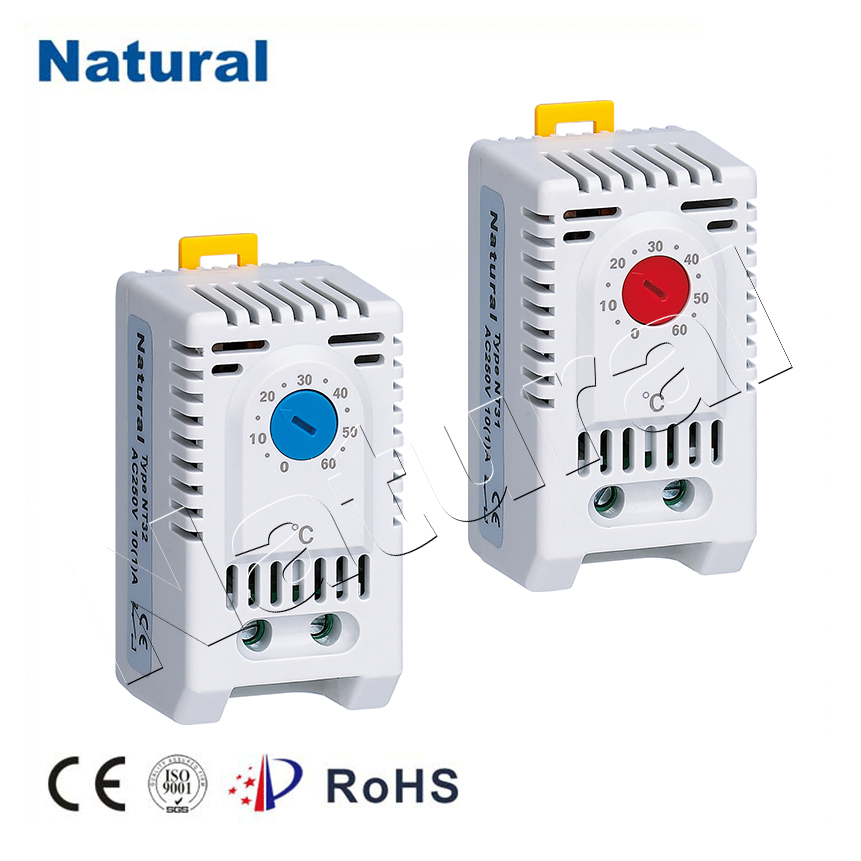
Exploring the Efficiency and Versatility of DIN Rail Thermostats

In the ever-evolving landscape of heating, ventilation, and air conditioning (HVAC) technology, DIN rail thermostats have emerged as remarkable innovations, offering both efficiency and versatility. These compact devices have revolutionized temperature control systems across industrial, commercial, and residential settings. In this article, we delve into the world of DIN rail thermostats, exploring their features, benefits, and the diverse applications that make them indispensable components in modern HVAC systems.

din rail thermostat

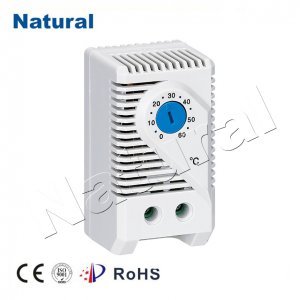
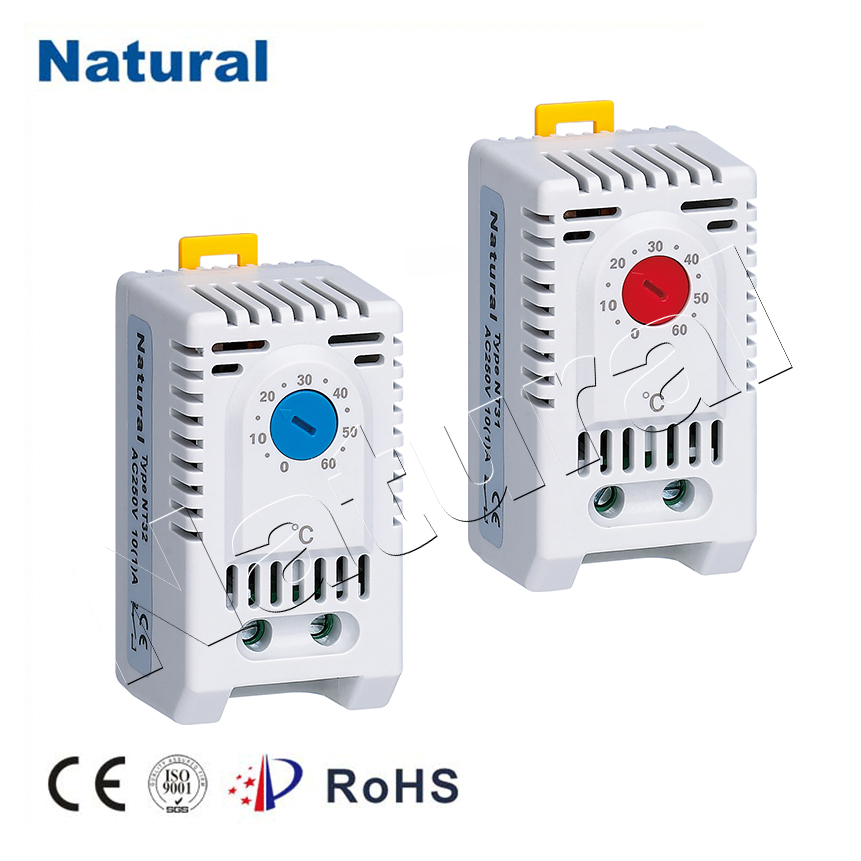
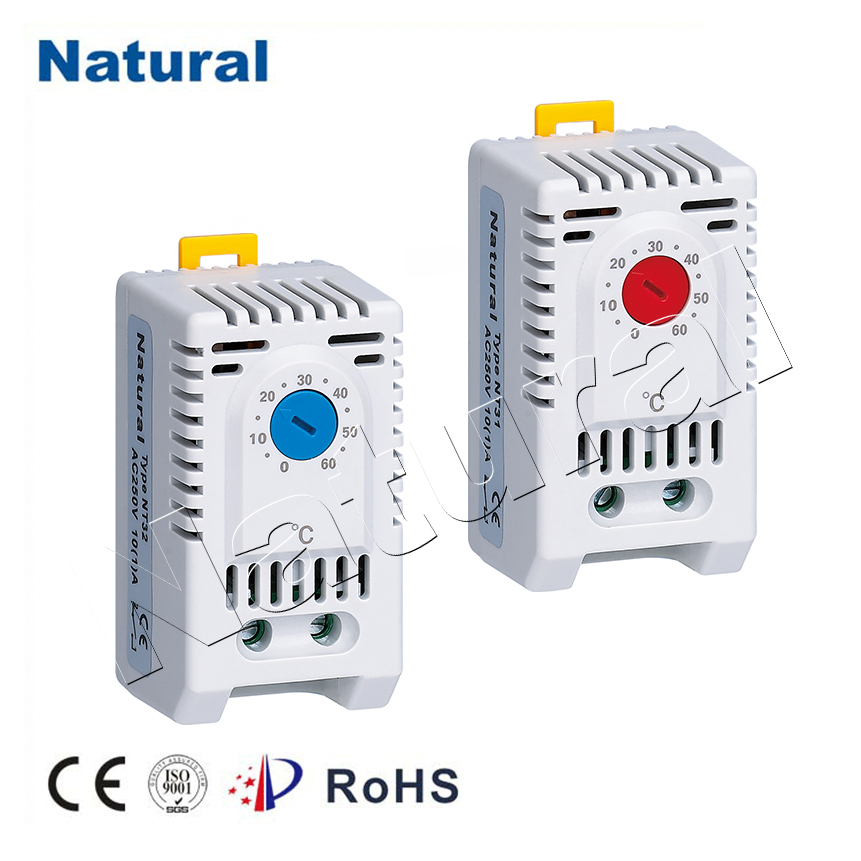
Introduction to DIN Rail Thermostats DIN rail thermostats, also known as industrial thermostats, are specialized temperature control devices designed to regulate heating and cooling systems with utmost precision. They are named after the DIN rail, a standardized metal rail used for mounting various industrial control equipment. This form factor allows DIN rail thermostats to be seamlessly integrated into existing control panels and enclosures, optimizing space utilization and enhancing installation flexibility. Features and Functionality These thermostats boast an array of features that make them stand out in the realm of temperature regulation. Most models come equipped with programmable settings, allowing users to schedule temperature changes based on time or specific events. This not only ensures a comfortable environment but also contributes to energy conservation. Furthermore, DIN rail thermostats often offer compatibility with a variety of sensors, enabling them to accurately measure temperature, humidity, and other environmental parameters. This data-driven approach ensures that HVAC systems respond promptly to changing conditions, maintaining optimal conditions while minimizing energy wastage. Benefits of DIN Rail Thermostats The benefits of incorporating DIN rail thermostats into HVAC systems are manifold. Firstly, their modular nature simplifies installation and maintenance. Since they can be easily snapped onto DIN rails, they eliminate the need for complex mounting procedures, reducing downtime during setup or replacement. Secondly, their adaptability is a major advantage. Whether it’s a small server room, a sprawling factory floor, or a residential building, DIN rail thermostats can be configured to suit various spaces. The ability to tailor temperature control settings ensures that environments are kept comfortable and energy-efficient. Applications Across Industries DIN rail thermostats find applications across a wide range of industries. In industrial settings, they regulate temperatures in manufacturing processes, ensuring consistent product quality and machinery performance. In commercial spaces, such as offices and retail stores, these thermostats maintain comfortable working conditions for occupants. Moreover, their role extends to critical environments like data centers, where precise temperature control is essential to prevent overheating and equipment failure. In residential contexts, they contribute to energy-efficient home heating and cooling, reducing utility bills and carbon footprints. Future Trends and Innovations As technology continues to advance, DIN rail thermostats are likely to evolve as well. Integration with smart building systems is an area that holds immense potential. By connecting these thermostats to central building management platforms, users can remotely monitor and adjust temperature settings, leading to enhanced energy management and convenience. Furthermore, advancements in sensor technology and machine learning could enable these thermostats to predict temperature fluctuations and adjust settings preemptively, optimizing comfort and energy consumption. Conclusion DIN rail thermostats have earned their place as indispensable components in modern HVAC systems, owing to their efficiency, adaptability, and compatibility with diverse applications. From industrial processes to commercial spaces and residential dwellings, these devices play a pivotal role in maintaining comfortable environments while minimizing energy consumption. As technology marches forward, we can only anticipate more innovative features and applications for these compact yet powerful temperature control solutions.

Enhancing Temperature Control with DIN Rail Temperature Controllers

In today’s rapidly advancing industrial landscape, precise temperature control is of paramount importance across various sectors. The utilization of cutting-edge technologies to maintain optimal temperatures ensures product quality, process efficiency, and overall safety. Among these technologies, DIN rail temperature controllers have emerged as essential tools for achieving accurate and reliable temperature management.

din rail temperature controller

Introduction to DIN Rail Temperature Controllers DIN rail temperature controllers are compact and versatile devices designed to regulate temperatures in industrial settings. Mounted on standard DIN rails, these controllers provide seamless integration into control panels, making them an integral part of various automation systems. Their applications span across industries such as manufacturing, food processing, HVAC (Heating, Ventilation, and Air Conditioning), and more. Features and Functionality One of the standout features of DIN rail temperature controllers is their precision. These controllers utilize advanced algorithms and sensors to ensure that the temperature is maintained within narrow tolerances. This precision is crucial for industries that demand consistency and reliability in their processes. Additionally, DIN rail temperature controllers often offer a range of control modes, including on/off control, proportional control, integral control, and derivative control (PID). This versatility allows users to select the appropriate control strategy based on their specific requirements. The PID control mode, in particular, is widely favored for its ability to adapt to dynamic changes in temperature conditions, resulting in minimal temperature fluctuations. Benefits in Industrial Applications The applications of DIN rail temperature controllers are diverse and far-reaching. In the manufacturing sector, these controllers play a vital role in ensuring the quality of products by maintaining consistent temperatures during various production stages. In the food industry, precise temperature control is crucial for food safety and compliance with regulations. Moreover, in HVAC systems, DIN rail temperature controllers contribute to energy efficiency by optimizing heating and cooling processes. This not only reduces energy consumption but also enhances the comfort and well-being of occupants in commercial and residential spaces. Integration and Connectivity Modern DIN rail temperature controllers are designed with connectivity in mind. Many models feature communication protocols such as Modbus, Ethernet, and even wireless options like Wi-Fi. This connectivity allows for remote monitoring and control, making it easier for operators to manage temperature settings from a central location. Furthermore, integration with other automation systems enhances overall system efficiency and data analysis. Installation and Maintenance The installation of DIN rail temperature controllers is relatively straightforward due to their standardized form factor. They can be easily mounted on DIN rails within control cabinets. Routine maintenance typically involves checking sensors, calibrating the controller if necessary, and ensuring the overall functionality of the device. Conclusion DIN rail temperature controllers have revolutionized temperature management in industrial environments. Their precision, versatility, and connectivity options make them indispensable tools for maintaining optimal temperature conditions in a wide range of applications. As industries continue to prioritize quality, efficiency, and safety, the role of DIN rail temperature controllers in shaping modern processes remains pivotal. Whether in manufacturing, food processing, or HVAC systems, these controllers stand as a testament to the power of technology in enhancing our ability to control and optimize temperatures.

The Ingenious Technology of the Differential Thermostat

In the modern age of automation and comfort, the development of innovative technologies continues to shape our daily lives. One such remarkable invention is the differential thermostat. This unassuming device plays a pivotal role in maintaining optimal temperature conditions, enhancing energy efficiency, and contributing to a more sustainable future.

differential thermostat

The differential thermostat, often referred to as a temperature controller, is a sophisticated electronic tool designed to regulate temperature variations in a given environment. Unlike traditional thermostats that simply turn heating or cooling systems on or off when a preset temperature is reached, a differential thermostat adds an extra layer of intelligence to the process. At its core, the differential thermostat monitors the ambient temperature and activates heating or cooling equipment not just when a specific temperature threshold is crossed, but when the temperature deviates from the desired setpoint by a certain amount. This unique feature prevents the constant cycling of HVAC systems, which can lead to energy wastage and decreased equipment lifespan. By activating systems only when necessary, the differential thermostat minimizes temperature fluctuations, providing a more consistent and comfortable environment. The applications of the differential thermostat are diverse and impactful. In industrial settings, where precise temperature control is crucial for processes and product quality, these devices ensure stability, reduce material wastage, and increase production efficiency. Greenhouses utilize differential thermostats to create ideal growing conditions for plants, optimizing growth rates and ultimately boosting crop yields. The benefits of differential thermostats extend beyond operational efficiency. By reducing the frequency of HVAC equipment cycling, these devices contribute to energy conservation, directly translating to reduced utility bills and a smaller carbon footprint. In an era where environmental concerns loom large, such technological advancements play an essential role in achieving sustainability goals. The inner workings of a differential thermostat are a testament to human ingenuity. Most modern units consist of a sensor to measure the ambient temperature, a control unit that processes temperature data, and a switch that triggers heating or cooling equipment. Some advanced models even incorporate programmable features, enabling users to customize temperature ranges and differentials based on their specific needs. In residential applications, differential thermostats are invaluable, particularly in regions with fluctuating weather patterns. Imagine a winter night where temperatures outside plummet, causing the indoor temperature to drop significantly. A conventional thermostat might turn on the heater when the temperature falls below a certain point, but then shut it off as soon as that threshold is reached again. This constant cycling not only consumes excess energy but also creates an uncomfortable environment. A differential thermostat, on the other hand, activates the heater only when the temperature decreases by a predetermined amount from the desired level, ensuring a steadier and cosier indoor climate. As technology advances, the potential for further improvements in differential thermostat design and functionality becomes apparent. Integration with smart home systems, remote monitoring and control, and adaptive algorithms are just a few avenues that could enhance the capabilities of these devices. In conclusion, the differential thermostat stands as a testament to human innovation in the realm of temperature control technology. By addressing the limitations of traditional thermostats and optimizing temperature regulation, this unassuming device has far-reaching implications for energy efficiency, comfort, and environmental sustainability. As we continue to embrace intelligent solutions for everyday challenges, the differential thermostat serves as a shining example of how small advancements can make a big difference.

Enhancing Efficiency and Longevity: The Importance of Cooling Fan Filters

Introduction

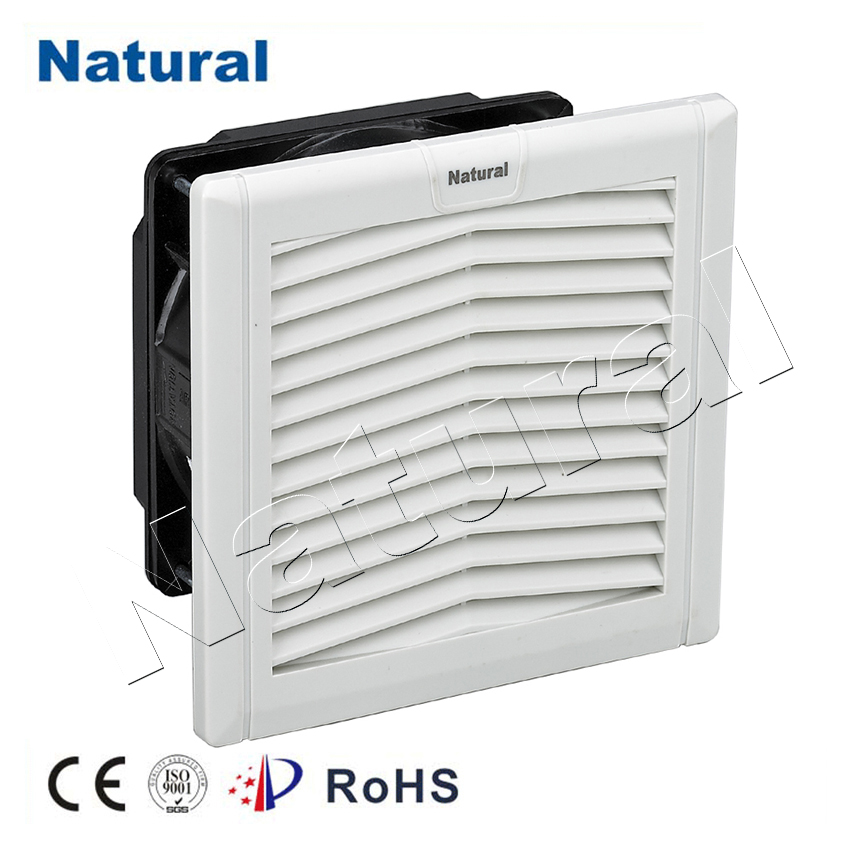
cooling fan filters

In the realm of electronics and technology, cooling systems play a crucial role in maintaining optimal performance and preventing overheating. Within these systems, cooling fans serve as the frontline defense against temperature buildup. However, their effectiveness can be compromised by the accumulation of dust, debris, and particles over time. Cooling fan filters emerge as the unsung heroes in this context, offering a simple yet powerful solution to ensure efficient cooling and prolong the lifespan of electronic devices. The Significance of Cooling Fan Filters Cooling fan filters serve as a barrier between the external environment and the sensitive internal components of electronic devices. They act as a shield, preventing the entry of dust, hair, pet dander, and other particulates that can clog fan blades, obstruct airflow, and lead to heat buildup. This obstruction not only hinders the cooling process but can also result in higher energy consumption and potential hardware failures. Therefore, the implementation of cooling fan filters is crucial to maintaining the performance and longevity of electronic equipment. Efficiency in Heat Dissipation The primary purpose of cooling systems is to dissipate the excess heat generated by electronic components during operation. Cooling fans play a pivotal role in this process by facilitating the circulation of air within the device. When cooling fan filters are in place, they ensure that the air drawn into the device is clean and free from contaminants. This unimpeded airflow enables the cooling fans to efficiently regulate the temperature, preventing the device from overheating and maintaining stable performance. Prolonging Device Lifespan Electronic devices are significant investments, and their proper maintenance can significantly impact their lifespan. Cooling fan filters contribute to this maintenance by preventing the accumulation of dust and particles on sensitive components such as circuit boards, heat sinks, and processors. These particles can contribute to corrosion, reduced conductivity, and increased thermal resistance, all of which can ultimately lead to a decrease in device performance and premature failure. By using cooling fan filters, users can extend the operational life of their devices, ultimately maximizing their return on investment. Improved Air Quality The benefits of cooling fan filters extend beyond the device itself. In environments where electronic equipment operates, such as homes, offices, or data centers, the air quality can be compromised by the release of dust and allergens from these devices. Cooling fan filters act as an effective means of reducing these particulates, leading to improved air quality and a healthier living or working space. This is particularly important for individuals who suffer from allergies or respiratory conditions. Ease of Maintenance Implementing cooling fan filters not only enhances device performance but also simplifies maintenance procedures. Cleaning and replacing filters are straightforward tasks that can be performed without specialized technical knowledge. Regular maintenance of these filters ensures that the cooling system continues to operate efficiently, reducing the need for costly repairs or replacements in the long run. Conclusion Cooling fan filters might appear as simple components, but their impact on the efficiency and longevity of electronic devices is profound. By preventing the infiltration of dust and debris, these filters enable cooling systems to operate optimally, preventing overheating and maintaining stable performance. As a result, users can enjoy extended device lifespans, improved air quality, and reduced energy consumption. Incorporating cooling fan filters into the design and maintenance of electronic systems is a small investment that yields substantial returns in terms of device reliability and overall user satisfaction.

The Evolution of Control Panel Thermostats: Enhancing Comfort and Efficiency

In the realm of modern living, where convenience and energy efficiency are paramount, the control panel thermostat stands as a silent hero. This unassuming device plays a pivotal role in regulating indoor temperature, ensuring comfort, and optimizing energy consumption. Over the years, control panel thermostats have evolved from simple mechanical dials to smart, programmable devices that offer unparalleled convenience and cost savings.

control panel thermostat

The Birth of Control Panel Thermostats The journey of control panel thermostats began with rudimentary bi-metallic strip mechanisms in the late 19th century. These early thermostats relied on the expansion and contraction of metal strips in response to temperature changes, triggering the heating or cooling system to maintain a desired temperature. While functional, they lacked precision and required manual adjustments. Enter Programmable Thermostats The advent of digital technology in the latter half of the 20th century revolutionized the world of thermostats. Programmable thermostats emerged, allowing users to set temperature schedules for different times of the day. This innovation not only provided enhanced comfort by automatically adjusting temperatures to suit occupants’ routines but also introduced energy-saving potential by reducing heating or cooling when not needed. The Smart Thermostat Revolution In recent years, the integration of the Internet of Things (IoT) has brought about the era of smart thermostats. These intelligent devices take control and efficiency to new heights. Smart thermostats, such as the Nest Learning Thermostat and Ecobee SmartThermostat, combine advanced sensors, machine learning algorithms, and user-friendly interfaces to create a seamless and automated experience. Features and Benefits of Smart Thermostats Remote Accessibility: Smart thermostats can be controlled remotely through smartphone apps, allowing users to adjust settings even when they’re away from home. This feature not only offers convenience but also enables users to optimize energy usage based on real-time needs. Learning Capabilities: Some smart thermostats learn from user behaviors and adjust settings accordingly. They can adapt to occupancy patterns and weather forecasts, ensuring the perfect temperature while minimizing energy waste. Energy Reports: Smart thermostats provide detailed energy usage reports, empowering users with insights to make informed decisions about their consumption habits. This feature encourages more conscious energy use. Integration with Smart Home Systems: Smart thermostats can be integrated into broader smart home ecosystems, allowing for seamless coordination with other devices like smart lighting and home security systems. This synergy further enhances energy efficiency and convenience. Voice Control: Many smart thermostats are compatible with voice assistants like Amazon Alexa and Google Assistant. This hands-free control simplifies interactions and adds an extra layer of convenience. Looking Ahead: Sustainability and Beyond As environmental concerns take center stage, control panel thermostats are also evolving to contribute to sustainability efforts. Manufacturers are incorporating eco-friendly materials and focusing on energy efficiency not only in the functionality of the device but also in its production and lifecycle. The future holds even more exciting possibilities. As technology advances, we may see thermostats that can analyze indoor air quality, offer personalized comfort zones, and interact intelligently with utility pricing structures to further optimize energy consumption. Conclusion From the early days of bi-metallic strips to the dawn of smart thermostats, the control panel thermostat has come a long way. Its evolution has brought unparalleled comfort, energy savings, and convenience to modern households. As we continue to prioritize sustainability and technological innovation, the thermostat’s journey is far from over. It will remain an essential component of our homes, continually adapting to enhance our lives and minimize our environmental impact.

Control Bimetal Thermostat Thermal Protector: Ensuring Safety and Efficiency

In today’s rapidly advancing technological landscape, the demand for precise temperature control has become increasingly essential in various industries. One vital component that plays a pivotal role in maintaining temperature stability is the Control Bimetal Thermostat Thermal Protector. This ingenious device not only ensures safety but also enhances the efficiency of numerous applications where temperature regulation is crucial.

control bimetal thermostat thermal protector

Understanding the Control Bimetal Thermostat Thermal Protector The Control Bimetal Thermostat Thermal Protector, often referred to simply as a bimetal thermostat, is a small yet vital piece of technology that is widely used in appliances, electronic devices, and industrial equipment. Its primary purpose is to prevent overheating by interrupting the electrical circuit when the temperature exceeds a predetermined threshold. This mechanism safeguards the device or equipment from potential damage due to excessive heat. How It Works The core principle behind the operation of a control bimetal thermostat is the differential expansion of two dissimilar metals bonded together. Typically, the two metals used are brass and steel, each with a different coefficient of thermal expansion. When subjected to rising temperatures, the metals expand at different rates, causing the bimetallic strip to bend. This bending action triggers a mechanical switch, which opens or closes the electrical circuit, depending on the design and application. Applications and Benefits The applications of control bimetal thermostat thermal protectors are diverse and widespread. They are commonly found in household appliances such as irons, toasters, and coffee makers, where safety and temperature control are paramount. In HVAC systems, these devices prevent overheating and potential fires by shutting down the system in case of malfunction. Additionally, they are integral in motors, transformers, and battery packs, safeguarding them from thermal damage. The benefits of these thermal protectors extend beyond safety. Their simple yet effective design ensures a rapid response to temperature changes, minimizing the risk of equipment damage. This not only prolongs the lifespan of devices but also reduces the need for frequent repairs or replacements, ultimately saving time and money. Innovation and Future Trends As technology continues to evolve, so does the design and functionality of control bimetal thermostat thermal protectors. Recent advancements have led to the development of miniaturized versions, allowing for integration into even smaller electronic devices. Additionally, some variants now incorporate electronic sensors to provide more precise temperature control and remote monitoring capabilities. Conclusion In the ever-expanding world of technology, maintaining optimal temperature conditions is vital to ensure both safety and efficiency. The control bimetal thermostat thermal protector stands as a testament to the innovative solutions that address this need. Through its reliable and straightforward operation, it plays a critical role in preventing overheating-related mishaps and promoting the longevity of various appliances and equipment. As technology continues to advance, we can expect further refinements and applications of this essential device, solidifying its place in modern engineering and design.

China Fan Filter Manufacturer: Setting High Standards in Air Filtration

In the realm of industrial and commercial air filtration, China has emerged as a global leader, boasting a diverse range of innovative solutions that cater to various sectors. A key player in this domain is China’s prominent fan filter manufacturers, who have gained recognition for their cutting-edge technology and commitment to quality.

China fan filter manufacturer

Advancing Air Filtration Technology China’s fan filter manufacturers have been at the forefront of developing advanced air filtration technology. With a focus on research and development, these manufacturers continuously seek to enhance the efficiency and effectiveness of their products. Through collaborations with research institutions and investment in modern infrastructure, they have pushed the boundaries of what is possible in air filtration. One of the remarkable achievements is the integration of smart technology into fan filters. These intelligent filters can automatically adjust their filtration levels based on real-time air quality data. This adaptability not only optimizes energy consumption but also ensures that indoor air quality remains at its best, contributing to healthier and more productive environments. Quality Manufacturing and Certification China’s fan filter manufacturers adhere to stringent quality standards, ensuring that their products meet the highest industry benchmarks. Many of these companies have obtained international certifications, such as ISO 9001 and ISO 14001, underscoring their dedication to quality control and environmental responsibility. Furthermore, these manufacturers utilize advanced manufacturing processes and employ skilled engineers and technicians to craft products that are not only efficient but also durable. This combination of advanced technology and skilled craftsmanship results in fan filters that can withstand the rigors of industrial usage while maintaining peak performance. Customization and Application Diversity Understanding that different industries have varying air filtration needs, China’s fan filter manufacturers offer a wide range of products that can be customized to specific requirements. Whether it’s electronics manufacturing, pharmaceuticals, automotive, or data centers, these manufacturers provide tailored solutions that address the unique challenges faced by each sector. This versatility extends to the design of fan filter units as well. Manufacturers offer different sizes, airflow capacities, and mounting options to ensure compatibility with various equipment and installations. This adaptability showcases the industry’s commitment to offering solutions that seamlessly integrate into different settings. Global Reach and Sustainability The products of China’s fan filter manufacturers have not only made an impact domestically but have also reached global markets. Their presence in international trade fairs and collaborations with businesses worldwide have solidified their reputation as reliable partners in air filtration solutions. Moreover, these manufacturers recognize the importance of sustainability. Many of them are investing in research to develop eco-friendly filter materials and energy-efficient technologies. By aligning with global efforts to reduce carbon footprints, they are not only contributing to a greener planet but also setting new standards for the industry. Future Outlook China’s fan filter manufacturers are poised to shape the future of air filtration technology. As the demand for cleaner and healthier indoor air grows, these companies continue to push their limits, innovating and engineering solutions that make a difference. With a focus on quality, customization, and sustainability, they are not just manufacturers, but pioneers driving the evolution of air filtration. In conclusion, China’s fan filter manufacturers have established themselves as frontrunners in the air filtration industry, combining technology, quality, customization, and sustainability to offer solutions that cater to diverse needs. Their relentless pursuit of innovation ensures that cleaner, healthier air is not just a possibility, but a reality for industries and individuals around the world.

Enhancing Air Quality with Cabinet Ventilation Fan Filters

In modern industrial and commercial settings, the efficient and reliable operation of electronic equipment is paramount. However, the prolonged use of electronics generates heat, which can compromise their performance and longevity. To combat this issue, cabinet ventilation fan filters have emerged as an essential component in maintaining optimal operating conditions and safeguarding sensitive equipment.

cabinet ventil fan filter

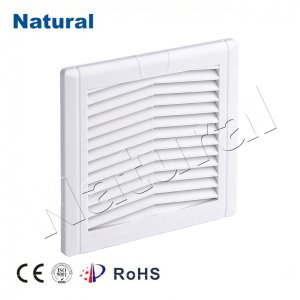
Cabinet ventilation fan filters play a pivotal role in ensuring the longevity and effectiveness of electronic devices by facilitating proper heat dissipation and maintaining clean air circulation within cabinets. These filters are designed to extract hot air generated by electronic components and replace it with cooler external air, effectively preventing overheating. In environments where airborne particles like dust, dirt, and debris are prevalent, the inclusion of filters becomes even more crucial. These contaminants, if allowed to accumulate, can clog delicate components, impede airflow, and eventually lead to system failures. The primary function of cabinet ventilation fan filters is to create a controlled airflow that prevents the accumulation of heat within enclosures. This process not only prolongs the lifespan of electronic devices but also improves their overall efficiency. By mitigating heat-related issues, these filters contribute to stable performance and reduced maintenance costs, making them an indispensable tool for various industries such as telecommunications, manufacturing, data centers, and more. Another crucial aspect of cabinet ventilation fan filters is their ability to maintain a clean and dust-free environment within the cabinet. Dust and particulate matter can infiltrate enclosures through various openings, gradually settling on sensitive electronics. Over time, this accumulation can lead to short circuits, increased temperature, and a higher risk of malfunctions. By employing high-quality filters, companies can ensure that the air entering the cabinet is free from such contaminants, minimizing the need for frequent cleaning and reducing downtime. Selecting the right cabinet ventilation fan filter involves considering factors such as the type of environment, the amount of airflow required, and the level of filtration needed. Different industries might require different levels of protection against airborne particles. For instance, data centers, which house an extensive array of servers and networking equipment, demand filters capable of capturing even the smallest particles to maintain optimal performance and prevent data loss. It’s also worth noting that these filters are not just a one-size-fits-all solution. They come in various sizes, shapes, and materials to suit different cabinet designs and environmental conditions. Some filters use multi-layered media to capture particles of varying sizes, while others employ electrostatic charges to attract and trap contaminants. This diversity allows for tailored solutions that align with specific requirements. In conclusion, cabinet ventilation fan filters are essential components that contribute significantly to the proper functioning and longevity of electronic devices in industrial and commercial settings. By preventing overheating, maintaining optimal airflow, and ensuring a clean environment, these filters play a crucial role in preventing system failures, reducing downtime, and minimizing maintenance costs. As technology continues to advance, the role of cabinet ventilation fan filters remains vital in supporting the seamless operation of critical equipment.

The Innovations and Benefits of Cabinet Thermostats

Introduction

cabinet thermostat

In today’s rapidly evolving world, technology continues to shape and enhance various aspects of our lives. One such innovation that has gained prominence is the cabinet thermostat. This unassuming device, often overlooked, plays a crucial role in maintaining optimal conditions within enclosed spaces, offering a wide range of benefits across different industries and applications. The Functionality of Cabinet Thermostats Cabinet thermostats, also known as temperature controllers, are compact devices designed to regulate the temperature within confined spaces such as cabinets, enclosures, and small rooms. They utilize advanced sensing and control mechanisms to ensure that the temperature remains within a predefined range. These devices are especially vital in environments where temperature stability is crucial, such as electronic equipment storage, industrial processes, and scientific experiments. Precision Control for Electronic Components One of the primary applications of cabinet thermostats is in electronic equipment storage. Delicate electronic components are susceptible to temperature fluctuations, which can lead to performance issues and reduced lifespan. Cabinet thermostats play a vital role in maintaining a constant temperature, preventing overheating or chilling of sensitive electronics. This is particularly important in data centers, where servers and networking equipment generate substantial heat and require precise temperature management to ensure optimal functioning. Industrial Processes and Quality Assurance Cabinet thermostats are integral to numerous industrial processes that demand stringent temperature control. Industries such as pharmaceuticals, food production, and chemical manufacturing rely on these devices to create ideal conditions for production and storage. In pharmaceuticals, for instance, certain medications require specific temperature ranges to preserve their potency and extend shelf life. Cabinet thermostats contribute to ensuring the quality and efficacy of these products. Laboratory Research and Scientific Endeavors Scientific research often involves delicate procedures and experiments that require stable temperature environments. Cabinet thermostats offer researchers the assurance of consistent conditions, allowing for accurate and replicable results. Whether it’s studying enzyme reactions, cultivating microorganisms, or conducting material tests, these devices are invaluable tools that contribute to the advancement of various scientific fields. Energy Efficiency and Environmental Impact Beyond their immediate applications, cabinet thermostats also play a role in promoting energy efficiency. By maintaining precise temperature levels, these devices reduce the need for excessive heating or cooling, thus lowering energy consumption. This not only translates to cost savings for businesses and organizations but also contributes to a reduced carbon footprint, aligning with global efforts to mitigate climate change. Innovations and Future Prospects As technology continues to advance, cabinet thermostats are also evolving. Modern iterations incorporate smart features, remote monitoring, and integration with broader building management systems. This level of connectivity allows for real-time adjustments and data-driven insights, further enhancing their functionality and adaptability. Additionally, ongoing research into more sustainable materials and manufacturing processes is likely to make these devices even more environmentally friendly. Conclusion In conclusion, cabinet thermostats represent a remarkable fusion of technology and practicality. Their unobtrusive presence belies their significant role in maintaining optimal conditions for electronics, industrial processes, scientific research, and energy conservation. As the world continues to prioritize efficiency and sustainability, these devices are poised to play an increasingly crucial part in shaping a more technologically advanced and environmentally conscious future.