Monthly Archives: September 2023

Exploring the Functionality and Applications of Electronic Hygrostats

In today’s fast-paced technological world, maintaining optimal conditions in various environments is crucial. One key factor that often goes unnoticed but significantly impacts comfort and efficiency is humidity. Electronic hygrostats, innovative devices designed to regulate humidity levels, have emerged as essential tools in achieving controlled environments across a range of industries.
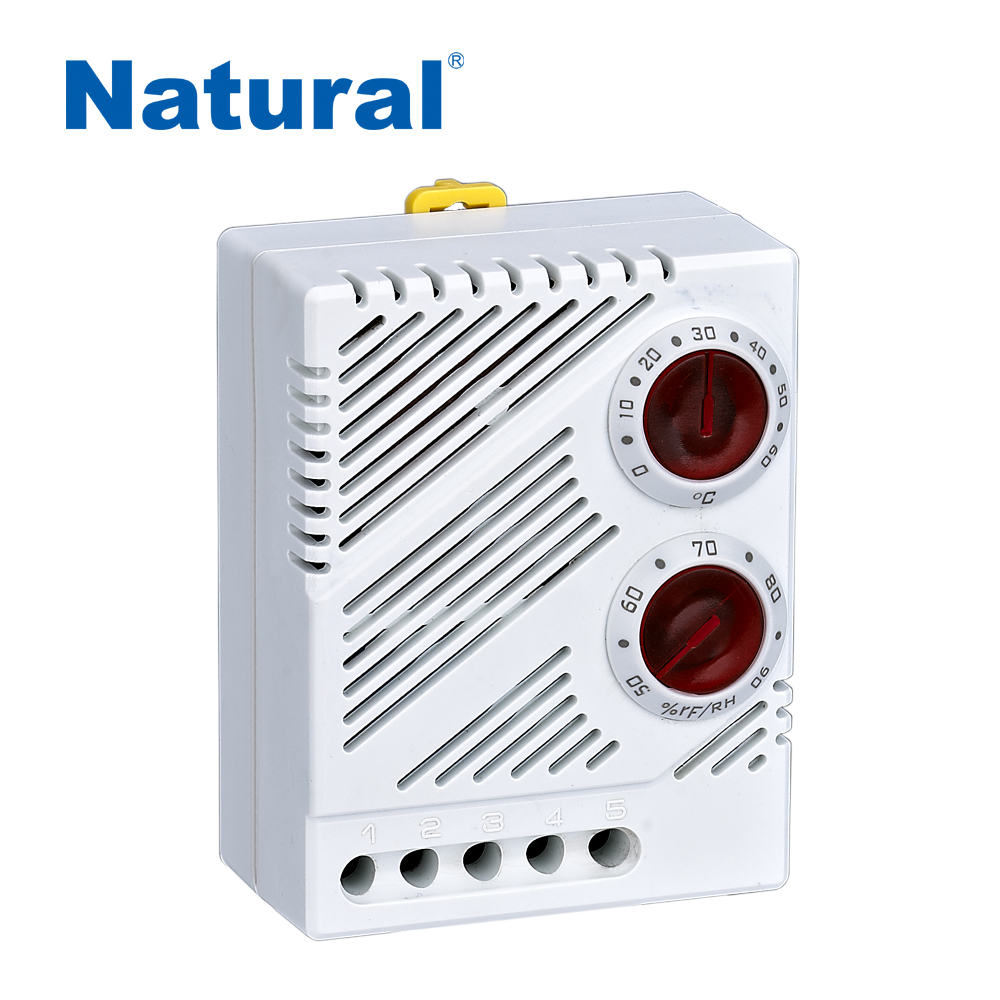
Electronic Hygrostat

An electronic hygrostat is a device that monitors and controls humidity levels within a defined space. It operates by detecting changes in humidity and activating or deactivating humidification or dehumidification systems accordingly. Unlike traditional hygrostats that rely on mechanical components, electronic hygrostats leverage advanced sensor technology to provide more accurate and precise control. The functionality of electronic hygrostats revolves around their sensors, controllers, and output systems. The heart of the device is the humidity sensor, which measures the relative humidity of the environment. This information is then sent to the controller, which compares the measured humidity level with the desired setpoint. Based on this comparison, the controller triggers the appropriate output, such as activating a humidifier when the humidity is too low or turning on a dehumidifier when the humidity is too high. The applications of electronic hygrostats span a wide range of industries, showcasing their versatility and importance. In the realm of HVAC (Heating, Ventilation, and Air Conditioning) systems, electronic hygrostats play a critical role in maintaining comfortable and healthy indoor environments. They prevent issues such as mold growth, which can be triggered by excessive humidity, and help alleviate respiratory problems caused by overly dry air. Electronic hygrostats also find their place in industries like agriculture and manufacturing. In agriculture, precise humidity control is crucial for maintaining optimal conditions for plant growth, seed germination, and storage. In manufacturing, controlling humidity is essential for processes like painting, printing, and electronics assembly, where variations in humidity can lead to defects and reduced product quality. The advantages of electronic hygrostats are manifold. Their digital nature enables more accurate and rapid adjustments compared to their mechanical counterparts. Additionally, many electronic hygrostats offer programmable features, allowing users to set customized humidity ranges and control parameters tailored to specific requirements. This adaptability is particularly valuable in environments with varying humidity needs. Another notable advantage is the integration capability of electronic hygrostats with other building management systems. They can be seamlessly incorporated into existing automation networks, allowing for centralized control and monitoring of various environmental parameters, including temperature and ventilation. As technology continues to advance, electronic hygrostats are becoming smarter and more sophisticated. Some models incorporate machine learning algorithms that analyze historical humidity data and predict future trends, enabling proactive adjustments before issues arise. This predictive capability can save energy, reduce equipment wear and tear, and improve overall system efficiency. In conclusion, electronic hygrostats are pivotal devices for maintaining optimal humidity levels in diverse settings. Their advanced sensor technology, precise control mechanisms, and integration capabilities make them indispensable tools in industries ranging from HVAC to agriculture and manufacturing. As we prioritize comfort, health, and efficiency, electronic hygrostats stand as a testament to the power of technology in creating controlled environments that enhance our quality of life.
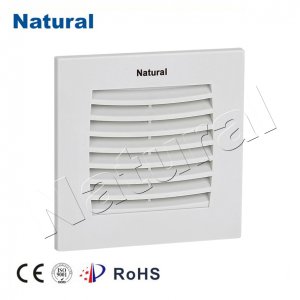
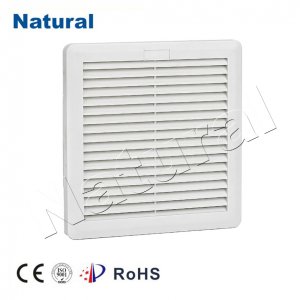
Enhancing Electrical Panel Performance with Fan Filters

Introduction

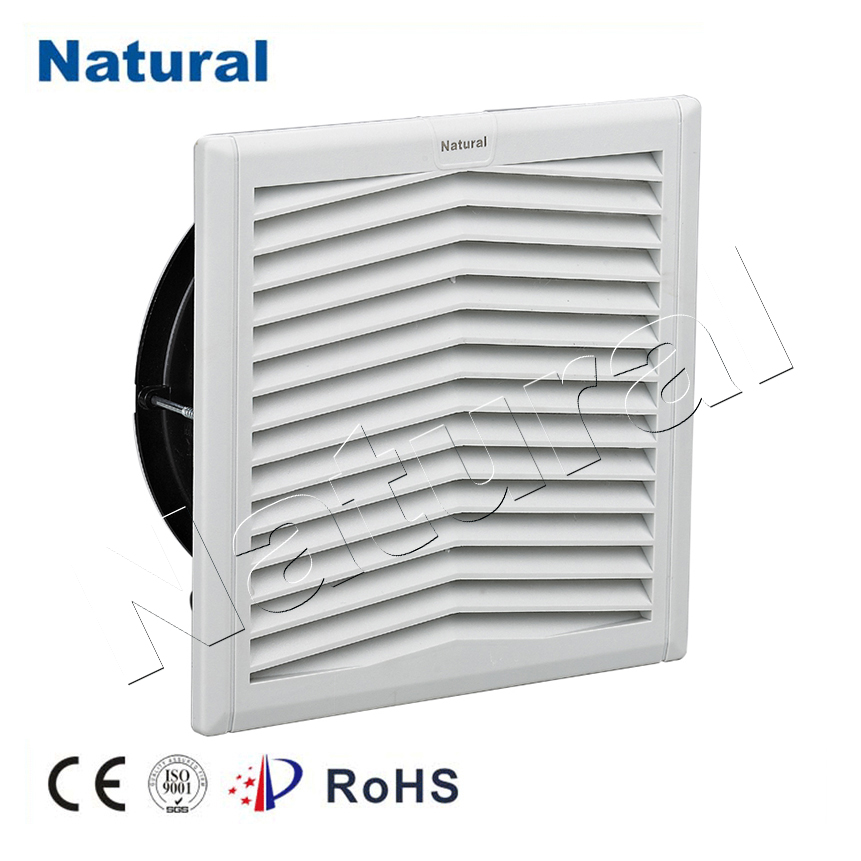
electrical panel fan filter

Electrical panels play a critical role in distributing and controlling power within various industrial and residential settings. These panels house an array of components that generate heat during operation. To ensure the optimal performance and longevity of these panels, maintaining an appropriate operating temperature is essential. One effective way to achieve this is by integrating fan filters into electrical panel designs. In this article, we will explore the significance of electrical panel fan filters and how they contribute to the overall efficiency and reliability of electrical systems. The Importance of Temperature Regulation Electrical panels consist of intricate circuits, breakers, and other components that generate heat as electricity flows through them. Excessive heat can lead to accelerated wear and tear, reduced component lifespan, and even system failures. To prevent such issues, maintaining a stable operating temperature is crucial. Fan filters play a vital role in this aspect by facilitating proper airflow and heat dissipation. Enhanced Airflow and Heat Dissipation Fan filters are specifically designed to promote optimal airflow within electrical panels. By drawing in cooler air from the surroundings and expelling hot air generated by the components, fan filters help maintain a balanced internal temperature. This continuous exchange of air prevents heat buildup and ensures that the components operate within their recommended temperature ranges. As a result, electrical panels equipped with fan filters are more likely to exhibit increased efficiency and reliability. Dust and Contaminant Mitigation In industrial environments, electrical panels are susceptible to accumulating dust, dirt, and other contaminants. The presence of these particles can hinder airflow, impede heat dissipation, and even lead to short circuits or electrical malfunctions. Fan filters act as the first line of defense against such intrusions. They capture airborne particles and prevent them from entering the panel, thus safeguarding the components and promoting a cleaner internal environment. Extended Component Lifespan The implementation of fan filters goes beyond immediate temperature regulation. By ensuring proper airflow and minimizing dust buildup, fan filters contribute to prolonging the lifespan of components within the electrical panel. Cooler operating temperatures and reduced exposure to contaminants can significantly reduce wear and stress on various elements, ultimately leading to fewer instances of component failure and a longer overall panel life. Energy Efficiency and Cost Savings Efficient temperature regulation through fan filters can also result in energy savings. When electrical panels operate within their designated temperature ranges, the need for additional cooling mechanisms, such as air conditioning, is reduced. This translates to lower energy consumption and decreased operational costs. Moreover, the extended lifespan of components means fewer replacements and maintenance requirements, further contributing to cost savings over time. Installation and Maintenance Considerations Integrating fan filters into electrical panels is a relatively straightforward process. Manufacturers often offer a range of filter sizes and designs to accommodate different panel configurations. Regular maintenance, such as cleaning or replacing filters as needed, is essential to ensure their continued effectiveness. Simple maintenance routines can prevent clogs and ensure that the fan filters operate optimally, thereby preserving the panel’s performance and reliability. Conclusion Electrical panel fan filters play a pivotal role in maintaining the efficient operation of electrical systems. By facilitating proper airflow, heat dissipation, and protection against contaminants, these filters contribute to enhanced performance, extended component lifespans, and reduced energy consumption. As technology continues to advance, integrating fan filters into electrical panel designs is an intelligent and cost-effective way to ensure the reliability and longevity of critical power distribution systems.

Enhancing Efficiency and Longevity with Electrical Cabinet Filters

In the realm of electrical systems and machinery, the significance of maintaining optimal operating conditions cannot be overstated. Electrical cabinets, housing vital components like circuit boards and sensitive electronics, play a pivotal role in ensuring the smooth functioning of equipment. However, the environmental factors they encounter, such as dust, debris, and temperature fluctuations, can jeopardize their efficiency and longevity. Enter the unsung hero of these cabinets – the electrical cabinet filter. In this article, we will delve into the importance of these filters and how they contribute to the overall performance and reliability of electrical systems.

electrical cabinet filter

Electrical cabinet filters, often overlooked but essential, serve as the first line of defense against contaminants that can infiltrate the cabinets. Dust particles and airborne debris might seem innocuous, but over time, they can accumulate within the cabinets, leading to overheating, short circuits, and even system failures. By installing effective filters, these cabinets can be safeguarded against the ingress of such harmful elements, ultimately extending the lifespan of the equipment they protect. One of the primary benefits of electrical cabinet filters is their ability to maintain a controlled internal environment. These filters are designed to trap particles of various sizes, preventing them from settling on delicate components. This not only prevents potential malfunctions caused by particles interfering with circuitry but also ensures the efficient heat dissipation of the equipment. Heat generated during operation can be dissipated effectively when the cabinet’s vents are unobstructed, reducing the risk of overheating and related performance issues. In industrial settings, where machinery is often subjected to harsh environments, the importance of proper filtration becomes even more evident. Oil mist, corrosive gases, and other pollutants can wreak havoc on sensitive electronics. Specialized filters designed to capture these contaminants can help maintain a clean and safe environment within the cabinet, minimizing the risk of equipment corrosion and degradation. Moreover, electrical cabinet filters contribute to overall energy efficiency. When dust and debris accumulate within a cabinet, the cooling fans and other cooling mechanisms need to work harder to maintain the desired temperature. This not only consumes more energy but also places unnecessary stress on the equipment. By ensuring that the cabinet’s internal environment remains clean, filters enable the cooling systems to operate at their intended efficiency levels, thus reducing energy consumption and potentially extending the service life of cooling components. Selecting the appropriate filter for an electrical cabinet requires consideration of various factors, including the environment in which the equipment operates, the types of contaminants present, and the required airflow for cooling. Filters come in different types and efficiencies, ranging from simple mesh screens to high-efficiency particulate air (HEPA) filters. It’s crucial to choose a filter that strikes the right balance between filtration efficiency and airflow to prevent excessive pressure drops that could impede proper ventilation. In conclusion, electrical cabinet filters are essential components that often go unnoticed but play a vital role in maintaining the functionality, reliability, and longevity of electrical systems. By preventing the ingress of contaminants, ensuring proper heat dissipation, and contributing to energy efficiency, these filters contribute significantly to the overall performance of equipment. In the face of demanding industrial environments and rapidly evolving technology, the role of electrical cabinet filters remains as critical as ever. It’s imperative for engineers, maintenance professionals, and decision-makers to recognize their significance and invest in quality filters tailored to their specific needs.

Enhancing Indoor Air Quality with Electric Fan Filters

Introduction

electric fan filter

In an era where environmental concerns are at the forefront, the quality of the air we breathe within our homes has become an essential aspect of our well-being. Indoor air pollution is a growing concern, with various pollutants and allergens affecting our health and comfort. Fortunately, technological innovations have led to the development of electric fan filters, devices that play a crucial role in improving indoor air quality and creating healthier living environments. Understanding Electric Fan Filters Electric fan filters, also known as air purifiers, are advanced appliances designed to filter and clean the air within enclosed spaces. These devices work by drawing in air and passing it through a series of filters that capture particles such as dust, pollen, pet dander, smoke, and even microscopic pollutants. The purified air is then released back into the room, contributing to a fresher and cleaner indoor atmosphere. Key Benefits Allergen Reduction: Electric fan filters are particularly beneficial for individuals with allergies or asthma. By capturing allergens like pollen and pet dander, these filters help alleviate symptoms and create a more comfortable living environment. Smoke and Odor Removal: For those living in areas prone to pollution or experiencing indoor smoke from cooking, electric fan filters efficiently remove smoke particles and odors, ensuring the air remains clean and free from lingering smells. Dust and Particle Control: Dust accumulation is a common issue in indoor spaces, leading to respiratory problems and a less hygienic environment. Electric fan filters effectively trap dust and larger particles, reducing the need for frequent cleaning. Virus and Bacteria Filtration: In recent times, the importance of minimizing the spread of viruses and bacteria has been emphasized. Some advanced electric fan filters incorporate HEPA (High-Efficiency Particulate Air) filters, capable of capturing tiny particles, including airborne pathogens. Improved Sleep and Concentration: Clean air contributes to better sleep quality and enhanced concentration. By removing airborne irritants, electric fan filters create a conducive environment for rest and productivity. Factors to Consider When selecting an electric fan filter, several factors should be taken into account: Filter Type: Different filters are designed to target specific pollutants. HEPA filters are highly effective for particle removal, while activated carbon filters excel at eliminating odors and chemicals. Room Size: Choose a filter with an appropriate Clean Air Delivery Rate (CADR) for the size of the room you intend to use it in. Noise Level: Consider the noise level produced by the fan, especially if you plan to use the filter in a bedroom or workspace. Maintenance: Regular filter replacement or cleaning is essential for the continued efficiency of the device. Check the manufacturer’s recommendations for maintenance. Additional Features: Some filters come with features like air quality sensors, adjustable fan speeds, and timers for added convenience. Conclusion Electric fan filters have become indispensable tools for enhancing indoor air quality and creating healthier living spaces. As we become more conscious of the impact of pollutants on our well-being, investing in such technology can provide long-term benefits. From allergen reduction to virus filtration, these devices offer a range of advantages that contribute to improved respiratory health, better sleep, and overall comfort. When choosing an electric fan filter, careful consideration of factors such as filter type, room size, and maintenance will ensure that you make an informed decision to create a cleaner and more enjoyable indoor environment.

Enhancing Efficiency and Control with Electric Cabinet Thermostats

In modern industrial settings, where precision, efficiency, and safety are paramount, the role of temperature regulation cannot be understated. Electric cabinet thermostats emerge as indispensable components, playing a crucial role in maintaining optimal operating conditions for various equipment and electronics housed within cabinets. This article delves into the significance and workings of electric cabinet thermostats, exploring their benefits and applications.

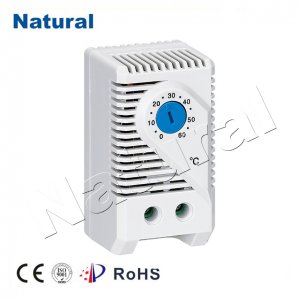
electric cabinet thermostat

Understanding Electric Cabinet Thermostats Electric cabinet thermostats are devices designed to control the temperature inside enclosed spaces such as electrical cabinets, server racks, control panels, and other similar installations. These devices operate by sensing the temperature within the confined space and triggering heating or cooling mechanisms to maintain the temperature within a specified range. Benefits of Electric Cabinet Thermostats Temperature Stability: Electric cabinet thermostats ensure that the internal temperature remains stable, preventing overheating or freezing of sensitive components. This stability contributes to enhanced equipment performance and longevity. Energy Efficiency: By activating cooling or heating systems only when necessary, these thermostats help optimize energy consumption, leading to cost savings and reduced environmental impact. Preventing Condensation: Fluctuations in temperature can lead to condensation inside cabinets, posing a risk to electronic components. Electric cabinet thermostats mitigate this risk by maintaining a consistent temperature, thus preventing moisture-related damage. Remote Monitoring and Control: Many modern electric cabinet thermostats are equipped with smart features, enabling remote monitoring and adjustment of temperature settings. This capability proves invaluable in situations where physical access is limited or impractical. Equipment Longevity: Electronics and machinery perform optimally within specific temperature ranges. By ensuring these conditions, electric cabinet thermostats contribute to prolonged equipment lifespan and reduced maintenance needs. Applications of Electric Cabinet Thermostats Industrial Automation: Electric cabinet thermostats are extensively used in manufacturing facilities to regulate temperatures inside control cabinets housing automation equipment. Stable temperatures enhance the reliability and efficiency of automated processes. Data Centers: Server racks generate substantial heat, and efficient cooling is crucial to prevent equipment malfunction. Electric cabinet thermostats help maintain ideal temperatures within server cabinets, optimizing data center performance. Telecommunications: Network equipment, routers, and switches are often enclosed in cabinets. Thermostats ensure that these components operate within their recommended temperature ranges, minimizing downtime and signal disruptions. Medical Equipment: Sensitive medical instruments and diagnostic devices require precise temperature control. Electric cabinet thermostats provide the necessary environment for accurate and consistent medical measurements. Outdoor Installations: Electric cabinet thermostats are employed in outdoor installations as well, where they protect equipment from extreme temperature variations, humidity, and other environmental factors. Installation and Considerations When implementing electric cabinet thermostats, certain factors must be taken into account: Positioning: Proper placement of the thermostat sensor is critical to accurate temperature measurement. It should be strategically located to reflect the average temperature of the enclosed space. Temperature Range: Select a thermostat model that suits the required temperature range for your application. Some thermostats offer adjustable temperature settings, while others have fixed ranges. Wiring and Power: Ensure correct wiring and power supply for the thermostat. Many thermostats are designed for easy integration into existing electrical systems. Maintenance: Regular maintenance, including cleaning and calibration checks, ensures the thermostat’s continued accuracy and reliability. In Conclusion Electric cabinet thermostats serve as indispensable tools in maintaining optimal operating conditions for a wide range of industrial and electronic equipment. By providing temperature stability, energy efficiency, and remote control capabilities, these devices contribute to enhanced equipment performance, longevity, and safety. As technology continues to advance, electric cabinet thermostats are poised to play an even more significant role in shaping the future of industrial processes and electronic equipment management.

Embracing Comfort and Efficiency: The Electrifying Innovation of Electric Space Heaters

Introduction

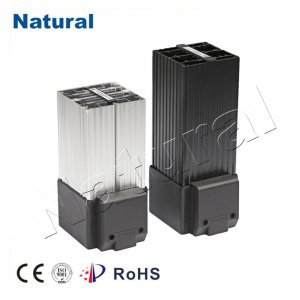
electr space heater

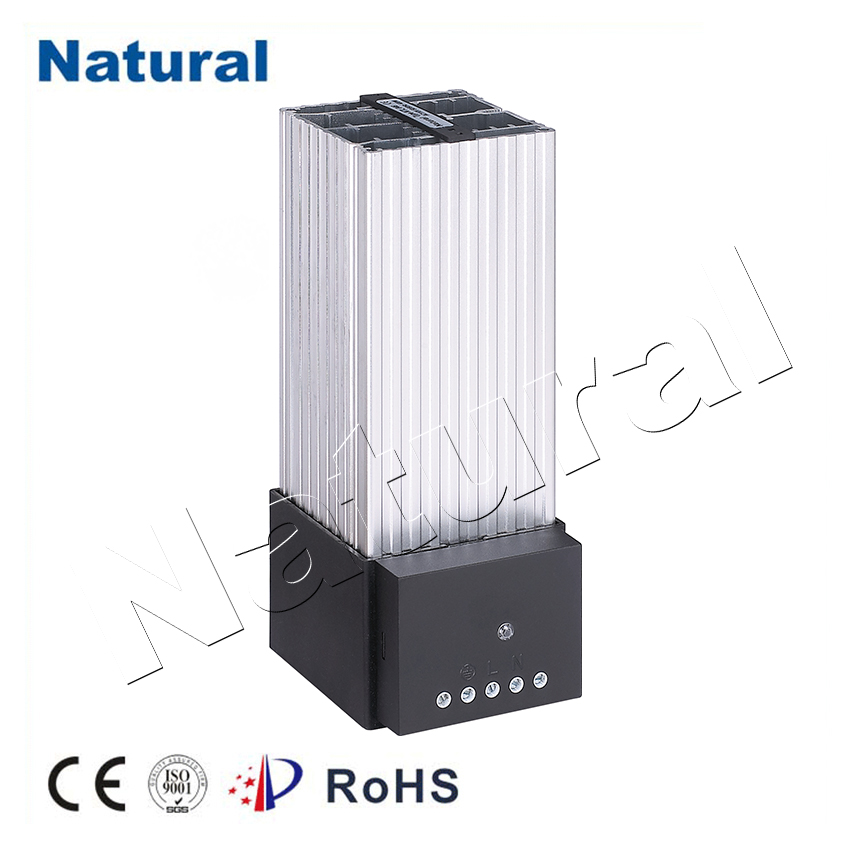
In the ever-evolving landscape of home comfort and energy efficiency, electric space heaters have emerged as a game-changing innovation. These compact and versatile devices have revolutionized the way we stay warm during chilly seasons while making significant strides towards sustainability. This article delves into the fascinating world of electric space heaters, exploring their benefits, technologies, and environmental impact. Efficiency Redefined Electric space heaters have redefined efficiency in the realm of home heating. Unlike traditional heating systems that involve extensive ductwork and heat loss, electric space heaters deliver direct warmth to targeted areas, minimizing energy wastage. They operate without the need for fuel combustion, eliminating the associated emissions and safety concerns. This efficiency translates to cost savings for consumers and a reduced carbon footprint for the planet. Technological Advancements Recent years have witnessed remarkable technological advancements in electric space heaters. Modern units are equipped with programmable thermostats, allowing users to precisely control temperature settings and create personalized heating schedules. The integration of smart technology has taken these heaters a step further, enabling remote control and compatibility with home automation systems. As a result, users can effortlessly optimize their heating preferences while minimizing energy consumption. Sustainability at Its Core One of the most noteworthy attributes of electric space heaters is their inherent sustainability. Powered by electricity, they can tap into renewable energy sources such as solar or wind power, further reducing their environmental impact. Additionally, their zone heating capabilities prevent unnecessary heating of unoccupied rooms, conserving energy in the process. By minimizing energy waste and promoting efficient heating, electric space heaters contribute significantly to a greener future. Safety First Safety is paramount when it comes to heating devices, and electric space heaters excel in this aspect. Traditional heaters pose risks such as carbon monoxide emissions, open flames, and fuel leaks. Electric space heaters, on the other hand, operate without combustion and have built-in safety features like tip-over switches and overheating protection. This makes them a safer choice for households, particularly those with children and pets. Customized Comfort Electric space heaters offer a personalized and adaptable heating solution. Their portability allows users to place them wherever heat is needed most, whether it’s the living room, bedroom, or home office. This customization ensures that occupants can tailor their comfort experience to match their preferences, thereby enhancing overall well-being during colder months. Considerations and Recommendations While electric space heaters bring a multitude of benefits, it’s important to consider a few factors before selecting the right unit. Room size, power output, and energy efficiency ratings should all be taken into account. Regular maintenance, such as dusting and proper storage during off-seasons, will also extend the lifespan of the heater. For optimal results, it’s advisable to combine the use of electric space heaters with effective insulation and other energy-saving practices. Conclusion Electric space heaters have ushered in a new era of efficient, sustainable, and personalized home heating. Their technological prowess, combined with their commitment to safety and environmental responsibility, makes them an indispensable addition to modern households. As we continue to seek ways to enhance comfort while treading lightly on the planet, electric space heaters stand out as a shining example of innovation in action. Embracing these electrifying marvels means not only enjoying a cozy abode but also contributing to a brighter, greener future for all.

Embracing Comfort and Warmth: The Electrifying Advantages of an Electric Fan Heater

Introduction

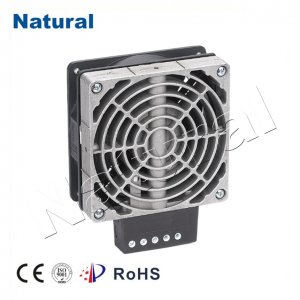
electr fan heater

As the chill of winter envelops us, the quest for warmth and comfort becomes paramount. In the realm of home appliances, the electric fan heater emerges as a dependable companion, adept at swiftly dispelling the cold and ushering in cozy ambiance. With its advanced technology and versatile features, the electric fan heater has secured its place as an essential tool for battling the frigid temperatures. Efficient Heating Technology At the heart of the electric fan heater’s prowess lies its efficient heating technology. These devices are equipped with a powerful electric heating element that rapidly warms the surrounding air. The moment you turn it on, you can feel the immediate surge of warmth, providing quick relief from the biting cold. Unlike traditional heaters, which often require substantial time to generate heat, the electric fan heater is a master of expediency. Targeted Heating and Portability One of the standout features of the electric fan heater is its ability to provide targeted heating. Thanks to its compact design and adjustable settings, you can direct the flow of warm air precisely where it’s needed most. Whether you’re working at your desk, lounging on the couch, or even enjoying a meal, the electric fan heater ensures that you remain comfortably warm without overheating the entire room. Its portability further enhances its convenience, allowing you to move it effortlessly from room to room. Safety First Modern electric fan heaters are engineered with an array of safety features that grant peace of mind while basking in their warmth. Overheating protection ensures that the device automatically shuts off if it reaches unsafe temperature levels, preventing potential accidents. Additionally, many models come with tip-over protection, instantly disabling the heater if it’s accidentally knocked over. These safety measures make the electric fan heater an ideal choice for households with children or pets. Energy Efficiency In an era of increasing environmental consciousness, energy efficiency stands as a paramount consideration. Electric fan heaters excel in this regard, consuming minimal energy while delivering maximum heat output. Their rapid heating capabilities contribute to reduced usage times, further conserving electricity. By opting for an electric fan heater, not only do you stay warm, but you also contribute to a greener planet by reducing your carbon footprint. Quiet Operation Gone are the days of noisy heaters disrupting your peace and quiet. Electric fan heaters operate with minimal noise, allowing you to work, relax, or sleep undisturbed. Their quiet performance ensures that you can enjoy the soothing warmth without the constant hum that often accompanies traditional heating systems. Customizable Comfort Modern electric fan heaters come equipped with an array of customizable features, putting you in complete control of your comfort. Adjustable thermostat settings enable you to fine-tune the temperature to your liking, ensuring that you remain snug without becoming uncomfortably hot. Some models even offer oscillation functions, evenly distributing warmth throughout the space for a consistent and cozy environment. Conclusion In the realm of home heating solutions, the electric fan heater reigns supreme with its efficient technology, portability, safety features, and energy efficiency. As the cold season approaches, embracing the warmth and comfort offered by this remarkable appliance becomes an enticing proposition. The electric fan heater not only provides respite from the cold but does so with convenience, eco-friendliness, and a touch of modern sophistication. So, take the plunge and let the electric fan heater transform your living spaces into havens of coziness and relaxation.

Exploring the Benefits of Electric Air Heaters

Introduction

electr air heater

In the realm of heating solutions, electric air heaters have emerged as a modern and efficient alternative. These innovative devices have revolutionized the way we control indoor temperatures, offering a myriad of benefits that cater to both residential and commercial needs. This article delves into the world of electric air heaters, exploring their features, advantages, and environmental impact. Efficiency and Precision Electric air heaters have gained popularity due to their exceptional efficiency and precision in heating. Unlike traditional heating systems that rely on combustion or fuel, electric air heaters utilize electricity to generate heat, eliminating the need for fuel storage or combustion processes. This inherent simplicity results in higher energy conversion rates and reduced energy wastage. Moreover, electric air heaters offer precise temperature control, allowing users to maintain their desired indoor climate with minimal fluctuations. Integrated thermostats and advanced control systems enable accurate adjustments, ensuring optimal comfort and energy savings. Whether in residential spaces or industrial settings, this precise control contributes to better overall heating management. Clean and Eco-Friendly Operation One of the standout features of electric air heaters is their clean and eco-friendly operation. Since these heaters do not burn fossil fuels, they produce no emissions such as carbon monoxide, nitrogen oxides, or particulate matter. This characteristic not only enhances indoor air quality but also reduces the environmental footprint, making electric air heaters a responsible choice for a sustainable future. Installation Versatility Electric air heaters offer remarkable installation versatility. They can be easily integrated into existing heating systems or used as standalone units, making them adaptable to various setups and requirements. Their compact size and flexibility in installation ensure that they can be strategically placed to maximize heat distribution and efficiency. Quiet Operation Compared to some traditional heating systems that involve fans, blowers, or other mechanical components, electric air heaters are known for their quiet operation. This is particularly advantageous for spaces where a serene environment is essential, such as bedrooms, offices, and libraries. The absence of noisy machinery contributes to a peaceful atmosphere while maintaining a comfortable temperature. Cost-Effectiveness Electric air heaters also prove to be cost-effective in the long run. Although the initial investment might be higher than some conventional heating systems, the operational and maintenance costs are typically lower. With proper usage and maintenance, electric air heaters can provide reliable heating for extended periods without the need for frequent repairs or replacements. Integration with Smart Technology As technology advances, so do the capabilities of electric air heaters. Many modern electric air heaters can be integrated with smart home systems, allowing users to control and monitor their heating remotely. Through smartphone apps or voice assistants, users can adjust temperatures, set schedules, and optimize energy consumption, enhancing both convenience and energy efficiency. Conclusion The evolution of heating technology has brought forth electric air heaters as a remarkable innovation in the field. With their efficiency, precision, eco-friendliness, versatility, and integration possibilities, these heaters offer a holistic heating solution for a wide range of applications. As society strives for more sustainable and efficient heating options, electric air heaters stand as a testament to human ingenuity in creating comfortable spaces while minimizing environmental impact.

The Dual Thermostat: Optimizing Comfort and Energy Efficiency

In the ever-evolving landscape of home automation and energy conservation, the dual thermostat has emerged as a remarkable innovation, seamlessly combining comfort and efficiency. As concerns about climate change and rising energy costs continue to grow, finding ways to strike a balance between staying comfortable and reducing energy consumption has become increasingly vital. The dual thermostat, a smart and adaptable device, has risen to the challenge, revolutionizing the way we control our indoor environments.

Dual Thermostat

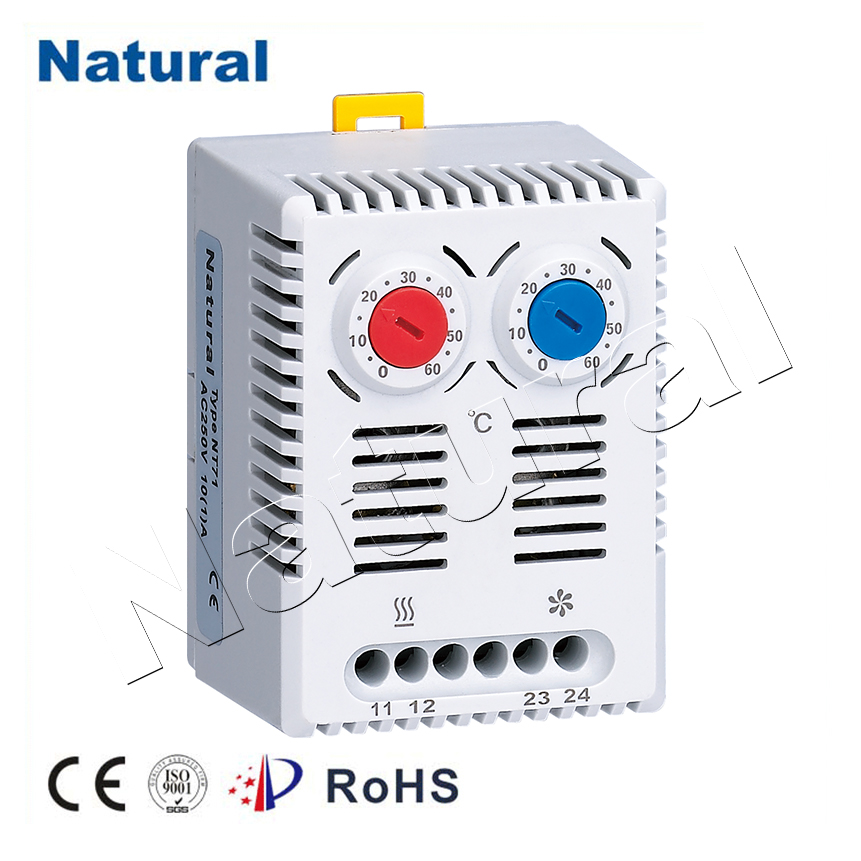
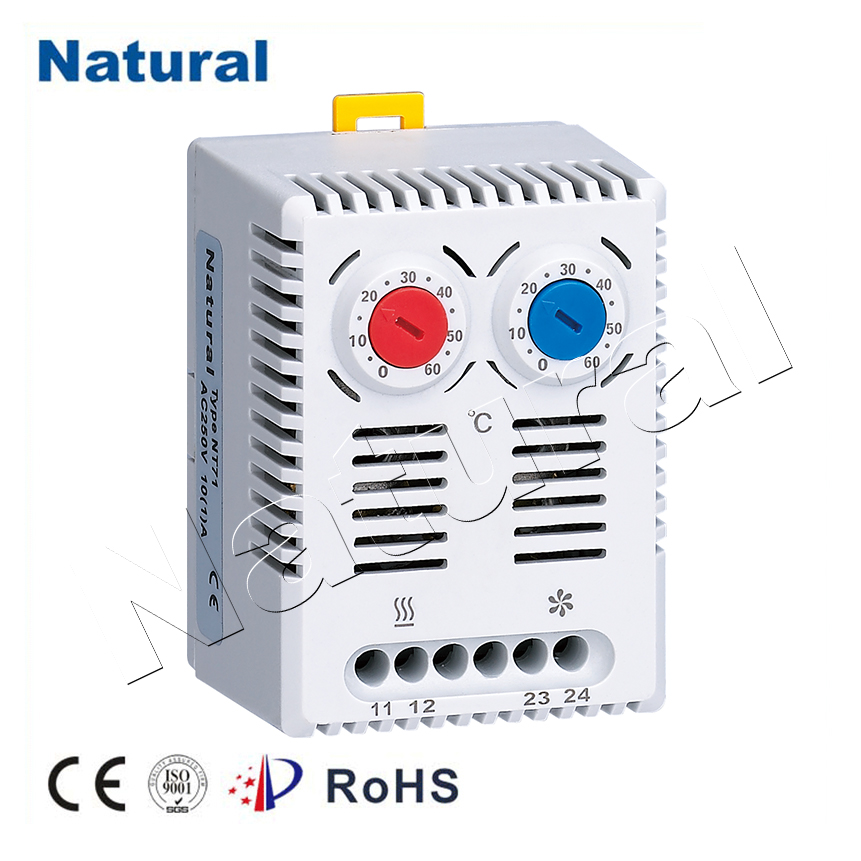
At its core, a dual thermostat consists of two distinct temperature sensors that operate in tandem to regulate heating and cooling systems. This innovative design takes advantage of both local and central temperature measurements, allowing for precise and responsive adjustments. The local sensor, often placed in the room where the thermostat is installed, ensures that the immediate environment is maintained at the desired temperature. Meanwhile, the central sensor, typically situated in a more central part of the home, provides a broader perspective of overall temperature conditions. The benefits of a dual thermostat are manifold. Firstly, it significantly enhances comfort levels. By considering both local and central temperature data, the thermostat can effectively minimize temperature discrepancies between different areas of the home. This eliminates the common issue of certain rooms being too hot or too cold while the thermostat is set to a single temperature. Imagine being able to enjoy the perfect temperature in your living room without freezing in the bedroom or sweltering in the kitchen. Moreover, the dual thermostat plays a pivotal role in energy efficiency. Traditional thermostats often result in overworking HVAC systems, as they focus solely on local conditions and might lead to excessive heating or cooling. In contrast, the dual thermostat’s ability to analyze central temperature trends prevents unnecessary energy consumption. The system can make informed decisions about when and how much to adjust heating or cooling, thus reducing the overall energy usage and lowering utility bills. One of the standout features of the dual thermostat is its adaptability. Modern versions of this technology are often equipped with smart learning algorithms that can memorize and predict user preferences over time. This means that the thermostat will learn when to adjust the temperature based on your daily routines and behaviors. If you tend to lower the temperature during the night, the thermostat will anticipate this and make the necessary changes automatically, sparing you from having to program it repeatedly. Furthermore, the integration of dual thermostats into smart home ecosystems has opened up new possibilities for energy management. Users can control their thermostats remotely through smartphone apps, ensuring that the home is comfortable upon their arrival. Additionally, these systems can be synchronized with other smart devices, such as window shades or ceiling fans, to further optimize energy usage and comfort. In conclusion, the dual thermostat represents a significant advancement in the quest for harmonizing indoor comfort with energy efficiency. By harnessing the power of two temperature sensors and incorporating intelligent algorithms, this innovative technology has proven itself capable of providing optimal comfort while reducing energy consumption. As our awareness of environmental issues grows, adopting such energy-efficient solutions will undoubtedly play a pivotal role in shaping a more sustainable future for generations to come.

Enhancing Comfort and Efficiency with Dual Thermostats

In today’s rapidly evolving world of technology, even the most mundane household appliances are getting a high-tech makeover. One such innovation that has taken the realm of home comfort by storm is the dual thermostat. Designed to offer both enhanced comfort and energy efficiency, the dual thermostat is revolutionizing the way we control the temperature in our homes.

dual thermostat

Traditional thermostats have served us well for decades, allowing us to adjust the temperature to our liking. However, they often come with limitations, such as uneven heating or cooling in different areas of the house. This is where the dual thermostat steps in, offering a solution to these problems. At its core, a dual thermostat is a system that divides your home into different zones, each with its own thermostat. This enables you to set different temperatures for different areas, ensuring that everyone’s preferences are met. For instance, if you prefer a cooler sleeping environment while others in the house prefer a warmer living room, a dual thermostat system can accommodate these differences simultaneously. One of the standout features of a dual thermostat system is its ability to optimize energy usage. Traditional single thermostats tend to heat or cool the entire house to the same temperature, even if certain rooms are rarely used. This results in wastage of energy and unnecessary costs. In contrast, a dual thermostat system allows you to direct heating or cooling only to the areas that are in use. This targeted approach can lead to substantial energy savings over time, making it an eco-friendly choice for your home. Moreover, dual thermostats often come equipped with smart technology, allowing you to control the temperature remotely through your smartphone or other devices. This means that if you’re heading home early on a particularly chilly day, you can adjust the temperature to your liking before you even walk through the door. Conversely, if you’re leaving for an extended period, you can dial down the thermostat to save energy until you return. The installation of a dual thermostat system may initially come with a higher upfront cost compared to a traditional thermostat. However, the long-term benefits can far outweigh this initial investment. The energy savings alone can lead to a noticeable reduction in utility bills, and the enhanced comfort can improve your overall quality of life. In addition to personal residences, dual thermostat systems have gained popularity in commercial settings as well. Offices, hotels, and other multi-room establishments can greatly benefit from the ability to customize temperatures for different zones. This not only caters to individual preferences but also creates a more productive and comfortable environment for everyone. In conclusion, the dual thermostat is a significant leap forward in the world of home comfort and energy efficiency. Its ability to create personalized temperature zones, coupled with its energy-saving features, makes it a compelling choice for modern homeowners. As technology continues to advance, we can only anticipate further refinements and innovations in the realm of thermostat systems, ultimately leading us to more sustainable and comfortable living spaces.