Monthly Archives: September 2023

Advantages of Choosing a Fan Filter OEM Manufacturer

In the realm of industrial equipment and electronic devices, proper ventilation and air filtration play a critical role in ensuring optimal performance and longevity. One crucial component that contributes to this functionality is the fan filter unit (FFU). When considering the procurement of FFUs, opting for an Original Equipment Manufacturer (OEM) holds several significant advantages that can positively impact your operations.
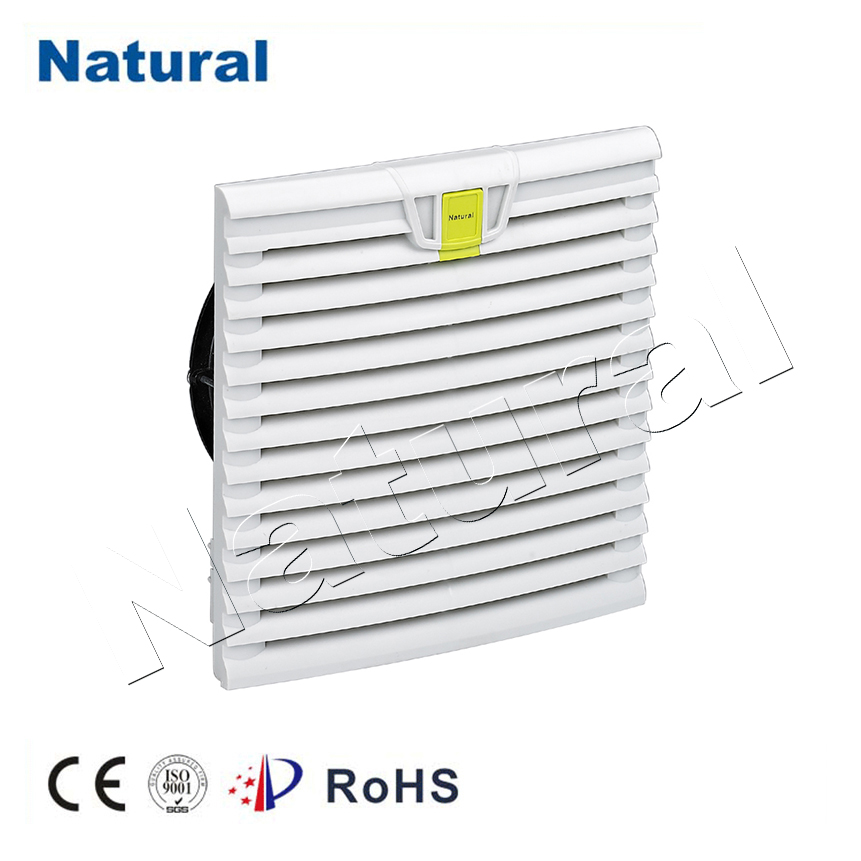
Fan Filter OEM Manufacturer

An OEM manufacturer is a company that designs and produces components used in other companies’ products, often under those companies’ brands. In the context of fan filters, collaborating with an OEM manufacturer offers distinct benefits. Customization and Tailored Solutions:OEM manufacturers are adept at providing tailored solutions to meet specific requirements. Whether it’s a unique size, airflow rate, or filtration efficiency needed for a particular application, an OEM can design and produce FFUs that align precisely with your specifications. This level of customization ensures a seamless integration into your equipment, optimizing its overall performance. Expertise and Experience:Fan filter OEM manufacturers possess in-depth knowledge and expertise in the field. Their experience in designing and producing a wide range of filtration solutions equips them to recommend the most suitable FFU design for your specific needs. By leveraging their understanding of filtration technologies and industry trends, you can benefit from cutting-edge solutions that enhance the efficiency and reliability of your equipment. Quality Assurance:Collaborating with an OEM manufacturer ensures consistent quality across your FFU procurement. Established OEMs adhere to rigorous quality control standards throughout the production process. This commitment to quality translates into durable and reliable FFUs that contribute to the smooth operation of your devices or systems. Cost-Effectiveness:While there might be upfront costs associated with working with an OEM manufacturer, the long-term benefits often outweigh the initial investment. Customized FFUs that integrate seamlessly into your equipment can lead to reduced maintenance requirements and lower operational costs over time. Additionally, the expertise of an OEM can help you avoid costly design errors and compatibility issues. Timely Delivery and Support:OEM manufacturers understand the importance of timely delivery to meet project deadlines. Their streamlined production processes and efficient supply chain management enable them to provide on-time delivery of FFUs. Furthermore, reputable OEMs offer technical support and after-sales service, ensuring that you have the necessary assistance throughout the lifespan of your equipment. Innovation and Future-Proofing:Staying competitive in today’s rapidly evolving industrial landscape requires innovation. OEM manufacturers are often at the forefront of technological advancements in filtration and ventilation. By collaborating with an OEM, you can access innovative solutions that keep your equipment up-to-date, enhancing its performance and extending its lifespan. In conclusion, the decision to partner with a fan filter OEM manufacturer offers numerous advantages that contribute to the efficiency, reliability, and cost-effectiveness of your industrial equipment or electronic devices. From tailored solutions and expertise to quality assurance and innovation, OEM manufacturers are well-equipped to provide the optimal fan filter units that align with your specific needs. By choosing an OEM, you are not only investing in high-quality components but also ensuring the long-term success of your projects.
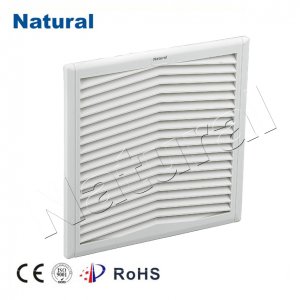
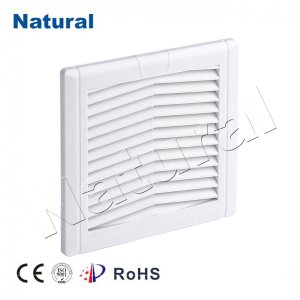
Innovating Air Quality Solutions: The Role of a Fan Filter ODM Manufacturer

In today’s rapidly evolving world, where environmental concerns are at the forefront of societal consciousness, the demand for innovative air quality solutions has never been greater. One key player in meeting this demand is the Fan Filter Original Design Manufacturer (ODM). With their expertise in engineering and customization, these manufacturers play a pivotal role in designing, developing, and producing cutting-edge fan filter solutions that contribute to healthier indoor environments and improved overall well-being.

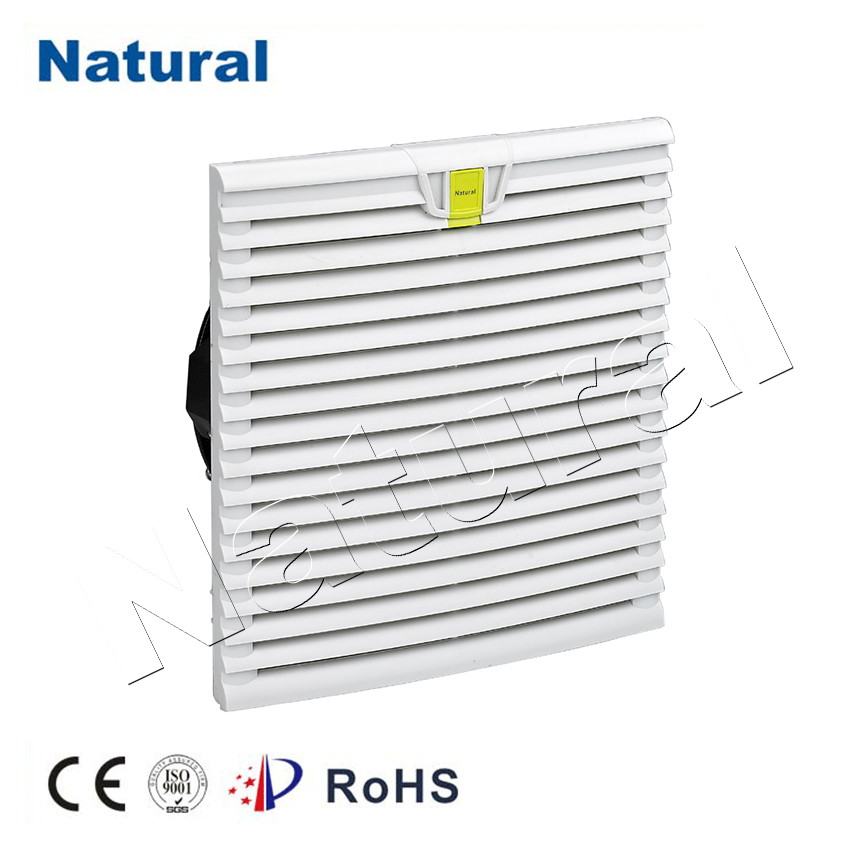
Fan filter ODM manufacturer

The Essence of Fan Filter ODM Manufacturers Fan Filter ODM manufacturers are the unsung heroes behind the scenes, providing essential components that enhance air quality across various industries, including commercial, residential, healthcare, and industrial sectors. Their comprehensive understanding of air filtration systems, coupled with advanced technological capabilities, enables them to create tailor-made solutions that cater to diverse needs. Customization: Catering to Unique Requirements One of the standout features of Fan Filter ODM manufacturers is their ability to customize solutions according to the specific requirements of their clients. Whether it’s an intricate ventilation system for a hospital’s sterile environment or an energy-efficient air filtration system for a large office space, these manufacturers possess the skill and knowledge to adapt and innovate. Through close collaboration with clients, Fan Filter ODM manufacturers can assess the environmental conditions, air quality standards, and spatial limitations to design a filtration system that optimally addresses the challenges at hand. This tailored approach ensures that the final product not only meets but often exceeds expectations, resulting in improved air quality and overall operational efficiency. Technological Innovation: Pioneering the Future At the heart of every exceptional fan filter solution lies cutting-edge technology. Fan Filter ODM manufacturers are at the forefront of technological innovation, consistently exploring new materials, design concepts, and manufacturing techniques. Their commitment to research and development empowers them to create filters that are not only effective in removing pollutants but also energy-efficient and durable. Advanced computational modeling and simulation tools allow Fan Filter ODM manufacturers to optimize the design and performance of their products before they even reach the production stage. This iterative approach minimizes the need for costly physical prototypes and accelerates the development process, enabling quicker delivery of solutions to the market. Sustainability: A Greener Future In an era where sustainability is a global priority, Fan Filter ODM manufacturers are embracing eco-friendly practices in their operations. By integrating sustainable materials, designing energy-efficient systems, and focusing on product longevity, these manufacturers contribute to reducing the environmental impact of air filtration solutions. Moreover, the commitment to sustainability extends beyond the products themselves. Fan Filter ODM manufacturers often employ environmentally responsible manufacturing processes, waste reduction strategies, and recycling initiatives, further reinforcing their dedication to a greener future. Conclusion In the grand symphony of air quality improvement, Fan Filter ODM manufacturers compose a harmonious melody of innovation, customization, technology, and sustainability. Their behind-the-scenes efforts have a profound impact on the air we breathe, the spaces we inhabit, and the overall quality of our lives. As we continue to navigate the challenges of a rapidly changing world, the role of Fan Filter ODM manufacturers remains vital, reminding us that the pursuit of cleaner, healthier air is a collaborative endeavor driven by expertise, dedication, and a shared vision of a better tomorrow.

The Innovations and Importance of Fan Filter Manufacturers

In the intricate world of industrial and electronic equipment, a quiet yet crucial hero stands out: the fan filter. Fan filters, often overlooked, play a vital role in maintaining the efficient operation of electronic devices by keeping dust, dirt, and other contaminants at bay. At the heart of this indispensable component are dedicated fan filter manufacturers, who continuously innovate to ensure the smooth functioning and longevity of various systems.

fan filter manufacturer

In recent years, the technological landscape has witnessed remarkable advancements. From the ever-smaller yet more powerful microprocessors to the sleek and energy-efficient industrial machines, the demand for reliable cooling systems has surged. This is where fan filter manufacturers step in. Their relentless pursuit of innovation has led to the development of cutting-edge solutions that address the challenges posed by these rapidly evolving technologies. One of the key areas in which fan filter manufacturers excel is filtration efficiency. As electronic components become more delicate and prone to damage, the need for effective particle filtration becomes paramount. Manufacturers have responded by engineering fan filters with finer mesh sizes, enabling them to capture even the tiniest particles while maintaining optimal airflow. This balance between filtration and airflow is a testament to the meticulous craftsmanship that goes into every fan filter produced. Moreover, fan filter manufacturers have embraced the principles of sustainability and environmental responsibility. In an era of heightened awareness about ecological issues, these manufacturers have transitioned towards using eco-friendly materials in their products. Biodegradable plastics and recyclable materials have found their way into fan filter designs, reducing the environmental footprint of both production and disposal. Reliability is the cornerstone of fan filter manufacturing. Industrial and electronic systems often operate in demanding environments, where failure could lead to substantial downtime and financial losses. Fan filter manufacturers recognize this and have responded by subjecting their products to rigorous testing procedures. Temperature extremes, humidity variations, and exposure to chemical agents are just some of the conditions these filters are subjected to, ensuring that they perform flawlessly when it matters most. In the realm of electronics, size matters. With devices becoming increasingly compact, fan filter manufacturers have risen to the challenge of creating ultra-slim filters that can fit seamlessly into tight spaces. These miniature marvels not only provide exceptional filtration but also contribute to the overall aesthetics and design of the equipment. Collaboration is another key aspect that defines fan filter manufacturers. They work closely with designers, engineers, and end-users to tailor solutions that meet specific requirements. Whether it’s a custom filter for a unique application or a standard filter for widespread use, manufacturers are committed to providing products that align with the needs of their clients. In conclusion, the world of fan filter manufacturing is a realm of innovation, precision, and collaboration. These unsung heroes ensure the reliability and longevity of our electronic systems by keeping them cool and free from contaminants. From advancements in filtration efficiency to a dedication to sustainability, fan filter manufacturers continue to drive progress in the ever-evolving landscape of technology. So, the next time you power up your electronic device and enjoy its seamless operation, remember the silent contribution of fan filter manufacturers, whose ingenuity and craftsmanship make it all possible.

Enhancing Air Quality and Performance with Fan Filters

In our modern world, where air pollution and indoor contaminants have become growing concerns, the importance of clean and fresh air cannot be overstated. One remarkable solution that has emerged to address this issue is the fan filter. Fan filters are ingenious devices designed to improve air quality, enhance system performance, and contribute to a healthier environment. In this article, we delve into the significance of fan filters and their various applications.

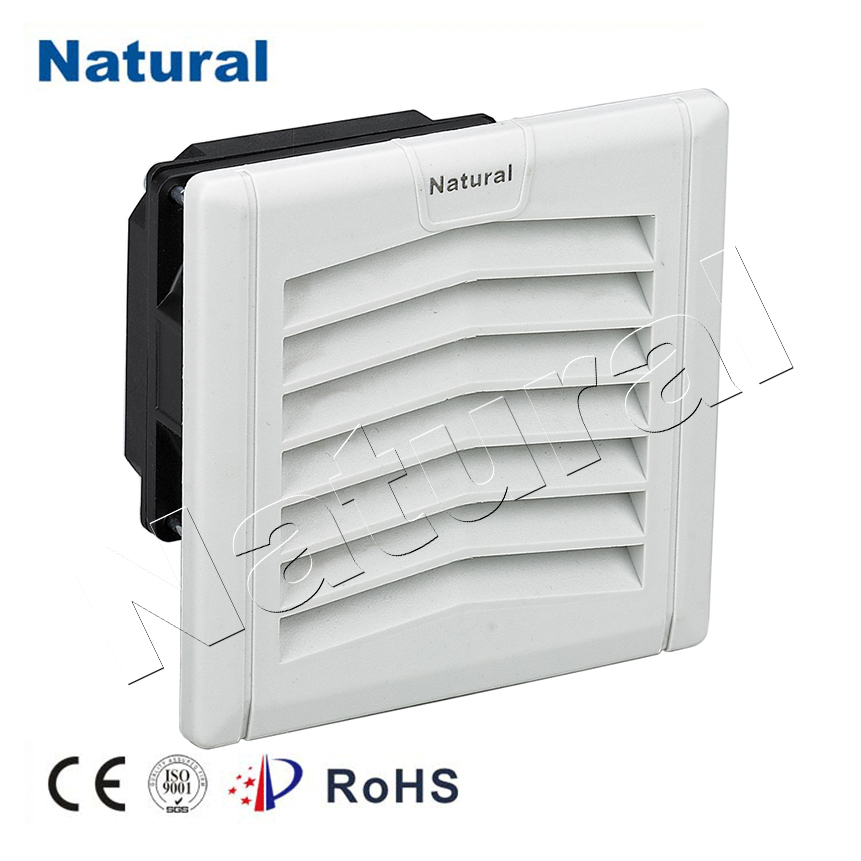
fan filter

Understanding Fan Filters A fan filter is a mechanical accessory employed in ventilation and air conditioning systems. Its primary function is to capture and remove airborne particles and pollutants from the air passing through it. Fan filters work by employing a combination of physical and chemical mechanisms, effectively reducing dust, pollen, bacteria, and other harmful particles present in the air. By preventing these contaminants from entering a space or equipment, fan filters contribute to better indoor air quality and promote a healthier living or working environment. Benefits of Fan Filters Improved Air Quality:One of the most evident advantages of using fan filters is the substantial improvement in air quality. By capturing particles that can trigger allergies and respiratory problems, fan filters create an environment that is more comfortable and safer for occupants. Extended Equipment Lifespan:Fan filters also play a vital role in maintaining the longevity of various equipment, such as computers, electronics, and machinery. By preventing dust and debris from accumulating on sensitive components, fan filters ensure efficient operation and reduce the risk of overheating. Enhanced System Performance:Clean air is essential for optimal performance. Fan filters help maintain consistent airflow by preventing clogs and obstructions that can hinder the efficiency of fans and other ventilation systems. This, in turn, leads to improved system performance and energy savings. Energy Efficiency:Using fan filters contributes to energy efficiency by keeping systems clean and preventing them from working harder than necessary. Clean systems require less energy to function correctly, resulting in reduced energy consumption and lower utility bills. Reduced Maintenance:With fan filters in place, the need for frequent and extensive maintenance is minimized. Regular filter replacement or cleaning is a straightforward task that significantly reduces the accumulation of dirt and dust in the system. Applications of Fan Filters Fan filters find application in various industries and settings: Residential:In homes, fan filters can be installed in heating, ventilation, and air conditioning (HVAC) systems to maintain a healthy indoor environment for families. Commercial:Offices, restaurants, and retail spaces benefit from fan filters by ensuring a clean and pleasant atmosphere for employees and customers alike. Industrial:Manufacturing facilities utilize fan filters to maintain equipment performance, prevent contamination, and create a safe working environment. Healthcare:Hospitals and clinics rely on fan filters to minimize the spread of airborne contaminants, creating a sterile environment conducive to patient recovery. Data Centers:Fan filters are essential components in data centers, protecting sensitive hardware from dust and debris that could compromise their operation. Conclusion The fan filter, a seemingly modest yet incredibly impactful invention, plays a significant role in enhancing air quality, preserving equipment, and promoting energy efficiency across various sectors. Its versatile applications underscore its importance in creating healthier and more efficient environments. As concerns about air quality and contamination continue to grow, the adoption of fan filters is set to become an even more integral part of our lives, ensuring the well-being of both individuals and technology.

Enhancing Air Quality and Equipment Longevity with Fan Filters

In today’s rapidly evolving technological landscape, electronic devices and equipment have become an integral part of our daily lives. From computers to HVAC systems, the efficient operation of these devices relies heavily on proper ventilation and cooling mechanisms. One essential component that often goes unnoticed but plays a crucial role in maintaining optimal performance is the fan filter.

fan filter

Fan Filters: Unseen Guardians of Air Quality Fan filters, though inconspicuous, are essential for maintaining the overall health of electronic equipment and the environments in which they operate. Their primary purpose is to ensure that the air drawn into the device is clean and free from dust, dirt, and other particulate matter. These contaminants, if allowed to accumulate, can impede the proper functioning of the equipment and even lead to catastrophic failures. Beyond the immediate impact on the device itself, fan filters also have a significant effect on indoor air quality. In settings like data centers, industrial facilities, and residential spaces, the circulation of dust and allergens through unfiltered fans can lead to respiratory issues and decreased overall air quality. By capturing these particles at the source, fan filters contribute to a healthier indoor environment. Benefits of Fan Filters Extended Equipment Lifespan:Dust and debris accumulation can clog delicate components, causing overheating and eventual breakdown of electronic devices. Fan filters act as a first line of defense, preventing these contaminants from entering and causing damage. This leads to longer equipment lifespans and reduced maintenance costs. Improved Performance:Unobstructed airflow is crucial for efficient cooling. Fan filters ensure that cooling mechanisms, such as heat sinks and heat pipes, can function optimally by preventing them from becoming coated in dust. This, in turn, enhances the overall performance of the device. Energy Efficiency:When cooling mechanisms are obstructed, devices often need to work harder to maintain their operating temperatures. This increased workload can lead to higher energy consumption. By keeping cooling paths clear, fan filters contribute to energy efficiency and cost savings. Environmental Benefits:Devices that operate efficiently and have extended lifespans contribute to reduced electronic waste. Fan filters play a role in promoting sustainable practices by helping to maintain the functionality of equipment over a longer period. Healthier Indoor Environments:In settings where air quality matters, such as clean rooms, laboratories, and residential spaces, fan filters contribute to better air quality by capturing allergens and pollutants. This is particularly important for sensitive environments like healthcare facilities, where airborne contaminants could pose significant risks. Choosing the Right Fan Filter Selecting the appropriate fan filter for a specific application is essential to ensure optimal performance. Factors to consider include the type of equipment, the environment in which it operates, the size of contaminants that need to be filtered, and the required airflow capacity. Additionally, the maintenance requirements of the chosen filter should be evaluated to ensure that it can be replaced or cleaned regularly without disrupting the device’s operation. Conclusion Fan filters, often overlooked but incredibly important, play a vital role in maintaining the efficiency, performance, and longevity of electronic devices. By safeguarding against dust and particulate matter, they contribute to enhanced indoor air quality and environmental sustainability. As technology continues to advance, the role of fan filters remains as relevant as ever, serving as the unsung heroes behind the scenes that keep our devices running smoothly.

Enhancing Indoor Air Quality with HEPA Filter Fan Air Ventilation System

Introduction

fan air system ventilation hepa filter

In today’s rapidly evolving world, where concerns about air pollution and its adverse effects on health are becoming more prevalent, the importance of maintaining high indoor air quality cannot be overstated. One crucial element in achieving this is the utilization of fan air ventilation systems equipped with HEPA filters. In this article, we will delve into the significance of such systems and explore how they contribute to creating healthier and safer indoor environments. The Role of Fan Air Ventilation Systems Fan air ventilation systems play a pivotal role in ensuring proper air circulation within enclosed spaces, such as homes, offices, and commercial buildings. They help expel stagnant and potentially contaminated air while introducing fresh outdoor air. This process is essential for preventing the buildup of pollutants, allergens, and other harmful particles that can compromise indoor air quality. Understanding HEPA Filters HEPA, which stands for High Efficiency Particulate Air, filters are renowned for their exceptional capability to capture even the tiniest airborne particles. These filters are designed to trap particles as small as 0.3 microns in size, which includes dust, pollen, pet dander, mold spores, and various pollutants. HEPA filters are constructed with densely packed layers of fibers that create a maze-like structure, effectively entrapping particles as air passes through. Advantages of HEPA Filter Fan Air Ventilation Systems Particle Removal:The primary advantage of integrating HEPA filters into fan air ventilation systems is the efficient removal of particles that can exacerbate respiratory issues and allergies. By capturing airborne pollutants, HEPA filters enhance indoor air quality and create a healthier living environment. Allergen Mitigation:HEPA filters are particularly beneficial for individuals who suffer from allergies or asthma. By reducing the presence of allergens in the air, these filters can alleviate symptoms and contribute to better respiratory health. Mold Prevention:Mold spores are a common indoor air pollutant that can lead to various health problems. HEPA filters help prevent the spread of mold spores, thereby reducing the risk of respiratory illnesses. Smoke and Odor Reduction:HEPA filters are effective in capturing smoke particles and odorous molecules, making them invaluable in homes with smokers or in areas prone to unpleasant smells. Virus and Bacteria Removal:While not all viruses and bacteria are captured by HEPA filters, they can still help reduce the overall particle load in the air, potentially minimizing the risk of airborne transmission of certain illnesses. Implementation and Maintenance To fully benefit from a fan air ventilation system with HEPA filters, proper implementation and maintenance are crucial. Regular filter replacement is essential to ensure optimal filtration efficiency. Depending on the system’s usage and the level of pollutants present, filters may need replacement every six months to two years. Conclusion In an age where health and well-being are paramount, fan air ventilation systems equipped with HEPA filters stand as a formidable defense against indoor air pollution. These systems provide an effective means of improving indoor air quality, reducing the risk of respiratory ailments, and creating a more comfortable living and working environment. By investing in such technology and staying vigilant in filter maintenance, individuals can take significant strides toward enjoying cleaner, purer air indoors, promoting a healthier and happier lifestyle.

Enhancing Indoor Air Quality with Fan Air Filters

In our fast-paced world, indoor air quality often takes a backseat to the demands of daily life. However, the importance of breathing clean air cannot be overstated, especially considering the amount of time we spend indoors. The solution? Fan air filters, a technological advancement that not only improves indoor air quality but also promotes a healthier and more comfortable living environment.

fan air filter

Fan air filters, also known as air purifiers or air cleaners, have gained popularity as an effective means of combating indoor air pollution. These devices work by utilizing advanced filtration technologies to capture and eliminate airborne pollutants such as dust, pollen, pet dander, smoke, and even microscopic particles like bacteria and viruses. As a result, the air we breathe becomes significantly cleaner, reducing the risk of respiratory issues and allergies. One of the key benefits of fan air filters is their versatility. They can be used in various settings, such as homes, offices, schools, and healthcare facilities, providing tailored solutions for different indoor environments. For individuals suffering from allergies or asthma, these filters can offer much-needed relief by removing common triggers from the air. Even for those without specific health concerns, cleaner air contributes to an overall sense of well-being and enhanced cognitive function. The technology behind fan air filters has evolved over the years, leading to the development of more efficient and effective systems. High-efficiency particulate air (HEPA) filters, for instance, are renowned for their ability to capture up to 99.97% of particles as small as 0.3 microns. This includes not only dust and pollen but also finer particles like smoke and volatile organic compounds (VOCs) that can be emitted from household products. Some fan air filters incorporate activated carbon filters, which excel at neutralizing odors and absorbing harmful gases. This is particularly beneficial for urban environments where outdoor pollutants and indoor contaminants can lead to unpleasant smells and potential health risks. With such comprehensive filtration capabilities, fan air filters contribute to creating a fresher and more enjoyable indoor atmosphere. In recent times, the integration of smart technology has elevated the convenience and effectiveness of fan air filters. Many models can be connected to Wi-Fi networks, allowing users to monitor and control the air quality remotely through smartphone apps. Some even feature sensors that automatically adjust the filtration intensity based on real-time air quality data. This not only optimizes performance but also saves energy by operating the fan only when necessary. When considering the purchase of a fan air filter, it’s important to assess the specific needs of your indoor space. Factors such as room size, the types of pollutants you want to target, and any pre-existing health conditions should guide your choice. It’s also advisable to check the Clean Air Delivery Rate (CADR) of the device, as it indicates the volume of clean air the filter can provide within a specific timeframe. In conclusion, fan air filters have revolutionized indoor living by offering a practical solution to counteract indoor air pollution. From their ability to capture a wide range of airborne contaminants to their integration of advanced technologies, these devices have become indispensable tools for maintaining a healthy and comfortable indoor environment. With the ongoing advancements in filtration technology, fan air filters will continue to play a vital role in enhancing indoor air quality for years to come. Prioritizing the air we breathe is not just a luxury; it’s a necessity for a healthier life.

Enhancing Efficiency and Sustainability with Factory Heaters

Introduction

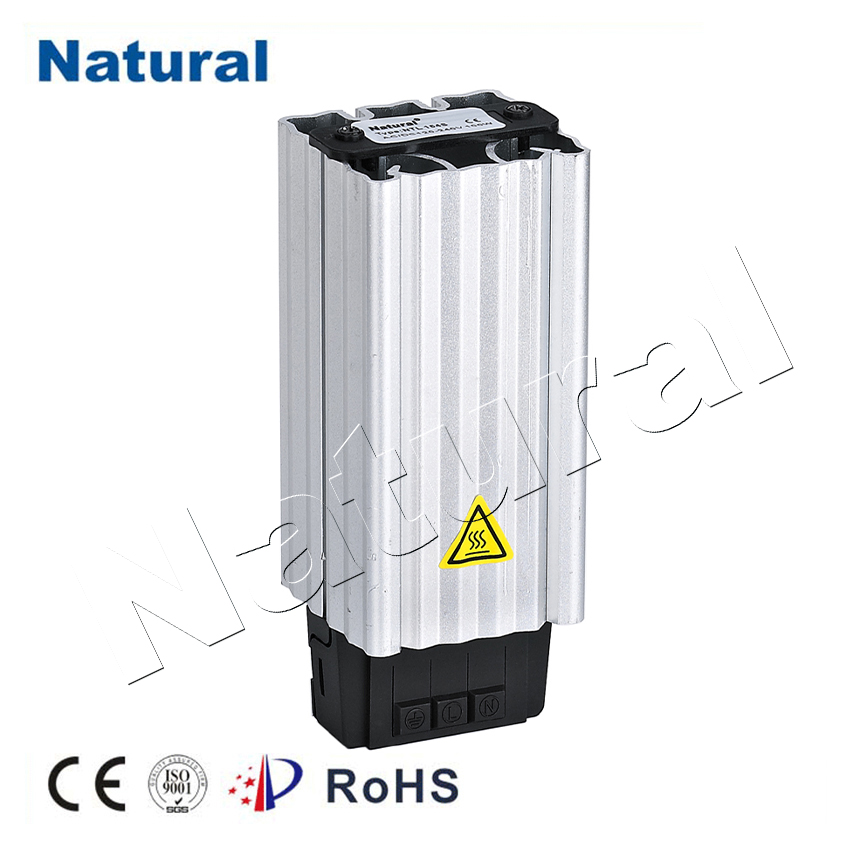
factories heater

In the fast-paced world of modern industry, optimizing efficiency and minimizing energy consumption have become crucial priorities. Among the various technologies that play a role in achieving these goals, factory heaters stand out as essential components for maintaining optimal working conditions and productivity. These heaters not only provide a comfortable environment for workers but also contribute significantly to the overall efficiency and sustainability of manufacturing processes. Heating Solutions for Factories Factory heaters come in various forms, each tailored to the unique needs of different industries. From radiant heaters suspended from ceilings to forced-air systems that distribute warmth evenly, these solutions are designed to ensure that workers can operate in a comfortable environment regardless of external weather conditions. A well-regulated temperature not only improves employee morale but also plays a vital role in preserving the quality of products and materials. Enhancing Efficiency One of the primary advantages of utilizing advanced factory heaters is their ability to enhance operational efficiency. Cold environments can negatively impact machinery performance, leading to increased wear and tear and potential breakdowns. Factory heaters counteract this by maintaining a stable temperature, reducing the risk of equipment failure and minimizing downtime. This, in turn, leads to increased productivity and cost savings for businesses. Energy Efficiency and Sustainability The modern industrial landscape places a strong emphasis on sustainability and reducing the carbon footprint. Factory heaters have responded to this call by integrating energy-efficient technologies. Smart thermostats, zoned heating systems, and improved insulation all contribute to more precise temperature control, minimizing energy wastage. Additionally, the integration of renewable energy sources such as solar panels or geothermal systems can further reduce reliance on non-renewable resources. Improved Air Quality Factory heaters not only regulate temperature but also play a role in maintaining indoor air quality. Proper ventilation combined with efficient heating systems ensures that air pollutants and contaminants are filtered out, creating a healthier and safer environment for employees. This has the added benefit of reducing employee sick days and enhancing overall workforce productivity. Challenges and Solutions Implementing effective factory heating systems isn’t without its challenges. Balancing the initial investment costs with long-term energy savings can be a concern for some businesses. However, the increasing availability of government incentives and a growing market for energy-efficient solutions are helping to alleviate this issue. Moreover, advancements in heater technology are continually driving down costs while improving performance. Conclusion Factory heaters are essential components in the modern manufacturing landscape, providing more than just warmth to workers. They contribute to improved efficiency, energy conservation, and sustainability efforts, aligning with the global push for environmentally friendly industrial practices. As technology continues to evolve, factory heating systems will likely become even more efficient and cost-effective, offering businesses the dual benefits of increased productivity and reduced environmental impact.

Embracing Comfort and Efficiency with Element Heaters

In the modern world, where comfort and efficiency are paramount, element heaters have emerged as indispensable appliances that cater to our heating needs while minimizing energy consumption. These innovative devices have revolutionized the way we keep our living spaces warm, providing a balance between environmental responsibility and personal comfort.

element heater

Element heaters, also known as electric heaters, are versatile and efficient heating solutions that are finding their way into homes, offices, and various other environments. Unlike traditional heating methods that rely on fossil fuels, element heaters utilize electricity to generate heat, making them more environmentally friendly and easy to install. One of the most significant advantages of element heaters is their efficiency. These heaters are designed to convert nearly 100% of the energy they consume into heat. This high level of efficiency ensures that minimal energy is wasted, reducing both utility bills and our carbon footprint. Additionally, element heaters offer precise temperature control, allowing users to adjust the heat output according to their preferences, which further contributes to energy conservation. Element heaters come in various forms to suit different needs. Fan-forced element heaters distribute warm air quickly and evenly, ensuring that the entire room reaches a comfortable temperature. Radiant element heaters, on the other hand, emit infrared radiation that directly heats objects and people in their vicinity, making them ideal for spot heating or outdoor use. The availability of different types of element heaters makes it possible to choose the one that best suits the requirements of a particular space. Safety is always a concern when it comes to heating appliances. Element heaters have integrated safety features that provide peace of mind for users. Overheat protection mechanisms automatically shut down the heater if it reaches an unsafe temperature, preventing accidents and potential fires. Some models also include tip-over switches that turn off the heater if it’s accidentally knocked over. These safety features make element heaters a reliable choice for homes with children or pets. The installation and maintenance of element heaters are remarkably simple. Unlike traditional heating systems that require complex ductwork or pipework, element heaters can be easily plugged into a power source. This ease of installation not only saves time and money but also allows for more flexible placement options. Maintenance typically involves regular cleaning and occasional checks to ensure that all safety features are functioning correctly. In colder climates, element heaters play a vital role in preventing issues such as frozen pipes and cold-related health problems. They offer a convenient way to keep specific areas warm and comfortable without needing to heat the entire building. This localized heating approach is not only energy-efficient but also cost-effective, as it reduces the overall heating load. In conclusion, element heaters have become a cornerstone of modern heating solutions, blending efficiency, comfort, and environmental consciousness. With their high efficiency, precise temperature control, safety features, and easy installation, these heaters have transformed the way we approach heating our spaces. By embracing element heaters, individuals and businesses alike can enjoy warmth and comfort without compromising on sustainability. As technology continues to advance, we can expect even more innovative features and improvements in element heaters, further enhancing their role in our daily lives.

Advancements in Home Comfort: The Electronic Thermostat

In the modern world, technological innovations have permeated every aspect of our lives, including the way we regulate the temperature in our homes. One such advancement that has revolutionized home comfort is the electronic thermostat. Gone are the days of manually adjusting analog dials; electronic thermostats offer precise control, energy efficiency, and convenience like never before.

Electronic Thermostat

An electronic thermostat is a device used to regulate indoor temperature by automatically activating heating or cooling systems. Unlike traditional thermostats, which rely on mechanical components, electronic thermostats utilize digital sensors and microprocessors to accurately monitor and adjust the temperature. This results in several key benefits that have made electronic thermostats an essential component of modern homes. Precision and Accuracy: Electronic thermostats boast exceptional precision and accuracy when compared to their analog counterparts. The digital sensors continuously measure the temperature and communicate with the microprocessor, ensuring that the desired temperature is maintained within a narrow range. This not only provides greater comfort but also contributes to energy savings by preventing unnecessary heating or cooling cycles. Energy Efficiency: With the growing emphasis on energy conservation, electronic thermostats have emerged as eco-friendly solutions. Many models are equipped with programmable features that allow homeowners to set different temperature profiles for various times of the day. This means you can reduce energy consumption when you’re away or asleep and have the system kick in just before you return or wake up. Some advanced electronic thermostats even learn your preferences over time and adjust the temperature accordingly, further optimizing energy usage. Remote Accessibility: The integration of electronic thermostats with smart home technology has elevated convenience to new heights. Through smartphone apps or voice-controlled virtual assistants, homeowners can remotely monitor and adjust their home’s temperature. Imagine being able to turn up the heat before you arrive during a chilly winter evening, or cooling down the house on a scorching summer day – all with a few taps on your phone. Learning Capabilities: The evolution of electronic thermostats has also introduced learning algorithms that adapt to your lifestyle. These intelligent thermostats can analyze your temperature preferences, occupancy patterns, and even local weather forecasts to create a customized heating and cooling schedule. Over time, they fine-tune this schedule to strike a perfect balance between comfort and energy efficiency. Compatibility and Connectivity: Electronic thermostats are designed to seamlessly integrate with a variety of heating and cooling systems, making them a versatile choice for both residential and commercial spaces. They can be retrofitted into existing setups or incorporated into new installations. Additionally, these thermostats often come with Wi-Fi connectivity, enabling them to receive software updates and stay up to date with the latest features and enhancements. In conclusion, electronic thermostats have transformed the way we control indoor temperature, offering precision, energy efficiency, remote accessibility, learning capabilities, and compatibility. As technology continues to evolve, we can expect even more innovative features and enhancements in electronic thermostat designs. Embracing these advancements not only enhances our comfort but also contributes to a greener and more sustainable future. So, next time you adjust your home’s temperature with a simple touch on your phone, take a moment to appreciate the marvel of electronic thermostat technology.