Monthly Archives: September 2023

Innovations in Heater Manufacturing: Enhancing Comfort and Efficiency

Introduction: Heaters have become an indispensable part of our lives, especially during colder months. They provide warmth and comfort, making our living and working spaces cozy and inviting. Behind the scenes, the field of heater manufacturing has been undergoing continuous innovations to improve efficiency, safety, and environmental sustainability. In this article, we will explore the advancements in heater manufacturing that have contributed to enhancing both our comfort and energy efficiency.
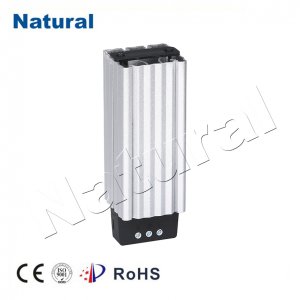
heater manufactur

Energy-Efficient Heating Elements: Modern heater manufacturing has witnessed significant breakthroughs in the development of energy-efficient heating elements. Traditional heating systems often consumed substantial amounts of energy, contributing to higher utility bills and environmental concerns. However, manufacturers have been focusing on creating heating elements that convert more energy into heat while minimizing wastage. This not only reduces operating costs for consumers but also lessens the carbon footprint associated with heating. Smart Thermostat Integration: The advent of smart technology has revolutionized the way heaters are controlled and operated. Heater manufacturers are incorporating smart thermostats that can be remotely controlled through mobile applications. These thermostats learn users’ preferences and adjust heating levels accordingly, optimizing comfort and energy consumption. Moreover, they can detect occupancy and adjust heating patterns, further reducing energy wastage. Eco-Friendly Heating Solutions: Environmental sustainability has become a paramount concern in recent years. Heater manufacturers are responding to this by developing eco-friendly heating solutions. Biomass heaters, for instance, utilize organic materials like wood pellets to generate heat. These renewable resources significantly reduce greenhouse gas emissions compared to fossil fuel-based heating systems. Solar-powered heaters are also gaining popularity, harnessing the sun’s energy to provide warmth without relying on traditional energy sources. Compact and Space-Saving Designs: Manufacturers have been striving to create heaters that are not only efficient but also aesthetically pleasing and space-saving. Sleek and compact designs allow heaters to seamlessly blend into modern interiors without compromising functionality. Wall-mounted and underfloor heaters are examples of such innovative designs that optimize space utilization while delivering consistent warmth. Improved Safety Features: Safety has always been a priority in heater manufacturing. Advanced safety features, such as overheating protection, tip-over switches, and child locks, have been integrated into modern heaters to prevent accidents and ensure user well-being. Manufacturers are continually refining these safety mechanisms to provide consumers with peace of mind while using their heaters. Diverse Heating Options: Heater manufacturing has evolved to offer a wide range of heating options to cater to different needs. Radiant heaters, convection heaters, fan heaters, and infrared heaters are just a few examples of the diverse heating technologies available. This diversity allows consumers to choose the most suitable type of heater based on their preferences, room size, and heating requirements. Conclusion: The heater manufacturing industry has come a long way, driven by a commitment to enhancing comfort, energy efficiency, and environmental responsibility. As technology continues to advance, we can expect even more innovations that will further revolutionize the way we heat our spaces. From energy-efficient heating elements to smart thermostat integration and eco-friendly solutions, the future of heater manufacturing holds the promise of a warmer, more sustainable world.
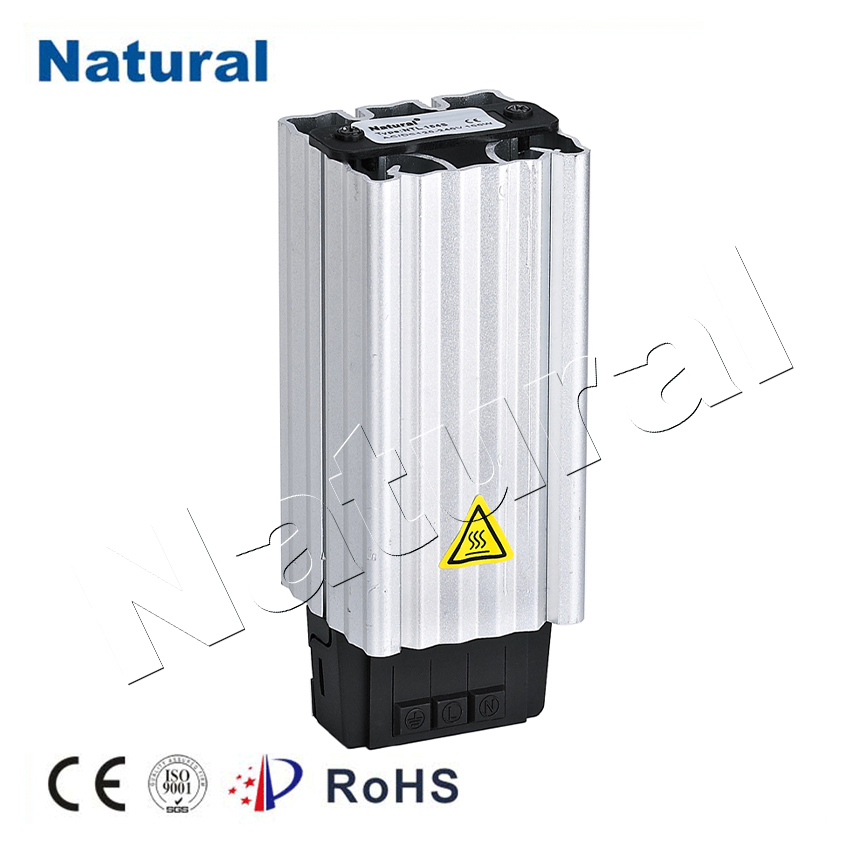
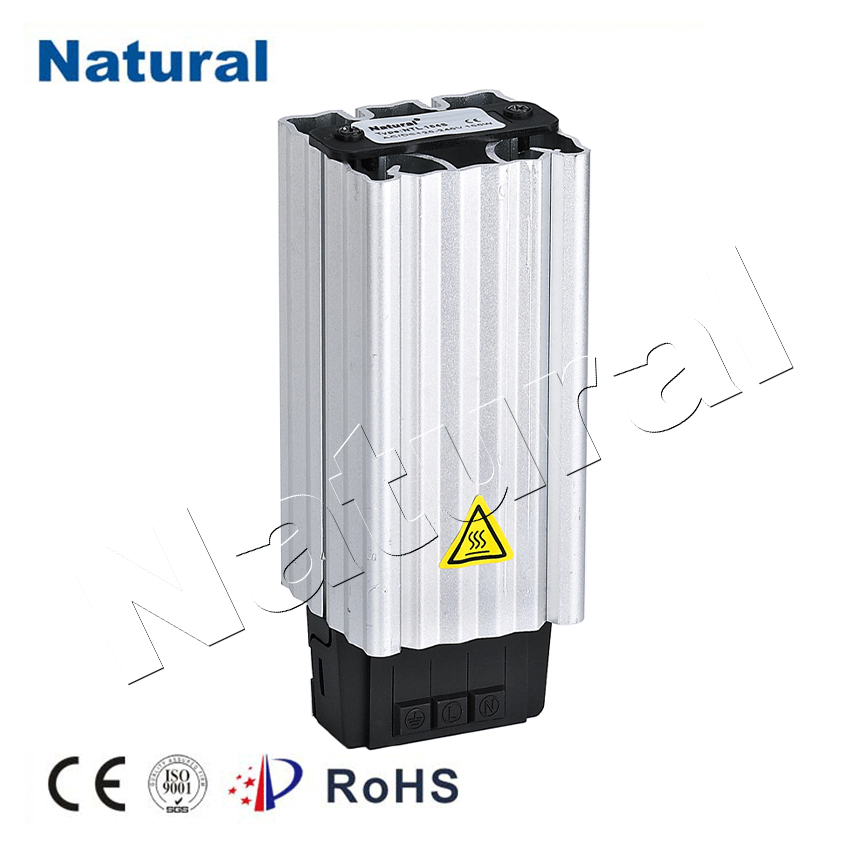
Innovation and Progress: Exploring the World of Heater Industri

Introduction

heater industri

In the realm of technological advancement, Heater Industri has emerged as a beacon of innovation, revolutionizing the heating industry with its cutting-edge solutions and unwavering commitment to quality. With a legacy spanning decades, Heater Industri has consistently pushed the boundaries of possibility, shaping the way we experience comfort and efficiency in our daily lives. Pioneering Spirit and Vision Founded on a bedrock of creativity and a bold vision, Heater Industri embarked on its journey with the aim of transforming heating systems into state-of-the-art marvels. The company’s founders recognized the potential to elevate living standards through advanced heating technologies, setting the stage for a legacy defined by groundbreaking achievements. Technological Marvels At the heart of Heater Industri’s success lies its portfolio of technological marvels. From energy-efficient infrared heaters that warm spaces without compromising the environment, to smart thermostats that seamlessly integrate with our digital lives, Heater Industri’s innovations have reshaped the way we interact with and perceive heating systems. One of the most remarkable advancements is the development of self-regulating heaters. These intelligent devices have the ability to adjust their heat output based on the surrounding temperature, ensuring optimal comfort while conserving energy. This not only reduces utility costs for consumers but also contributes significantly to the global sustainability efforts. Sustainable Initiatives Heater Industri recognizes the importance of environmental stewardship and has embraced sustainability as a core principle. Through rigorous research and development, the company has successfully created heaters that utilize renewable energy sources, such as solar and geothermal energy. This commitment to eco-friendly solutions demonstrates Heater Industri’s dedication to a greener future. Global Impact Heater Industri’s influence extends far beyond its headquarters, as its products have found homes in diverse climates and cultures around the globe. From chilly northern regions to tropical paradises, the company’s heaters have become an integral part of people’s lives, providing warmth and comfort regardless of the surroundings. Customer-Centric Approach A driving force behind Heater Industri’s success is its unwavering dedication to customer satisfaction. The company places great emphasis on understanding the unique needs of its customers and tailoring its products to exceed expectations. With a robust support network and responsive customer service, Heater Industri ensures that its clients feel valued and supported throughout their ownership experience. Future Horizons As we look to the future, Heater Industri continues to stand at the vanguard of innovation. With ongoing research and development efforts, the company is poised to introduce even more groundbreaking technologies that will redefine the heating landscape. From advancements in energy storage to seamless integration with smart home ecosystems, Heater Industri’s trajectory promises to be one of unending progress. Conclusion Heater Industri’s remarkable journey is a testament to the power of innovation and the indomitable human spirit. Through its unwavering commitment to excellence, sustainability, and customer satisfaction, the company has reshaped the heating industry and enriched the lives of countless individuals. As we navigate a rapidly evolving world, Heater Industri remains a shining example of how ingenuity can create a brighter, warmer, and more sustainable future for us all.

The Marvel of Heater Cartridges: Powering Your Devices Efficiently

Introduction

heater cartridg

In the world of modern technology, heater cartridges stand as remarkable innovations that often go unnoticed despite their crucial role in various applications. These inconspicuous devices play a pivotal role in providing reliable and controlled heat generation, impacting industries ranging from manufacturing to medical equipment. In this article, we will delve into the intricate workings of heater cartridges, exploring their design, applications, and the significant contributions they make to our daily lives. Heater Cartridge: Unveiling the Core Design A heater cartridge, at its core, is a compact electrical component designed to transform electrical energy into heat. Composed of a resistive heating element encapsulated within a protective sheath, heater cartridges are built to withstand high temperatures and deliver consistent performance over extended periods. The resistive element, typically made of materials like nichrome or stainless steel, exhibits a high resistance to electric current, thereby generating heat as current passes through it. The protective sheath ensures that the generated heat is efficiently transferred to the target application without causing damage to the surroundings. Applications Across Industries The versatility of heater cartridges enables their integration into a wide array of industries. One prominent sector where heater cartridges shine is 3D printing. By fitting heater cartridges into the print head, 3D printers can maintain precise and controlled temperatures within the printing chamber, ensuring optimal conditions for filament melting and deposition. This not only enhances print quality but also allows the use of a diverse range of materials, expanding the possibilities of 3D printing. Beyond the realm of 3D printing, heater cartridges find their way into the medical field. Equipment like incubators, sterilizers, and even some diagnostic devices rely on heater cartridges to maintain consistent and accurate temperatures. These devices play a vital role in healthcare by creating environments conducive to tissue culture, pathogen eradication, and sensitive tests, ultimately contributing to improved patient care and disease detection. Industrial manufacturing also benefits greatly from the precision and efficiency of heater cartridges. Plastic molding machines utilize these cartridges to regulate the temperature of molds, ensuring uniform and high-quality products. Additionally, heater cartridges are crucial components in hot runner systems, where they aid in preventing material degradation and optimizing the injection molding process. Efficiency and Environmental Impact Heater cartridges are lauded not only for their versatility but also for their efficiency. These devices boast rapid heat-up times and precise temperature control, minimizing energy wastage and contributing to overall operational efficiency. As industries across the globe strive to reduce their carbon footprint, the efficient performance of heater cartridges aligns with sustainability goals. Future Innovations and Advancements Looking ahead, ongoing research and development in materials science and electrical engineering promise to further enhance the capabilities of heater cartridges. Advances in nanotechnology could lead to the creation of more compact and powerful heating elements, while improvements in thermal insulation may reduce heat loss and increase overall efficiency. Conclusion Heater cartridges may be unassuming components, but their impact on technology and various industries is undeniable. From facilitating intricate 3D prints to ensuring the optimal conditions for medical equipment, these devices have revolutionized the way we create, manufacture, and care for things. As we continue to push the boundaries of innovation, heater cartridges stand as a testament to the incredible achievements that arise from even the most humble of technological components.

Enhancing Safety with Hazardous Area Thermostats

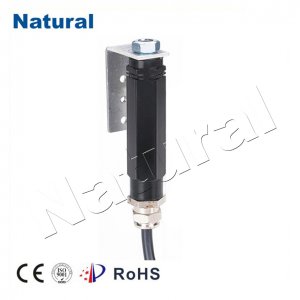
In various industrial settings, safety is of paramount importance, especially in hazardous environments where the potential for accidents or mishaps is significantly higher. One essential component that contributes to safety in such environments is the Hazardous Area Thermostat. This specialized device plays a crucial role in regulating temperature and ensuring operational integrity in spaces where volatile substances or potentially explosive materials are present.

Hazardous Area Thermostat

Hazardous Area Thermostats are meticulously designed to meet stringent safety standards and regulations. These thermostats are engineered to function effectively in environments where the risk of ignition is elevated due to the presence of flammable gases, vapors, or dust. Industries such as oil and gas, chemical processing, mining, and pharmaceuticals rely on these thermostats to maintain optimal temperatures without compromising the safety of their operations. Key Features and Benefits: The Hazardous Area Thermostat comes equipped with a range of features that make it an indispensable tool for maintaining a secure environment: Explosion-Proof Design: One of the primary features of these thermostats is their explosion-proof design. This design prevents any sparks or electrical arcs from occurring within the thermostat, ensuring that no potential ignition source is present. Enclosure Integrity: Hazardous Area Thermostats are enclosed in robust and durable casings that prevent the entry of hazardous substances. This enclosure integrity is vital in keeping the internal components isolated from the external environment. Temperature Accuracy: Accurate temperature control is essential in hazardous environments to prevent overheating and maintain stability. These thermostats offer precise temperature regulation, reducing the risk of any unwanted reactions. Remote Monitoring and Control: Many Hazardous Area Thermostats are equipped with advanced technologies that allow remote monitoring and control. This feature enables operators to adjust settings and receive real-time updates without entering the hazardous area. Durability: Designed to withstand harsh conditions, these thermostats are built with materials that resist corrosion, moisture, and other environmental factors. Certifications and Compliance: Hazardous Area Thermostats undergo rigorous testing and certification to ensure they meet industry standards and regulatory requirements, providing peace of mind to operators and stakeholders. Applications: Hazardous Area Thermostats find application in a wide range of industries and settings: Oil and Gas Industry: These thermostats are used in refineries, drilling platforms, and petrochemical plants to maintain safe operating temperatures for equipment and prevent the accumulation of explosive gases. Chemical Processing: In chemical manufacturing plants, Hazardous Area Thermostats regulate temperatures during various chemical reactions, reducing the risk of thermal runaways or hazardous byproduct formation. Mining Operations: Hazardous environments in mining, such as coal mines, require precise temperature control to prevent the ignition of methane gas or coal dust. Pharmaceutical Production: Hazardous Area Thermostats play a role in maintaining controlled environments for the production of pharmaceuticals, where certain substances could pose risks if exposed to temperature fluctuations. Conclusion: In hazardous environments, safety is non-negotiable, and Hazardous Area Thermostats emerge as indispensable guardians of secure operations. Their explosion-proof design, temperature accuracy, and durability make them essential components for various industries. As technology continues to advance, these thermostats will likely incorporate even more sophisticated features, further enhancing safety and efficiency in hazardous environments. The evolution of Hazardous Area Thermostats underscores the ongoing commitment to safeguarding both personnel and processes in some of the most challenging industrial settings.

Enhancing Enclosure and Cabinet Ventilation and Cooling with Filter Fans

Introduction

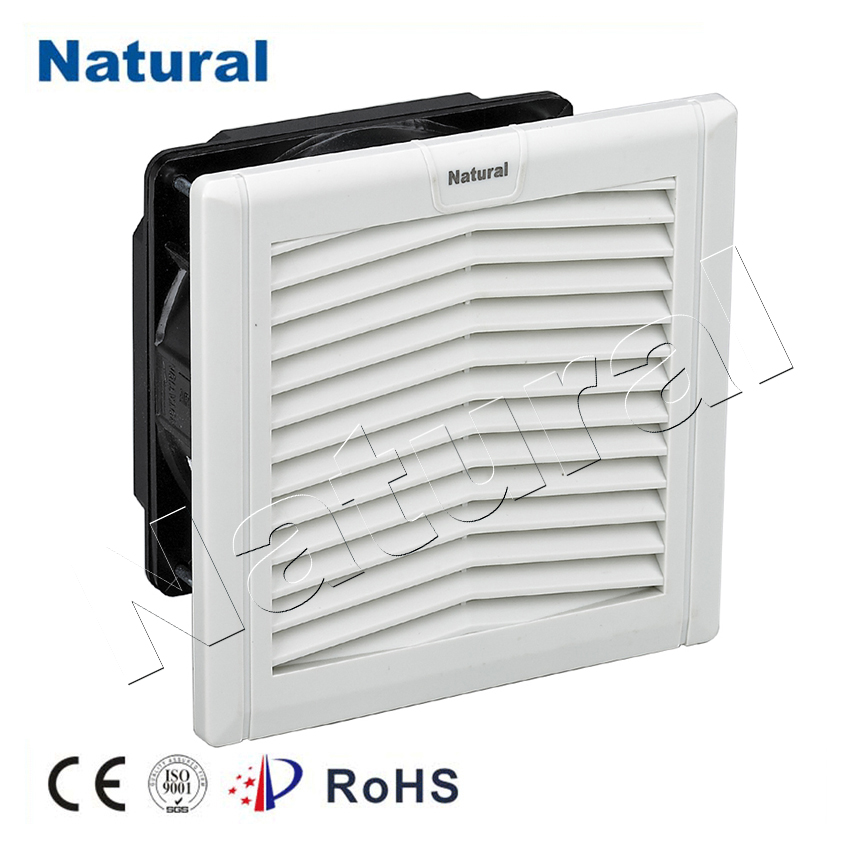
Filter Fan use for Enclosure and Cabinets to offer ventilation and cooling

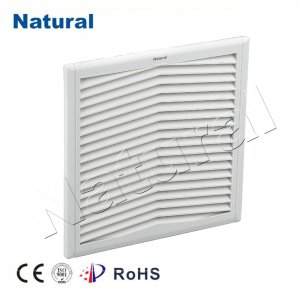
In today’s technology-driven world, electronic components are becoming increasingly compact and powerful. As a result, the need for efficient and reliable cooling solutions within enclosures and cabinets has never been more critical. Filter fans have emerged as a versatile and effective tool to address this challenge, offering optimal ventilation and cooling to safeguard sensitive equipment from overheating and ensure optimal performance. Filter Fans: A Brief Overview Filter fans are specialized devices designed to maintain a consistent airflow within enclosures and cabinets. They consist of a fan unit and a filter element, which work in tandem to circulate air and remove potentially harmful particles from the environment. These fans are strategically placed in the enclosure to facilitate the ingress of fresh, cool air while expelling heated air, thereby maintaining an ideal operating temperature for enclosed electronics. Ventilation Efficiency One of the primary functions of filter fans is to enhance ventilation within enclosures. Stagnant air can quickly lead to heat buildup, which can compromise the functionality and lifespan of electronic components. Filter fans create a steady airflow that prevents the accumulation of hot spots and ensures uniform temperature distribution throughout the enclosure. This efficient ventilation mechanism not only extends the life of the components but also reduces the risk of malfunctions caused by excessive heat. Effective Cooling Heat dissipation is a critical factor in the reliable operation of electronic equipment. Filter fans play a crucial role in cooling sensitive components by expelling heated air and introducing cooler air from the surroundings. This active cooling process helps maintain the temperature of the enclosure within an acceptable range, preventing overheating and potential damage. As a result, filter fans contribute significantly to the stability and performance of electronic systems, making them an indispensable asset in various industries. Protection Against Contaminants In addition to temperature regulation, filter fans also offer protection against contaminants that could potentially harm electronic components. The filter element within the fan unit captures particles such as dust, dirt, and moisture, preventing them from entering the enclosure. This feature is especially valuable in industrial environments where airborne particles are prevalent. By maintaining a clean and debris-free internal environment, filter fans contribute to the overall reliability and longevity of the enclosed electronics. Customization and Integration Filter fan systems are versatile and can be customized to suit specific enclosure and cabinet requirements. They come in various sizes, airflow capacities, and filter types, allowing engineers to tailor the solution to the unique needs of their application. Additionally, filter fans can be seamlessly integrated into existing enclosures without the need for extensive modifications. This flexibility ensures that businesses can optimize their cooling solutions while minimizing downtime and installation costs. Conclusion Filter fans have become an essential component in maintaining optimal operating conditions for electronic enclosures and cabinets. Their ability to provide efficient ventilation, effective cooling, and protection against contaminants ensures the reliable performance and longevity of sensitive equipment. As technology continues to advance and electronics become more intricate, the role of filter fans in safeguarding these components from overheating and environmental hazards will only become more crucial. Embracing filter fan technology is a proactive step toward enhancing the efficiency and reliability of electronic systems across various industries.

Enhancing Air Quality with Filter Fans

In our modern world, air quality has become an essential concern for maintaining a healthy and comfortable living environment. As industrialization and urbanization continue to rise, so do the levels of pollutants and particulate matter in the air we breathe. In this context, the role of filter fans has emerged as a crucial solution to address these challenges and ensure better air quality.

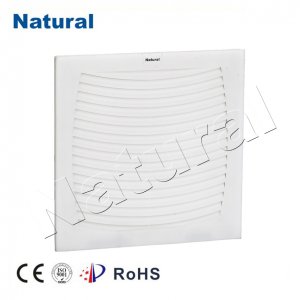
filter fan

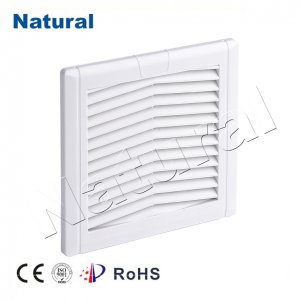
Filter fans, also known as ventilation fans with filtration systems, play a pivotal role in purifying indoor and outdoor air. These devices are designed to draw in air from the surroundings and pass it through a series of filters that capture dust, pollen, allergens, smoke, and other harmful particles. The filtered air is then circulated back into the environment, providing a continuous flow of clean and fresh air. One of the primary benefits of filter fans is their versatility. They can be installed in various settings, ranging from residential spaces to commercial buildings, factories, and even vehicles. This adaptability makes them a valuable tool in combatting indoor air pollution, which is often exacerbated by factors such as poor ventilation, smoking, and the use of household chemicals. In homes, filter fans find application in areas like kitchens and bathrooms, where humidity and odors tend to accumulate. By eliminating excess moisture and unwanted smells, these fans contribute to a more pleasant and healthier living environment. Furthermore, they aid in reducing the risk of mold growth, which can have detrimental effects on respiratory health. Commercial establishments also reap the benefits of filter fans. Restaurants, for instance, can maintain a cleaner atmosphere by minimizing cooking odors and smoke, creating a more enjoyable dining experience for patrons. Office buildings equipped with filter fans can ensure that employees have access to cleaner air, leading to improved concentration, productivity, and overall well-being. In industrial settings, filter fans play a critical role in maintaining air quality for both workers and machinery. Factories often produce a significant amount of airborne particles and pollutants that can pose serious health risks. By strategically placing filter fans, these particles can be captured before they disperse into the air, safeguarding the health of employees and preventing damage to sensitive equipment. The transportation sector also benefits from the implementation of filter fans. Vehicles equipped with these systems can minimize the entry of external pollutants, ensuring that passengers breathe cleaner air during their journeys. This is especially important in densely populated urban areas, where traffic-related pollutants are a major concern. As the world becomes more environmentally conscious, the integration of filter fans with smart technology has gained prominence. Many filter fan systems now come equipped with sensors that monitor air quality in real time. When pollutant levels rise above acceptable thresholds, the fans automatically adjust their speed to increase filtration efficiency, providing immediate response to changing conditions. In conclusion, filter fans have emerged as a powerful tool in the ongoing battle for cleaner air. Their ability to capture and remove pollutants from indoor and outdoor environments makes them indispensable in various settings, from residential to industrial. By enhancing air quality, filter fans contribute to healthier living spaces, improved workplace conditions, and a more sustainable future. As technology continues to advance, we can expect further innovations in filter fan design, ultimately leading to even more effective and efficient air purification solutions.

Enhancing Air Quality and Efficiency with Filter Fans

In today’s rapidly advancing technological landscape, the importance of maintaining optimal conditions for various electronic systems cannot be overstated. From data centers and industrial machinery to home appliances, one crucial element that often goes unnoticed is the filter fan. Filter fans play a significant role in ensuring air quality and efficient operation of equipment by preventing dust and contaminants from infiltrating sensitive components.

filter fan

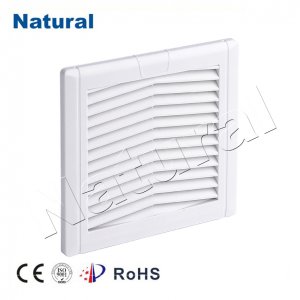
Filter fans, also known as fan filter units (FFUs), have become an essential component in various industries where temperature regulation and contaminant control are paramount. These devices are adept at removing airborne particles, such as dust, dirt, and even microorganisms, from the air circulating within an enclosure. By doing so, filter fans help extend the lifespan of equipment and minimize the risk of malfunctions or breakdowns. One of the most prominent applications of filter fans is in data centers, where an array of electronic equipment generates substantial heat. The cooling process is critical to prevent overheating and subsequent damage. Filter fans not only contribute to maintaining a suitable temperature but also ensure that the air used for cooling is clean. Contaminant-free airflow is vital to prevent the accumulation of dust and debris on sensitive circuitry, which could potentially disrupt the functioning of servers and other networking equipment. In industrial settings, filter fans are equally indispensable. Manufacturing processes often involve the generation of airborne particles and pollutants that can compromise the operation of machinery. Filter fans play a pivotal role in these environments by continuously circulating and filtering the air, safeguarding the integrity of crucial equipment and reducing maintenance requirements. This not only results in cost savings but also enhances overall productivity. The advantages of filter fans extend beyond their air-cleaning capabilities. Modern filter fan units are designed with energy efficiency in mind. They incorporate intelligent controls that adjust fan speed according to real-time conditions, optimizing airflow while minimizing power consumption. This dual benefit not only contributes to a greener environment but also reduces operational costs for businesses. Furthermore, the design of filter fans has evolved to be both ergonomic and user-friendly. Maintenance and replacement of filters are simplified, ensuring that the devices remain effective over time. Filter replacement indicators and easy-to-access compartments make it convenient for operators to keep the equipment functioning optimally, requiring minimal downtime. In domestic applications, filter fans have found their place in improving indoor air quality. From kitchen exhausts to air purifiers, these units effectively filter out pollutants and allergens, creating a healthier living environment for residents. With the rising concerns about air pollution and respiratory issues, the demand for residential filter fans is on the rise. As technology continues to advance, the capabilities of filter fans are poised to expand even further. The integration of IoT (Internet of Things) technology allows for remote monitoring and control of filter fan units, providing real-time data on air quality and system performance. This level of connectivity empowers users to take proactive measures and make informed decisions to ensure optimal air quality and equipment operation. In conclusion, the unassuming filter fan plays a critical role in various industries and applications, contributing to cleaner air and more efficient equipment operation. Whether in data centers, manufacturing facilities, or residential settings, the impact of filter fans is undeniable. As we move towards a more interconnected world, the continued development and utilization of filter fan technology are set to shape a future where air quality and equipment efficiency go hand in hand.

Enhancing Air Quality with Fan Ventilation Filters

Introduction

fan ventil filter

Indoor air quality plays a vital role in our overall well-being, especially in spaces where we spend a significant amount of time. Fan ventilation filters, a simple yet effective solution, have emerged as a cornerstone in ensuring clean and healthy indoor air. In this article, we will explore the importance of fan ventilation filters, their benefits, and how they contribute to creating a more comfortable living and working environment. The Role of Fan Ventilation Filters Fan ventilation filters are designed to remove impurities, allergens, and contaminants from the air, providing a cleaner and fresher atmosphere indoors. They are commonly installed in various settings, including residential homes, commercial buildings, and industrial facilities. These filters work by capturing particles such as dust, pollen, pet dander, and even microscopic pollutants, thereby preventing them from recirculating into the living space. Benefits of Fan Ventilation Filters Improved Air Quality: The primary benefit of fan ventilation filters is the significant improvement in indoor air quality. By removing airborne particles and pollutants, these filters help reduce the risk of respiratory issues, allergies, and other health problems. Allergen Management: Fan ventilation filters are particularly beneficial for individuals with allergies or sensitivities. They trap allergens that can trigger allergic reactions, providing relief and comfort to those who suffer from such conditions. Odor Control: In environments where odors are a concern, such as kitchens or bathrooms, fan ventilation filters help eliminate unwanted smells, ensuring a more pleasant living or working space. Energy Efficiency: Fan ventilation filters contribute to energy efficiency by helping the ventilation system operate more smoothly. Clean filters allow air to flow more easily, reducing strain on the fan and potentially lowering energy consumption. Extended HVAC System Life: Clean air is essential not only for occupants but also for the longevity of heating, ventilation, and air conditioning (HVAC) systems. Fan ventilation filters prevent dust buildup on sensitive components, potentially extending the lifespan of these systems. Installation and Maintenance Installing fan ventilation filters is a straightforward process. These filters can be integrated into existing HVAC systems or added as standalone units in specific areas. Regular maintenance is crucial to ensure optimal performance. Depending on the filter type, maintenance may involve cleaning or replacing filters according to manufacturer guidelines. Consistent upkeep helps maintain the filter’s efficiency and prolong its lifespan. Choosing the Right Fan Ventilation Filter Selecting the appropriate fan ventilation filter is essential to achieve the desired results. Several factors should be considered when making a choice: Particle Filtration Efficiency: Different filters offer varying levels of particle filtration. High-efficiency filters are more effective at capturing smaller particles but may require more frequent maintenance. Filter Type: Fan ventilation filters come in various types, including mechanical, electronic, and hybrid filters. Each type has its advantages and limitations, so it’s important to choose one that aligns with your specific needs. Room Size and Usage: The size of the space and how it is used will determine the airflow requirements and, consequently, the appropriate filter size and capacity. Conclusion Fan ventilation filters are a practical solution for maintaining clean and healthy indoor air quality. With their ability to capture particles, allergens, and pollutants, these filters contribute to a more comfortable and safe living and working environment. By understanding the benefits and factors to consider when choosing the right filter, individuals and businesses can make informed decisions to enhance their indoor air quality and overall well-being.

The Ingenious Functionality of Fan Thermostats

In the realm of modern heating and cooling systems, fan thermostats emerge as a technological marvel, playing a pivotal role in maintaining indoor comfort while optimizing energy efficiency. These unassuming devices, often overlooked, are the unsung heroes behind the scenes, regulating temperatures and ensuring a harmonious living environment. In this article, we delve into the fascinating world of fan thermostats, uncovering their mechanisms, benefits, and contributions to a sustainable future.

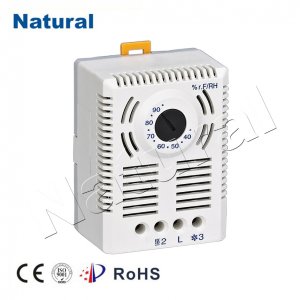
fan thermostat

At its core, a fan thermostat is a specialized control device that operates in conjunction with heating and cooling systems. Its primary function is to monitor and regulate the temperature within a defined space, such as a room or building, by activating or deactivating the fan in response to temperature changes. This simple yet ingenious process embodies the synergy between technology and comfort. The mechanism behind a fan thermostat is elegantly straightforward. A temperature-sensitive sensor embedded within the device constantly measures the ambient temperature. When the temperature deviates from the preset desired level, the fan thermostat springs into action. If the temperature rises above the set threshold, the fan kicks in, circulating cool air produced by the air conditioning system. Conversely, if the temperature drops below the desired level, the fan is deactivated, preventing unnecessary energy consumption. The advantages of fan thermostats are multifaceted. One of their most notable benefits is the reduction of energy consumption, subsequently leading to lower utility bills and a decreased carbon footprint. Traditional non-automated cooling systems, for instance, often operate continuously, even when the target temperature is achieved. Fan thermostats intelligently address this issue by activating the fan only when necessary, thus conserving energy without sacrificing comfort. Moreover, fan thermostats contribute to the extended lifespan of heating and cooling equipment. The controlled cycling of the fan prevents rapid and frequent on-off cycles of the entire system, reducing wear and tear on crucial components. This results in fewer maintenance requirements and a longer operational lifespan of the overall system. The deployment of fan thermostats also promotes indoor air quality. By ensuring consistent air circulation, these devices prevent the stagnation of air and the accumulation of dust or pollutants. This is particularly significant for spaces with limited natural ventilation, where the regular exchange of air is crucial for a healthy and pleasant environment. In the context of our planet’s escalating climate concerns, fan thermostats emerge as a vital tool in fostering sustainability. Their role in optimizing energy use aligns perfectly with the global drive towards reducing greenhouse gas emissions. As more individuals and businesses adopt these smart devices, the cumulative impact on energy conservation and environmental preservation is substantial. In conclusion, the unassuming fan thermostat stands as a testament to the fusion of innovation and comfort. Its ability to regulate temperature, enhance energy efficiency, and promote environmental responsibility underscores its significance in the modern world. As we continue to advance technologically, let us not forget the pivotal role played by these unassuming devices, working tirelessly to create a more sustainable and comfortable future for all.

Enhancing Air Quality and Efficiency with a Reliable Fan Filter Supplier

In today’s rapidly advancing industrial landscape, maintaining optimal air quality and equipment efficiency is paramount to ensuring smooth operations across various sectors. One of the unsung heroes contributing to this vital endeavor is the trusted fan filter supplier. With their innovative solutions and commitment to excellence, these suppliers play a pivotal role in safeguarding machinery, improving air quality, and ultimately enhancing overall productivity.

fan filter supplier

A fan filter supplier serves as a vital link in the chain of industries that heavily rely on proper ventilation and air filtration systems. These suppliers offer a diverse range of filters designed to cater to specific needs, be it in manufacturing facilities, data centers, hospitals, or commercial buildings. Their products not only extend the lifespan of machinery but also maintain a cleaner environment, reducing maintenance costs and downtime. In industrial settings, where machinery generates heat and pollutants, efficient airflow management is essential. Fan filters, designed and supplied by specialized companies, help prevent the accumulation of dust, debris, and contaminants on critical components. This, in turn, mitigates the risk of overheating and breakdowns. A reputable fan filter supplier understands the unique requirements of each industry and provides tailor-made solutions that ensure optimal equipment performance. Furthermore, fan filters contribute significantly to indoor air quality in various commercial and institutional setups. In hospitals and cleanrooms, for instance, maintaining sterile environments is vital to prevent the spread of infections. Fan filter suppliers offer high-efficiency particulate air (HEPA) filters that effectively capture and eliminate airborne pathogens, creating a safer and healthier space for occupants. Data centers, which house sensitive electronic equipment, face the challenge of dissipating heat generated by servers while preventing the entry of dust and other particles. Fan filter suppliers address this challenge by offering advanced filtration solutions that maintain a controlled and contaminant-free environment. By doing so, these suppliers assist in optimizing the efficiency and longevity of critical data center components. Reliability and consistency are the hallmarks of a reputable fan filter supplier. They not only provide high-quality filters but also offer technical expertise, assisting clients in choosing the right filter specifications, installation methods, and maintenance practices. This partnership approach ensures that clients derive maximum benefit from their filtration systems, resulting in increased operational efficiency and cost savings. In the ever-evolving landscape of technology and industry, fan filter suppliers continue to innovate to meet emerging challenges. From designing filters that adhere to stringent environmental regulations to incorporating smart monitoring and maintenance features, these suppliers are at the forefront of creating cutting-edge solutions. Their dedication to research and development ensures that industries can adapt to changing circumstances while upholding the highest standards of air quality and machinery performance. In conclusion, the role of a fan filter supplier extends far beyond merely delivering filters. These unsung heroes play a crucial part in maintaining optimal air quality, enhancing equipment efficiency, and promoting a healthier environment across various industries. Their commitment to innovation, technical expertise, and reliability makes them indispensable partners in the journey toward a more efficient and sustainable future. As industries continue to evolve, the contributions of fan filter suppliers will remain essential for years to come.