Monthly Archives: September 2023

Enhancing Industrial Environments with Industrial Filter Fans

In the fast-paced world of industrial manufacturing and production, maintaining a clean and safe working environment is paramount. One technology that plays a crucial role in achieving this is the industrial filter fan. This unassuming yet powerful device is the unsung hero of many industrial settings, ensuring not only the quality of the air but also the efficiency of operations.
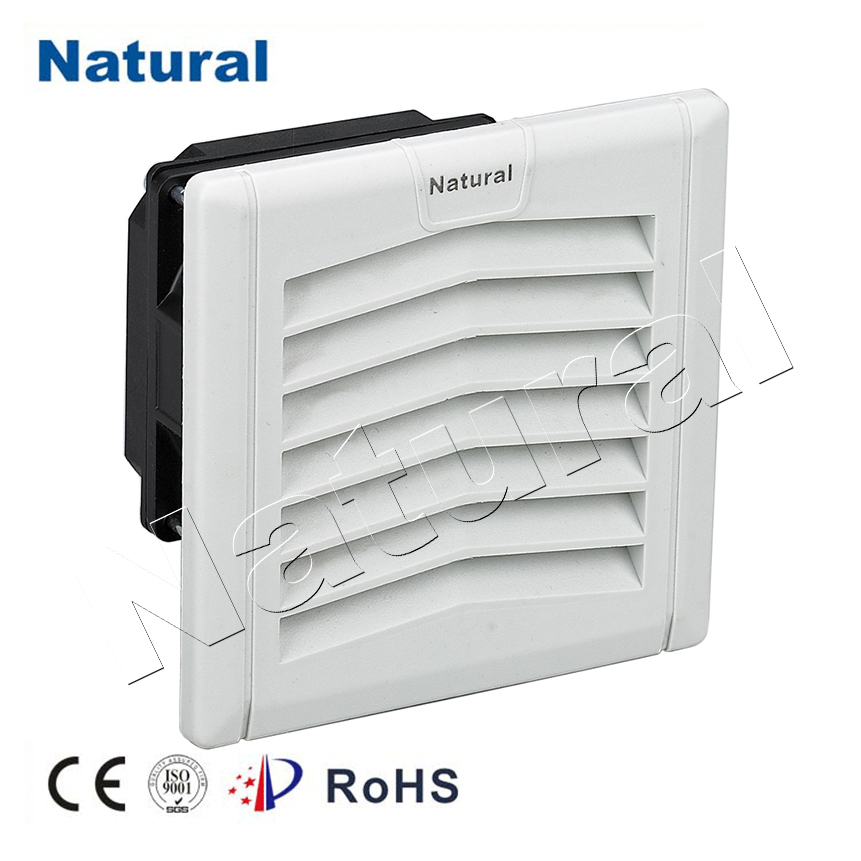
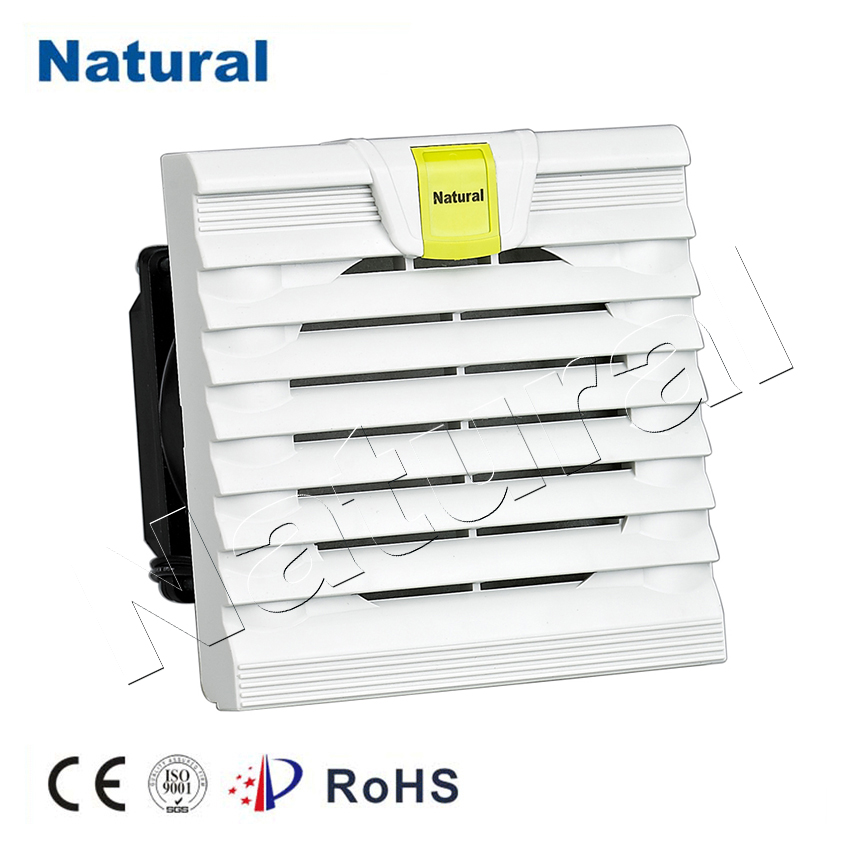
industrial filter fan

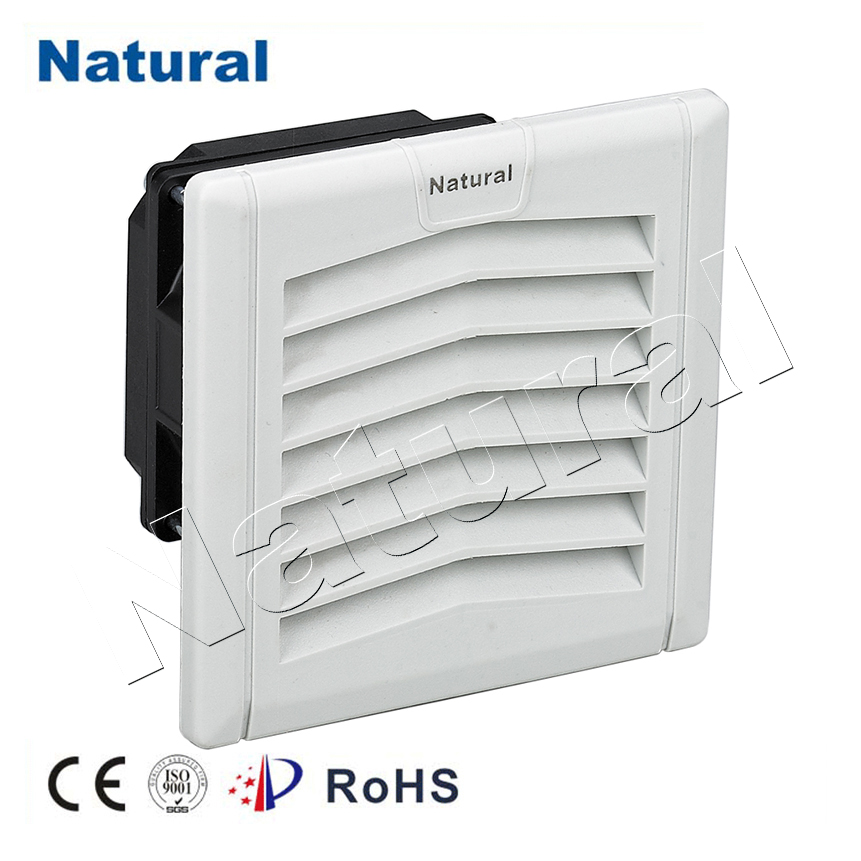
The Significance of Clean AirClean air is a fundamental requirement for any industrial facility. The presence of dust, particulates, and other pollutants can not only compromise the health and safety of workers but also lead to equipment damage and decreased productivity. This is where industrial filter fans come into play. Function and OperationIndustrial filter fans are innovative devices that serve a dual purpose. They provide ventilation to regulate temperature and create a comfortable working environment while simultaneously filtering the air of contaminants. The key component of these fans is the filtration system, which effectively traps particles, pollutants, and even microorganisms, ensuring that only clean and purified air is circulated. Benefits in Industrial SettingsThe advantages of incorporating industrial filter fans into an industrial setting are manifold. Firstly, these fans contribute to the well-being of employees by minimizing exposure to airborne particles that could lead to respiratory issues. This, in turn, reduces absenteeism, enhances job satisfaction, and improves overall productivity. Secondly, industrial filter fans play a pivotal role in safeguarding equipment and machinery. Dust and particulates can accumulate on sensitive surfaces, leading to overheating and machinery malfunctions. By maintaining a clean environment, industrial filter fans extend the lifespan of machinery, reduce maintenance costs, and prevent unexpected downtime. Energy EfficiencyOne of the remarkable features of modern industrial filter fans is their energy efficiency. Traditional ventilation systems often required significant energy input to circulate and condition air. In contrast, industrial filter fans are designed with energy conservation in mind. Many models utilize intelligent sensors to detect air quality and adjust their operation accordingly, optimizing efficiency and reducing energy consumption. Customization and IntegrationAnother key advantage of industrial filter fans is their adaptability to various industrial settings. These fans can be customized to meet the specific requirements of different industries, such as manufacturing, pharmaceuticals, electronics, and more. They can be integrated seamlessly into existing ventilation systems, enhancing their performance without requiring extensive modifications. ConclusionIn the realm of industrial operations, the significance of a clean and pollutant-free environment cannot be overstated. Industrial filter fans emerge as a vital solution to address this need. Their ability to simultaneously provide ventilation and filtration, along with the benefits of promoting employee health, safeguarding equipment, and conserving energy, positions them as an indispensable component of modern industrial settings. As technology continues to advance, these unassuming devices will likely evolve even further, contributing to safer, more efficient, and more productive workplaces.
Enhancing Air Quality and Efficiency with Industrial Filter Fans

In modern industrial environments, maintaining optimal air quality is crucial for both the well-being of workers and the efficiency of machinery. One indispensable tool that addresses these concerns is the industrial filter fan. Combining ventilation and air filtration capabilities, these devices play a pivotal role in ensuring a clean and safe working environment while also contributing to the overall productivity of the industrial processes.

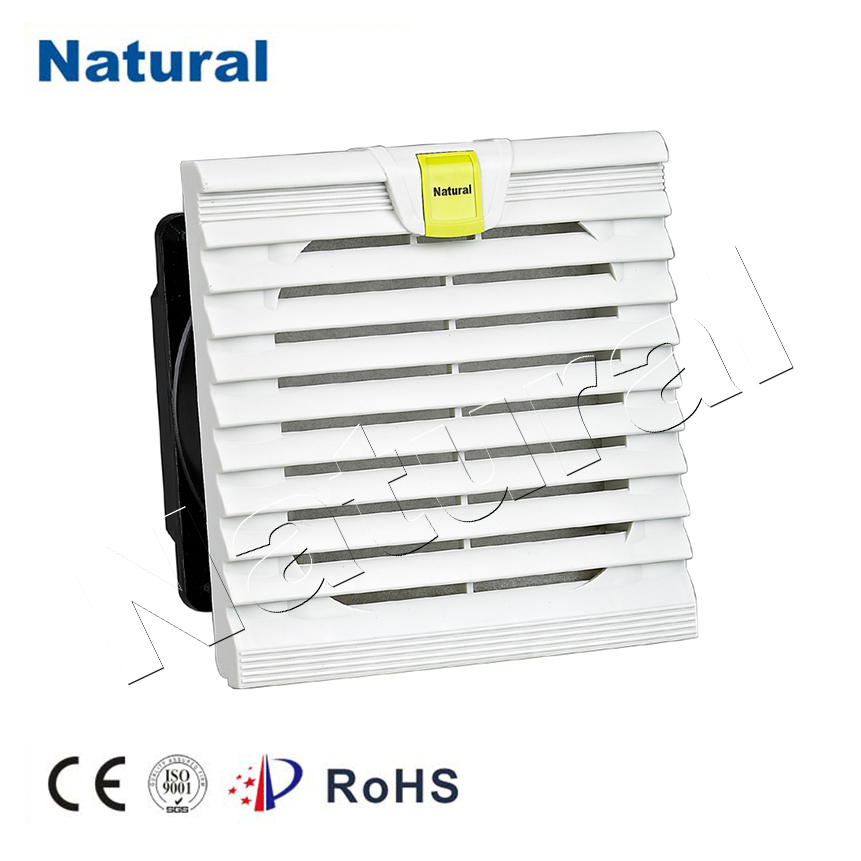
industri filter fan

Industrial filter fans, often installed in factories, warehouses, and other industrial settings, are designed to tackle airborne contaminants that can potentially jeopardize both human health and the integrity of equipment. These contaminants range from dust particles and airborne fibers to fumes and volatile organic compounds. Without proper filtration, these pollutants can accumulate over time, leading to respiratory issues among workers and diminishing the efficiency of machinery. One of the key benefits of industrial filter fans is their ability to provide effective air circulation. By constantly pulling in fresh air from the outside and expelling contaminated air from the inside, these fans help maintain a consistent airflow that prevents the accumulation of pollutants. This not only keeps the air quality high but also prevents the buildup of heat in industrial spaces, thereby contributing to the longevity of equipment and the comfort of employees. Moreover, industrial filter fans contribute significantly to energy efficiency. In many cases, the air inside industrial environments can become stagnant, which prompts the use of energy-intensive air conditioning systems. By facilitating proper ventilation, filter fans can reduce the reliance on such systems, leading to considerable energy savings. The fans can work in conjunction with air conditioning, enhancing the overall efficiency of the cooling systems and providing a more sustainable approach to temperature control. When selecting an industrial filter fan, it’s essential to consider the specific needs of the environment. Factors like the size of the area, the types of pollutants present, and the required air exchange rate will influence the choice of fan. Some filter fans are equipped with HEPA (High Efficiency Particulate Air) filters that can capture even the smallest particles, while others might be designed for removing fumes and odors through activated carbon filters. It’s crucial to match the fan’s specifications with the particular pollutants to ensure optimal performance. Maintenance of industrial filter fans is equally important. Regular filter replacements are necessary to ensure that the fans continue to operate effectively. Depending on the environment, filters might need replacement more frequently. Neglecting this maintenance can result in reduced filtration efficiency and compromised air quality. In conclusion, industrial filter fans stand as indispensable tools for maintaining air quality, efficiency, and overall safety within industrial settings. Their ability to circulate and filter air ensures that pollutants are continuously removed, benefiting both workers and equipment. By preventing the accumulation of contaminants, these fans promote a healthier work environment and contribute to increased productivity. As industries continue to prioritize sustainability and employee well-being, the role of industrial filter fans will remain pivotal in achieving these goals.

The Efficient Advancement of Industrial Fan Heaters

Introduction

industri fan heater

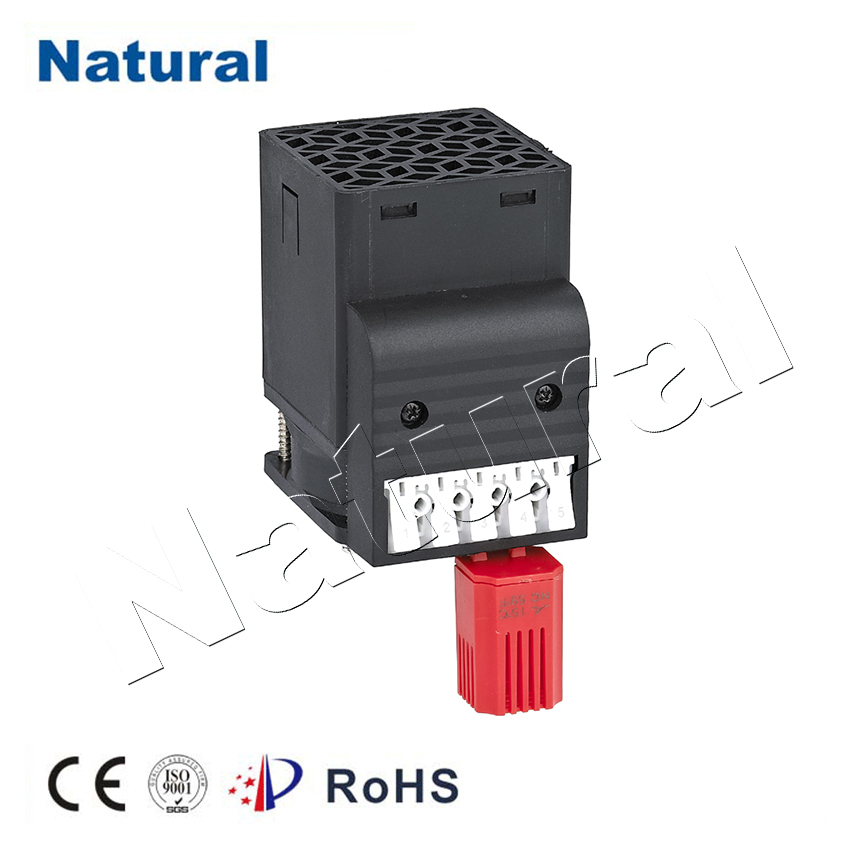
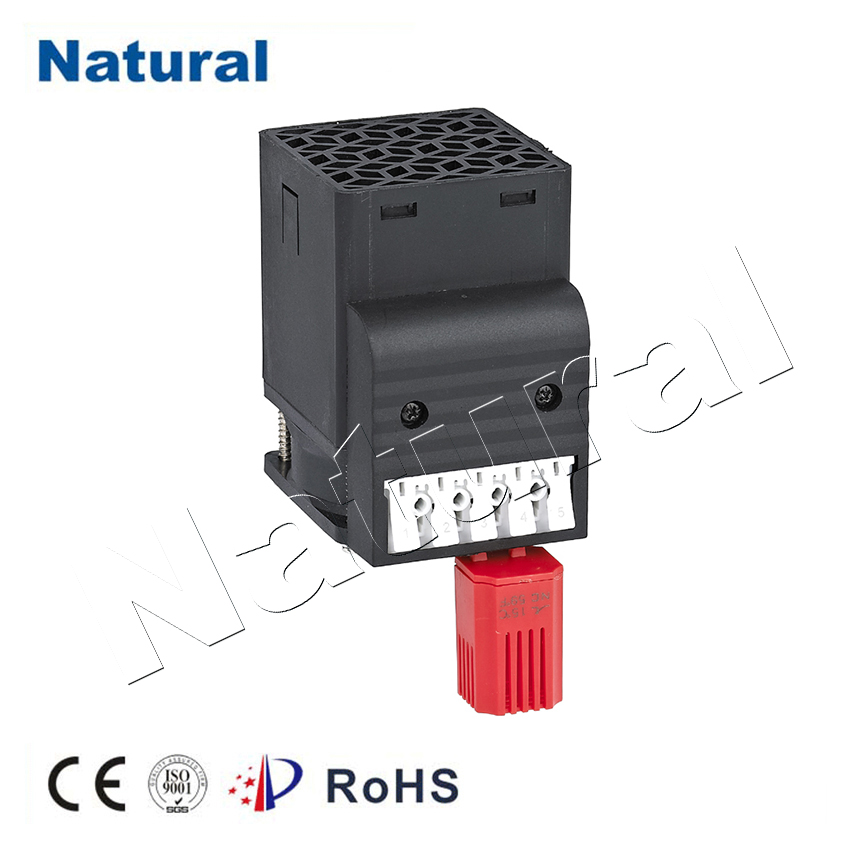
Industrial environments often require reliable and efficient heating solutions to maintain optimal working conditions. Among the various options available, industrial fan heaters have emerged as a versatile and effective choice. These heaters combine powerful heating capabilities with enhanced air circulation, making them indispensable tools for a wide range of industrial applications. Efficient Heating Performance Industrial fan heaters are designed to deliver rapid and efficient heating. Their advanced heating elements generate intense heat quickly, raising the temperature of large spaces within a short span of time. This attribute is especially valuable in industries where maintaining a consistent and comfortable temperature is crucial for both employee well-being and the proper functioning of equipment. Uniform Heat Distribution One of the standout features of industrial fan heaters is their ability to provide uniform heat distribution. Unlike conventional heaters that often create hotspots and temperature inconsistencies, fan heaters circulate warm air effectively throughout the area. This ensures that every corner of the industrial space receives the same level of warmth, eliminating discomfort for workers and preventing potential damage to sensitive materials. Enhanced Air Circulation Beyond heating, industrial fan heaters contribute to improved air circulation within the workspace. The built-in fans help to distribute warm air while also minimizing humidity levels. This dual function not only keeps the environment comfortable but also assists in preventing the accumulation of moisture that could lead to corrosion or mold growth. Energy Efficiency Modern industrial fan heaters are designed with energy efficiency in mind. Equipped with advanced thermostat controls and programmable timers, these heaters can be optimized to operate only when needed. This not only conserves energy but also reduces operational costs, making them a sustainable heating solution for industries aiming to minimize their carbon footprint. Versatility in Applications Industrial fan heaters find application in a wide range of industries. From warehouses, factories, and workshops to construction sites and agricultural facilities, their versatility is unmatched. Their robust construction allows them to withstand demanding conditions and heavy use, making them reliable companions in diverse settings. Safety Features Safety is a paramount concern in any industrial setting. Modern industrial fan heaters are equipped with an array of safety features to prevent accidents. Overheating protection, tip-over switches, and cool-touch exteriors ensure that these heaters can be used without posing unnecessary risks to personnel or property. Conclusion Industrial fan heaters have evolved into indispensable assets for modern industries. Their efficient heating performance, uniform heat distribution, enhanced air circulation, energy efficiency, versatility, and safety features make them an ideal choice for maintaining a conducive working environment. As technology continues to advance, we can expect further innovations in industrial fan heater design, leading to even more effective and reliable heating solutions for the industries that rely on them.

Enhancing Air Quality and Efficiency with Industrial Air Filters

In today’s fast-paced industrial landscape, the need for maintaining clean and healthy air environments within factories and manufacturing facilities has become paramount. Industrial air filters play a crucial role in ensuring optimal air quality while also contributing to the efficiency and longevity of equipment. This article delves into the significance of industrial air filters, their types, and their essential benefits.

industri air filter

The Importance of Industrial Air Filters Industrial processes often involve the release of various pollutants and particulate matter into the air, which can have detrimental effects on both worker health and the machinery itself. Industrial air filters serve as the first line of defense against airborne contaminants, capturing dust, debris, pollutants, and even microorganisms from the ambient air. By preventing these particles from circulating within the working environment, air filters help maintain clean and safe air quality. Types of Industrial Air Filters Particulate Filters:These filters are designed to trap solid particles suspended in the air, such as dust, pollen, and soot. They typically use a combination of physical mechanisms like sieving, interception, and diffusion to capture particles of varying sizes. Gas Phase Filters:These filters are adept at capturing gaseous pollutants and volatile organic compounds (VOCs). They often use adsorption or chemical reaction processes to neutralize harmful gases, improving the overall air quality within the industrial setting. High-Efficiency Particulate Air (HEPA) Filters:HEPA filters are renowned for their exceptional ability to trap extremely small particles with high efficiency. They are widely used in environments that require stringent air quality standards, such as cleanrooms and medical facilities. Activated Carbon Filters:These filters are highly effective at adsorbing odors, chemicals, and volatile compounds. They are commonly used in industrial processes where specific gases need to be removed from the air stream. Benefits of Using Industrial Air Filters Worker Health and Safety:The foremost advantage of industrial air filters is the protection they offer to workers. By removing harmful particles and pollutants, these filters create a healthier work environment, reducing the risk of respiratory issues and other health problems caused by poor air quality. Equipment Longevity:Airborne particles and contaminants can lead to premature wear and damage to industrial machinery and equipment. By using air filters, manufacturers can extend the lifespan of their equipment and reduce maintenance costs. Regulatory Compliance:Many industries are subject to strict air quality regulations. Industrial air filters help businesses meet these regulatory requirements by minimizing emissions and maintaining the prescribed air quality standards. Improved Product Quality:In industries where product quality is paramount, such as food and pharmaceutical manufacturing, maintaining clean air environments is essential. Air filters prevent product contamination and ensure consistent quality. Energy Efficiency:Clean air filters contribute to the efficient operation of HVAC systems. Clogged or dirty filters can impede airflow, leading to higher energy consumption. Regularly maintained filters allow for optimal air circulation and lower energy costs. Conclusion Industrial air filters play an indispensable role in promoting healthy air quality, safeguarding worker well-being, and maintaining the efficiency of industrial processes. Their wide range of types and benefits make them an essential component in various industries, ranging from manufacturing to healthcare. By investing in high-quality air filtration systems and adopting regular maintenance practices, businesses can create cleaner, safer, and more productive work environments.

Enhancing Air Quality and Equipment Longevity with Industrial Fan Filters

In modern industrial settings, maintaining optimal air quality is a crucial aspect that directly impacts both the health of workers and the efficiency of machinery. One integral component that plays a significant role in achieving these goals is the industrial fan filter. These unassuming devices not only ensure a cleaner and healthier working environment but also contribute to the longevity and performance of critical equipment.

industri fan filter

The Importance of Air Quality: Clean air in industrial environments is paramount for various reasons. First and foremost, the health and well-being of employees are at stake. Poor air quality can lead to respiratory issues, allergies, and other health complications, resulting in decreased productivity and increased sick leaves. Moreover, dust and airborne particles can adversely affect sensitive equipment, leading to breakdowns, increased maintenance costs, and production delays. The Role of Industrial Fan Filters: Industrial fan filters, also known as ventilation filters or air intake filters, are designed to remove contaminants from the air before it enters industrial facilities. These filters are strategically placed at the inlet of ventilation systems and fans, preventing the ingress of dust, dirt, pollen, and other particles. By doing so, they contribute to maintaining a clean and healthy work environment. Benefits of Using Industrial Fan Filters: Improved Air Quality:Industrial fan filters effectively capture a wide range of particles, from large debris to microscopic pollutants. This filtration process leads to cleaner air, reducing the risk of respiratory issues among employees and providing a healthier overall workplace. Equipment Longevity:Airborne contaminants can wreak havoc on sensitive machinery. Industrial fan filters prevent the accumulation of dust and particles on equipment components, ensuring smoother operation and extending the lifespan of the machinery. This translates to reduced maintenance costs and minimized downtime. Enhanced Efficiency:Unobstructed airflow is essential for optimal equipment performance. Clean air intake, facilitated by fan filters, allows machines to operate at their designed efficiency levels. This results in consistent output quality and energy savings. Regulatory Compliance:Many industries are subject to strict air quality regulations. The use of industrial fan filters aids companies in adhering to these regulations, avoiding potential fines and legal issues. Reduced Cleaning Frequency:Without proper filtration, dust and particles accumulate quickly on surfaces, necessitating frequent cleaning. Industrial fan filters reduce the need for extensive and time-consuming cleaning routines. Choosing the Right Filter: Selecting the appropriate industrial fan filter is essential to achieve the desired results. Factors to consider include the type of contaminants present, the size of particles that need to be filtered, the required airflow rate, and the specific industry standards. Maintenance and Replacement: To ensure the ongoing effectiveness of industrial fan filters, regular maintenance and replacement are necessary. Over time, filters become clogged with captured particles, obstructing airflow and diminishing their filtering capabilities. A well-defined maintenance schedule, including cleaning and replacing filters as needed, is crucial. In Conclusion: Industrial fan filters are inconspicuous yet indispensable components that significantly impact both air quality and equipment performance in industrial environments. Their role in providing cleaner air, extending machinery lifespan, improving efficiency, and complying with regulations cannot be overstated. By investing in quality fan filters and implementing a robust maintenance regimen, industries can create healthier workplaces and maintain the operational integrity of their equipment.

Understanding the Hygrostat Thermostat: Regulating Comfort and Efficiency

In the world of HVAC (Heating, Ventilation, and Air Conditioning) systems, innovation continuously drives the quest for enhanced comfort and energy efficiency. One remarkable advancement in this field is the hygrostat thermostat, a device that combines humidity and temperature control to create an optimal indoor environment. In this article, we’ll delve into the workings of the hygrostat thermostat, its benefits, and its applications.

hygrostat thermostat

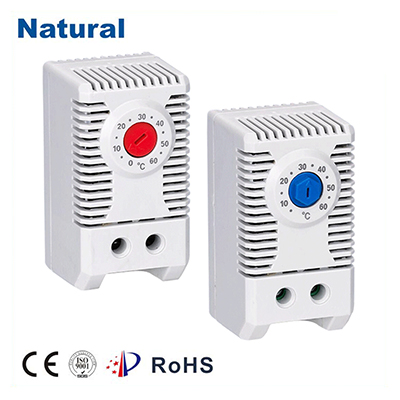
What is a Hygrostat Thermostat? A hygrostat thermostat, also known as a humidity-sensitive thermostat, is an intelligent device designed to regulate both temperature and humidity levels within a space. Unlike conventional thermostats that focus solely on temperature control, the hygrostat thermostat takes into account the humidity level as well. By integrating humidity sensing capabilities, this thermostat ensures a more comprehensive approach to maintaining indoor comfort. How Does it Work? The hygrostat thermostat operates by monitoring the humidity level in the air. When the humidity surpasses a pre-set threshold, the thermostat responds by activating the HVAC system to reduce moisture content. Conversely, if the humidity falls below the desired range, the device can engage a humidifier. Alongside humidity control, the hygrostat thermostat maintains the set temperature, offering a harmonious blend of both comfort and energy efficiency. Benefits of Hygrostat Thermostats Enhanced Comfort:Humidity plays a pivotal role in human comfort. Dry air can lead to skin discomfort and respiratory issues, while excessively humid air can cause a clammy feeling. A hygrostat thermostat ensures an ideal humidity level, contributing to a more pleasant indoor environment. Energy Efficiency:Traditional thermostats often lead to inefficient energy usage, as they only consider temperature when determining HVAC system activation. Hygrostat thermostats optimize energy consumption by activating the system only when both temperature and humidity are outside the desired ranges. Mold Prevention:High humidity levels can foster the growth of mold and mildew, posing health risks and structural damage. By promptly responding to humidity changes, hygrostat thermostats help prevent these issues, saving homeowners from costly repairs. Energy Cost Savings:The combination of temperature and humidity regulation leads to reduced energy usage. By using the HVAC system more judiciously, users can expect noticeable savings on their energy bills. Applications of Hygrostat Thermostats Residential Spaces:In homes, hygrostat thermostats are particularly beneficial for basements, bathrooms, and other areas prone to humidity fluctuations. These devices maintain a healthy and comfortable environment for occupants. Commercial Buildings:Offices, restaurants, and retail spaces can benefit from hygrostat thermostats, as they help create a welcoming atmosphere for customers and employees alike. Greenhouses:Hygrostat thermostats are indispensable in greenhouses, where precise humidity and temperature control are vital for optimal plant growth. Museums and Archives:These sensitive environments require controlled humidity levels to preserve valuable artifacts and documents. Hygrostat thermostats contribute to maintaining the integrity of these items. In conclusion, the hygrostat thermostat represents a significant advancement in HVAC technology. By combining temperature and humidity control, it provides enhanced comfort, energy efficiency, and a range of applications in various settings. As we continue to prioritize both comfort and sustainability, innovations like the hygrostat thermostat pave the way for a more harmonious coexistence with our indoor environments.

The Role of Humidity Controller Thermostats in Achieving Optimal Environmental Conditions

In today’s modern world, maintaining the right environmental conditions has become increasingly important across various industries and applications. Whether it’s in industrial processes, agriculture, or even our own homes, precise control over factors like temperature and humidity can significantly impact outcomes. This is where humidity controller thermostats step in, playing a pivotal role in ensuring that humidity levels remain within the desired range. In this article, we will delve into the significance and functionality of humidity controller thermostats.

humidity controller thermostat

Understanding Humidity Controller Thermostats: A humidity controller thermostat is a sophisticated device designed to regulate both temperature and humidity levels in an enclosed environment. It operates by detecting the existing humidity level and comparing it to the preset target. If the humidity level deviates from the desired range, the humidity controller thermostat takes corrective actions to restore optimal conditions. Importance in Different Sectors: Industrial Applications:In industries such as pharmaceuticals, electronics manufacturing, and food processing, maintaining specific humidity levels is crucial. Fluctuations in humidity can impact product quality, shelf life, and even production efficiency. Humidity controller thermostats ensure that these environments remain stable, minimizing the risk of spoilage, defects, or malfunctions. Agriculture and Horticulture:In controlled environment agriculture (CEA), where crops are grown indoors, humidity control is essential for plant growth. Humidity controller thermostats help prevent issues like mold growth, wilting, and disease that can arise from excessive moisture or dryness. Home Comfort:Humidity levels also play a significant role in our daily lives. Too much humidity can lead to discomfort and health issues, while too little can cause dry skin and respiratory problems. Humidity controller thermostats in HVAC systems help maintain a healthy and comfortable indoor environment. Functionality and Features: Humidity controller thermostats come with a range of features to ensure efficient operation: Humidity Sensing:The core function of a humidity controller thermostat is to accurately measure the humidity level in the environment. This is usually done using sensors like capacitive or resistive humidity sensors. Setpoint Adjustment:Users can set their desired humidity levels on the thermostat. Once the actual humidity deviates from this setpoint, the thermostat initiates appropriate actions. Humidification and Dehumidification:Based on the deviation from the setpoint, the thermostat can activate humidification devices (like humidifiers) or dehumidification devices (like dehumidifiers) to restore optimal humidity levels. Integration with Temperature Control:Many humidity controller thermostats also integrate temperature control. This is especially useful as humidity levels are often influenced by temperature changes. Alarms and Alerts:In critical applications, such as server rooms or labs, humidity controller thermostats can generate alerts or alarms when conditions fall outside the acceptable range. Benefits: Energy Efficiency:By preventing extreme humidity fluctuations, these controllers reduce the workload on HVAC systems, leading to energy savings. Preserving Materials:In museums, libraries, and archival storage, humidity control helps protect sensitive materials from deterioration. Health and Well-being:Maintaining optimal humidity levels contributes to indoor air quality, benefiting human health and comfort. Conclusion: Humidity controller thermostats are indispensable tools in achieving and maintaining optimal environmental conditions across various domains. Their ability to regulate humidity levels effectively ensures the quality of products, the growth of plants, and the comfort of occupants. As technology advances, we can expect even more sophisticated and precise humidity control solutions to further enhance our ability to harness the power of environmental control.

The Significance and Functionality of High Temperature Thermostats

Introduction

high temperature thermostat

In the modern world, technology has made tremendous strides, leading to innovations that have transformed various aspects of our lives. One such innovation is the high temperature thermostat, a crucial component used in various industries and applications. This article delves into the significance and functionality of high temperature thermostats, exploring their uses, benefits, and contributions to different fields. Understanding High Temperature Thermostats A high temperature thermostat, as the name suggests, is a specialized device designed to regulate and maintain elevated temperatures in various systems and equipment. Unlike conventional thermostats that manage room temperatures, high temperature thermostats are engineered to handle extreme heat conditions often encountered in industrial processes, laboratories, manufacturing, and research facilities. Functionality and Applications The primary function of a high temperature thermostat is to ensure precise temperature control in environments where traditional thermostats would fail. These devices utilize advanced sensing mechanisms and intelligent control systems to achieve and sustain specific temperatures, ensuring consistent and reliable outcomes in diverse applications. Industrial Processes: High temperature thermostats play a vital role in industrial processes such as chemical reactions, metal heat treatment, and polymer production. These processes often demand strict temperature control to achieve desired results and maintain product quality. Laboratories and Research: Scientific experiments and research activities often require stable and controlled high temperatures. High temperature thermostats are indispensable in fields like materials science, biology, and chemistry, where maintaining precise temperature conditions can influence outcomes. Medical and Pharmaceutical: In pharmaceutical manufacturing and medical research, high temperature thermostats contribute to the development of drugs, vaccines, and medical devices. These devices aid in the creation of consistent and reproducible conditions necessary for quality assurance and research accuracy. Energy and Environment: High temperature thermostats are utilized in testing and evaluating materials and components for energy-efficient systems, as well as simulating extreme environmental conditions to assess product durability and performance. Benefits and Advantages The adoption of high temperature thermostats brings forth numerous benefits across various industries: Accuracy: High temperature thermostats offer a high degree of temperature accuracy, ensuring that the desired temperature is maintained with minimal deviation. This accuracy is critical for achieving consistent results in research and industrial processes. Stability: These thermostats provide exceptional temperature stability, preventing fluctuations that could adversely affect experiments or manufacturing processes. Safety: In applications where safety is paramount, such as petrochemical production, the use of high temperature thermostats minimizes the risk of overheating, which could lead to hazardous situations. Efficiency: By maintaining precise temperatures, high temperature thermostats optimize energy usage and improve overall process efficiency, ultimately reducing operational costs. Conclusion High temperature thermostats represent a remarkable intersection of technology and innovation, catering to the demanding requirements of industries that operate in extreme heat conditions. Their ability to provide accurate, stable, and safe temperature control has revolutionized industrial processes, research endeavors, and scientific advancements. As technology continues to advance, we can anticipate further refinements in high temperature thermostat design, leading to even more efficient and precise temperature regulation across diverse applications.

The Evolution of Heating Thermostats: A Journey towards Energy Efficiency

Introduction

heating thermostat

Heating thermostats have come a long way since their inception, revolutionizing the way we control indoor temperatures and enhancing energy efficiency in our homes. These unassuming devices have undergone remarkable transformations over the years, enabling us to create comfortable living spaces while reducing our carbon footprint. In this article, we will explore the evolution of heating thermostats and their impact on modern living. Early Days: The Birth of Temperature Control The concept of temperature control dates back centuries, with early inventors experimenting with rudimentary methods to regulate indoor warmth. However, it wasn’t until the 19th century that the first thermostat was invented by Warren S. Johnson in 1883. Johnson’s invention utilized a bi-metallic strip to control the opening and closing of a circuit, effectively turning the heating system on or off based on temperature fluctuations. The Digital Revolution: Programmable Thermostats The late 20th century saw a significant leap in thermostat technology with the introduction of programmable thermostats. These devices allowed users to set specific temperature schedules for different times of the day, enabling energy savings by reducing heating during periods of lower occupancy or at night. Programmable thermostats marked a turning point in the quest for energy efficiency, giving users greater control over their heating systems. Smart Thermostats: The Future of Home Comfort The 21st century ushered in a new era of heating thermostat innovation with the rise of smart thermostats. These intelligent devices utilize advanced sensors, connectivity, and machine learning algorithms to adapt to users’ preferences and habits. Smart thermostats can be controlled remotely through smartphone apps, enabling users to adjust settings even when they are away from home. This level of flexibility not only enhances convenience but also optimizes energy usage. One of the standout features of smart thermostats is their ability to learn from user behavior. By analyzing patterns in temperature adjustments, occupancy, and weather conditions, these devices can automatically adjust settings to create the ideal indoor environment while minimizing energy waste. This adaptive technology has the potential to significantly reduce heating costs and carbon emissions, contributing to a more sustainable future. The Integration of AI and Sustainability As technology continues to advance, heating thermostats are poised to integrate artificial intelligence (AI) on a larger scale. AI-powered thermostats can analyze a multitude of data points, such as local energy prices, occupancy patterns, and even individual user preferences, to make real-time decisions that optimize both comfort and energy consumption. These systems can also provide personalized energy-saving recommendations, empowering users to make informed choices about their heating usage. Beyond Energy Efficiency: Health and Comfort While energy efficiency remains a primary focus, modern heating thermostats are also expanding their scope to prioritize health and comfort. Some thermostats are equipped with air quality sensors that monitor indoor pollutants and regulate ventilation systems accordingly. This not only ensures a comfortable environment but also promotes better respiratory health for occupants. Conclusion The journey of heating thermostats from their humble beginnings to the technologically advanced devices we have today is a testament to human ingenuity and our commitment to sustainability. From basic temperature control to AI-driven optimization, these devices have evolved to enhance our quality of life while minimizing our impact on the environment. As we continue to explore new frontiers in technology, heating thermostats are likely to play a crucial role in creating a more energy-efficient, comfortable, and sustainable world for generations to come.

The Ingenious Device: Exploring the World of Heater Thermostats

Introduction

heater thermostat

In the realm of modern comfort and energy efficiency, heater thermostats stand as unsung heroes, orchestrating the delicate dance between warmth and cost savings. These unassuming devices play a pivotal role in regulating temperatures within our living spaces, providing not only comfort but also contributing to a greener and more sustainable future. This article delves into the fascinating world of heater thermostats, exploring their functions, types, benefits, and the significant impact they have on our lives. The Functions of Heater Thermostats At its core, a heater thermostat is a device that maintains a desired temperature by controlling the operation of a heating system. It achieves this by constantly monitoring the ambient temperature and comparing it to the preset temperature. When the ambient temperature deviates from the desired level, the thermostat sends signals to the heating system to either turn on or off, ensuring that the temperature remains consistent. This dynamic process not only keeps us warm and comfortable but also prevents energy wastage by avoiding unnecessary heating. Types of Heater Thermostats Heater thermostats come in various types, each designed to cater to specific needs and preferences. The most common types include: Mechanical Thermostats:These traditional thermostats use a bimetallic strip that expands or contracts with temperature changes, causing a mechanical switch to activate the heating system. Digital Programmable Thermostats:These advanced thermostats allow users to set different temperatures for different times of the day. This precise control helps optimize energy usage by reducing heating when it’s not needed. Smart Thermostats:The epitome of modern technology, smart thermostats connect to the internet and can be controlled remotely via smartphones or other devices. They also adapt to users’ behaviors and make real-time adjustments for maximum energy efficiency. Benefits of Heater Thermostats The benefits of heater thermostats extend far beyond mere temperature regulation: Energy Efficiency:By preventing overheating and reducing the runtime of heating systems, thermostats significantly cut down energy consumption and utility bills. Cost Savings:Lower energy usage translates to lower bills, providing considerable long-term savings for households and businesses alike. Environmental Impact:The reduced energy consumption directly contributes to a smaller carbon footprint, supporting global efforts to combat climate change. Enhanced Comfort:Heater thermostats ensure consistent and comfortable temperatures throughout the day, eliminating the need for manual adjustments. Convenience:Programmable and smart thermostats offer unparalleled convenience, enabling users to control their heating systems remotely and customize settings according to their routines. The Future of Heater Thermostats As technology continues to evolve, the future of heater thermostats looks promising. Advancements in artificial intelligence, machine learning, and sensor technology are likely to enhance the capabilities of these devices even further. Predictive algorithms could anticipate temperature fluctuations and adjust settings accordingly, optimizing both comfort and energy consumption. Integration with renewable energy sources and home automation systems could create a holistic approach to energy management. Conclusion In the grand tapestry of modern living, heater thermostats may not be the stars of the show, but they play a crucial role behind the scenes. From mechanical marvels to cutting-edge smart devices, thermostats have come a long way in their quest to keep us warm, comfortable, and environmentally responsible. As we continue to strive for a sustainable future, these unassuming devices will remain steadfast companions on our journey towards a greener, more energy-efficient world.