Monthly Archives: September 2023

Enhancing Air Quality with Panel Air Fan Filters

Introduction

panel air fan filter

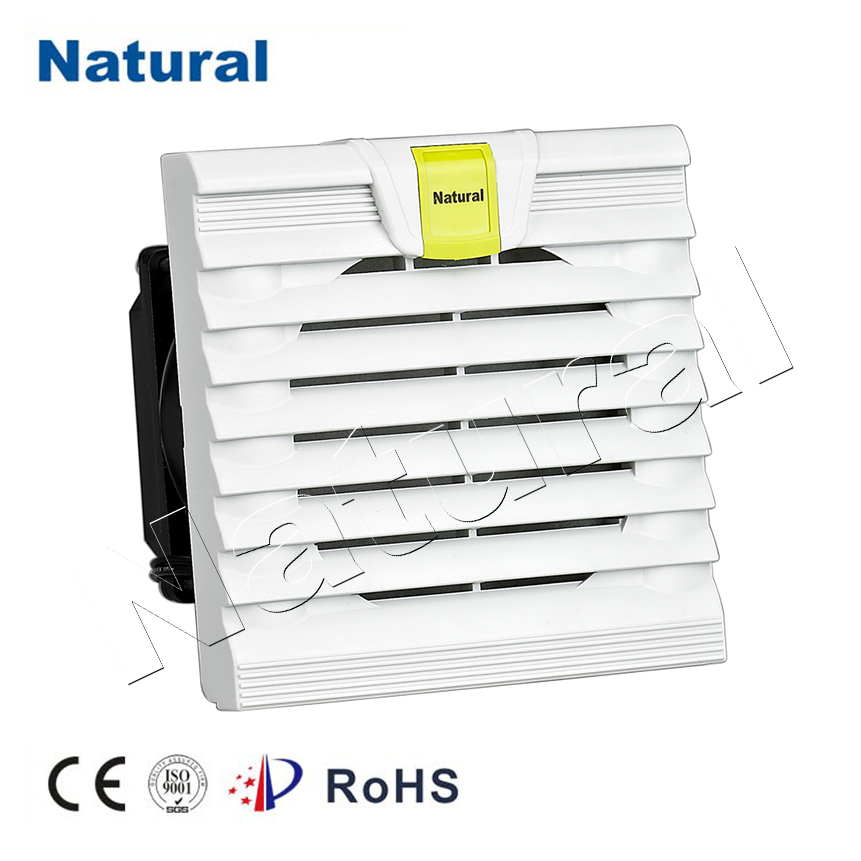
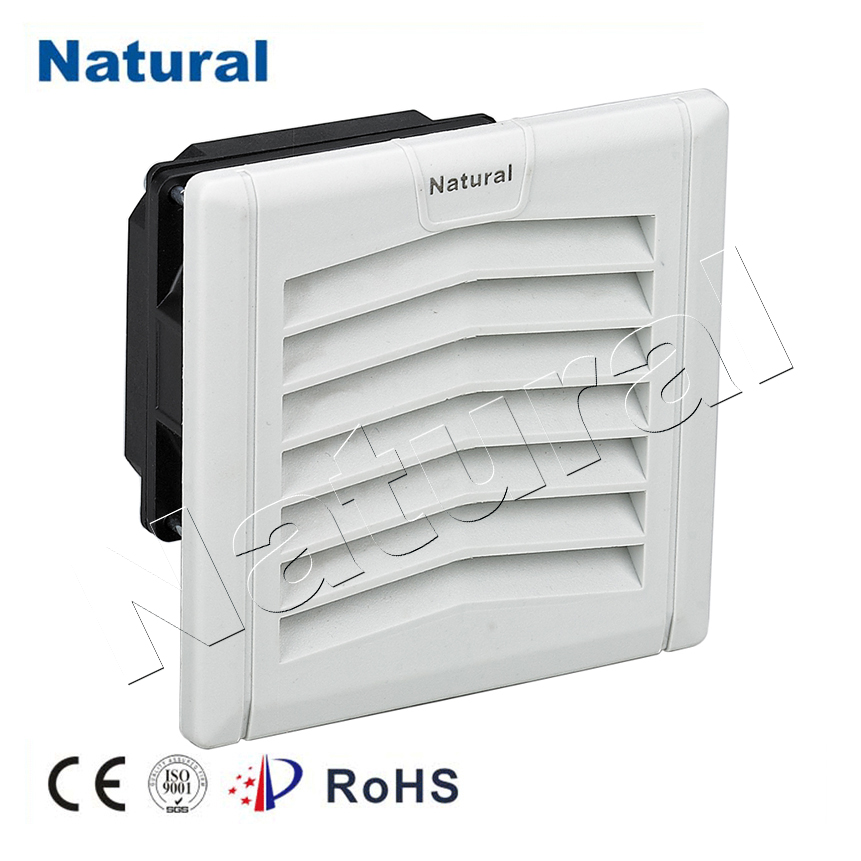
Indoor air quality is a critical aspect of maintaining a healthy and comfortable living or working environment. With the increase in pollutants and allergens in the air, ensuring that the air we breathe is clean and fresh has become more important than ever. One effective solution to this challenge is the utilization of panel air fan filters. In this article, we will explore the benefits and functionalities of panel air fan filters in improving indoor air quality. Benefits of Panel Air Fan Filters Panel air fan filters are designed to efficiently filter out dust, allergens, particles, and pollutants from the air. These filters play a vital role in creating a healthier atmosphere by removing airborne contaminants that could otherwise lead to respiratory issues, allergies, or other health problems. By enhancing the air quality, these filters contribute to a more productive and comfortable indoor environment. Efficient Filtration Process The efficiency of panel air fan filters lies in their advanced filtration process. These filters are constructed with multiple layers of specialized materials that capture particles of varying sizes. The layers often include a pre-filter, which traps larger particles, followed by finer filters that capture smaller particles. Some advanced filters even incorporate activated carbon layers to adsorb odors and volatile organic compounds (VOCs), further improving the air quality. Customizability and Compatibility Panel air fan filters come in various sizes and designs to accommodate different types of fan systems and spaces. Whether it’s for a residential HVAC system or an industrial ventilation setup, there is a panel air fan filter suitable for the application. This versatility makes it easy to integrate these filters into existing ventilation systems without major modifications. Extended Equipment Lifespan In addition to improving indoor air quality, panel air fan filters also contribute to the longevity and efficiency of the equipment they are installed in. By preventing dust and particles from clogging the fan blades and air passages, these filters help maintain optimal airflow and reduce strain on the equipment. This, in turn, leads to fewer breakdowns and a longer lifespan for the ventilation system. Maintenance and Replacement While panel air fan filters are highly effective, they do require regular maintenance and replacement to ensure their continued performance. Depending on the air quality and usage, filters may need to be replaced every few months. Regular cleaning or replacement not only guarantees better filtration but also helps in maintaining the overall efficiency of the ventilation system. Conclusion In a world where indoor air quality is increasingly compromised by pollutants and allergens, panel air fan filters provide a practical solution to mitigate these issues. By efficiently removing particles and contaminants from the air, these filters contribute to a healthier and more comfortable indoor environment. Their customizability, compatibility, and ability to prolong equipment lifespan make them a valuable addition to both residential and commercial spaces. As we prioritize our well-being, the adoption of panel air fan filters is a step towards breathing cleaner and fresher air.
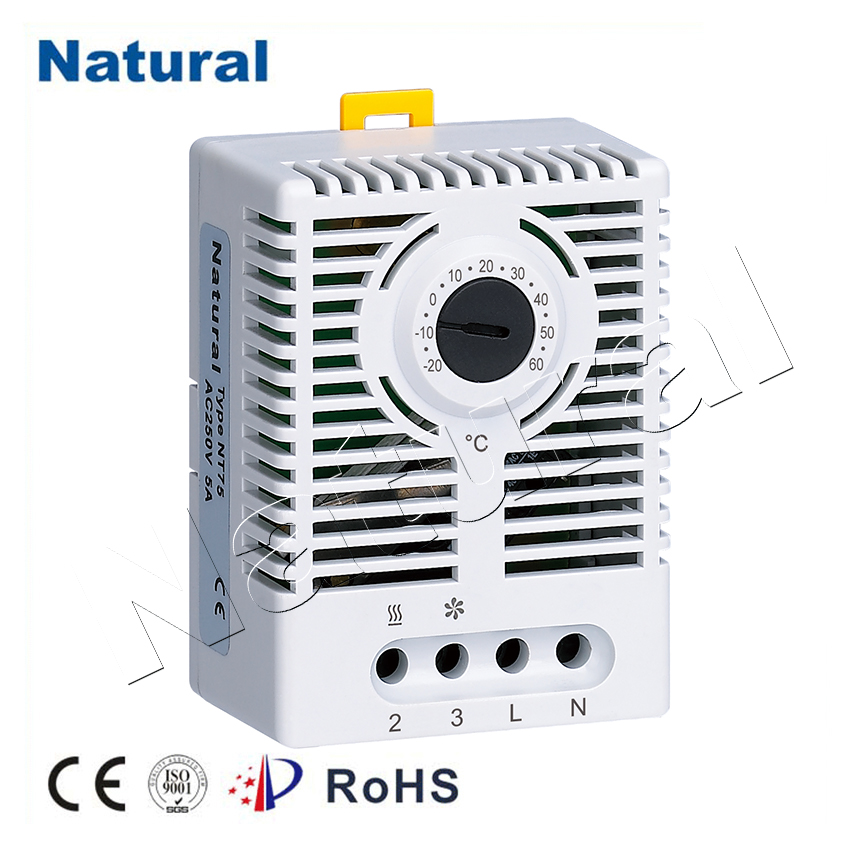
Understanding Normally Open and Normally Closed Thermostat Thermal Protectors

Introduction

normally open closed thermostat thermal protector

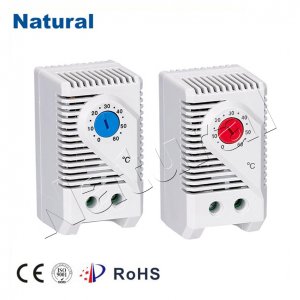
In the world of electrical appliances and systems, ensuring safety and preventing overheating is of paramount importance. One crucial component in achieving this is the thermostat thermal protector. These protectors come in two main configurations: normally open (NO) and normally closed (NC). In this article, we will delve into the workings of these two types of thermal protectors, exploring their mechanisms, applications, and benefits. The Basics of Normally Open and Normally Closed Thermal Protectors Normally Open (NO) Thermal Protectors: A normally open thermal protector, as the name suggests, is a device that is in an open state under normal operating conditions. It is designed to close the circuit and complete the electrical connection only when the temperature rises to a critical point. This type of thermal protector acts as a safety mechanism, preventing excessive heat buildup that could damage the equipment or even lead to a potential fire hazard. Normally Closed (NC) Thermal Protectors: Conversely, a normally closed thermal protector starts in a closed state, maintaining electrical contact during regular operation. When the temperature reaches a predetermined threshold, the protector opens the circuit, disrupting the flow of electricity. This rapid response to elevated temperatures helps safeguard the appliance or system from overheating. Applications of Normally Open and Normally Closed Thermal Protectors: Normally Open (NO) Protectors: NO thermal protectors are commonly found in devices where immediate shutdown is preferred upon reaching a certain temperature. They are used in applications such as: Motors:Electric motors in appliances like fans, refrigerators, and air conditioning units employ NO thermal protectors to prevent the motor from running at high temperatures. Heating Elements:In heating appliances like space heaters and water heaters, NO thermal protectors can halt the heating element operation to prevent accidents or equipment damage. Normally Closed (NC) Protectors: NC thermal protectors are suitable for applications where cutting off power at high temperatures is the primary concern. They find usage in scenarios such as: Lamps and Lighting:Incandescent and LED lamps incorporate NC thermal protectors to ensure that the heat generated by the lighting elements doesn’t cause overheating. Battery Packs:Devices that rely on battery power, such as laptops and power tools, utilize NC thermal protectors to prevent thermal runaway and extend battery lifespan. Benefits of NO and NC Thermal Protectors: Normally Open (NO) Protectors: Rapid Response:NO thermal protectors react quickly to high temperatures, minimizing the risk of damage or safety hazards. Energy Efficiency:By shutting off the circuit when not needed, these protectors help save energy and reduce operating costs. Normally Closed (NC) Protectors: Continuous Operation:NC thermal protectors allow the equipment to run without interruption during normal operating conditions. Precise Protection:These protectors offer a fine balance between preventing overheating and maintaining operation. Conclusion In the realm of electrical systems and appliances, the selection of the appropriate thermal protector type plays a pivotal role in ensuring safety and reliability. Both normally open (NO) and normally closed (NC) thermal protectors offer unique advantages based on the application’s requirements. NO protectors provide swift action in preventing overheating, while NC protectors ensure continuous operation with effective temperature control. Understanding these distinctions empowers engineers and manufacturers to make informed decisions that lead to safer and more efficient products.

The Marvels of Mechanical Temperature Switches

Introduction

mechanical temperature switch

In the intricate world of modern engineering, where digital sensors and smart devices have taken center stage, there exists a humble yet indispensable component known as the mechanical temperature switch. Often overlooked amidst the digital frenzy, mechanical temperature switches play a vital role in a multitude of applications, ensuring reliable and straightforward temperature control. In this article, we will delve into the inner workings and various applications of mechanical temperature switches. The Basics of Mechanical Temperature Switches A mechanical temperature switch, as the name suggests, is a device that operates based on changes in temperature. Unlike its electronic counterparts, it does not rely on complex circuits or programming but instead functions through simple and robust mechanical mechanisms. At its core, a mechanical temperature switch consists of a bimetallic strip or a liquid-filled sensing element. These elements expand or contract in response to temperature fluctuations, thereby triggering a mechanical action. How It Works When the temperature rises or falls beyond a preset threshold, the bimetallic strip or sensing element within the temperature switch undergoes a physical change. This change in shape is harnessed to open or close an electrical circuit, which can activate or deactivate a connected device or system. For instance, in household appliances like electric kettles, a mechanical temperature switch is responsible for turning off the heating element once the water reaches the desired temperature. Applications Industrial Heating and Cooling Systems: Mechanical temperature switches are widely used in industrial processes to monitor and control temperatures in heating, ventilation, air conditioning, and refrigeration systems. Their rugged design and reliability make them suitable for demanding environments. Automotive: In vehicles, mechanical temperature switches help regulate the engine’s cooling system. When the engine temperature rises excessively, the switch triggers the cooling fan to maintain optimal operating conditions. Household Appliances: As mentioned earlier, appliances like irons, toasters, and ovens utilize mechanical temperature switches to prevent overheating and ensure user safety. Safety Systems: Mechanical temperature switches are integral components in safety systems, such as fire detection and suppression systems. They can trigger alarms or activate fire suppression mechanisms when temperatures reach critical levels. Oil and Gas Industry: In hazardous environments where electronic devices might be vulnerable to sparks, mechanical temperature switches provide a safe and reliable means of temperature control in processes involving flammable materials. Advantages The enduring popularity of mechanical temperature switches can be attributed to several key advantages: Robustness: Mechanical temperature switches are rugged and capable of withstanding harsh conditions, making them suitable for use in demanding industrial settings. Simplicity: Their straightforward design makes installation and maintenance hassle-free, and they do not require complex calibration or programming. Cost-Effectiveness: Mechanical temperature switches are often more affordable than their electronic counterparts, making them a cost-effective choice for various applications. Conclusion In the ever-evolving landscape of technological innovation, the simplicity and reliability of mechanical temperature switches continue to shine. From industrial giants to household essentials, these unassuming devices play a crucial role in ensuring safe and efficient temperature control. As we embrace the future of automation and digitization, let us not forget the enduring value of these mechanical marvels that have stood the test of time.

The Mechanics Behind Mechanical Temperature Controllers

Introduction

mechanical temperature controller

Temperature control is an essential aspect of numerous industrial and everyday processes, ensuring optimal performance and safety. Among the various temperature control mechanisms, the mechanical temperature controller stands as a classic and reliable solution. In this article, we will delve into the workings of mechanical temperature controllers, exploring their principles, applications, and advantages. Principles of Operation Mechanical temperature controllers are designed to regulate temperature by utilizing the expansion and contraction properties of materials in response to temperature changes. One common example involves the use of bimetallic strips, which consist of two different metals bonded together. These strips are engineered to react differently to temperature fluctuations. As the temperature rises, the metals expand at different rates, causing the strip to bend. This bending action is harnessed to activate or deactivate a switch, thereby controlling the heating or cooling process. Components and Functionality A typical mechanical temperature controller consists of several key components, each playing a vital role in the overall functionality: Sensing Element: The bimetallic strip or another temperature-sensitive material serves as the sensing element. It is strategically positioned in the environment whose temperature needs to be controlled. Actuating Mechanism: The bending or movement of the sensing element triggers the actuating mechanism. This can include levers, cams, and gears that amplify the motion and engage the switching process. Switch: The switch, often a mechanical one, is responsible for opening or closing the circuit to control the heating or cooling device. Once the desired temperature is reached, the switch reverses its state, thus maintaining the temperature within a specific range. Applications Mechanical temperature controllers find applications in various industries and sectors: Household Appliances: Devices like ovens, toasters, and refrigerators utilize mechanical temperature controllers to ensure that the internal temperature remains stable, providing optimal performance and safety. Industrial Processes: Many manufacturing processes require precise temperature control. Mechanical temperature controllers are employed in equipment like industrial furnaces, plastic molding machines, and heat exchangers. HVAC Systems: Heating, ventilation, and air conditioning systems often incorporate mechanical temperature controllers to regulate indoor temperatures efficiently. Advantages Despite the advancement of digital and electronic temperature control systems, mechanical temperature controllers continue to offer distinct advantages: Reliability: Mechanical systems are less susceptible to electronic failures, making them reliable in demanding environments. Simplicity: The straightforward design of mechanical temperature controllers translates to ease of use, installation, and maintenance. Cost-Effectiveness: Mechanical controllers tend to be more affordable compared to complex electronic alternatives, making them an attractive option for cost-conscious applications. Conclusion In the world of temperature control, mechanical temperature controllers stand as a testament to the power of simplicity and reliability. Their ingenious use of physical properties to regulate temperature has found applications across industries, making them a timeless solution. As technology advances, these controllers might evolve, but their fundamental principles and advantages will likely continue to make them relevant for years to come.

Understanding Mechanical Hygrostats: A Reliable Solution for Humidity Control

Introduction

Mechanical Hygrostat

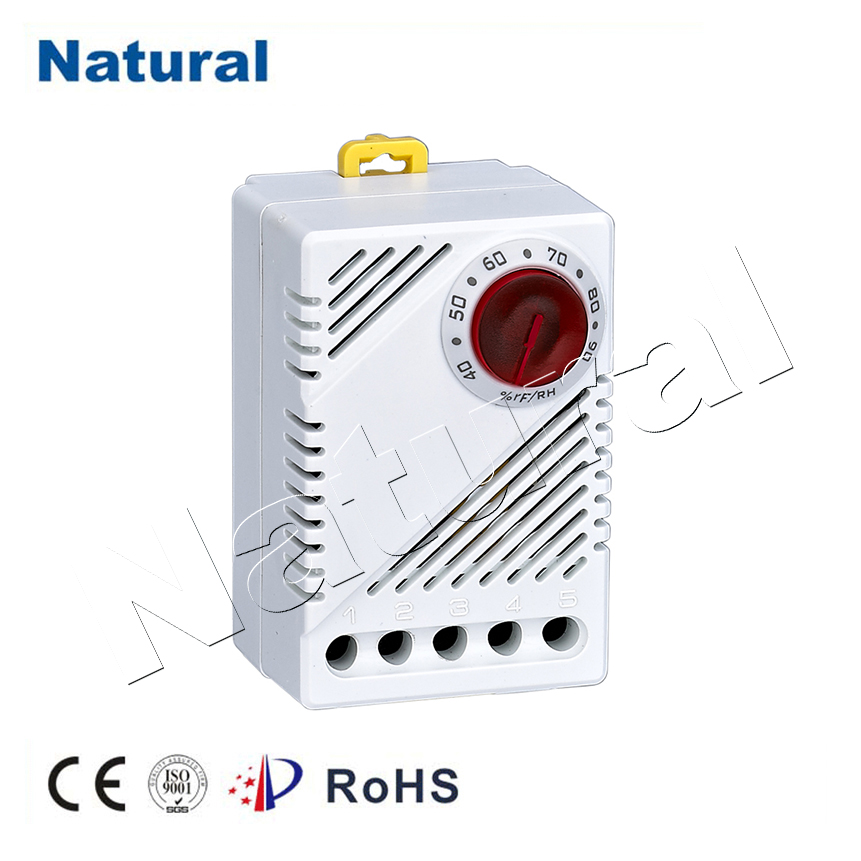
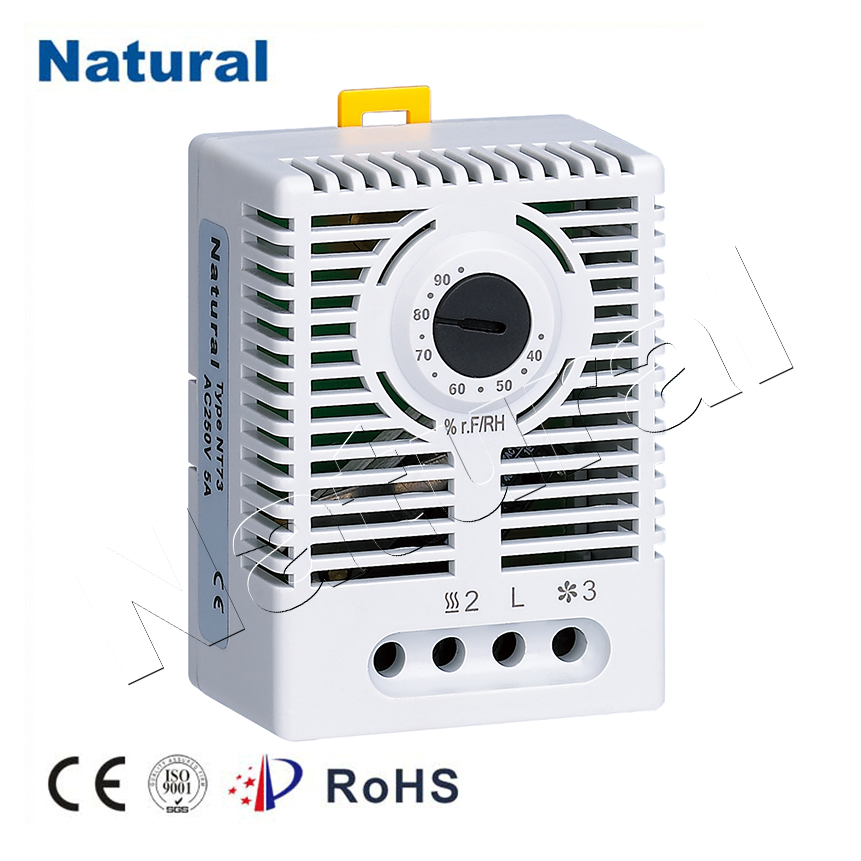
In the realm of climate and environment control, maintaining optimal humidity levels is crucial for preserving materials, ensuring human comfort, and supporting various industrial processes. One effective tool for achieving this balance is the mechanical hygrostat. In this article, we delve into the functionality and significance of mechanical hygrostats, exploring their applications and advantages in humidity regulation. The Mechanics Behind Mechanical Hygrostats A mechanical hygrostat is a device designed to control humidity by utilizing the principles of hygroscopy – the ability of certain materials to absorb moisture from the air. The core of the hygrostat comprises two essential components: a moisture-sensitive element and a mechanical switching mechanism. The moisture-sensitive element, often made of hygroscopic materials like salts, expands and contracts in response to changes in humidity. This element is connected to the mechanical switch, which triggers specific actions based on the element’s expansion or contraction. How Mechanical Hygrostats Operate When humidity levels rise, the moisture-sensitive element absorbs moisture from the air, causing it to expand. This expansion engages the mechanical switch, which can activate or deactivate a connected device or system. For instance, a mechanical hygrostat may be used to control ventilation systems, humidifiers, or dehumidifiers. As the humidity decreases and the moisture-sensitive element contracts, the mechanical switch returns to its original position, thereby reversing the action of the connected device. Applications and Benefits Home Humidity Control: Mechanical hygrostats find applications in homes to regulate humidity levels, preventing issues such as mold growth, dust mites, and wood deformation. They can be integrated with air conditioning systems to ensure a comfortable and healthy indoor environment. Industrial Processes: In industries like food production and storage, textiles, and pharmaceuticals, maintaining specific humidity levels is crucial. Mechanical hygrostats play a pivotal role in ensuring product quality and extending shelf life. Greenhouses and Agriculture: Agricultural practices often require precise humidity control for optimal plant growth. Mechanical hygrostats can aid in automating greenhouse ventilation and irrigation systems. Museums and Archives: Valuable artifacts and documents are susceptible to damage caused by fluctuating humidity. Mechanical hygrostats help preserve these cultural treasures by stabilizing humidity conditions. Advantages of Mechanical Hygrostats Reliability: Mechanical hygrostats operate without relying on external power sources, making them dependable even in case of power outages or electrical failures. Cost-Effective: Their simple design and self-sustaining operation make mechanical hygrostats a cost-effective solution for humidity control, especially in comparison to electronic alternatives. Low Maintenance: These devices have minimal maintenance requirements due to their rugged and uncomplicated construction. Conclusion In a world where precise environmental control is increasingly essential, mechanical hygrostats stand as a robust and dependable solution for humidity regulation. Their ability to maintain optimal conditions across various settings, coupled with their reliability and cost-effectiveness, positions them as a valuable tool for preserving materials, enhancing human comfort, and supporting industrial processes. As technology advances, the enduring principles behind mechanical hygrostats continue to play a pivotal role in our ongoing efforts to achieve a balanced and controlled environment.

Exploring the KTS011 Temperature Controller: A Versatile Solution for Temperature Regulation

In the realm of modern technology, temperature control plays a pivotal role in ensuring the optimal functioning of various devices and systems. Among the innovative devices designed for this purpose, the KTS011 Temperature Controller stands out as a versatile and reliable solution. This article delves into the features and applications of the KTS011 Temperature Controller, highlighting its importance in diverse industries.

kts011 temperature controller

The KTS011 Temperature Controller is a cutting-edge electronic device meticulously crafted to monitor and regulate temperatures with precision. Its compact design and user-friendly interface make it a valuable tool in both industrial and domestic settings. With a wide temperature range and high accuracy, the KTS011 is engineered to cater to an array of temperature management needs. One of the key features of the KTS011 is its adjustable temperature setpoint. Users can easily configure the desired temperature range, allowing the controller to activate connected systems when the temperature deviates from the specified range. This functionality proves invaluable in scenarios where maintaining a consistent temperature is paramount, such as in greenhouses, laboratories, and server rooms. Furthermore, the KTS011 Temperature Controller offers seamless connectivity options, enabling users to remotely monitor and adjust temperatures. Through integrated communication protocols, such as Wi-Fi or Bluetooth, users can receive real-time temperature updates and make necessary modifications from their smartphones or computers. This capability proves especially convenient in industrial setups where continuous monitoring is essential for both efficiency and safety. The controller’s versatility extends to its compatibility with various temperature sensors, including thermocouples and resistance temperature detectors (RTDs). This adaptability ensures accurate temperature measurements across different environments, whether it’s monitoring extreme heat in a manufacturing plant or maintaining precise conditions in a pharmaceutical storage facility. In industrial processes where temperature fluctuations can lead to suboptimal outcomes, the KTS011 Temperature Controller plays a crucial role in enhancing product quality and process efficiency. For instance, in the food and beverage industry, precise temperature control is essential during cooking, fermentation, and storage to ensure consistent taste and safety. Beyond industrial applications, the KTS011 Temperature Controller finds its place in everyday life. Homeowners can integrate it into their heating, ventilation, and air conditioning (HVAC) systems to achieve optimal comfort while minimizing energy consumption. The controller’s intelligent algorithms adapt to changing conditions, adjusting heating and cooling systems to maintain the desired temperature, thus contributing to energy savings and reduced utility bills. In conclusion, the KTS011 Temperature Controller exemplifies a remarkable blend of innovation and functionality. Its ability to regulate temperatures with accuracy, coupled with its adaptability to various industries and settings, makes it an indispensable tool for modern temperature management challenges. From industrial processes that demand precision to residential spaces that prioritize comfort, the KTS011 continues to prove its significance as a versatile and reliable temperature control solution. As technology continues to advance, the KTS011 stands ready to play an increasingly vital role in shaping our world through efficient temperature regulation.

Exploring the Efficiency and Innovation of the KTS011 Thermostat

In the realm of modern technology, the pursuit of energy efficiency and innovation has become paramount. One such innovation that has caught the attention of both consumers and industries alike is the KTS011 thermostat. This cutting-edge device has revolutionized temperature control, offering unparalleled efficiency and convenience.

kts011 thermostat

The KTS011 thermostat is not just a mere temperature regulator; it’s a masterpiece of engineering that optimizes energy consumption while maintaining optimal conditions. Its intelligent design allows for precise temperature monitoring and adjustments, ensuring that spaces are neither too hot nor too cold, thus conserving energy in the process. At the core of the KTS011 thermostat’s efficiency is its advanced sensor technology. Equipped with highly accurate sensors, it can detect even the slightest temperature changes in its surroundings. This level of sensitivity means that the device responds promptly to variations, preventing unnecessary energy expenditure caused by temperature fluctuations. Whether it’s a home, office, or industrial setting, the KTS011 thermostat adapts swiftly to ensure comfort without wastage. One of the standout features of the KTS011 thermostat is its user-friendly interface. The intuitive digital display provides real-time temperature readings, along with simple controls that allow users to set their preferred temperature with ease. This ease of use encourages individuals to take an active role in energy management, promoting sustainable practices without feeling overwhelmed. In industrial and commercial contexts, the KTS011 thermostat’s impact is even more significant. Large-scale operations often grapple with the challenge of maintaining optimal working conditions while managing energy costs. With the KTS011 thermostat’s programmable settings, it’s possible to create customized temperature schedules that align with operational hours. This results in a reduction of energy waste during off-peak times, showcasing the thermostat’s commitment to efficiency. Furthermore, the KTS011 thermostat’s connectivity features have expanded its capabilities beyond conventional expectations. Through the integration of smart technology, it can be controlled remotely via smartphones or other smart devices. This means that users can adjust settings even when they’re not physically present, fostering a seamless blend of comfort and energy conservation. When evaluating the impact of the KTS011 thermostat, it’s crucial to consider its contribution to sustainability. By significantly reducing energy consumption, it aids in decreasing greenhouse gas emissions and lessening the overall carbon footprint. This aligns with the global initiative to combat climate change and offers a compelling reason for both residential and commercial users to adopt this innovative technology. In conclusion, the KTS011 thermostat stands as a testament to the remarkable strides made in energy-efficient technology. With its unparalleled accuracy, user-friendly interface, and commitment to sustainability, it has set a new standard for temperature control systems. As the world continues to seek innovative solutions for a greener future, the KTS011 thermostat shines brightly as a beacon of efficiency and innovation, pointing the way towards a more sustainable tomorrow.

KTS 011 Thermostat: Efficient Temperature Control for Optimal Comfort

In the realm of modern technology, the KTS 011 thermostat stands as a remarkable innovation, revolutionizing the way we regulate temperature. As we delve into the world of advanced heating and cooling solutions, the KTS 011 thermostat emerges as a prime example of efficiency, reliability, and user-centric design.

kts 011 thermostat

Efficiency Redefined The KTS 011 thermostat is a cutting-edge device designed to ensure precise temperature control in a variety of applications. Whether it’s maintaining the ideal climate in a room, regulating the temperature of industrial equipment, or safeguarding electronic components, this thermostat is a versatile solution. Its hallmark feature lies in its ability to optimize energy usage, contributing to cost savings and reduced environmental impact. By preventing excessive temperature fluctuations, the KTS 011 thermostat minimizes energy waste and ensures a consistent, comfortable environment. Intelligent Technology At the heart of the KTS 011 thermostat is a sophisticated and intelligent technology that sets it apart from traditional temperature control devices. Equipped with a bi-metallic sensor, the thermostat detects temperature changes with remarkable accuracy. The sensor triggers the thermostat to take action, either activating or deactivating the connected heating or cooling system. This level of precision not only ensures a pleasant environment but also extends the lifespan of the equipment by preventing unnecessary strain. User-Centric Design Usability is a cornerstone of the KTS 011 thermostat’s design. With its intuitive interface, users can easily set their desired temperature range and customize operational parameters. The device’s compact size allows for seamless integration into various settings without disrupting the aesthetics. Furthermore, the KTS 011 thermostat offers adjustable hysteresis, enabling users to define the range within which temperature fluctuations are acceptable before the thermostat engages. This feature is especially valuable in scenarios where tight temperature control is crucial. Applications Across Industries The versatility of the KTS 011 thermostat lends itself to diverse applications across industries. In industrial environments, where precise temperature control is essential for processes and equipment, this thermostat acts as a safeguard against overheating or freezing. In the realm of electronics, it prevents the adverse effects of temperature variations on sensitive components, ensuring optimal performance and longevity. A Step Towards Sustainability In an era of heightened environmental awareness, the KTS 011 thermostat plays a role in promoting sustainability. By curbing energy waste and promoting energy-efficient practices, this thermostat contributes to reducing carbon footprints. Its ability to efficiently manage temperatures also aligns with the goals of energy-efficient building designs, where maintaining consistent indoor temperatures is paramount. Conclusion In the grand tapestry of temperature control technology, the KTS 011 thermostat emerges as a true game-changer. Through its efficiency, intelligent technology, and user-centric design, it addresses the demands of various industries while promoting sustainability. As we move towards a future where energy conservation and precise temperature regulation are imperative, the KTS 011 thermostat stands as a beacon of innovation, leading the way to a more comfortable and environmentally-conscious world.

Exploring the Innovative KTO011 Thermostat: A Glimpse into Smart Temperature Control

Introduction

kto011 thermostat

In the realm of modern technology, smart devices have revolutionized the way we interact with our surroundings. One such remarkable innovation is the KTO011 thermostat, a cutting-edge temperature control solution that seamlessly blends convenience with efficiency. In this article, we will delve into the features, benefits, and applications of the KTO011 thermostat, shedding light on how it has transformed temperature regulation in various environments. Smart Temperature Control Redefined The KTO011 thermostat stands as a prime example of the fusion between advanced engineering and user-centric design. Designed to provide precise and responsive temperature control, this thermostat is a crucial component in creating comfortable and energy-efficient living and working spaces. Key Features Digital Precision: At the heart of the KTO011 thermostat lies its digital precision. Equipped with state-of-the-art temperature sensors and intelligent algorithms, it ensures accurate temperature measurement and control, allowing users to maintain their desired climate effortlessly. User-Friendly Interface: The intuitive interface of the KTO011 thermostat empowers users to customize settings with ease. With just a few taps, users can set their preferred temperature, program schedules, and even monitor energy consumption, thereby optimizing both comfort and energy efficiency. Adaptive Learning: What sets the KTO011 thermostat apart is its ability to learn from user behavior. Over time, it adapts to the users’ preferences and schedules, automatically adjusting temperature settings to create the perfect environment while minimizing energy wastage. Benefits Energy Efficiency: The KTO011 thermostat’s intelligent features contribute significantly to energy savings. By learning and optimizing heating and cooling cycles, it reduces unnecessary energy consumption, leading to lower utility bills and a reduced carbon footprint. Customized Comfort: Personalized temperature settings cater to individual comfort levels, ensuring that occupants experience optimal conditions at all times. This not only enhances well-being but also boosts productivity and concentration, particularly in work and living spaces. Remote Access: The KTO011 thermostat can be controlled remotely via a dedicated smartphone app. This feature proves invaluable for those who travel frequently or wish to pre-adjust their environment before arriving home or at a remote location. Applications Residential Spaces: In homes, the KTO011 thermostat transforms the way we experience comfort. From adjusting the temperature to suit different times of the day to ensuring a cozy atmosphere during chilly winters, it enhances the quality of life for occupants. Commercial Environments: Offices, retail stores, and other commercial spaces can benefit from the KTO011 thermostat’s energy-efficient features. It maintains a comfortable atmosphere for employees and customers while keeping operational costs in check. Hospitality Industry: Hotels and hospitality establishments can provide a luxurious and personalized experience by implementing the KTO011 thermostat in guest rooms. Visitors can enjoy their stay in rooms tailored to their preferences, enhancing overall guest satisfaction. Conclusion The KTO011 thermostat represents a remarkable advancement in smart temperature control technology. Its blend of digital precision, user-friendly interface, adaptive learning, and remote access capabilities make it a standout solution for modern living and working spaces. As we continue to embrace innovation, the KTO011 thermostat paves the way for a more comfortable, energy-efficient, and interconnected future.

Enhancing Equipment Longevity and Performance with IP54 Fan Filters

In the realm of industrial and electronic equipment, maintaining optimal performance and longevity is paramount. One often overlooked yet critical aspect of achieving this goal is proper ventilation and dust protection. This is where IP54 fan filters come into play. In this article, we will delve into the significance of IP54 fan filters and how they contribute to enhancing equipment durability and performance.

ip54 fan filter

IP54 fan filters, with their robust design and advanced features, offer an effective solution to combat two common adversaries of electronic equipment: dust and moisture. The IP54 rating signifies their capability to provide a high level of protection against the ingress of solid particles and splashes of water from various directions. This is particularly relevant in environments where equipment is exposed to harsh conditions, such as manufacturing facilities, outdoor installations, and data centers. One of the primary benefits of IP54 fan filters is their ability to maintain a clean internal environment for sensitive electronic components. Dust accumulation inside equipment can lead to overheating and decreased performance. By implementing fan filters, operators can prevent the entry of dust and particulate matter, ensuring that the equipment operates at optimal temperatures and experiences minimal strain. This proactive approach to maintenance can significantly extend the operational life of the equipment, reducing downtime and costly repairs. Moisture, another common adversary, can cause irreparable damage to electronics. IP54 fan filters act as a barrier against water splashes, preventing them from reaching critical components. This is particularly valuable in outdoor installations where equipment is exposed to changing weather conditions. The fan filters’ design not only keeps moisture out but also allows for proper airflow, maintaining the necessary cooling for the equipment. In industrial settings where machinery generates airborne particles or processes involve the release of contaminants, IP54 fan filters prove indispensable. The filters’ fine mesh effectively captures particles without impeding the airflow required for cooling. This dual function ensures that the equipment not only remains clean but also operates optimally. Furthermore, the installation process of IP54 fan filters is straightforward and user-friendly. Manufacturers often design these filters to be compatible with a wide range of equipment, allowing operators to retrofit their existing setups with ease. The filters are typically designed to be easily replaceable, facilitating regular maintenance routines. It’s worth noting that the benefits of IP54 fan filters go beyond equipment longevity and performance. Many industries face stringent regulatory requirements for equipment operation, especially those related to cleanliness and environmental factors. Implementing IP54 fan filters can help organizations meet these standards and avoid regulatory compliance issues. In conclusion, IP54 fan filters offer a comprehensive solution to the challenges posed by dust and moisture in industrial and electronic equipment environments. Their robust design, efficient dust capture, and moisture protection capabilities contribute significantly to extending the operational life of equipment and maintaining optimal performance. By proactively addressing these issues, organizations can reduce downtime, minimize repair costs, and ensure compliance with industry regulations. As technology continues to advance, the importance of these unassuming yet crucial components cannot be overstated.