Monthly Archives: September 2023

Tamper-proof Thermostats: Enhancing Efficiency and Security in Temperature Control

In the ever-evolving landscape of technology, one of the latest advancements making its mark is the tamper-proof thermostat. Designed to provide enhanced efficiency and security in temperature control systems, these innovative devices are poised to revolutionize the way we manage our environments. In this article, we will explore the concept of tamper-proof thermostats, their benefits, and the potential impact they might have on various sectors.
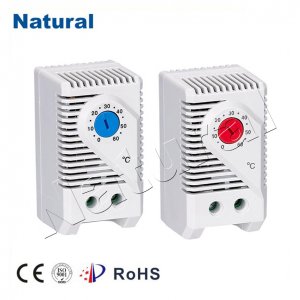
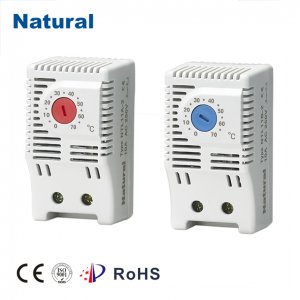
Tamper-proof Thermostat

Understanding Tamper-proof Thermostats A tamper-proof thermostat is a sophisticated temperature control system that is engineered to deter unauthorized adjustments and ensure stable and consistent climate management. Traditional thermostats often fall victim to unwanted tampering, resulting in energy wastage, compromised comfort, and increased operational costs. In response, tamper-proof thermostats employ a variety of mechanisms to prevent unauthorized access and changes to temperature settings. Benefits in Residential Applications In the residential sector, tamper-proof thermostats offer a multitude of benefits. Families can maintain a comfortable living environment without the concern of settings being altered by children or guests. This feature is particularly advantageous in households with individuals who might not fully grasp the implications of temperature adjustments, such as elderly family members or young children. Furthermore, these thermostats contribute to significant energy savings. By preventing unauthorized alterations to the settings, homeowners can optimize energy consumption and reduce utility bills. This is not only financially beneficial but also environmentally responsible, as reduced energy usage translates to a smaller carbon footprint. Commercial and Industrial Implications The impact of tamper-proof thermostats isn’t limited to residential spaces. In commercial and industrial settings, where precise temperature control is essential for operations, these devices offer unparalleled advantages. In sectors like healthcare, laboratories, and food storage, maintaining specific temperatures is crucial to preserving the quality and safety of products. Tamper-proof thermostats guarantee that these conditions remain consistent, reducing the risk of spoilage, contamination, or compromised research outcomes. In retail environments, tamper-proof thermostats prevent unauthorized adjustments that might lead to uncomfortable shopping experiences for customers. Employees can focus on their tasks without having to constantly monitor and adjust temperature settings. Enhancing Security Tamper-proof thermostats also play a significant role in enhancing security. In sectors where climate control affects access or security systems, like data centers or museums, stable temperature management is essential. Fluctuations in temperature can damage sensitive equipment or precious artifacts. With tamper-proof thermostats in place, the risk of intentional or accidental adjustments is minimized, ensuring the preservation of valuable assets. Challenges and Future Prospects While the introduction of tamper-proof thermostats brings about numerous benefits, there are challenges to address as well. Calibration and maintenance of these devices might require specialized knowledge, potentially increasing initial setup costs. Moreover, ensuring that the authorized personnel can adjust settings when necessary without compromising security will be a balance that manufacturers need to strike. Looking ahead, the potential for tamper-proof thermostat technology is promising. As the Internet of Things (IoT) continues to grow, these thermostats could be integrated into smart home systems, allowing homeowners to control and monitor their environment remotely while maintaining tamper-proof features. Conclusion Tamper-proof thermostats represent a significant step forward in temperature control technology, offering benefits ranging from energy savings and improved comfort to enhanced security and asset preservation. Their applications span across residential, commercial, and industrial sectors, promising a future where precise climate management is not only efficient but also highly secure. As technology advances and these devices become more refined, we can anticipate a more controlled and secure world where the temperature is just the way we want it.
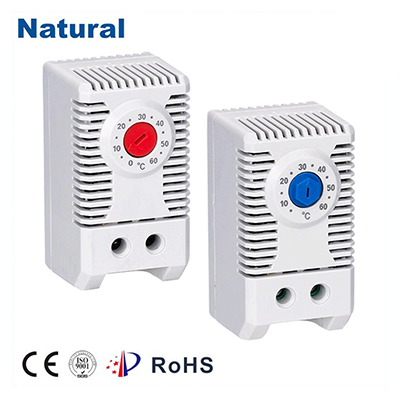
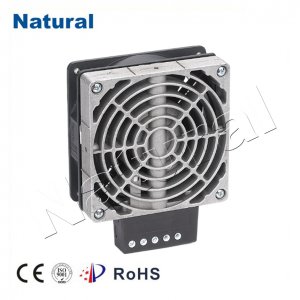
Temperature Controller Bimetal Thermostat: Ensuring Precise Thermal Regulation

Introduction

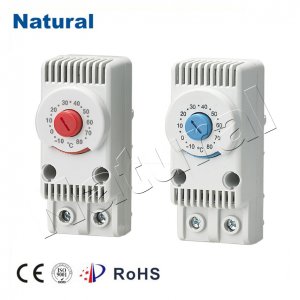
temperature controler bimetal thermostat

Temperature control plays a vital role in various industries and applications, ensuring that processes, equipment, and environments remain within desired temperature ranges. One essential component in achieving this control is the temperature controller bimetal thermostat. This article delves into the functionality, applications, and benefits of this crucial device. Functionality of Temperature Controller Bimetal Thermostat The temperature controller bimetal thermostat is a mechanical device designed to regulate temperature by utilizing the principle of thermal expansion. It consists of two different metal strips, each with a different coefficient of thermal expansion, bonded together. As temperature changes, these strips expand or contract at different rates, causing the entire strip to bend. This bending action activates a switch, either turning the heating element on or off to maintain the desired temperature range. Applications Household Appliances:Bimetal thermostats are commonly used in household appliances such as ovens, toasters, and refrigerators. They ensure that these appliances maintain accurate and safe temperature levels, preventing overcooking, overheating, or freezing. HVAC Systems:Heating, ventilation, and air conditioning systems benefit from bimetal thermostats to keep indoor spaces comfortable. They help regulate the flow of hot or cold air, ensuring energy efficiency and optimal comfort. Automotive Industry:Bimetal thermostats are integral to regulating engine temperature in vehicles. They assist in preventing engines from overheating and optimize fuel efficiency. Industrial Processes:Industries like manufacturing, food production, and chemical processing rely on bimetal thermostats to maintain precise temperatures during various production stages. This ensures quality, consistency, and safety. Benefits Reliability:Bimetal thermostats are known for their robustness and long lifespan. Their mechanical operation eliminates the need for complex electronic components that can be susceptible to failures. Cost-Effectiveness:These thermostats offer an economical solution for temperature control. Their simple design and durable construction reduce maintenance and replacement costs. No Power Dependency:Unlike electronic thermostats, bimetal thermostats do not require a power source to function. This characteristic is especially advantageous in remote or power-constrained environments. Wide Temperature Range:Bimetal thermostats can operate across a broad temperature spectrum, making them suitable for both high-temperature industrial applications and low-temperature applications like refrigeration. Safety:The mechanical nature of bimetal thermostats makes them inherently fail-safe. In case of a malfunction, they tend to default to a safe state, preventing dangerous overheating or cooling. Conclusion The temperature controller bimetal thermostat stands as a reliable, cost-effective, and versatile solution for temperature regulation in various domains. From household appliances to critical industrial processes, its mechanical simplicity and dependable operation make it an indispensable tool for maintaining accurate and safe temperature levels. As technology advances, electronic alternatives may gain traction, but the bimetal thermostat’s legacy as a workhorse of temperature control is likely to endure for years to come.

Embracing Coziness and Efficiency with the Space-saving Fan Heater

In the modern quest for efficient and compact home appliances, the space-saving fan heater has emerged as a delightful innovation. As the temperatures dip and winter’s chill starts to settle in, the demand for effective heating solutions becomes paramount. Traditional heaters often take up considerable space and can be cumbersome to maneuver. Enter the space-saving fan heater – a versatile, compact, and energy-efficient device that offers warmth and comfort while optimizing space utilization.

Space-saving Fan Heater

A Marvel of Design and Functionality The space-saving fan heater is a remarkable fusion of design and functionality. Its compact size and sleek, modern appearance allow it to seamlessly blend into any living space. Whether placed on a tabletop, mounted on a wall, or discreetly positioned in a corner, this heater’s unobtrusive design ensures it complements the room’s aesthetics without dominating it. Efficient Heating with a Gentle Touch One of the standout features of the space-saving fan heater is its efficient heating capability. Utilizing advanced heating technology, it rapidly warms up a room while evenly distributing the heat. This ensures that every nook and cranny of the space benefits from its comforting warmth, eliminating cold spots and creating a cozy ambiance. Its temperature controls allow for precise adjustments, catering to personal preferences and ensuring energy isn’t wasted on unnecessary heat output. Adaptable to Diverse Spaces Whether you’re living in a compact apartment, a spacious house, or an office cubicle, the space-saving fan heater is tailor-made for various environments. Its portability and compact size make it an ideal choice for those who often switch between rooms or have limited space to spare. Additionally, its noiseless operation ensures it remains an inconspicuous companion, silently working its magic in the background. Safety First Safety is a paramount consideration with any heating device, and the space-saving fan heater doesn’t disappoint. Equipped with advanced safety features like overheating protection and tip-over shutoff, this heater offers peace of mind to users, particularly those with children or pets. These features prevent accidents and make the device an ideal choice for busy households. Eco-friendly Efficiency In an era where environmental consciousness is a priority, the space-saving fan heater steps up with eco-friendly features. It is designed to operate with minimal energy consumption, reducing your carbon footprint while still delivering optimal warmth. Its efficient heating mechanism ensures that rooms are heated quickly, preventing unnecessary energy wastage. The Future of Home Heating As we continue to seek out innovative solutions for our daily needs, the space-saving fan heater exemplifies the convergence of practicality, efficiency, and style. Its ability to efficiently heat small to medium-sized spaces, its unobtrusive design, and its commitment to safety and sustainability mark it as a trailblazer in the realm of home heating appliances. In conclusion, the space-saving fan heater is a testament to human ingenuity and the pursuit of comfort in a world that’s constantly evolving. Its compact size, energy-efficient heating, and adaptability to diverse spaces make it a valuable addition to any home or workspace. As we embrace the colder seasons, this innovative device stands ready to envelop us in warmth, all while preserving the environment and maximizing the use of our living spaces.

Exploring the Benefits and Considerations of Space Heaters

Space heaters have become an essential part of modern life, especially during the cold winter months. These portable devices are designed to provide localized heat, offering warmth and comfort in specific areas. As technology advances, space heaters have evolved to become more efficient, safe, and convenient. In this article, we will delve into the world of space heaters, exploring their benefits and important considerations.

space heater

Benefits of Space Heaters: Efficient Heating:Space heaters are known for their efficiency in quickly warming up small spaces. Unlike central heating systems that take time to heat an entire room, space heaters provide instant warmth, making them ideal for immediate comfort. Energy and Cost Savings:By using space heaters to warm only the areas where people are present, you can save on energy costs compared to heating the entire home. This targeted heating can significantly reduce your energy consumption, leading to cost savings over time. Portability:One of the major advantages of space heaters is their portability. You can easily move them from room to room, ensuring that you have heat exactly where you need it. This flexibility is particularly useful in homes with uneven heating distribution. Supplemental Heating:Space heaters are great for supplementing your existing heating system. They can be used to provide extra warmth in rooms that tend to be colder than others or in areas where the central heating doesn’t reach effectively. Considerations When Using Space Heaters: Safety Precautions:While space heaters offer many benefits, safety should be a top priority. Ensure that your space heater has safety features like tip-over switches and overheat protection. Keep them away from flammable materials and never leave them unattended. Proper Placement:Correct placement of a space heater is crucial for efficient and safe operation. Place the heater on a flat, stable surface, away from foot traffic. Keep it at least three feet away from combustible materials like curtains, furniture, and bedding. Heater Type:There are different types of space heaters available, including convection, radiant, and fan-forced heaters. Each type has its advantages and disadvantages. Consider your specific heating needs and preferences when choosing a heater type. Energy Usage:While space heaters can be energy-efficient when used strategically, they can also consume a significant amount of electricity if used improperly. Be mindful of your energy usage and only run the heater when necessary. Ventilation:If you’re using a fuel-based space heater, proper ventilation is essential to prevent the buildup of carbon monoxide. Ensure that the room is adequately ventilated to avoid any health hazards. In conclusion, space heaters offer a convenient and efficient way to stay warm during chilly seasons. Their ability to provide targeted heating, energy savings, and portability make them a popular choice for many households. However, responsible usage and adherence to safety guidelines are paramount to fully enjoy the benefits without risking accidents. When used correctly, space heaters can transform cold spaces into cozy retreats, enhancing comfort and well-being.

Small Semiconductor Heater: Efficient Heat Generation in a Compact Package

In today’s rapidly advancing technological landscape, the demand for compact and efficient heating solutions is ever-increasing. From industrial processes to consumer electronics, maintaining optimal operating temperatures is crucial for ensuring the longevity and performance of various devices. The emergence of small semiconductor heaters has revolutionized the field of thermal management, offering a potent combination of efficiency, reliability, and compactness.

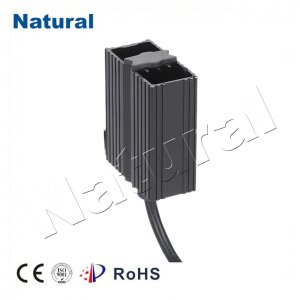
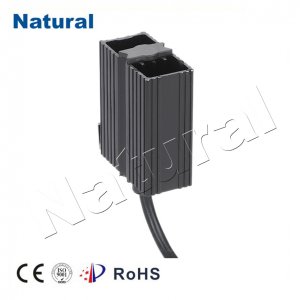
Small Semiconductor Heater

The Essence of Small Semiconductor Heaters Small semiconductor heaters utilize the principles of semiconductor materials to generate heat through the process of joule heating. This process involves passing an electric current through a semiconductor material, which results in the conversion of electrical energy into heat energy. The compact size of these semiconductor heaters, combined with their exceptional ability to precisely control the amount of heat generated, makes them indispensable in a wide range of applications. Advantages of Small Semiconductor Heaters 1.Efficiency: Traditional heating elements often suffer from energy losses due to their resistive nature. Semiconductor heaters, however, offer high energy conversion efficiency, converting the majority of the input electrical energy into heat. This not only reduces energy consumption but also contributes to a more sustainable and environmentally friendly operation. 2.Rapid Response: Semiconductor heaters boast an impressive response time, heating up almost instantaneously upon the application of electrical current. This characteristic is particularly advantageous in scenarios where quick heating and precise temperature control are essential. 3.Compactness: The miniaturized form factor of small semiconductor heaters enables their integration into space-constrained environments. This versatility has led to their adoption in various industries, including automotive, medical devices, aerospace, and telecommunications. 4.Precision: Semiconductor heaters allow for fine-tuned temperature regulation, ensuring that devices operate within optimal temperature ranges. This precision is vital in applications where temperature fluctuations can affect performance or even cause irreversible damage. 5.Reliability: With fewer moving parts and simplified designs, semiconductor heaters tend to have a longer operational lifespan and require minimal maintenance. This reliability is especially critical in remote or inaccessible locations where regular servicing is challenging. Diverse Applications Small semiconductor heaters find applications across a multitude of industries, showcasing their adaptability and efficiency: Electronics Industry In the electronics sector, semiconductor heaters are employed in thermal management for components like integrated circuits (ICs) and printed circuit boards (PCBs). Their ability to prevent overheating ensures the stability and longevity of these delicate electronic devices. Automotive Sector In modern vehicles, semiconductor heaters are utilized for defrosting windows, regulating cabin temperature, and facilitating engine startup in cold weather. Their rapid response time is crucial for quick defogging and defrosting, enhancing driver visibility and safety. Medical Devices Medical equipment often relies on precise temperature control. Semiconductor heaters play a role in maintaining consistent temperatures for diagnostic equipment, reagents, and patient comfort, ensuring accurate results and optimal conditions. Industrial Processes Small semiconductor heaters are integrated into industrial equipment to enable processes such as polymer curing, plastic welding, and paint drying. Their efficiency and precise control contribute to consistent outcomes and reduced energy consumption. Future Outlook As technology continues to evolve, the capabilities of small semiconductor heaters are likely to advance as well. Innovations may lead to even higher energy efficiency, faster response times, and enhanced integration with smart systems and the Internet of Things (IoT). This progress will further expand their application domains and contribute to more sustainable and efficient operations across various industries. In conclusion, small semiconductor heaters represent a remarkable advancement in the realm of thermal management. Their efficient energy conversion, rapid response, compact size, precision, and reliability make them an indispensable tool in various applications. As the demand for compact yet powerful heating solutions continues to grow, the role of semiconductor heaters in shaping our modern technological landscape becomes increasingly evident.

Enhancing Comfort and Efficiency with the Small Compact Thermostat

In the rapidly advancing realm of smart home technology, the Small Compact Thermostat has emerged as a game-changer, revolutionizing the way we interact with and manage our indoor environments. This unassuming device, though diminutive in size, boasts an impressive array of features that optimize both comfort and energy efficiency, making it an indispensable addition to modern households.

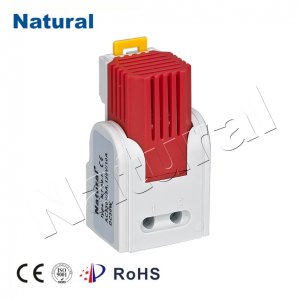
Small Compact Thermostat

Measuring no more than a few square inches, the Small Compact Thermostat is a marvel of minimalist design. Its sleek and unobtrusive appearance seamlessly blends with any decor, effortlessly becoming a part of your living space. However, its unassuming exterior belies the technological prowess that lies within. At its core, the Small Compact Thermostat is a master of temperature regulation. Equipped with cutting-edge sensors, it is able to accurately monitor ambient temperature and make instantaneous adjustments to maintain the desired comfort level. This responsiveness not only ensures a cozy living environment but also minimizes energy wastage by preventing unnecessary temperature fluctuations. One of the standout features of the Small Compact Thermostat is its intuitive and user-friendly interface. With seamless integration into smart home ecosystems, it can be controlled remotely through smartphones or voice assistants. This means that whether you’re at home or miles away, you have complete control over your home’s climate. Imagine being able to pre-cool or pre-heat your living space before you even step through the door, all with a few taps on your phone. Energy efficiency lies at the heart of the Small Compact Thermostat’s design philosophy. Through machine learning algorithms and historical usage patterns, the device learns the unique thermal characteristics of your home. It then optimizes heating and cooling schedules to match your lifestyle, automatically adjusting temperatures when you’re asleep or away. This not only conserves energy but also translates into cost savings on your utility bills. The Small Compact Thermostat goes beyond mere temperature control. It can seamlessly integrate with other smart devices in your home, creating a synchronized ecosystem. For instance, when integrated with smart blinds or curtains, it can work in tandem to maximize natural light and heat, reducing the need for artificial lighting and heating during the day. In terms of installation, the Small Compact Thermostat breaks the barriers of complexity. Its compact size and wireless connectivity mean that installation is a breeze, requiring only basic DIY skills. Once installed, the device guides you through the setup process, ensuring that even those who are not tech-savvy can enjoy its benefits without hassle. In conclusion, the Small Compact Thermostat stands as a testament to the potential of smart home technology. Its unobtrusive design, precise temperature regulation, energy efficiency, and seamless integration make it an indispensable component of the modern household. By providing us with greater control over our indoor environment while promoting sustainability, it not only enhances our comfort but also contributes positively to the environment and our wallets. As technology continues to evolve, innovations like the Small Compact Thermostat remind us that even the smallest devices can have a monumental impact.

Regulable Thermostats: Achieving Comfort and Energy Efficiency

In the realm of modern living, where comfort and sustainability go hand in hand, the advent of regulable thermostats has sparked a revolution in maintaining indoor temperatures. These innovative devices are not only changing the way we experience thermal comfort but are also significantly contributing to energy efficiency. In this article, we will delve into the concept of regulable thermostats, their benefits, and their role in creating a harmonious balance between comfort and environmental consciousness.

regulable thermostat

A regulable thermostat, often referred to as a smart thermostat, is a technological marvel that allows users to control the temperature of their living spaces with unprecedented precision and convenience. Unlike traditional thermostats that operate on a fixed schedule, regulable thermostats use advanced sensors and algorithms to adapt to users’ preferences and daily routines. This adaptability ensures that rooms are heated or cooled only when necessary, minimizing energy waste and reducing utility bills. One of the most remarkable features of regulable thermostats is their ability to learn from user behavior. Over time, these devices analyze patterns such as when occupants are typically at home, when they prefer warmer or cooler temperatures, and when they are away. With this knowledge, the thermostat optimizes heating and cooling cycles, maintaining a comfortable environment while conserving energy. Some models even connect to smartphones, allowing users to adjust settings remotely, ensuring comfort upon arrival without the need to keep spaces conditioned in their absence. Energy efficiency is a cornerstone of the regulable thermostat revolution. According to studies, heating and cooling account for a substantial portion of household energy consumption. Regulable thermostats address this concern by preventing unnecessary energy usage. By lowering the temperature when occupants are asleep or away, and raising it just before they return, these devices eliminate the need to maintain a constant temperature throughout the day. This practice not only reduces energy consumption but also decreases greenhouse gas emissions, contributing positively to the global effort to combat climate change. In addition to energy savings, regulable thermostats offer financial benefits. Many models provide usage reports that detail energy consumption patterns and offer insights into potential savings. By understanding how and when energy is used, users can make informed decisions to further optimize their heating and cooling systems. The initial investment in a regulable thermostat is often recouped through reduced utility bills over time, making it a financially savvy choice for homeowners and businesses alike. The convenience and control provided by regulable thermostats extend beyond mere temperature adjustment. These devices can often integrate with other smart home technologies, creating a cohesive and interconnected living environment. Imagine a home where the lights, security systems, and appliances are synchronized with the thermostat’s settings, ensuring energy isn’t wasted in unoccupied rooms. Such integration enhances both comfort and efficiency, demonstrating the versatility and potential of regulable thermostat systems. As with any technological advancement, there are considerations to keep in mind. While regulable thermostats are designed to adapt to user behavior, they require an initial setup period during which users’ preferences are learned. Additionally, for those unfamiliar with technology, the interface might pose a learning curve. Therefore, manufacturers should prioritize user-friendly designs and provide comprehensive instructions to ensure seamless integration into households. In conclusion, regulable thermostats represent a groundbreaking shift in the way we manage indoor temperatures. By learning from user behavior and adapting to daily routines, these devices maximize comfort while minimizing energy waste. Their role in promoting energy efficiency aligns with the growing global emphasis on sustainable living. As technology continues to evolve, regulable thermostats stand as a shining example of how innovation can create a more harmonious relationship between human comfort and environmental responsibility.

PTC Fan Heater: Combining Efficiency and Comfort in Winter

As the chill of winter settles in, the search for effective heating solutions becomes paramount. In this quest for warmth and comfort, the PTC fan heater emerges as a true hero. PTC, or Positive Temperature Coefficient, fan heaters have gained popularity due to their efficient heating technology and ability to create cozy environments even in the coldest of winters.

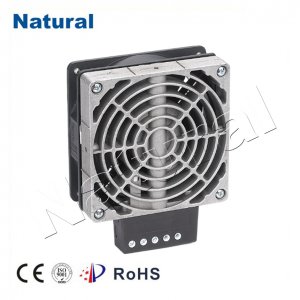
ptc fan heater

PTC fan heaters are designed with innovation in mind, utilizing advanced heating elements that set them apart from traditional resistance-based heaters. The magic lies in the PTC ceramic heating element, which offers numerous advantages over conventional methods. One of the standout features is its self-regulating nature. Unlike traditional heaters, PTC elements automatically adjust their electrical resistance as they heat up. This means that as the heater reaches its desired temperature, the electrical resistance increases, resulting in a controlled and consistent output of warm air. This not only prevents overheating but also makes PTC fan heaters significantly energy-efficient, as they consume less power once the desired temperature is reached. Energy efficiency is a hallmark of the PTC fan heater. With concerns about environmental impact and rising energy costs, having a heating solution that can effectively warm a space while consuming less power is a significant advantage. This not only reduces your carbon footprint but also translates into cost savings on your energy bills. PTC fan heaters strike a balance between comfort and sustainability, making them an appealing choice for conscientious consumers. Safety is paramount when it comes to home heating appliances, and PTC fan heaters excel in this aspect as well. The self-regulating feature of the PTC ceramic element plays a crucial role in preventing overheating, reducing the risk of fires. Additionally, many PTC fan heaters come equipped with safety features such as tip-over protection, which automatically shuts off the heater if it is accidentally knocked over. This level of safety assurance provides peace of mind, especially in households with children or pets. Another advantage of PTC fan heaters is their rapid heating capability. Traditional heaters often require a considerable amount of time to warm up a room, leaving you shivering in the cold. PTC fan heaters, on the other hand, produce hot air quickly, effectively raising the ambient temperature in a short span of time. This instant warmth is particularly beneficial during those frosty mornings or chilly evenings when you need to take the edge off the cold swiftly. Furthermore, PTC fan heaters are known for their versatility. They are compact and portable, making them easy to move around the house as needed. Whether you’re working in your home office, relaxing in the living room, or even spending time in the garage, a PTC fan heater can be your trusty companion, providing comfort wherever you go. In conclusion, the PTC fan heater is a true game-changer in the world of winter heating solutions. Its advanced PTC ceramic heating element, energy efficiency, safety features, rapid heating capability, and portability make it an attractive option for those seeking warmth, comfort, and convenience. As the winter winds howl outside, you can rest assured that your PTC fan heater will create a snug and inviting atmosphere indoors, keeping you cozy throughout the season.

Unveiling the Efficiency of Panel Filters in Air Filtration Systems

Introduction

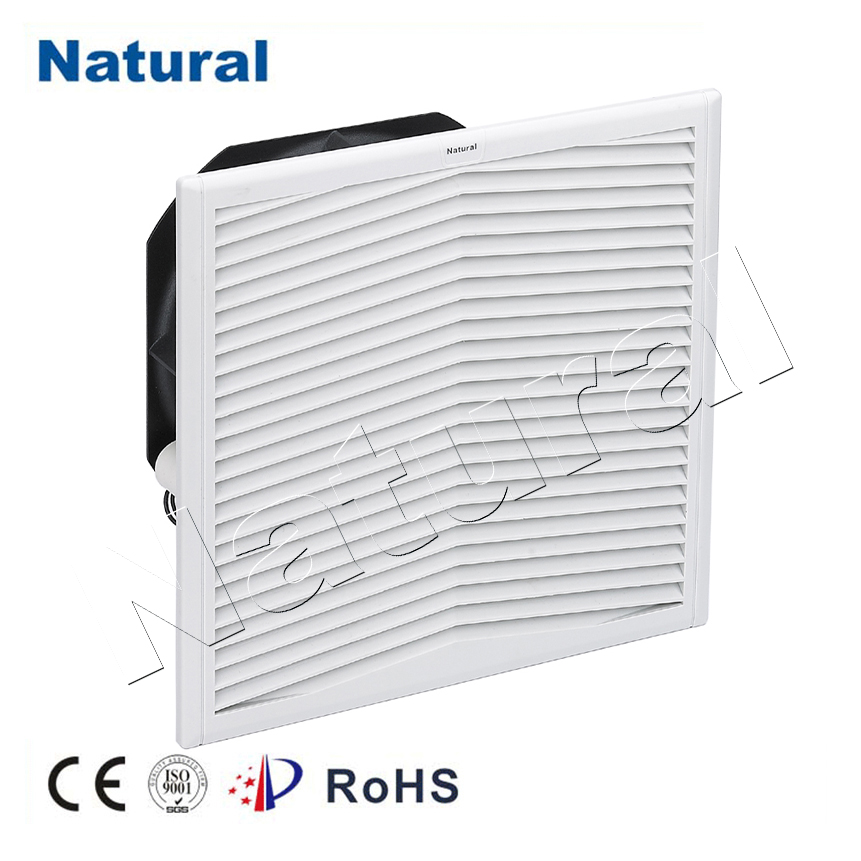
panel filter

In an era where air quality is a growing concern, ensuring clean and breathable air indoors has become a priority. One of the cornerstones of achieving this goal is the utilization of panel filters in air filtration systems. Panel filters, renowned for their efficiency and cost-effectiveness, play a pivotal role in improving indoor air quality across various settings. This article delves into the mechanics and advantages of panel filters, shedding light on their indispensable role in maintaining healthy indoor environments. The Mechanics Behind Panel Filters Panel filters are flat, rectangular filters composed of layers of filter media, such as fiberglass or synthetic materials. These filters operate based on the principles of mechanical filtration, which involves trapping airborne particles as air passes through the filter media. The filter’s fibrous composition creates a maze-like structure, capturing particles of various sizes, including dust, pollen, pet dander, and even some bacteria. Efficiency Graded Filtration One of the notable features of panel filters is their efficiency grading. Filters are assigned a Minimum Efficiency Reporting Value (MERV) rating, indicating their ability to capture particles of different sizes. The scale ranges from MERV 1 (lowest efficiency) to MERV 20 (highest efficiency). Panel filters typically fall within the MERV 1 to 12 range, effectively capturing particles ranging from visible dust to microscopic allergens. Advantages of Panel Filters Affordability:Panel filters are economical options for air filtration. Their simple design and manufacturing process make them cost-effective choices for both residential and commercial applications. Versatility:These filters are versatile and can be integrated into various HVAC (Heating, Ventilation, and Air Conditioning) systems, including those in homes, offices, hospitals, and industrial environments. Ease of Maintenance:Panel filters are user-friendly when it comes to maintenance. They are replaceable and require periodic cleaning or replacement depending on the level of pollutants present. Energy Efficiency:Panel filters promote energy efficiency by allowing smoother airflow through the HVAC system, reducing the strain on the fan and enhancing overall system performance. Particle Removal:With their graded filtration efficiency, panel filters excel at removing a wide spectrum of particles, which not only enhances indoor air quality but also benefits individuals suffering from allergies and respiratory conditions. Reduced Maintenance Costs:By capturing particles before they reach sensitive components within HVAC systems, panel filters contribute to reducing maintenance costs and extending the lifespan of the equipment. Conclusion In the pursuit of healthy indoor environments, panel filters emerge as unsung heroes. Their unpretentious design and exceptional efficiency make them integral components of air filtration systems. From their versatility to their affordability, panel filters offer a myriad of benefits that contribute to enhanced indoor air quality, energy efficiency, and overall well-being. As technology advances, these filters continue to evolve, ensuring that the air we breathe remains as clean and pure as possible. So, whether in a bustling metropolis or a quiet suburban home, the impact of panel filters reverberates, silently fostering a healthier tomorrow.

Panel Thermostats: Revolutionizing Temperature Control

Introduction

panel thermostat

In the age of smart homes and energy efficiency, technology continues to reshape the way we interact with our living spaces. One such innovation that has gained prominence is the panel thermostat. Panel thermostats are at the forefront of the heating, ventilation, and air conditioning (HVAC) industry, offering precise temperature control, energy savings, and enhanced comfort. This article delves into the world of panel thermostats, exploring their features, benefits, and impact on modern living. The Evolution of Temperature Control Gone are the days of manual temperature adjustments and basic thermostats. Panel thermostats have emerged as a game-changer in residential and commercial settings. With sleek touchscreen displays and intuitive interfaces, they provide users with a seamless experience in managing indoor climates. These devices have transcended the traditional role of thermostats, becoming essential components of smart homes. Advanced Features and Functionality Panel thermostats boast an array of advanced features that set them apart from their predecessors. Precise temperature regulation is achieved through sophisticated sensors that monitor indoor conditions and adjust settings accordingly. This level of accuracy not only ensures optimal comfort but also contributes to energy efficiency by preventing unnecessary heating or cooling. Many panel thermostats are equipped with learning capabilities, adapting to users’ preferences over time. They analyze usage patterns, making automatic adjustments to create personalized comfort zones. This not only enhances convenience but also minimizes energy wastage, resulting in cost savings and reduced environmental impact. Energy Efficiency and Environmental Impact The environmental benefits of panel thermostats are significant. By enabling users to set schedules and control temperatures remotely, these devices help reduce energy consumption. Smart features such as geofencing allow thermostats to adjust settings based on occupants’ presence, ensuring that energy is not squandered when rooms are unoccupied. Furthermore, panel thermostats often integrate with broader home automation systems, allowing users to optimize energy usage across multiple devices. This synergy contributes to a more sustainable lifestyle and aligns with the global push for greener living. User-Friendly Interface and Connectivity The user interface of panel thermostats is designed with accessibility in mind. Intuitive touchscreen displays offer easy navigation and quick adjustments. These interfaces also provide users with access to historical usage data, enabling them to track energy consumption and make informed decisions about their heating and cooling habits. Connectivity is another hallmark of panel thermostats. Many models are Wi-Fi enabled, granting users the ability to control their HVAC systems remotely through dedicated mobile apps. Whether from across the room or across the globe, individuals can maintain control over their home’s temperature, ensuring a comfortable environment upon arrival. Challenges and Considerations While the benefits of panel thermostats are undeniable, some challenges should be acknowledged. Initial setup and integration into existing HVAC systems might require technical expertise, potentially posing a barrier for some users. Additionally, concerns over data privacy and security arise due to the connectivity features of these devices. Manufacturers must prioritize robust encryption and data protection mechanisms to address these concerns effectively. Conclusion Panel thermostats represent a transformative step forward in temperature control technology. Their blend of precision, energy efficiency, and user-friendly interfaces make them integral components of modern living. As the world continues to prioritize sustainability and connectivity, panel thermostats are poised to play a pivotal role in shaping the way we manage our indoor environments. Embracing these innovations not only enhances comfort and convenience but also contributes to a greener and more energy-conscious future.