Monthly Archives: September 2023

The Evolution and Convenience of Wall Thermostats

In the realm of home comfort and energy efficiency, the wall thermostat stands as a silent sentinel, diligently regulating temperatures and ensuring that indoor spaces are cozy and welcoming. Over the years, the humble wall thermostat has evolved from a basic temperature control device to a sophisticated and intelligent piece of technology that seamlessly integrates with our modern lives. This article explores the journey of the wall thermostat, from its origins to its present-day innovations.
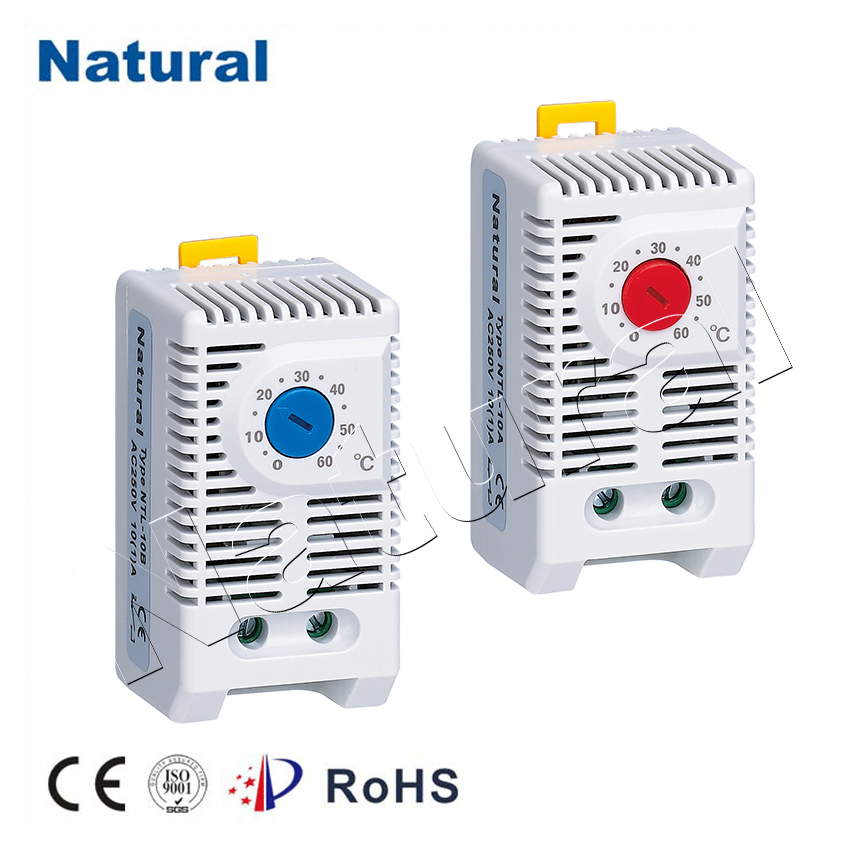
wall thermostat

A Brief History of Wall Thermostats The concept of controlling indoor temperature dates back centuries, with early attempts involving manual adjustments to heating sources. However, the modern wall thermostat as we know it began to take shape in the late 19th century. Warren S. Johnson’s invention of the first electric room thermostat in 1883 marked a significant milestone. This early device allowed for basic temperature regulation through electrical contacts and mechanical mechanisms. The Digital Revolution The real transformation of wall thermostats came with the advent of digital technology. In the mid-20th century, electronic thermostats replaced the traditional mechanical ones. These digital devices provided greater accuracy and programmability, enabling users to set specific temperature schedules to match their daily routines. Suddenly, homeowners could ensure a warm home upon their return without having to keep the heating system running all day. Smart Thermostats: Bridging Comfort and Connectivity The 21st century witnessed another leap forward with the rise of smart thermostats. These innovative devices combine advanced temperature control with the power of connectivity and artificial intelligence. Smart thermostats like Nest, Ecobee, and Honeywell Lyric have revolutionized the way we interact with our living spaces. One of the standout features of smart thermostats is their ability to learn from user behavior. These devices analyze data such as occupancy patterns, outdoor weather conditions, and manual adjustments made by users. Over time, they adapt and fine-tune temperature settings to optimize comfort while minimizing energy consumption. This not only reduces utility bills but also supports eco-friendly living. Intuitive Interfaces and Remote Control The convenience of modern wall thermostats extends beyond mere automation. Smart thermostats typically come with intuitive interfaces, often in the form of touchscreen displays. These displays provide real-time information about indoor temperature, humidity levels, and energy usage. Users can easily adjust settings with a few taps, making it effortless to customize their environment according to their preferences. Remote control is another game-changer. With the integration of smartphone apps and Wi-Fi connectivity, homeowners can manage their thermostat settings from anywhere in the world. This means you can ensure your home is cozy and inviting before you even step inside the door. Energy Efficiency and Environmental Impact One of the most significant advantages of modern wall thermostats is their contribution to energy efficiency. Traditional thermostats often led to wasteful heating and cooling practices due to manual adjustments or continuous operation. Smart thermostats, on the other hand, optimize energy usage by considering factors such as occupancy, time of day, and outdoor weather conditions. This not only lowers energy bills but also reduces a household’s carbon footprint, making them an important tool in the fight against climate change. Challenges and Considerations While the evolution of wall thermostats has brought immense benefits, there are considerations to keep in mind. The initial cost of smart thermostats can be higher compared to traditional options, though the long-term energy savings can offset this investment. Additionally, concerns about data privacy and security have been raised, as these devices collect and transmit user behavior data. In conclusion, the wall thermostat has come a long way from its humble beginnings as a basic temperature control device. From manual adjustments to digital precision and now to smart, connected systems, wall thermostats have transformed the way we experience comfort at home. With their ability to learn, adapt, and optimize, these devices play a vital role in enhancing both our lifestyles and the sustainability of our planet.
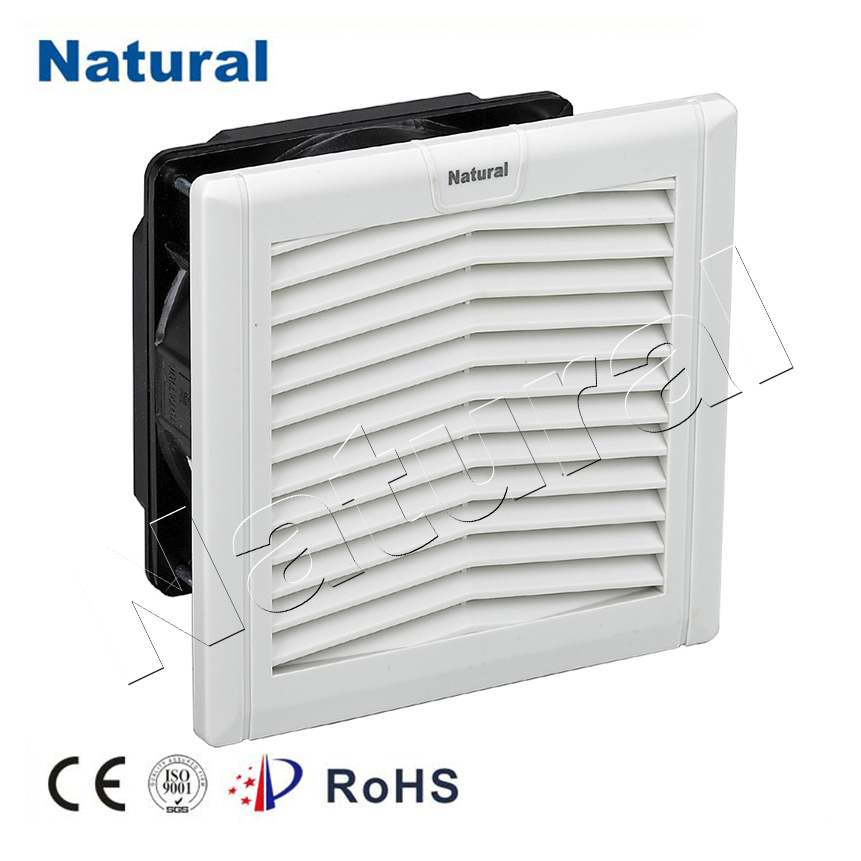
The Vital Role of Ventilation Filter Fans in Modern Engineering

In the realm of modern engineering, where efficiency and precision are paramount, the unassuming yet crucial component known as the ventilation filter fan emerges as a cornerstone. As industries continue to evolve, the demand for controlled environments, improved air quality, and optimal machinery performance has spurred the development and integration of advanced ventilation systems. At the heart of these systems, the ventilation filter fan plays a pivotal role in maintaining an equilibrium between functionality and environmental well-being.

ventil filter fan

Understanding Ventilation Filter Fans Ventilation filter fans are ingenious devices designed to facilitate the exchange of air within enclosed spaces while simultaneously purifying the incoming air from harmful particles and contaminants. These devices typically consist of three key components: the fan unit, the filter media, and the housing. The fan unit generates the necessary air movement, drawing in external air through the filter media that captures dust, pollen, pollutants, and other unwanted particles. The purified air is then circulated back into the environment, promoting a healthier and more efficient ecosystem. Enhancing Indoor Air Quality One of the primary roles of ventilation filter fans is to improve indoor air quality. In various sectors such as manufacturing, data centers, laboratories, and healthcare facilities, maintaining a clean and particle-free environment is essential to ensure product quality, equipment longevity, and the well-being of personnel. Ventilation filter fans act as sentinels, preventing the infiltration of harmful contaminants that could compromise sensitive processes or human health. This, in turn, reduces the risk of respiratory issues and the spread of airborne diseases. Preserving Machinery and Equipment Industrial machinery is often susceptible to the adverse effects of dust and particulate matter, which can accumulate on delicate components, obstruct cooling systems, and impede overall performance. Ventilation filter fans mitigate these issues by preventing the ingress of particles that can lead to machinery breakdowns and downtime. By maintaining a consistent airflow and temperature, these fans contribute to the efficient operation of machinery, optimizing production processes and extending the lifespan of critical equipment. Energy Efficiency and Sustainability In an era where energy efficiency is a paramount concern, ventilation filter fans stand out as contributors to sustainable practices. By incorporating intelligent control systems, these fans adapt their operation to actual demand, optimizing energy consumption. Additionally, the use of advanced filter media and designs enhances the longevity of filters, reducing the frequency of replacements and lowering waste generation. This combination of energy-conscious operation and reduced waste aligns with the broader global effort to minimize the carbon footprint of industrial operations. Future Innovations and Integration As technology advances, ventilation filter fans continue to evolve in tandem. The integration of smart sensors and Internet of Things (IoT) capabilities empowers these fans to monitor air quality in real time and adjust their operation accordingly. This level of responsiveness ensures that indoor environments remain healthy and comfortable, while also enabling predictive maintenance of the filtration system. Furthermore, the application of nanotechnology to filter media design holds the promise of even higher levels of air purification, paving the way for cleaner, safer workspaces. Conclusion In the intricate tapestry of modern engineering, ventilation filter fans emerge as unsung heroes, diligently working to uphold the delicate balance between operational efficiency and environmental responsibility. Their multifaceted contributions, from enhancing indoor air quality and preserving machinery to promoting energy efficiency and embracing innovation, underscore their indispensability in a variety of sectors. As industries progress and challenges evolve, ventilation filter fans will undoubtedly continue to play a vital role in shaping a healthier, more productive, and sustainable future.

Enhancing Air Quality with Ventilation Fan Filters

In today’s rapidly evolving world, indoor air quality has become a paramount concern for homeowners and businesses alike. With increasing urbanization and the prevalence of pollutants, ensuring a healthy indoor environment has never been more crucial. This is where ventilation fan filters come into play, acting as silent guardians that work diligently to improve the air we breathe.

ventil fan filter

The Need for Improved Indoor Air Quality The importance of clean indoor air cannot be overstated. Poor air quality can lead to a range of health issues, including allergies, respiratory problems, and even chronic diseases. As we spend a significant portion of our lives indoors, be it at home, work, or other indoor spaces, the quality of the air we breathe directly impacts our well-being. Introducing Ventilation Fan Filters Ventilation fan filters offer an effective solution to combat indoor air pollutants. These filters are specially designed to be installed within ventilation systems, working hand in hand with exhaust fans to ensure that the air circulating through indoor spaces is purified and free from contaminants. How Ventilation Fan Filters Work Ventilation fan filters operate on a simple yet ingenious principle. As air is drawn through the ventilation system, the filter captures and traps particles such as dust, pollen, pet dander, and even microscopic pollutants like bacteria and viruses. This process prevents these potentially harmful particles from recirculating into the indoor environment. Benefits of Using Ventilation Fan Filters Improved Air Quality:The primary benefit of using ventilation fan filters is the significant improvement in indoor air quality. By removing allergens and pollutants, these filters help create a healthier living and working environment. Health Benefits:Cleaner air translates to better health. Individuals with allergies or respiratory conditions often find relief from symptoms when indoor air is properly filtered. Moreover, reducing exposure to airborne pathogens can help prevent the spread of illnesses. Energy Efficiency:Ventilation fan filters can contribute to energy efficiency. When air is purified before being recirculated, heating and cooling systems can operate more efficiently, potentially reducing energy consumption and utility bills. Prolonged System Lifespan:The use of ventilation fan filters can also extend the lifespan of the entire ventilation system. By preventing dust and debris from accumulating within the system, filters help maintain optimal performance over time. Choosing the Right Ventilation Fan Filter Selecting the appropriate ventilation fan filter is essential to ensure optimal results. Factors to consider include the type of pollutants prevalent in the indoor environment, the size of the space, and the specific requirements of the ventilation system. Filters vary in terms of their filtration efficiency, with High Efficiency Particulate Air (HEPA) filters being a popular choice due to their ability to capture particles as small as 0.3 microns in size. Maintenance and Replacement To maintain the effectiveness of ventilation fan filters, regular maintenance and timely replacement are crucial. Over time, filters become saturated with trapped particles, reducing their efficiency. Following manufacturer guidelines for maintenance and replacement will ensure that the filtration system continues to deliver clean, fresh air. In Conclusion In the quest for a healthier indoor environment, ventilation fan filters stand as a stalwart defense against indoor air pollutants. Their ability to improve air quality, provide health benefits, enhance energy efficiency, and prolong system lifespan make them an invaluable addition to any ventilation system. By investing in ventilation fan filters, individuals and businesses alike can create spaces where well-being and comfort flourish. After all, clean air isn’t just a luxury; it’s a necessity that fosters a better quality of life for everyone.

The Ingenious Thermostat Switch: Mastering Comfort and Energy Efficiency

In the world of modern technology, where every aspect of our lives is being transformed, the thermostat switch stands as a shining example of innovation that blends comfort and energy efficiency seamlessly. This unassuming device, often overlooked, plays a pivotal role in regulating the temperature of our living spaces while contributing to a more sustainable future.

thermostat switch

The thermostat switch, at its core, is a sensor and control unit that maintains a desired temperature by turning heating or cooling systems on or off. Over the years, it has evolved from a simple mechanical apparatus to a smart, programmable device that can be controlled remotely through smartphones and integrated with home automation systems. This evolution has not only revolutionized our comfort but has also become a critical tool in the fight against climate change. One of the key features of modern thermostat switches is their programmability. Homeowners can now create customized heating and cooling schedules based on their daily routines. This ensures that energy is not wasted on maintaining an ideal temperature when it’s not needed, such as during working hours or at night when everyone is asleep. The ability to program these switches not only optimizes energy consumption but also results in substantial cost savings on utility bills. Furthermore, the emergence of smart thermostat switches has added a new dimension to home climate control. These devices utilize advanced algorithms and machine learning to adapt to users’ preferences and behaviors. They can learn the times when occupants are typically at home and adjust the temperature accordingly. For instance, if a homeowner prefers a cooler temperature at night, the smart thermostat switch will learn this pattern and automatically lower the temperature during those hours. This level of automation not only enhances comfort but also reduces the carbon footprint by minimizing energy wastage. In recent years, the concept of the Internet of Things (IoT) has accelerated the development of thermostat switches. These smart devices can now be integrated into a larger network of interconnected appliances, enabling them to communicate and collaborate. For instance, a smart thermostat switch can receive information from weather forecasts and adjust the indoor temperature preemptively. It can also sync with solar panels or other renewable energy sources to optimize energy usage. This synergy of technology empowers homeowners to make environmentally conscious decisions without compromising their comfort. It’s worth noting that the benefits of thermostat switches extend beyond individual households. On a larger scale, the aggregated impact of energy-efficient heating and cooling can significantly reduce greenhouse gas emissions. By curbing energy consumption during peak hours, these devices help alleviate strain on power grids and contribute to a more stable and sustainable energy infrastructure. In conclusion, the thermostat switch has evolved from a simple temperature regulator to a sophisticated and environmentally conscious tool. Its ability to balance comfort and energy efficiency, coupled with advancements in technology, has made it an indispensable component of modern living. As we continue to strive for a greener future, the thermostat switch stands as a testament to how innovation can enhance our lives while preserving the planet. So, the next time you adjust the temperature in your home, take a moment to appreciate the ingenious device that makes it all possible.

The Dynamic Duo: Thermostats and Hygrostats

In the realm of modern comfort and energy efficiency, two unsung heroes quietly play a pivotal role: thermostats and hygrostats. These unassuming devices have the power to transform our living spaces, creating an environment that is not only comfortable but also optimized for both our well-being and energy consumption.

thermostat and hygrostat

Thermostats: Masters of Temperature Control Thermostats are the silent conductors of indoor temperature, tirelessly working to maintain a balance between our desired comfort level and energy efficiency. These devices use sensors to measure the ambient temperature and adjust heating or cooling systems accordingly. The goal is to keep the temperature within a predetermined range, preventing discomfort and excessive energy consumption. One of the most remarkable advancements in thermostat technology is the smart thermostat. These cutting-edge devices learn from our habits, adapting to our preferences over time. Through machine learning, they can anticipate when to adjust the temperature, optimizing energy usage without sacrificing comfort. In addition, remote accessibility via smartphones allows us to control the temperature even when we’re away, ensuring that energy is not wasted on an empty home. Hygrostats: Guardians of Humidity Balance While temperature plays a significant role in our comfort, humidity is another crucial factor often overlooked. This is where hygrostats come into play. Hygrostats monitor and regulate indoor humidity levels, ensuring that our living spaces remain free from excessive moisture or dryness. Controlling humidity is not just about comfort—it’s also about health. High humidity levels can encourage the growth of mold and mildew, leading to respiratory issues and allergies. Conversely, low humidity can cause skin irritation and respiratory discomfort. Hygrostats prevent these issues by activating humidifiers or dehumidifiers when necessary, maintaining an optimal humidity range for both our well-being and the protection of our living environment. The Symbiotic Relationship Thermostats and hygrostats, though distinct in their functions, often work hand in hand to create the ideal indoor environment. For instance, during the winter months, when indoor heating systems can cause a decrease in humidity, a well-integrated thermostat and hygrostat system will ensure that both temperature and humidity levels are balanced. This not only enhances our comfort but also prevents adverse effects on our health and on the structure of our homes. Energy Efficiency: A Shared Goal In an era where sustainability and energy efficiency are paramount, thermostats and hygrostats play a vital role in reducing our carbon footprint. By intelligently managing temperature and humidity, these devices optimize the use of heating, cooling, and moisture control systems. This not only saves energy but also reduces utility bills, making the investment in these technologies a wise choice in the long run. Looking Forward: The Evolution of Comfort As technology continues to advance, thermostats and hygrostats are likely to become even more sophisticated. Integration with other smart home systems, improved learning algorithms, and increased energy-saving features are on the horizon. These advancements will redefine how we experience comfort, making our living spaces more responsive and attuned to our needs than ever before. In conclusion, the unsung heroes of our indoor environments, thermostats, and hygrostats silently shape our comfort and well-being. Their ability to maintain optimal temperature and humidity levels showcases their importance in creating spaces that are both comfortable and energy-efficient. As we move forward, these unassuming devices will undoubtedly continue to play a pivotal role in redefining modern living.

Exploring Thermostat Prices: Finding the Right Balance

In our modern world, where energy efficiency and comfort coexist, the thermostat stands as a pivotal device in our homes and offices. As technology continues to advance, thermostats have evolved beyond their traditional functionality, incorporating smart features and sleek designs. However, one aspect that often comes into consideration when choosing a thermostat is its price. Let’s delve into the world of thermostat prices, understanding the factors that influence them and finding the balance between cost and value.

thermostat  price

Thermostats have transitioned from basic manual controls to sophisticated, programmable devices that adapt to our lifestyles. The pricing of thermostats varies widely, starting from budget-friendly options to high-end smart thermostats that can learn and optimize temperature settings. The primary factors influencing thermostat prices include features, brand reputation, energy-saving capabilities, and design. Basic programmable thermostats, suitable for individuals seeking simplicity, are generally affordable. They allow users to set schedules for temperature adjustments, aiding in energy conservation. Moving up the price spectrum, we encounter more advanced programmable thermostats with Wi-Fi connectivity, enabling remote access and control through smartphone apps. These thermostats often come with slightly higher price tags due to the added convenience they offer. Smart thermostats, the crown jewels of temperature control, come with a wider array of features that justify their higher prices. Learning algorithms enable them to understand user preferences over time, creating personalized schedules and optimizing energy consumption. Many models are equipped with occupancy sensors that adjust settings when a room is unoccupied, further saving energy. These intelligent functions not only enhance comfort but also contribute to reduced utility bills and a greener footprint. Brand reputation plays a significant role in determining thermostat prices. Established brands with a track record of quality and innovation tend to charge a premium for their products. Consumers often associate well-known brands with reliability, pushing them to invest more in a thermostat that comes with a trusted name. On the other hand, lesser-known brands or newcomers to the market might offer similar features at a lower cost to attract customers and establish themselves. Energy-saving capabilities are a crucial consideration when assessing the value of a thermostat. Many thermostats now carry Energy Star certifications, indicating their ability to efficiently manage energy consumption. While these models might come with higher initial costs, their long-term energy savings can far outweigh the upfront investment. Homeowners and businesses looking to make sustainable choices recognize the value in paying more for a thermostat that contributes to reduced energy usage. Design and aesthetics also influence thermostat pricing. As thermostats have become more integrated into interior decor, manufacturers have put effort into creating visually appealing designs that blend seamlessly with different styles. Touchscreens, minimalist interfaces, and customizable display options are features that can elevate a thermostat’s price. For some consumers, the appearance of the thermostat is as important as its functionality, making design a key factor in their purchase decision. In conclusion, the world of thermostat prices is a diverse landscape influenced by a range of factors. From basic programmable thermostats to cutting-edge smart models, there is a wide selection available to cater to different needs and preferences. While cost is an important consideration, it’s essential to weigh it against the value a thermostat brings in terms of energy savings, convenience, and comfort. The right thermostat can contribute to a more efficient and enjoyable living environment, making it a worthy investment for the long run.

“Efficiency and Comfort: The Role of 220V Thermostats”

In the realm of modern technology, 220V thermostats have emerged as a pivotal advancement, transforming the way we control the temperature of our living spaces. These devices offer unparalleled efficiency and comfort, making them an indispensable component of contemporary households and commercial establishments alike.

thermostat 220v

A thermostat, in essence, is a temperature-regulating device that enables users to maintain their desired climate within a given environment. The advent of 220V thermostats has greatly revolutionized this concept, as they are specifically designed to operate on a higher voltage level, resulting in enhanced performance and greater control. One of the key advantages of 220V thermostats is their ability to handle larger heating and cooling systems commonly found in commercial spaces and larger residential areas. This higher voltage empowers them to manage substantial energy loads efficiently, ensuring swift temperature adjustments while maintaining consistent comfort levels. This becomes especially crucial in spaces with high ceilings or areas prone to drastic temperature variations. Furthermore, the precision offered by 220V thermostats is truly remarkable. Their advanced sensors and microprocessors allow for accurate monitoring of temperature changes, enabling prompt responses to deviations from the set parameters. This precision not only guarantees a comfortable environment but also contributes to energy conservation by preventing unnecessary heating or cooling cycles. The integration of smart technology into 220V thermostats has elevated their utility even further. Many models now offer Wi-Fi connectivity and compatibility with smart home systems, enabling remote control through smartphones or voice commands. This feature proves invaluable for homeowners and building managers, as it permits them to adjust temperature settings from afar, optimizing energy usage according to occupancy patterns and external weather conditions. Energy efficiency lies at the heart of the 220V thermostat’s appeal. These devices not only maximize the performance of heating and cooling systems but also play a significant role in reducing energy consumption and utility costs. By maintaining precise temperature levels and minimizing wasteful operation, they contribute to a more sustainable living environment and a smaller carbon footprint. In terms of installation, 220V thermostats often require professional setup due to the higher voltage they handle. While this might seem like a drawback, it ensures the safe and proper functioning of the device, minimizing the risk of mishaps. Once installed, these thermostats operate seamlessly, requiring minimal maintenance and offering long-term reliability. In conclusion, the evolution of thermostats to accommodate 220V has ushered in a new era of efficiency and comfort. Their capacity to manage larger systems, coupled with precise monitoring and control, sets them apart as essential tools for maintaining optimal indoor environments. As technology continues to evolve, we can expect further innovations in the realm of thermostat design, all aimed at creating spaces that are both energy-efficient and exceptionally comfortable.

The Evolution and Importance of Thermostats in Modern Comfort Control

In today’s fast-paced world, the integration of technology into our daily lives has reached unprecedented levels, transforming even the most fundamental aspects of our surroundings. One such innovation that has significantly improved our living conditions is the thermostat—a humble device that has evolved over time to become a crucial element in modern comfort control.

Thermostat

The Genesis of Thermostats: A Historical Overview The concept of temperature regulation dates back to ancient times when people relied on simple methods like opening windows or stoking fires to adjust the indoor climate. However, the birth of the modern thermostat can be traced back to the early 17th century when Cornelis Drebbel, a Dutch inventor, created the mercury thermostat. This ingenious device utilized the expansion and contraction of mercury to control a damper and maintain a consistent temperature. The Digital Revolution: Thermostats in the 20th Century The 20th century marked a significant turning point for thermostats with the advent of digital technology. Traditional mercury thermostats gave way to programmable models that allowed users to set specific temperature schedules. These early programmable thermostats provided a level of convenience and energy savings, but they were often complex to program and required manual adjustments to accommodate changes in daily routines. Smart Thermostats: Bridging Comfort and Connectivity The true revolution in thermostat technology came with the rise of smart thermostats in the 21st century. These devices, often equipped with Wi-Fi connectivity and artificial intelligence, have transformed the way we interact with and control our living environments. A prime example is the Nest Learning Thermostat, introduced in 2011, which gained recognition for its ability to learn users’ preferences and create automatic temperature schedules, thus optimizing energy consumption and reducing utility costs. Features and Benefits of Smart Thermostats Smart thermostats have redefined the way we experience comfort and energy efficiency. They offer a multitude of features, such as remote control via smartphone apps, voice-activated controls through virtual assistants, and compatibility with home automation systems. These advancements enable users to adjust their home’s temperature even when they’re away, ensuring a welcoming environment upon their return. Furthermore, smart thermostats contribute significantly to energy conservation. By learning your daily routines and adjusting the temperature accordingly, they help minimize energy wastage, resulting in reduced carbon footprints and lower energy bills. Some models also provide detailed energy usage reports, empowering users to make informed decisions about their consumption patterns. Challenges and Considerations While smart thermostats offer numerous benefits, they are not without challenges. Privacy concerns arise due to the data collected about users’ habits and schedules. Ensuring the security of this data is crucial to prevent unauthorized access and potential breaches. Additionally, not all households may have stable internet connectivity, limiting the effectiveness of remote control features. The Future of Thermostats: Sustainability and Integration Looking ahead, the evolution of thermostats continues with a focus on sustainability and integration into broader home automation systems. As environmental consciousness grows, thermostats are becoming more sophisticated in their ability to optimize energy usage. Some models can even connect with renewable energy sources, such as solar panels, to further reduce reliance on non-renewable resources. Moreover, as smart homes become more prevalent, thermostats are being integrated into broader home automation ecosystems. This integration enables seamless coordination between various devices, such as heating, cooling, lighting, and security systems, creating a holistic and responsive living environment. Conclusion From humble beginnings as a mercury-filled tube to the advanced smart devices of today, thermostats have come a long way in enhancing our comfort, convenience, and energy efficiency. The integration of technology and artificial intelligence has transformed the way we interact with our living spaces, ushering in an era of personalized and sustainable comfort control. As the journey of thermostat evolution continues, we can look forward to even greater innovations that will shape the future of how we experience comfort in our homes.

The Evolution of Thermostats: From Simple Control to Smart Management

In the realm of home comfort and energy efficiency, the thermostat stands as an unsung hero, silently regulating temperatures and ensuring a cozy atmosphere. Over the years, the thermostat has evolved from a basic temperature control device to a sophisticated, intelligent system that optimizes energy consumption while keeping us comfortable. This article delves into the journey of the thermostat’s evolution, highlighting its transformative impact on our daily lives.

thermostat

The Early Days of Thermostats The concept of controlling indoor temperature dates back to ancient civilizations using primitive methods like opening windows or lighting fires. However, it wasn’t until the late 19th century that the first modern thermostat was invented by Warren S. Johnson. His invention, designed to regulate temperature in commercial buildings, utilized a bimetallic strip that expanded and contracted with temperature changes, triggering a mechanical lever to open or close the heating system. The Rise of Programmable Thermostats The next significant leap in thermostat technology came with the introduction of programmable thermostats in the 1970s. These devices allowed users to set different temperature schedules for different times of the day, enabling energy savings by reducing heating or cooling when it wasn’t needed. Although they provided more control than traditional thermostats, programming them proved to be cumbersome for many users, leading to missed opportunities for energy efficiency. Enter the Smart Thermostats The true revolution in thermostat technology arrived with the advent of smart thermostats. These devices combine advanced sensors, Wi-Fi connectivity, and intelligent algorithms to create a seamless and energy-efficient temperature control experience. Smart thermostats can learn from user preferences and adapt to daily routines, adjusting temperatures automatically for optimal comfort and energy savings. One of the pioneers in this field was the Nest Learning Thermostat, introduced in 2011. It garnered attention for its sleek design and ability to learn from user interactions and adjust temperatures accordingly. Other companies followed suit, releasing their own versions of smart thermostats with varying features, such as remote control via smartphone apps and integration with virtual assistants like Amazon Alexa and Google Assistant. The Benefits of Smart Thermostats Smart thermostats offer several advantages beyond basic temperature control. Their ability to gather data about user behavior and external weather conditions allows them to make precise adjustments, resulting in energy savings of up to 10-15%. Additionally, remote control capabilities empower users to manage their home’s temperature even when they’re away, ensuring comfort upon their return while avoiding unnecessary energy consumption. Looking to the Future As technology continues to advance, the evolution of thermostats is far from over. The integration of artificial intelligence and machine learning promises to take smart thermostats to new heights. Imagine a thermostat that not only learns your habits but also predicts your preferences based on various factors. Such a system could optimize energy usage on an even more granular level, contributing to both comfort and sustainability. Furthermore, the concept of a connected home is gaining traction, and thermostats are becoming an integral part of this ecosystem. They can communicate with other smart devices, such as lighting systems and appliances, to create a holistic approach to energy management and overall home comfort. Conclusion From humble beginnings as a simple temperature control device, the thermostat has undergone a remarkable transformation. The evolution from mechanical levers to intelligent algorithms has not only improved our comfort but also promoted energy conservation in an increasingly eco-conscious world. As smart thermostats continue to advance, they pave the way for a more efficient and comfortable future, where technology seamlessly enhances our daily lives while preserving our planet’s resources.

The Crucial Role of Temperature Controller Thermostats

Introduction

temperature controller thermostat

In today’s fast-paced world, where precision and efficiency are paramount, temperature control plays a pivotal role in various industries and everyday life. From maintaining ideal living conditions to ensuring industrial processes run smoothly, temperature controller thermostats have emerged as indispensable tools. This article delves into the significance and functionality of temperature controller thermostats, exploring their applications, types, and benefits. The Significance of Temperature Controller Thermostats Temperature controller thermostats serve as guardians of equilibrium, regulating temperature variations to achieve optimal conditions. These devices find applications in a wide range of scenarios, from residential and commercial settings to scientific laboratories and industrial facilities. They enable energy conservation, product quality enhancement, and operational safety across different sectors. Functionality and Types Temperature controller thermostats function as sophisticated feedback systems that continuously monitor temperature and adjust heating or cooling mechanisms to maintain a desired setpoint. They operate through a combination of sensors, controllers, and actuators. There are primarily two types of temperature controller thermostats: analog and digital. Analog thermostats, the traditional stalwarts, use bimetallic strips or gas-filled bulbs that expand or contract with temperature changes. This physical transformation triggers the opening or closing of electrical contacts, activating the heating or cooling system. However, digital thermostats have gained prominence due to their accuracy and programmable features. They employ sensors like thermocouples or resistance temperature detectors (RTDs) to measure temperature and provide precise control through microcontrollers. Applications Across Industries Residential:In homes, temperature controller thermostats regulate indoor climate, maintaining comfort levels and energy efficiency. Programmable thermostats allow users to set different temperatures for various times of the day, optimizing energy usage. Commercial:Commercial spaces, such as offices and retail stores, rely on these thermostats to create pleasant environments for employees and customers. Zoning systems enable different areas to be heated or cooled independently, conserving energy. Industrial:Industries like manufacturing, pharmaceuticals, and food processing require precise temperature control for production processes. Temperature controller thermostats ensure consistent quality and operational safety. Laboratories:Scientific research heavily depends on accurate temperature control. Incubators, climate chambers, and ovens equipped with these thermostats facilitate controlled experiments and storage of sensitive materials. Benefits and Future Trends The benefits of temperature controller thermostats are multifaceted: Energy Efficiency:By regulating temperature only when necessary, these devices reduce energy consumption and utility costs. Precision:Digital thermostats offer high accuracy, ensuring that temperature-sensitive processes and experiments yield reliable results. Remote Monitoring:Modern thermostats can be connected to the internet, enabling remote monitoring and control via smartphones or computers. Smart Integration:The rise of the Internet of Things (IoT) has led to the integration of thermostats with smart home systems, allowing seamless automation and customization. Environmental Impact:Energy-efficient temperature control contributes to reducing carbon footprints and mitigating climate change. Conclusion Temperature controller thermostats have evolved from basic analog devices to advanced digital systems, becoming indispensable tools in various domains. Their ability to regulate temperature, conserve energy, and ensure operational precision has made them an integral part of modern living and industrial processes. As technology continues to advance, temperature controller thermostats are poised to play an even more crucial role in shaping a sustainable and efficient future.