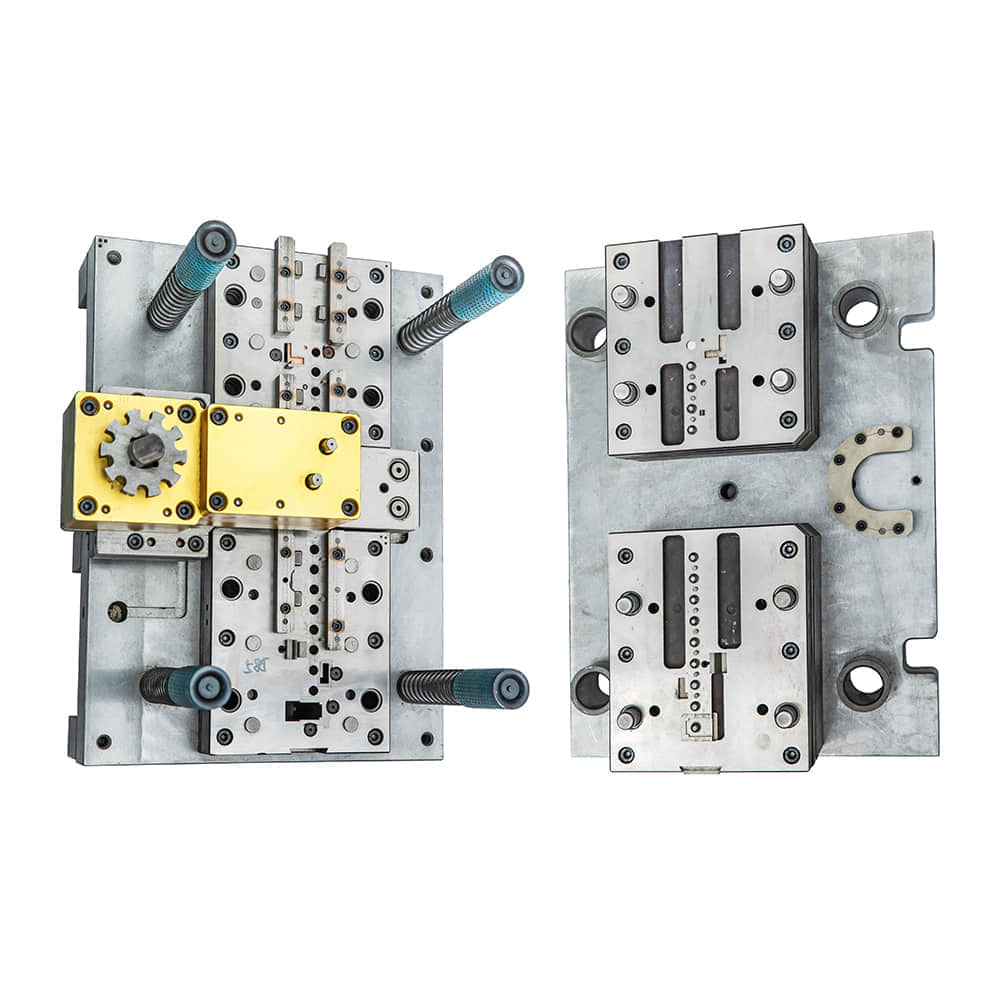
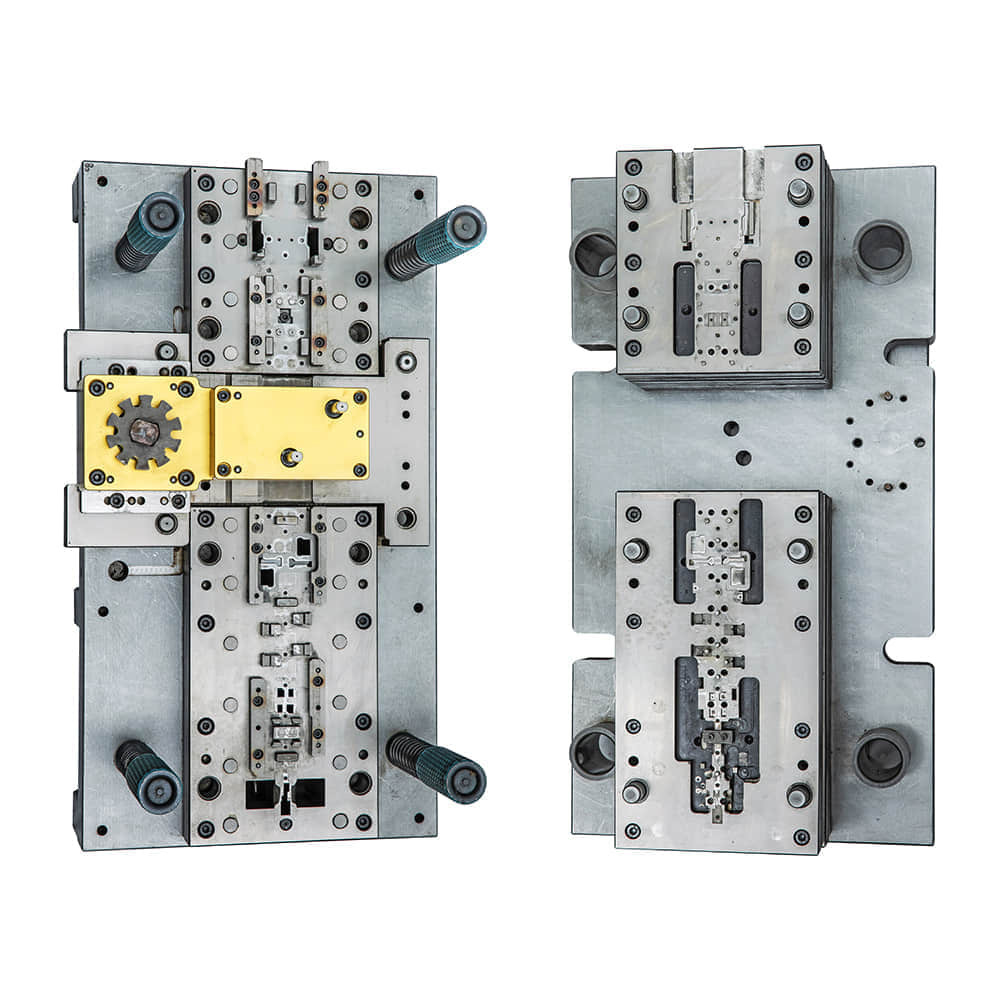
Monthly Archives: September 2023

Exploring Molded Case Circuit Breaker Manufacturers

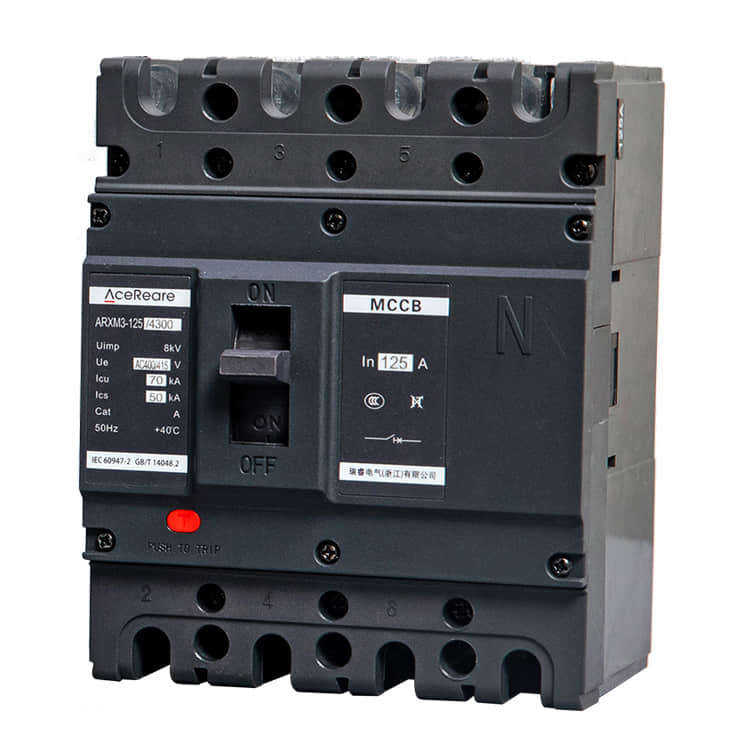
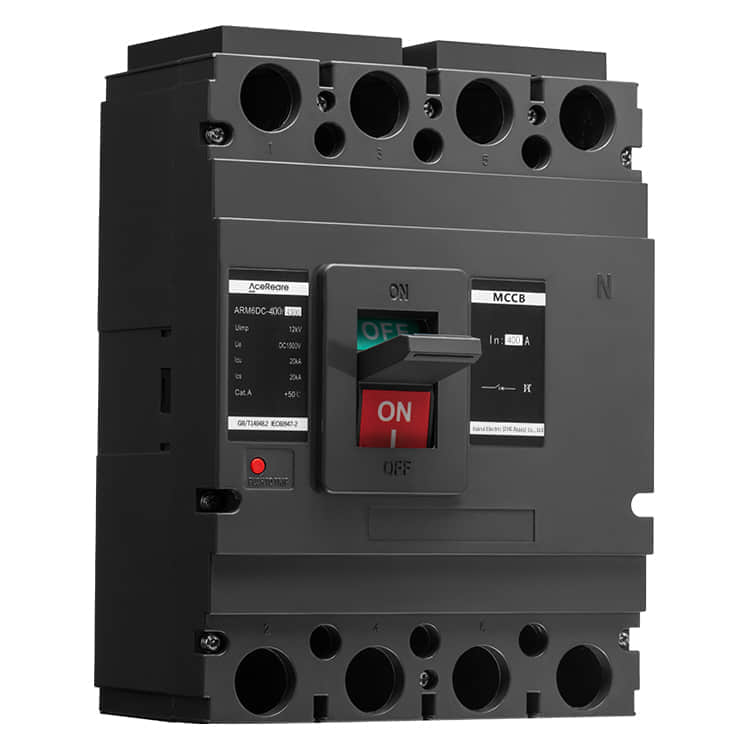
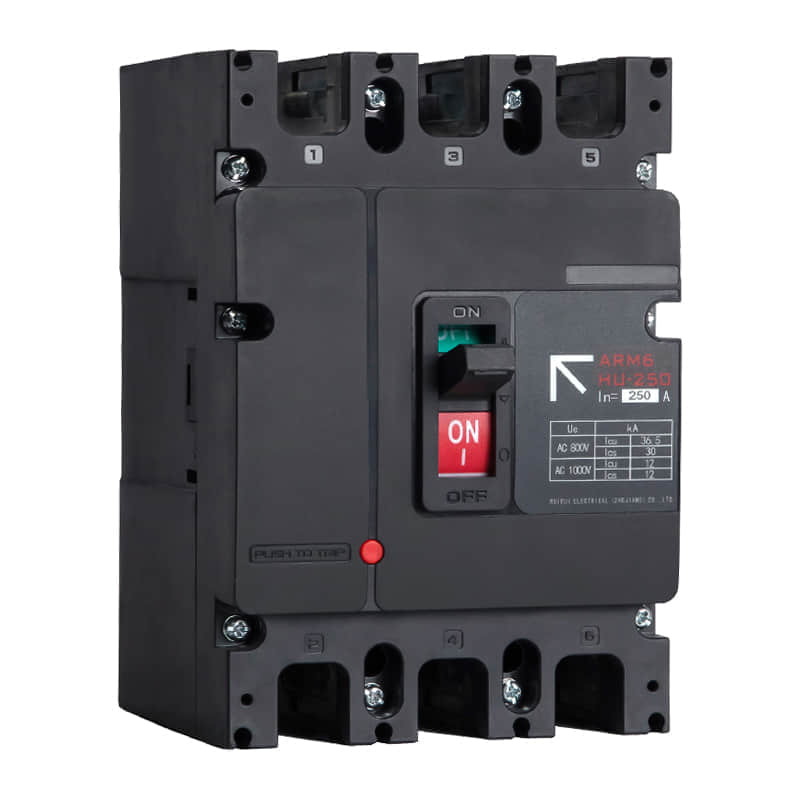
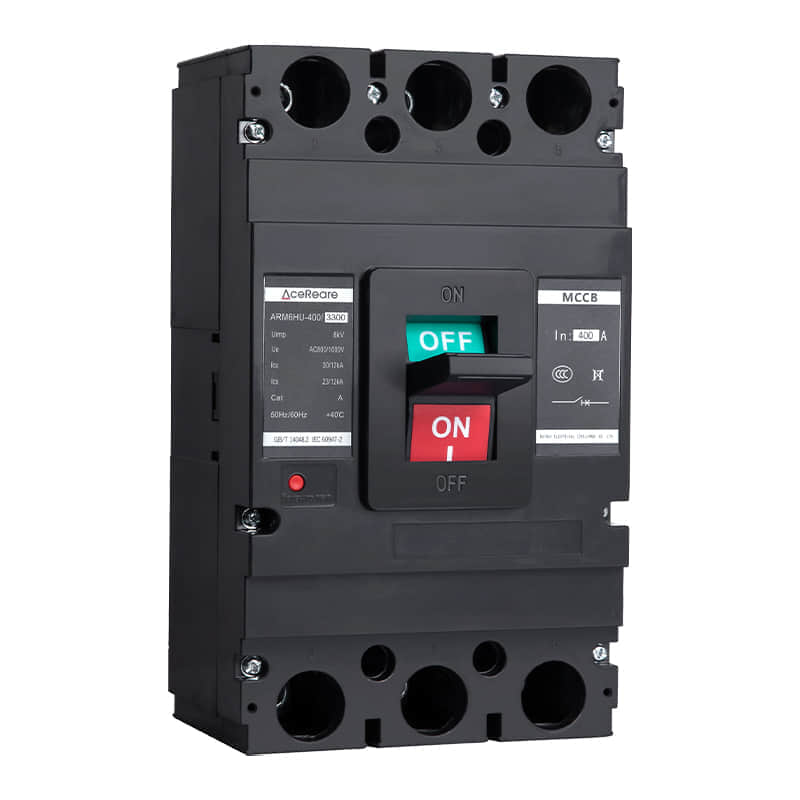
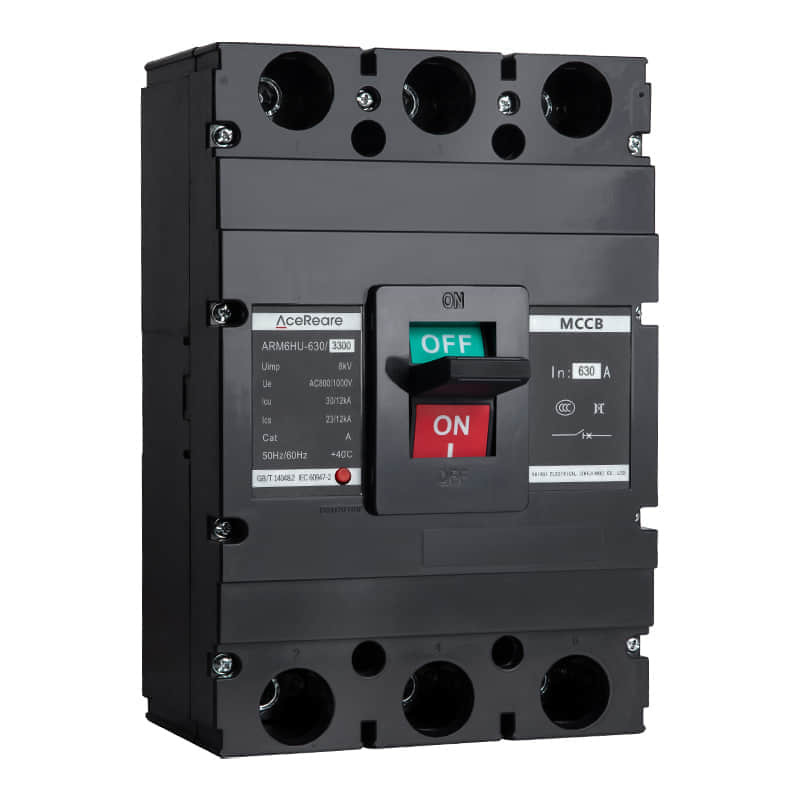
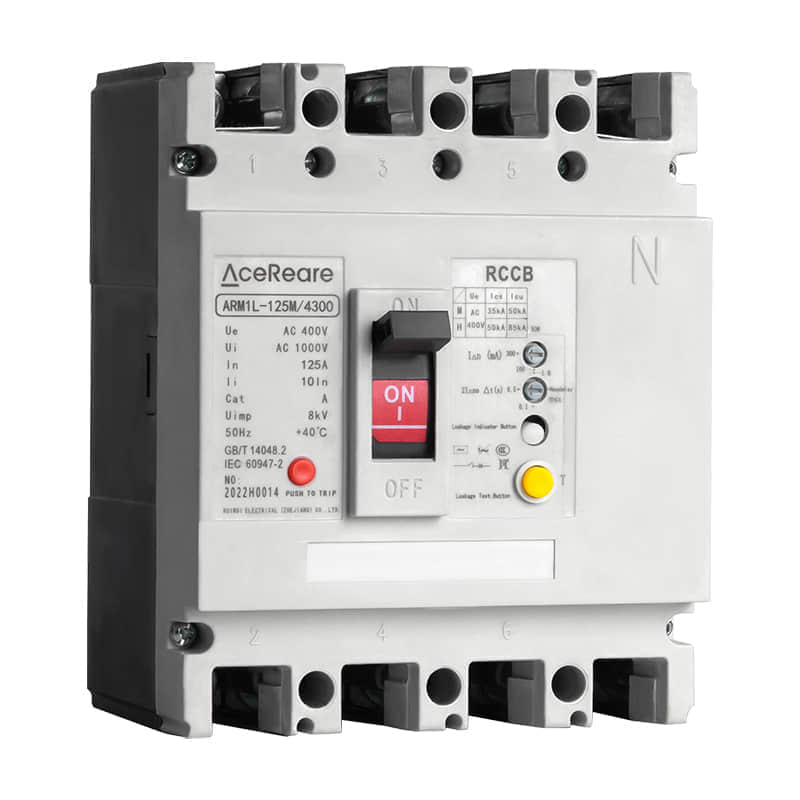
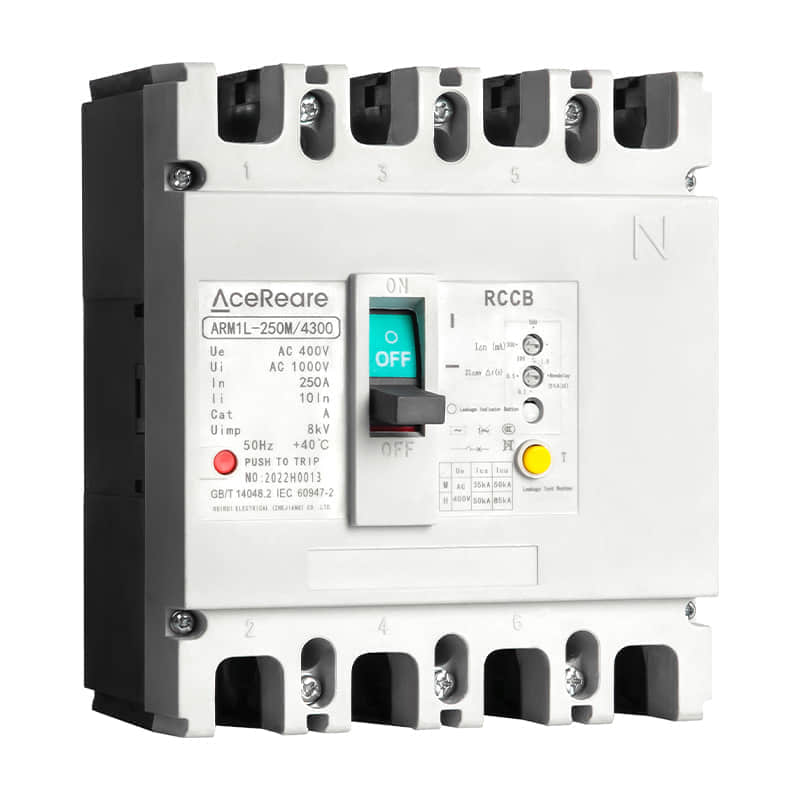
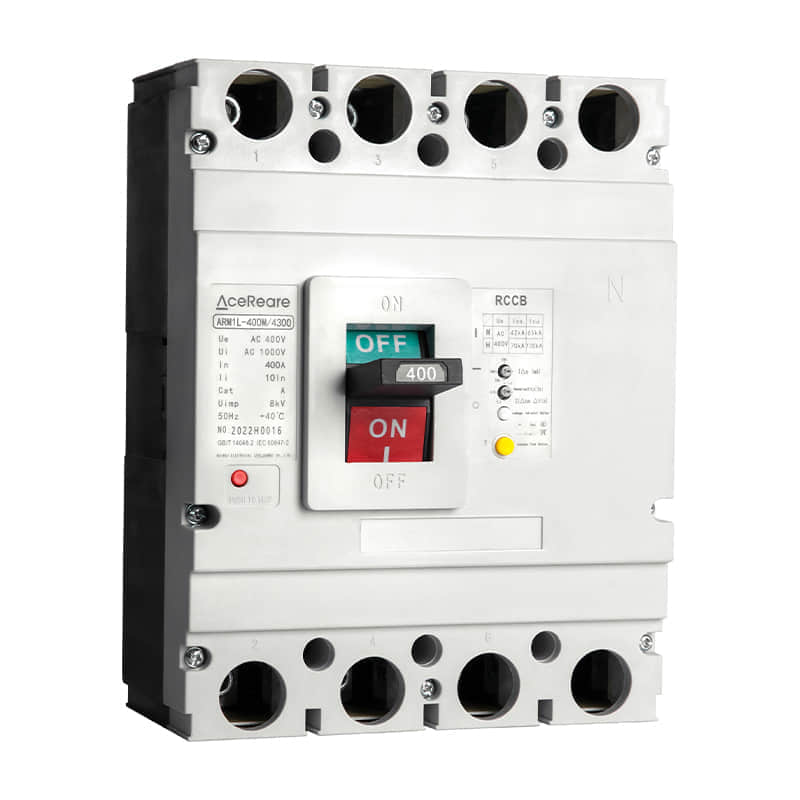
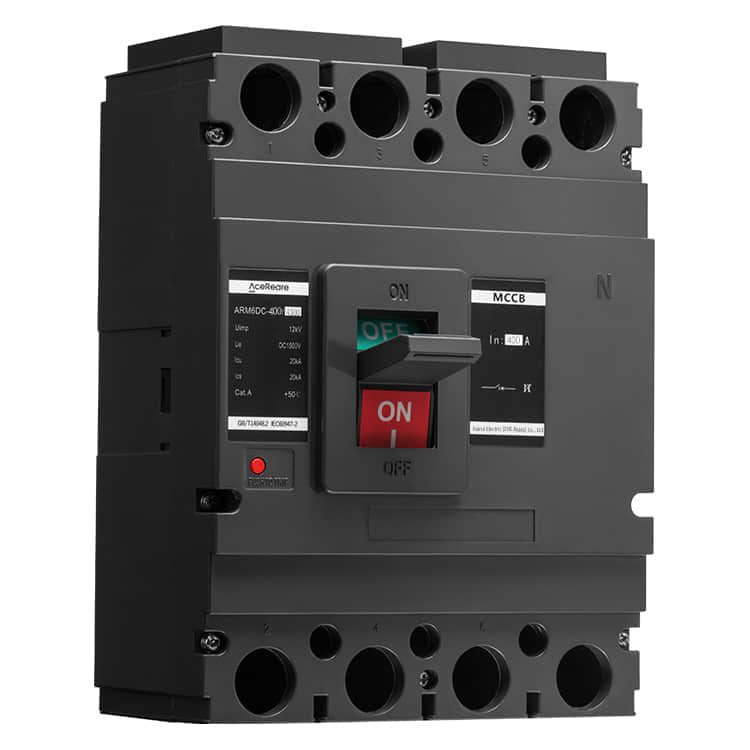
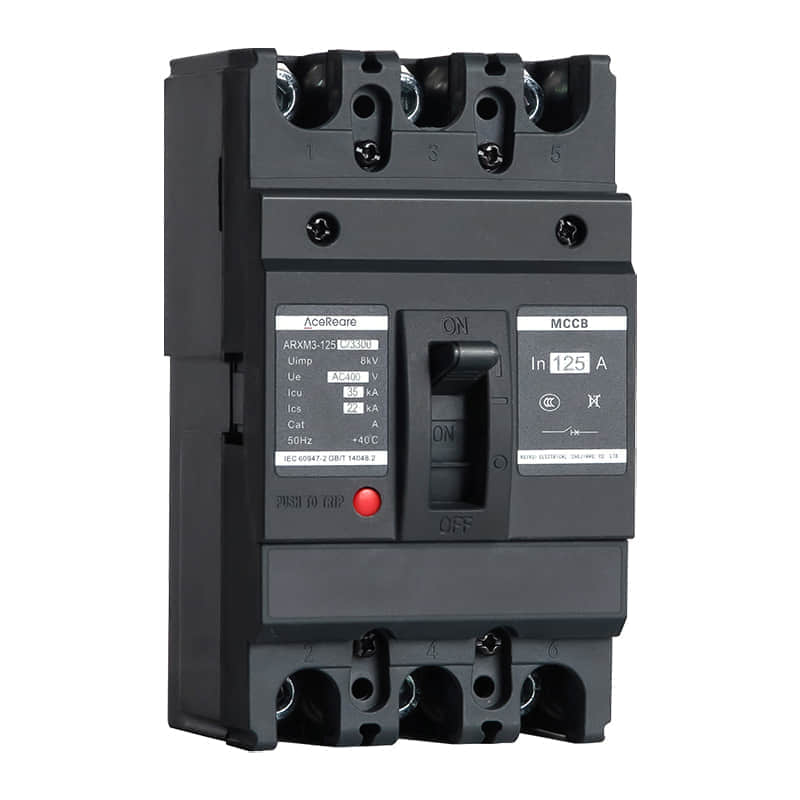
Molded Case Circuit Breakers (MCCBs) are vital components in electrical distribution systems, serving as reliable protectors against overcurrents and short circuits. These devices play a crucial role in ensuring the safety and efficiency of various industrial, commercial, and residential applications. In the realm of MCCBs, numerous manufacturers have emerged, each bringing their unique innovations and contributions to the field.
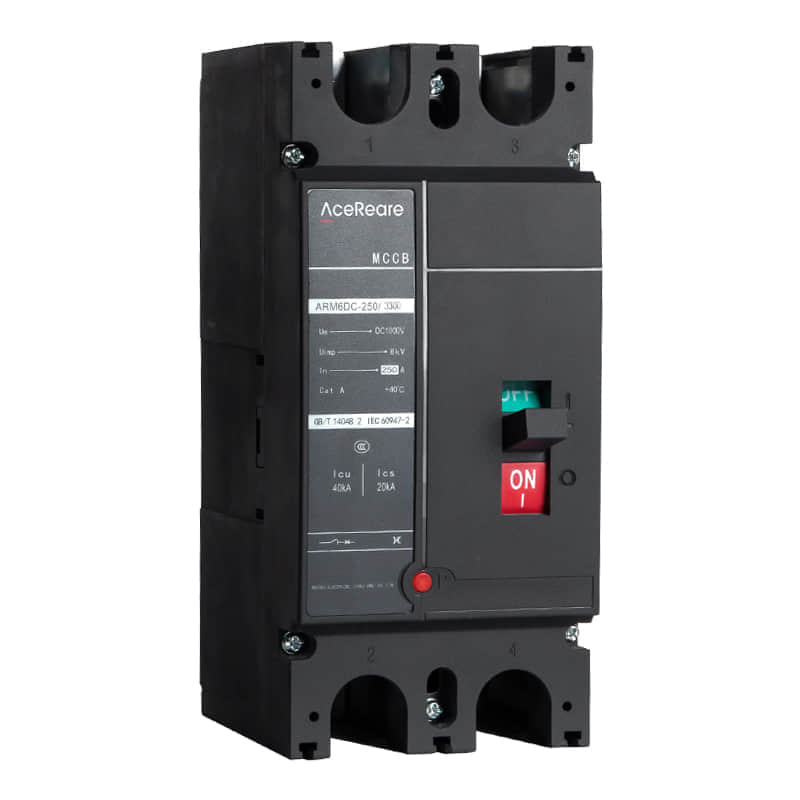
Molded case circuit breaker manufacturers

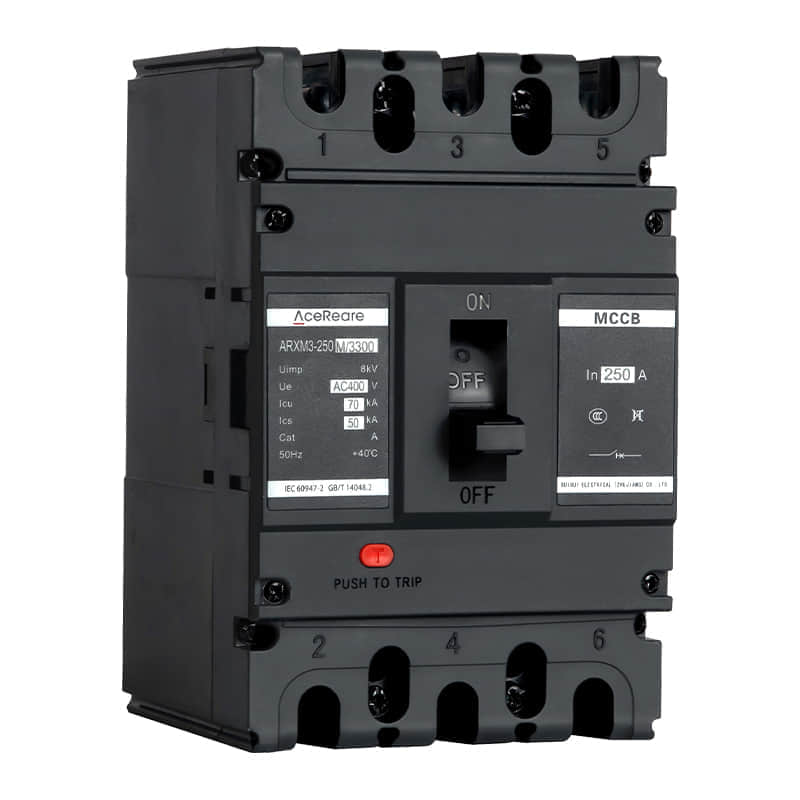
One prominent MCCB manufacturer is Schneider Electric. With a global presence, Schneider Electric is known for its high-quality electrical products and solutions. Their MCCBs are designed to meet a wide range of current ratings and breaking capacities, making them suitable for diverse applications. Schneider Electric’s commitment to sustainability is also evident in their production processes and energy-efficient MCCBs, contributing to both safety and environmental goals.
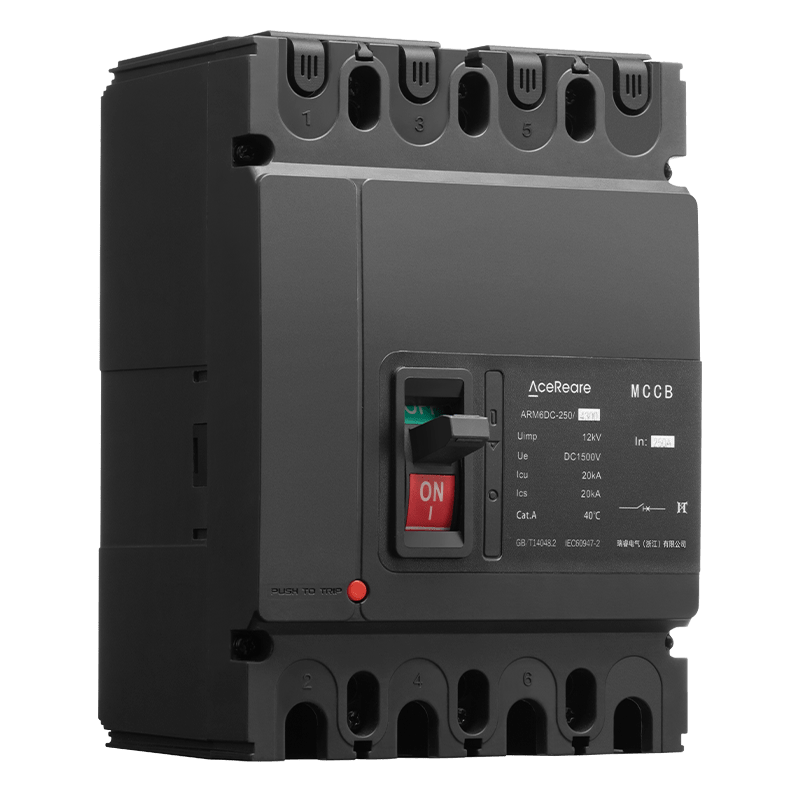
Molded case circuit breaker manufacturers

Another key player in the MCCB manufacturing landscape is Siemens. Renowned for its cutting-edge technology, Siemens offers MCCBs that incorporate advanced features like digital communication capabilities and remote monitoring. This enables real-time data collection and analysis, empowering users to make informed decisions regarding their electrical systems. Siemens’ extensive research and development efforts underscore their dedication to enhancing MCCB performance and functionality. Larsen & Toubro is another significant MCCB manufacturer that has gained recognition globally. Their MCCBs are characterized by their durability and reliability, often tailored to withstand harsh environmental conditions. The company’s focus on engineering excellence has led to the creation of MCCBs that excel in interrupting currents and safeguarding electrical systems, contributing to the overall stability of power distribution networks. Eaton Corporation is also a noteworthy player in the MCCB market. Eaton’s MCCBs are known for their versatility and user-friendly features. Their product range spans from basic models to more sophisticated ones, catering to various customer requirements. Eaton emphasizes safety through features such as arc fault detection, which adds an extra layer of protection against electrical fires. Furthermore, ABB is a global leader in power technologies, including MCCBs. ABB’s MCCBs are designed to prioritize space efficiency, making them suitable for installations where space is limited. ABB’s commitment to innovation is evident in their MCCBs equipped with predictive maintenance capabilities, which help prevent unexpected failures and minimize downtime. As the demand for renewable energy sources grows, solar energy installations have become increasingly common. MCCB manufacturers like Legrand have recognized this trend and have developed specialized MCCBs for solar applications. These MCCBs are designed to handle the unique challenges posed by solar installations, such as fluctuating currents and environmental factors. In conclusion, the world of Molded Case Circuit Breaker (MCCB) manufacturing is populated by several prominent players, each contributing their innovations to the field. Schneider Electric, Siemens, Larsen & Toubro, Eaton Corporation, ABB, and Legrand are just a few of the manufacturers making significant strides in enhancing MCCB safety, functionality, and efficiency. With the continuous advancement of technology and the increasing emphasis on sustainable solutions, the MCCB landscape is poised for further evolution, ensuring the seamless and secure distribution of electrical power across various domains.
Molded case circuit breaker manufacturers

Exploring the Innovation and Reliability of Molded Case Circuit Breaker Brands

In the realm of electrical systems, safety and efficiency are paramount. Among the various components ensuring the smooth functioning of these systems, the Molded Case Circuit Breaker (MCCB) stands as a stalwart guardian, safeguarding against electrical overloads and faults. Within this crucial realm, various brands have risen to prominence, each vying to provide the best in innovation and reliability. In this article, we delve into the world of MCCB brands, exploring their features, advancements, and contributions to electrical safety.

Molded case circuit breaker brand

Introduction to MCCBs

Molded case circuit breaker brand

Molded Case Circuit Breakers are essential devices within electrical distribution systems. They are designed to protect circuits and equipment from overcurrents, short circuits, and other electrical faults. These breakers are commonly used in industrial, commercial, and residential settings to prevent damage and ensure the safety of both personnel and equipment. MCCBs operate by automatically opening the circuit when excessive current flows through it, interrupting the current flow and preventing potential hazards. Innovations in MCCB Technology Several leading MCCB brands have continuously driven innovation in the field of electrical protection. One of the noteworthy advancements is the integration of digital technology. Modern MCCBs are equipped with digital trip units that provide enhanced accuracy in detecting faults and allow for more precise adjustments. These trip units can be programmed to suit specific applications, enabling customization and adaptability. Additionally, communication capabilities have been integrated into some MCCBs, enabling remote monitoring and control. This feature is particularly beneficial for industries and facilities with complex electrical systems, as it allows for real-time status monitoring and quick response to issues. Reliability and Durability Reliability is a cornerstone of MCCB functionality, and reputable brands prioritize the construction and materials used in their devices. Many brands employ high-quality materials that enhance the breaker’s durability and resistance to wear and tear. Robust construction ensures that MCCBs can withstand a wide range of operating conditions, from temperature variations to mechanical stress. Moreover, some MCCB brands offer solutions with enhanced protection against environmental factors such as dust, moisture, and corrosive substances. These features are especially important in challenging industrial environments where the risk of electrical faults is heightened. Safety Features MCCB brands also differentiate themselves through safety-focused features. Arc fault detection, for example, has become a crucial aspect of MCCB design. Brands have developed innovative arc detection technologies that swiftly identify and mitigate arc faults, reducing the risk of electrical fires and explosions. Customization and Flexibility The diverse applications of MCCBs have led to a demand for customized solutions. Recognizing this need, leading brands provide MCCBs with adjustable settings to suit different load requirements and system configurations. This adaptability ensures optimal performance and protection across various scenarios. Environmental Considerations In recent years, environmental consciousness has permeated the design and manufacturing processes of many MCCB brands. Some manufacturers prioritize energy efficiency and sustainability by incorporating eco-friendly materials and optimizing power consumption during breaker operation. Conclusion Molded Case Circuit Breaker brands play an indispensable role in electrical safety and efficiency. Through continuous innovation, reliability enhancements, and a focus on safety, these brands contribute significantly to the advancement of electrical systems across industries. Whether through digital integration, advanced trip units, or environmental considerations, MCCB brands continue to pave the way for safer and more reliable electrical distribution. As technology evolves, we can expect these brands to remain at the forefront of electrical protection, ensuring the smooth flow of power while prioritizing safety above all else.

Molded case circuit breaker brand

Unveiling the Excellence of DC Molded Case Circuit Breakers by Brand

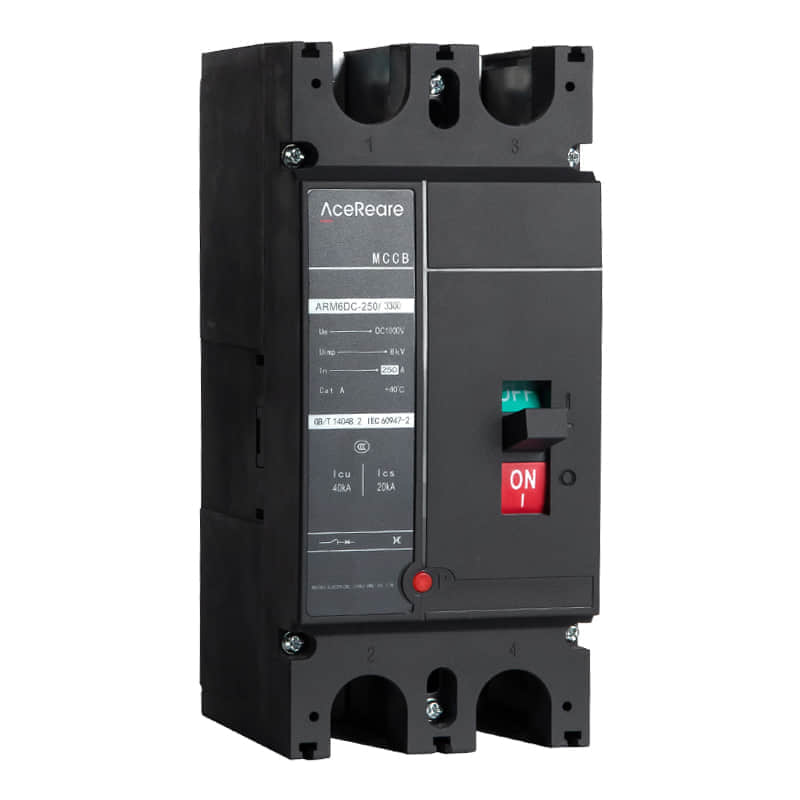
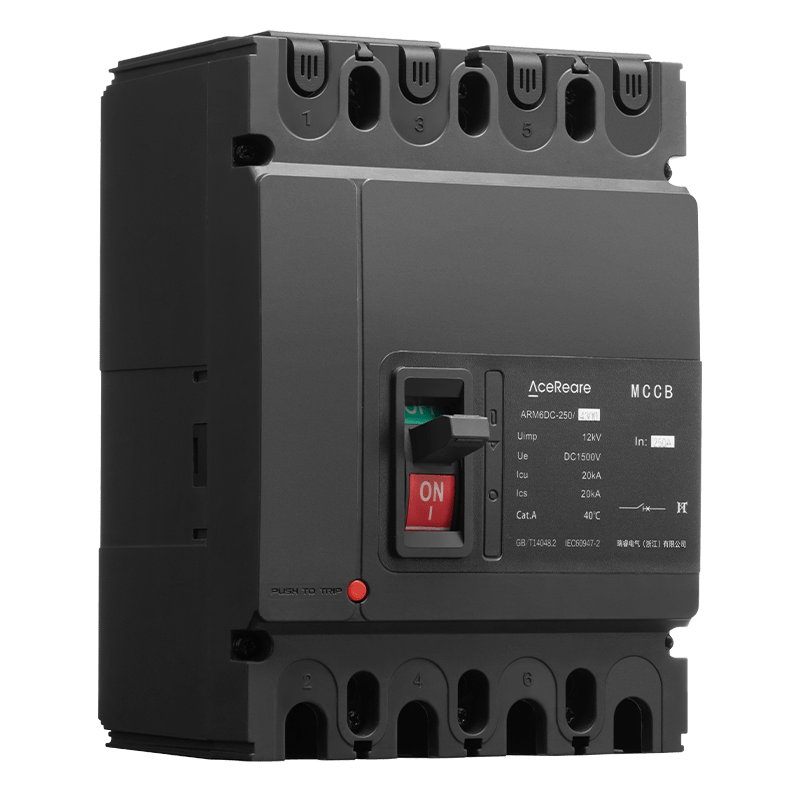
In the realm of electrical systems and power distribution, safety and efficiency stand as paramount considerations. One name that has consistently proven its mettle in this domain is the Brand of DC Molded Case Circuit Breakers. These circuit breakers have garnered a reputation for their exceptional performance, innovative features, and unwavering commitment to safeguarding electrical networks. In this article, we delve into the key attributes and advantages of these circuit breakers, shedding light on their pivotal role in modern electrical engineering.

Brand of DC molded case circuit breaker

Cutting-Edge Technology:The Brand of DC Molded Case Circuit Breakers is synonymous with cutting-edge technology. These circuit breakers are crafted with precision, incorporating the latest advancements to ensure optimal performance. Equipped with advanced trip units and electronic controls, they offer precise current protection, enabling quick and accurate interruption of electrical currents in case of faults. This capability not only safeguards equipment but also prevents potential hazards, underscoring their importance in critical applications.

Brand of DC molded case circuit breaker

Robust Build:The rugged construction of these circuit breakers sets them apart. Engineered to withstand diverse environmental conditions, they are built with high-grade materials that ensure longevity and durability. Whether installed indoors or outdoors, in industrial settings or commercial spaces, these circuit breakers exhibit resilience, delivering consistent performance even in challenging situations. Customization Options:Recognizing the unique requirements of different applications, the Brand offers a range of customization options. From adjustable trip settings to various frame sizes, these circuit breakers can be tailored to suit specific needs. This adaptability not only simplifies the integration process but also optimizes the overall functionality of the electrical system. Comprehensive Protection:The comprehensive protection offered by these circuit breakers is unparalleled. They provide protection against overcurrent, short circuits, ground faults, and other electrical anomalies. This multifaceted approach ensures that the electrical infrastructure remains secure, minimizing the risk of damage to valuable equipment and mitigating the potential for electrical fires. Ease of Maintenance:Maintenance is often a key concern in complex electrical systems. The Brand of DC Molded Case Circuit Breakers addresses this concern with its user-friendly design and diagnostic features. These circuit breakers are equipped with advanced monitoring capabilities that provide real-time data on their operational status. This proactive approach facilitates predictive maintenance, reducing downtime and enhancing the overall reliability of the system. Global Standards Compliance:Electrical standards and regulations vary across different regions. The Brand’s circuit breakers adhere to global standards and certifications, making them suitable for installations around the world. This global compliance speaks to the brand’s commitment to delivering products that meet the highest quality and safety benchmarks. Sustainable Solutions:In an era where environmental consciousness is paramount, these circuit breakers incorporate eco-friendly features. With a focus on energy efficiency, they contribute to the reduction of energy consumption and carbon footprint. This not only aligns with sustainability goals but also results in cost savings for the end-users. Innovation and Research:The Brand’s legacy is defined by its continuous pursuit of innovation. Investing in research and development, they consistently explore new avenues to enhance circuit breaker technology. This commitment to innovation ensures that their products remain at the forefront of the industry, driving advancements in electrical engineering as a whole. In conclusion, the Brand of DC Molded Case Circuit Breakers stands as a beacon of excellence in the realm of electrical protection and distribution. With their technological prowess, robust design, and unwavering focus on safety, these circuit breakers have earned the trust of professionals across the globe. As electrical systems continue to evolve, the Brand remains a steadfast partner, providing reliable solutions that empower industries and communities alike.

Brand of DC molded case circuit breaker

Exploring the Benefits of Molded Case Circuit Breakers

Introduction

Molded case circuit breaker

In the realm of electrical protection, the Molded Case Circuit Breaker (MCCB) stands as a critical component, safeguarding electrical systems and equipment from overcurrents and short circuits. This article delves into the features and advantages of MCCBs, shedding light on their pivotal role in maintaining the integrity of various applications.

Molded case circuit breaker

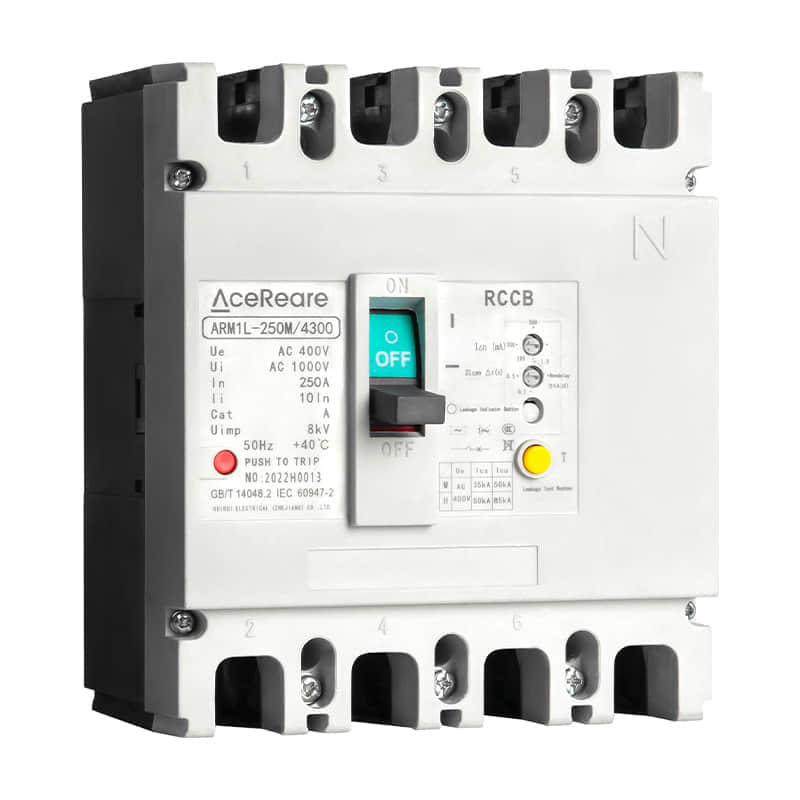
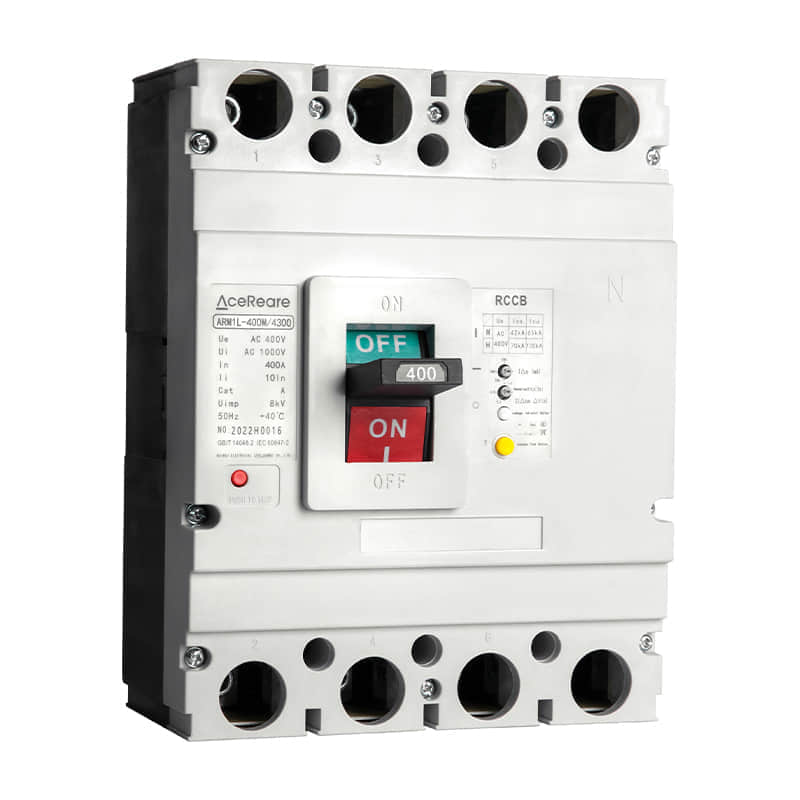
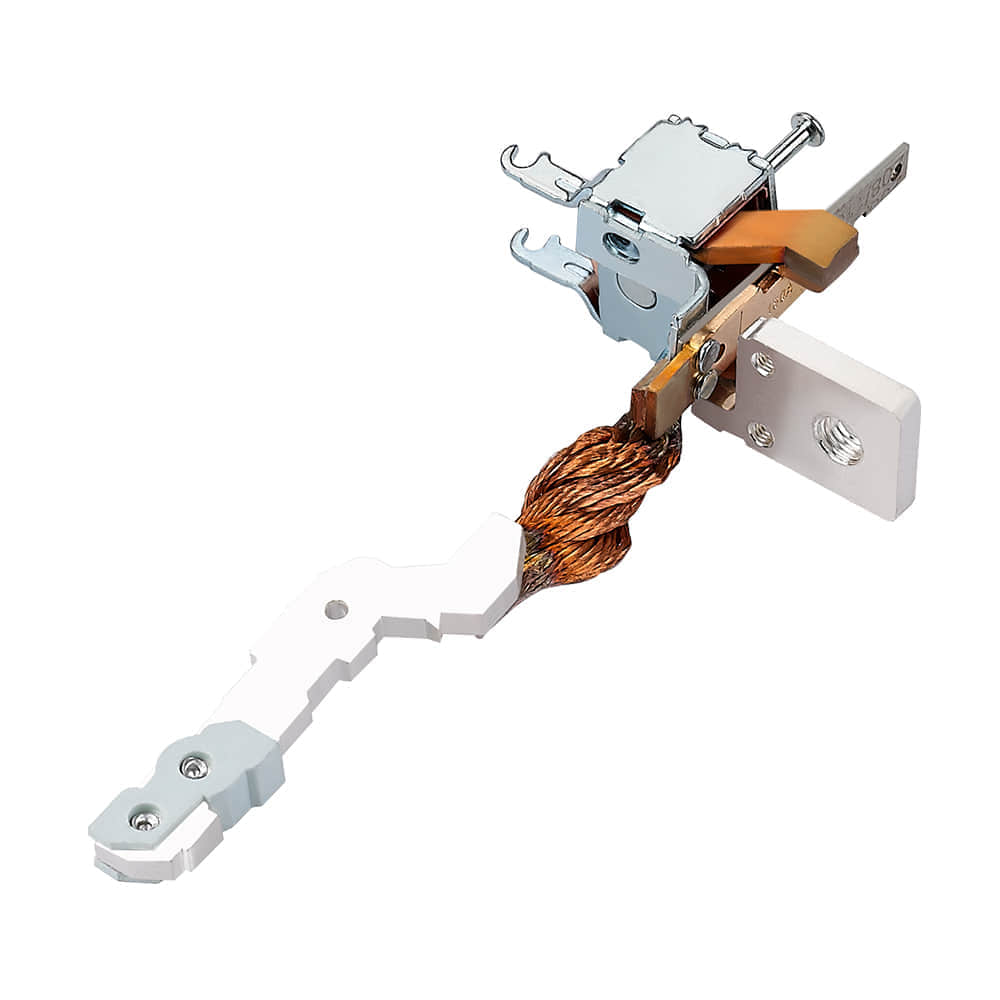
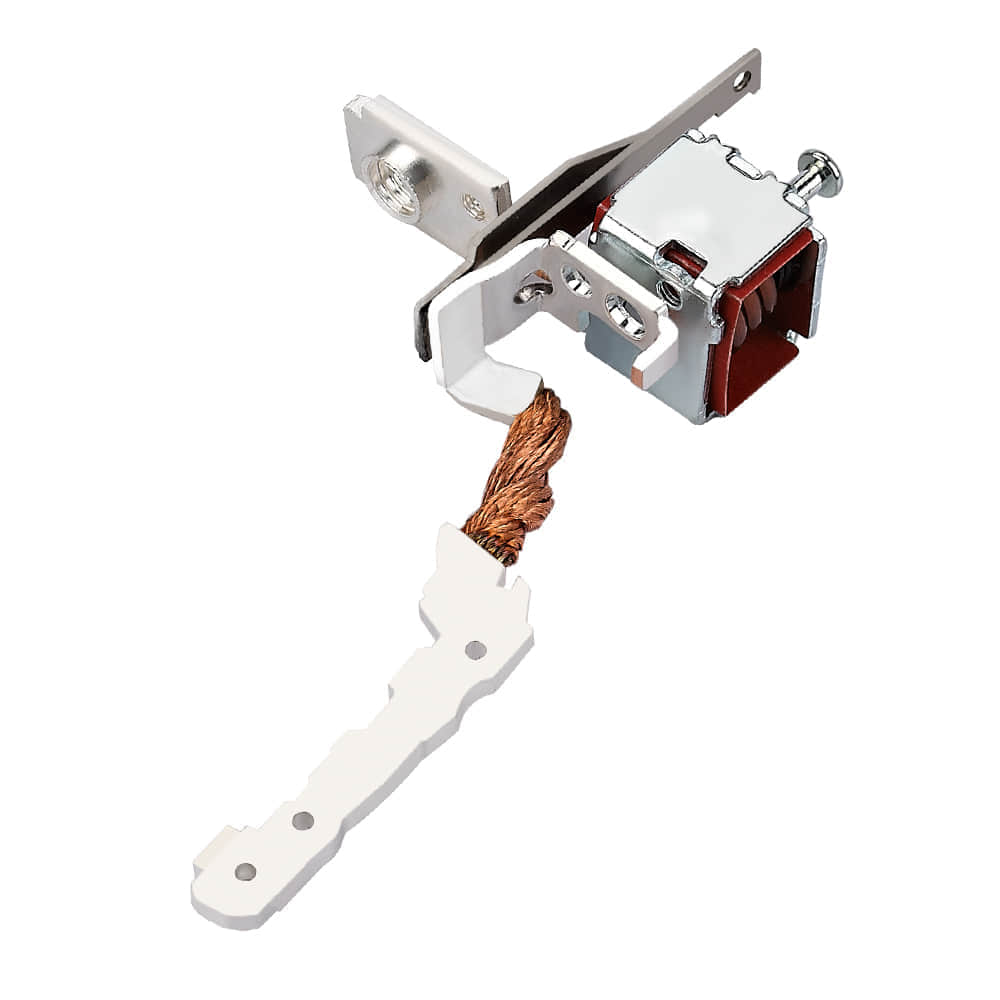
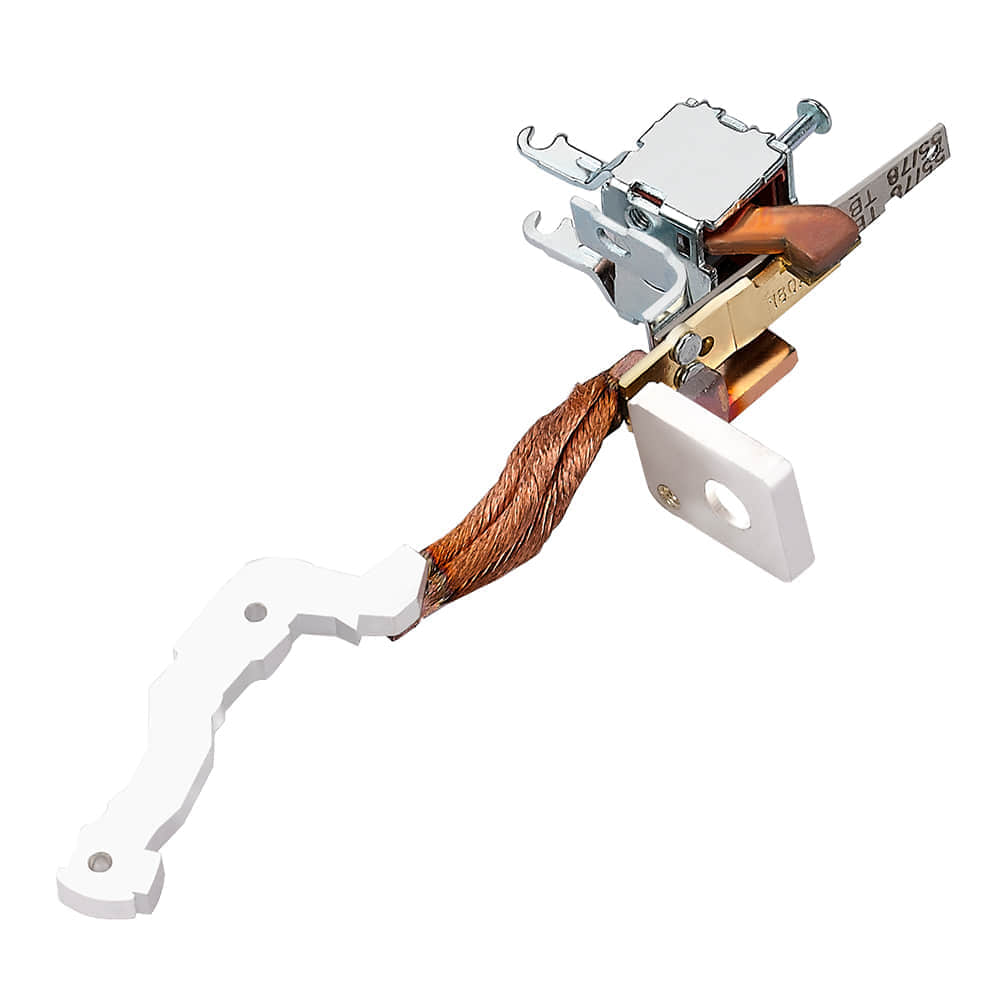
The Anatomy of MCCBs MCCBs are aptly named due to their construction, which involves molding the circuit breaker components into a robust and compact case. This design offers numerous benefits, including enhanced durability, protection against environmental factors, and space efficiency. Within the MCCB case, vital elements like the operating mechanism, trip unit, and current-carrying components work in tandem to ensure seamless operation. Advantages of MCCBs Overcurrent Protection: One of the primary functions of MCCBs is to protect electrical circuits from overcurrents that can result from factors like short circuits or excessive load. The MCCB’s trip unit senses abnormal current levels and rapidly interrupts the circuit, preventing damage to both the equipment and the circuit itself. Adjustable Trip Settings: MCCBs come with adjustable trip settings, allowing users to customize the circuit breaker’s response to different levels of overcurrent. This flexibility enables precise tailoring of protection, enhancing the compatibility of the MCCB with a variety of applications. Thermal Magnetic Protection: MCCBs often employ a combination of thermal and magnetic protection mechanisms. The thermal element responds to moderate overcurrents over a longer time, while the magnetic element swiftly reacts to high overcurrents, ensuring comprehensive protection. Remote Operation and Monitoring: Advanced MCCBs can be equipped with remote operation and monitoring capabilities. This feature proves invaluable for scenarios where immediate manual intervention might not be feasible or safe. Remote access enables quick troubleshooting and control, minimizing downtime. Selective Coordination: In interconnected systems with multiple circuit breakers, selective coordination is crucial. MCCBs can be coordinated to ensure that only the circuit breaker closest to the fault trips, allowing the rest of the system to remain operational. This selective coordination minimizes disruptions and enhances overall system reliability. Compact Design: The molded case design of MCCBs optimizes space utilization within electrical panels. This is particularly advantageous in applications where available space is limited, allowing for more efficient and organized panel layouts. Durability and Longevity: The robust casing of MCCBs provides protection against physical damage, dust, and moisture. This durability extends the operational life of the MCCB, reducing the need for frequent replacements. Applications of MCCBs MCCBs find extensive use across various industries and applications: Industrial Settings: MCCBs are commonly employed in industrial environments to protect motors, pumps, conveyors, and other critical machinery from overcurrents and short circuits. Commercial Buildings: In office buildings, retail spaces, and hospitals, MCCBs safeguard lighting systems, HVAC equipment, and power distribution networks. Residential Installations: MCCBs are utilized in residential circuit breaker panels to protect household appliances and wiring from electrical faults. Conclusion The Molded Case Circuit Breaker stands as a testament to the advancements in electrical protection technology. Its versatile applications, adjustable settings, and durable design make it an indispensable asset across industries. By preventing damage and ensuring the continuity of operations, MCCBs play a pivotal role in maintaining the safety and efficiency of modern electrical systems.

Molded case circuit breaker

Exploring the Realm of Metal Stamping Parts OEM Manufacturers

In the intricate world of manufacturing, the realm of Metal Stamping Parts OEM (Original Equipment Manufacturer) stands as a cornerstone of precision and innovation. This sector plays a crucial role in producing a myriad of components that find their way into industries as diverse as automotive, electronics, aerospace, and more. In this article, we delve into the realm of Metal Stamping Parts OEM manufacturers, uncovering their significance, processes, and contributions to modern production.

Metal stamping parts OEM manufacturer

The Significance of Metal Stamping Parts OEM Manufacturers

Metal stamping parts OEM manufacturer

Metal stamping is a manufacturing process that involves shaping metal sheets into various forms and sizes. OEM manufacturers in this field produce components according to the specifications provided by their clients. These manufacturers serve as vital links in the supply chain, translating design concepts into tangible parts that fuel industries worldwide. The Process of Metal Stamping The process of metal stamping involves several intricate steps, each demanding precision and expertise. It begins with the creation of a custom die, which is used to shape the metal. The metal sheet is then fed into the stamping press, where the die exerts pressure to cut or shape the material. This process can include various techniques such as blanking, piercing, bending, and coining, resulting in a diverse array of components. Innovation and Technology Metal stamping OEM manufacturers constantly push the boundaries of innovation. Advanced technologies, such as computer simulations and CAD software, allow manufacturers to simulate the stamping process before actual production. This not only reduces the risk of errors but also enhances efficiency by identifying potential design flaws. Moreover, automation has revolutionized the industry, enabling high-volume production with minimal human intervention. Quality Assurance Ensuring the quality of stamped metal parts is paramount. Reputable OEM manufacturers implement rigorous quality control measures throughout the production process. These include thorough inspections of raw materials, regular monitoring of production runs, and post-production assessments. By adhering to strict quality standards, they guarantee that the components they produce are not only precise but also durable and reliable. Customization and Flexibility Metal stamping OEM manufacturers recognize that each client’s requirements are unique. They offer a high degree of customization and flexibility, accommodating diverse materials, thicknesses, and specifications. This adaptability makes them valuable partners for industries where innovation and differentiation are key. Contributions to Modern Production The contributions of metal stamping OEM manufacturers extend far beyond their production capabilities. By collaborating closely with clients, they contribute to the development of new products and technologies. Their expertise in materials, design feasibility, and production efficiency often leads to the optimization of components and the overall manufacturing process. Sustainability and Eco-Friendly Practices In today’s environmentally conscious world, metal stamping OEM manufacturers are embracing sustainable practices. They are adopting eco-friendly materials, optimizing production processes to reduce waste, and implementing energy-efficient technologies. By prioritizing sustainability, they align with global initiatives aimed at reducing the manufacturing industry’s carbon footprint. Conclusion The realm of Metal Stamping Parts OEM manufacturers is a world of precision, innovation, and adaptability. From the creation of intricate dies to the production of diverse components, their contributions resonate across industries and touch our lives in countless ways. As technology continues to evolve, we can expect these manufacturers to lead the charge in shaping the future of manufacturing, one stamped part at a time.

Metal stamping parts OEM manufacturer

Exploring the Expertise of a Metal Stamping Parts ODM Manufacturer

In the realm of modern manufacturing, precision and efficiency are paramount. One industry that exemplifies these qualities is metal stamping, where intricate parts are created through a process of precision pressing and forming. Among the key players in this industry are Metal Stamping Parts Original Design Manufacturer (ODM) companies, which stand out for their unique and versatile contributions to various sectors. In this article, we delve into the world of Metal Stamping Parts ODM manufacturers to understand their significance and the value they bring to the table.

Metal stamping parts ODM manufacturer

Unveiling the Essence of Metal Stamping Parts ODM Manufacturers

Metal stamping parts ODM manufacturer

Metal Stamping Parts ODM manufacturers play a pivotal role in the production of custom metal components that are integral to countless products and systems. These manufacturers specialize in the design and production of stamped metal parts that cater to the specific needs of their clients. Unlike Original Equipment Manufacturers (OEMs), which produce parts based on existing designs, ODM manufacturers are known for their innovation and flexibility. Tailored Solutions for Diverse Industries One of the standout features of Metal Stamping Parts ODM manufacturers is their ability to provide tailored solutions across a wide range of industries. From automotive and aerospace to electronics and medical equipment, these manufacturers possess the expertise to craft components that meet the stringent requirements of each sector. By collaborating closely with their clients, Metal Stamping Parts ODM manufacturers ensure that the parts produced align perfectly with the intended applications, taking into account factors such as material selection, durability, and functionality. The Design Advantage Innovation is the cornerstone of Metal Stamping Parts ODM manufacturers. They thrive on turning concepts into reality by employing cutting-edge design techniques and technologies. These manufacturers often have dedicated design teams that work closely with clients to understand their unique challenges and requirements. Leveraging computer-aided design (CAD) software and simulation tools, they can create prototypes and test different iterations before finalizing the design. This not only streamlines the manufacturing process but also contributes to cost savings and quicker time-to-market. Manufacturing Excellence and Efficiency Metal stamping is a process that demands precision and efficiency. ODM manufacturers excel in this regard, utilizing advanced machinery and techniques to ensure the highest quality output. The use of automated stamping presses, progressive die tooling, and other state-of-the-art equipment enables them to achieve tight tolerances and consistent results, even for complex geometries. This level of manufacturing excellence is a testament to their commitment to delivering top-notch products to their clients. The Collaborative Approach Collaboration lies at the heart of Metal Stamping Parts ODM manufacturers’ philosophy. They view their clients as partners and collaborators rather than mere customers. This approach fosters a strong working relationship where ideas are exchanged freely, challenges are addressed collectively, and solutions are developed collaboratively. This synergy often leads to breakthrough innovations and the development of novel manufacturing techniques that benefit both parties. Conclusion In the grand tapestry of modern manufacturing, Metal Stamping Parts ODM manufacturers are the unsung heroes. Their ability to transform raw materials into intricate, custom-designed components is a testament to their expertise and dedication. As industries continue to evolve and demand ever more specialized solutions, these manufacturers will undoubtedly remain at the forefront of innovation, shaping the products and technologies of tomorrow.

Metal stamping parts ODM manufacturer

Exploring the World of Metal Stamping Parts Manufacturers

Metal stamping, a fundamental process in modern manufacturing, plays an integral role in producing a wide range of products that we encounter daily. From intricate electronics to robust automotive components, metal stamping parts manufacturers are the unsung heroes behind the scenes, shaping industries and innovations across the globe.

Metal stamping parts manufacturers

The Essence of Metal Stamping Parts Manufacturers

Metal stamping parts manufacturers

Metal stamping is a manufacturing process that involves cutting, bending, shaping, and forming metal sheets or coils into various intricate shapes and designs. Metal stamping parts manufacturers are experts in this craft, utilizing advanced machinery, technology, and a deep understanding of materials to transform raw metal into precise components that power industries. Precision Engineering and Technology At the heart of metal stamping lies precision engineering. Manufacturers employ Computer-Aided Design (CAD) software to create intricate designs with exact specifications. These designs are then used to program stamping machines, which use immense force to cut or shape the metal. With modern advancements, Computer-Aided Manufacturing (CAM) systems work in tandem with CAD, enabling manufacturers to achieve levels of accuracy measured in micrometers. Materials and Innovation Metal stamping parts can be crafted from various metals, including steel, aluminum, copper, and more. The choice of material depends on the specific application and desired properties of the component. Manufacturers are continually pushing the boundaries by developing new techniques to work with exotic metals and alloys. This drive towards innovation ensures that industries can access parts that withstand extreme conditions, have enhanced durability, and contribute to overall product efficiency. Applications Across Industries The products of metal stamping are ubiquitous, touching nearly every industry. In the automotive sector, safety-critical components such as airbags and braking systems rely on precision stamping. The electronics industry benefits from stamped parts in the form of connectors, terminals, and shielding for devices. Even the medical field utilizes stamped components in tools and equipment where precision is paramount. Customization and Flexibility Metal stamping parts manufacturers offer a high degree of customization to meet the unique needs of their clients. From intricate designs to specific surface finishes, manufacturers can tailor their processes to create parts that align with the client’s vision. This customization extends beyond aesthetics – manufacturers can adjust material thickness, size, and other parameters to optimize performance. Quality Assurance and Sustainability Maintaining quality is a hallmark of reputable metal stamping parts manufacturers. Rigorous testing, inspections, and quality control procedures are integrated into the production process to ensure that every component meets the required standards. Additionally, an increasing number of manufacturers are embracing sustainable practices by optimizing material usage, reducing waste, and implementing energy-efficient processes. Global Impact and Future Trends The global network of metal stamping parts manufacturers underpins industries that drive economies. As technology continues to evolve, the industry is poised for further advancements. Miniaturization, lightweighting, and increased automation are trends that will likely shape the future of metal stamping. These trends not only enhance the efficiency of the manufacturing process but also contribute to the development of more environmentally friendly products. Conclusion Metal stamping parts manufacturers are the hidden architects of modern innovation, enabling the creation of products that touch every aspect of our lives. Their mastery of precision engineering, innovative use of materials, and commitment to quality make them indispensable partners across industries. As we look ahead, the industry’s evolution promises exciting possibilities, reaffirming its role as a cornerstone of manufacturing excellence.

Metal stamping parts manufacturers

“Precision Craftsmanship: Exploring the World of Metal Stamping Parts Manufacturers”

In the realm of modern manufacturing, metal stamping parts manufacturers play a pivotal yet often understated role. These specialized craftsmen and industries are the unsung heroes behind many of the everyday items we use, from automotive components to household appliances. In this article, we will delve into the fascinating world of metal stamping parts manufacturing, exploring its processes, significance, and innovations.

Metal stamping parts manufacturer

The Art of Metal Stamping

Metal stamping parts manufacturer

Metal stamping is a versatile and precise manufacturing process that involves shaping, cutting, and forming metal sheets or coils into desired components. These components can range from intricate electrical connectors to structural elements in aircraft. The process is known for its high precision, making it a preferred choice for industries that demand accuracy and consistency. Materials Matter Metal stamping manufacturers work with a variety of materials, including steel, aluminum, copper, and even exotic alloys. The choice of material depends on the specific requirements of the component. For instance, steel is favored for its strength and durability, while aluminum’s lightweight properties make it ideal for aerospace applications. The ability to adapt to diverse materials is a testament to the expertise of metal stamping manufacturers. Precision at its Core Precision is the cornerstone of metal stamping. Manufacturers employ computer-aided design (CAD) software and computer numerical control (CNC) machines to create intricate tooling and dies. These tools are custom-made for each component, ensuring that every piece produced is consistent and accurate to the micrometer. Applications Across Industries The versatility of metal stamping parts manufacturing is evident in its applications across various industries: Automotive Industry:Metal stamping is a linchpin of automobile manufacturing, producing components like body panels, brackets, and engine parts. These parts need to be both strong and lightweight, making metal stamping an ideal choice. Electronics:The miniaturization of electronic devices demands precision components. Metal stamping manufacturers supply connectors, heat sinks, and shielding components that are crucial for the functionality of smartphones, laptops, and other gadgets. Aerospace:Aerospace companies rely on metal stamping to create lightweight but robust components for aircraft and spacecraft, contributing to fuel efficiency and safety. Medical Devices:In the medical field, precision is a matter of life and death. Metal stamping manufacturers produce critical components for medical devices, such as surgical instruments and implantable devices. Innovation in Metal Stamping Metal stamping has evolved significantly over the years. Advancements in technology have led to faster production rates, reduced waste, and improved quality control. Additionally, the integration of automation and robotics has made the process more efficient, reducing labor costs and increasing output. Sustainability Matters In the era of environmental consciousness, metal stamping manufacturers are also making strides towards sustainability. Efforts are being made to reduce material waste, energy consumption, and harmful emissions. The use of recycled materials and lean manufacturing principles further demonstrates the commitment of the industry to sustainable practices. Conclusion Metal stamping parts manufacturers are the unsung heroes of modern manufacturing. Their precision craftsmanship underpins numerous industries, from automotive to aerospace and electronics. With a commitment to innovation and sustainability, they continue to shape the world around us, ensuring that the products we rely on every day are safe, reliable, and of the highest quality.

Metal stamping parts manufacturer

Precision in Every Press: Exploring the World of Metal Stamping Parts

Metal stamping parts play a crucial role in a wide array of industries, from automotive manufacturing to electronics production. These precision-engineered components are manufactured through a process that combines artistry with technology, resulting in intricate pieces that drive innovation across sectors. In this article, we delve into the realm of metal stamping parts, uncovering their significance, manufacturing process, and diverse applications.

Metal stamping parts

The Significance of Metal Stamping Parts

Metal stamping parts

Metal stamping is a manufacturing technique that transforms flat metal sheets into various shapes, sizes, and configurations. The resulting metal stamping parts find applications in industries such as aerospace, telecommunications, medical equipment, and beyond. From tiny components like connectors to larger parts such as panels, the precision and consistency achieved in metal stamping are paramount. The Metal Stamping Process Metal stamping involves a series of steps, each executed with meticulous precision to ensure the final product’s quality and accuracy. The process typically includes: Design and Tooling:Engineers create detailed designs, which are then used to manufacture specialized tooling. These tools, including dies and punches, determine the shape and features of the stamped parts. Material Selection:The choice of metal is crucial, as it influences the part’s characteristics. Metals like steel, aluminum, and copper are commonly used due to their durability and malleability. Feeding:Metal sheets are fed into the stamping press. The press uses immense force to push the metal through the tooling, shaping it according to the design. Stamping:The metal is subjected to a combination of pressure, bending, and forming actions. These actions are precisely controlled by the tooling to create the desired shape. Trimming and Finishing:Excess metal, known as “flash,” is trimmed off, and additional finishing processes like deburring and coating may be applied to achieve the desired appearance and functionality. Quality Control:Stringent quality checks are performed to ensure that each part meets the required specifications. Any deviations or defects are addressed promptly. Diverse Applications The versatility of metal stamping parts is showcased by their applications in various industries: Automotive:Metal stamping produces intricate components used in engines, transmissions, and chassis, contributing to the overall performance and safety of vehicles. Electronics:In the electronics industry, metal stamping parts are used in connectors, casings, and heat sinks, ensuring proper functioning and heat dissipation. Aerospace:Precision is paramount in aerospace, where metal stamping contributes to manufacturing aircraft components that are lightweight yet structurally sound. Medical:Medical devices rely on metal stamping for components that require high precision, biocompatibility, and reliability. Renewable Energy:The solar and wind energy sectors utilize metal stamping in the production of parts for panels, turbines, and energy storage systems. Advantages of Metal Stamping Metal stamping offers several advantages that contribute to its widespread use: Cost-Efficiency:Mass production capabilities and minimal material wastage make metal stamping a cost-effective option for large-scale manufacturing. Precision and Consistency:The use of precision tooling ensures uniformity and accuracy across a production run. Speed:Metal stamping processes are relatively quick, enabling efficient production rates to meet demand. Complexity:Intricate designs can be achieved through multiple stamping actions, allowing for complex shapes and features. Conclusion The world of metal stamping parts is a testament to human ingenuity and engineering prowess. From the design phase to the final quality checks, every step in the process contributes to the creation of components that are the backbone of modern industries. As technology continues to advance, metal stamping is poised to further revolutionize manufacturing, enabling the production of increasingly intricate and efficient parts that drive innovation forward.

Metal stamping parts

“Metal Stamping Die OEM Manufacturer: Crafting Precision and Excellence”

Metal stamping is a crucial process in the manufacturing industry, serving as the backbone for producing various metal components used in automobiles, electronics, appliances, and more. Behind the scenes of this intricate process lies the unsung hero, the Metal Stamping Die OEM Manufacturer. In this article, we will delve into the world of metal stamping dies, exploring their significance, the challenges faced, and the excellence that OEM manufacturers bring to this critical industry.

Metal Stamping Die OEM Manufacturer

The Backbone of Metal Stamping

Metal Stamping Die OEM Manufacturer

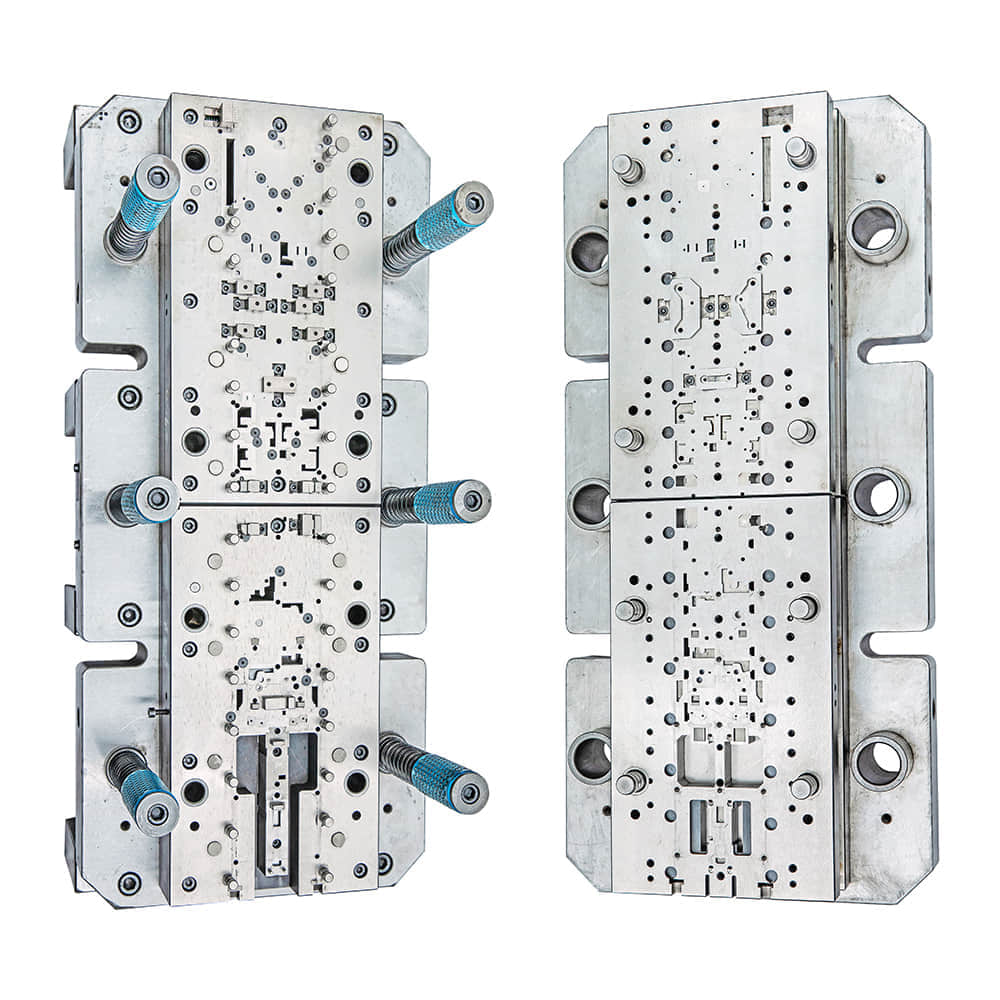
Metal stamping dies are specialized tools that shape and cut metal sheets into precise forms, catering to the exact requirements of diverse industries. These dies are the heart of metal stamping operations, responsible for creating intricate shapes with high precision and repeatability. Without the expertise of Metal Stamping Die OEM Manufacturers, many industries would struggle to meet their production needs. Precision Engineering Precision is paramount in the world of metal stamping. OEM manufacturers invest heavily in cutting-edge technology and employ skilled engineers to design and produce stamping dies that meet the tightest tolerances. The meticulous attention to detail ensures that each stamped part is consistent in quality and meets the required specifications. This precision is vital in industries like aerospace and medical, where safety and reliability are non-negotiable. Customization to Perfection Every industry has its unique demands when it comes to metal components. OEM manufacturers of metal stamping dies understand this and offer customized solutions. They work closely with their clients to design dies that perfectly suit their specific needs. Whether it’s creating a die for a one-of-a-kind prototype or mass-producing components for a major automotive manufacturer, Metal Stamping Die OEM Manufacturers adapt to the challenge with finesse. Innovation in Material Selection The choice of materials for stamping dies is critical to their longevity and performance. OEM manufacturers continually explore advanced materials and coatings to enhance die life and reduce maintenance costs. This commitment to innovation not only benefits the manufacturer but also trickles down to the end-users through improved product quality and cost-efficiency. Challenges Faced by OEM Manufacturers While Metal Stamping Die OEM Manufacturers excel in their craft, they face several challenges in delivering excellence: High Competition: The industry is fiercely competitive, pushing manufacturers to continuously innovate and improve. Technological Advancements: Keeping up with the latest technology is essential to remain competitive, but it requires significant investments. Quality Control: Maintaining strict quality control standards is paramount. Any deviation can result in costly production errors. Global Supply Chains: Dealing with global supply chains can introduce logistical challenges, especially during times of disruption. Environmental Responsibility In an era of increasing environmental awareness, OEM manufacturers of metal stamping dies are also focusing on sustainability. They are adopting eco-friendly practices, using recyclable materials, and minimizing waste to reduce their carbon footprint. This commitment to sustainability aligns with the broader industry trend towards responsible manufacturing. Conclusion Metal Stamping Die OEM Manufacturers are the unsung heroes of the metal stamping industry. Their commitment to precision engineering, customization, innovation, and environmental responsibility ensures the seamless production of vital components across various industries. As technology advances and industries evolve, these manufacturers will continue to adapt, playing a crucial role in shaping the future of metal stamping. Their dedication to excellence ensures that metal stamping remains a cornerstone of modern manufacturing.

Metal Stamping Die OEM Manufacturer