Monthly Archives: September 2023

Manufacturing Process of Molded Case Circuit Breakers

Introduction

Moulded Case Circuit Breaker Manaufacture

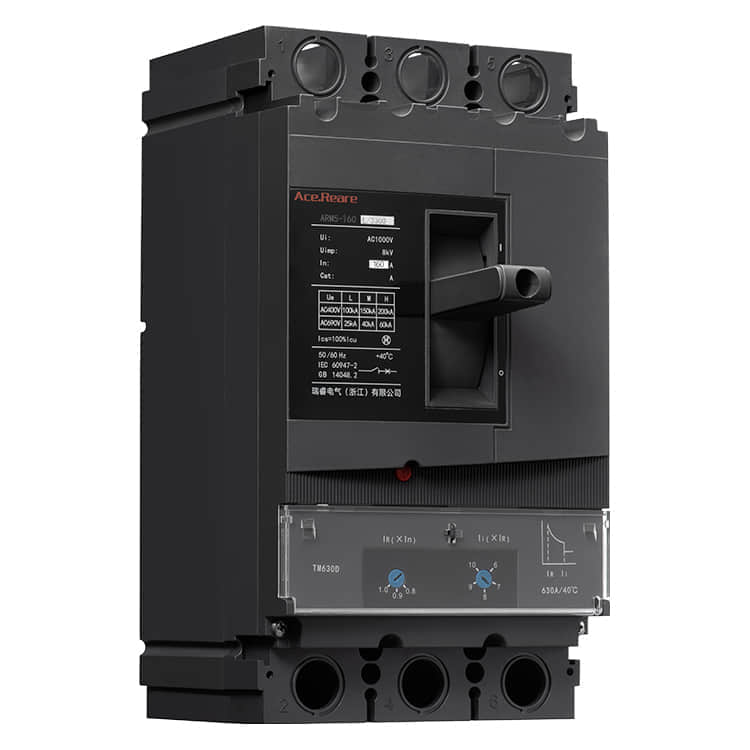
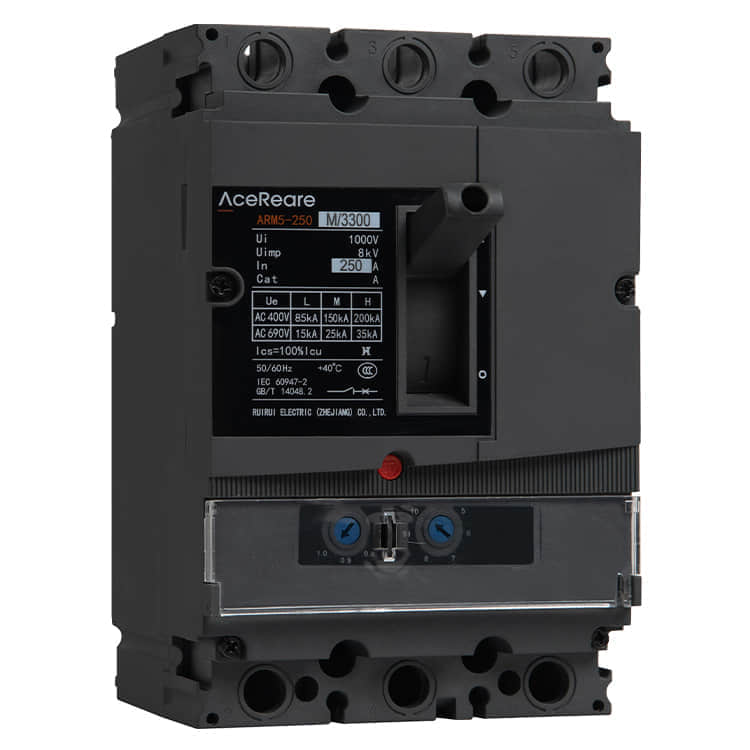
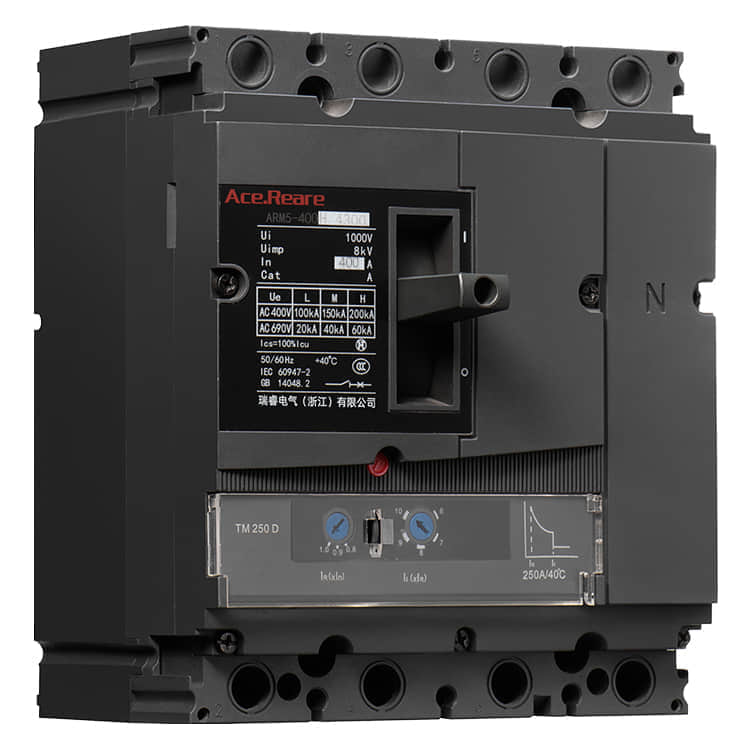
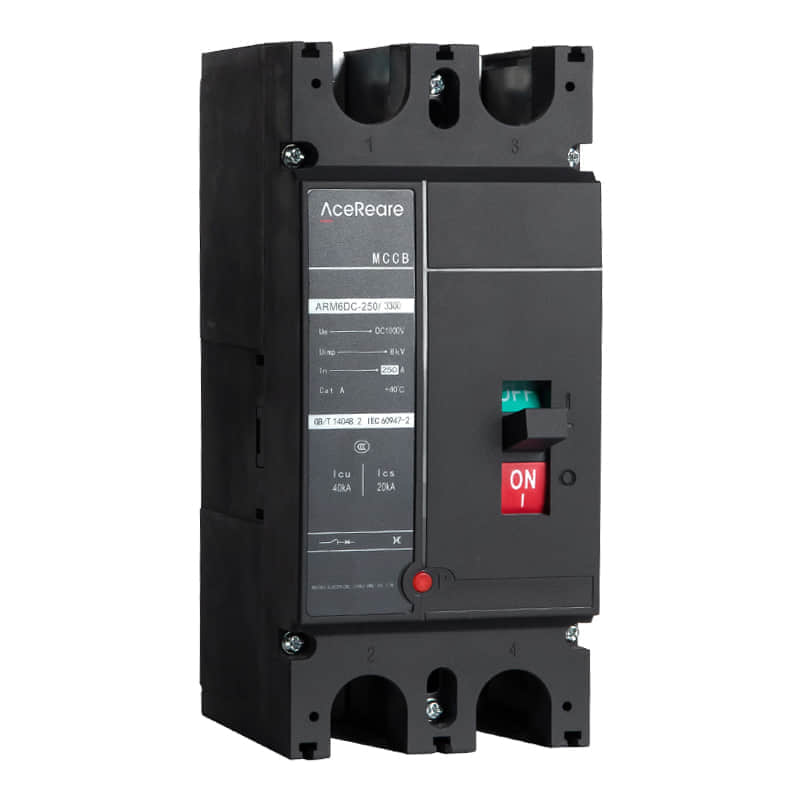
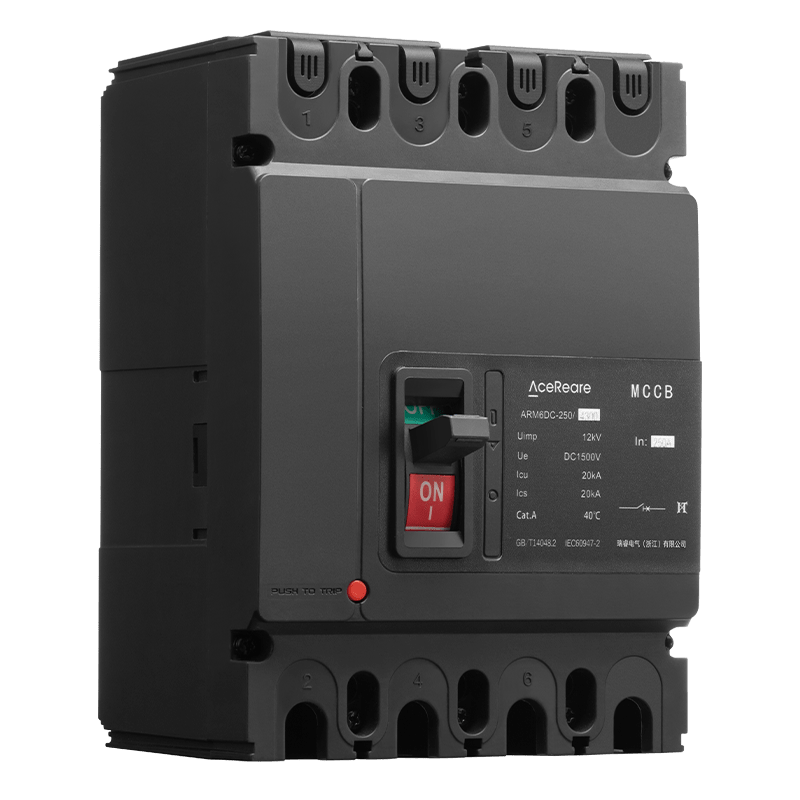
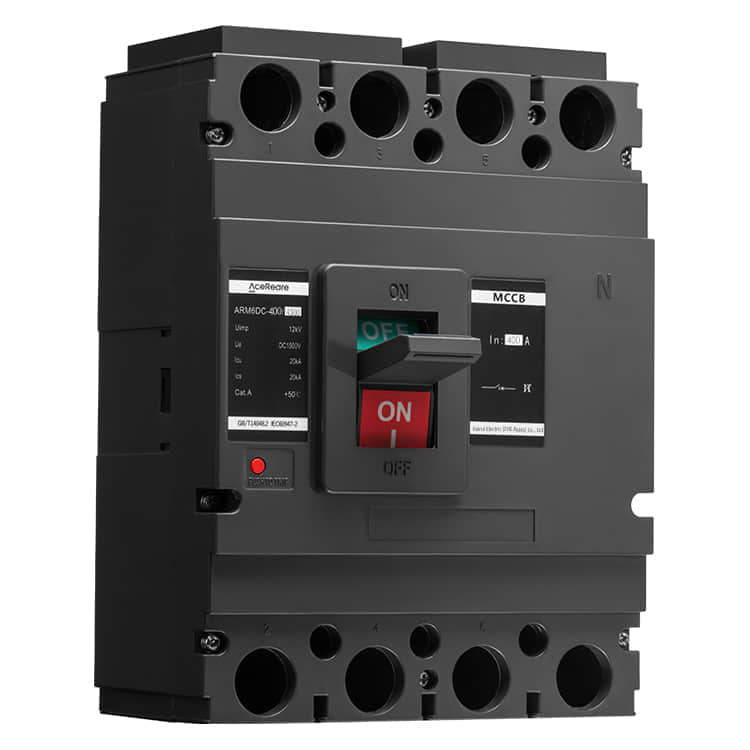
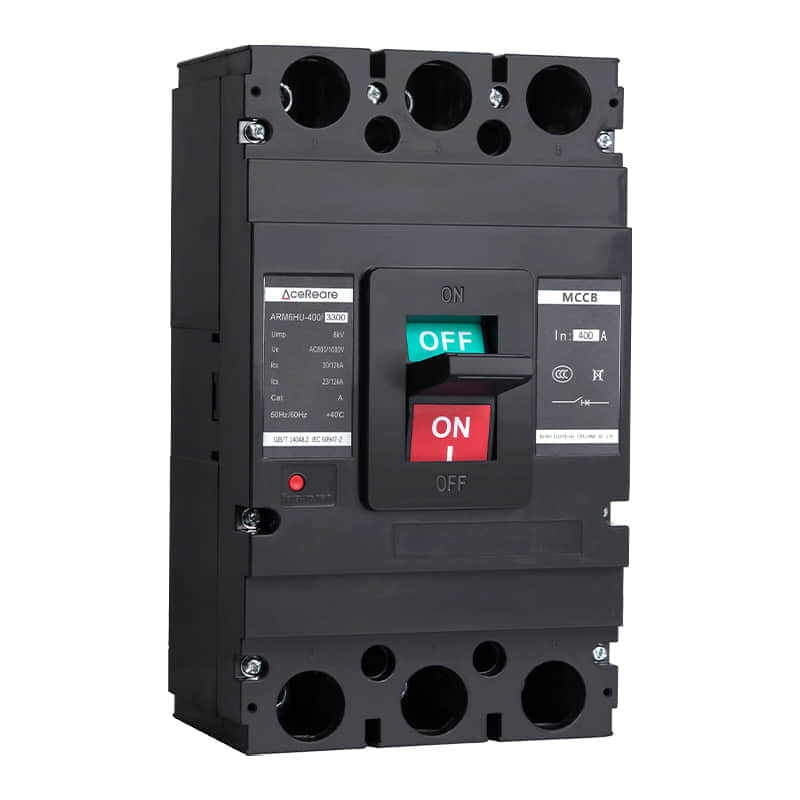
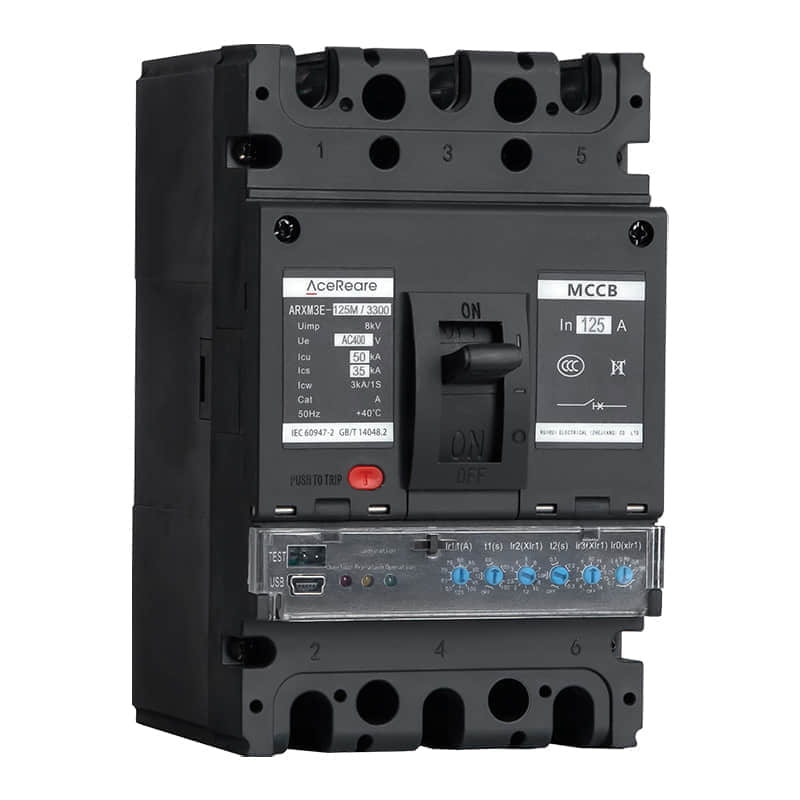
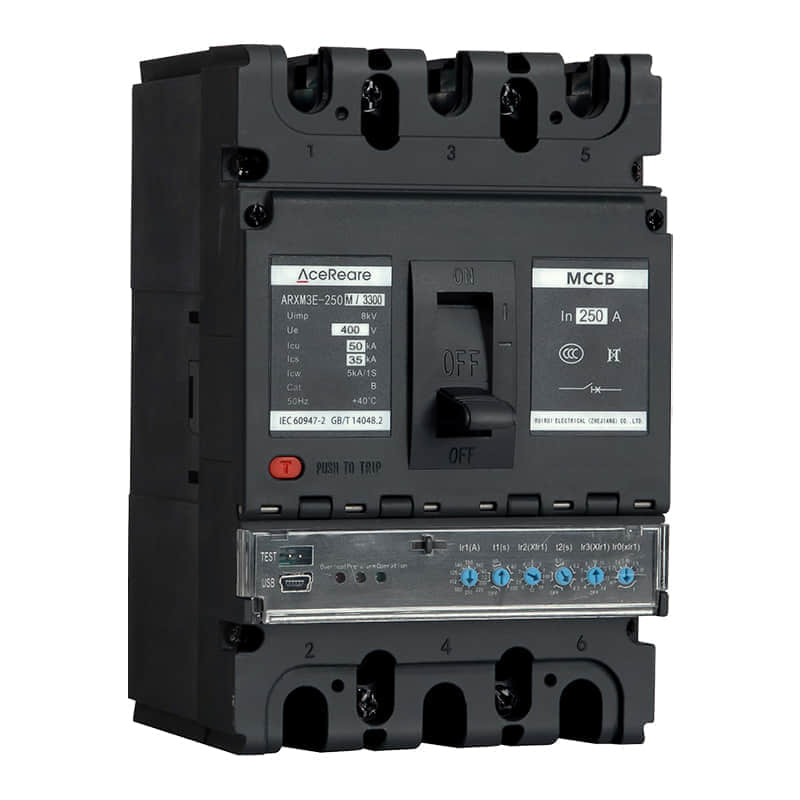
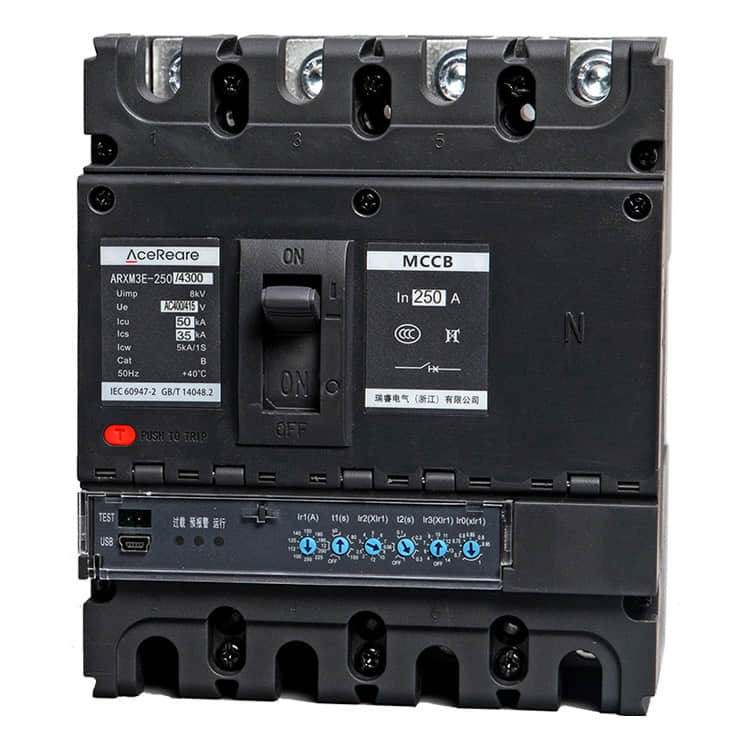
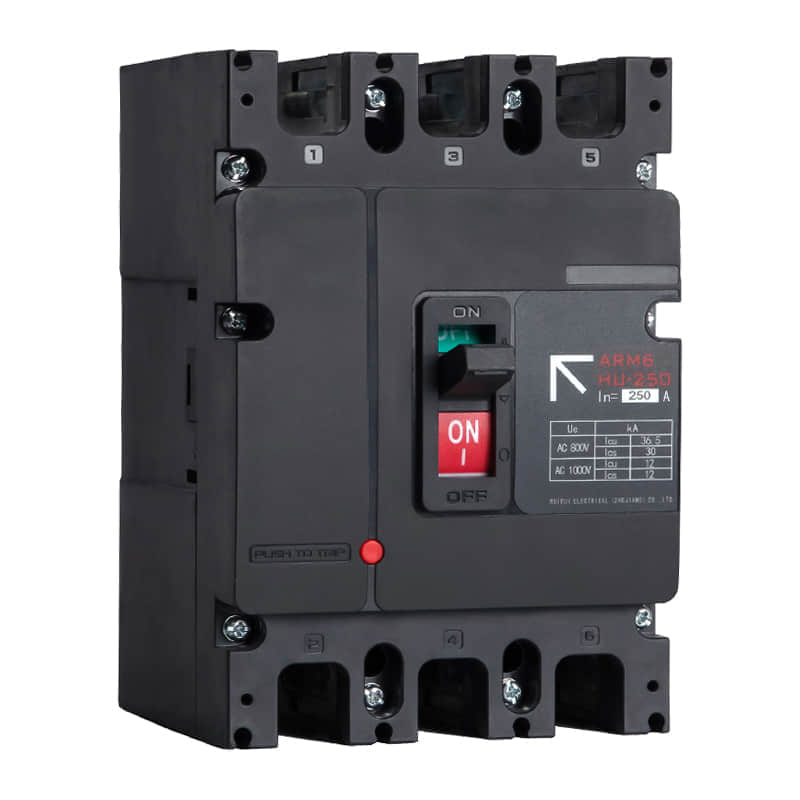
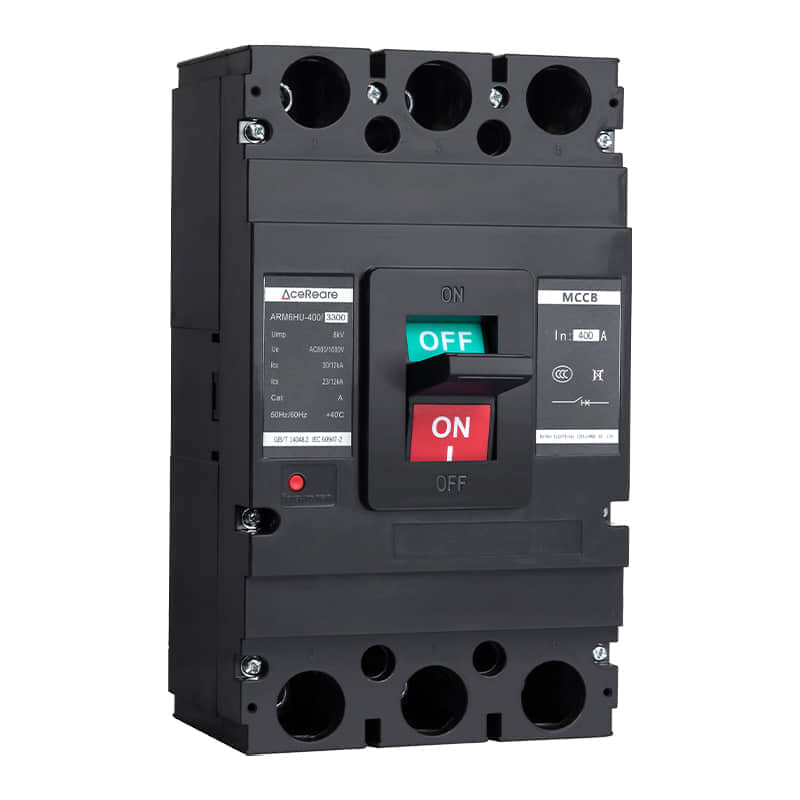
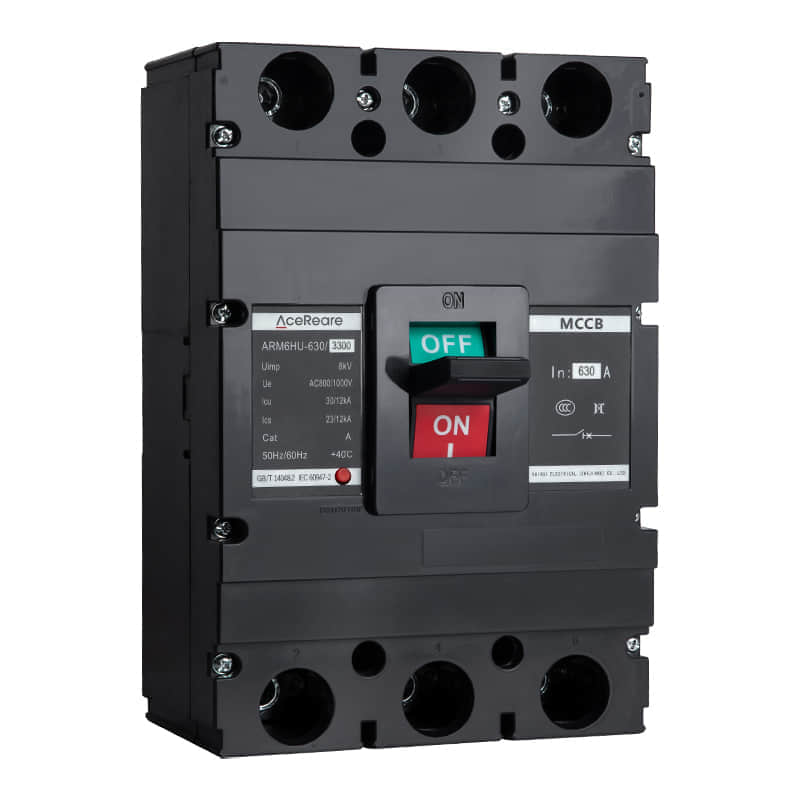
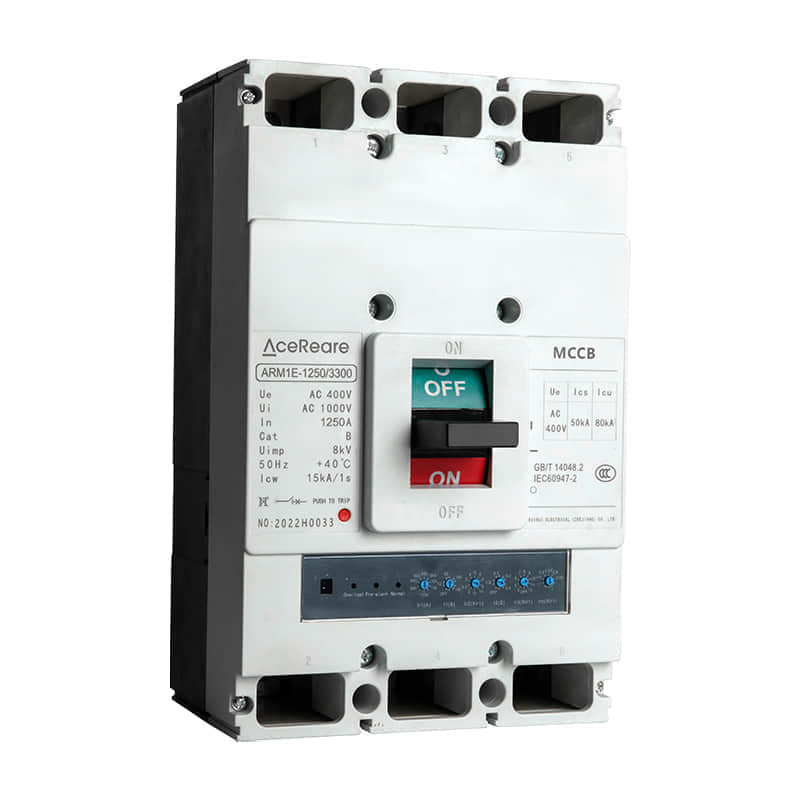
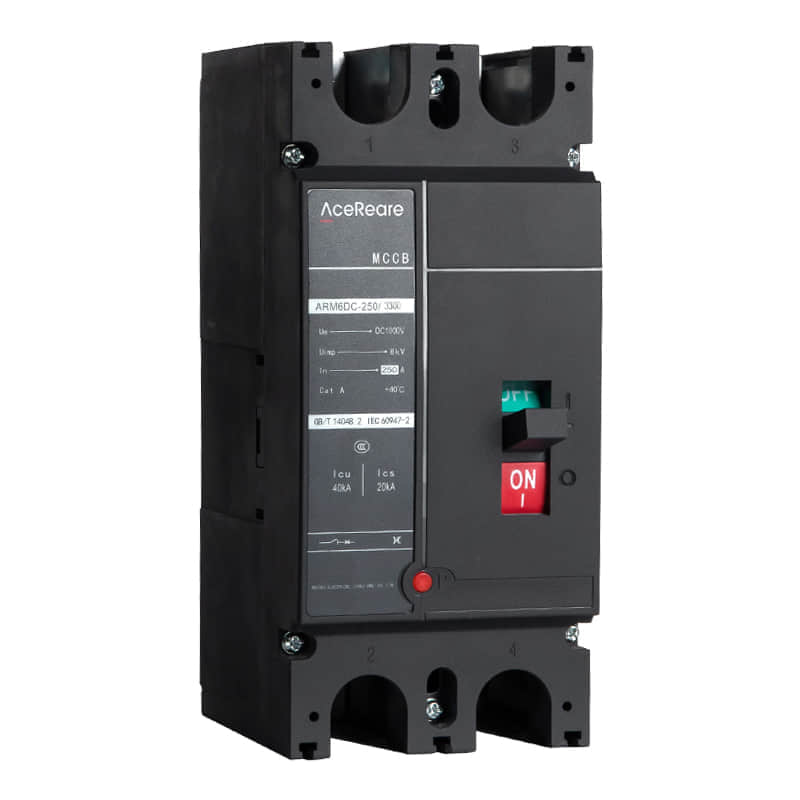
Molded Case Circuit Breakers (MCCBs) are essential components of electrical distribution systems. They play a crucial role in protecting electrical circuits and equipment from overloads and short circuits. The manufacturing process of MCCBs involves several intricate steps to ensure their reliability, safety, and performance. This article provides an overview of the manufacturing process of MCCBs, highlighting the key stages involved.
Moulded Case Circuit Breaker Manaufacture

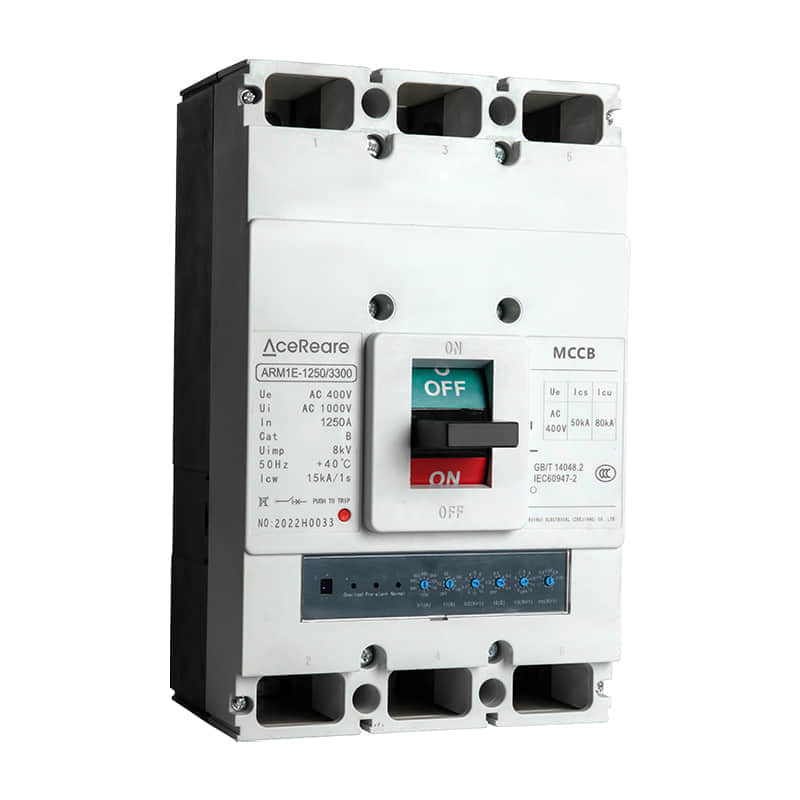
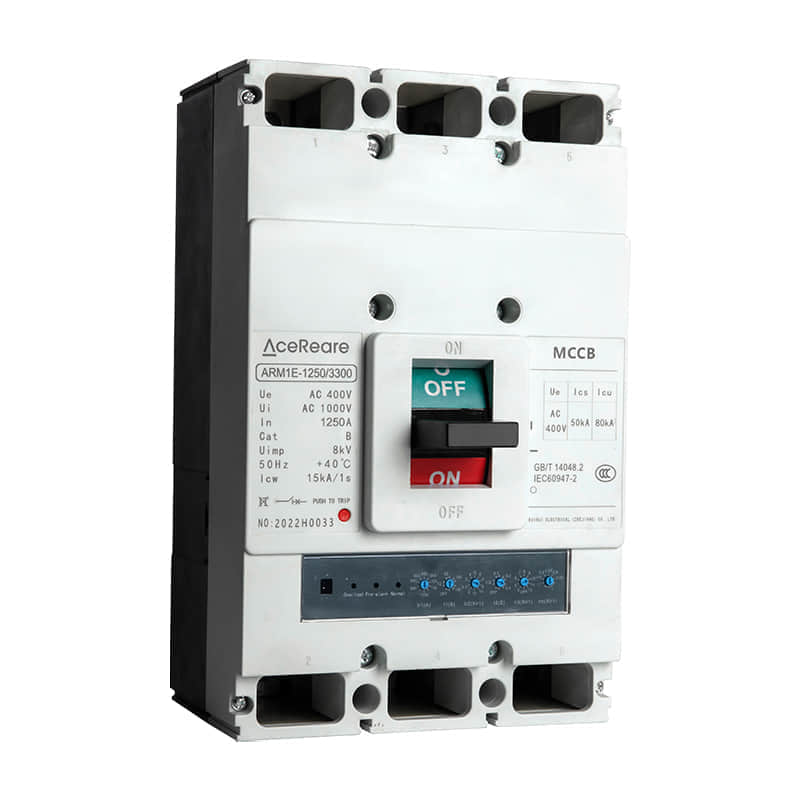
Design and Development The manufacturing of MCCBs begins with the design and development phase. Engineers and designers collaborate to create the product specifications, taking into account factors such as current rating, voltage rating, breaking capacity, and environmental conditions. The design process involves selecting suitable materials for the housing, internal components, and insulation, ensuring that the MCCB meets industry standards and regulations. Material Selection The choice of materials is critical to the performance and longevity of MCCBs. The housing is typically made of high-quality thermosetting plastics that offer excellent mechanical strength, insulation, and fire resistance. Internal components, such as contacts and trip mechanisms, are often constructed from materials with high conductivity and heat resistance to ensure efficient current interruption and minimal energy loss. Manufacturing of Components The manufacturing process of MCCB components involves various techniques such as injection molding, stamping, and machining. The housing is created through injection molding, where the selected plastic material is heated, melted, and injected into molds to form the desired shape. Internal components like contacts are often stamped or machined from materials like copper or silver alloys for their superior electrical conductivity. Assembly The assembly process is a critical stage where individual components come together to form a functional MCCB. Skilled technicians carefully assemble components such as contacts, arc chutes, trip mechanisms, and auxiliary switches according to precise specifications. The assembly must be precise to ensure that the MCCB operates correctly under different fault conditions. Calibration and Testing After assembly, each MCCB undergoes calibration and rigorous testing. Calibration ensures that the trip mechanism operates accurately for various levels of current and fault conditions. Testing involves assessing parameters like tripping time, breaking capacity, insulation resistance, and temperature rise. Only MCCBs that meet the specified performance criteria proceed to the next stage. Quality Control Quality control is integrated into every step of the manufacturing process. Regular inspections and quality checks help identify any deviations or defects, ensuring that the final product meets safety standards and customer expectations. Any non-conforming components or MCCBs are rejected or reworked to maintain the highest quality. Packaging and Distribution Once MCCBs pass quality control, they are packaged and prepared for distribution. Proper packaging is essential to protect the MCCBs during transportation and storage. Clear labeling and documentation accompany each MCCB to provide users with important information such as ratings, installation instructions, and safety precautions. Conclusion The manufacture of Molded Case Circuit Breakers is a meticulous process that combines engineering expertise, precise assembly techniques, and stringent quality control measures. These electrical components are vital for safeguarding electrical systems, making their reliable performance crucial. By following a systematic manufacturing approach, MCCB manufacturers ensure that their products meet industry standards and contribute to the safe and efficient operation of electrical distribution systems worldwide.
Moulded Case Circuit Breaker Manaufacture

“China ACB Manufacturing: Powering Global Electrical Solutions”

China’s ACB (Air Circuit Breaker) manufacturing industry has witnessed remarkable growth over the years, establishing itself as a global leader in providing cutting-edge electrical solutions. With a focus on innovation, quality, and sustainability, Chinese ACB manufacturers have not only met domestic demand but have also extended their reach to international markets. In this article, we will delve into the dynamic world of China’s ACB manufacturing, exploring its evolution, market impact, and future prospects.

China ACB manufacture

Evolution of China’s ACB Manufacturing

China ACB manufacture

The journey of China’s ACB manufacturing began several decades ago, marked by a commitment to technological advancement. Early manufacturers laid the foundation for today’s industry giants, investing heavily in research and development. This dedication to innovation quickly paid off, as Chinese ACBs began gaining recognition for their performance and reliability. Quality Assurance and Global Standards Chinese ACB manufacturers have consistently raised the bar in terms of product quality and safety. They have adhered to stringent international standards, ensuring that their products not only meet but often exceed customer expectations. These high-quality ACBs are now widely used in various industries, including power generation, distribution, and industrial automation. Competitive Pricing One key factor contributing to China’s ACB manufacturing success is its competitive pricing strategy. While maintaining top-notch quality, Chinese manufacturers have been able to offer their products at prices significantly lower than their international counterparts. This affordability has made ACBs accessible to a wider range of customers worldwide, further boosting the industry’s growth. Technological Advancements China’s ACB manufacturers are at the forefront of technological advancements in the industry. They have introduced smart ACBs equipped with advanced monitoring and control systems, providing real-time data and remote operation capabilities. These innovations not only enhance the efficiency of electrical systems but also contribute to reducing energy consumption and minimizing downtime. Market Impact The impact of China’s ACB manufacturing industry on the global market cannot be overstated. ACBs produced in China have been integrated into diverse applications, from residential buildings to massive industrial complexes. Their reliability and cost-effectiveness have made them an attractive choice for electrical engineers and project managers worldwide. Exporting Excellence Chinese ACB manufacturers have gone beyond domestic borders, exporting their products to a wide range of countries. Their global presence has led to partnerships with international businesses and organizations, helping establish China as a key player in the global electrical equipment market. Future Prospects As China’s ACB manufacturing industry continues to evolve, its future prospects look promising. The ongoing commitment to innovation, quality assurance, and competitive pricing ensures that Chinese ACB manufacturers will remain leaders in the field. Additionally, as the world shifts toward renewable energy sources and smart infrastructure, the demand for advanced electrical solutions is expected to grow, presenting new opportunities for the industry to flourish. In conclusion, China’s ACB manufacturing industry has come a long way, from humble beginnings to becoming a global powerhouse. Its dedication to innovation, adherence to international standards, and competitive pricing have made Chinese ACBs a preferred choice for electrical solutions worldwide. With an eye on the future and a commitment to excellence, China’s ACB manufacturers are poised to continue powering the world’s electrical needs for years to come.

China ACB manufacture

Unveiling the Power of Moulded Case Circuit Breaker Suppliers in China

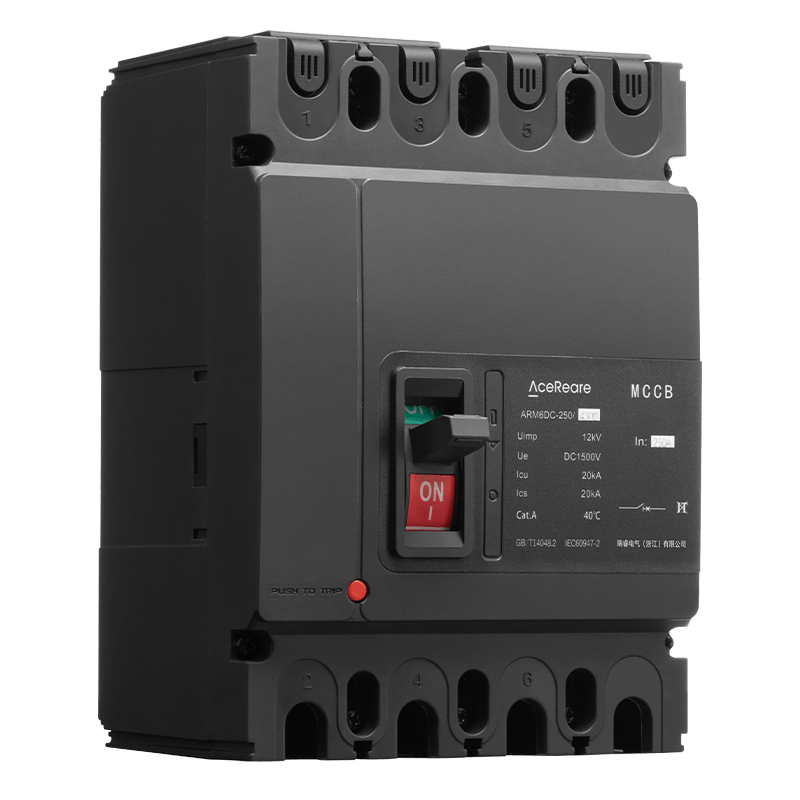
In the realm of modern electrical systems, ensuring safety and efficiency is paramount. Moulded Case Circuit Breakers (MCCBs) stand as crucial components in safeguarding electrical networks from overloads and short circuits. As the demand for reliable power distribution continues to surge, China has emerged as a prominent hub for MCCB suppliers, contributing significantly to the global electrical industry.

Moulded Case Circuit Breaker China Supplier

MCCBs are advanced circuit protection devices widely used in residential, commercial, and industrial applications. Their role in preventing damage to equipment and ensuring uninterrupted power flow makes them indispensable. In China, a multitude of suppliers have capitalized on the country’s robust manufacturing capabilities and technological advancements to establish a strong MCCB industry presence.

Moulded Case Circuit Breaker China Supplier

Quality and Innovation China’s MCCB suppliers have demonstrated a commitment to quality and innovation. With advancements in materials science and engineering, they produce MCCBs that offer enhanced breaking capacities, higher tolerance to extreme conditions, and extended operational lifespans. These innovations address the evolving demands of diverse sectors, from construction and manufacturing to data centers and renewable energy projects. Global Reach The prowess of Chinese MCCB suppliers extends beyond domestic borders. These suppliers have successfully expanded their reach to international markets, providing reliable circuit protection solutions to customers worldwide. The global appeal of Chinese MCCBs is attributed not only to their competitive pricing but also to their adherence to international standards and certifications, ensuring safety and compatibility across different electrical systems. Customization and Adaptability China’s MCCB suppliers recognize that different applications necessitate tailored solutions. This understanding has driven them to offer a wide range of MCCB types, current ratings, and tripping characteristics. This adaptability enables customers to select MCCBs that align with their specific requirements, promoting efficient power distribution and reducing downtime. Sustainable Practices In recent years, sustainability has become a focal point across industries. Chinese MCCB suppliers have responded by incorporating eco-friendly practices into their manufacturing processes. From using recyclable materials to designing energy-efficient MCCBs, these suppliers contribute to minimizing the environmental impact of electrical infrastructure while ensuring performance remains uncompromised. Research and Development The success of MCCB suppliers in China can be attributed to their sustained investment in research and development (R&D). By collaborating with experts in the field and embracing cutting-edge technologies, these suppliers stay at the forefront of MCCB advancements. This commitment to R&D paves the way for safer, smarter, and more efficient circuit protection solutions. Challenges and Future Outlook Despite their achievements, Chinese MCCB suppliers also face challenges. Intense market competition and the need to continually innovate are driving forces that can shape the industry landscape. However, with a track record of resilience and adaptability, these suppliers are poised to overcome challenges and maintain their prominence in the global MCCB market. Looking ahead, the future of MCCB suppliers in China appears promising. As industries digitize and renewable energy integration gains momentum, the demand for advanced circuit protection solutions will only intensify. Chinese suppliers, with their blend of quality, innovation, and global reach, are well-positioned to play a pivotal role in shaping the trajectory of electrical systems worldwide. Conclusion In the realm of electrical systems, Moulded Case Circuit Breakers are silent guardians, ensuring uninterrupted power flow and safeguarding against potential hazards. China’s MCCB suppliers have elevated this essential component to new heights, combining quality, innovation, and adaptability to meet the diverse needs of a rapidly evolving world. As technology advances and the global demand for reliable power intensifies, the contributions of Chinese MCCB suppliers will undoubtedly continue to shine, illuminating the path toward a safer and more electrifying future.
Moulded Case Circuit Breaker China Supplier

Moulded Case Circuit Breakers (MCCB) in Photovoltaic Systems

In the realm of renewable energy, photovoltaic (PV) systems have emerged as a frontrunner in providing clean and sustainable power. As the adoption of PV systems continues to soar, ensuring their safety and efficiency is paramount. One crucial component that plays a pivotal role in safeguarding PV installations is the Moulded Case Circuit Breaker (MCCB). In this article, we will delve into the significance of MCCBs in PV systems and explore their key features and benefits.

Moulded Case Circuit Breakers(MCCB) for PV

Enhancing PV System Safety

Moulded Case Circuit Breakers(MCCB) for PV

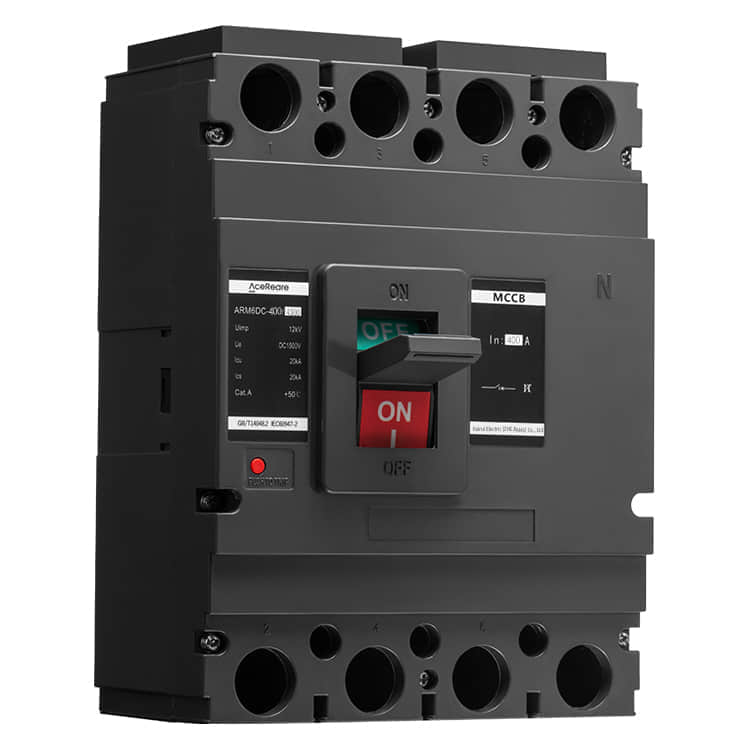
PV systems generate electricity by harnessing sunlight, converting it into electrical energy. These systems can generate substantial power levels, and it’s imperative to have effective protection measures in place. MCCBs are instrumental in this regard. MCCBs are designed to interrupt the flow of electricity when an abnormal condition, such as a short circuit or overload, occurs. In PV systems, which often involve multiple interconnected panels and inverters, the risk of electrical faults is real. MCCBs act as the first line of defense, swiftly disconnecting the faulty section of the system while allowing the rest to continue functioning. This not only safeguards the equipment but also prevents fires and electrical hazards. Overcurrent Protection One of the primary functions of MCCBs is to provide overcurrent protection. In PV systems, overcurrent can happen due to various reasons, including fluctuations in sunlight, system faults, or equipment failures. MCCBs are designed to detect these overcurrent situations and trip the circuit, preventing damage to the system’s components and ensuring a safer operation. Adjustable Settings for Flexibility MCCBs offer adjustable settings, allowing for flexibility in PV system design. By customizing the trip settings, the MCCB can be tailored to the specific requirements of the PV installation. This adaptability ensures that the MCCB responds appropriately to different fault conditions, optimizing system performance and safety. Remote Monitoring and Control In modern PV systems, remote monitoring and control are essential for efficient operation and maintenance. Many MCCBs are equipped with communication capabilities, enabling remote monitoring and control. This feature allows system operators to monitor the status of MCCBs, receive real-time alerts in case of a trip, and even remotely reset the MCCB when appropriate. This capability significantly reduces downtime and maintenance costs. Coordination with Other Protection Devices PV systems often incorporate a range of protection devices, including fuses, surge protectors, and disconnect switches. MCCBs can be seamlessly coordinated with these devices to create a comprehensive protection scheme. This coordination ensures that the right protection device responds to a fault, improving system reliability and minimizing disruptions. Conclusion Moulded Case Circuit Breakers (MCCBs) are indispensable components in photovoltaic (PV) systems, offering essential protection against electrical faults and overcurrent situations. Their adjustable settings, remote monitoring capabilities, and ability to coordinate with other protection devices make them a critical asset in ensuring the safety and efficiency of PV installations. As the demand for clean and sustainable energy continues to grow, the role of MCCBs in PV systems becomes even more significant. By investing in high-quality MCCBs and incorporating them into PV system designs, we can harness the full potential of solar energy while prioritizing safety and reliability. In the evolving landscape of renewable energy, MCCBs are the silent guardians that ensure our PV systems operate seamlessly and securely.

Moulded Case Circuit Breakers(MCCB) for PV

“Reliable Moulded Case Circuit Breaker Suppliers: Ensuring Electrical Safety”

In our increasingly electrified world, the safety of electrical systems is paramount. Whether it’s in our homes, offices, or industrial facilities, the reliable operation of electrical circuits is essential. One crucial component in ensuring this safety is the Moulded Case Circuit Breaker (MCCB), and the choice of a trustworthy MCCB supplier can make all the difference. In this article, we will explore the significance of MCCBs and highlight the qualities to look for in a dependable MCCB supplier.

Moulded Case Circuit Breaker Supplier

The Vital Role of Moulded Case Circuit Breakers

Moulded Case Circuit Breaker Supplier

MCCBs are integral to the protection of electrical circuits against overcurrent, short circuits, and other electrical faults. These devices interrupt the flow of electricity when a fault occurs, preventing damage to equipment, fires, and electrical hazards. Their ability to safeguard both people and assets underscores their importance in electrical systems of all scales. Key Qualities of a Reliable MCCB Supplier Product Quality and Certification:The first and foremost consideration when selecting an MCCB supplier is the quality of their products. Reliable suppliers ensure their MCCBs conform to international standards and possess relevant certifications like IEC (International Electrotechnical Commission) or UL (Underwriters Laboratories). These certifications are indicative of a commitment to quality and safety. Product Range:Diverse applications demand different MCCBs. A trusted supplier should offer a wide range of MCCBs, accommodating various current ratings, breaking capacities, and trip characteristics to meet specific needs. This ensures that customers can find the right MCCB for their application. Customization Options:While a diverse product range is important, the ability to customize MCCBs for unique applications is equally valuable. A dependable supplier should have the expertise to tailor MCCBs according to customers’ requirements, thus providing a solution that perfectly fits the intended purpose. Reliability and Durability:MCCBs are long-term investments, and they must withstand the rigors of everyday use. Reputable suppliers manufacture MCCBs using high-quality materials, ensuring their reliability and durability even in challenging environments. Technical Support and Expertise:Technical support is crucial, especially when dealing with complex electrical systems. A trustworthy MCCB supplier should offer excellent customer support, including technical guidance and assistance with product selection, installation, and troubleshooting. Availability and Timely Delivery:Electrical downtime can be costly. Suppliers that maintain sufficient stock and ensure timely delivery of MCCBs reduce the risk of extended disruptions, helping customers keep their operations running smoothly. Competitive Pricing:While quality and reliability are paramount, cost considerations also play a role in supplier selection. A dependable MCCB supplier offers competitive pricing without compromising on product quality. Conclusion Selecting a reliable Moulded Case Circuit Breaker supplier is a critical decision for anyone involved in electrical systems. The safety and efficiency of electrical circuits heavily depend on the quality and performance of MCCBs. To ensure electrical safety, customers should look for suppliers who prioritize product quality, offer a comprehensive range of MCCBs, provide customization options, offer technical support, ensure timely delivery, and maintain competitive pricing. By making an informed choice, customers can safeguard their electrical systems and ensure uninterrupted operations.

Moulded Case Circuit Breaker Supplier

“Exploring the World of Molded Case Switch Manufacturers”

In the realm of electrical power distribution and protection, molded case switches play a pivotal role. These devices are designed to safeguard electrical circuits, making them an essential component in various industries, from manufacturing to infrastructure development. In this article, we delve into the fascinating world of molded case switch manufacturers, shedding light on their significance, innovation, and key players in the industry.

Molded case switch manufacturer

The Significance of Molded Case Switches

Molded case switch manufacturer

Molded case switches are critical for the protection of electrical systems and equipment. They are designed to interrupt the flow of electricity when certain conditions, such as overcurrent or short-circuit faults, occur. This prevents electrical fires, equipment damage, and potential hazards to personnel. The ability to disconnect circuits swiftly during fault conditions is paramount in maintaining safety and minimizing downtime. Key Features and Innovations Molded case switch manufacturers continually innovate to meet the evolving needs of the electrical industry. Some key features and innovations include: Arc Flash Mitigation: Advanced molded case switches incorporate technologies to reduce arc flash incidents, which can be extremely dangerous. These technologies provide a safer working environment for electrical professionals. Communication Capabilities: Some molded case switches are equipped with communication modules that allow for remote monitoring and control. This is particularly valuable for applications where maintenance personnel cannot easily access the switchgear. Compact Design: Manufacturers have focused on reducing the footprint of molded case switches without compromising performance. This is advantageous in applications where space is limited. High Interrupting Ratings: To accommodate high fault currents, modern molded case switches are designed with higher interrupting ratings. This ensures they can reliably interrupt large fault currents, preventing extensive damage. Environmental Considerations: Many manufacturers are committed to sustainability, producing molded case switches with reduced environmental impact through materials and manufacturing processes. Prominent Manufacturers Several manufacturers have established themselves as leaders in the molded case switch industry. These companies are known for their quality, innovation, and reliability: Schneider Electric: Schneider Electric is a global leader in energy management and automation. Their molded case switches are renowned for their robustness and technological advancements. Siemens: Siemens is another major player, offering a wide range of molded case switches suitable for diverse applications, from residential to industrial. ABB: ABB focuses on providing energy-efficient solutions, and their molded case switches align with this vision, offering both safety and sustainability. Eaton: Eaton’s molded case switches are trusted for their performance and durability. They serve applications in commercial, industrial, and residential sectors. Mitsubishi Electric: Mitsubishi Electric’s molded case switches are known for their precision and reliability, catering to industries worldwide. Conclusion Molded case switches are indispensable in modern electrical systems, ensuring the safety of equipment and personnel. With ongoing innovations and a commitment to quality, manufacturers in this field continue to drive progress in the industry. Prominent companies like Schneider Electric, Siemens, ABB, Eaton, and Mitsubishi Electric lead the way in providing cutting-edge solutions for diverse applications. As technology advances, molded case switches will likely become even more efficient, intelligent, and environmentally friendly, further enhancing their role in the electrical world.
Molded case switch manufacturer

Exploring the Versatility and Functionality of Molded Case Switches

In the world of electrical engineering, the significance of efficient power distribution and control cannot be overstated. One crucial component that plays a vital role in this arena is the molded case switch. This article delves into the realm of molded case switches, examining their design, applications, and benefits.

Molded case switch

Design and Construction

Molded case switch

Molded case switches, often abbreviated as MCCBs (Molded Case Circuit Breakers), are robust, electromechanical devices designed to protect electrical circuits from overloads and short circuits. They consist of a sturdy molded case housing, made from non-conductive materials, that encloses the switching mechanism and other internal components. The core of the molded case switch is its switching mechanism. It comprises movable contacts that can open or close an electrical circuit. When the switch is in the closed position, electrical current flows through it, allowing the circuit to function. Conversely, when an overload or short circuit occurs, the switch rapidly opens, interrupting the current flow and preventing potential damage to the circuit. Applications Molded case switches find application in a wide range of industries and settings due to their adaptability and reliability. Some common sectors where MCCBs are indispensable include: Industrial Sector: MCCBs are widely used in manufacturing plants, warehouses, and industrial facilities to protect machinery and equipment from electrical faults. Their ability to handle high currents and their dependable performance make them ideal for safeguarding critical operations. Commercial Buildings: In commercial establishments such as office buildings, shopping malls, and hotels, molded case switches are employed to manage power distribution and ensure the safety of occupants. They are especially useful in managing power to different areas and handling sudden electrical surges. Renewable Energy: The energy sector benefits from MCCBs in solar and wind power installations. These switches aid in managing the flow of electricity from these variable sources, protecting the grid and the connected systems. Residential Applications: Even in homes, MCCBs are found in distribution panels, protecting the household wiring from potential hazards like overloads and short circuits. Their ability to be reset after tripping is particularly useful in residential settings. Benefits Enhanced Safety: Molded case switches are designed with safety as a primary concern. They can quickly detect and respond to electrical faults, reducing the risk of fires or electrical hazards. Reliability: The robust construction of molded case switches ensures their durability and long service life. This reliability is crucial in critical applications where downtime could lead to significant losses. Ease of Use: MCCBs are designed for straightforward operation. They can be easily installed, and their status (on/off) is often visible through indicator lights or labels. Selective Coordination: In complex electrical systems, selective coordination is essential, meaning only the faulted circuit is isolated while leaving the rest of the system operational. Molded case switches can be coordinated to achieve this, enhancing the overall efficiency of the system. Remote Control: Modern molded case switches can be equipped with remote control features, allowing operators to open or close the switch remotely. This is particularly valuable in situations where direct access might be restricted. In conclusion, molded case switches are indispensable components in modern electrical systems. Their design, versatility, and applications make them vital for ensuring efficient power distribution while safeguarding equipment and lives. As technology continues to evolve, so too will the capabilities of molded case switches, contributing to safer and more reliable electrical systems across various sectors.

Molded case switch

Exploring Molded Case Parts Manufacturers: Delivering Quality and Precision

In the realm of manufacturing, precision and quality are paramount. One area that exemplifies these principles is the realm of molded case parts production. Molded case parts manufacturers play a crucial role in a wide array of industries, from automotive to electronics, by producing intricately designed components that are vital for the proper functioning of various products.

Molded case parts manufacturers

Molded case parts are components that are created through a process known as injection molding. This technique involves injecting molten material, often plastic, into a mold to produce parts with complex shapes and precise dimensions. The parts produced by molded case parts manufacturers serve a variety of functions, ranging from ensuring the structural integrity of a product to facilitating its operational capabilities.

Molded case parts manufacturers

One of the key advantages of molded case parts is their consistency and accuracy. Manufacturers utilize advanced technologies and computer-aided design (CAD) software to create molds that are tailored to the exact specifications of the desired part. This level of precision not only ensures that each part is identical to the next, but also enhances the overall efficiency of the manufacturing process. The automotive industry heavily relies on molded case parts manufacturers for the production of components such as engine mounts, interior panels, and intricate ventilation system parts. These parts need to be durable, heat-resistant, and capable of withstanding the demands of constant use. Manufacturers meet these requirements by selecting appropriate materials and refining the molding process to create parts that exhibit exceptional performance under challenging conditions. In the realm of consumer electronics, molded case parts are equally essential. From the sleek exteriors of smartphones to the ergonomic designs of remote controls, these components contribute to the aesthetic appeal and functionality of electronic devices. Consumers have come to expect seamless designs, and molded case parts manufacturers deliver by consistently producing parts that align with the sleek and modern aesthetics of today’s electronics. Quality control is a cornerstone of molded case parts manufacturing. Reputable manufacturers employ stringent quality control measures to ensure that each part that leaves the production line meets the highest standards. This involves rigorous testing for factors such as dimensional accuracy, material strength, and resistance to environmental factors. By adhering to these rigorous standards, manufacturers guarantee that their parts integrate seamlessly into the final products, minimizing defects and malfunctions. Furthermore, the sustainability aspect of molded case parts manufacturing should not be overlooked. Many manufacturers prioritize the use of eco-friendly materials and employ energy-efficient production processes. As environmental concerns continue to grow, molded case parts manufacturers are actively adapting their practices to minimize their carbon footprint and contribute to a more sustainable future. In conclusion, molded case parts manufacturers play a pivotal role in various industries by producing high-quality components through precision-driven processes. Their ability to create consistent and accurate parts has far-reaching implications, impacting industries such as automotive and consumer electronics. By upholding rigorous quality control standards and embracing sustainability, these manufacturers are shaping the future of manufacturing while ensuring that the products we rely on are both functional and aesthetically pleasing.

Molded case parts manufacturers

Exploring Molded Case Parts: Functionality and Applications

Molded case parts are an integral component of numerous industries, serving as essential elements in various applications. These parts, crafted through a molding process, offer a range of functionalities that contribute to the efficiency, safety, and reliability of machinery and equipment. This article delves into the world of molded case parts, shedding light on their characteristics, manufacturing process, and diverse applications.

Molded Case Parts

Characteristics of Molded Case Parts:

Molded Case Parts

Molded case parts are typically made from thermoplastic or thermosetting materials, such as polypropylene, polycarbonate, or nylon. These materials are chosen for their durability, heat resistance, and mechanical strength. The molding process involves melting the chosen material and injecting it into a mold cavity, where it solidifies to take the desired shape. This manufacturing method ensures consistent quality, precision, and dimensional accuracy of the molded parts. Manufacturing Process: The manufacturing process of molded case parts begins with the design of the mold cavity. Computer-aided design (CAD) software is employed to create intricate and precise designs that match the intended final product. Once the design is finalized, the mold is created using advanced machining techniques or additive manufacturing methods. The chosen material is then heated to its melting point and injected into the mold under high pressure. After cooling and solidification, the mold is opened, and the finished molded case part is ejected. Applications of Molded Case Parts: Electrical Industry:Molded case parts find extensive use in the electrical industry, particularly in circuit breakers and switchgear. These parts provide insulation, protection, and structural support within electrical enclosures. The inherent electrical insulation properties of materials used in molded case parts prevent short circuits and enhance the overall safety of electrical systems. Automotive Sector:In automobiles, molded case parts are employed in various components, including dashboard panels, interior trim, and engine enclosures. Their strength, lightweight nature, and ability to withstand environmental factors make them a preferred choice for enhancing both aesthetics and functionality in vehicles. Consumer Goods:Many household appliances and consumer electronics incorporate molded case parts. These parts can be found in items like coffee machines, vacuum cleaners, and gaming consoles. They offer durability and customizable designs, enabling manufacturers to create sleek and appealing products. Medical Devices:Molded case parts are crucial in the medical field due to their biocompatibility, which makes them suitable for devices that come into contact with the human body. They are used in equipment such as diagnostic machines, patient monitoring devices, and surgical instruments. Industrial Machinery:Industrial machinery, such as manufacturing equipment and conveyor systems, relies on molded case parts for their robustness and ability to withstand heavy-duty applications. These parts contribute to the smooth operation of industrial processes. Aerospace Applications:Molded case parts are also finding their way into aerospace applications, where lightweight yet durable components are of paramount importance. From cabin interiors to critical aircraft systems, these parts contribute to the overall performance and safety of aerospace vehicles. In conclusion, molded case parts are versatile components that play a pivotal role in multiple industries. Their distinctive characteristics, precision manufacturing process, and wide-ranging applications make them indispensable in modern manufacturing and technology. As industries continue to evolve, molded case parts will likely continue to advance, offering innovative solutions that drive progress across various sectors.

Molded Case Parts

Enhanced Safety with Molded Case Circuit Breakers Featuring Residual Leakage Protection

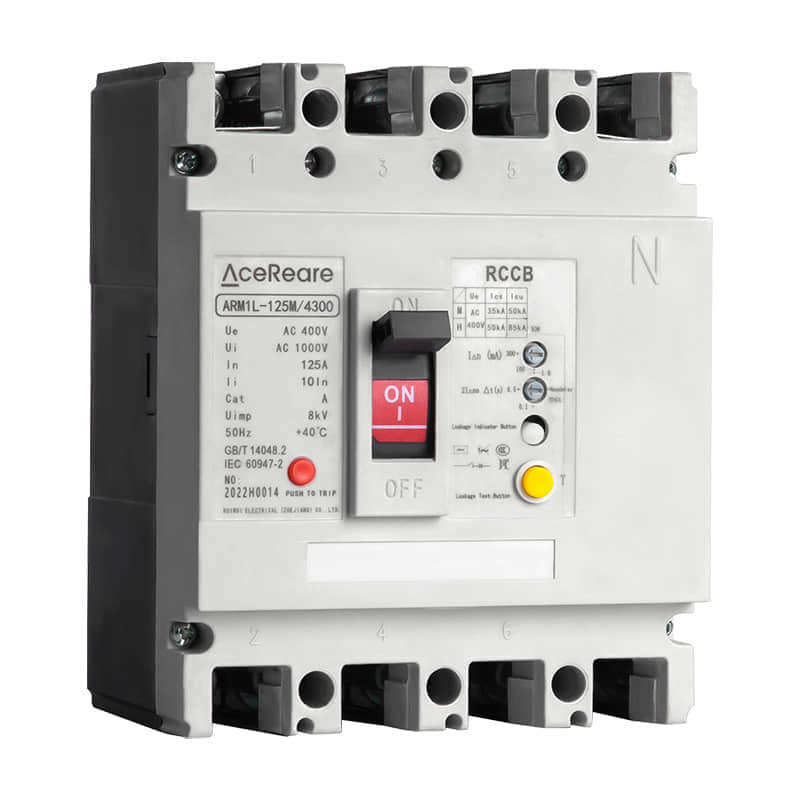
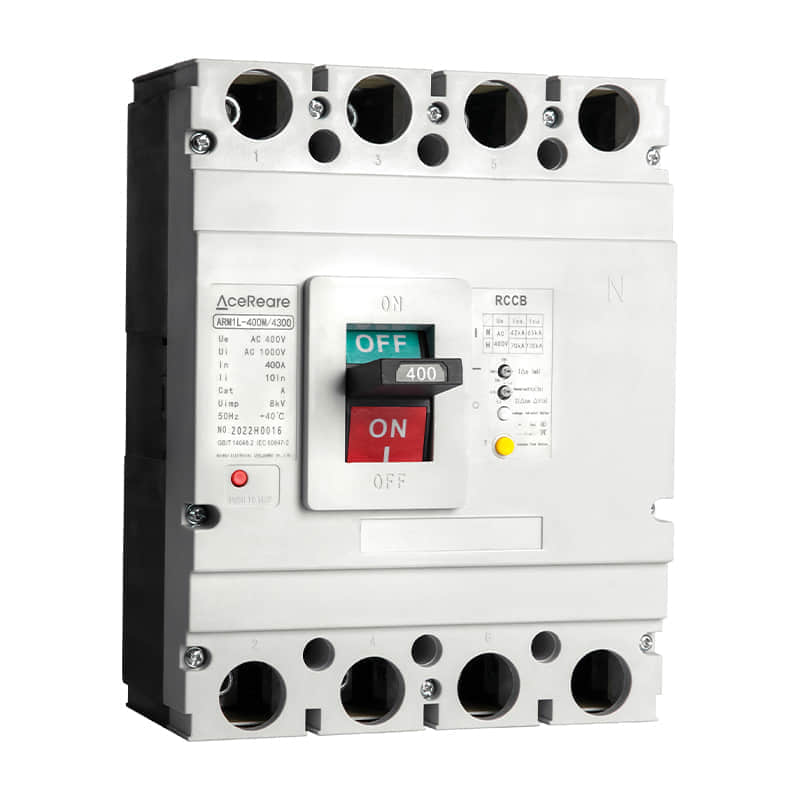
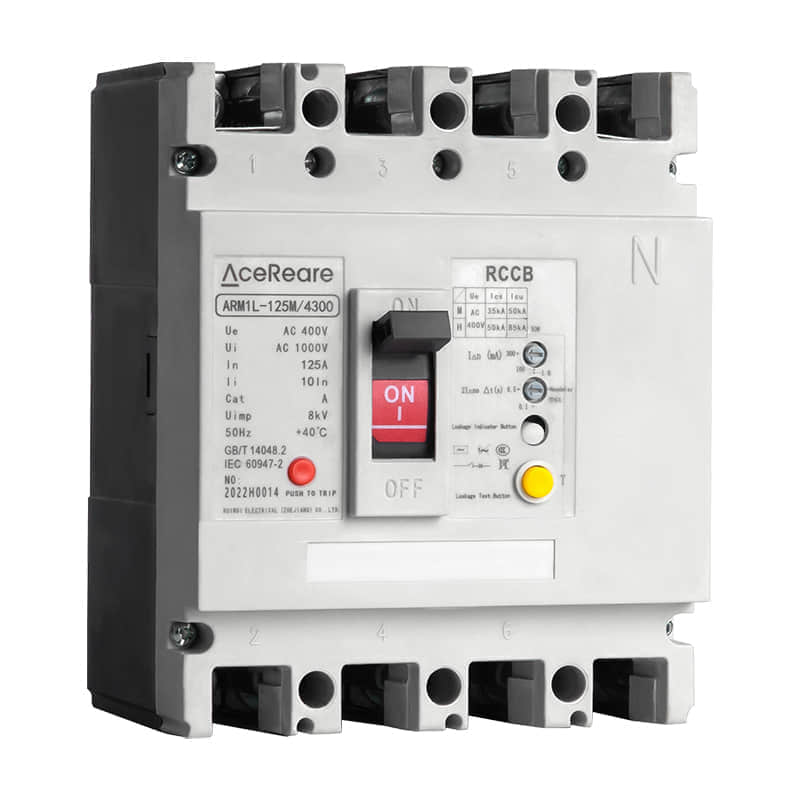
In modern society, electricity has become an indispensable part of our lives. It powers our homes, workplaces, and industries, driving the wheels of progress. However, with great power comes great responsibility, particularly in terms of electrical safety. One remarkable innovation in the field of electrical distribution is the Molded Case Circuit Breaker (MCCB) with Residual Leakage Protection. This advancement not only ensures effective circuit protection but also greatly enhances safety by mitigating the risks of electrical hazards.

Molded case circuit breaker with residual leakage protection

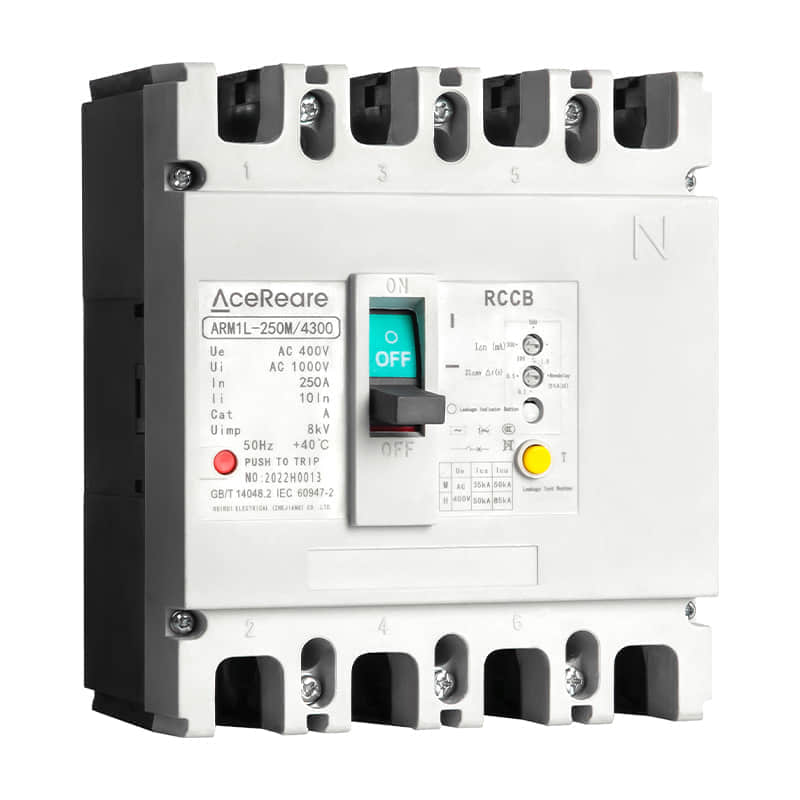
MCCBs have long been employed as essential components in electrical systems, safeguarding them against overloads and short circuits. These devices automatically interrupt the flow of electricity when anomalies are detected, preventing potential damage to equipment and reducing the risk of electrical fires. With the incorporation of residual leakage protection, MCCBs are now equipped to address an even broader spectrum of safety concerns.

Molded case circuit breaker with residual leakage protection

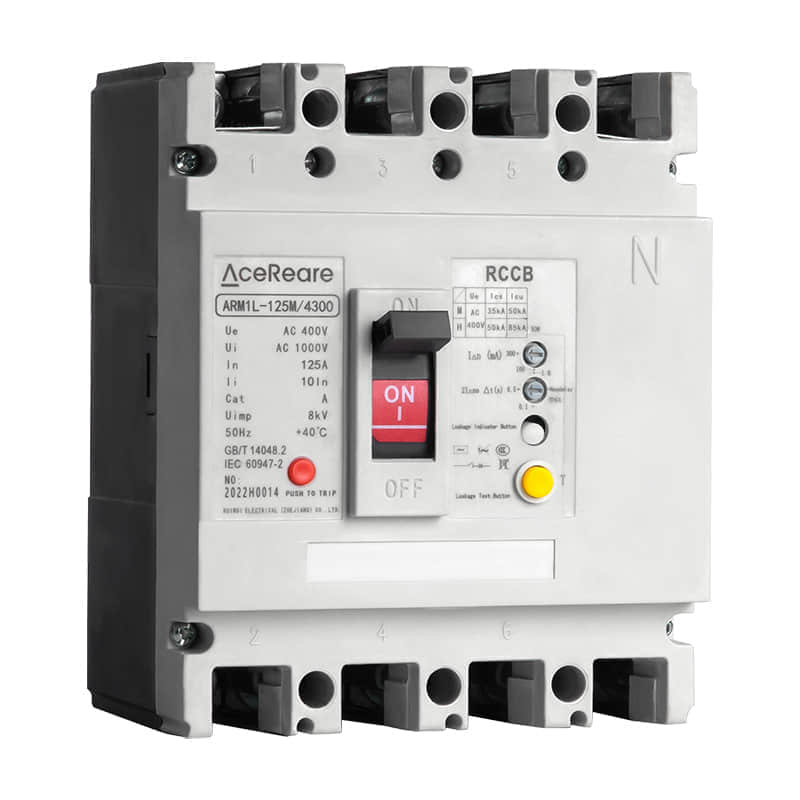
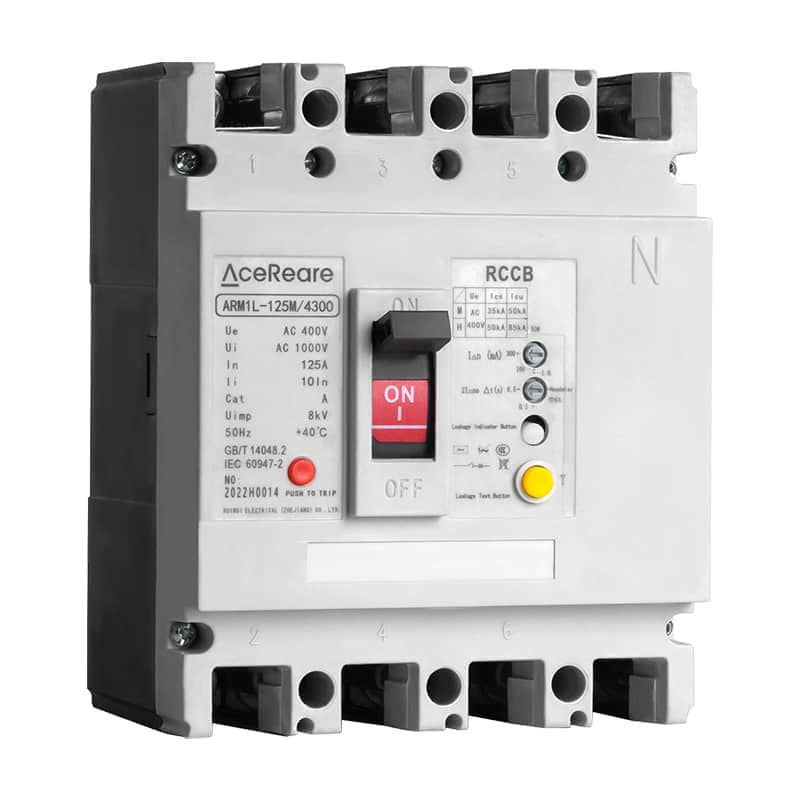
Residual leakage, often referred to as ground fault or residual current, occurs when a small amount of current deviates from its intended path and flows through unintended routes, such as the human body. This scenario poses a grave threat, as it can lead to electric shocks or even prove fatal. The traditional MCCBs, while effective against overcurrent situations, were not designed to detect these low-level leakages. This is where the MCCBs with residual leakage protection come to the fore. The mechanism of MCCBs with residual leakage protection involves a highly sensitive current-sensing device. It constantly monitors the balance between the current entering the circuit and the current returning from it. Even a minute imbalance, as little as a few milliamperes, triggers the MCCB to instantaneously disconnect the circuit. This swift response significantly reduces the risk of electric shock, offering a level of protection that was previously unattainable with standard MCCBs. The integration of this technology has far-reaching implications. In residential settings, where the general public, including children, is often exposed to electrical outlets, MCCBs with residual leakage protection act as an additional line of defense against potential accidents. In industrial environments, where heavy machinery and high-power equipment are prevalent, the risk of electrical faults is heightened. Here, the enhanced protection offered by these MCCBs not only ensures the safety of personnel but also minimizes costly downtime due to equipment damage. Furthermore, the interconnected nature of modern electrical systems amplifies the significance of MCCBs with residual leakage protection. A fault in one part of the system can swiftly propagate, affecting other interconnected circuits. By promptly isolating faulty circuits, these MCCBs prevent widespread disruptions and protect critical infrastructure. In conclusion, the Molded Case Circuit Breaker with Residual Leakage Protection represents a pivotal advancement in electrical safety technology. Its ability to swiftly and accurately detect even the slightest ground faults, combined with its capacity to instantaneously disconnect the circuit, makes it an invaluable addition to any electrical system. From homes to industries, the adoption of these MCCBs ushers in a new era of enhanced electrical safety. As technology continues to evolve, it is innovations like these that illuminate the path forward, ensuring that progress is accompanied by the utmost safety standards.

Molded case circuit breaker with residual leakage protection