Monthly Archives: September 2023

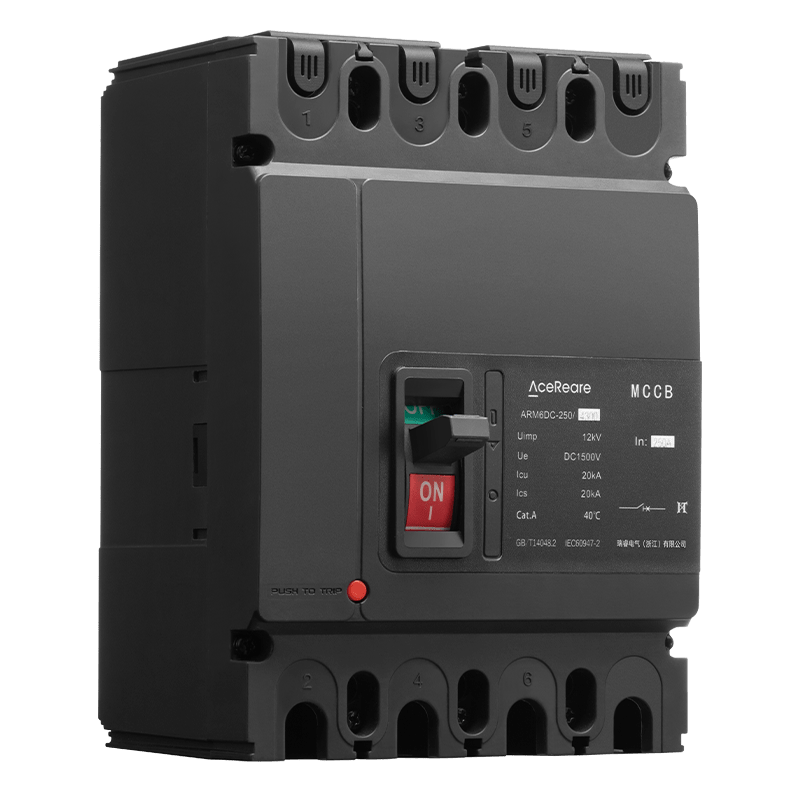
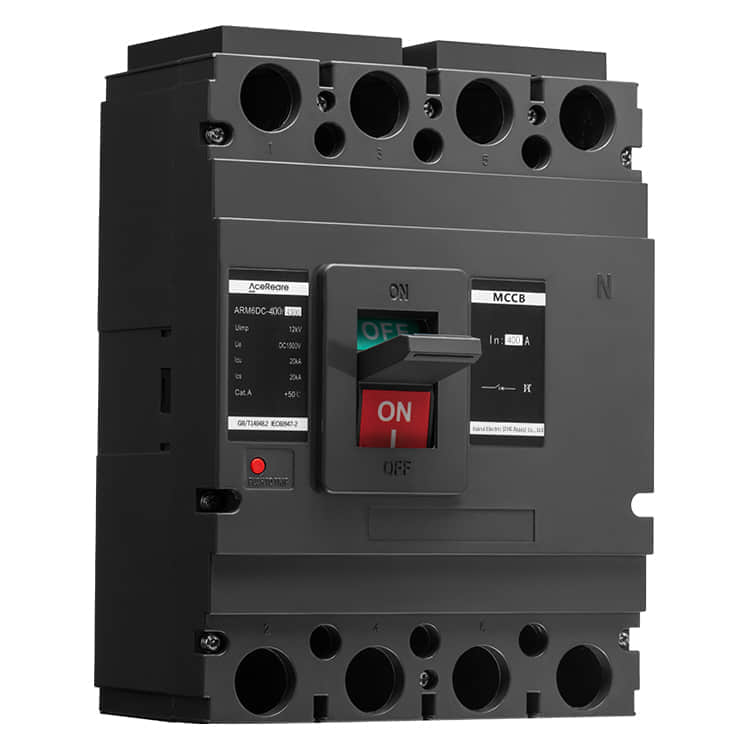
“Supplier of Electronic MCCB: Ensuring Electrical Safety and Efficiency”

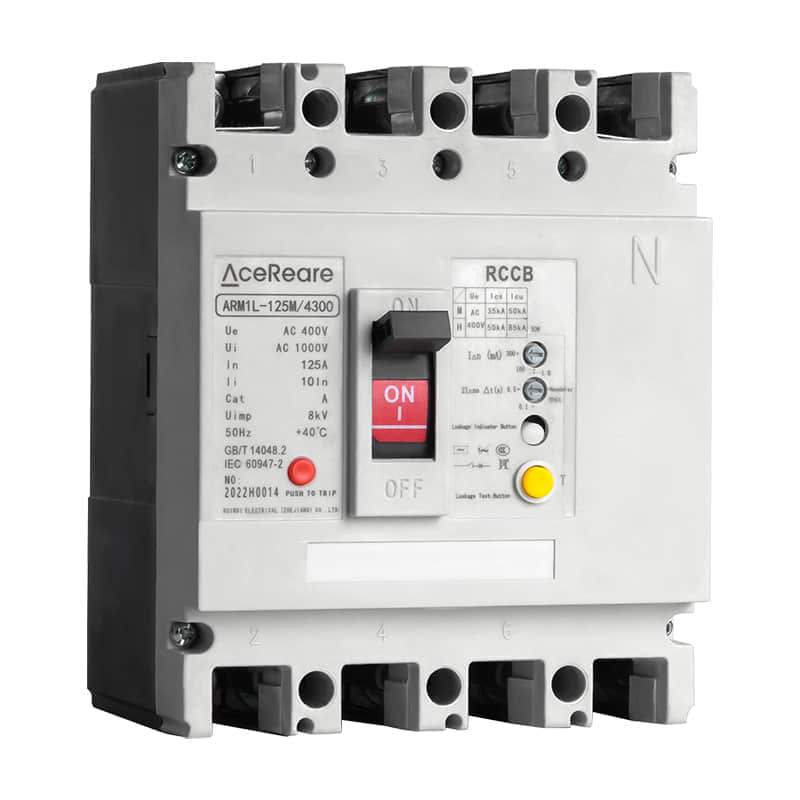
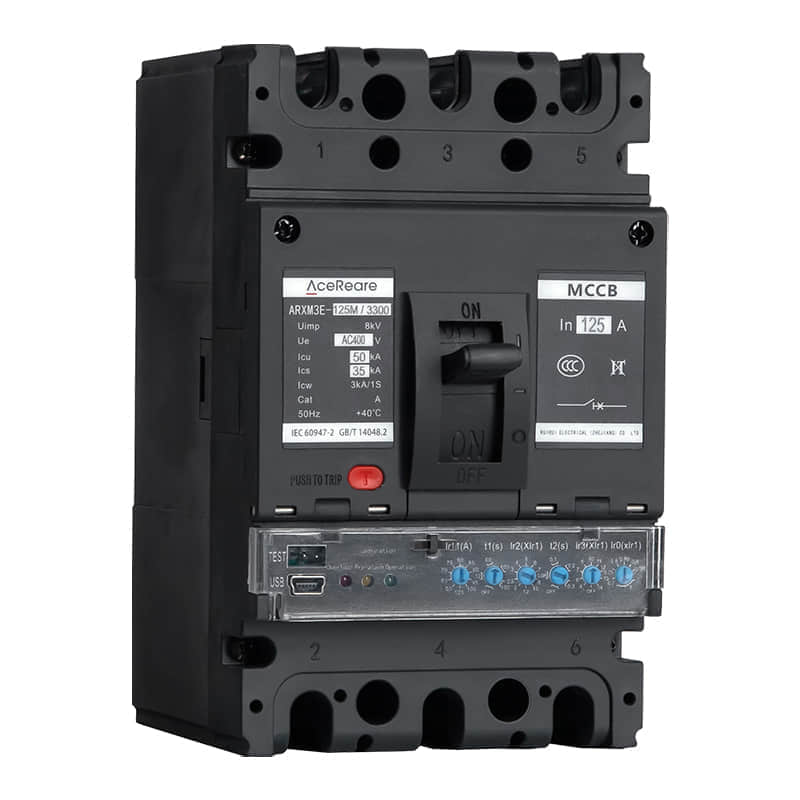
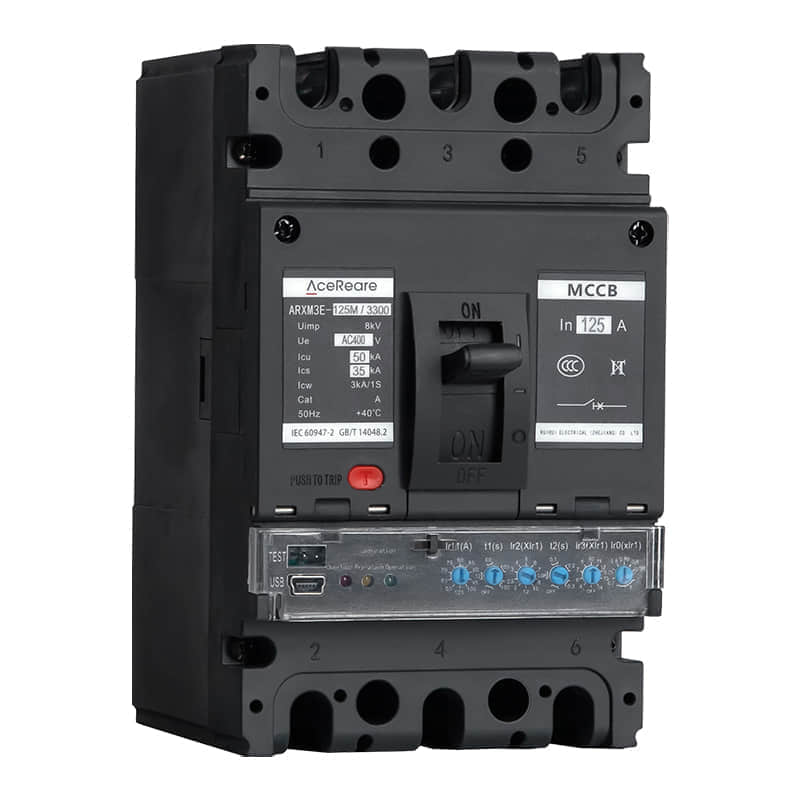
In today’s rapidly advancing technological landscape, the demand for reliable and efficient electrical systems is higher than ever. One critical component in this realm is the Molded Case Circuit Breaker (MCCB), an essential device for safeguarding electrical circuits from overcurrent and short-circuit conditions. In this article, we will explore the vital role of suppliers of electronic MCCBs in ensuring electrical safety and efficiency.
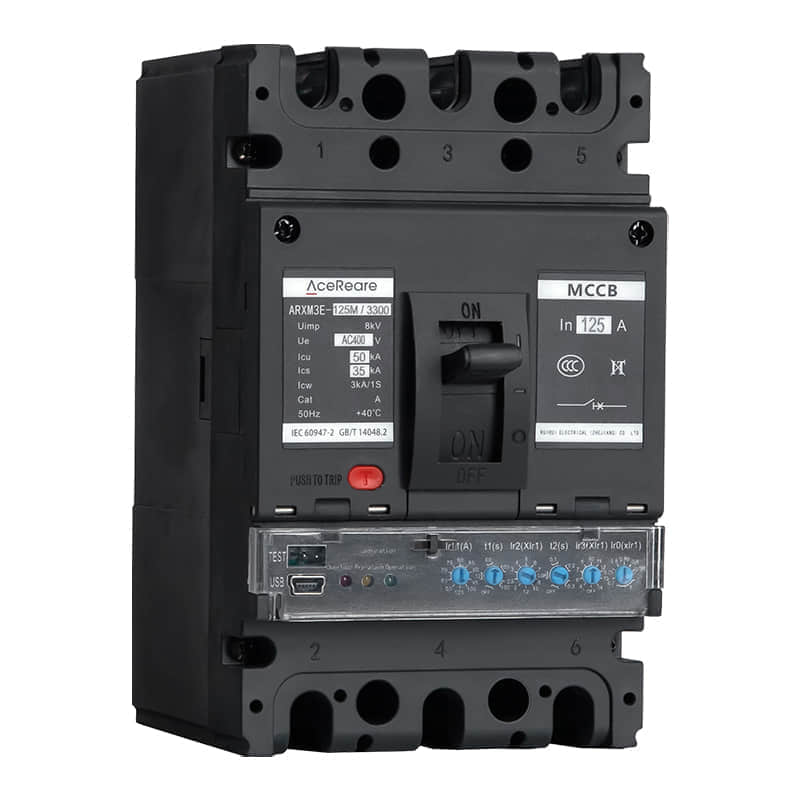
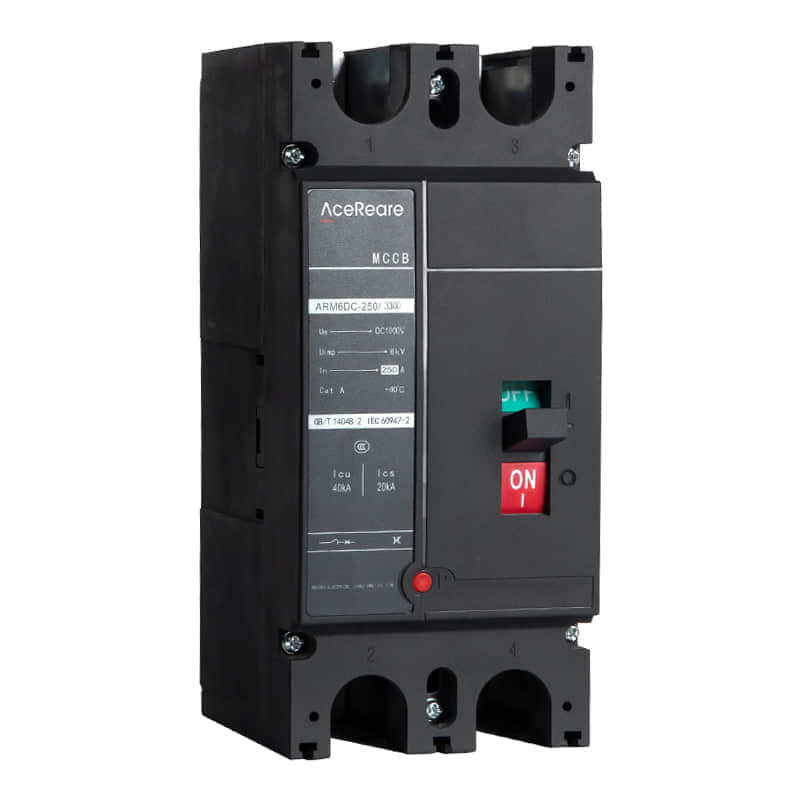
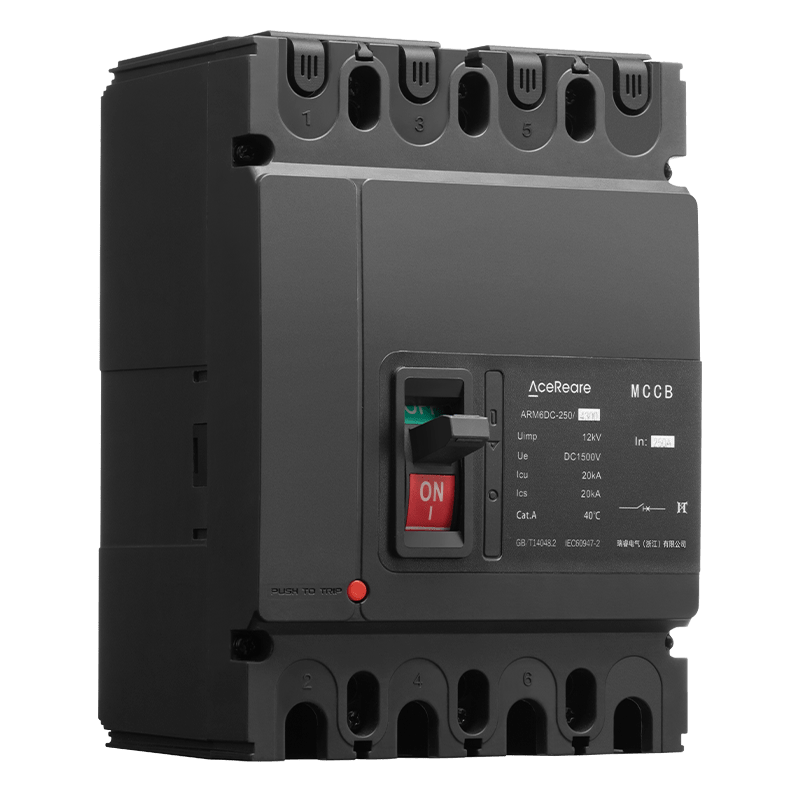
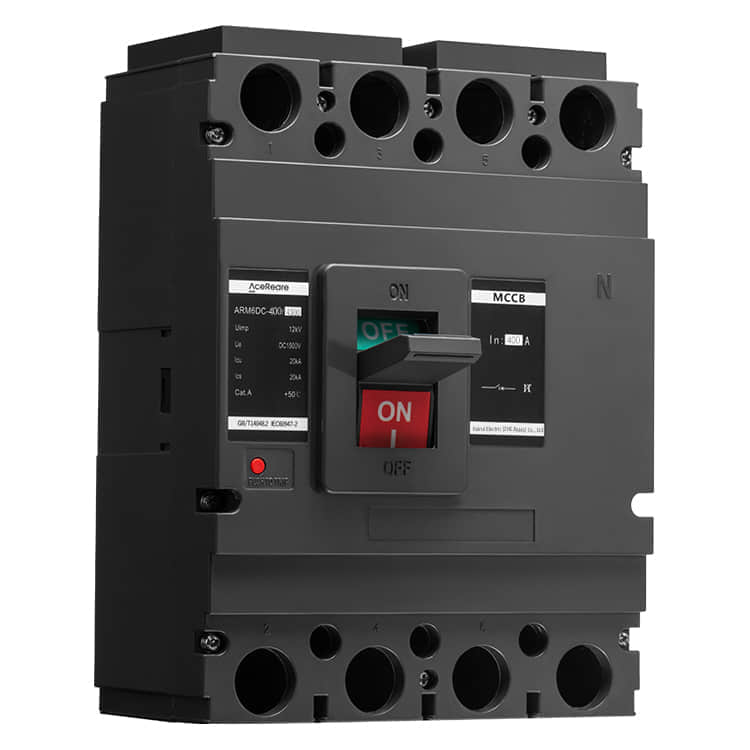
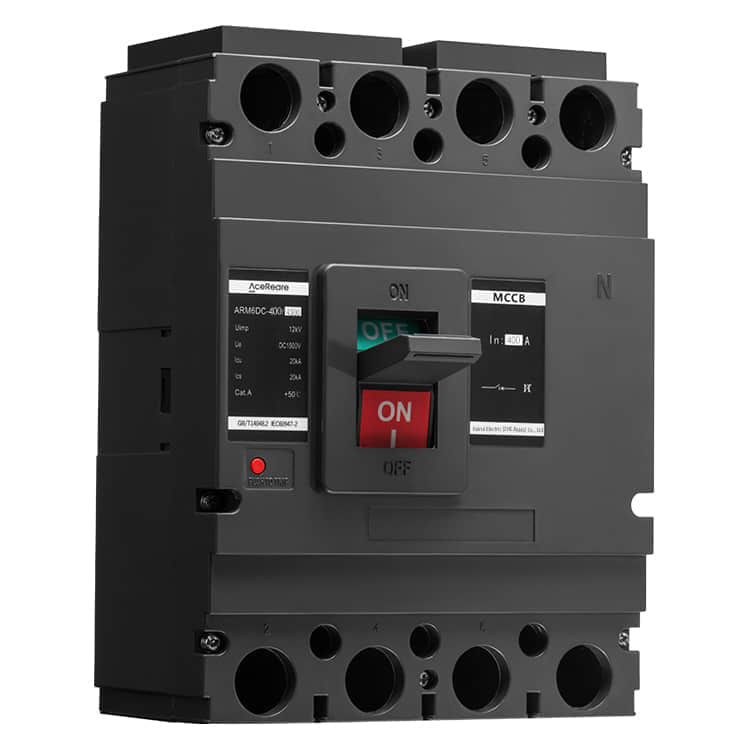
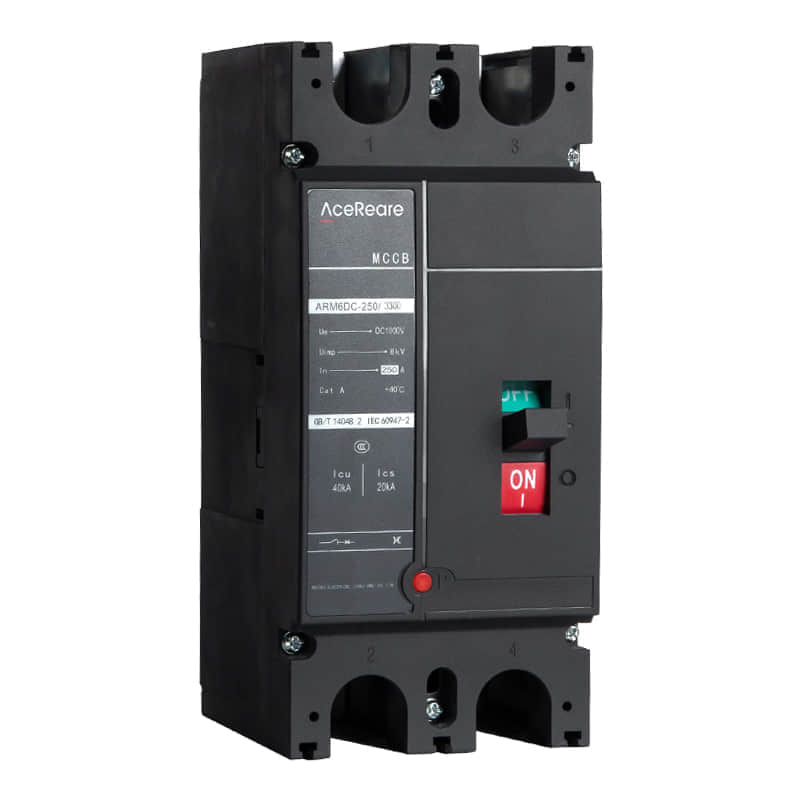
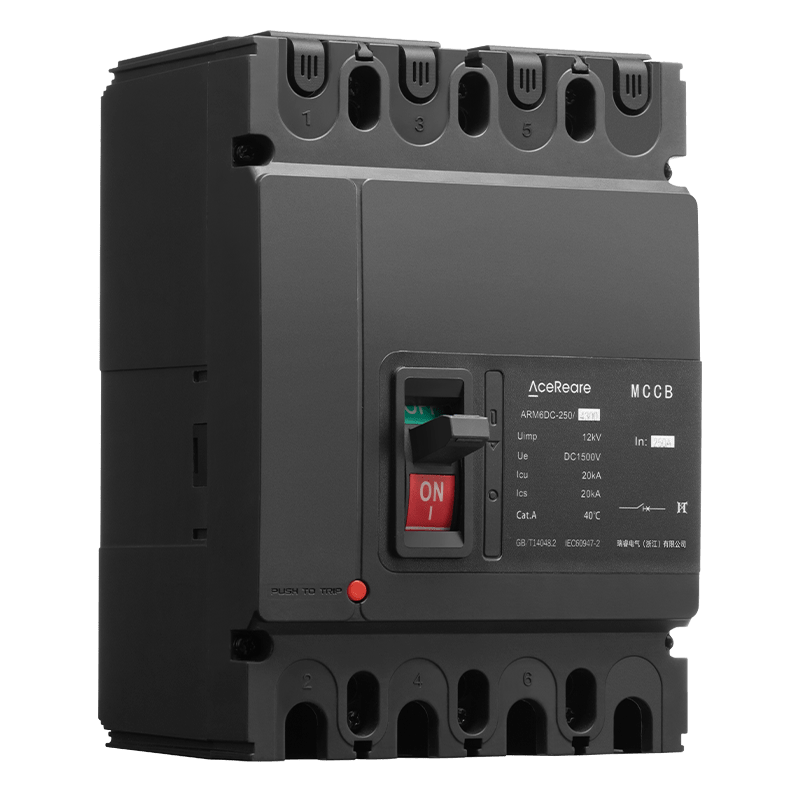
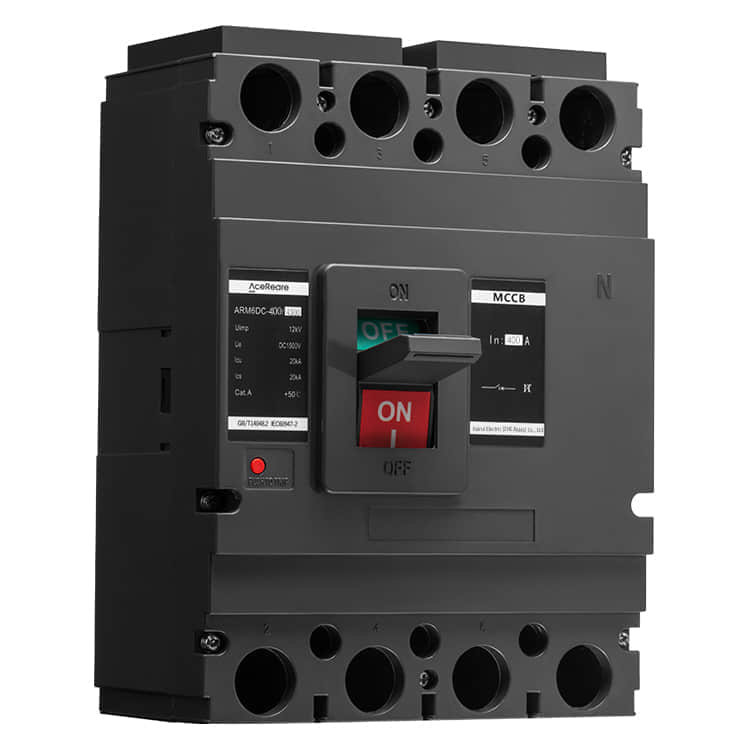
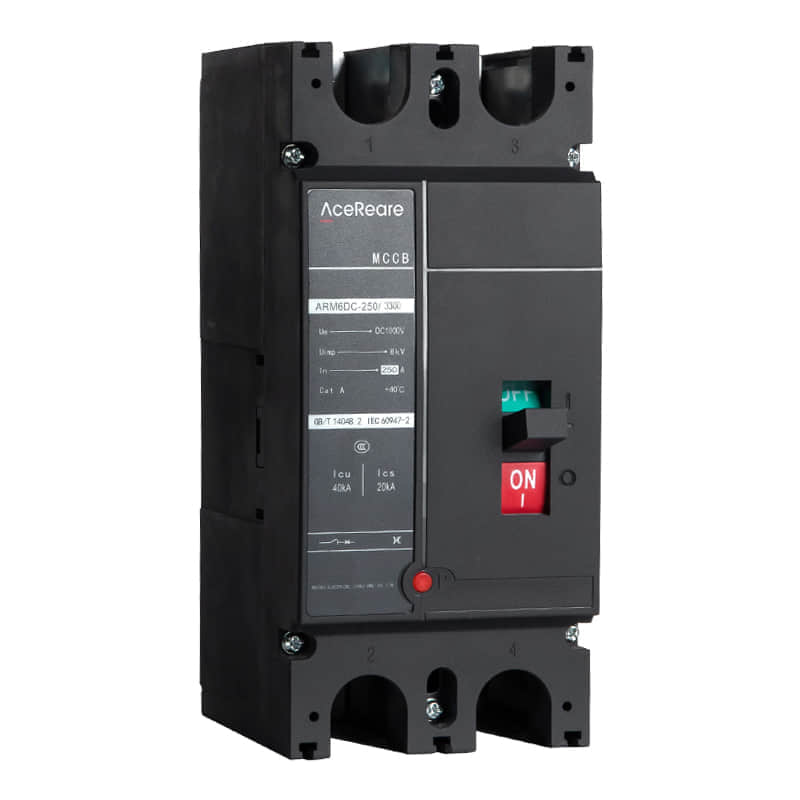
Supplier of electronic  MCCB

Understanding MCCBs

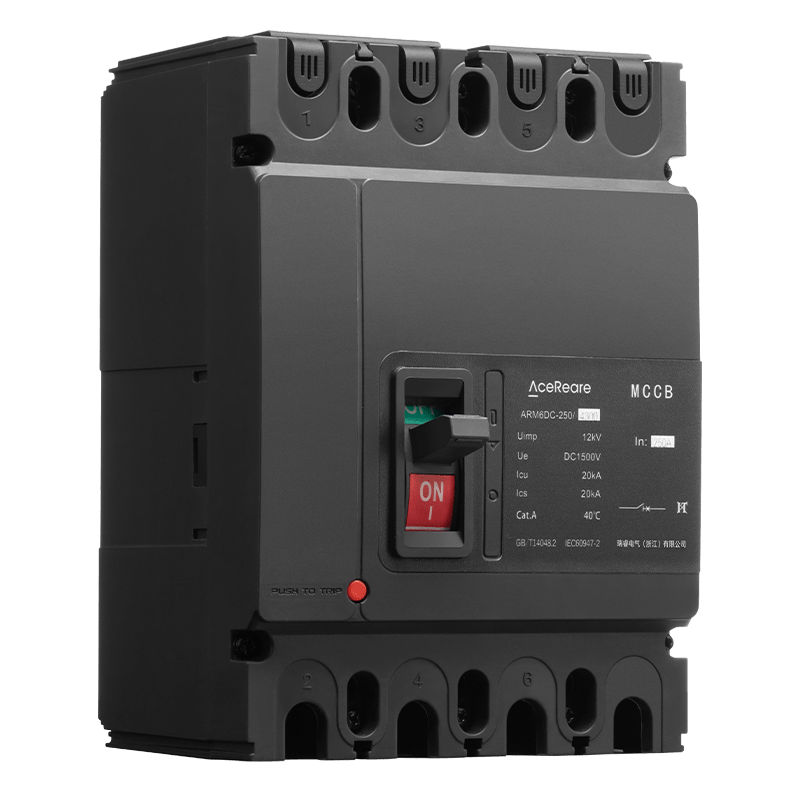
Supplier of electronic  MCCB

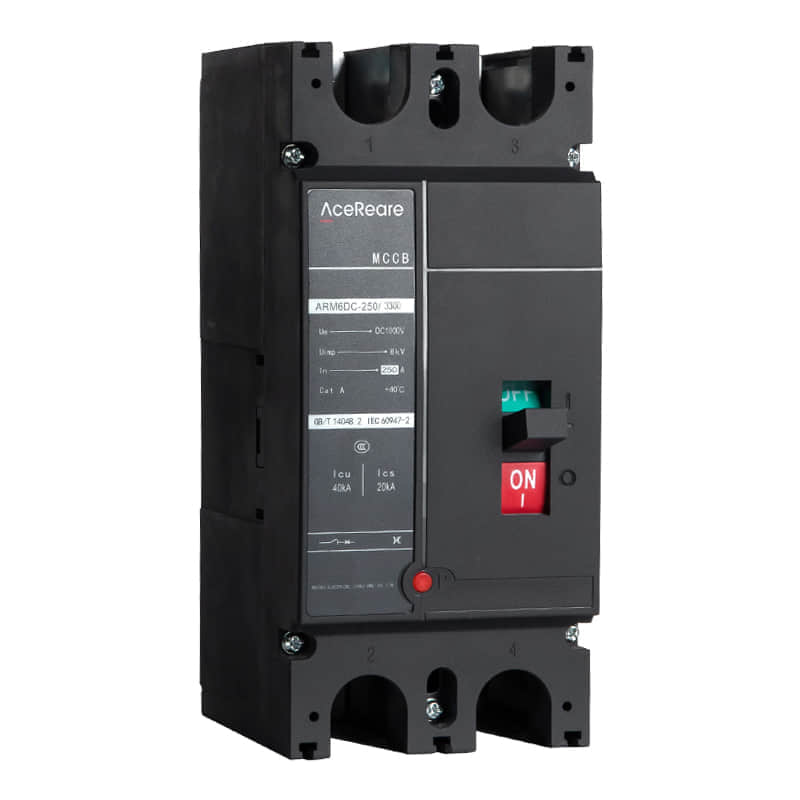
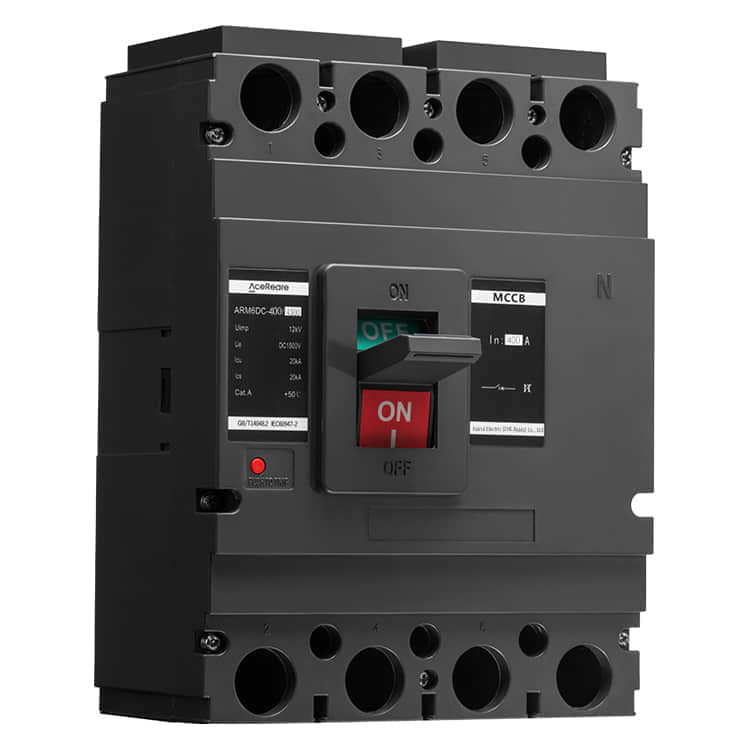
Before delving into the role of suppliers, let’s first grasp the significance of MCCBs. These devices are designed to protect electrical circuits and equipment from overloads and short circuits, preventing potentially catastrophic consequences such as fires or damage to valuable equipment. MCCBs are commonly found in industrial and commercial settings, but their importance extends to residential applications as well. The Role of Electronic MCCBs Electronic MCCBs, also known as digital MCCBs, have revolutionized the world of electrical circuit protection. Unlike their traditional counterparts, electronic MCCBs incorporate advanced digital technology, making them more versatile, precise, and reliable. Suppliers of electronic MCCBs play a pivotal role in bringing these innovations to the market. 1. Advanced Protection Features Electronic MCCBs offer a wide range of protection features that can be customized to suit specific applications. This level of flexibility ensures that electrical systems are protected precisely as needed, minimizing downtime and maximizing efficiency. Suppliers continually develop and improve these features, staying at the forefront of electrical safety technology. 2. Remote Monitoring and Control One of the standout advantages of electronic MCCBs is their ability to be remotely monitored and controlled. Suppliers provide solutions that enable users to monitor the status of MCCBs and make adjustments in real-time, even from a remote location. This capability enhances the overall safety and efficiency of electrical systems, particularly in large industrial installations. 3. Energy Management Efficiency is a critical concern in today’s energy-conscious world. Electronic MCCBs often come equipped with energy management features that can help users optimize their electrical systems for efficiency. Suppliers work closely with clients to tailor these features to specific needs, ultimately contributing to energy savings and sustainability. 4. Data Logging and Analysis Data is invaluable in modern electrical systems. Electronic MCCBs can collect and store data about electrical events and anomalies. Suppliers offer solutions for analyzing this data, helping users identify and address potential issues before they become critical problems. This proactive approach to maintenance is a game-changer for industries reliant on uninterrupted power. 5. Technical Support and Training Suppliers of electronic MCCBs don’t merely provide products; they also offer comprehensive technical support and training. This ensures that end-users have a deep understanding of how to maximize the benefits of their MCCBs and troubleshoot issues effectively. Conclusion In conclusion, suppliers of electronic MCCBs are integral to the continued improvement of electrical safety and efficiency across industries. Their commitment to innovation, advanced features, remote capabilities, energy management, data analysis, and comprehensive support makes them indispensable partners in today’s electrical systems. As technology evolves, these suppliers will continue to play a crucial role in keeping our electrical systems safe, efficient, and sustainable.
Supplier of electronic  MCCB

Understanding SMC Molding: Revolutionizing Composite Materials

文章:

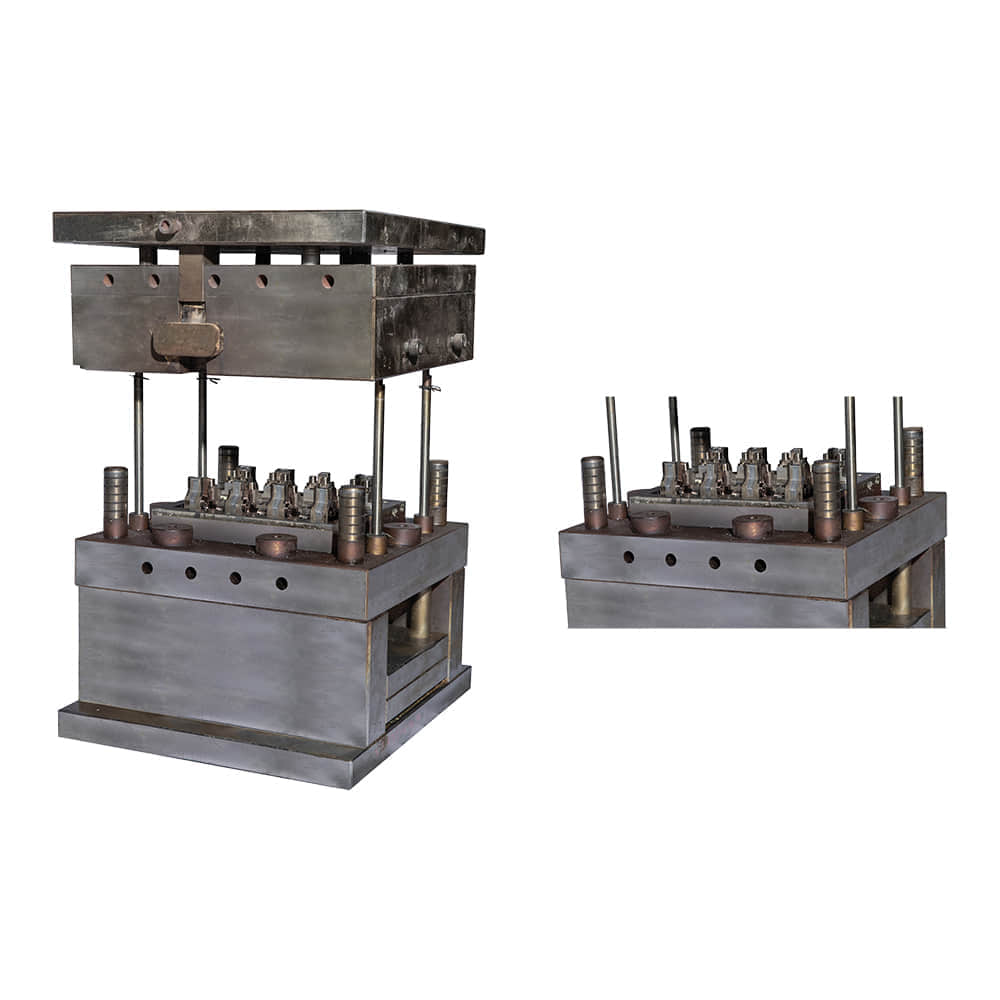
SMC molding

SMC Molding: Revolutionizing Composite Materials

SMC molding

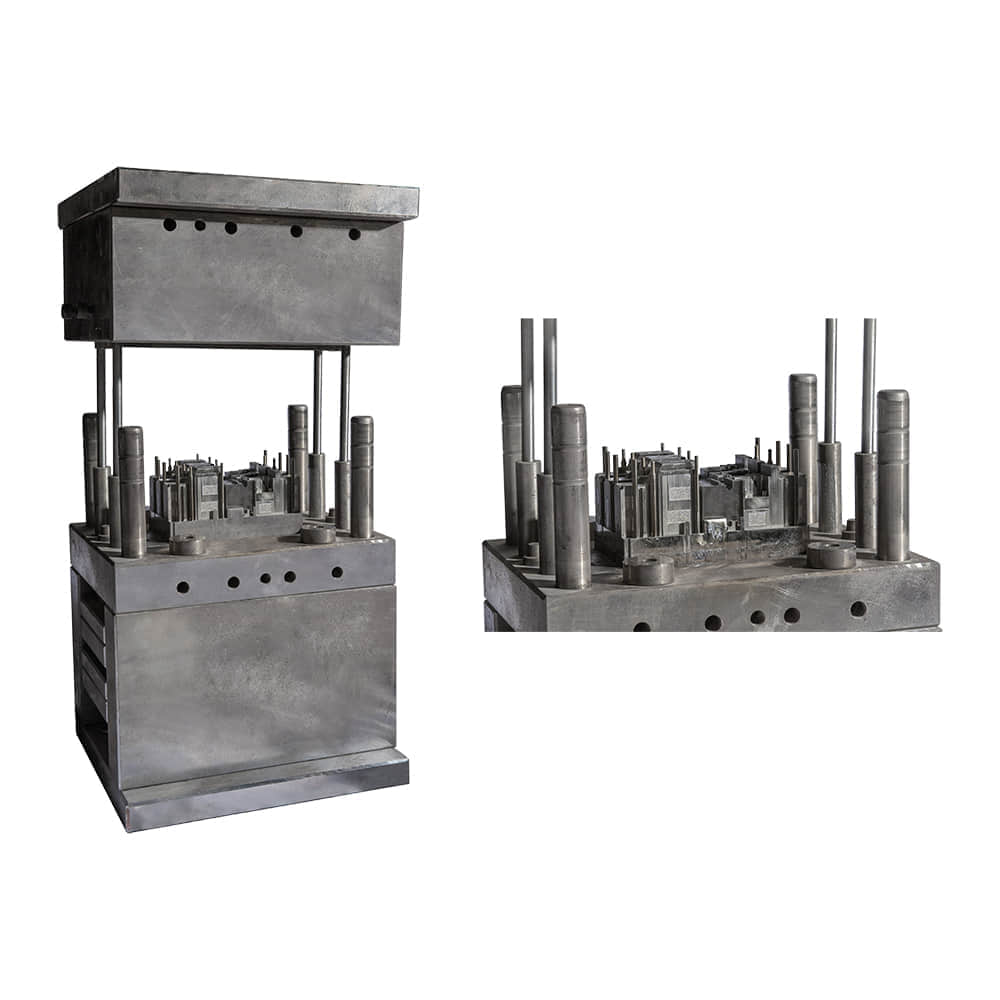
In the world of advanced manufacturing, SMC molding stands as a pivotal technology, driving innovation and efficiency in the production of composite materials. Sheet Molding Compound (SMC) is a versatile and cost-effective method that has gained prominence across various industries due to its exceptional properties and advantages. In this article, we will delve into the intricacies of SMC molding, exploring its applications, benefits, and its role in shaping the future of composite material production. What is SMC Molding? SMC molding is a manufacturing process that involves the compression molding of a reinforced composite material known as Sheet Molding Compound. SMC is composed of a blend of thermosetting resins, reinforcing fibers, and various additives. This mixture is pre-impregnated into a sheet form, which is then cut into specific dimensions for molding. The SMC Molding Process The SMC molding process consists of several key steps: Compound Preparation:The SMC compound is prepared by mixing the resin, reinforcing fibers (typically glass, carbon, or natural fibers), and additives. This step ensures uniform distribution of the components within the compound. Sheet Formation:The mixed compound is flattened and rolled into sheets of the desired thickness. These sheets can vary in size and are cut into manageable pieces for subsequent molding. Molding:SMC sheets are placed into a mold cavity. The mold is closed, and heat and pressure are applied. This combination of heat and pressure causes the SMC to flow and fill the mold, taking on the desired shape. Curing:During molding, the resin undergoes a curing process, transforming from a liquid to a solid state. This results in a rigid and durable composite part. Part Ejection:Once the curing is complete, the mold is opened, and the finished SMC component is ejected. Applications of SMC Molding SMC molding has found applications across a wide range of industries, owing to its exceptional properties and versatility. Some notable applications include: Automotive:SMC is used in the manufacturing of vehicle body panels, hoods, and bumpers due to its lightweight nature and excellent corrosion resistance. Aerospace:SMC components are utilized in aircraft interiors and structural elements, where lightweight, high-strength materials are essential. Electrical and Electronics:The electrical insulating properties of SMC make it ideal for electrical enclosures, transformers, and insulators. Construction:SMC is used in architectural panels, doors, and enclosures for its weather resistance and durability. Renewable Energy:Wind turbine components, such as nacelles and blades, benefit from SMC’s lightweight and corrosion-resistant properties. Benefits of SMC Molding SMC molding offers a multitude of advantages, making it a preferred choice in many applications: High Strength-to-Weight Ratio:SMC components are lightweight yet exceptionally strong, reducing overall weight and improving fuel efficiency in automotive and aerospace applications. Corrosion Resistance:SMC materials are highly resistant to corrosion and weathering, ensuring long-term durability. Design Flexibility:Complex shapes and intricate designs can be achieved with SMC molding, thanks to the moldability of the material. Reduced Tooling Costs:SMC molds have a longer lifespan compared to traditional steel molds, resulting in cost savings over time. Excellent Electrical Insulation:SMC is an excellent insulator, making it ideal for electrical and electronic applications. The Future of SMC Molding As technology advances and sustainability becomes a central concern, SMC molding is poised to play an even more significant role in manufacturing. Innovations in materials and processing techniques are likely to enhance the properties of SMC, making it an attractive choice for a broader array of applications. In conclusion, SMC molding has revolutionized the world of composite materials. Its ability to produce lightweight, high-strength, and corrosion-resistant components has made it indispensable across industries. As technology continues to evolve, SMC is well-positioned to lead the way in the production of advanced composite materials, contributing to a more efficient and sustainable future.

SMC molding

Residual Current Circuit Breakers (RCCBs): Enhancing Electrical Safety

Introduction

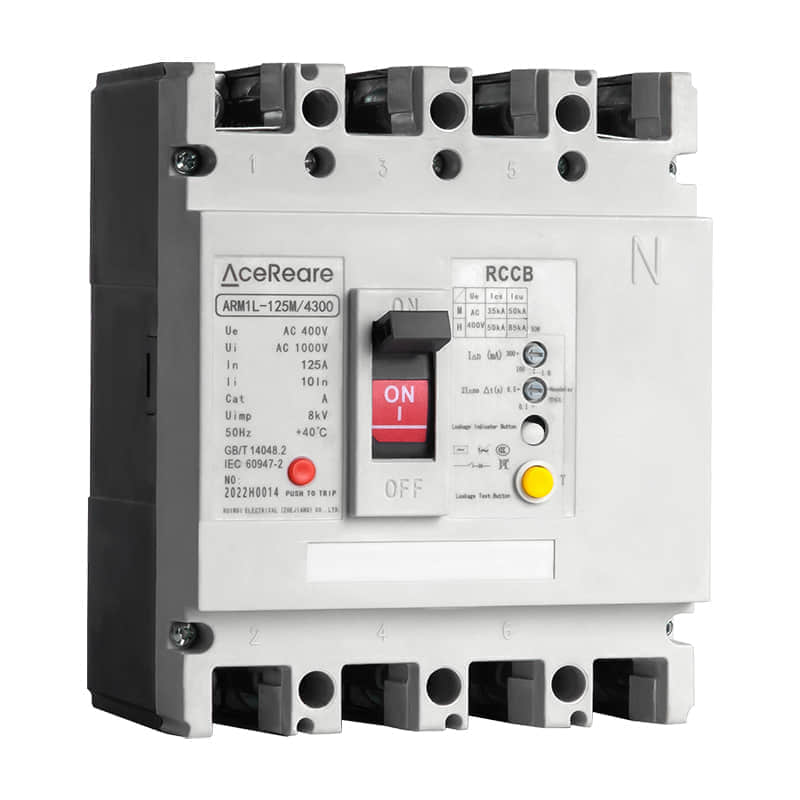
RCCB

In the modern world, electricity is an essential part of our daily lives, powering our homes, workplaces, and industries. However, with the convenience of electricity comes the paramount importance of safety. Residual Current Circuit Breakers (RCCBs) have emerged as a crucial component in electrical systems, providing enhanced protection against electrical shocks and potential hazards. This article delves into the significance of RCCBs, their functioning, types, and the role they play in ensuring electrical safety.

RCCB

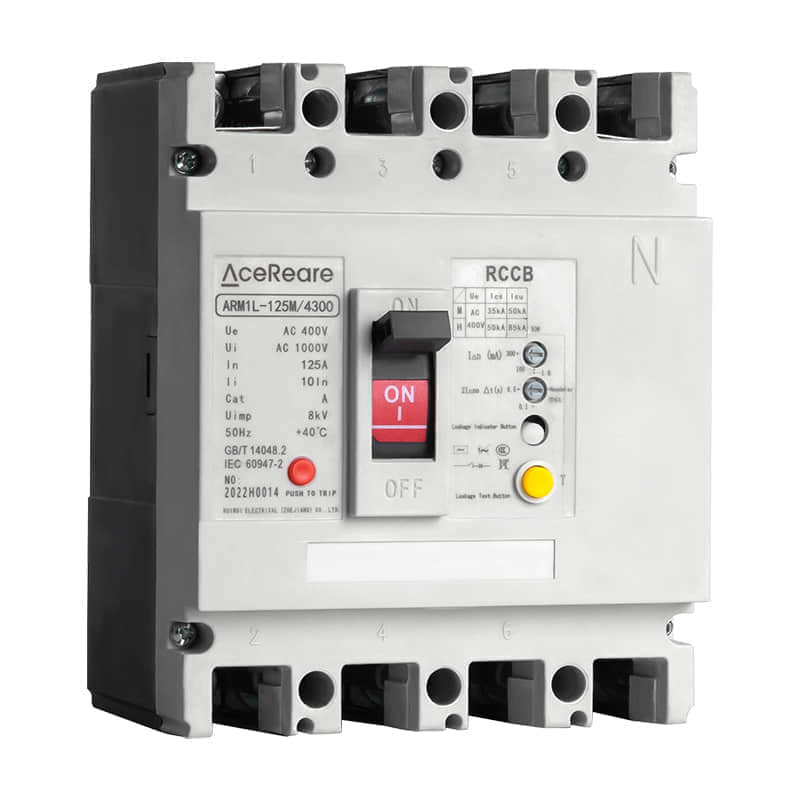
Understanding RCCBs A Residual Current Circuit Breaker, commonly known as an RCCB, is an electrical device designed to protect against electric shock by detecting and interrupting abnormal currents. It offers an additional layer of safety beyond traditional circuit breakers. RCCBs are particularly sensitive to small leakage currents that might occur due to insulation failures or direct contact with electrical conductors. By rapidly disconnecting the circuit when such currents are detected, they prevent potentially fatal electric shocks. Functioning of RCCBs RCCBs work on the principle of monitoring the imbalance between the live and neutral currents in a circuit. In a balanced electrical system, the current flowing through the live wire should be equal to the current returning through the neutral wire. However, if there is a leakage of current, possibly through a person or faulty insulation, an imbalance occurs. The RCCB continuously measures this imbalance, known as residual current. If the detected residual current exceeds a preset threshold, the RCCB trips and disconnects the circuit in a fraction of a second, averting the risk of electric shock. Types of RCCBs AC Type RCCBs:These are designed to detect and protect against alternating current (AC) leakage faults. They are suitable for most residential and commercial applications where the primary source of electrical supply is AC. A Type RCCBs:These provide protection against both alternating current (AC) and pulsating direct current (DC) leakage faults. They are commonly used in environments where electronic equipment and devices are present. B Type RCCBs:These offer comprehensive protection by detecting all types of residual currents, including AC, pulsating DC, and pure DC. They find application in specialized industrial setups and medical facilities where varying types of equipment demand a higher level of protection. The Role of RCCBs in Electrical Safety RCCBs significantly enhance electrical safety in various ways: Protection Against Electric Shock:RCCBs are the first line of defense against electric shocks, providing fast and reliable disconnection of the circuit when abnormal currents are detected. Fire Prevention:Electrical faults, such as insulation breakdown, can lead to fires. RCCBs mitigate this risk by identifying and isolating faults before they escalate into hazardous situations. Safeguarding Humans and Animals:RCCBs protect not only humans but also animals from electric shock, making them invaluable in agricultural and industrial settings. Reducing Electrocution Risk:In wet or damp environments, the risk of electric shock is higher. RCCBs are particularly vital in such scenarios as they can detect even small leakage currents that might go unnoticed. Conclusion Residual Current Circuit Breakers (RCCBs) play an indispensable role in ensuring electrical safety by swiftly detecting and interrupting abnormal currents. As technology advances and our reliance on electricity grows, the importance of RCCBs in preventing electric shocks, fires, and other potential hazards cannot be overstated. Selecting the appropriate type of RCCB based on the specific requirements of an application is crucial to creating a secure electrical environment. In a world where electrical safety is paramount, RCCBs provide the necessary protection for both residential and industrial settings.

RCCB

Unveiling the Expertise of PV Molded Case Circuit Breaker OEM Manufacturers

In the dynamic realm of electrical distribution, safety and reliability stand as paramount factors. One essential component that ensures the seamless functioning of electrical systems is the PV Molded Case Circuit Breaker (MCCB). These circuit breakers play a crucial role in safeguarding electrical equipment and systems from overloads and short circuits. Behind the scenes, original equipment manufacturers (OEMs) specializing in PV MCCBs contribute significantly to this industry’s advancement.

PV Molded Case Circuit Breaker OEM Manufacturer

Introduction to PV MCCB OEM Manufacturers

PV Molded Case Circuit Breaker OEM Manufacturer

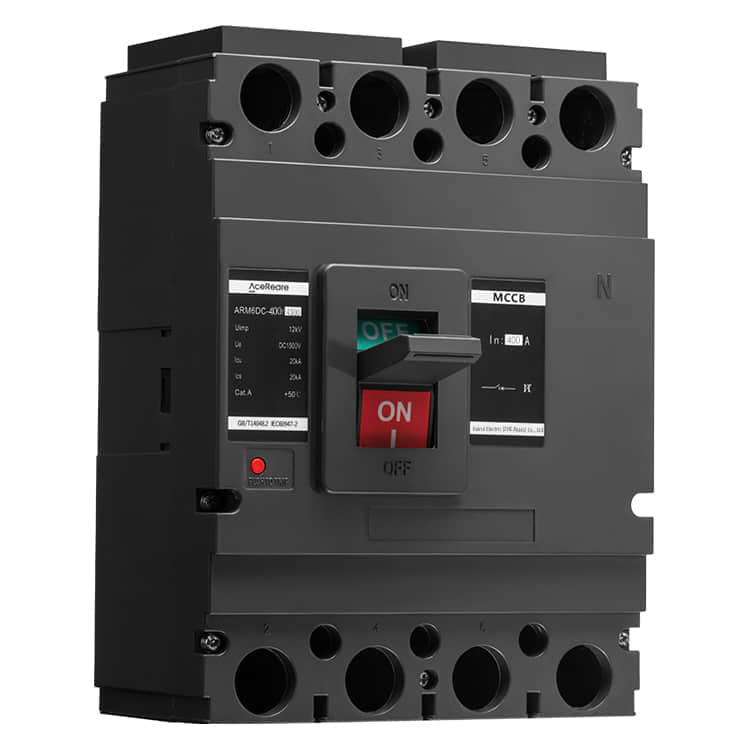
PV MCCB OEM manufacturers are the unsung heroes of the electrical industry. Their expertise lies in designing, producing, and distributing MCCBs that are tailored to meet the demands of modern power systems, including those in photovoltaic (PV) applications. These manufacturers are not merely suppliers; they are strategic partners for industries requiring reliable circuit protection solutions. Engineering Excellence and Innovation At the heart of PV MCCB OEM manufacturers’ operations is a commitment to engineering excellence and innovation. These companies invest in research and development to create MCCBs that adhere to international standards and regulations. Innovation is evident in their ability to integrate advanced technologies into circuit breakers, enhancing features such as remote monitoring, adjustable trip settings, and real-time data analysis. Customization for Diverse Needs One size does not fit all when it comes to PV MCCBs, considering the diverse nature of electrical systems. OEM manufacturers recognize this and offer customization options. They collaborate with clients to understand their specific requirements, whether it’s for commercial, industrial, or residential purposes. Customization can encompass various aspects, including current ratings, breaking capacities, and enclosure designs. Quality Assurance and Testing PV MCCB OEM manufacturers understand the critical role their products play in ensuring electrical safety. Rigorous quality assurance procedures are implemented throughout the manufacturing process. This includes material selection, precision manufacturing, and thorough testing. These tests may involve simulating extreme conditions to assess how MCCBs perform under stress, guaranteeing their reliability. Sustainability and Environmental Responsibility In an era of heightened environmental awareness, PV MCCB OEM manufacturers are also embracing sustainability. They are transitioning towards eco-friendly materials, energy-efficient production processes, and recyclable packaging. By minimizing their carbon footprint, these manufacturers contribute to a greener future while delivering top-notch circuit protection solutions. Global Reach and Local Presence The influence of PV MCCB OEM manufacturers extends globally. With distribution networks spanning various countries, they cater to a diverse clientele. However, these manufacturers also recognize the importance of a local presence. This enables them to provide prompt technical support, efficient logistics, and localized solutions that consider specific regional needs and regulations. Empowering the Future of Power Distribution As renewable energy sources like solar power continue to gain prominence, the demand for reliable circuit protection in PV systems grows. PV MCCB OEM manufacturers are at the forefront of empowering this future. Their products not only ensure safety but also enable the expansion of clean energy by safeguarding the intricate electrical infrastructure of solar installations. Conclusion In the grand symphony of modern electricity distribution, PV MCCB OEM manufacturers compose an essential melody of innovation, safety, and reliability. Their dedication to engineering excellence, customization, and sustainability showcases a commitment to advancing both the electrical industry and the global shift toward greener energy. As technology evolves, these manufacturers will remain pivotal in orchestrating a harmonious and secure electrical landscape.

PV Molded Case Circuit Breaker OEM Manufacturer

“Innovating Power Distribution: Exploring the Realm of PV Molded Case Circuit Breaker (MCCB) OEM Manufacturers”

In the dynamic landscape of electrical engineering and power distribution, the PV Molded Case Circuit Breaker (MCCB) stands out as a crucial component. These MCCBs play an essential role in safeguarding electrical systems, ensuring efficient power distribution, and protecting valuable equipment. Behind the scenes, original equipment manufacturers (OEMs) take the center stage in designing, producing, and advancing these intricate devices.

PV Molded Case Circuit Breaker (MCCB) OEM Manufacturer

The Heart of Power Management

PV Molded Case Circuit Breaker (MCCB) OEM Manufacturer

PV MCCBs, often referred to as solar MCCBs, are the backbone of photovoltaic (PV) systems. These systems harness solar energy to generate electricity, requiring precise management and control. MCCBs act as guardians, preventing overloads, short circuits, and other electrical faults that could potentially disrupt the operation of these systems or even lead to catastrophic failures. Enter the OEM Manufacturers OEM manufacturers of PV MCCBs are the unsung heroes driving innovation in power distribution. These manufacturers are responsible for conceiving, engineering, and producing MCCBs tailored to the unique demands of PV systems. They combine technical expertise with an understanding of the industry’s evolving needs to create cutting-edge solutions. Design and Customization One of the defining features of OEM manufacturers is their ability to customize PV MCCBs according to specific project requirements. These manufacturers collaborate closely with solar integrators, installers, and engineers to create MCCBs that seamlessly integrate into the broader PV infrastructure. Customization extends beyond mere physical dimensions to include features like current ratings, tripping characteristics, and communication capabilities, ensuring optimal performance in diverse scenarios. Innovation and Technological Advancement OEM manufacturers drive progress in the field by constantly pushing the boundaries of innovation. They invest in research and development to enhance the efficiency, reliability, and safety of PV MCCBs. From adopting advanced materials that improve heat dissipation to implementing smart technologies that enable remote monitoring and control, these manufacturers are at the forefront of transforming how we manage and distribute solar energy. Quality Assurance and Standards Compliance Reliability is paramount in power distribution, and OEM manufacturers understand this well. They adhere to stringent quality control measures and ensure that their MCCBs comply with industry standards and regulations. This commitment to quality extends from the selection of materials to the final testing phases, guaranteeing that the MCCBs can perform flawlessly in the most demanding conditions. Sustainability and Environmental Considerations In the era of heightened environmental consciousness, OEM manufacturers also focus on sustainability. They explore eco-friendly manufacturing processes, prioritize energy efficiency, and work towards reducing the environmental footprint of their products. By aligning with the overarching goals of the solar energy sector, these manufacturers contribute to a more sustainable future. Global Impact The influence of OEM manufacturers of PV MCCBs extends far beyond their immediate sphere. Their contributions facilitate the expansion of solar energy adoption worldwide. Reliable and high-performance MCCBs ensure the stability of PV systems, encouraging more industries, businesses, and households to transition to clean and renewable energy sources. Conclusion In the intricate web of power distribution, PV Molded Case Circuit Breaker OEM manufacturers stand as key players. Their innovation, commitment to quality, and customization capabilities make them indispensable partners in the journey towards a sustainable energy future. As solar technology continues to evolve, these manufacturers will undoubtedly remain at the forefront, driving progress and enabling the widespread adoption of solar energy across the globe.

PV Molded Case Circuit Breaker (MCCB) OEM Manufacturer

Evolution of Manufacturing: Exploring the Advancements in Progressive Die Technology

In the realm of manufacturing, efficiency and precision have always been the driving forces behind technological innovation. One such innovation that has significantly transformed the way intricate metal components are produced is the Progressive Die. This ingenious tool and die system has revolutionized mass production, allowing for remarkable strides in productivity, cost-effectiveness, and quality control.

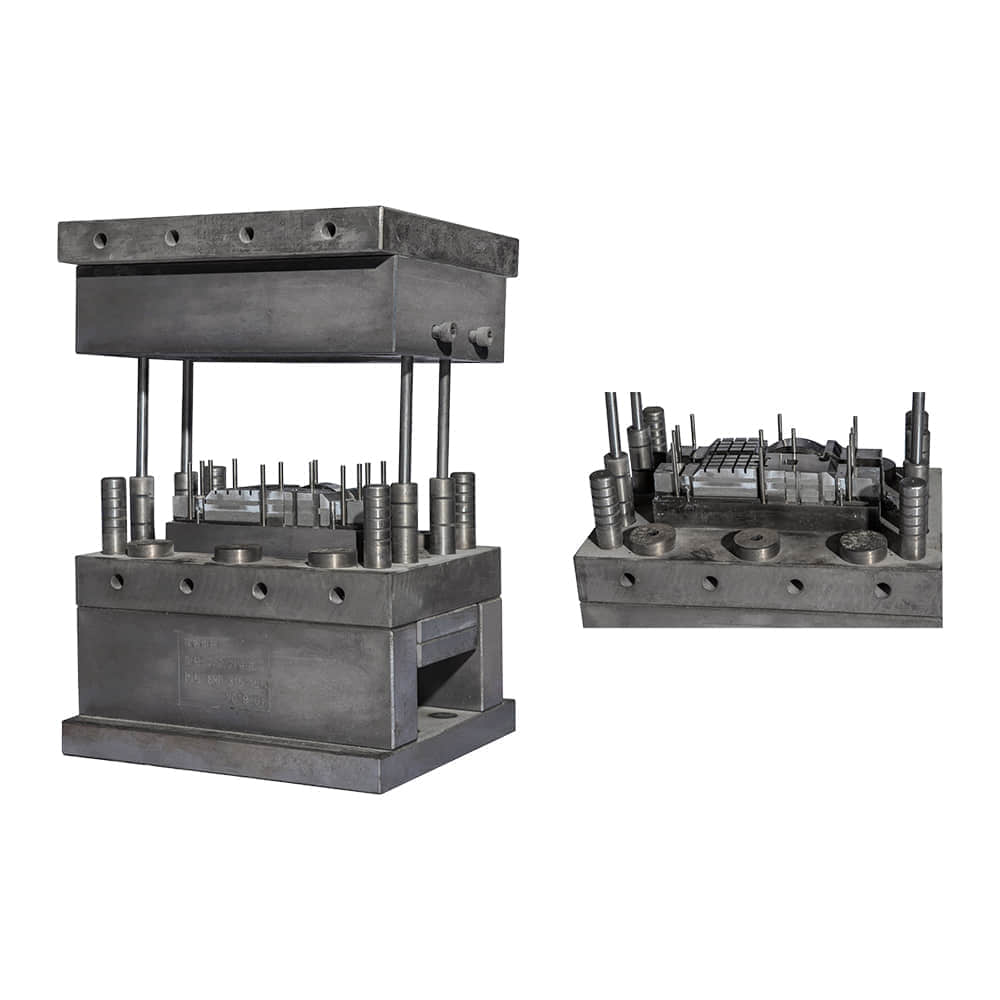
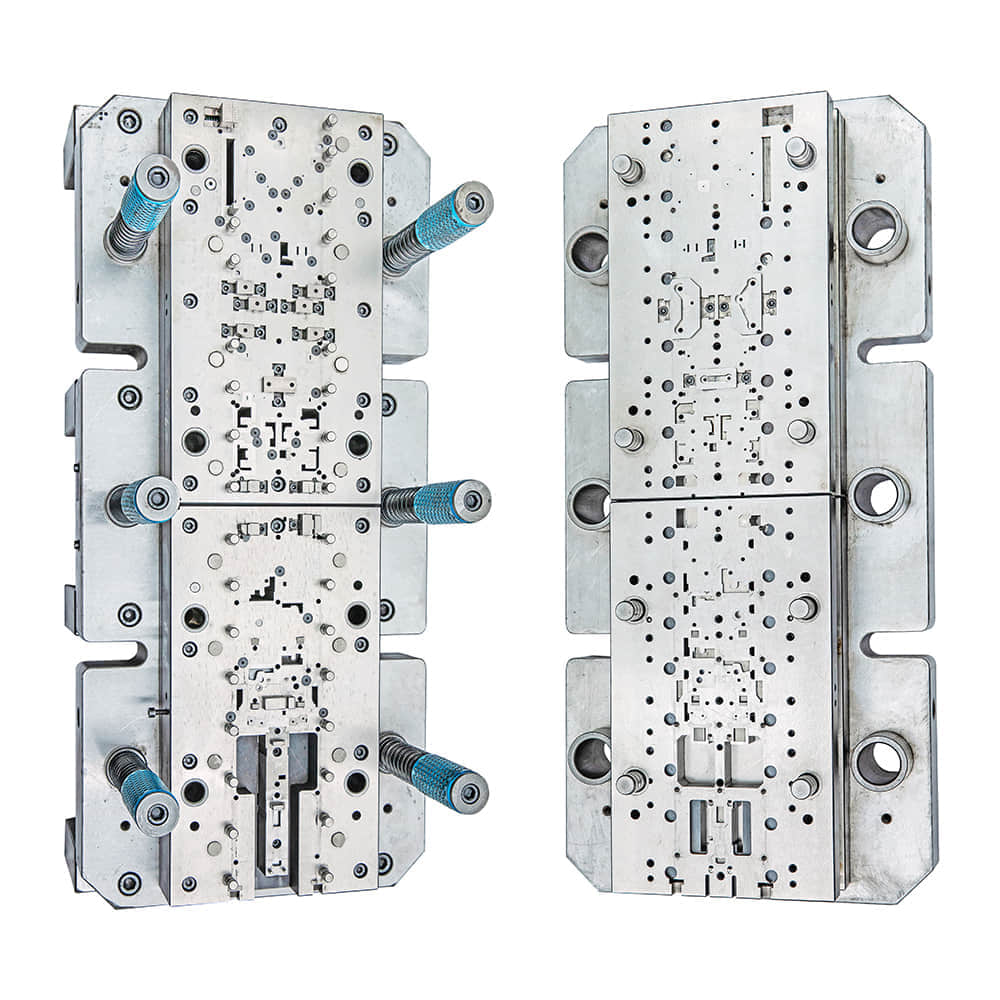
Progressive Die

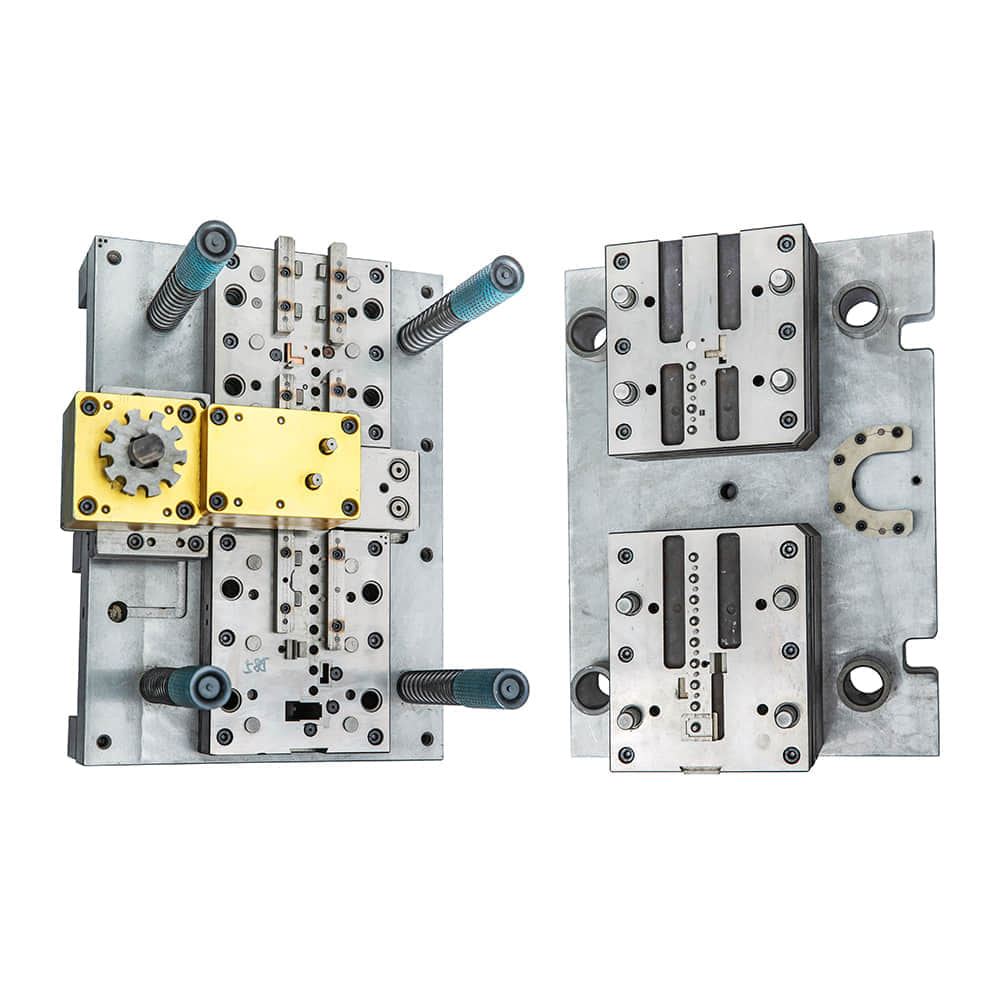
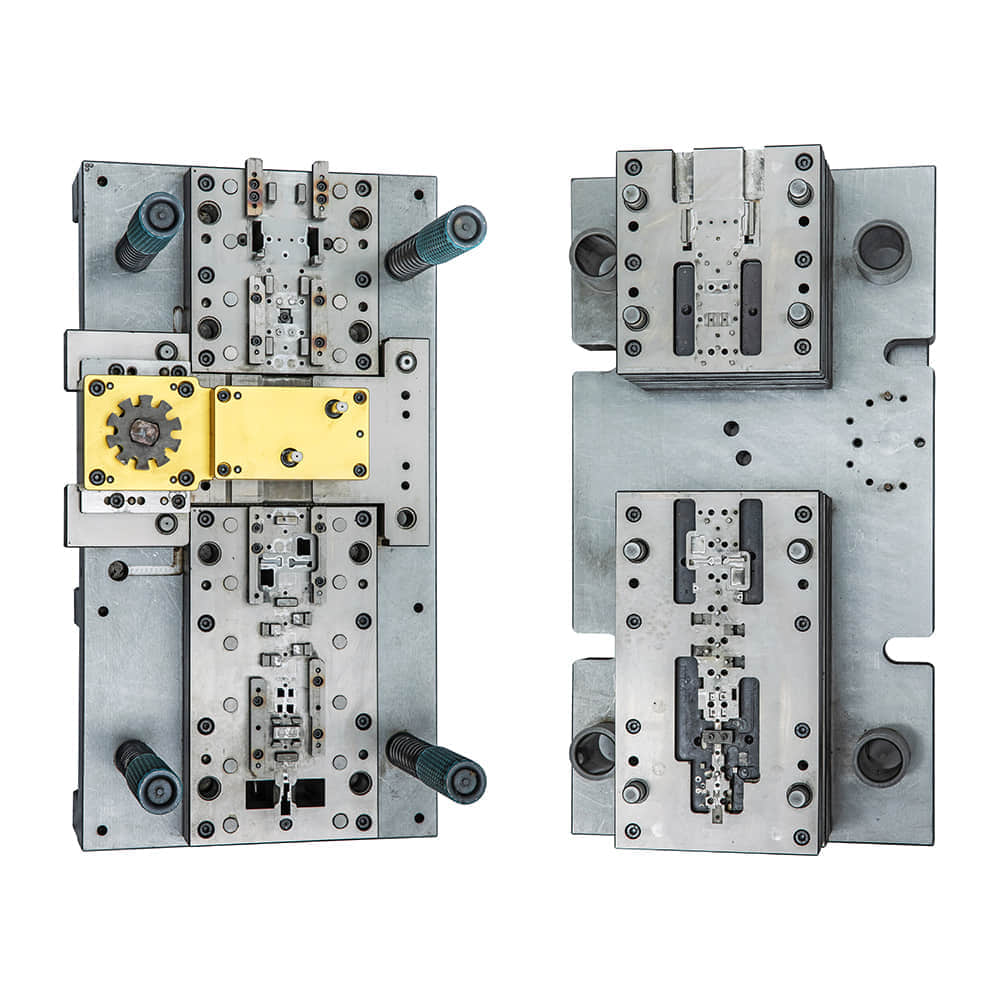
The concept of the Progressive Die is rooted in simplicity, yet its impact on manufacturing processes has been profound. Essentially, a Progressive Die is a specialized tool that performs a series of cutting, bending, and shaping operations on a metal strip as it moves through the machine. Unlike traditional methods that require multiple steps and setups, the Progressive Die integrates numerous functions into a single, streamlined operation. This integration not only drastically reduces production time but also minimizes human intervention, consequently diminishing the margin for errors.

Progressive Die

The genesis of Progressive Die technology dates back to the late 19th century when industries were seeking ways to produce complex parts with increased efficiency. However, it wasn’t until the mid-20th century that significant advancements in materials, machining techniques, and automation paved the way for the widespread adoption of Progressive Die systems. One of the most remarkable features of Progressive Die technology is its adaptability to various materials and component complexities. Whether it’s automotive parts, electronic components, or even everyday household items, Progressive Die systems can be fine-tuned to meet the unique specifications of each product. This versatility has not only fueled the growth of industries but has also contributed to the concept of “mass customization,” where products can be tailored to individual customer preferences on a larger scale. The integration of automation and computer numerical control (CNC) technology has further propelled the capabilities of Progressive Die systems. Modern systems can now be programmed to execute precise operations with incredible consistency. CNC integration allows for real-time adjustments, enhancing the accuracy of cuts and minimizing material waste. Additionally, the data collected during the production process can be analyzed to identify potential bottlenecks or areas for further optimization, enabling manufacturers to refine their processes continually. In the era of sustainability, Progressive Die technology plays a pivotal role in minimizing material wastage. Traditional manufacturing techniques often generate substantial scrap materials due to imprecise cuts or inefficient processes. However, the precision of Progressive Die systems significantly reduces such waste, contributing to both cost savings and environmentally conscious production practices. Despite its numerous advantages, the adoption of Progressive Die technology does come with its own set of challenges. The initial setup and design of the tooling can be complex and require a thorough understanding of both the manufacturing process and the end-product requirements. Moreover, regular maintenance and calibration are essential to ensure consistent quality and prolong the lifespan of the tooling. In conclusion, the evolution of Progressive Die technology stands as a testament to human ingenuity and our relentless pursuit of manufacturing excellence. From its humble beginnings as a concept to its current state as a cornerstone of mass production, the Progressive Die has transformed the landscape of modern manufacturing. Its ability to seamlessly integrate various processes, coupled with the power of automation and CNC technology, has propelled industries towards higher levels of efficiency, precision, and sustainability. As industries continue to evolve, one can only anticipate further innovations in Progressive Die technology that will shape the way we manufacture intricate components in the years to come.

Progressive Die

Advancing Solar Energy Safety: The Photovoltaic Molded Case Circuit Breaker

In recent years, the global shift towards renewable energy sources has been nothing short of remarkable. Solar power, in particular, has emerged as a frontrunner in the race to reduce our reliance on fossil fuels and combat climate change. As photovoltaic (PV) systems become increasingly prevalent, it’s essential to ensure their safety and reliability. One key player in this realm is the Photovoltaic Molded Case Circuit Breaker.

Photovoltaic Molded Case Circuit Breaker

The Power of Solar Energy

Photovoltaic Molded Case Circuit Breaker

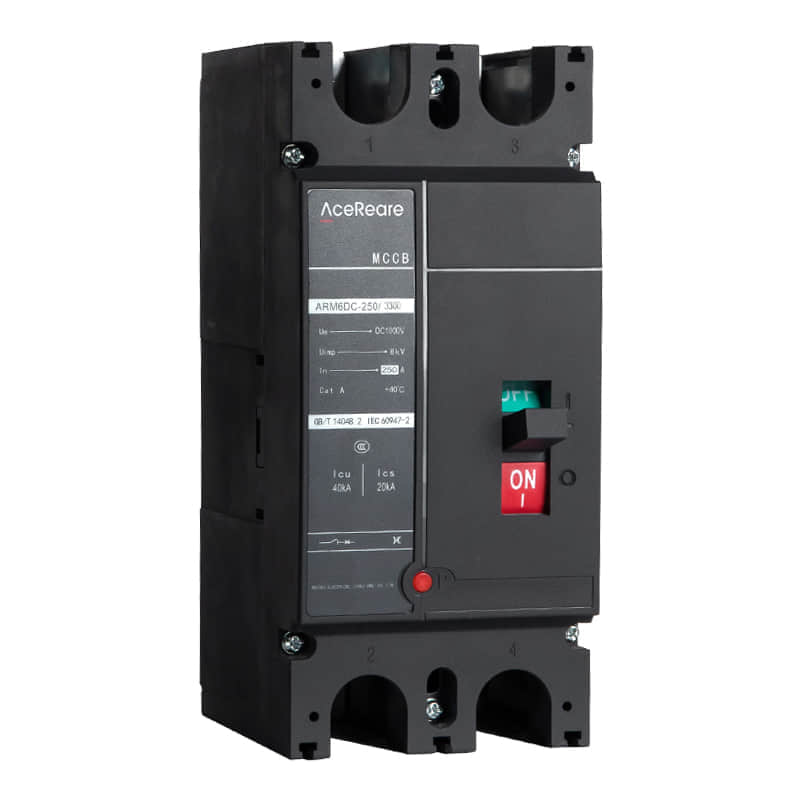
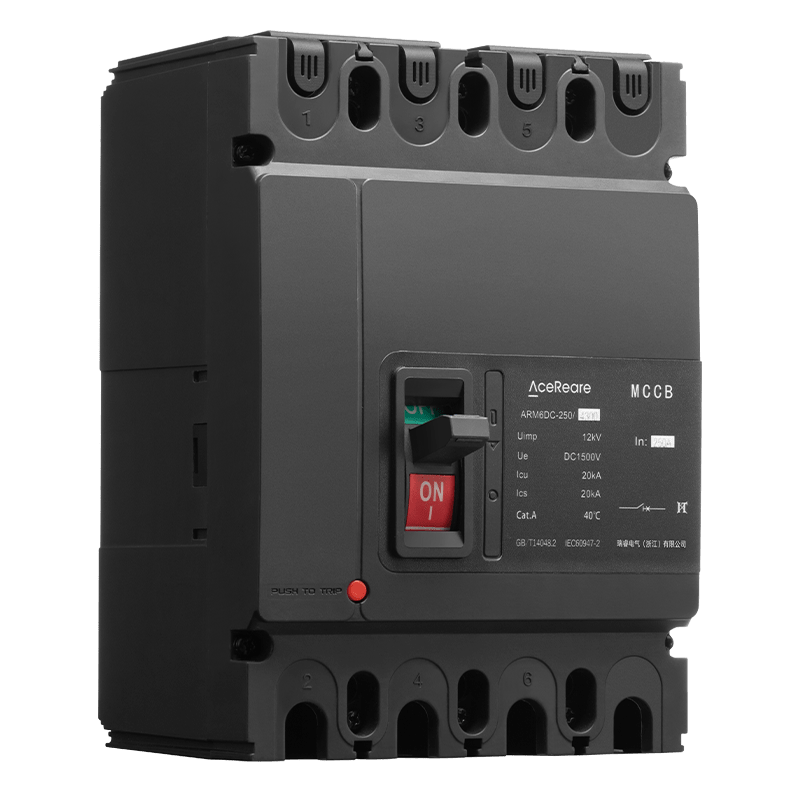
Solar energy harnesses the power of the sun’s rays to generate electricity through photovoltaic systems. These systems consist of solar panels that convert sunlight into electrical energy, which can be used to power homes, businesses, and even entire cities. The global solar energy market has experienced unprecedented growth, driven by advancements in technology and a growing awareness of the need for sustainable energy solutions. Safety Concerns in Photovoltaic Systems While solar power offers numerous environmental and economic benefits, it also presents unique safety challenges. PV systems can produce high voltages and currents, and as such, they require specialized safety mechanisms. One critical component in ensuring the safety of PV systems is the Photovoltaic Molded Case Circuit Breaker. Understanding the Photovoltaic Molded Case Circuit Breaker A Photovoltaic Molded Case Circuit Breaker, often abbreviated as PV MCCB, is an electrical device designed to protect photovoltaic systems from electrical faults and overcurrent conditions. This essential component acts as a safety net, preventing electrical fires and equipment damage. Key Features of PV MCCBs Overcurrent Protection:PV MCCBs are designed to trip or disconnect the circuit in the event of excessive current flow, preventing damage to the PV system. Arc Fault Protection:They can detect and interrupt arcs that may occur due to damaged wires or connections, reducing the risk of fires. Ground Fault Protection:PV MCCBs monitor ground fault currents and disconnect the circuit if an imbalance is detected, minimizing electrical shock hazards. Remote Monitoring:Some PV MCCBs come equipped with remote monitoring capabilities, allowing users to monitor the system’s status and performance in real-time. Compact Design:These circuit breakers are often compact and easy to install, making them a practical choice for PV systems of all sizes. Ensuring a Bright Solar Future As the adoption of solar power continues to surge, the role of Photovoltaic Molded Case Circuit Breakers becomes increasingly critical. These devices not only protect the investment in PV systems but also contribute to the overall safety of users and the environment. Conclusion The Photovoltaic Molded Case Circuit Breaker is a pivotal component in the world of solar energy. Its ability to safeguard against overcurrents, arc faults, and ground faults makes it an indispensable part of any photovoltaic system. As the solar energy industry continues to evolve, the importance of reliable safety mechanisms like the PV MCCB cannot be overstated. With innovation and continued development in this field, we can look forward to a brighter, safer, and more sustainable solar future for generations to come.

Photovoltaic Molded Case Circuit Breaker

Innovating Energy Distribution: The Role of Photovoltaic Molded Case Circuit Breaker ODM Manufacturers

In recent years, the global push towards renewable energy sources has brought photovoltaic (PV) systems to the forefront of sustainable power generation. Among the crucial components ensuring the safe and efficient functioning of PV systems is the Photovoltaic Molded Case Circuit Breaker (PV MCCB). As the demand for these components continues to rise, Original Design Manufacturer (ODM) companies play a pivotal role in driving innovation, quality, and accessibility within the photovoltaic MCCB market.

Photovoltaic molded case circuit breaker ODM manufacturer

Harnessing Solar Power Safely and Effectively

Photovoltaic molded case circuit breaker ODM manufacturer

PV systems convert sunlight directly into electricity, making them a clean and promising energy solution. However, these systems are not without challenges, one of which is ensuring the proper management and distribution of the electricity generated. This is where the PV MCCB comes into play. Functioning as a protective switch, it safeguards the system from overloads, short circuits, and other electrical faults. As the photovoltaic industry evolves, the demand for more sophisticated, reliable, and efficient PV MCCBs grows, emphasizing the need for experienced ODM manufacturers. The ODM Advantage: Nurturing Innovation ODM manufacturers specialize in the design and production of components and products that are later rebranded and sold by other companies. Their flexibility and expertise allow them to collaborate with various businesses, tailoring products to specific needs. In the case of PV MCCBs, ODM manufacturers bring innovation to the table. They leverage their extensive knowledge of circuitry, materials, and manufacturing processes to create cutting-edge solutions that meet the evolving demands of the photovoltaic industry. Quality at the Forefront When it comes to components influencing electrical safety and energy distribution, quality is non-negotiable. ODM manufacturers play a critical role in upholding high-quality standards by employing rigorous testing procedures throughout the development and manufacturing stages. This commitment to quality ensures that PV MCCBs can withstand the harsh conditions often encountered in solar installations, ultimately enhancing the reliability and longevity of the entire PV system. Accessibility and Affordability The solar energy sector’s growth is intrinsically linked to the accessibility and affordability of its components. ODM manufacturers contribute significantly to both aspects. By streamlining production processes and collaborating with multiple clients, they drive down costs, making PV MCCBs more accessible to a broader range of solar energy projects. This accessibility, in turn, accelerates the adoption of solar power on a global scale. Navigating Technological Complexity The photovoltaic industry is marked by rapid technological advancements. This dynamism can present challenges in keeping up with the latest trends, materials, and safety requirements. ODM manufacturers excel in this scenario by staying at the forefront of technological innovation. Their deep understanding of both established and emerging technologies enables them to integrate the latest developments into their PV MCCB designs, ensuring compatibility with modern PV systems. Conclusion In the journey towards a sustainable energy future, photovoltaic systems stand as a beacon of hope. Ensuring the efficiency, safety, and reliability of these systems is a collaborative effort, with ODM manufacturers of PV MCCBs playing a pivotal role. Their innovative spirit, commitment to quality, and focus on accessibility drive the photovoltaic industry forward, enabling the world to harness the power of the sun more effectively than ever before. As technology continues to evolve, so too will the crucial partnership between ODM manufacturers and the solar energy sector they empower.

Photovoltaic molded case circuit breaker ODM manufacturer

Innovating the Future: Photovoltaic Molded Case Circuit Breaker Manufacturers

Introduction

Photovoltaic molded case circuit breaker manufacturers

In the ever-evolving landscape of renewable energy, photovoltaic (PV) systems have emerged as a cornerstone of sustainable power generation. As the demand for solar energy rises, so does the need for advanced technology to support and protect these systems. Photovoltaic molded case circuit breakers (PV MCCBs) have become crucial components, ensuring the efficiency, safety, and longevity of PV installations. In this article, we delve into the world of PV MCCB manufacturers, exploring their role in shaping the renewable energy sector.

Photovoltaic molded case circuit breaker manufacturers

The Significance of PV MCCBs Photovoltaic systems transform sunlight into electricity, offering a clean and efficient energy source. However, the intermittent nature of solar power generation and the various factors that can affect the performance of PV panels require a robust protective mechanism. This is where PV MCCBs come into play. These specialized circuit breakers safeguard PV installations by preventing overcurrent, short circuits, and other electrical faults that could potentially compromise the system’s operation or safety. Leading Manufacturers and Innovations Schneider Electric: A global frontrunner in energy management and automation, Schneider Electric offers a range of PV MCCBs designed to optimize solar power distribution and protect against electrical faults. Their innovations include enhanced communication capabilities, real-time monitoring, and predictive maintenance features. Siemens: Siemens, a renowned name in engineering and technology, produces PV MCCBs tailored for the unique requirements of solar installations. These breakers incorporate advanced arc fault detection technology and remote control options, ensuring maximum reliability and safety. ABB: ABB focuses on delivering intelligent PV MCCBs with integrated smart features. These features enable real-time data collection, aiding in performance analysis and troubleshooting. Additionally, ABB’s solutions emphasize compact designs, addressing space constraints often encountered in PV systems. Eaton: Eaton’s PV MCCBs are built to withstand the challenging environmental conditions of solar applications. Their offerings include models with enhanced resistance to dust, moisture, and UV radiation, ensuring prolonged operational life in outdoor settings. Mitsubishi Electric: Mitsubishi Electric contributes to the field with PV MCCBs known for their high interrupting capacities and precise fault detection. Their products emphasize durability and stability, critical for maintaining uninterrupted solar power generation. Driving Innovation and Sustainability PV MCCB manufacturers are not only concerned with technical excellence but also with sustainability. Many of these companies are committed to reducing the environmental impact of their products. They implement eco-friendly manufacturing processes, use recyclable materials, and develop energy-efficient solutions that align with the green principles of the solar industry. Challenges and Future Outlook While PV MCCB manufacturers have made significant strides, challenges persist. The rapid evolution of PV technology demands continuous adaptation and innovation from circuit breaker manufacturers. As solar power becomes more integrated into the mainstream energy grid, interoperability and standardized communication protocols will play a vital role in ensuring seamless integration and efficient management of PV systems. Conclusion In the journey toward a sustainable future, photovoltaic systems stand as a beacon of hope. The manufacturers of photovoltaic molded case circuit breakers are unsung heroes, providing the vital protection required to harness solar energy effectively. Through groundbreaking innovations and a dedication to sustainability, these manufacturers contribute not only to the growth of the renewable energy sector but also to the global effort to combat climate change.

Photovoltaic molded case circuit breaker manufacturers

Illuminating Progress: The Journey of a Photovoltaic Molded Case Circuit Breaker Manufacturer

In an era marked by an increasing global demand for renewable energy sources, photovoltaic systems have emerged as a promising solution to harness the power of the sun. Among the critical components of these systems are photovoltaic molded case circuit breakers (PV MCCBs), which ensure the safe and efficient operation of solar installations. This article delves into the world of PV MCCB manufacturing, highlighting its significance, technological advancements, and the role it plays in shaping a sustainable future.

Photovoltaic molded case circuit breaker manufacturer

Setting the Stage: The Significance of PV MCCBs

Photovoltaic molded case circuit breaker manufacturer

Photovoltaic systems have revolutionized the way we generate electricity. By converting sunlight into clean energy, they contribute significantly to reducing carbon emissions and combating climate change. Within this ecosystem, PV MCCBs are the unsung heroes that provide protection against overloads, short circuits, and ground faults, thereby safeguarding the entire solar installation. These components ensure the longevity and reliability of the photovoltaic system, making them indispensable in the transition to a greener energy landscape. Technological Innovations: Precision and Efficiency The journey of a PV MCCB manufacturer begins with an emphasis on innovation. Modern PV MCCBs are designed to handle the unique characteristics of solar installations, such as variable voltage levels and high DC currents. To meet these demands, manufacturers are integrating advanced technologies that enable precise monitoring, rapid response times, and enhanced operational efficiency. One notable innovation is the incorporation of smart features. These features allow PV MCCBs to communicate real-time data to monitoring systems, enabling remote diagnostics and predictive maintenance. By leveraging data analytics, system operators can identify potential issues before they escalate, reducing downtime and optimizing energy production. Furthermore, advancements in materials science have led to the development of more compact and lightweight PV MCCBs with increased breaking capacities. This not only saves space in densely populated solar arrays but also enhances the overall resilience of the photovoltaic system. Sustainability at the Core Manufacturers in the photovoltaic industry understand that sustainability extends beyond the power output of solar panels. It encompasses every aspect of the energy infrastructure, including the components that comprise it. PV MCCB manufacturers are embracing sustainable practices by utilizing eco-friendly materials, optimizing production processes, and designing products for longevity. Some companies are adopting a circular economy approach, focusing on repairability and recyclability. This minimizes the environmental impact of PV MCCBs throughout their lifecycle. As the world emphasizes the importance of a circular economy, these manufacturers are setting an example for other industries to follow suit. Empowering the Future The role of PV MCCB manufacturers extends beyond producing essential components. They are actively contributing to the development of new industry standards and regulations that ensure the safety and reliability of photovoltaic systems worldwide. Through collaborations with research institutions and industry associations, these manufacturers are pushing the boundaries of innovation and knowledge-sharing. By continuously refining their products, PV MCCB manufacturers are enabling the adoption of solar energy in a wider range of applications. From residential rooftops to massive utility-scale installations, their contributions are shaping the trajectory of renewable energy adoption. Conclusion In the symphony of renewable energy, photovoltaic systems take center stage, powered by the brilliance of the sun. Behind the scenes, PV MCCB manufacturers are orchestrating the harmony of safety, efficiency, and sustainability. As the world strives to reduce its carbon footprint and embrace clean energy alternatives, these manufacturers play a pivotal role in illuminating a brighter, greener future for generations to come.

Photovoltaic molded case circuit breaker manufacturer