Monthly Archives: September 2023

Enhancing Indoor Air Quality with Air Filter Cabinets

In today’s fast-paced world, the importance of indoor air quality cannot be underestimated. With the majority of our time spent indoors, the air we breathe plays a crucial role in our overall health and well-being. One innovative solution that has gained prominence in recent years is the air filter cabinet. This article delves into the significance of air filter cabinets in enhancing indoor air quality and creating a healthier living environment.
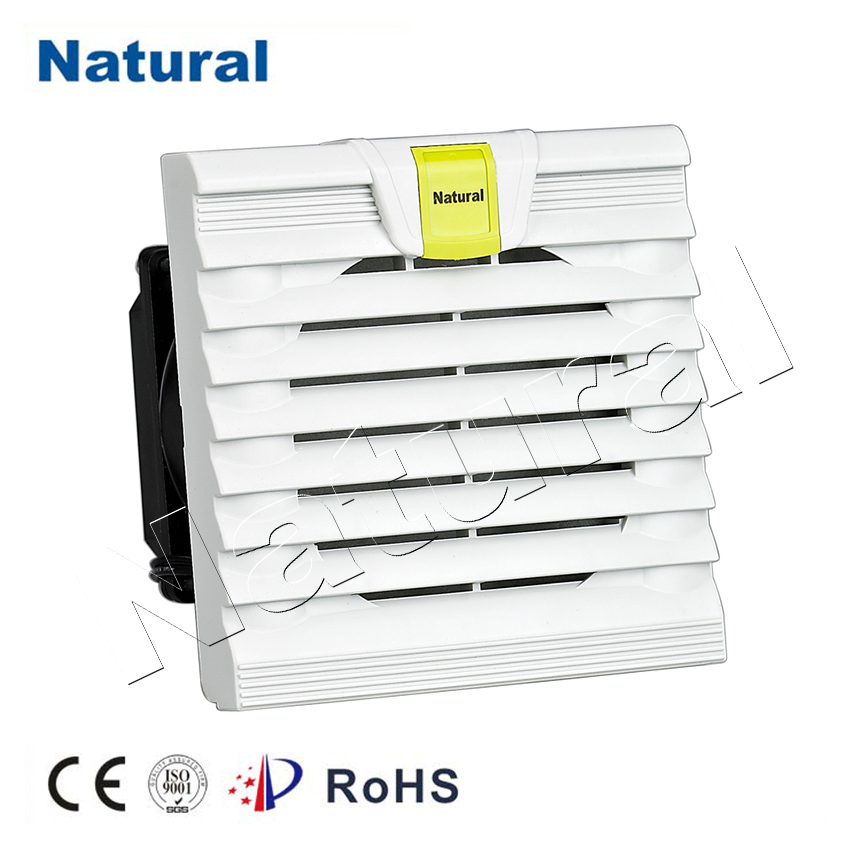
air filter cabinet

Understanding Air Filter Cabinets An air filter cabinet is a specialized piece of equipment designed to improve indoor air quality by effectively removing contaminants and pollutants from the air. It operates by drawing in air through a series of filters that capture particles such as dust, pollen, pet dander, and even harmful microorganisms. The purified air is then released back into the room, promoting a cleaner and healthier living space. The Benefits of Air Filter Cabinets Particle Removal:Airborne particles are a common source of allergies and respiratory issues. Air filter cabinets excel in removing these particles, making them an ideal choice for individuals prone to allergies or asthma. By reducing particle concentration, they create an environment that is more comfortable and safer to breathe in. Microorganism Elimination:In addition to particles, air filter cabinets are effective at removing harmful microorganisms like bacteria, viruses, and mold spores. This is particularly important in spaces where hygiene and health are paramount, such as hospitals, clinics, and childcare centers. Odor Reduction:Airborne odors from cooking, pets, or household products can linger and create an unpleasant living environment. Air filter cabinets equipped with activated carbon filters can adsorb and neutralize these odorous molecules, leaving the air smelling fresher. Improved Respiratory Health:Clean air is essential for maintaining healthy respiratory systems. By reducing the number of pollutants in the air, air filter cabinets contribute to better lung health and can decrease the risk of respiratory illnesses over time. Enhanced Overall Well-being:Breathing clean air isn’t just about physical health; it also has a positive impact on mental and emotional well-being. Fresh air promotes relaxation, focus, and overall happiness, making air filter cabinets an investment in your quality of life. Choosing the Right Air Filter Cabinet When considering an air filter cabinet, several factors come into play: Filter Efficiency:The effectiveness of an air filter cabinet depends on the quality of its filters. Look for cabinets with HEPA (High-Efficiency Particulate Air) filters, which are capable of capturing particles as small as 0.3 microns in size. Room Size:Select an air filter cabinet with the appropriate capacity for the room it will be placed in. Manufacturers usually provide guidelines on the square footage their units can effectively serve. Additional Features:Some air filter cabinets come with advanced features such as smart sensors that detect air quality levels and adjust filtration speed accordingly. These features can enhance the efficiency of the unit and make maintenance easier. Maintenance:Regular maintenance is essential to ensure optimal performance. Check the manufacturer’s recommendations for filter replacement and cleaning intervals. Conclusion In a world where indoor air quality is increasingly compromised by pollution and allergens, air filter cabinets offer a breath of fresh air – quite literally. By removing particles, microorganisms, and odors, these cabinets contribute to healthier living environments and improved well-being. When selecting an air filter cabinet, considering factors such as filter efficiency and room size will help you make an informed decision. Investing in an air filter cabinet is an investment in your health and the health of your loved ones, creating a more comfortable and safer space to thrive in.
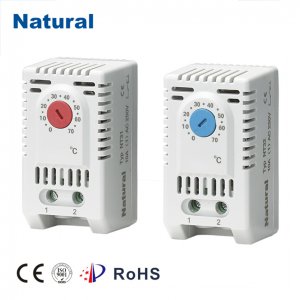
“The Ingenious Invention of the Adjustable Temperature Control Switch”

In the realm of modern technology, there exist numerous innovations that have revolutionized our daily lives. Among these, the adjustable temperature control switch stands as a testament to human ingenuity and our constant pursuit of convenience and efficiency. In this article, we will delve into the fascinating world of the adjustable temperature control switch, exploring its origins, functions, and the myriad ways it enhances our lives.

adjustable temperature control switch

A Brief History To truly appreciate the adjustable temperature control switch, we must first understand its origins. The concept of controlling temperature has been a part of human existence for centuries. From the rudimentary campfires of our ancestors to the complex climate control systems of today, the quest to regulate temperature has been relentless. The adjustable temperature control switch as we know it today owes its existence to a series of breakthroughs in electrical engineering. In the late 19th century, inventors like Warren S. Johnson and Albert Butz began tinkering with the idea of automatic temperature control. Their work laid the foundation for the modern thermostat, a device that would eventually evolve into the adjustable temperature control switch. The Inner Workings At its core, the adjustable temperature control switch is a versatile device that allows users to set and maintain specific temperature levels within a given space. It functions by monitoring the ambient temperature and, when necessary, activating heating or cooling systems to maintain the desired temperature. This ability to adapt to changing conditions is what makes it truly remarkable. Inside the adjustable temperature control switch, you’ll find a variety of components, including sensors, relays, and a microcontroller. The sensor continually measures the temperature, sending data to the microcontroller, which then determines if any action is required. If the temperature deviates from the preset level, the microcontroller signals the appropriate heating or cooling system to activate, thus restoring equilibrium. Applications Galore The applications of the adjustable temperature control switch are diverse and wide-reaching. In residential settings, it keeps our homes comfortable year-round, allowing us to escape the sweltering heat of summer and the bone-chilling cold of winter. Moreover, it helps us conserve energy by only operating heating and cooling systems when needed, contributing to both our comfort and environmental sustainability. In commercial and industrial settings, adjustable temperature control switches play a crucial role in maintaining product quality and process efficiency. They are integral in environments like laboratories, data centers, and manufacturing facilities where temperature control is paramount. Smart Technology Integration With the advent of the Internet of Things (IoT), adjustable temperature control switches have become even more intelligent and user-friendly. Today’s devices often feature Wi-Fi connectivity and can be controlled remotely through smartphone apps. This means you can adjust your home’s temperature while you’re miles away, ensuring comfort upon your arrival. Furthermore, these switches can learn from your preferences and adapt accordingly. They analyze usage patterns and make automatic adjustments to optimize energy efficiency. This level of automation not only enhances comfort but also reduces energy bills, making it a win-win for both consumers and the planet. The Future of Temperature Control As technology continues to advance, we can only expect greater innovations in temperature control. Whether it’s through more efficient algorithms, improved sensors, or increased integration with renewable energy sources, the future of adjustable temperature control switches looks promising. In conclusion, the adjustable temperature control switch is an ingenious invention that has transformed the way we interact with our environments. From its humble beginnings as a simple thermostat to its current status as a smart, adaptive device, it has come a long way in enhancing our comfort and reducing our carbon footprint. As we look ahead, we can only anticipate further developments that will make our lives even more comfortable and sustainable.

The Versatility of Adjustable Mechanical Thermostats

In today’s modern world, where technology is rapidly advancing, it’s easy to overlook the simplicity and effectiveness of older mechanical devices. One such device that has stood the test of time is the adjustable mechanical thermostat. This unassuming piece of engineering has been a cornerstone of temperature control for decades, offering reliability and ease of use. In this article, we will explore the various aspects of adjustable mechanical thermostats, their working principles, advantages, and the role they continue to play in our lives.

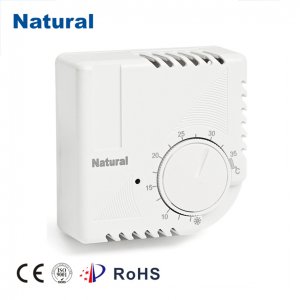
adjustable mechanical thermostat

The Anatomy of an Adjustable Mechanical Thermostat An adjustable mechanical thermostat is a temperature control device that operates using basic mechanical principles. It consists of several key components: Temperature Sensing Element: This element, often a bimetallic coil or a gas-filled bulb, is sensitive to temperature changes. When the temperature around it rises or falls, the sensing element responds accordingly. Switch Mechanism: The sensing element is connected to a switch mechanism. When the temperature reaches a certain set point, the switch is triggered, either opening or closing an electrical circuit. Adjustment Mechanism: The user can adjust the desired temperature by turning a knob or dial. This action changes the set point at which the switch is triggered. Differential Adjustment: Some adjustable mechanical thermostats allow for the adjustment of the temperature differential, which determines the range within which the temperature can fluctuate before the thermostat activates. How It Works The adjustable mechanical thermostat relies on the principle of thermal expansion. When the temperature rises or falls, the sensing element expands or contracts. This movement is translated into mechanical motion that activates the switch. For instance, when used in heating systems, if the temperature drops below the set point, the sensing element contracts, causing the switch to close and turn on the heating element. Conversely, if the temperature rises above the set point, the sensing element expands, opening the switch and turning off the heating source. Advantages of Adjustable Mechanical Thermostats Reliability: One of the most significant advantages of adjustable mechanical thermostats is their reliability. They have no electronic components that can fail, making them a dependable choice for temperature control. Cost-Effective: Mechanical thermostats are often more affordable than their digital counterparts, making them an attractive option for budget-conscious consumers. Ease of Use: Their straightforward design and intuitive controls make adjustable mechanical thermostats easy to operate and adjust without the need for programming or technical knowledge. Longevity: Mechanical thermostats have a longer lifespan compared to electronic ones, as they are less susceptible to wear and tear. Compatibility: These thermostats can be used with a wide range of heating and cooling systems, making them versatile for various applications. Applications Adjustable mechanical thermostats find applications in a multitude of environments, from residential heating and cooling systems to industrial processes. They are commonly used in ovens, refrigerators, HVAC systems, and water heaters. Their reliability and simplicity make them ideal for situations where precise temperature control is not a critical requirement. Conclusion In an era dominated by digital technology, the adjustable mechanical thermostat remains a testament to the enduring value of simplicity and reliability. Its ability to perform its function without the need for complex electronics has secured its place in our daily lives. Whether it’s keeping our homes comfortable or maintaining industrial processes, these unassuming devices continue to play a vital role in temperature control. As we move forward with advancements in technology, let’s not forget the enduring appeal and utility of the adjustable mechanical thermostat.

The Versatility and Efficiency of 12V Heaters

12V heaters have become indispensable in various applications, offering efficient and reliable heating solutions. Whether you’re camping in the wilderness, living in a mobile home, or simply need an extra source of warmth during the winter, these compact devices have proven themselves as dependable companions. In this article, we will explore the versatility and efficiency of 12V heaters and why they have gained popularity in diverse scenarios.

12v heater

1. Portability and Convenience One of the most significant advantages of 12V heaters is their portability. These heaters are designed to operate on the standard 12-volt electrical systems commonly found in vehicles, boats, and recreational vehicles. This means you can easily take them wherever you go. Camping trips, road trips, and boating adventures are all made more comfortable with the assurance of a 12V heater to keep you warm. 2. Energy Efficiency 12V heaters are known for their energy efficiency. They draw power directly from your vehicle’s battery or another 12V power source, minimizing energy wastage. Compared to traditional home heaters, which often rely on larger, energy-consuming systems, 12V heaters are a more sustainable option. They provide a cost-effective heating solution while reducing your carbon footprint. 3. Safety Features Safety is a top priority when it comes to heating devices, and 12V heaters are no exception. Many models come equipped with safety features such as overheat protection and automatic shutoff mechanisms. These features ensure that the heater doesn’t become a fire hazard, giving you peace of mind while you enjoy its warmth. 4. Variety of Models 12V heaters come in various forms to cater to different needs. Some common types include: Ceramic Heaters:These are compact and efficient heaters suitable for small spaces like cars or tents. Fan Heaters:These heaters distribute warm air quickly, making them ideal for larger areas. Defrost Heaters:Used to prevent frost buildup on windshields, ensuring clear visibility while driving. Engine Block Heaters:These are essential for cold climates, helping engines start more easily in freezing conditions. 5. Quiet Operation Unlike some traditional heaters that can be noisy, 12V heaters are known for their quiet operation. This feature makes them particularly appealing for use in small, enclosed spaces where noise can be disruptive. 6. Off-Grid Heating For those who live off the grid or in remote areas, 12V heaters provide a reliable heating option. They can be powered by solar panels, auxiliary battery systems, or generators, allowing you to stay warm even without access to traditional power sources. 7. Economic Benefits Installing a 12V heater in your vehicle or living space can lead to significant cost savings. You won’t need to rely on expensive propane or electric heating systems, making 12V heaters a wise investment in the long run. 8. DIY Installation Many 12V heaters are designed for easy installation, making them accessible to DIY enthusiasts. With basic electrical knowledge, you can set up a 12V heating system in your vehicle or camper, saving on installation costs. In conclusion, 12V heaters offer a versatile and efficient heating solution for a wide range of applications. Their portability, energy efficiency, safety features, and variety of models make them a valuable addition to any adventure or living space. Whether you’re seeking warmth during outdoor escapades or need a reliable backup heating source, 12V heaters prove their worth time and again. Make the smart choice by embracing the convenience and reliability of 12V heaters in your life.

Maximizing Power Distribution Efficiency with APC PDUs

In today’s technology-driven world, efficient power distribution is crucial for maintaining the optimal performance of data centers, server rooms, and other critical IT environments. This is where APC Power Distribution Units (PDUs) come into play. With their advanced features and intelligent design, APC PDUs have become an indispensable component in modern power management strategies.

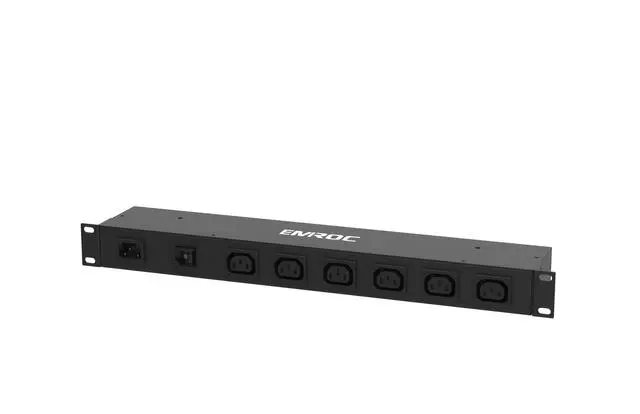
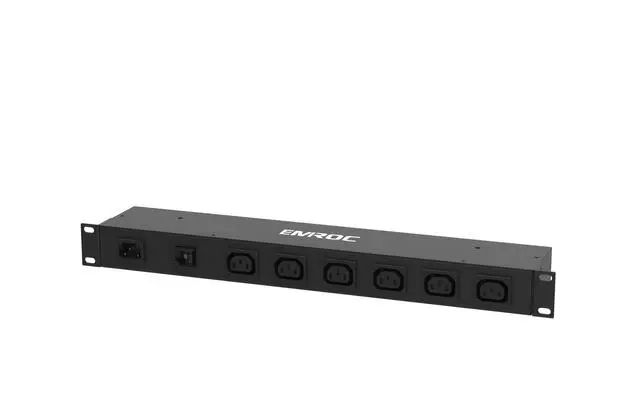
APC PDU

Efficiency at the Core APC PDUs are engineered to deliver power to servers and networking equipment in the most efficient way possible. Traditional power strips lack the sophistication needed to ensure balanced power distribution and monitor energy consumption. In contrast, APC PDUs offer precise monitoring, control, and management capabilities, allowing administrators to maintain a close watch on power usage down to the outlet level. Remote Management and Monitoring One of the standout features of APC PDUs is their remote management functionality. Administrators can access real-time data and control outlets remotely, which significantly reduces the need for physical intervention. This not only saves time but also minimizes downtime caused by power-related issues. By providing the ability to remotely reboot servers or shut down non-essential equipment during emergencies, APC PDUs enhance the reliability and availability of critical systems. Outlet-Level Control APC PDUs go beyond basic power distribution by offering outlet-level control. This means that administrators can turn individual outlets on or off, providing a level of granularity that can help manage power consumption effectively. For instance, during periods of low demand, non-essential equipment can be powered down, contributing to energy savings and a greener IT infrastructure. Intelligent Alerts and Notifications Unanticipated power events can have severe consequences. APC PDUs are equipped with intelligent alert systems that promptly notify administrators about power irregularities. Whether it’s a sudden spike in energy consumption or a critical circuit overload, these alerts empower administrators to take swift action and prevent potential downtime or damage. Scalability and Adaptability As businesses grow, so does their IT infrastructure. APC PDUs are designed with scalability in mind, accommodating the changing power demands of expanding operations. New equipment can be seamlessly integrated, and additional PDUs can be deployed without disrupting ongoing operations. This adaptability ensures that power distribution remains optimized as businesses evolve. Energy Efficiency and Cost Savings Energy efficiency is a top priority in today’s world, not just for environmental reasons but also to reduce operational costs. APC PDUs aid in this effort by providing visibility into energy consumption patterns. Armed with this data, administrators can identify areas of inefficiency and implement corrective measures, leading to reduced energy waste and lower utility bills. Conclusion In the realm of power distribution, APC PDUs shine as indispensable tools for modern IT environments. Their intelligent design, remote management capabilities, outlet-level control, and energy efficiency features make them pivotal in ensuring the reliable and efficient operation of critical systems. As technology continues to advance and data centers become more complex, APC PDUs will remain at the forefront of efficient power management, supporting businesses in their quest for seamless operations and sustainable practices.

Enhancing Efficiency and Reliability with Power Distribution Units (PDUs)

In today’s rapidly evolving technological landscape, where the seamless operation of various devices and systems is crucial, the significance of efficient power management cannot be overstated. One unsung hero in this realm is the Power Distribution Unit, commonly known as a PDU. This unassuming device plays a pivotal role in ensuring the steady and reliable supply of electricity to a plethora of equipment, making it an indispensable component in modern infrastructure.

power distribution unit

A Power Distribution Unit serves as the nerve center of power distribution within data centers, offices, industrial setups, and virtually any environment where multiple electronic devices are employed. Its primary function is to receive power from a primary source and distribute it to various connected devices, all while offering protection, monitoring, and control capabilities. Distribution and Control:One of the core functions of a PDU is to efficiently distribute power to connected devices. PDUs come in various configurations, including basic, metered, monitored, and switched PDUs. Basic PDUs provide a simple distribution of power without advanced monitoring or control features. Metered PDUs monitor power consumption at the outlet level, enabling users to keep a close watch on energy usage. Monitored PDUs go a step further by providing real-time data on power consumption, voltage, and current, allowing for better load balancing and optimization. Switched PDUs offer the highest level of control, allowing users to remotely turn outlets on or off, effectively rebooting devices and managing power remotely. This variety of options ensures that users can select the PDU that best suits their specific requirements. Reliability and Redundancy:In critical applications, downtime is not an option. PDUs contribute significantly to system reliability by incorporating redundancy features. Dual-input PDUs, for instance, can be connected to two separate power sources, ensuring uninterrupted power supply even if one source fails. This level of redundancy enhances system uptime and prevents costly interruptions in operations. Remote Management:The ability to manage power distribution remotely is a crucial advantage in modern setups. Intelligent PDUs can be accessed and controlled through web interfaces or network protocols, allowing administrators to monitor power consumption, adjust settings, and even perform remote power cycling. This remote manageability proves invaluable in troubleshooting and maintaining equipment without the need for physical presence. Power Protection:PDUs provide essential protection mechanisms to safeguard connected devices against power anomalies. Surges, spikes, and electrical noise can wreak havoc on sensitive electronics. High-quality PDUs are equipped with surge protection and circuit breakers to prevent such disturbances from causing damage. This layer of protection extends the lifespan of equipment and reduces the risk of data loss. Scalability and Adaptability:As organizations grow and technological needs evolve, PDUs offer a scalable solution. They can be easily integrated into existing setups or expanded to accommodate additional devices. This adaptability ensures that power distribution remains efficient and effective as the infrastructure expands. Energy Efficiency:Efforts towards sustainability have driven the development of energy-efficient PDUs. These units often feature features such as power monitoring, which helps identify areas of high consumption, allowing users to make informed decisions about energy usage and efficiency improvements. In conclusion, the Power Distribution Unit is an unsung hero in the realm of power management. Its ability to efficiently distribute power, offer control and monitoring capabilities, ensure reliability, and protect connected devices makes it an indispensable component of modern infrastructure. As technology continues to advance, PDUs will undoubtedly play an even more crucial role in maintaining the seamless operation of our interconnected world.

Advantages of Using a Dedicated PDU for Your Computer Room

In the modern digital age, computer rooms are at the heart of every organization, supporting critical IT infrastructure and enabling seamless operations. A crucial component of these computer rooms is the Power Distribution Unit (PDU), which efficiently manages and distributes electrical power to the various devices and servers. While traditional PDUs have been widely used, the emergence of Dedicated PDUs brings a new level of efficiency and control to the management of power within the computer room environment.

Dedicated PDU for computer room

A Dedicated PDU is a purpose-built power distribution solution designed specifically for computer rooms, offering a range of benefits that can significantly enhance the reliability, flexibility, and overall performance of your IT infrastructure. Enhanced Reliability:Dedicated PDUs are engineered with advanced features that prioritize the reliability of power distribution. Redundancy options, such as dual power feeds and automatic failover, ensure uninterrupted power supply to critical equipment even in the event of a failure. This reliability is paramount in preventing costly downtime and maintaining business continuity. Precise Power Monitoring:Dedicated PDUs provide granular power monitoring capabilities, allowing you to track energy consumption down to individual outlets and devices. Real-time monitoring and data logging empower administrators to identify power usage patterns, allocate resources efficiently, and implement energy-saving strategies. Remote Management:Modern Dedicated PDUs often come equipped with remote management capabilities, enabling IT personnel to monitor and control power distribution from a centralized location. This remote accessibility facilitates quick responses to power-related issues, reduces the need for on-site interventions, and contributes to proactive maintenance. Scalability and Customization:Computer room requirements evolve over time, necessitating changes in power distribution. Dedicated PDUs offer scalability options, enabling easy addition or removal of outlets and power feeds. Furthermore, these PDUs can be customized to accommodate specific voltage, current, and outlet configurations, ensuring optimal compatibility with diverse IT equipment. Load Balancing:Unbalanced power distribution can lead to overloading of circuits, resulting in potential system failures. Dedicated PDUs feature load balancing capabilities that intelligently distribute power loads across multiple circuits, preventing imbalances and optimizing energy utilization. Environmental Monitoring:Some Dedicated PDUs incorporate environmental sensors, allowing real-time monitoring of temperature, humidity, and other environmental factors within the computer room. Maintaining optimal environmental conditions is crucial for preserving the longevity and reliability of sensitive IT equipment. Reduced Clutter and Improved Organization:Cable management is a critical aspect of maintaining an organized and efficient computer room. Dedicated PDUs often feature cable management solutions that reduce clutter, improve airflow, and enhance the overall aesthetics of the environment. In conclusion, the adoption of a Dedicated PDU for your computer room can provide a multitude of advantages that contribute to the seamless operation and longevity of your IT infrastructure. Enhanced reliability, precise power monitoring, remote management, scalability, load balancing, environmental monitoring, and improved organization are among the key benefits that make Dedicated PDUs a compelling choice for modern computer room environments. As technology continues to evolve, investing in the right power distribution solution is a strategic move to ensure the sustained performance and success of your organization’s critical IT operations.

“China PDU OEM Factory: Powering Innovation and Quality”

China has long been recognized as a global manufacturing hub, producing a wide range of products for various industries. Among the numerous manufacturing sectors in China, the Power Distribution Unit (PDU) OEM (Original Equipment Manufacturer) factories have gained significant attention for their ability to produce high-quality, innovative, and customizable PDUs. In this article, we will explore the world of China’s PDU OEM factories, delving into the factors that have contributed to their success and prominence on the global stage.

China PDU OEM factory

The Rise of China’s PDU OEM Factories The rise of China’s PDU OEM factories can be attributed to several key factors. Firstly, China has a robust manufacturing infrastructure that includes state-of-the-art production facilities, a skilled workforce, and access to abundant resources. This infrastructure enables PDU OEM factories in China to efficiently design, produce, and deliver PDUs to meet the diverse needs of customers worldwide. Quality and Innovation Quality is paramount in the PDU industry, and China’s OEM factories have consistently demonstrated their commitment to producing top-notch products. These factories adhere to strict quality control measures throughout the manufacturing process, from sourcing raw materials to final product assembly. This dedication to quality has earned them recognition and trust from clients globally. Moreover, innovation is a driving force behind China’s PDU OEM factories. These factories invest in research and development to create PDUs that incorporate the latest technological advancements, such as smart power monitoring, surge protection, and remote management capabilities. This focus on innovation ensures that their products remain competitive in a rapidly evolving market. Customization Options One of the key strengths of China’s PDU OEM factories is their ability to offer a wide range of customization options. They understand that different industries and applications require unique power distribution solutions. Whether it’s designing PDUs for data centers, medical facilities, or industrial applications, these factories have the flexibility to tailor their products to meet specific customer requirements. This customization capability sets them apart from many competitors. Global Reach China’s PDU OEM factories have a global reach, with their products exported to countries all over the world. Their ability to produce PDUs in large quantities at competitive prices has made them a preferred choice for international clients. The factories also work closely with clients to navigate complex international standards and regulations, ensuring seamless delivery and compliance. Sustainability and Environmental Responsibility As environmental concerns continue to grow, China’s PDU OEM factories have taken steps to address sustainability and environmental responsibility. Many of these factories have adopted eco-friendly manufacturing practices, such as using recyclable materials and reducing energy consumption. This commitment to sustainability aligns with the global trend toward green technology solutions. Challenges and Opportunities While China’s PDU OEM factories have achieved remarkable success, they also face challenges. Competition within the PDU manufacturing industry is fierce, both domestically and internationally. Staying ahead requires continuous investment in technology and research. Additionally, navigating global trade dynamics and regulations can be complex. However, these challenges are accompanied by significant opportunities. The increasing demand for reliable power distribution solutions in emerging markets, coupled with the growing trend toward smart and energy-efficient PDUs, presents a wealth of opportunities for China’s PDU OEM factories to expand their global footprint. Conclusion China’s PDU OEM factories have emerged as leaders in the power distribution industry, offering high-quality, innovative, and customizable solutions to clients worldwide. Their commitment to quality, innovation, and sustainability sets them apart in a competitive market. As the world’s demand for reliable and efficient power distribution solutions continues to grow, China’s PDU OEM factories are well-positioned to play a pivotal role in powering innovation and quality across industries.

Customization of PDUs: Tailoring Power Distribution for Your Unique Needs

In today’s rapidly evolving technological landscape, the demand for adaptable and efficient power distribution solutions has never been greater. Power Distribution Units (PDUs) serve as the backbone of any data center, ensuring that critical equipment remains powered and operational. However, not all PDUs are created equal, and generic solutions may not always meet the specific requirements of your infrastructure. This is where PDU customization comes into play, allowing organizations to tailor their power distribution systems to their unique needs.

PDU customization

Understanding PDU Customization PDU customization refers to the process of designing and manufacturing Power Distribution Units that are tailored to a company’s specific requirements. Rather than settling for off-the-shelf PDUs, which may not offer the exact features and specifications needed, customization empowers businesses to optimize their power distribution infrastructure for improved efficiency, reliability, and scalability. Why Customize PDUs? 1. Enhanced Efficiency Efficiency is paramount in today’s data-driven world. Customized PDUs allow organizations to design power distribution solutions that are highly efficient, reducing energy wastage and operational costs. By configuring PDUs to match the exact power requirements of their equipment, companies can minimize power losses and ensure optimal energy utilization. 2. Scalability As businesses grow and evolve, their power needs change as well. Customized PDUs can be designed with scalability in mind, accommodating future expansions without the need for significant infrastructure overhauls. This adaptability is crucial for industries where rapid growth is the norm. 3. Increased Reliability Downtime is costly and disruptive. Customized PDUs can incorporate redundant power paths, failover mechanisms, and advanced monitoring systems to enhance reliability. These features provide greater protection against power disruptions, ensuring continuous operations. 4. Flexibility Off-the-shelf PDUs may not always align with the unique layout and design of your data center or server room. Customization allows you to adapt the form factor, input/output configurations, and mounting options of your PDUs to fit seamlessly into your existing infrastructure. 5. Compliance Certain industries and regions have specific regulations and standards for power distribution. Customized PDUs can be designed to meet these requirements, ensuring that your organization remains in compliance with all relevant regulations. The Customization Process Customizing PDUs involves a collaborative effort between the organization and a trusted PDU manufacturer. Here are the key steps in the customization process: 1. Needs Assessment Begin by conducting a thorough assessment of your power requirements, taking into account current and future needs. Identify any unique challenges or constraints that need to be addressed. 2. Design and Engineering Work closely with the PDU manufacturer to design a customized solution. This includes selecting the appropriate form factor, input/output configurations, monitoring options, and any additional features required. 3. Prototype and Testing A prototype of the customized PDU is typically developed for testing and validation. This ensures that the PDU meets all specifications and performance requirements. 4. Manufacturing Once the prototype is approved, the manufacturing process begins. The customized PDUs are built to exact specifications and undergo quality control measures. 5. Installation and Integration After manufacturing, the customized PDUs are installed and integrated into your existing infrastructure. This may involve working with professional electricians and data center technicians to ensure a seamless deployment. Conclusion In a world where data and connectivity are vital, the customization of PDUs offers a strategic advantage. Tailoring your power distribution infrastructure to meet your unique needs not only improves efficiency, reliability, and scalability but also ensures compliance with industry standards. By partnering with a trusted PDU manufacturer and investing in customization, organizations can future-proof their data centers and gain a competitive edge in an ever-evolving digital landscape.

Understanding PDU: Power Distribution Units in Modern Data Centers

In the fast-paced world of modern technology, data centers play a pivotal role in ensuring seamless operations for businesses, organizations, and individuals alike. Within these data centers, a crucial yet often overlooked component is the Power Distribution Unit (PDU). In this article, we will delve into the world of PDUs, exploring their significance, types, and the critical role they play in maintaining the integrity of data center operations.

PDU

What is a PDU? A Power Distribution Unit (PDU) is an electrical device designed to distribute power to various IT equipment, such as servers, switches, and storage devices, within a data center or server room. PDUs are responsible for delivering a steady and reliable supply of electricity to these critical components, ensuring uninterrupted data processing and storage. Types of PDUs There are several types of PDUs available in the market, each catering to specific needs and preferences: Basic PDUs: These provide a simple and cost-effective solution for distributing power to IT equipment. Basic PDUs are ideal for small to medium-sized data centers. Metered PDUs: Metered PDUs offer real-time power usage monitoring, enabling data center administrators to track energy consumption and make informed decisions about resource allocation and energy efficiency. Switched PDUs: Switched PDUs provide remote power management capabilities. Administrators can turn outlets on or off remotely, reboot unresponsive equipment, and schedule power cycling to minimize downtime. Monitored PDUs: Monitored PDUs offer power monitoring without remote switching capabilities. They provide valuable insights into energy usage and help prevent overloads. Intelligent or Smart PDUs: These advanced PDUs combine metering, monitoring, and remote management capabilities. They are highly versatile and offer a wide range of features to optimize data center operations. The Importance of PDUs Reliability: PDUs are the backbone of a data center’s power distribution system. Their reliability ensures that mission-critical equipment receives a continuous power supply, minimizing the risk of downtime and data loss. Efficiency: PDUs help data centers optimize energy usage, reducing operational costs and environmental impact. Monitoring features enable administrators to identify energy-hungry equipment and make necessary adjustments. Remote Management: In today’s digital landscape, remote management is crucial. PDUs with remote capabilities allow administrators to perform maintenance tasks, troubleshoot issues, and make adjustments without being physically present, saving time and resources. Scalability: As data centers grow, the demand for power distribution also increases. PDUs can be easily scaled to accommodate additional equipment and ensure that power is evenly distributed across the data center. Data Center Design: PDUs play a crucial role in data center design and layout. Proper placement and configuration of PDUs help optimize airflow and cooling, contributing to the overall efficiency and reliability of the facility. Challenges and Considerations While PDUs offer numerous benefits, they also come with their own set of challenges and considerations. These include: Overloading: Improperly configured or overloaded PDUs can lead to overheating and equipment failure. Regular monitoring and capacity planning are essential. Compatibility: When selecting PDUs, compatibility with existing equipment and future expansion plans must be taken into account. Redundancy: Redundant PDUs are crucial for ensuring high availability. Data centers often employ A-B power configurations to prevent downtime in case of PDU failure. Security: Remote management capabilities must be secured to prevent unauthorized access to critical infrastructure. In conclusion, Power Distribution Units are unsung heroes in the world of data centers. They provide the lifeblood of electricity to the servers and equipment that power our digital world. Understanding the types and importance of PDUs, along with the associated challenges, is vital for data center administrators and organizations seeking to maintain reliable and efficient operations in an increasingly data-dependent world. As technology continues to evolve, so too will the role and capabilities of PDUs in supporting the backbone of our digital infrastructure.