Monthly Archives: September 2023

Understanding Cabinet Filters: An Overview and Applications

Cabinet filters, often referred to as cabin filters or HVAC filters, play a vital role in maintaining indoor air quality and ensuring the efficient functioning of heating, ventilation, and air conditioning (HVAC) systems. In this article, we will explore what cabinet filters are, how they work, and their various applications in improving air quality and system performance.
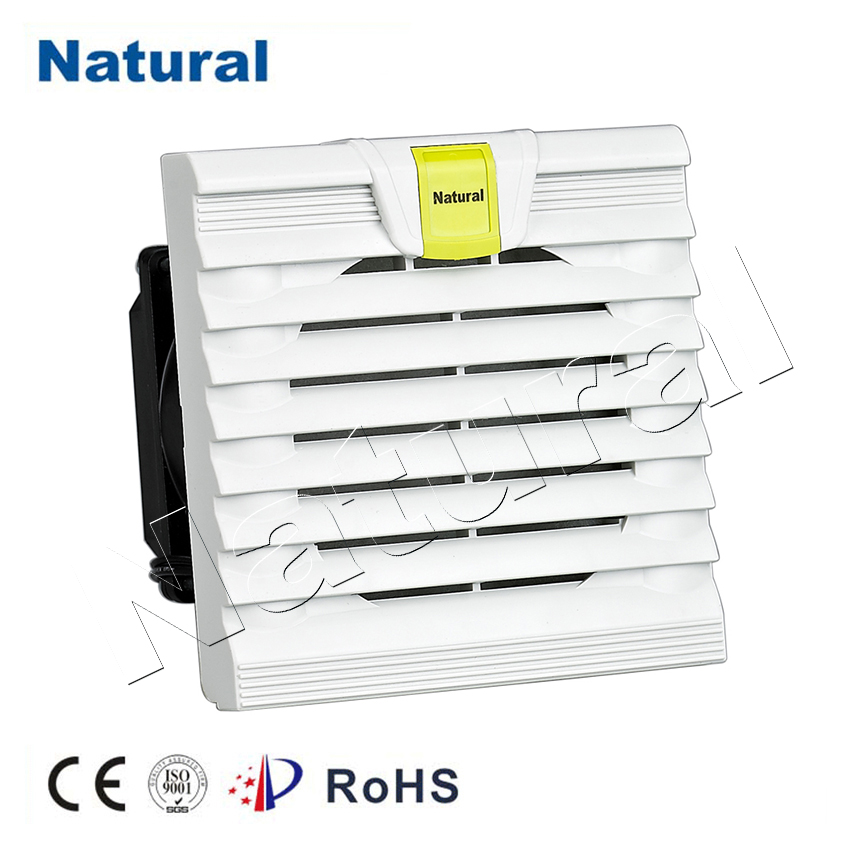
cabinet filter

What Are Cabinet Filters? Cabinet filters are mechanical air filters designed to capture and remove airborne particles, such as dust, pollen, pet dander, and contaminants, from the air circulating within a building. They are typically installed within HVAC systems, either in the return air duct or at the air handler unit. These filters are available in various sizes, shapes, and materials, each designed to serve specific purposes. How Do Cabinet Filters Work? Cabinet filters operate on the principle of mechanical filtration. As air passes through the filter, a mesh or fibrous material traps and retains particles suspended in the air. The effectiveness of a cabinet filter is measured by its MERV (Minimum Efficiency Reporting Value) rating, which ranges from 1 (lowest efficiency) to 20 (highest efficiency). A higher MERV rating indicates a filter’s ability to capture smaller particles and provide better air quality. Applications of Cabinet Filters Improving Indoor Air Quality:One of the primary purposes of cabinet filters is to enhance indoor air quality by removing airborne pollutants and allergens. This is especially important in residential and commercial settings where occupants may suffer from allergies or respiratory conditions. High-efficiency filters with a MERV rating of 8 or above are commonly used for this purpose. Protecting HVAC Systems:Cabinet filters also help protect HVAC equipment by preventing the buildup of dust and debris on sensitive components like coils, fans, and motors. Cleaner system components operate more efficiently and have a longer lifespan, reducing maintenance costs. Enhancing Energy Efficiency:When HVAC systems are fitted with effective cabinet filters, they can operate with greater efficiency. Clean filters allow for better airflow, reducing the system’s energy consumption and lowering utility bills. Contaminant Control in Industrial Settings:In industrial facilities, cabinet filters are used to control and eliminate harmful contaminants, such as fumes, smoke, and airborne particles. Specialized filters, like HEPA (High-Efficiency Particulate Air) filters, are employed in these environments to ensure the highest level of air quality. Hospital and Healthcare Facilities:Hospitals and healthcare facilities use cabinet filters with high MERV ratings to maintain sterile environments and prevent the spread of airborne infections. Clean Rooms:Industries like pharmaceuticals, electronics manufacturing, and biotechnology rely on clean rooms equipped with HEPA or ULPA (Ultra-Low Penetration Air) filters to maintain a sterile and controlled atmosphere. Maintenance and Replacement Proper maintenance of cabinet filters is crucial for their effectiveness. Filters should be inspected regularly, and their replacement schedule should be followed to prevent clogs and reduce energy consumption. Depending on usage and the type of filter, replacement may be needed every one to three months. Conclusion Cabinet filters are essential components of HVAC systems that have a significant impact on indoor air quality and system performance. By understanding how they work and their various applications, individuals and businesses can make informed decisions to ensure clean, healthy air and efficient HVAC operation. Regular maintenance and the selection of the appropriate filter for a specific environment are key to maximizing the benefits of cabinet filters.
Exploring the Cabinet Filter: A Versatile Solution for Air Quality Improvement

In our modern world, concerns about air quality have become increasingly prevalent. From industrial pollutants to household allergens, the need to combat airborne impurities is more important than ever. One solution that has gained recognition for its effectiveness is the cabinet filter. In this article, we will delve into the world of cabinet filters, exploring their functionality, types, benefits, and how they contribute to healthier indoor environments.

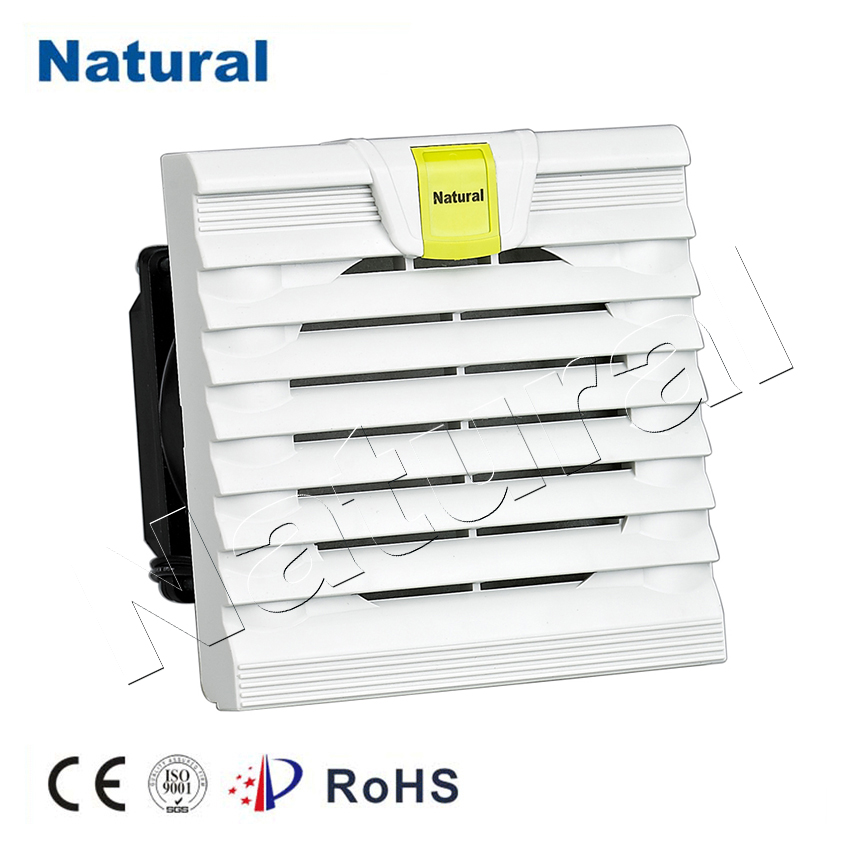
cabinet filter

Understanding Cabinet Filters A cabinet filter, often found in heating, ventilation, and air conditioning (HVAC) systems, is a crucial component responsible for filtering out particulate matter and contaminants from the air. It plays a pivotal role in improving indoor air quality, making it safer and more comfortable for occupants. Cabinet filters are typically composed of a frame, a filtering medium, and a mechanism for securing the filter within the HVAC system. Types of Cabinet Filters There are various types of cabinet filters designed to target specific contaminants: Mechanical Filters:These filters use a physical barrier, such as fiberglass or pleated paper, to trap particles as air passes through. They are effective against dust, pollen, pet dander, and other large particulates. Electrostatic Filters:Electrostatic cabinet filters use an electrostatic charge to attract and capture airborne particles. They can be more efficient in trapping smaller particles, such as smoke and fine dust. Activated Carbon Filters:These filters are known for their exceptional ability to adsorb odors, gases, and volatile organic compounds (VOCs). They are commonly used to improve indoor air quality by removing unwanted smells and pollutants. High-Efficiency Particulate Air (HEPA) Filters:HEPA filters are capable of capturing particles as small as 0.3 microns with an efficiency of 99.97%. They are particularly effective in removing allergens, bacteria, and viruses from the air. Benefits of Cabinet Filters Improved Air Quality:The primary benefit of cabinet filters is the enhancement of indoor air quality. They remove allergens, pollutants, and irritants, which can lead to a healthier living environment. Health Benefits:Cleaner air can reduce the risk of respiratory problems and allergies, making it especially beneficial for individuals with asthma or other respiratory conditions. Energy Efficiency:Cabinet filters can also contribute to the energy efficiency of HVAC systems by ensuring that airflows smoothly. This can lead to lower energy consumption and reduced utility bills. Extended Equipment Lifespan:Regular use of cabinet filters can protect HVAC equipment from dust and debris, extending their lifespan and reducing maintenance costs. Odor Control:Activated carbon cabinet filters are excellent for eliminating unpleasant odors, such as cooking smells or pet odors. Maintenance and Replacement To ensure cabinet filters continue to function effectively, regular maintenance is essential. Cleaning or replacing filters on a schedule recommended by the manufacturer will help maintain optimal air quality and system efficiency. Neglecting filter maintenance can result in reduced performance and increased energy consumption. Conclusion Cabinet filters are indispensable in the quest for better indoor air quality. By trapping and removing contaminants, they create a healthier living environment and offer numerous benefits, including improved health, energy efficiency, and equipment longevity. Whether it’s mechanical, electrostatic, activated carbon, or HEPA filters, choosing the right cabinet filter for your HVAC system can significantly enhance your overall quality of life. Remember, clean air is not just a luxury; it’s a necessity for a healthy and comfortable life.

Improving Cabinet Ventilation and Dust Control with Cabinet Fan Filters

In today’s rapidly evolving technological landscape, electronic equipment plays a pivotal role in both our personal and professional lives. From home entertainment systems to data centers, electronic cabinets house crucial components that require optimal cooling and protection from dust and debris. To achieve these objectives, cabinet fan filters have emerged as indispensable accessories. In this article, we will explore the importance of cabinet fan filters and how they enhance cabinet ventilation and dust control.

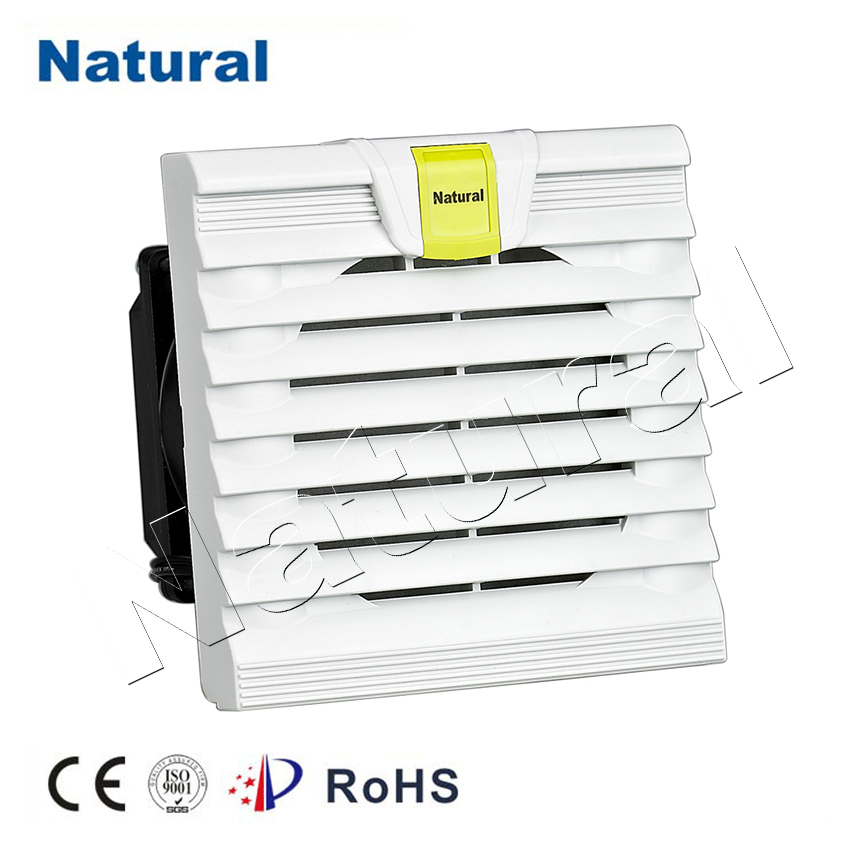
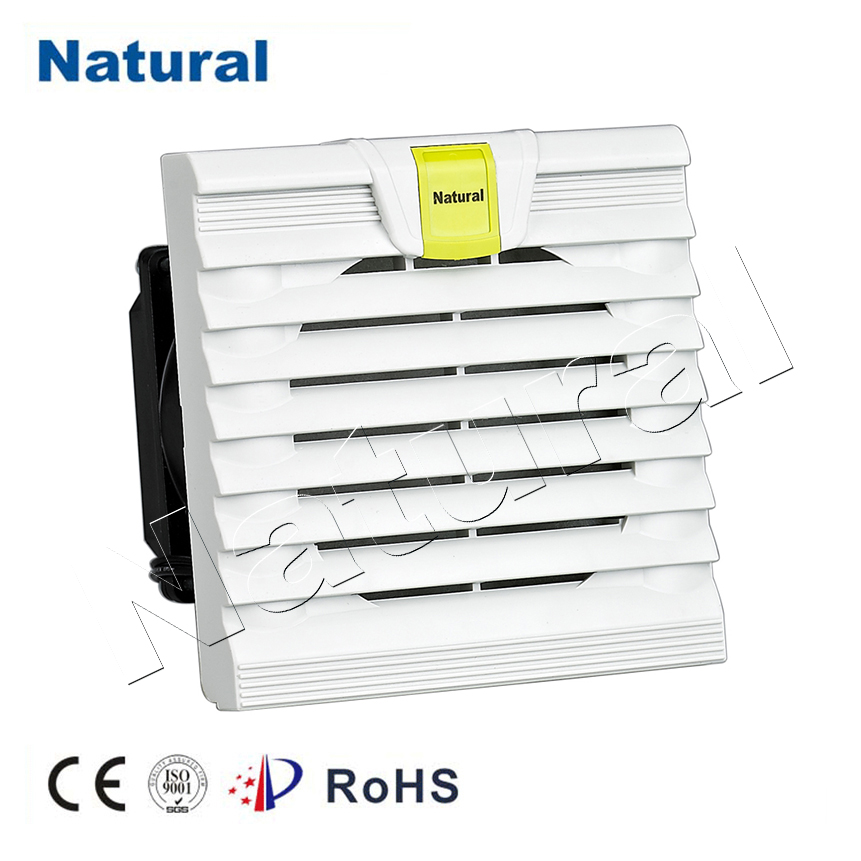
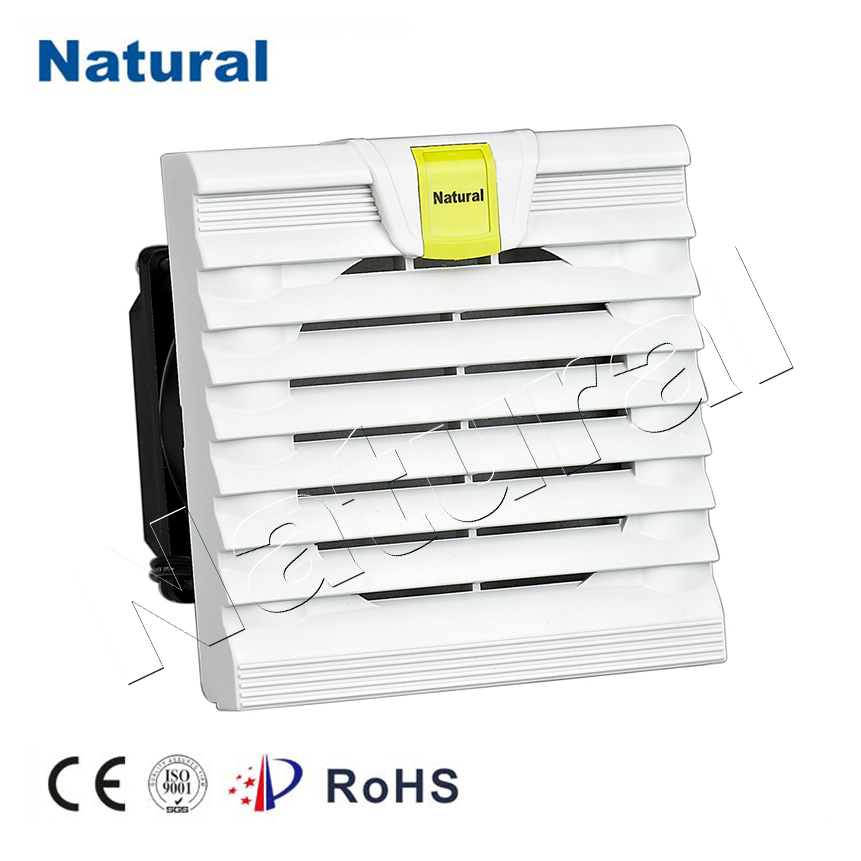
cabinet fan filter

The Need for Cabinet Ventilation and Dust Control Electronic cabinets are essentially enclosures designed to house various electronic components such as servers, routers, switches, and power supplies. These components generate heat during operation, and proper ventilation is crucial to dissipate this heat and prevent overheating, which can lead to component failure and system downtime. Furthermore, electronic cabinets are susceptible to dust and airborne contaminants that can accumulate over time. Dust can insulate components, obstruct airflow, and compromise the overall efficiency and lifespan of the equipment. It can also lead to costly maintenance and repairs. The Role of Cabinet Fan Filters Cabinet fan filters are specialized accessories designed to address these challenges. They serve two primary functions: improving cabinet ventilation and controlling dust ingress. Enhanced Cabinet Ventilation: Cabinet fan filters are equipped with fans that draw in fresh air and expel hot air from the cabinet. This airflow ensures that the internal temperature remains within the acceptable operating range for the installed components. Effective ventilation is vital for preventing overheating, reducing the risk of hardware failures, and extending the equipment’s lifespan. Additionally, efficient ventilation can contribute to energy savings. By maintaining optimal operating temperatures, equipment components can work more efficiently, reducing power consumption and associated costs. Dust Control: Cabinet fan filters are also equipped with filtration media that captures dust particles and other contaminants present in the surrounding environment. These filters act as barriers, preventing dust from entering the cabinet and settling on sensitive electronics. Dust control has several benefits: Improved Reliability:Reduced dust buildup minimizes the risk of short-circuits and electrical malfunctions, enhancing the overall reliability of the equipment. Reduced Maintenance:With less dust accumulation, maintenance intervals are extended, reducing the need for frequent cleaning and system downtime. Cost Savings:Longer equipment lifespan and reduced maintenance translate to cost savings over time. Environmental Impact:Lower energy consumption and longer equipment lifespan contribute to a reduced carbon footprint. Selecting the Right Cabinet Fan Filter When choosing a cabinet fan filter, several factors should be considered: Cabinet Size:Ensure that the filter is appropriate for the cabinet’s dimensions and airflow requirements. Filtration Efficiency:Consider the level of filtration required based on the environment and the sensitivity of the electronics. Fan Performance:Evaluate the fan’s airflow capacity and noise levels to ensure it meets your needs without causing excessive noise pollution. Maintenance:Opt for filters with easy-to-replace media to simplify maintenance tasks. Environmental Conditions:Choose filters designed to withstand the environmental conditions in which your cabinet operates, such as temperature and humidity extremes. Conclusion In the world of electronics, cabinet fan filters are unsung heroes, silently ensuring the smooth operation and longevity of critical equipment. By enhancing cabinet ventilation and controlling dust, these unassuming accessories contribute to improved performance, reduced downtime, and cost savings. Investing in the right cabinet fan filter tailored to your specific needs is a prudent choice for anyone seeking to safeguard their electronic investments. Whether it’s a home entertainment system or a data center filled with servers, cabinet fan filters are an essential component in maintaining optimal equipment health and performance.

Enhancing Cabinet Cooling and Dust Control with Cabinet Fan Filters

In today’s rapidly evolving technological landscape, electronic equipment plays a pivotal role in various industries. From data centers and telecommunications to industrial automation and home appliances, cabinets housing electronic components are ubiquitous. These cabinets are susceptible to overheating and dust accumulation, which can compromise their performance and lifespan. To mitigate these issues, cabinet fan filters have emerged as essential components for efficient cooling and dust control.

cabinet fan filter

The Need for Cabinet Fan Filters Electronic equipment generates heat as a byproduct of its operation. In enclosed cabinets, this heat can build up quickly, leading to overheating and potential damage to sensitive components. Cabinet fan filters address this issue by improving airflow within the cabinet. They are designed to dissipate heat effectively and maintain a stable operating temperature for the enclosed electronics. Additionally, dust and airborne particles pose a significant threat to electronic components. Over time, dust accumulation can impede airflow, clog ventilation pathways, and cause short circuits. Cabinet fan filters act as a barrier against dust, ensuring that only clean air enters the cabinet. This protection extends the lifespan of electronic equipment and reduces the need for costly maintenance and repairs. How Cabinet Fan Filters Work Cabinet fan filters are relatively simple in design but highly effective in function. They consist of a frame typically made of lightweight, durable materials such as aluminum or plastic, and a filter media. The filter media is where the magic happens – it captures dust particles and prevents them from entering the cabinet. Installation is straightforward. Cabinet fan filters are designed to fit snugly over the intake or exhaust fans of the cabinet. As air is drawn into or expelled from the cabinet, it passes through the filter media, which traps dust and particles. This ensures that the air circulating within the cabinet remains clean and dust-free. Benefits of Cabinet Fan Filters Enhanced Cooling:By improving airflow, cabinet fan filters help maintain optimal operating temperatures for electronic equipment, preventing overheating and associated performance issues. Dust Control:The primary function of cabinet fan filters is to prevent dust from entering the cabinet. This significantly reduces the risk of component damage, short circuits, and system failures. Extended Equipment Lifespan:With proper dust control and cooling, electronic components are more likely to have a longer lifespan, reducing the need for frequent replacements. Energy Efficiency:Efficient cooling and reduced dust buildup mean that electronic equipment operates at peak efficiency, consuming less energy and lowering operational costs. Reduced Maintenance:Cabinet fan filters are cost-effective solutions that reduce the need for regular maintenance and cleaning of cabinets, saving both time and money. Improved Air Quality:In applications like data centers, where air quality is critical, cabinet fan filters help maintain a clean and dust-free environment for sensitive equipment. Choosing the Right Cabinet Fan Filter Selecting the appropriate cabinet fan filter is crucial to maximizing its benefits. Consider factors such as the size of the cabinet, the type of equipment housed within, and the operating environment. Different filters offer varying levels of filtration, so choose one that suits your specific needs. In conclusion, cabinet fan filters are indispensable components for anyone dealing with electronic cabinets. They provide efficient cooling, dust control, and improved equipment longevity. By investing in quality cabinet fan filters, you not only protect your valuable electronic equipment but also ensure its optimal performance and reliability. In today’s fast-paced technological world, these filters are the unsung heroes that keep our electronics running smoothly.

Cabinet Fans vs. Filter Fans: Choosing the Right Cooling Solution

In today’s fast-paced technological landscape, electronic equipment has become an integral part of our lives. From servers powering our favorite websites to the myriad of devices that make our homes smart, these electronics generate heat, which can be detrimental to their performance and longevity. To combat this issue, cabinet fans and filter fans have emerged as essential cooling solutions. In this article, we will explore the differences between cabinet fans and filter fans, helping you make an informed decision for your specific needs.

cabinet fan and filter fan

Cabinet Fans: Power in Precision Cabinet fans are compact, precision cooling devices designed to maintain a stable temperature within electronic enclosures. They are mounted directly onto the cabinet wall or installed inside the enclosure, typically at the top, to extract hot air and dissipate it into the environment. These fans are often used in situations where precision control of temperature and humidity is essential. One key advantage of cabinet fans is their ability to maintain a consistent temperature throughout the enclosure, ensuring that sensitive electronic components operate optimally. They also offer a high degree of customization, allowing users to adjust the fan speed and airflow to meet their specific requirements. Additionally, cabinet fans are known for their reliability and long service life, making them a cost-effective cooling solution in the long run. Filter Fans: Keeping It Clean Filter fans, on the other hand, are designed not only to dissipate heat but also to maintain a dust-free environment within electronic cabinets. These fans consist of two main components: an intake fan and an exhaust filter. The intake fan draws in ambient air through the filter, which traps dust and other particles, before pushing the clean, cool air into the cabinet. The exhaust filter ensures that no contaminants escape back into the environment. The primary advantage of filter fans is their ability to provide effective cooling while preventing dust and debris from accumulating on sensitive electronic components. This feature is particularly crucial in industrial settings where airborne particles can lead to equipment malfunction or failure. Filter fans are also relatively easy to install, making them a popular choice for retrofitting existing enclosures. Choosing the Right Solution To determine whether cabinet fans or filter fans are the right choice for your cooling needs, consider the following factors: Environmental Conditions: If your electronic equipment is located in a dusty or dirty environment, filter fans are a better choice to ensure a clean and cool environment inside the cabinet. Precision vs. Simplicity: If precise temperature control is critical for your equipment, cabinet fans provide more customization options. Filter fans are more straightforward and may be preferable for simpler cooling needs. Installation: Filter fans are often easier to install, making them a practical choice for retrofitting existing cabinets. Cabinet fans may require more extensive modifications. Budget: While both cabinet fans and filter fans have their advantages, budget constraints may influence your decision. Cabinet fans are generally more cost-effective in the long run due to their reliability and durability. In conclusion, both cabinet fans and filter fans serve essential roles in maintaining the performance and longevity of electronic equipment. Your choice should depend on the specific needs of your application, environmental conditions, and budget considerations. Whether you opt for precision cooling with cabinet fans or the dust-free environment provided by filter fans, investing in proper cooling solutions is essential to ensure the smooth operation of your electronics.

Bimetal Thermostats: Precision and Efficiency in Temperature Control

Introduction

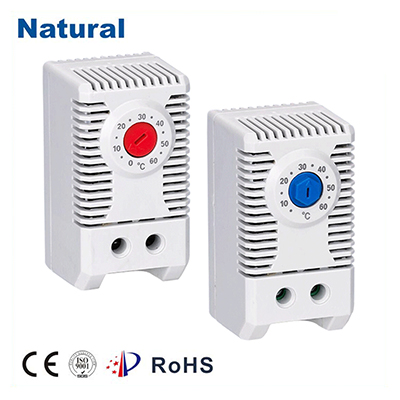
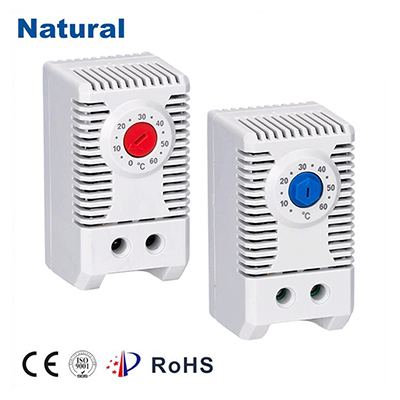
bimetal thermostat thermostat

In the realm of temperature regulation, bimetal thermostats stand as an exceptional innovation, combining simplicity, reliability, and accuracy. These devices play a pivotal role in a wide array of applications, from household appliances to industrial processes, ensuring that the desired temperature is maintained with remarkable precision. This article delves into the mechanics, applications, and advantages of bimetal thermostats, highlighting their significance in modern engineering. The Mechanics Behind Bimetal Thermostats At the heart of every bimetal thermostat lies a fundamental principle – the behavior of bimetallic strips. These strips are composed of two distinct metals with differing coefficients of thermal expansion, typically steel and copper. When exposed to varying temperatures, the metals expand and contract at different rates, causing the strip to bend. This bending motion is harnessed by the bimetal thermostat to open or close an electrical circuit, thereby controlling the heating or cooling process. Applications in Diverse Industries Bimetal thermostats find their utility across a multitude of industries. In household appliances, such as ovens, refrigerators, and water heaters, they ensure that temperatures remain within safe and optimal ranges. These thermostats also play a critical role in industrial equipment, safeguarding machinery from overheating and enabling efficient temperature-sensitive processes. Automotive engines rely on bimetal thermostats to regulate coolant flow, preventing engine damage due to excessive heat. Advantages of Bimetal Thermostats Reliability:One of the key advantages of bimetal thermostats is their robustness. The absence of delicate electronic components makes them less prone to failure, ensuring longevity and dependable operation. Cost-effectiveness:Bimetal thermostats are cost-effective both in terms of initial investment and maintenance. Their simple design and manufacturing process contribute to their affordability, making them a preferred choice in various applications. Accuracy:The inherent sensitivity of bimetal strips to temperature changes results in precise control over temperature regulation. This accuracy is crucial in applications where even slight deviations can lead to significant consequences. Safety:Bimetal thermostats provide an extra layer of safety by preventing overheating, which can be especially critical in scenarios involving flammable materials or sensitive components. Versatility:These thermostats are adaptable to a wide range of temperature requirements, from low to high. Their versatility further extends to different environmental conditions and operating environments. Innovations and Future Trends While bimetal thermostats have stood the test of time, ongoing technological advancements are enhancing their capabilities. Integration with digital controls, connectivity features, and the incorporation of feedback mechanisms are some of the developments aimed at elevating their performance and functionality. As industries continue to evolve, bimetal thermostats are poised to evolve alongside, maintaining their relevance in a rapidly changing landscape. Conclusion In the realm of temperature management, bimetal thermostats have firmly established themselves as a cornerstone of precision and efficiency. Their ingenious design, coupled with inherent advantages, has rendered them indispensable in an array of applications. As technology marches forward, bimetal thermostats will undoubtedly continue to play a pivotal role in shaping the way we control and regulate temperature, ensuring a safer, more efficient, and comfortable world.

Understanding the Bimetal Thermostat: A Marvel of Temperature Control

文章:

bimetal thermostat

In the world of heating, cooling, and temperature regulation, the bimetal thermostat stands as a stalwart guardian, silently maintaining our comfort and safety. This unassuming device, found in countless appliances and systems, plays a crucial role in ensuring that the temperature stays within the desired range. In this article, we will delve into the fascinating world of bimetal thermostats, exploring their principles, applications, and significance in modern technology. The Ingenious Design At its core, a bimetal thermostat relies on a simple yet ingenious principle—the different expansion rates of two metals when subjected to temperature changes. Typically, two metal strips with distinct coefficients of thermal expansion, such as brass and steel, are bonded together. This bonding creates a composite strip that reacts to temperature variations. When the temperature increases, the metal with the higher coefficient of expansion will expand more than the other, causing the strip to bend in one direction. Conversely, when the temperature decreases, the strip will bend in the opposite direction. This bending action is the foundation of the bimetal thermostat’s operation. Practical Applications The versatility of bimetal thermostats has led to their integration into a wide range of devices and systems. Here are some common applications: Thermostats for HVAC Systems: Bimetal thermostats are the heart of many heating, ventilation, and air conditioning (HVAC) systems. They help maintain the desired room temperature by controlling the heating or cooling elements. Household Appliances: Your toaster, coffee maker, and refrigerator all likely contain bimetal thermostats. They ensure that your coffee is brewed at the right temperature and that your fridge stays cool. Safety Devices: Bimetal thermostats are also found in safety devices like fire sprinklers. When exposed to high temperatures, these thermostats trigger the release of water to control fires. Automotive Temperature Control: In cars, bimetal thermostats regulate engine temperatures, helping to prevent overheating and ensuring efficient fuel combustion. Significance in Modern Technology Despite the advent of digital temperature control systems, bimetal thermostats continue to play a significant role in modern technology for several reasons: Reliability: Bimetal thermostats are known for their reliability and durability. They have a long lifespan and can withstand harsh conditions, making them ideal for industrial applications. Cost-Effective: They are cost-effective compared to more advanced temperature control systems, making them a preferred choice in many consumer products. Fail-Safe Operation: Bimetal thermostats are inherently fail-safe. In case of electrical or electronic system failures, they can continue to function, ensuring safety and control. Simplicity: Their simplicity of design means they are easy to manufacture and maintain, reducing overall maintenance costs. The Future of Bimetal Thermostats While digital technology is on the rise, bimetal thermostats continue to evolve. New manufacturing techniques and materials are enhancing their precision and expanding their range of applications. Additionally, they are being integrated into smart systems, allowing for remote monitoring and control. In conclusion, the bimetal thermostat, with its humble yet effective design, remains an integral part of our daily lives. Its ability to regulate temperature reliably, cost-effectively, and with simplicity ensures its enduring presence in a world driven by technology. As we look to the future, we can expect bimetal thermostats to continue adapting and thriving in our ever-evolving world of temperature control.

The Ingenious World of Bimetal Thermostats

Bimetal thermostats are remarkable devices that have found applications in a wide range of industries and everyday appliances. These compact but mighty instruments play a crucial role in regulating temperature, ensuring our comfort, and protecting equipment. In this article, we will explore the fascinating world of bimetal thermostats, their principles, applications, and the innovations driving their development.

bimetal thermostat

Understanding Bimetal Thermostats A bimetal thermostat is a simple yet ingenious device that operates on the principle of differential thermal expansion. It consists of two strips of different metals, typically steel and copper, bonded together. These metals have different coefficients of thermal expansion, meaning they expand and contract at different rates when subjected to temperature changes. When exposed to heat, the bimetal strip bends due to the unequal expansion of its constituent metals. Conversely, when the temperature drops, it returns to its original shape. This bending motion is the key to the thermostat’s functionality. Applications Across Industries Bimetal thermostats find applications in diverse fields, from household appliances to industrial processes: Home Comfort:In residential heating and cooling systems, bimetal thermostats maintain the desired room temperature by activating or deactivating heating or cooling equipment. Automotive:In cars, these thermostats control the engine’s cooling system, ensuring it operates within the optimal temperature range. Electronics:Bimetal thermostats protect electronic devices by shutting them down if they overheat, preventing damage due to excessive temperature. Appliances:Household appliances like ovens, toasters, and irons use bimetal thermostats to control temperature and prevent overheating. Industrial Processes:In manufacturing, these thermostats regulate equipment temperatures and ensure product quality. Safety:Bimetal thermostats are used in safety devices such as fire sprinkler systems to trigger the release of water when exposed to high temperatures. Innovations in Bimetal Thermostats While the basic principle remains the same, advancements in materials and technology have led to more precise and reliable bimetal thermostats. Some notable innovations include: Digital Controls:Integrating digital technology with bimetal thermostats allows for more accurate temperature control and programmable features. Smart Thermostats:These thermostats can be connected to Wi-Fi networks, enabling remote control and automation through smartphone apps. Miniaturization:Advances in microfabrication techniques have led to the development of tiny bimetal thermostats for use in compact electronic devices. Improved Materials:New alloys and composites have been developed to enhance the performance and durability of bimetal strips. Energy Efficiency:Bimetal thermostats are now designed to minimize energy consumption, contributing to environmental sustainability. Conclusion Bimetal thermostats may appear simple, but their impact is profound. They are the unsung heroes behind the comfort we experience in our homes, the reliability of our appliances, and the safety of various industrial processes. With ongoing innovations, these devices continue to play a vital role in our daily lives, ensuring that temperature remains under control, and our world runs smoothly.

Understanding the Function and Benefits of Air Heaters

Air heaters are essential devices used in various industries and applications to heat the air before it is distributed or used for specific purposes. These versatile machines play a crucial role in enhancing energy efficiency, improving comfort, and optimizing industrial processes. In this article, we will delve into the world of air heaters, exploring their functions, types, and the myriad benefits they offer.

air heater

I. Introduction to Air Heaters Air heaters, as the name suggests, are devices designed to heat air. They serve multiple purposes across a wide range of industries, including residential heating, industrial processes, agriculture, and even aerospace. The basic principle behind air heaters is to pass cold or ambient air over a heating element, thereby raising its temperature. This heated air can then be used for various applications, depending on the specific requirements. II. Types of Air Heaters There are several types of air heaters, each designed for different applications and operating on various principles. Some common types of air heaters include: Electric Air Heaters: These heaters use electrical resistance heating elements to generate heat. They are commonly used in residential and commercial heating systems. Gas-Fired Air Heaters: These heaters utilize natural gas or propane as a fuel source to generate heat. They are prevalent in industrial processes and space heating. Forced Air Heaters: These heaters employ a fan or blower to force air over a heating element, ensuring efficient heat distribution. They are often used in HVAC systems. Radiant Tube Heaters: These heaters use radiant heat transfer to warm spaces. They are popular in industrial and commercial settings where spot heating is required. III. Applications of Air Heaters Air heaters find applications in various sectors, including: Residential Heating: In homes, air heaters are commonly used in forced-air heating systems, such as furnaces and heat pumps, to provide warmth during the cold seasons. Industrial Processes: Industries use air heaters for processes like drying, curing, and heating in manufacturing units, food processing, and more. Agriculture: Air heaters help maintain optimal temperatures in greenhouses and poultry farms, creating a conducive environment for plant growth and animal welfare. Aerospace: Air heaters are vital in aerospace applications, where they ensure the proper functioning of aircraft systems in extreme cold conditions. Automotive: In the automotive industry, air heaters are used for cabin heating and defrosting, providing comfort and safety to passengers. IV. Benefits of Air Heaters The use of air heaters offers numerous advantages, including: Energy Efficiency: Air heaters are designed for efficiency, which helps reduce energy consumption and operating costs. Temperature Control: They provide precise temperature control, ensuring the air is heated to the desired level. Improved Comfort: In residential and commercial settings, air heaters contribute to improved comfort by maintaining a warm and cozy environment. Process Optimization: Industries benefit from consistent and controlled heating, which enhances the quality and efficiency of various manufacturing processes. Environmental Benefits: Some air heaters are designed to be eco-friendly, emitting lower emissions and reducing the carbon footprint. V. Conclusion In conclusion, air heaters are indispensable devices with a wide range of applications and benefits. They play a crucial role in our daily lives, whether by keeping our homes warm during winter, optimizing industrial processes, or ensuring the safety of aerospace systems. Understanding the various types of air heaters and their applications can help us appreciate their significance in improving energy efficiency, comfort, and productivity across different industries.

The Vital Role of Air Filter Fans in Enhancing Indoor Air Quality

In the pursuit of healthier and more comfortable living spaces, the significance of air quality cannot be overstated. In recent times, the integration of air filter fans has emerged as a game-changer, offering a dynamic solution to the challenges posed by indoor air pollution. This article delves into the essential role of air filter fans in enhancing indoor air quality, exploring their benefits and functionality.

air filter fan

Indoor air pollution, often underestimated, can have detrimental effects on our health and overall well-being. Common sources of pollutants include dust, allergens, pet dander, volatile organic compounds (VOCs), and even microscopic particles like bacteria and viruses. Inadequate ventilation can lead to a buildup of these contaminants, resulting in respiratory issues, allergies, and other health problems. This is where air filter fans come to the rescue. Air filter fans, also known as air purifiers or air filtration systems, work by drawing in air from the surrounding environment and passing it through a series of filters designed to capture various pollutants. These filters can include HEPA filters (High-Efficiency Particulate Air), activated carbon filters, and UV-C light technology, among others. The combination of these filters ensures the removal of particles and pollutants, leaving the air cleaner and healthier to breathe. The benefits of air filter fans extend beyond the obvious improvement in air quality. These devices are particularly beneficial for individuals with respiratory conditions such as asthma and allergies, as they can significantly reduce the presence of triggers like pollen and dust mites. Moreover, air filter fans play a crucial role in creating a more comfortable environment by eliminating odors and minimizing the need for excessive cleaning due to dust accumulation. One of the noteworthy features of air filter fans is their versatility and adaptability. They come in various sizes, from compact units designed for personal spaces to larger models capable of purifying the air in entire rooms. This adaptability makes them suitable for a range of environments, including homes, offices, schools, and healthcare facilities. Their quiet operation ensures they can be seamlessly integrated into any setting without causing disturbances. The advancement of technology has led to the integration of smart features in air filter fans. Many models now offer Wi-Fi connectivity and compatibility with smart home systems, allowing users to monitor and control air quality remotely. Real-time air quality indicators provide valuable insights into the current state of indoor air, empowering users to make informed decisions about when and how to operate their air filter fans. However, while air filter fans offer numerous benefits, it’s important to note that they are not a standalone solution. They work best when complemented by good indoor hygiene practices, regular cleaning, and proper ventilation. Additionally, the choice of the right type of filter for specific pollutants is crucial for optimal performance. HEPA filters, for example, are highly efficient at capturing particles, but may not be as effective against certain gases and odors, which would require additional filtration methods. In conclusion, air quality plays a pivotal role in our health and overall quality of life. The integration of air filter fans has revolutionized the way we combat indoor air pollution, offering an effective means to remove contaminants and enhance indoor air quality. From their ability to alleviate respiratory issues to their adaptability and smart features, air filter fans have become an indispensable addition to modern living spaces. As technology continues to advance, we can expect these devices to become even more efficient, contributing to healthier environments for everyone.