Monthly Archives: September 2023

Dual Thermostats: Achieving Optimal Temperature Control

文章正文:

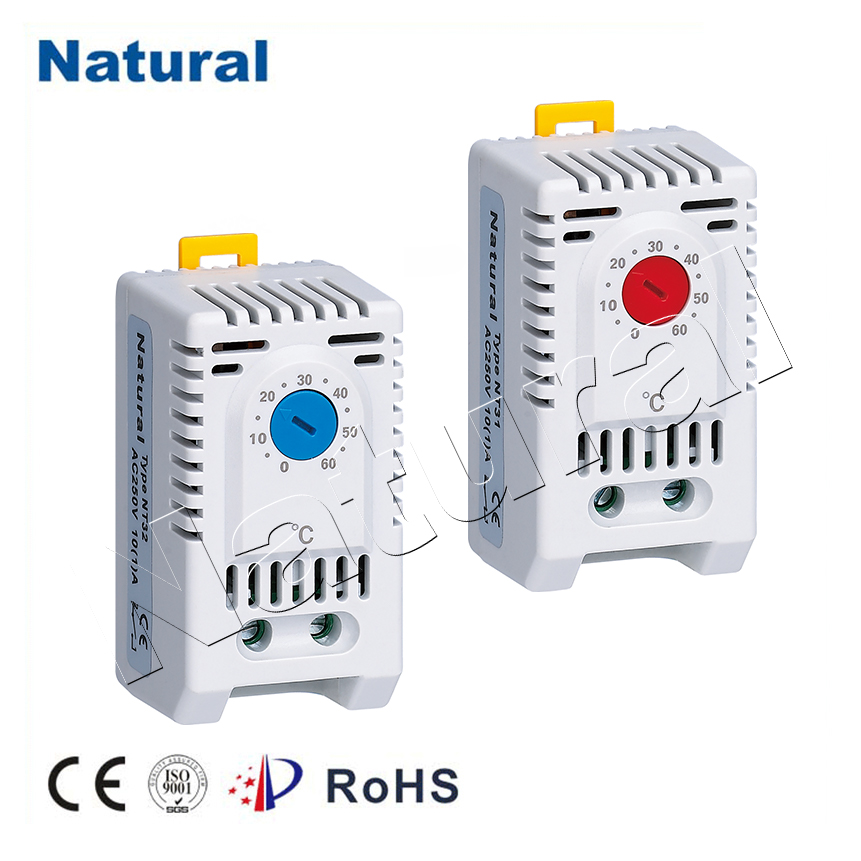
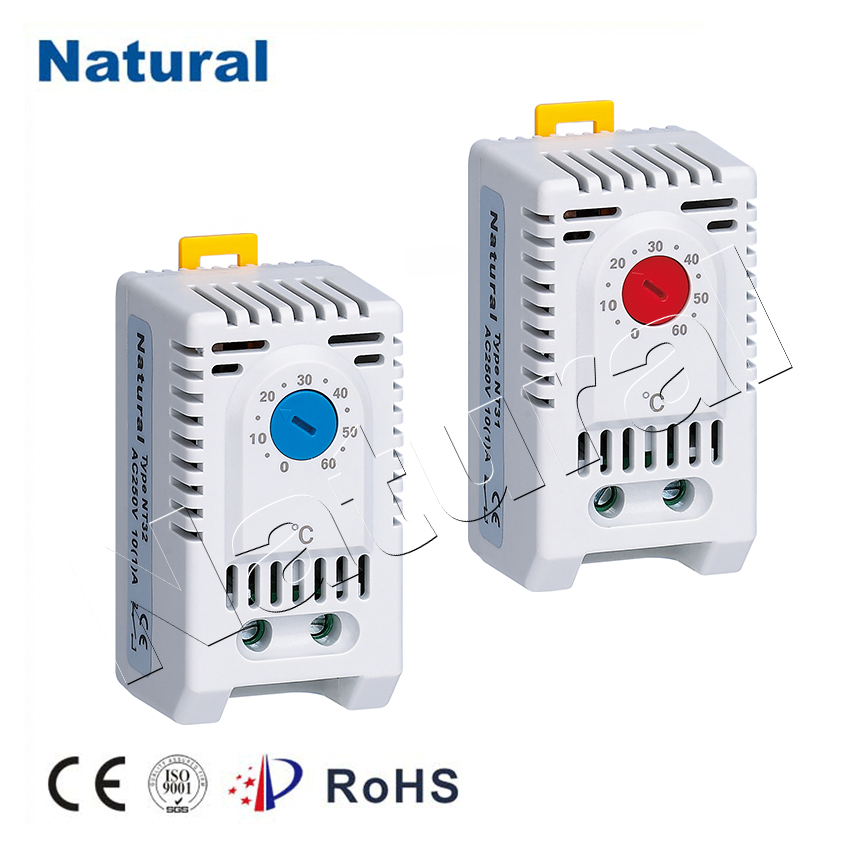
dual thermostat

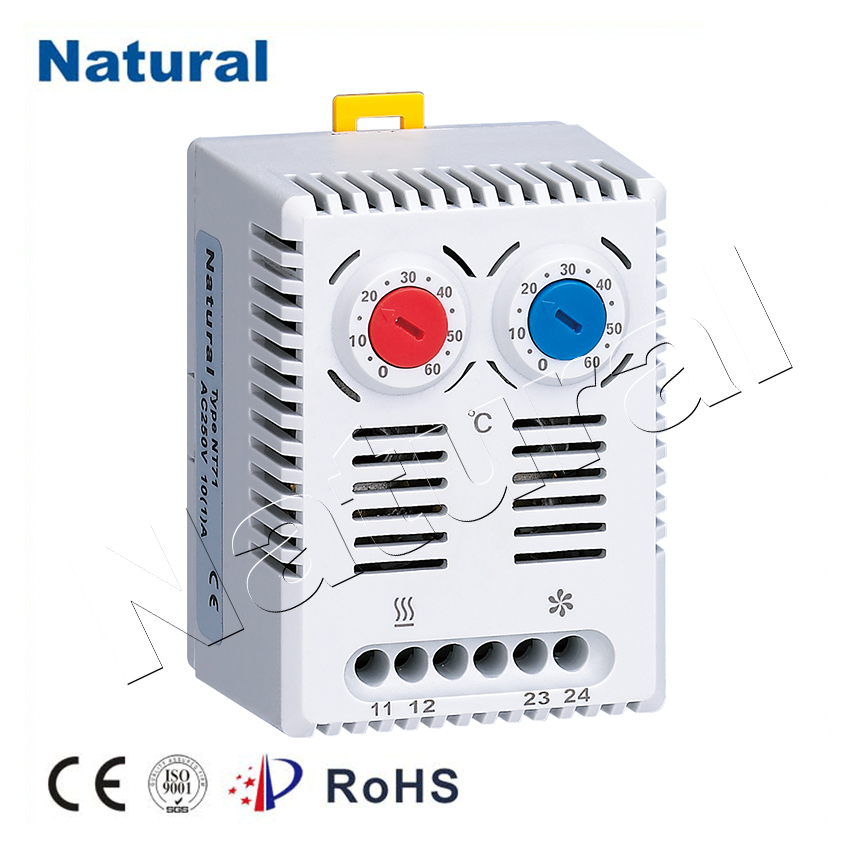
In the world of modern heating and cooling systems, precision and efficiency are key. Achieving the perfect temperature in your home or workplace can significantly impact your comfort and energy bills. One innovative solution that has gained popularity in recent years is the dual thermostat system. In this article, we will explore what dual thermostats are, how they work, and the benefits they offer. Understanding Dual Thermostats A dual thermostat is a cutting-edge technology designed to provide enhanced control over indoor climate conditions. Unlike traditional thermostats, which have a single setpoint for temperature, dual thermostats offer the flexibility of controlling two separate heating or cooling systems in a single space. This means you can independently adjust the temperature for different areas or zones within your home or office. How Dual Thermostats Work Dual thermostats work by utilizing two separate sensors to monitor and regulate the temperature. Each sensor is connected to its respective heating or cooling system. This setup allows for precise temperature control in different areas of your living or working space. For example, in a residential setting, you might have a dual thermostat system that controls both central heating and air conditioning. This means you can keep your living room warm during the winter while maintaining a cooler temperature in the bedroom. The thermostats operate independently, ensuring that each zone is heated or cooled to your desired comfort level. Benefits of Dual Thermostats Energy Efficiency: One of the primary advantages of dual thermostats is their ability to improve energy efficiency. By heating or cooling only the areas that are in use, you can reduce energy consumption and lower your utility bills. This makes dual thermostats an eco-friendly choice. Customized Comfort: Dual thermostats allow you to create personalized comfort zones in your home or office. Everyone has different preferences when it comes to temperature, and with dual thermostats, you can cater to individual needs without compromising on overall comfort. Enhanced Control: These systems provide you with greater control over your indoor environment. Whether you want to create a toasty living room in the winter or keep your bedroom cool on a hot summer night, dual thermostats give you the power to do so with precision. Zoned Heating and Cooling: Dual thermostats are particularly beneficial for larger spaces with multiple rooms. They enable zoned heating and cooling, ensuring that every room is maintained at the desired temperature independently. Smart Home Integration: Many dual thermostat systems are compatible with smart home technology. You can control them remotely through your smartphone or integrate them into your home automation system, making it even more convenient to manage your indoor climate. Conclusion Dual thermostats have revolutionized the way we control indoor temperatures. Their ability to provide customized comfort, improve energy efficiency, and enhance control over heating and cooling systems makes them a valuable addition to any modern home or workplace. If you’re looking to optimize your indoor environment and reduce energy costs, consider installing a dual thermostat system. It’s a smart choice for a more comfortable and eco-friendly future.
Exploring the Innovative World of DIN Thermostats

文章:

din thermostat

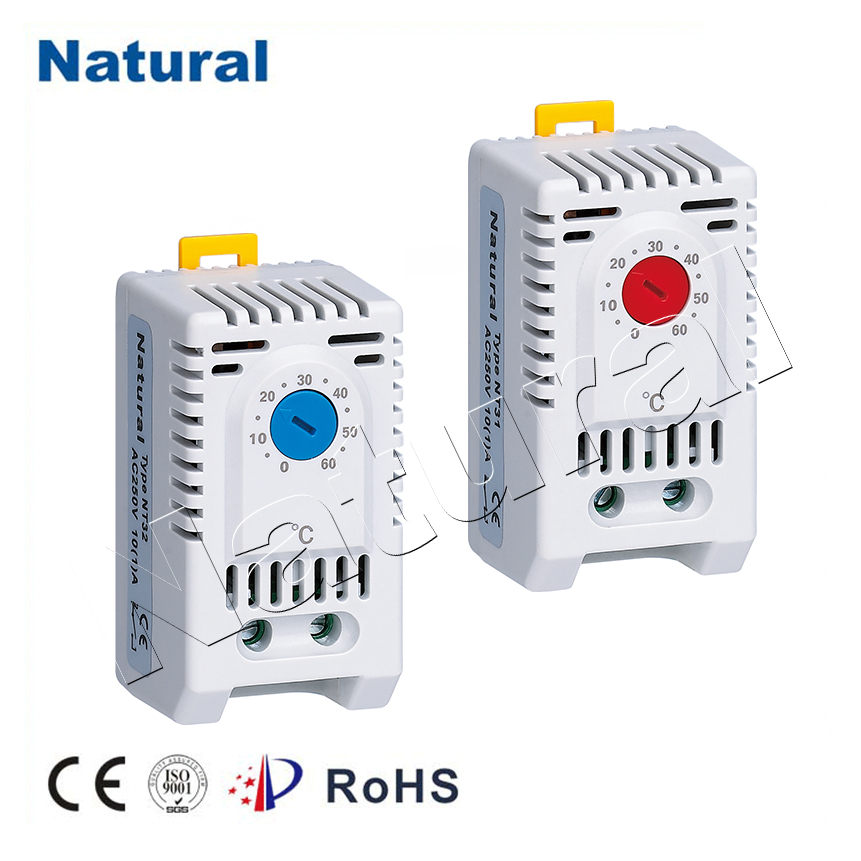
In the ever-evolving realm of technology, innovations continue to emerge, transforming the way we interact with our environment. One such innovation is the DIN thermostat, a remarkable piece of equipment that has revolutionized temperature control systems. In this article, we will delve into the world of DIN thermostats, exploring their features, applications, and the benefits they bring to various industries. Understanding DIN Thermostats DIN thermostats, short for “Deutsches Institut für Normung” thermostats, are compact and standardized temperature control devices that adhere to the DIN standard, a set of guidelines established by the German Institute for Standardization. These thermostats come in various forms, including analog and digital models, and are designed for versatile applications in industrial, commercial, and residential settings. Versatility in Applications One of the key strengths of DIN thermostats is their versatility. They find application in a wide range of industries and environments, making them indispensable tools for temperature regulation. Let’s explore some of their most common applications: Industrial Automation:In manufacturing and industrial processes, maintaining precise temperature control is essential. DIN thermostats play a vital role in ensuring that machinery and processes operate within specified temperature ranges, thereby optimizing production efficiency and product quality. HVAC Systems:In commercial and residential buildings, heating, ventilation, and air conditioning (HVAC) systems rely on DIN thermostats to maintain comfortable indoor temperatures. These thermostats offer energy-efficient solutions, allowing users to program temperature settings to reduce energy consumption when spaces are not in use. Laboratory and Scientific Research:Laboratories often require highly accurate temperature control for experiments and tests. DIN thermostats provide the necessary precision to maintain consistent and reliable conditions, aiding researchers in achieving accurate results. Food Industry:In food production and storage facilities, DIN thermostats are used to regulate temperatures in refrigeration units and ovens. This ensures that food products remain safe for consumption and meet quality standards. Environmental Control:Greenhouses and climate-controlled agricultural settings rely on DIN thermostats to create ideal growing conditions for plants. These thermostats help maximize crop yields and quality. Benefits of DIN Thermostats The adoption of DIN thermostats brings several benefits to users across different sectors: Accuracy:DIN thermostats are known for their precise temperature control capabilities, ensuring that temperatures remain within desired ranges. Energy Efficiency:By allowing users to program temperature settings and schedules, DIN thermostats help reduce energy consumption, resulting in cost savings and a reduced carbon footprint. Durability:These thermostats are built to withstand harsh industrial environments, offering long-term reliability. Easy Installation:DIN thermostats are designed for straightforward installation and integration into existing systems, reducing downtime. Remote Monitoring:Many modern DIN thermostats come equipped with remote monitoring and control capabilities, allowing users to adjust settings and receive alerts from anywhere. Conclusion In conclusion, DIN thermostats are indispensable devices that have made significant contributions to temperature control across various industries. Their versatility, precision, and energy-efficient features have revolutionized the way we regulate temperatures, leading to improved efficiency, cost savings, and enhanced product quality. As technology continues to advance, we can expect further innovations in DIN thermostat technology, further expanding their applications and benefits.

“Exploring the Versatility of DIN Rail Thermostats”

Introduction

din rail thermostat

DIN rail thermostats, a crucial component in modern industrial and residential heating systems, have gained widespread recognition for their efficiency and versatility. These compact devices play a pivotal role in maintaining temperature control, ensuring comfort, energy conservation, and equipment protection. In this article, we will delve into the world of DIN rail thermostats, examining their key features, applications, and benefits. Understanding DIN Rail Thermostats DIN rail thermostats are temperature control devices specifically designed to be mounted on DIN rails, commonly found in control panels and electrical enclosures. Their modular design and easy installation make them a popular choice for various industries, including manufacturing, HVAC (Heating, Ventilation, and Air Conditioning), and home automation. Key Features Compact Design: DIN rail thermostats are compact and space-efficient, making them suitable for applications with limited room. User-Friendly Interface: They often come equipped with intuitive interfaces and digital displays, allowing users to set and monitor temperature parameters effortlessly. Reliable Temperature Control: These thermostats offer precise and stable temperature control, ensuring optimal performance and efficiency. Wide Temperature Range: DIN rail thermostats are available in a wide temperature range, making them adaptable to both heating and cooling applications. Applications Industrial Automation: DIN rail thermostats are commonly used in industrial processes to regulate temperatures in machinery and equipment, preventing overheating and ensuring safe operation. HVAC Systems: They play a crucial role in HVAC systems, maintaining comfortable temperatures in commercial buildings, offices, and residential spaces. Greenhouses: In agriculture, DIN rail thermostats help control the climate in greenhouses, ensuring optimal conditions for plant growth. Energy Management: These thermostats are essential in energy management systems, helping to conserve energy by optimizing heating and cooling cycles. Benefits Energy Efficiency: DIN rail thermostats help reduce energy consumption by maintaining temperatures within predefined limits, preventing unnecessary heating or cooling. Cost Savings: Lower energy consumption translates to reduced operating costs, making DIN rail thermostats a cost-effective choice for businesses and homeowners. Enhanced Equipment Lifespan: By preventing overheating or extreme cold, these thermostats extend the lifespan of machinery and equipment. Customization: Many DIN rail thermostats offer programmable features, allowing users to create custom temperature profiles to suit specific needs. Remote Monitoring: Some advanced models can be integrated into automation systems, enabling remote monitoring and control via smartphones or computers. Conclusion DIN rail thermostats have become indispensable components in various industries, offering precise temperature control, energy efficiency, and ease of installation. Their versatility and adaptability make them an ideal choice for applications ranging from industrial automation to residential heating and cooling systems. As technology continues to advance, we can expect even more innovative features and capabilities from these essential temperature control devices.

Efficient Temperature Control with DIN Rail Temperature Controllers

In today’s fast-paced industrial landscape, precise temperature control is a critical factor in ensuring optimal performance and product quality across various processes. One of the indispensable tools in achieving this control is the DIN rail temperature controller. This compact and versatile device plays a pivotal role in managing temperatures, enhancing efficiency, and minimizing wastage in industrial settings.

din rail temperature controller

The Versatility of DIN Rail Temperature Controllers DIN rail temperature controllers are designed to be mounted on standard DIN rails, commonly found in control panels and electrical enclosures. Their compact size and modular design make them an ideal choice for space-constrained environments. These controllers offer a wide temperature range and can be easily integrated into diverse systems, ranging from manufacturing and automation to food processing and HVAC (heating, ventilation, and air conditioning) systems. Precision Temperature Regulation At the heart of DIN rail temperature controllers lies their ability to provide precise temperature regulation. Equipped with advanced microprocessors and accurate sensors, these controllers constantly monitor and adjust the temperature of the controlled environment. This level of precision ensures that critical processes, such as chemical reactions and material curing, occur under optimal conditions, thereby reducing defects and enhancing overall product quality. User-Friendly Interface Most DIN rail temperature controllers feature user-friendly interfaces that facilitate seamless operation and configuration. Through intuitive displays and accessible controls, users can set desired temperature parameters, view real-time temperature data, and make adjustments as needed. This ease of use empowers operators to respond swiftly to changing conditions and maintain tight control over the processes. Energy Efficiency Efficiency is a paramount concern in modern industrial operations. DIN rail temperature controllers contribute to energy savings by ensuring that heating or cooling systems operate only when necessary. By maintaining temperatures within a specified range, these controllers prevent unnecessary energy consumption and reduce operational costs over time. Remote Monitoring and Control In an era of digital transformation, remote monitoring and control capabilities are increasingly crucial. Many DIN rail temperature controllers are equipped with connectivity options, enabling operators to access and manage temperature settings remotely. This is especially advantageous for systems distributed across different locations or for scenarios where manual adjustments are impractical. Applications Across Industries The versatility of DIN rail temperature controllers makes them indispensable across a wide range of industries. In food processing, these controllers help maintain optimal conditions for fermentation, drying, and cooking processes. In manufacturing, they play a critical role in controlling temperatures during various stages of production, ensuring consistent product quality. Moreover, in greenhouse cultivation, these controllers help create the ideal climate for plant growth. Conclusion In conclusion, DIN rail temperature controllers are essential tools that empower industries to maintain precise temperature control, enhance efficiency, and improve product quality. Their compact design, precision temperature regulation, user-friendly interfaces, energy efficiency, and remote monitoring capabilities make them invaluable assets in modern industrial settings. As technology continues to evolve, these controllers are poised to play an even more significant role in shaping the future of industrial temperature control, driving innovation, and optimizing processes across sectors.

Understanding the Innovative Technology of the Differential Thermostat

In today’s world, energy conservation and environmental sustainability are paramount concerns. As we strive to minimize our carbon footprint, the demand for more efficient heating and cooling systems has never been greater. Enter the “differential thermostat,” a groundbreaking technology that promises to revolutionize temperature control in residential and commercial spaces. In this article, we will delve into the workings of the differential thermostat, its benefits, and its potential impact on the future of energy-efficient HVAC systems.

differential thermostat

What is a Differential Thermostat? A differential thermostat, often referred to as a “smart thermostat,” is a device that goes beyond traditional temperature control. While a standard thermostat allows you to set a fixed temperature, a differential thermostat is designed to maintain a specific temperature difference between two locations. This innovative technology has gained popularity due to its ability to optimize comfort while minimizing energy consumption. How Does it Work? At its core, a differential thermostat consists of two temperature sensors: one placed in the area to be heated or cooled (known as the “sensing location”) and another in a reference location. The reference location is typically chosen to represent the desired temperature condition when no heating or cooling is needed, such as an adjacent room or outdoor environment. The differential thermostat continuously monitors the temperature difference between the sensing location and the reference location. When the temperature difference exceeds a predefined threshold, the thermostat activates the heating or cooling system to bring the temperature back within the desired range. This dynamic approach ensures that energy is only used when necessary, as opposed to a fixed thermostat that may constantly cycle the HVAC system on and off. Benefits of Differential Thermostats Energy Efficiency: Perhaps the most significant advantage of a differential thermostat is its energy-saving potential. By maintaining a precise temperature difference rather than a fixed temperature, it reduces the frequency of HVAC system operation, resulting in lower energy consumption and reduced utility bills. Enhanced Comfort: Traditional thermostats often lead to temperature fluctuations as they turn the HVAC system on and off. In contrast, a differential thermostat provides a more stable and comfortable indoor environment by continuously adjusting to maintain the desired temperature difference. Remote Control and Automation: Many modern differential thermostats are equipped with smart features that allow users to control them remotely through smartphone apps. They can also be integrated into home automation systems, offering unprecedented convenience and control. Long-term Savings: Although the initial investment in a differential thermostat may be higher than a traditional thermostat, the energy savings over time can lead to significant cost reductions, making it a wise long-term investment. The Future of HVAC As the world continues to grapple with climate change and the need to reduce energy consumption, technologies like the differential thermostat are poised to play a crucial role in the future of HVAC systems. These innovative devices not only benefit homeowners by increasing comfort and reducing energy bills but also contribute to a more sustainable and environmentally friendly world. In conclusion, the differential thermostat represents a significant leap forward in the field of temperature control technology. Its ability to adapt to changing conditions and optimize energy usage sets it apart from traditional thermostats. As we embrace the era of smart homes and energy efficiency, the differential thermostat is an indispensable tool in our efforts to create a more sustainable future.

Enhancing Efficiency and Longevity with Cooling Fan Filters

Introduction: In the world of modern technology, electronic devices have become an integral part of our daily lives. From computers to gaming consoles, these devices generate substantial heat during operation, potentially leading to overheating and reduced performance. Cooling fans play a crucial role in maintaining optimal operating temperatures, but they can also become magnets for dust and debris. The solution? Cooling fan filters – a simple yet effective way to enhance efficiency and prolong the lifespan of your cherished devices.

cooling fan filters

The Importance of Cooling Fan Filters: Cooling fan filters serve as a first line of defense against airborne particles that can infiltrate and accumulate within electronic devices. Dust, pet hair, and other debris can easily find their way into your computer or gaming console, clogging up vents and obstructing airflow. This buildup not only hampers the cooling system’s efficiency but also increases the risk of overheating, potentially causing irreversible damage to sensitive components. Efficiency Boost: By incorporating cooling fan filters, users can experience a significant boost in efficiency. These filters prevent the aforementioned particles from entering the device, allowing the cooling fan to operate at its full potential. Unobstructed airflow ensures that heat is effectively dissipated, preventing temperature spikes that could lead to performance throttling or unexpected shutdowns. As a result, tasks can be executed seamlessly, whether it’s gaming, graphic design, or simply browsing the web. Lifespan Extension: Electronic devices represent a considerable investment, and it’s in our best interest to make them last as long as possible. Cooling fan filters contribute to the longevity of devices by reducing the accumulation of harmful debris. Components such as processors, graphics cards, and memory modules are less prone to wear and tear when they’re operating within a clean environment. Consequently, the need for frequent maintenance, such as manual cleaning, is diminished, sparing users the hassle of disassembling their devices. Air Quality Improvement: Beyond device performance and longevity, cooling fan filters also play a role in maintaining indoor air quality. Dust and allergens that infiltrate electronic devices can circulate back into the environment, potentially causing respiratory issues and allergies. By implementing filters, these particles are trapped and prevented from recirculating, creating a healthier living or working environment. Easy Maintenance: Cooling fan filters are designed with user convenience in mind. Most filters are easily removable and washable, allowing for quick and straightforward maintenance. Regular cleaning or replacement of these filters ensures their continued effectiveness in keeping devices free from debris. This user-friendly feature saves both time and money, making it a practical investment for device owners. Conclusion: Cooling fan filters are a simple yet indispensable addition to any electronic device with a cooling system. Their ability to enhance efficiency, extend the lifespan of components, improve air quality, and provide easy maintenance makes them a valuable asset for device users. As we continue to rely on technology in various aspects of our lives, it’s essential to take proactive measures to ensure optimal performance and longevity. Incorporating cooling fan filters is a small step that can yield significant benefits, safeguarding your devices and enhancing your overall user experience.

The Evolution of Comfort: Exploring Contact Thermostats

Introduction

contact thermostat

In the quest for optimal home comfort and energy efficiency, advancements in technology have played a pivotal role. One such innovation that has transformed the way we control our indoor environment is the contact thermostat. This article delves into the concept, functionality, benefits, and potential future developments of contact thermostats. The Concept of Contact Thermostats Contact thermostats represent a significant leap forward in home automation. Unlike traditional thermostats that rely on manual adjustments or programmed schedules, contact thermostats utilize cutting-edge technology to adapt to a user’s needs in real-time. They achieve this by using advanced sensors that monitor a room’s conditions and occupants’ presence, enabling precise temperature control without the need for constant user intervention. Functionality and Features The core functionality of a contact thermostat revolves around its ability to sense both environmental factors and human interaction. These thermostats are equipped with an array of sensors, including temperature, humidity, occupancy, and light sensors. By collecting data from these sources, the thermostat can make informed decisions to create an ideal indoor climate. One of the standout features of contact thermostats is their capability to detect room occupancy. This means that the thermostat can adjust the temperature based on whether a room is currently in use. For instance, if a room is unoccupied for an extended period, the thermostat can lower the temperature to conserve energy. Upon detecting human presence, it can then swiftly readjust to the desired comfort level. Benefits for Homeowners The adoption of contact thermostats brings forth a myriad of benefits for homeowners. Energy efficiency takes center stage, as these thermostats can significantly reduce energy consumption by intelligently managing heating, ventilation, and air conditioning (HVAC) systems. The ability to adapt to changing conditions means that no energy is wasted on maintaining an ideal temperature when no one is around. Moreover, contact thermostats contribute to enhanced comfort. Homeowners can enjoy a seamless experience where the thermostat takes care of temperature adjustments, allowing occupants to focus on other aspects of their lives. This technology is particularly useful for busy individuals and families, as well as for those who want to reduce their carbon footprint without sacrificing comfort. Future Developments As technology continues to advance, the potential for contact thermostats to evolve further is promising. Integration with smart home ecosystems is a logical next step, enabling homeowners to control their thermostats remotely via smartphones or voice-activated assistants. Machine learning algorithms could also play a role in refining the thermostat’s decision-making process, learning from user preferences and patterns to fine-tune temperature adjustments. Furthermore, the utilization of renewable energy sources could be seamlessly integrated with contact thermostats. Imagine a thermostat that not only optimizes temperature but also leverages solar or wind energy to power the HVAC system, further reducing reliance on traditional energy grids. Conclusion Contact thermostats represent a significant stride in the evolution of home comfort and energy efficiency. Through their ability to sense environmental conditions and human presence, these thermostats redefine the way we interact with our indoor spaces. With benefits ranging from reduced energy consumption to enhanced comfort, contact thermostats are poised to revolutionize the way we control our living environments. As technology continues to advance, we can look forward to even more sophisticated and eco-friendly iterations of this groundbreaking innovation.

The Vital Role of Cabinet Ventilation Fan Filters

文章正文:

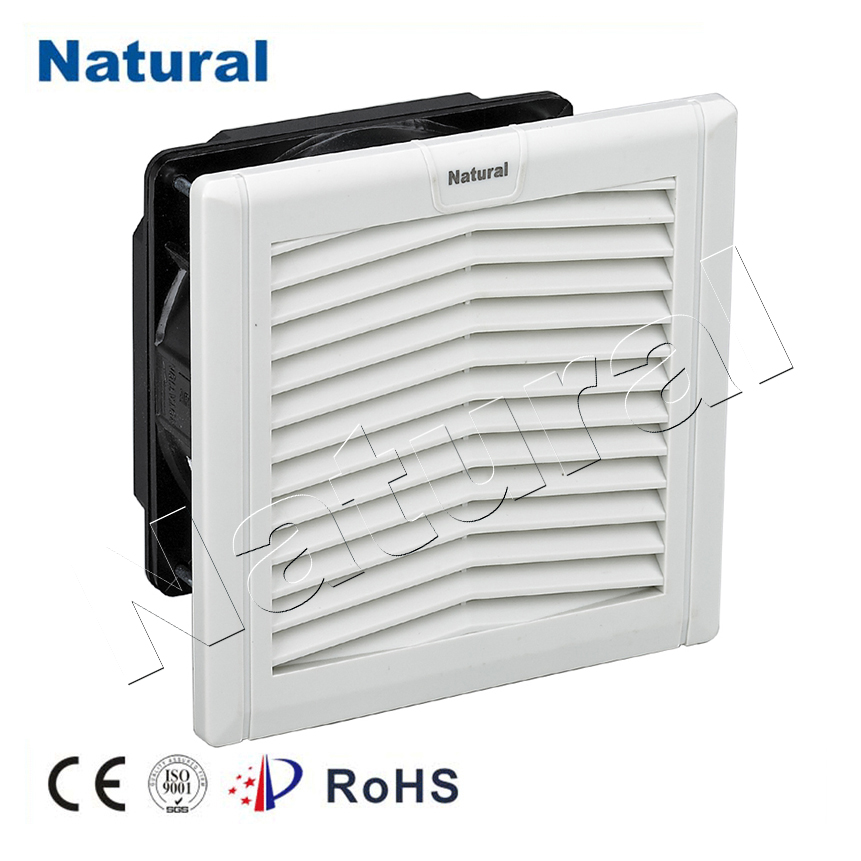
cabinet ventil fan filter

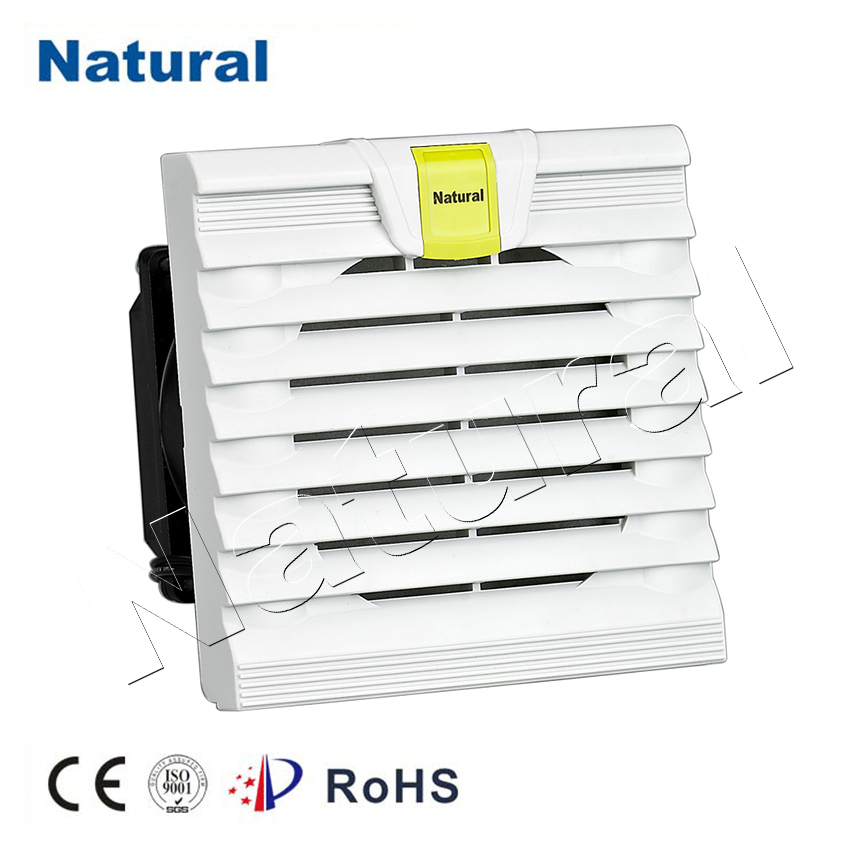
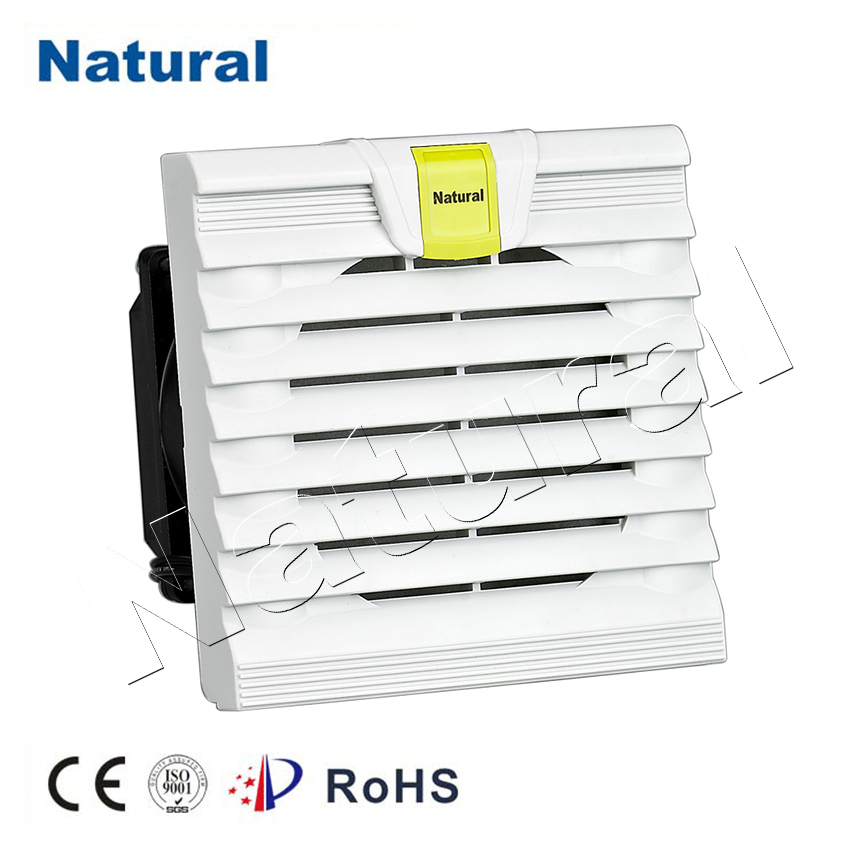
In today’s fast-paced technological world, electronic cabinets play a crucial role in various industries, from telecommunications to industrial automation. These cabinets house sensitive electronic components, ensuring their optimal performance and protection from external elements. An often-overlooked but vital component within these cabinets is the cabinet ventilation fan filter. In this article, we will delve into the significance of cabinet ventilation fan filters and their essential role in maintaining the integrity of electronic systems. Enhancing Airflow One of the primary functions of cabinet ventilation fan filters is to improve airflow within the cabinet. Electronic components generate heat during operation, and efficient cooling is essential to prevent overheating, which can lead to system failures and reduced component lifespan. Ventilation fans are commonly used to expel hot air from the cabinet and draw in cooler air from the surroundings. However, this process can introduce dust, dirt, and other contaminants into the cabinet, which can be detrimental to the sensitive electronic components. Dust and Contaminant Protection Cabinet ventilation fan filters act as the first line of defense against dust and contaminants. They are strategically placed at the inlet and exhaust points of the cabinet’s cooling system. These filters are designed to capture particles of various sizes, preventing them from entering the cabinet. Dust and contaminants can accumulate on electronic components, causing short circuits, reduced performance, and even complete system failures. By installing high-quality fan filters, these risks are significantly reduced, ensuring the reliability of the electronic systems. Extended Component Lifespan Electronic components are not only expensive but also critical to the functioning of many industries. Cabinet ventilation fan filters play a vital role in prolonging the lifespan of these components. By preventing dust and contaminants from settling on the components, fan filters help maintain the cleanliness of the cabinet’s interior environment. This leads to fewer maintenance cycles, reduced downtime, and ultimately, significant cost savings. Improved Air Quality In environments where cabinets are installed, such as data centers or manufacturing facilities, air quality can be a concern. Dust and contaminants not only pose a threat to electronic components but can also affect the overall air quality in the vicinity. High-quality cabinet ventilation fan filters not only protect the electronic systems but also contribute to a cleaner and healthier working environment for personnel. Ease of Maintenance Maintenance is a crucial aspect of any electronic system’s lifecycle. Cabinet ventilation fan filters are designed for easy installation and replacement. Regularly replacing these filters ensures that they continue to perform optimally in capturing dust and contaminants. This straightforward maintenance routine reduces the risk of unexpected system failures and prolongs the life of electronic components. Customization Options Cabinet ventilation fan filters come in various shapes, sizes, and materials to suit specific cabinet configurations and environmental conditions. This customization allows for flexibility in designing electronic systems and ensures that the filters effectively meet the requirements of the application. In conclusion, cabinet ventilation fan filters are indispensable components in safeguarding electronic systems. Their role in improving airflow, protecting against dust and contaminants, extending component lifespan, enhancing air quality, and simplifying maintenance cannot be overstated. For businesses and industries reliant on electronic systems, investing in high-quality cabinet ventilation fan filters is not only a prudent choice but also a cost-effective one in the long run. By prioritizing the health and performance of electronic components, these filters play a vital role in the seamless operation of critical systems across various sectors.

Understanding Cabinet Thermostats: A Comprehensive Overview

Cabinet thermostats are a critical component in various heating and cooling systems, offering precise temperature control and energy efficiency. In this article, we will delve into the world of cabinet thermostats, exploring their functions, types, applications, and the benefits they bring to our everyday lives.

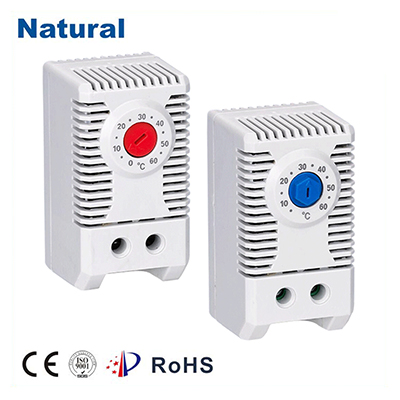
cabinet thermostat

What is a Cabinet Thermostat? A cabinet thermostat is a temperature-regulating device designed to maintain a consistent environment within a confined space, such as a cabinet, enclosure, or electrical panel. These thermostats are commonly used in industrial, residential, and commercial settings to protect sensitive equipment, electronics, and perishable goods from extreme temperature fluctuations. Types of Cabinet Thermostats Cabinet thermostats come in various types to suit different applications: Bimetallic Thermostats: These thermostats operate based on the principle of bimetallic strips that expand and contract with temperature changes. When the desired temperature is reached, the thermostat’s contacts open or close to control heating or cooling devices. Capillary Tube Thermostats: Capillary tube thermostats consist of a sensing bulb connected to a capillary tube and a diaphragm or bellows. As the temperature changes, the fluid in the capillary tube expands or contracts, causing the diaphragm or bellows to actuate the thermostat’s switch. Electronic Thermostats: Electronic cabinet thermostats use sensors and electronic circuitry to monitor and regulate temperature. They offer precise control and often come with digital displays and programmable features. Applications of Cabinet Thermostats Cabinet thermostats find widespread use in a variety of applications: Industrial Machinery: They are crucial for maintaining consistent temperatures in industrial machines, preventing overheating, and ensuring optimal performance. Electrical Enclosures: Cabinet thermostats protect electrical components from overheating, which can lead to equipment failure and costly downtime. Climate Control Systems: In residential and commercial HVAC systems, cabinet thermostats help regulate temperature and improve energy efficiency. Food Storage: In refrigerators and freezers, cabinet thermostats play a vital role in keeping food items fresh and safe for consumption. Benefits of Cabinet Thermostats Temperature Precision: Cabinet thermostats offer precise temperature control, ensuring that the environment inside cabinets or enclosures remains stable. Energy Efficiency: By maintaining optimal temperatures, these thermostats reduce energy consumption, resulting in cost savings over time. Equipment Protection: They safeguard sensitive equipment from temperature-related damage, prolonging the lifespan of machinery and electronics. Improved Productivity: In industrial settings, cabinet thermostats contribute to increased productivity by preventing machinery downtime due to overheating. Food Safety: In refrigeration systems, cabinet thermostats help maintain safe temperatures for food storage, preventing spoilage and foodborne illnesses. Conclusion Cabinet thermostats are unsung heroes in our daily lives, ensuring that critical environments stay within a specified temperature range. From industrial machinery to household appliances, these devices offer precise control, energy efficiency, and equipment protection. Understanding their types, applications, and benefits can help us appreciate their importance in maintaining the reliability and functionality of various systems. Whether you’re an engineer, a homeowner, or a business owner, cabinet thermostats are essential tools for temperature regulation and control.

The Versatility and Efficiency of Cabinet Filter Fans

Cabinet Filter Fans: Enhancing Efficiency and Reliability

cabinet filter fan

In the ever-evolving world of technology and electronics, the need for efficient cooling and ventilation solutions has never been more critical. As electronic components continue to shrink in size while their power and heat generation increase, maintaining the optimal operating temperature within cabinets and enclosures is paramount. This is where cabinet filter fans come into play, offering versatile and reliable cooling solutions that ensure the longevity and performance of electronic equipment. Understanding the Importance of Cabinet Filter Fans Cabinet filter fans are integral components in various industries, from telecommunications and IT to industrial automation and manufacturing. These fans serve a dual purpose: cooling and protecting sensitive electronic equipment. They operate by drawing in ambient air through a filter, cooling the internal components, and expelling heated air back into the environment. Efficiency through Design Efficiency is the cornerstone of any effective cooling system, and cabinet filter fans excel in this regard. These fans are designed to optimize airflow and heat dissipation while maintaining a dust-free environment. The fan blades are meticulously crafted to maximize air movement while minimizing noise levels. This ensures that cooling occurs swiftly and quietly, minimizing disruptions in workplaces and data centers. Adaptive Cooling One of the key advantages of cabinet filter fans is their adaptability to various environments and conditions. They are available in different sizes and configurations to suit specific cabinet or enclosure requirements. This adaptability ensures that regardless of the size or shape of the enclosure, there is a suitable fan solution available. Furthermore, some cabinet filter fans feature built-in thermostats and speed controllers. These intelligent systems can adjust fan speed based on temperature readings within the enclosure. When the temperature rises, the fan increases its speed to provide efficient cooling. Conversely, when the temperature drops, the fan slows down, conserving energy. This adaptive cooling not only ensures equipment longevity but also reduces energy consumption, contributing to sustainability efforts. Dust and Contaminant Protection In addition to cooling, cabinet filter fans are excellent at maintaining a clean and dust-free environment inside enclosures. The air drawn into the cabinet is filtered, removing dust particles and contaminants that could potentially harm sensitive electronic components. This added protection extends the lifespan of the equipment and reduces the frequency of maintenance and cleaning. Reliability and Longevity Cabinet filter fans are known for their reliability and longevity. Built with high-quality materials and components, these fans are designed to operate continuously, often in demanding industrial environments. Their durability ensures that they can withstand the rigors of daily operation without faltering. Easy Installation and Maintenance Installing cabinet filter fans is a straightforward process, making them an attractive choice for both professionals and DIY enthusiasts. Most units come with clear installation instructions and mounting hardware, simplifying the setup. Additionally, the maintenance requirements are minimal. Regularly replacing the filters and ensuring the fan blades are clean are typically the extent of necessary maintenance. Conclusion Cabinet filter fans are unsung heroes in the world of electronics and technology. They quietly and efficiently ensure the optimal operating temperature of electronic equipment while protecting it from dust and contaminants. Their adaptability, reliability, and ease of maintenance make them a go-to solution for businesses and individuals alike. As electronic devices continue to advance, these unassuming fans play a crucial role in ensuring their longevity and performance. So, next time you encounter a cabinet or enclosure, remember the unsung hero—the cabinet filter fan—that keeps it cool and clean, ensuring the seamless operation of vital electronic systems.