Monthly Archives: September 2023

The Marvels of Electronic Thermostats

Electronic thermostats have revolutionized the way we control and manage our indoor climate. These devices have come a long way from their humble beginnings and now play a crucial role in modern homes and businesses. In this article, we will delve into the world of electronic thermostats, exploring their history, benefits, and future possibilities.
Electronic Thermostat

A Brief History Electronic thermostats have their roots in the early 20th century when the need for automated temperature control arose. The first thermostats were mechanical and relied on bimetallic coils to expand and contract with temperature changes. This movement would then trigger a switch, turning the heating or cooling system on or off. However, it wasn’t until the mid-20th century that electronic thermostats made their debut. The introduction of electronic components allowed for more precise temperature control and the ability to program heating and cooling schedules. This was a significant advancement in terms of energy efficiency and comfort. The Advantages of Electronic Thermostats Precision Control: Electronic thermostats offer precise temperature control, allowing users to set their desired temperature down to the decimal point. This level of accuracy ensures that indoor environments are consistently comfortable. Energy Efficiency: Programmable electronic thermostats enable users to create heating and cooling schedules, optimizing energy usage. For example, you can set the thermostat to lower the temperature while you’re away from home and raise it before you return, reducing energy waste. Remote Access: Many electronic thermostats are now equipped with smart technology, enabling remote control via smartphones or computers. This feature allows users to adjust the thermostat settings even when they are not at home, which is both convenient and energy-efficient. Learning Capabilities: Some electronic thermostats have adaptive learning algorithms that analyze your temperature preferences and daily routines. Over time, they automatically adjust the temperature to maximize comfort and energy savings. Integration with Home Automation: Electronic thermostats can be integrated into larger home automation systems, allowing for seamless control of lighting, security, and other smart devices. This integration enhances the overall convenience and energy efficiency of a home. The Future of Electronic Thermostats The evolution of electronic thermostats continues, promising even more exciting features and capabilities: Artificial Intelligence (AI): AI-driven thermostats will become more common, analyzing data from various sensors to make real-time adjustments for maximum comfort and efficiency. Voice Control: Voice-activated thermostats are gaining popularity, making it even easier to adjust settings without lifting a finger. Energy Monitoring: Future thermostats may offer detailed energy consumption insights, helping users identify areas for further energy savings. Environmental Integration: Electronic thermostats will likely integrate with weather forecasts and outdoor temperature sensors to anticipate changes and adjust settings accordingly. Enhanced Compatibility: As more devices become smart and interconnected, electronic thermostats will continue to improve their compatibility with various heating and cooling systems. In conclusion, electronic thermostats have come a long way since their inception, offering precise control, energy efficiency, and convenience. With ongoing advancements in technology, the future of electronic thermostats looks promising, and they are set to play an even more significant role in our lives. As we embrace these innovations, we can look forward to more comfortable, energy-efficient, and eco-friendly indoor environments.
The Innovation of Element Heaters: Revolutionizing Comfort and Efficiency

Element heaters, a revolutionary advancement in heating technology, have been making waves in the world of home and industrial heating. These innovative devices have redefined the way we stay warm during cold weather and have brought unprecedented efficiency to heating solutions. In this article, we will explore the concept of element heaters, their various applications, and the benefits they offer.

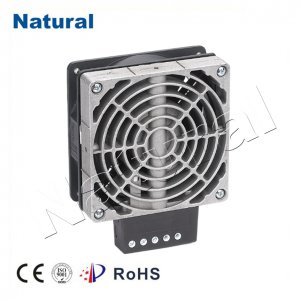
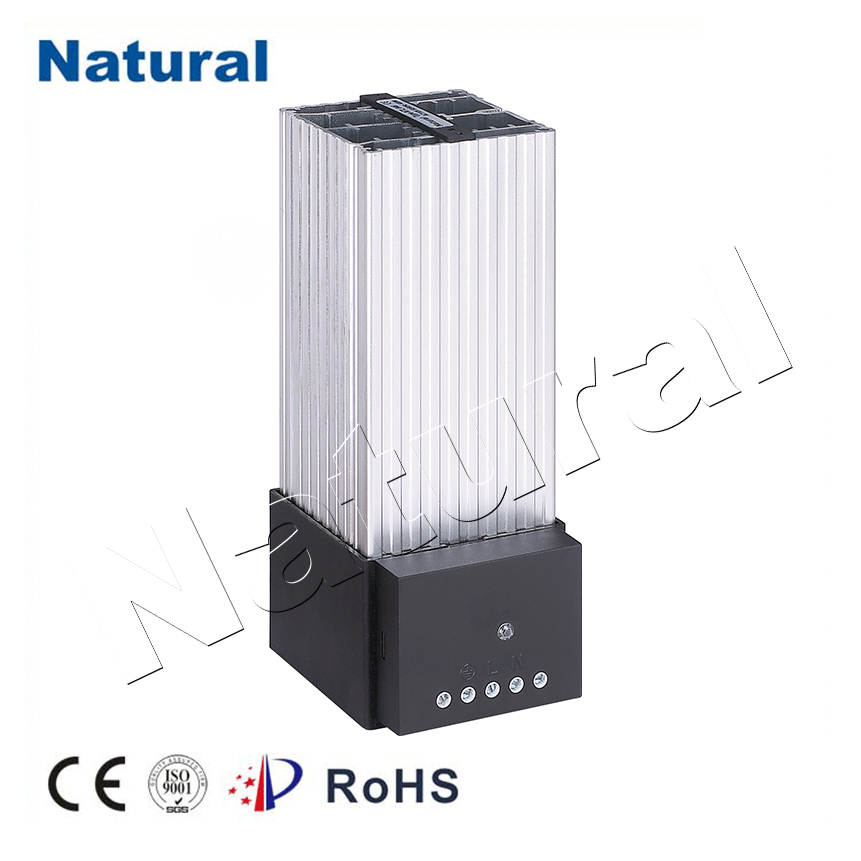
element heater

Understanding Element Heaters Element heaters are a type of heating system that employs electrical resistance heating elements to produce heat. These heating elements, typically made of materials like nickel-chromium alloy, are designed to withstand high temperatures and provide consistent and reliable heat output. Element heaters come in various forms, including radiant heaters, baseboard heaters, and underfloor heating systems. The Versatility of Element Heaters Radiant Heaters: Element heaters can take the form of radiant heaters, which are known for their ability to quickly warm up a room. These heaters emit infrared radiation, which directly heats objects and people in their path, making them an excellent choice for spot heating. Baseboard Heaters: Baseboard heaters are another popular application of element heaters. These heaters are typically installed along the baseboards of a room and use convection to circulate warm air. They are an efficient way to maintain a consistent temperature in a space. Underfloor Heating: Element heaters are also used in underfloor heating systems. These systems are installed beneath the flooring and distribute heat evenly throughout a room. Underfloor heating not only keeps your feet warm but also eliminates the need for radiators or ductwork. Benefits of Element Heaters Energy Efficiency: Element heaters are highly energy-efficient because they convert almost all the electrical energy they consume into heat. They do not suffer from energy losses associated with combustion, making them a greener heating option. Precision Temperature Control: Element heaters offer precise temperature control, allowing users to maintain a comfortable environment without excessive energy consumption. Programmable thermostats can further enhance energy savings by adjusting heating levels based on occupancy and time of day. Quick Warm-Up: Radiant element heaters are known for their rapid warm-up times. They provide instant heat, making them ideal for spaces where immediate warmth is required. Zoning Capability: Element heaters can be easily zoned, meaning you can heat specific areas of your home or office as needed. This zoning capability can lead to significant energy savings by avoiding the unnecessary heating of unoccupied spaces. Durability and Longevity: Element heaters are built to last, with heating elements designed to withstand years of use. They require minimal maintenance and have a longer lifespan compared to some other heating systems. Silent Operation: Unlike some heating systems that produce noise during operation, element heaters operate silently, providing a peaceful and comfortable environment. Applications of Element Heaters Element heaters are used in various settings, including: Residential homes Commercial buildings Industrial facilities Greenhouses Hospitals Laboratories Conclusion Element heaters have brought a paradigm shift to the world of heating technology, offering unmatched efficiency, precision, and versatility. Whether you need to warm up a single room or an entire building, these innovative heaters have proven to be a reliable and eco-friendly solution. As the demand for energy-efficient and environmentally friendly heating options continues to grow, element heaters are sure to play a central role in the future of heating technology. Embrace the warmth and efficiency of element heaters, and experience a new level of comfort in your living and working spaces.

Understanding the Electronic Hygrostat: Regulating Humidity with Precision

In today’s rapidly advancing world of technology, electronic devices have become an integral part of our lives, even in the most unexpected areas. One such innovation is the Electronic Hygrostat, a device that plays a crucial role in regulating humidity levels. In this article, we will delve into the intricacies of the Electronic Hygrostat, exploring its functions, applications, and benefits.

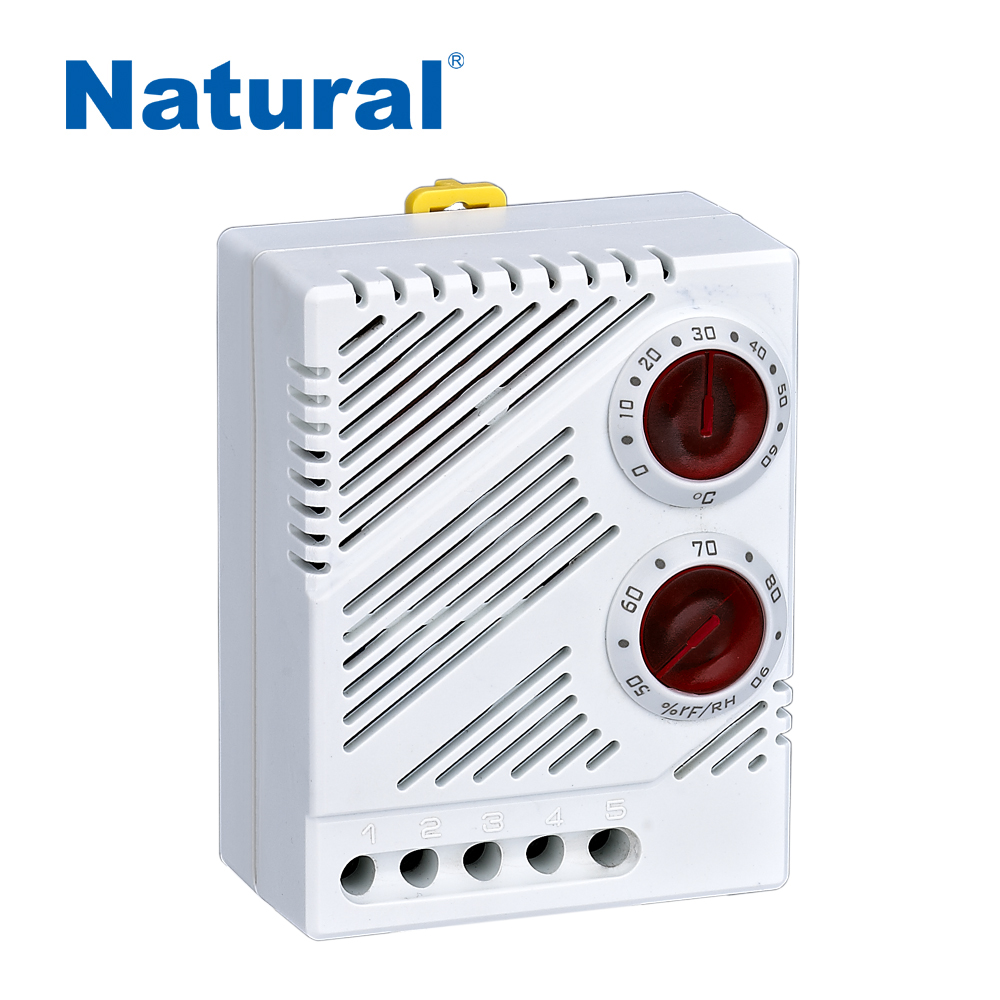
Electronic Hygrostat

What is an Electronic Hygrostat? An Electronic Hygrostat is a sophisticated electronic device designed to measure and control humidity levels in a specific environment. It operates by monitoring the relative humidity (RH) of the surrounding air and making necessary adjustments to maintain the desired humidity level. Unlike traditional hygrostats, electronic hygrostats offer a higher degree of accuracy and precision in humidity regulation. How Does it Work? Electronic hygrostats use sensors, typically capacitive or resistive, to measure the RH of the air. These sensors can detect even slight changes in humidity, making them highly reliable. Once the RH is measured, the hygrostat compares it to the pre-set target humidity level. If there is a discrepancy, the device triggers a connected humidifier or dehumidifier to add or remove moisture from the air until the desired RH is achieved. Applications of Electronic Hygrostats Electronic hygrostats find applications in various fields, ranging from industrial settings to everyday consumer products. Here are some key areas where these devices are employed: Climate Control in Homes:Electronic hygrostats are used in HVAC systems to ensure that indoor humidity levels remain comfortable and within the recommended range (typically between 30% to 60% RH). Maintaining the right humidity can improve air quality and prevent issues like mold growth. Greenhouses and Agriculture:In agriculture, precise control of humidity is essential for plant growth and crop yield. Electronic hygrostats help maintain optimal conditions in greenhouses by regulating humidity and preventing over-drying of soil. Pharmaceutical and Food Industries:These industries rely on controlled environments to store sensitive products. Electronic hygrostats help maintain the desired humidity levels in storage facilities, ensuring the quality and efficacy of medicines and the freshness of food products. Museums and Art Galleries:Museums and galleries use electronic hygrostats to protect valuable artworks and artifacts. Maintaining stable humidity levels helps prevent deterioration and damage to these priceless items. Industrial Processes:In manufacturing and industrial processes, maintaining specific humidity levels is crucial. Electronic hygrostats are used to control humidity in cleanrooms, production areas, and laboratories to ensure product quality and consistency. Benefits of Electronic Hygrostats The adoption of electronic hygrostats offers several advantages over traditional mechanical hygrostats: Accuracy:Electronic hygrostats provide precise humidity control, ensuring that RH levels are maintained within a narrow range. Energy Efficiency:These devices can optimize the operation of humidifiers and dehumidifiers, reducing energy consumption and operational costs. Remote Monitoring:Many electronic hygrostats come with remote monitoring and control capabilities, allowing users to adjust settings and receive alerts remotely. Data Logging:Some models offer data logging features, enabling users to track humidity levels over time for analysis and optimization. Maintenance Alerts:Electronic hygrostats can issue alerts when maintenance is required, ensuring that the device operates reliably. In conclusion, electronic hygrostats have revolutionized humidity control in various industries and everyday environments. With their precision, efficiency, and adaptability, these devices play a crucial role in ensuring optimal conditions for everything from artworks and crops to pharmaceuticals and manufacturing processes. As technology continues to advance, electronic hygrostats are poised to become even more integral to our lives, providing us with greater control over our surroundings and enhancing our quality of life.

Enhancing Electrical Cabinet Performance with Filters

In the realm of electrical engineering and automation, ensuring the reliability and longevity of equipment is paramount. Electrical cabinets, often housing sensitive electronic components, are vital in this regard. These cabinets protect equipment from harsh environmental conditions, such as dust, dirt, and moisture, which can compromise their functionality. To address these challenges, engineers have turned to electrical cabinet filters, which have proven to be indispensable in maintaining the integrity of electrical systems.

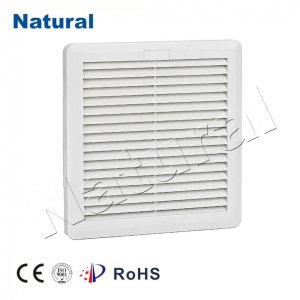
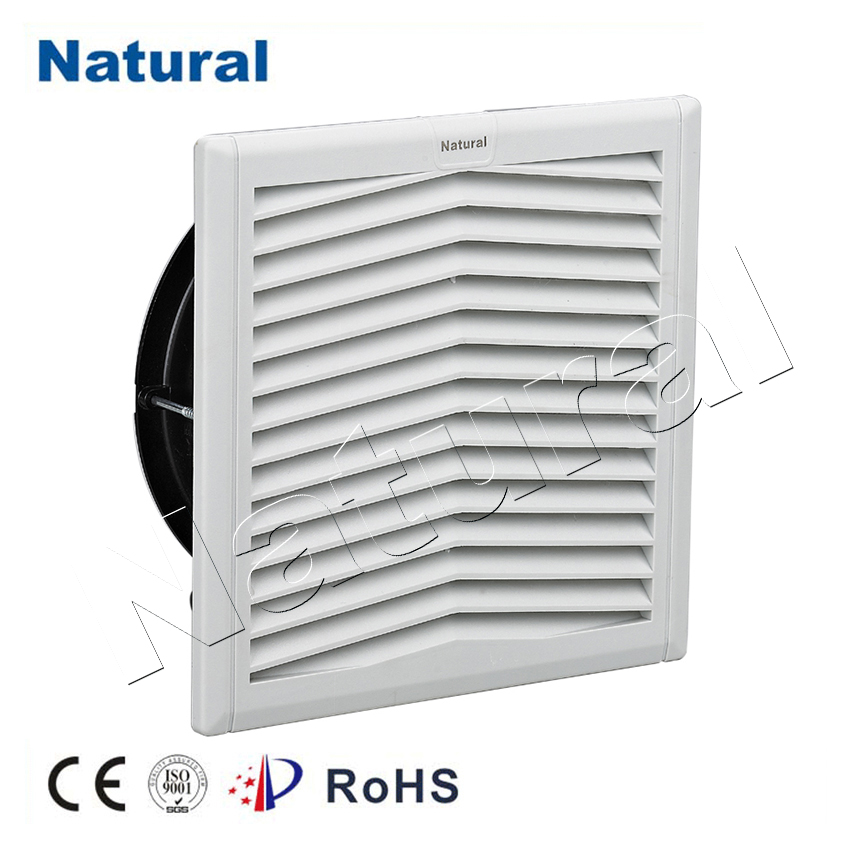
electrical cabinet filter

Understanding Electrical Cabinet Filters Electrical cabinet filters, also known as cabinet air filters or enclosure filters, are specialized devices designed to improve the environment within electrical cabinets. These filters are commonly used in various industries, including manufacturing, telecommunications, and renewable energy, where electrical equipment is frequently exposed to adverse conditions. The primary purpose of these filters is to maintain a clean and controlled environment within the cabinet, free from contaminants that could damage or hinder the performance of sensitive components. The Importance of Filtration Dust and Particulate Contaminants: Dust and particulate matter are ubiquitous, and they can easily find their way into electrical cabinets. When these particles accumulate on electronic components, they can obstruct airflow, cause overheating, and lead to malfunctions or even failures. Electrical cabinet filters are designed to trap these particles, ensuring a clean internal environment. Moisture Control: Electrical cabinets are also susceptible to moisture infiltration, which can cause corrosion and short-circuits. Filters equipped with moisture-absorbing capabilities can help maintain a dry environment within the cabinet, safeguarding sensitive electronics from harm. Temperature Regulation: Effective filtration can aid in temperature control within the cabinet. By maintaining a consistent temperature, electrical components are less likely to experience thermal stress, ensuring their longevity and reliable performance. Types of Electrical Cabinet Filters Several types of filters are available for electrical cabinets, each designed to address specific environmental challenges: Dust Filters: These filters are constructed with fine mesh materials that capture airborne dust particles, preventing them from settling on sensitive components. Moisture-Resistant Filters: These filters incorporate materials that absorb moisture, helping to keep the humidity within the cabinet at an optimal level. Active Filters: Some advanced filters are equipped with fans or other active components that not only filter the air but also circulate it, aiding in temperature control. EMI/RFI Filters: For cabinets housing equipment susceptible to electromagnetic interference (EMI) or radio frequency interference (RFI), specialized filters are available to block these unwanted signals. Benefits of Electrical Cabinet Filters The incorporation of electrical cabinet filters yields several significant benefits: Improved Equipment Reliability: Filters help extend the lifespan of electrical components by preventing damage from dust, moisture, and temperature fluctuations. Reduced Maintenance Costs: Regular maintenance and cleaning of components can be time-consuming and costly. Filters reduce the need for frequent maintenance, resulting in cost savings over time. Enhanced Performance: With a clean and controlled environment, equipment can operate at peak performance, ensuring optimal efficiency and productivity. Compliance with Standards: In some industries, regulatory standards mandate the use of cabinet filters to protect sensitive electronics. Using these filters ensures compliance with these standards. Conclusion Electrical cabinet filters are invaluable assets in the world of electrical engineering and automation. Their ability to protect sensitive electronic components from dust, moisture, and temperature fluctuations significantly contributes to the reliability and longevity of equipment. Engineers and industries alike continue to rely on these filters to safeguard their investments and ensure the seamless operation of critical systems. As technology continues to advance, so too will the role of electrical cabinet filters in supporting the future of electrical engineering and automation.

Enhancing Indoor Air Quality with Electric Fan Filters

Electric Fan Filters: A Breath of Fresh Air

electric fan filter

Indoor air quality (IAQ) has become a growing concern in recent years, as people spend more time indoors, especially in urban environments where air pollution is a significant issue. To address this problem, electric fan filters have emerged as a practical and efficient solution. In this article, we will explore the benefits of electric fan filters and how they can help improve the air quality in your home or workspace. Understanding Indoor Air Pollution Before delving into electric fan filters, it’s crucial to grasp the magnitude of the indoor air pollution problem. Common indoor pollutants include dust, allergens, pet dander, smoke, and volatile organic compounds (VOCs) from household products. Prolonged exposure to these pollutants can lead to respiratory problems, allergies, and other health issues. The Role of Electric Fan Filters Electric fan filters, also known as air purifiers or air cleaners, are devices designed to remove contaminants from indoor air. They work by drawing in air and passing it through a filter, which captures particles and pollutants, effectively cleansing the air before recirculating it into the room. These filters are equipped with a fan to facilitate air circulation and distribution. Benefits of Electric Fan Filters Improved Respiratory Health: Electric fan filters are especially beneficial for individuals with allergies, asthma, or respiratory conditions. They can significantly reduce the presence of allergens like pollen, dust mites, and pet dander, providing relief from allergy symptoms. Odor Elimination: Electric fan filters are effective at removing odors from cooking, smoking, or pet-related activities. They use activated carbon filters to adsorb odor molecules, leaving the air smelling fresh and clean. Reduced VOCs: VOCs released by household products like cleaning agents and paints can contribute to indoor air pollution. Electric fan filters with specialized filters can trap VOCs, reducing their concentration in the air. Protection Against Airborne Pathogens: In recent times, electric fan filters have gained attention for their ability to remove airborne viruses and bacteria, including respiratory viruses like the flu and COVID-19. This feature is particularly relevant in the context of global health concerns. Enhanced Comfort: Cleaner air can lead to an overall sense of well-being. People often report improved sleep quality, increased energy levels, and reduced fatigue when they use electric fan filters in their homes. Choosing the Right Electric Fan Filter When selecting an electric fan filter, consider the following factors: Filter Type: Choose a filter that suits your specific needs. High-efficiency particulate air (HEPA) filters are effective for capturing small particles, while activated carbon filters excel at removing odors and VOCs. Room Size: Ensure that the filter is appropriate for the size of the room you intend to use it in. Filters are typically rated based on the volume of air they can purify within a specified time. Maintenance: Check the maintenance requirements of the filter, including filter replacement intervals. Regular maintenance is essential to ensure optimal performance. Noise Level: Some electric fan filters can be noisy, especially at higher fan speeds. Consider the noise level if you plan to use the filter in a bedroom or quiet workspace. Conclusion Electric fan filters are valuable additions to any indoor environment, offering numerous benefits for health and comfort. By removing pollutants and enhancing air quality, these devices contribute to a healthier and more enjoyable living space. As concerns about indoor air quality continue to grow, electric fan filters are becoming essential tools for maintaining clean and breathable indoor air.

The Ingenious Functionality of Electric Cabinet Thermostats

Electric cabinet thermostats, often overshadowed by their more conspicuous counterparts, play a vital role in maintaining the optimal temperature within electrical cabinets and enclosures. These unassuming devices are indispensable in a wide range of industrial and commercial settings, ensuring the safe operation of electronic equipment. In this article, we will delve into the world of electric cabinet thermostats, exploring their essential functions and the impact they have on electrical systems.

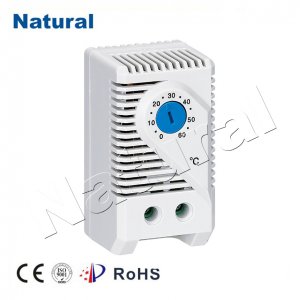
electric cabinet thermostat

1. Temperature Regulation: The Core Function Electric cabinet thermostats are primarily responsible for maintaining a stable temperature within electrical enclosures. The temperature inside these enclosures can fluctuate due to various factors, including external ambient temperature, heat generated by electrical components, and environmental conditions. To prevent overheating, electric cabinet thermostats are employed to monitor the temperature and initiate cooling or heating processes as necessary. 2. Thermostat Operation The operation of an electric cabinet thermostat is relatively straightforward. A sensor placed within the enclosure continuously monitors the internal temperature. When the temperature exceeds a preset threshold, the thermostat activates the appropriate cooling or heating system. This can involve fans, heaters, or heat exchangers, depending on the desired effect. Once the temperature returns to the desired range, the thermostat switches off the auxiliary system, conserving energy and maintaining efficiency. 3. Cooling Systems In environments where electronic equipment generates significant heat, cooling systems are essential. Electric cabinet thermostats work in tandem with fans or air conditioning units to dissipate excess heat. As the temperature rises, the thermostat signals the fans to increase their speed, facilitating air circulation and heat exchange. This process continues until the temperature stabilizes within the acceptable range. 4. Heating Systems In colder climates or during specific applications, maintaining a minimum temperature inside electrical cabinets is crucial to prevent condensation or freezing. Electric cabinet thermostats are equally adept at activating heating elements when temperatures drop too low. These heating systems, often consisting of heating pads or resistive elements, ensure that sensitive electronics remain operational even in frigid conditions. 5. Energy Efficiency and Cost Savings Electric cabinet thermostats are instrumental in reducing energy consumption and operating costs. By activating auxiliary cooling or heating systems only when necessary, they prevent continuous operation, saving electricity and reducing wear and tear on the equipment. This energy-efficient approach not only benefits the environment but also significantly cuts down on operational expenses over time. 6. Application Diversity The applications of electric cabinet thermostats are vast and varied. They are commonly found in industries such as manufacturing, telecommunications, and energy production, where electronic components are housed in enclosures. Beyond industrial settings, these thermostats are also utilized in commercial spaces, data centers, and outdoor installations to ensure the longevity and reliability of electrical systems. 7. Safety Considerations In addition to temperature regulation, electric cabinet thermostats contribute to the safety of electrical systems. By preventing overheating, they reduce the risk of electrical fires and equipment failures. In critical applications, the absence of an electric cabinet thermostat could lead to catastrophic consequences, making their presence indispensable. 8. Maintenance and Monitoring Regular maintenance and monitoring of electric cabinet thermostats are crucial to their effectiveness. Periodic checks ensure that these devices are functioning correctly, preventing potential issues and downtime. Modern electric cabinet thermostats often come equipped with remote monitoring capabilities, allowing for real-time temperature tracking and immediate response to any anomalies. In conclusion, electric cabinet thermostats may operate behind the scenes, but their significance in maintaining the reliability and safety of electrical systems cannot be overstated. These unassuming devices quietly regulate temperature, optimize energy usage, and safeguard sensitive electronic components across a broad spectrum of industries. Their contribution to the seamless functioning of countless applications is a testament to their ingenuity and importance in the world of electrical engineering.

The Warming Comfort of Electric Space Heaters

In today’s fast-paced world, where time is of the essence, and temperatures can plummet during the winter months, electric space heaters have become an essential appliance for many households. These compact, efficient devices offer a convenient and energy-efficient way to keep your living spaces warm and cozy. In this article, we will explore the benefits of electric space heaters, their various types, and some safety tips to ensure you enjoy their warmth responsibly.

electr space heater

The Convenience of Electric Space Heaters Electric space heaters have gained popularity due to their convenience and effectiveness. Unlike central heating systems, which heat the entire house, space heaters allow you to target specific areas that need warmth. Whether you’re working from home in a chilly office, watching TV in the living room, or simply enjoying a book in your favorite reading nook, these heaters provide a quick and reliable source of heat. Types of Electric Space Heaters There are several types of electric space heaters to choose from, each catering to different needs and preferences: Ceramic Heaters:Ceramic heaters are known for their energy efficiency and even heating. They operate by passing electricity through ceramic plates, which then emit heat. The ceramic element retains heat well and distributes it evenly, ensuring your space stays comfortably warm. Infrared Heaters:Infrared heaters use electromagnetic radiation to heat objects directly in their path. This type of heating mimics the warmth of the sun, making it feel natural and pleasant. Infrared heaters are often chosen for their ability to quickly warm up a room. Oil-Filled Radiators:Oil-filled radiators are known for their silent operation. These heaters contain a sealed reservoir of oil, which heats up and circulates through the unit, radiating heat. They are an excellent choice for bedrooms and other quiet spaces. Fan-Forced Heaters:Fan-forced heaters use a fan to blow air over a heated element, quickly distributing warm air throughout the room. They are highly effective for heating larger areas and maintaining a consistent temperature. Safety First While electric space heaters offer many benefits, it’s crucial to use them safely to prevent accidents and fires. Here are some safety tips to keep in mind: Keep a Clear Zone:Ensure that there is a minimum of three feet of clear space around the heater. Keep flammable materials, such as curtains, furniture, and bedding, away from the unit. Plug Directly into Wall Outlets:Avoid using extension cords or power strips, as they can overheat and pose a fire hazard. Plug the heater directly into a wall outlet. Regular Maintenance:Clean your heater regularly and inspect it for any damage. Follow the manufacturer’s maintenance guidelines to ensure it operates safely. Use a Thermostat:If your heater has a thermostat, set it to maintain a comfortable and consistent temperature. This will prevent overheating and excessive energy consumption. Automatic Shut-off:Consider heaters with safety features like tip-over protection and overheat protection. These features can help prevent accidents and ensure your peace of mind. Conclusion Electric space heaters are versatile appliances that offer a simple solution to staying warm during cold weather. With various types available, you can find the perfect heater to suit your needs and preferences. Remember to prioritize safety by following the recommended guidelines and using these devices responsibly. By doing so, you can enjoy the comfort and warmth they provide, making your home a cozy haven during the chilly months.

The Marvels of Electric Fan Heaters

In a world where climate control is of utmost importance, electric fan heaters have emerged as a modern-day marvel, providing efficient, versatile, and convenient solutions to combat the chills of winter. These compact devices have found their way into countless homes, offices, and industrial spaces, offering a reliable source of warmth during the cold months. In this article, we will delve into the world of electric fan heaters, exploring their functionality, benefits, and how they have become an integral part of our lives.

electr fan heater

The Functionality of Electric Fan Heaters Electric fan heaters operate on a relatively simple yet highly effective principle. They consist of a heating element, often made of ceramic or metal, which generates heat when an electrical current passes through it. A fan within the unit then blows air over the heated element and into the surrounding space. This rapid circulation of warm air raises the ambient temperature, creating a cozy and comfortable environment. One of the key advantages of electric fan heaters is their ability to produce instant heat. Unlike traditional heating systems that may take time to warm up, these heaters provide immediate relief from the cold, making them perfect for quick comfort. Versatility and Adaptability Electric fan heaters are renowned for their versatility. They come in various shapes and sizes, from compact personal heaters to larger units suitable for larger spaces. This diversity allows users to choose a heater that best fits their needs, whether it’s for personal use, heating a small room, or even drying a damp area. Moreover, electric fan heaters often come with adjustable temperature settings and fan speeds, enabling users to fine-tune their heating experience. This adaptability ensures that users can maintain a comfortable temperature, regardless of the external weather conditions. Energy Efficiency and Cost Savings One of the primary concerns when it comes to heating is energy consumption and its associated costs. Electric fan heaters have made significant strides in addressing these concerns. Modern models are designed with energy-saving features such as thermostats and timers, allowing users to maintain optimal temperatures without wasting electricity. Additionally, electric fan heaters are highly efficient in delivering heat directly to the desired area, reducing heat loss through ducts or pipes, which is common in central heating systems. This efficiency translates into cost savings, making electric fan heaters an economical choice for many households and businesses. Convenience and Portability Portability is a notable advantage of electric fan heaters. Their compact size and lightweight design make them easy to move from one room to another, providing heat wherever it is needed. This flexibility means you can enjoy warmth in your living room one moment and then take the heater to your bedroom the next. Safety features, such as overheat protection and tip-over switches, are also common in electric fan heaters, ensuring that they can be used with peace of mind, even in homes with children or pets. Eco-Friendly Heating As environmental consciousness grows, so does the demand for eco-friendly heating solutions. Electric fan heaters, particularly those with energy-efficient designs, are a more sustainable option compared to fossil fuel-based heating systems. They produce zero emissions and do not require the combustion of fuels, contributing to cleaner air and a reduced carbon footprint. Conclusion Electric fan heaters have come a long way in revolutionizing how we stay warm during the winter months. With their rapid heating capabilities, adaptability, energy efficiency, and portability, they have become indispensable devices in homes and workplaces worldwide. As technology continues to advance, we can expect even more innovative features and eco-friendly designs to enhance our heating experiences. Embracing the convenience and comfort offered by electric fan heaters is a step towards a cozier and more sustainable future.

Advancements in Electric Air Heaters: Enhancing Comfort and Efficiency

Introduction

electr air heater

Electric air heaters have revolutionized the way we maintain comfortable indoor environments, offering efficient heating solutions for various applications. With advancements in technology, these heaters have become increasingly versatile, cost-effective, and environmentally friendly. In this article, we will explore the key features and benefits of electric air heaters, along with their diverse applications across different sectors. Efficiency and Energy Savings One of the primary advantages of electric air heaters is their efficiency in converting electrical energy into heat. Unlike traditional heating methods that involve the combustion of fossil fuels, electric air heaters generate warmth through resistive heating elements. This direct conversion process eliminates the need for heat transfer mediums, resulting in rapid and consistent heating. Moreover, modern electric heaters are equipped with advanced controls that allow users to tailor the heating output according to their needs, thus minimizing energy wastage. Clean and Environmentally Friendly Electric air heaters contribute significantly to environmental sustainability due to their clean operation. As they do not burn fuels, there are no emissions of harmful gases, particulates, or greenhouse gases. This is particularly crucial in reducing indoor air pollution and promoting healthier living conditions. Additionally, their high energy efficiency helps in lowering overall energy consumption, leading to a decreased carbon footprint. Versatile Applications Electric air heaters find applications in a wide range of sectors, from residential and commercial spaces to industrial settings. In homes, they offer precise temperature control, ensuring that residents enjoy comfort during cold seasons. Commercially, they are integrated into HVAC (Heating, Ventilation, and Air Conditioning) systems to maintain optimal indoor temperatures in offices, malls, and other public places. Furthermore, electric air heaters are indispensable in industries that require specific temperature conditions, such as food production, pharmaceuticals, and electronics manufacturing. Advanced Features Recent advancements in electric air heater technology have led to the integration of various advanced features. Programmable thermostats, remote controls, and smart connectivity options enable users to regulate heating remotely and create energy-efficient schedules. Some models are designed with dual functionality, allowing them to function as cooling units during warmer months. These features not only enhance convenience but also contribute to reducing energy consumption. Maintenance and Durability Electric air heaters are known for their durability and low maintenance requirements. Unlike traditional heating systems that involve mechanical components and fuel storage, electric heaters have fewer moving parts, reducing the likelihood of breakdowns. Regular cleaning of filters and routine checks on electrical connections are usually sufficient to keep them functioning optimally. This ease of maintenance translates to lower operational costs and longer equipment lifespans. Conclusion The evolution of electric air heaters has brought about a new era of efficient, eco-friendly, and versatile heating solutions. Their ability to provide rapid, clean, and controllable warmth makes them invaluable in various settings, from homes to industrial complexes. As technology continues to advance, we can anticipate even more innovative features that will further enhance the performance and convenience of electric air heaters. Embracing these advancements not only leads to increased comfort and energy savings but also contributes to a greener and more sustainable future.

Dual Thermostats: Optimizing Comfort and Energy Efficiency

In our ever-evolving quest to create more comfortable and energy-efficient living spaces, technological innovations continue to play a pivotal role. Among these innovations, the dual thermostat system has emerged as a game-changer. In this article, we will explore the concept of dual thermostats, their benefits, and how they are reshaping the way we control temperature in our homes.

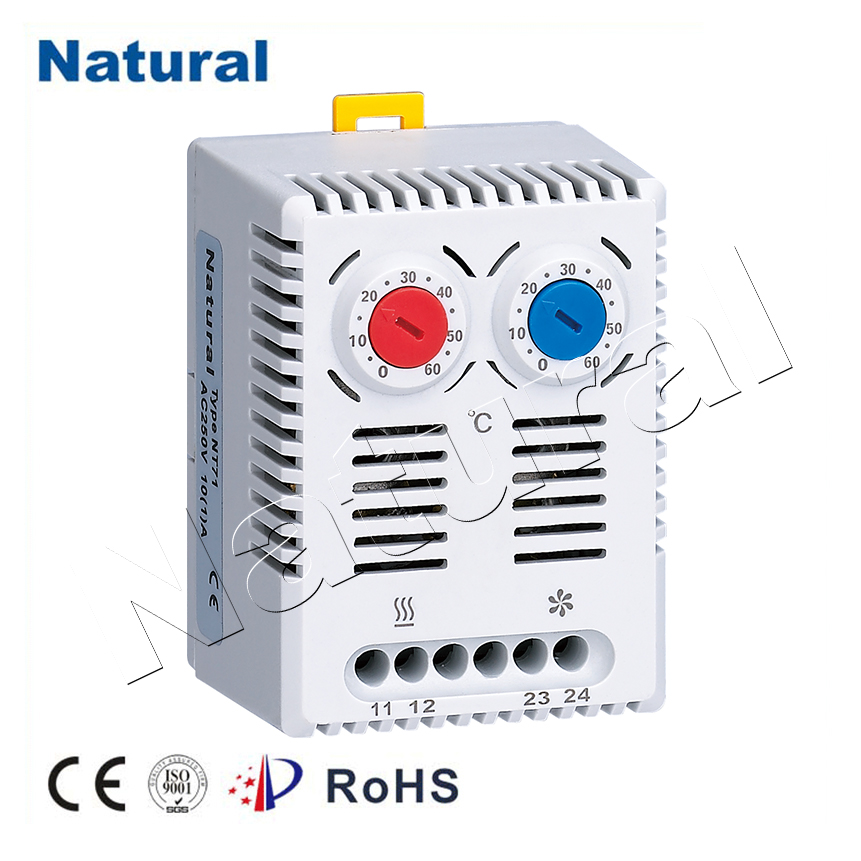
Dual Thermostat

The Dual Thermostat Concept A dual thermostat system involves the use of two separate thermostats within a single heating and cooling setup. Each thermostat is strategically placed in different areas of a home, allowing for more precise temperature control and energy management. Typically, one thermostat is installed in a frequently used living space, such as the living room, while the other is placed in a less-frequented area, like a bedroom. Enhanced Comfort One of the primary advantages of dual thermostats is the ability to enhance comfort levels throughout your home. With traditional single-thermostat systems, it can be challenging to maintain an ideal temperature in all areas simultaneously. This often results in hot and cold spots, leaving some rooms uncomfortable. Dual thermostats tackle this issue head-on by allowing you to set individual temperature preferences for different areas. This means you can have a toasty living room for family gatherings while keeping your bedroom cooler for a comfortable night’s sleep. This precise control results in a more comfortable overall living environment. Energy Efficiency Beyond comfort, dual thermostats are champions of energy efficiency. They enable homeowners to optimize heating and cooling based on their actual usage patterns. For example, during the day, you can set the thermostat in the living room to a comfortable temperature while allowing the bedroom thermostat to remain in an energy-saving mode. This ensures that energy is not wasted in unused areas of the house. Moreover, many dual thermostat systems are equipped with smart technology, enabling remote control through smartphone apps. This means you can adjust settings even when you’re away from home, ensuring that your heating and cooling systems are running efficiently to save on energy costs. Zoning Dual thermostats are also a vital component of zoning systems. Zoning divides your home into different heating and cooling zones, each controlled by its thermostat. This allows you to tailor the climate in each zone to its specific needs. For instance, you can keep the kitchen cool while the dining area remains warm, all within the same HVAC system. Zoning not only maximizes comfort but also helps reduce energy consumption by directing heating and cooling only where it’s needed. Installation and Compatibility Installing dual thermostats in your home is a relatively straightforward process. Many models are compatible with existing HVAC systems, making it easy to retrofit your home for improved comfort and energy efficiency. Professional installation is recommended to ensure that the thermostats are correctly placed and wired for optimal performance. Conclusion As technology continues to advance, our ability to create comfortable and energy-efficient living spaces grows exponentially. Dual thermostats are a shining example of how innovation can be harnessed to enhance our daily lives. By providing precise control, energy efficiency, and zoning capabilities, these systems are revolutionizing the way we manage temperature in our homes. Whether you’re looking to increase comfort or reduce energy bills, dual thermostats offer a versatile solution that is both effective and environmentally friendly.