Monthly Archives: September 2023

The Importance of Fan Ventilation Filters in Maintaining Clean Air

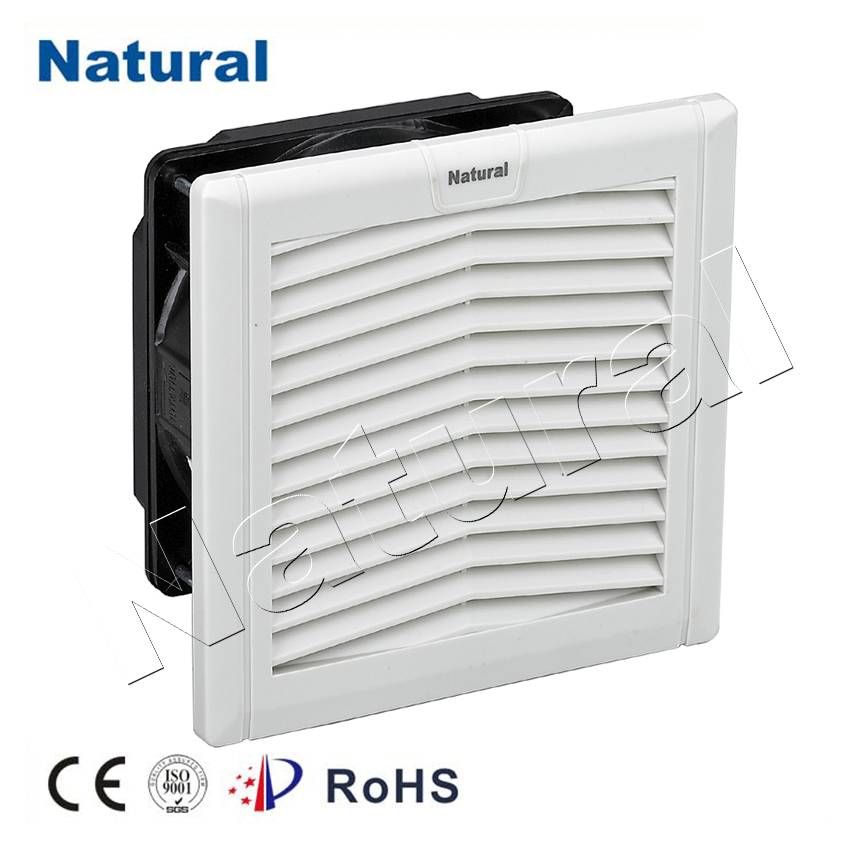
Fan ventilation filters play a crucial role in ensuring the air we breathe is free from contaminants and harmful particles. These filters are integral components of various systems, including HVAC (Heating, Ventilation, and Air Conditioning) units, industrial fans, and computer cooling systems. In this article, we will explore the significance of fan ventilation filters and why they are essential for maintaining clean and healthy indoor air quality.
fan ventil filter

1. Removing Airborne Particles One of the primary functions of fan ventilation filters is to eliminate airborne particles that can adversely affect indoor air quality. These particles include dust, pollen, pet dander, mold spores, and even bacteria and viruses. Without effective filtration, these contaminants can circulate freely in the air, leading to allergies, respiratory problems, and overall discomfort. 2. Enhancing Energy Efficiency Fan ventilation filters also play a role in improving the energy efficiency of HVAC systems. When dust and debris accumulate on the system’s components, it forces the equipment to work harder to maintain the desired temperature. Over time, this increased workload can lead to higher energy consumption and increased utility bills. Regularly changing and maintaining the filters can help keep the system running efficiently, saving both energy and money. 3. Extending Equipment Lifespan In addition to energy efficiency, fan ventilation filters also contribute to prolonging the lifespan of the equipment they protect. When contaminants accumulate on sensitive components, such as fan blades and heat exchangers, it can lead to mechanical wear and tear. By preventing these particles from entering the system, filters reduce the risk of damage and increase the longevity of the equipment. 4. Improving Indoor Air Quality Maintaining clean indoor air quality is vital for the health and well-being of building occupants. Fan ventilation filters trap not only dust and allergens but also volatile organic compounds (VOCs) and odors. This filtration process helps create a more pleasant and healthier indoor environment, reducing the risk of illnesses and promoting overall comfort. 5. Protecting Sensitive Environments In certain industries and environments, maintaining pristine air quality is not just a matter of comfort but a necessity. Laboratories, cleanrooms, and pharmaceutical manufacturing facilities are examples of places where fan ventilation filters are crucial for protecting sensitive processes and ensuring product quality. These filters are designed to remove even the tiniest particles, ensuring that the air meets stringent purity standards. 6. Easy Maintenance Fan ventilation filters are relatively easy to maintain. Most systems come with accessible filter compartments that allow for quick replacement. Regularly changing or cleaning filters is a simple yet effective way to ensure they continue to perform at their best. 7. Customization for Specific Needs Fan ventilation filters are available in various types and grades, allowing for customization based on specific needs. High-efficiency particulate air (HEPA) filters, for instance, are capable of trapping particles as small as 0.3 microns, making them suitable for environments that demand the highest level of air quality. In conclusion, fan ventilation filters are indispensable components of systems that rely on clean, healthy air circulation. They remove airborne particles, enhance energy efficiency, extend equipment lifespan, improve indoor air quality, and protect sensitive environments. Regular maintenance and the choice of appropriate filter types are key factors in ensuring their effectiveness. By prioritizing the use of quality fan ventilation filters, we can create a safer, healthier, and more comfortable living and working environment for everyone.
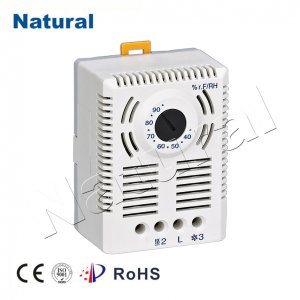
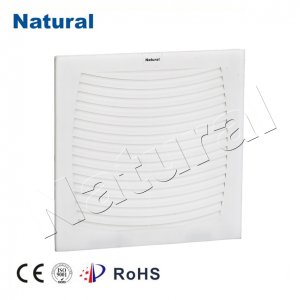
Understanding the Fan Thermostat: A Comprehensive Guide

Fan thermostats, often overlooked but essential components of HVAC systems, play a critical role in maintaining indoor comfort and energy efficiency. In this article, we will delve into the world of fan thermostats, exploring their functionality, types, benefits, and importance in the realm of heating, ventilation, and air conditioning.

fan thermostat

Introduction Fan thermostats are devices designed to control the operation of fans in HVAC systems. Their primary function is to regulate the distribution of conditioned air throughout a building, ensuring optimal temperature and humidity levels. By understanding the different aspects of fan thermostats, we can appreciate their significance in maintaining indoor comfort and conserving energy. How Fan Thermostats Work Fan thermostats rely on temperature sensing to determine when a fan should be activated or deactivated. When the thermostat detects that the indoor temperature has deviated from the desired setpoint, it triggers the fan to start or stop. This simple yet effective mechanism ensures that the HVAC system only operates when necessary, preventing energy wastage. Types of Fan Thermostats Bimetallic Thermostats: These traditional thermostats use a bimetallic strip that expands or contracts based on temperature changes. When the strip bends, it activates the fan, and when it returns to its original state, the fan turns off. Electronic Thermostats: Modern electronic fan thermostats use sensors and microprocessors to provide precise temperature control. They offer greater accuracy and programmability compared to bimetallic thermostats. Digital Thermostats: These advanced thermostats have digital displays and can be programmed to operate at specific times and temperatures. Some models even offer remote control via smartphone apps. Smart Thermostats: The latest innovation in fan thermostat technology, smart thermostats, connect to the internet and allow homeowners to control their HVAC systems remotely. They also learn from user behavior and adjust settings for maximum energy efficiency. Benefits of Fan Thermostats Energy Savings: Fan thermostats prevent the HVAC system from running continuously, reducing energy consumption and lowering utility bills. Enhanced Comfort: By maintaining consistent indoor temperatures, fan thermostats contribute to a more comfortable living or working environment. Extended HVAC System Lifespan: Reduced runtime leads to less wear and tear on HVAC components, potentially prolonging their lifespan. Environmental Benefits: Using energy more efficiently reduces carbon emissions, contributing to a greener planet. Importance in HVAC Systems Fan thermostats are integral components of HVAC systems, working in tandem with heating and cooling equipment to maintain comfort and efficiency. They ensure that conditioned air is distributed evenly throughout a space, preventing temperature variations and hot or cold spots. Moreover, fan thermostats contribute to the overall performance of HVAC systems. Properly functioning fan thermostats help prevent issues such as short cycling, where the system turns on and off frequently, reducing energy efficiency and increasing wear on equipment. Conclusion Fan thermostats may be small in size, but their impact on HVAC systems and indoor comfort is substantial. Whether you have a traditional bimetallic thermostat or a cutting-edge smart thermostat, understanding how these devices work and their benefits is crucial for maintaining a comfortable and energy-efficient living or working environment. As technology continues to advance, fan thermostats will likely play an even more significant role in shaping the future of HVAC systems.

Choosing the Right Fan Filter Supplier: A Comprehensive Guide

In today’s rapidly evolving industrial landscape, maintaining optimal air quality and equipment performance is of paramount importance. One essential component in this regard is the fan filter unit (FFU), which plays a pivotal role in filtering out contaminants and ensuring a clean environment within critical spaces such as cleanrooms, laboratories, and data centers. To ensure the efficacy and reliability of your FFUs, selecting the right fan filter supplier is crucial. In this article, we will explore key factors to consider when choosing a fan filter supplier.

fan filter supplier

Quality Assurance: The first and foremost consideration when selecting a fan filter supplier is their commitment to quality assurance. Verify if the supplier adheres to international quality standards such as ISO 9001 and ISO 14001. This ensures that their products are manufactured and tested to meet stringent quality criteria, guaranteeing performance consistency. Product Range: Different applications demand different types of FFUs. Ensure that the supplier offers a diverse range of FFUs, including various sizes, filtration efficiencies, and mounting options. This versatility allows you to choose the most suitable FFU for your specific requirements. Customization Options: No two facilities are exactly alike, so having the option for customization is vital. A reliable fan filter supplier should be able to tailor their FFUs to fit your unique specifications, including size, airflow, and filtration efficiency. Customization ensures optimal performance and compatibility with your existing systems. Energy Efficiency: Energy consumption is a significant concern in today’s environmentally conscious world. Look for a supplier that offers energy-efficient FFUs. These units are designed to maximize airflow while minimizing energy consumption, resulting in lower operating costs and reduced environmental impact. Longevity and Reliability: FFUs are a long-term investment, so durability and reliability are paramount. Investigate the supplier’s track record and ask for references or case studies to ensure their FFUs have a history of longevity and minimal maintenance requirements. Technical Support: Even the best FFUs may encounter issues from time to time. Choose a supplier that offers comprehensive technical support, including troubleshooting assistance, maintenance guidance, and readily available spare parts. Compliance and Certification: Depending on your industry, specific compliance and certification requirements may apply. Ensure that the supplier’s FFUs meet the necessary industry standards and regulations, such as those for cleanroom classifications, fire safety, and electromagnetic compatibility (EMC). Cost Considerations: While cost is a critical factor, it should not be the sole determining factor. Balance the cost of FFUs with their quality and features to ensure that you are making a cost-effective, long-term investment. Warranty and Service Contracts: Investigate the supplier’s warranty policies and available service contracts. A robust warranty and service package can provide peace of mind and protect your investment. Customer Feedback: Finally, research customer feedback and reviews. The experiences of other customers can provide valuable insights into the supplier’s reputation, customer service, and product quality. In conclusion, choosing the right fan filter supplier is a crucial decision that directly impacts the performance and efficiency of your critical facilities. By considering factors such as quality assurance, product range, customization options, energy efficiency, longevity, technical support, compliance, cost, warranties, and customer feedback, you can make an informed choice that ensures clean, healthy, and efficient operations. Remember that investing in high-quality FFUs and a reliable supplier is an investment in the long-term success of your facility.

“Fan Filter OEM Manufacturer: Innovating Air Filtration Solutions”

In today’s rapidly evolving industrial landscape, maintaining optimal air quality is of paramount importance. Ensuring that machinery and sensitive electronic equipment remain free from contaminants is a top priority for businesses across the globe. In this quest for cleaner air, Fan Filter Original Equipment Manufacturers (OEMs) play a pivotal role. This article delves into the world of Fan Filter OEM Manufacturers, their significance, and their innovative contributions to air filtration technology.

Fan Filter OEM Manufacturer

The Importance of Air Filtration: Clean air is not a luxury but a necessity in industries where electronic equipment operates. Dust, dirt, and other particulate matter can cause significant damage to sensitive components, leading to costly downtime and repairs. Fan Filter OEM Manufacturers recognize this critical need for clean air and provide tailored solutions to meet industry-specific requirements. Customization is Key: Fan Filter OEM Manufacturers understand that no two industries are the same. Each sector has unique air filtration demands. This is where their expertise shines, as they customize solutions to address specific challenges. Whether it’s a semiconductor cleanroom, a medical equipment manufacturing facility, or an automotive production line, Fan Filter OEMs tailor their products to ensure optimal performance and maximum protection. Cutting-Edge Technology: Innovation is the lifeblood of the Fan Filter OEM industry. These manufacturers are continually researching and developing advanced filtration technologies to stay ahead of the curve. High-efficiency particulate air (HEPA) filters, activated carbon filters, and electrostatic filters are just a few examples of their cutting-edge solutions. By incorporating the latest advancements in materials and design, Fan Filter OEMs deliver products that exceed industry standards. Energy Efficiency and Sustainability: In addition to providing top-notch air filtration, Fan Filter OEMs are increasingly focused on energy efficiency and sustainability. They understand the importance of reducing energy consumption and minimizing environmental impact. Many manufacturers are investing in eco-friendly materials and manufacturing processes, aligning their goals with global sustainability initiatives. Quality Assurance: When it comes to air filtration, there is no room for compromise. Fan Filter OEMs adhere to strict quality control measures to ensure that their products consistently meet and exceed performance expectations. Rigorous testing and certification processes guarantee that customers receive air filtration solutions of the highest quality. Global Reach: Fan Filter OEM Manufacturers have a global presence, serving a wide range of industries in various countries. Their expansive reach ensures that businesses worldwide can access the best air filtration solutions available. This global network also allows them to stay attuned to emerging market trends and respond quickly to customer needs. Collaboration and Expertise: Fan Filter OEM Manufacturers collaborate closely with their clients to gain a deep understanding of their unique requirements. Their expertise extends beyond simply providing filters; they offer comprehensive solutions that include consultation, installation, and ongoing support. This partnership approach ensures that customers receive not just products, but the knowledge and guidance needed for long-term success. Conclusion: In the world of air filtration, Fan Filter OEM Manufacturers are the unsung heroes. Their dedication to innovation, customization, and quality assurance makes them indispensable partners for industries where clean air is essential. As technology continues to advance and environmental concerns grow, these manufacturers will play an even more crucial role in safeguarding the health and longevity of machinery and electronic equipment. So, whether it’s in a high-tech laboratory or a bustling factory, Fan Filter OEM Manufacturers are quietly ensuring that the air we breathe is clean, pure, and safe for our machines to thrive.

Fan Filter ODM Manufacturer: Innovating Air Quality Solutions

In the realm of modern technology, ensuring optimal air quality within electronic equipment and machinery is paramount. To meet this demand, Fan Filter Original Design Manufacturers (ODMs) play a pivotal role in crafting cutting-edge solutions that guarantee efficient cooling and protection against contaminants. In this article, we will delve into the world of Fan Filter ODM manufacturers, exploring their significance and the innovative strides they are taking to address the evolving needs of various industries.

Fan filter ODM manufacturer

The Role of Fan Filter ODM Manufacturers Fan Filter ODM manufacturers are the unsung heroes behind the scenes, designing and producing essential components that keep electronic devices running smoothly. Their primary focus is on creating fan filters and related components tailored to meet the unique requirements of diverse industries, including IT, telecommunications, medical equipment, and more. These ODMs excel at customization, ensuring that their products align seamlessly with the specifications of their clients. Whether it’s a high-performance server rack or a sensitive medical device, Fan Filter ODM manufacturers offer solutions that enhance both functionality and longevity. Innovations in Air Filtration Air quality has become a critical concern across various sectors, especially in the age of hypersensitivity to dust, pollutants, and microorganisms. Fan Filter ODM manufacturers are rising to the occasion by continually innovating their products to provide the highest level of air filtration and protection. One significant advancement is the incorporation of HEPA (High-Efficiency Particulate Air) filters into fan filter units. These filters can capture particles as small as 0.3 micrometers, ensuring that even the tiniest contaminants are effectively removed from the airflow. This is particularly crucial in environments where precision and cleanliness are paramount, such as cleanrooms and healthcare facilities. Energy Efficiency and Sustainability In today’s environmentally conscious world, Fan Filter ODM manufacturers are also committed to reducing the environmental footprint of their products. Energy-efficient fan designs, coupled with intelligent control systems, have become a standard offering. These innovations not only reduce energy consumption but also contribute to the longevity of the equipment they protect. Sustainability initiatives extend beyond energy efficiency. Many ODMs are incorporating recyclable materials into their designs and exploring eco-friendly production processes. This commitment to sustainability not only benefits the environment but also aligns with the growing corporate responsibility mandates of their clients. IoT Integration and Smart Monitoring The advent of the Internet of Things (IoT) has ushered in a new era of connectivity and monitoring in the world of fan filters. Fan Filter ODM manufacturers are increasingly integrating IoT capabilities into their products. This allows for real-time monitoring of filter performance, airflow, and system health. Smart fan filters can now send alerts and notifications to maintenance personnel when filters need replacement or when airflow patterns deviate from the norm. This proactive approach to maintenance helps prevent equipment downtime and costly repairs, further enhancing the value of Fan Filter ODM products. Conclusion Fan Filter ODM manufacturers are the silent architects of cleaner, more efficient, and longer-lasting electronic devices and machinery. Their commitment to innovation, air quality, sustainability, and connectivity ensures that their products remain at the forefront of technology. As industries continue to demand higher standards for air quality, energy efficiency, and performance, Fan Filter ODM manufacturers will undoubtedly play a pivotal role in meeting these evolving needs. Their dedication to improving air filtration, sustainability, and smart monitoring positions them as indispensable partners in the ever-advancing world of technology.

The Role of Fan Filters in Maintaining Clean Air

Fan filters play a crucial role in ensuring the quality of indoor air. In today’s world, where air pollution is a growing concern, and allergies are becoming increasingly common, having clean air in our homes and workplaces is of utmost importance. This article delves into the significance of fan filters and how they contribute to maintaining a healthy indoor environment.

fan filter

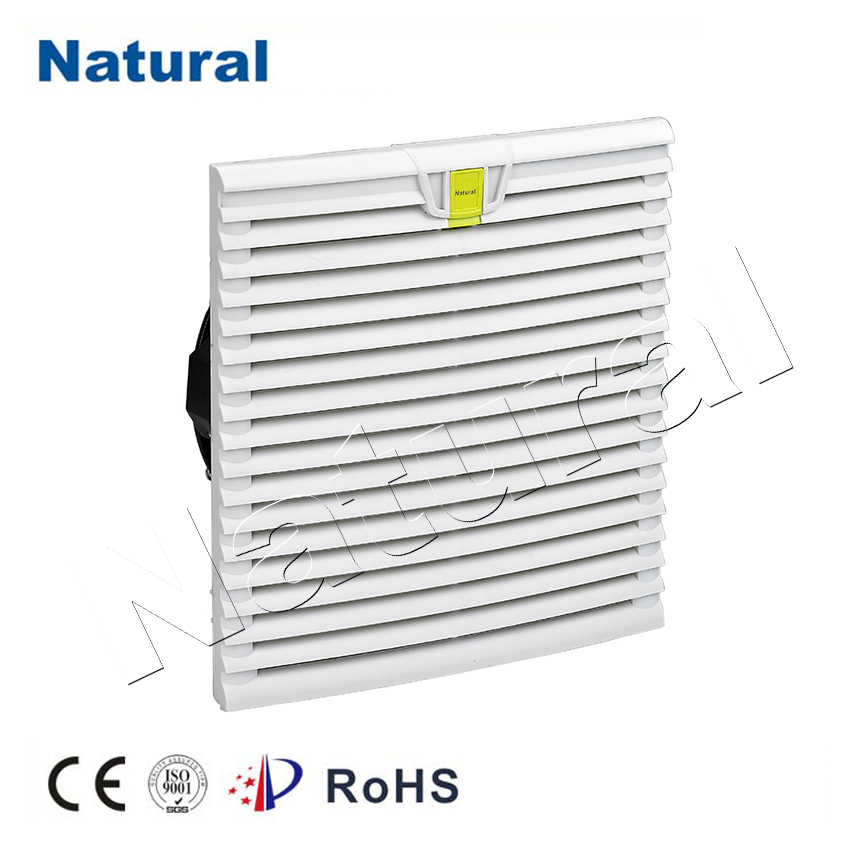
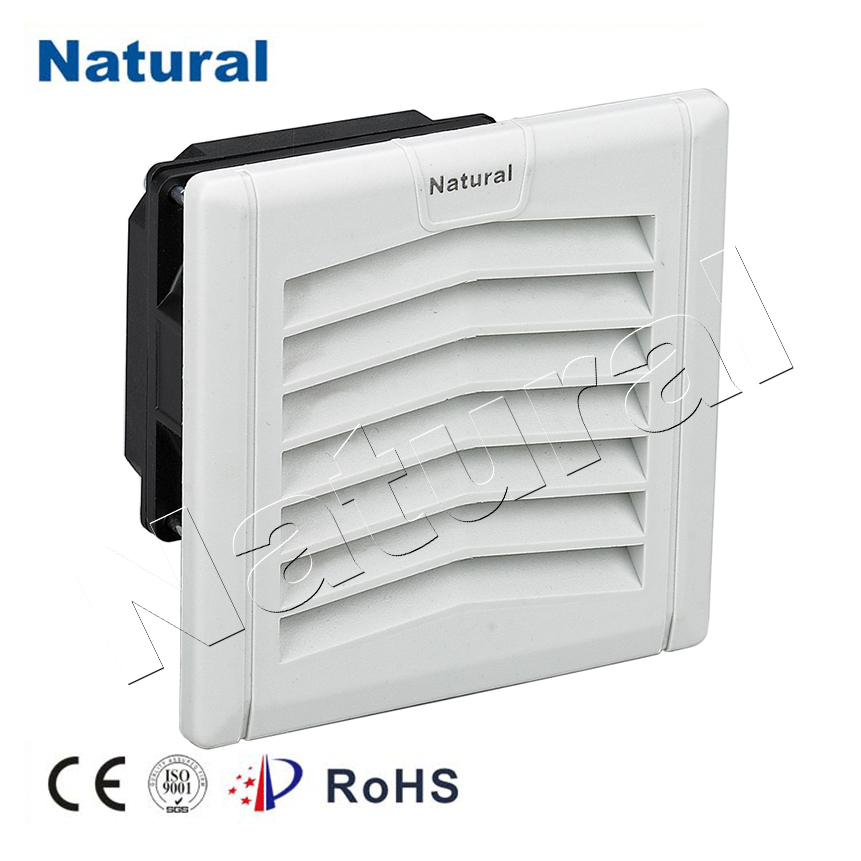
Understanding Fan Filters Before we dive into the importance of fan filters, let’s understand what they are. Fan filters are devices designed to remove contaminants, particles, and impurities from the air. They are commonly used in HVAC (Heating, Ventilation, and Air Conditioning) systems, as well as in various industrial applications. The primary purpose of fan filters is to improve indoor air quality by trapping dust, pollen, pet dander, mold spores, and other airborne particles. Enhanced Air Quality One of the most significant benefits of fan filters is their ability to enhance indoor air quality. The air we breathe indoors can be filled with allergens and pollutants that can have adverse effects on our health. Fan filters act as a barrier, capturing these harmful particles and preventing them from circulating in the air we breathe. This is particularly important for individuals with allergies or respiratory conditions, as cleaner air can help reduce symptoms and improve overall well-being. Extended Equipment Lifespan Fan filters not only benefit the health of occupants but also extend the lifespan of HVAC equipment. When air intake systems and cooling coils remain clean, they operate more efficiently. Clean equipment is less prone to breakdowns and requires less maintenance, ultimately saving homeowners and businesses money on repair and replacement costs. Energy Efficiency In addition to prolonging equipment life, fan filters also contribute to energy efficiency. When HVAC systems run with clogged or dirty filters, they must work harder to push air through, consuming more energy in the process. This results in higher energy bills and increased carbon emissions. Regularly replacing or cleaning fan filters reduces this energy consumption, making the indoor environment more environmentally friendly and cost-effective. Protection Against Contaminants Fan filters are not limited to residential and commercial spaces; they also play a crucial role in industrial settings. In manufacturing and processing plants, fan filters prevent airborne contaminants from entering sensitive equipment or production areas. These filters can be tailored to specific needs, such as removing dust or fumes, ensuring that the industrial process remains clean and efficient. Customizable Solutions One of the advantages of fan filters is their versatility. They come in various types, sizes, and filtration levels to meet specific requirements. High-efficiency particulate air (HEPA) filters, for instance, are capable of trapping tiny particles, making them ideal for hospitals and cleanrooms where air quality is paramount. Standard fiberglass filters are commonly used in residential HVAC systems to capture larger particles like dust and pet dander. Businesses and homeowners can choose the right filter based on their unique needs and budget. Regular Maintenance While fan filters are effective, they require regular maintenance to function optimally. Neglecting filter replacement or cleaning can lead to reduced performance and compromised air quality. Homeowners and facility managers should establish a maintenance schedule to ensure that filters are changed or cleaned as needed. In conclusion, fan filters play a vital role in maintaining clean and healthy indoor air. They protect us from allergens and pollutants, extend the lifespan of HVAC equipment, promote energy efficiency, and safeguard industrial processes. By choosing the right fan filters and performing regular maintenance, we can enjoy better air quality and the numerous benefits it brings to our homes and workplaces.

“Exploring the World of Fan Filter Manufacturers”

In today’s fast-paced technological landscape, the importance of keeping electronic equipment clean and free from contaminants cannot be overstated. Fan filters play a crucial role in ensuring the longevity and performance of electronic devices by preventing dust, debris, and other particles from infiltrating critical components. In this article, we delve into the world of fan filter manufacturers, exploring their significance, key attributes, and the diverse range of industries they serve.

fan filter manufacturer

The Significance of Fan Filters Fan filters serve as the first line of defense for electronic equipment against harmful contaminants. These filters are designed to trap dust, dirt, pollen, and even microscopic particles, safeguarding delicate electronic components from damage and maintaining optimal airflow for efficient cooling. In environments prone to dust or other pollutants, such as industrial settings or data centers, fan filters are indispensable for ensuring uninterrupted operations. The Role of Fan Filter Manufacturers Fan filter manufacturers are at the forefront of innovation in the electronics industry. They are responsible for producing a wide array of fan filters tailored to the specific needs of different applications. These manufacturers develop filters in various sizes, shapes, and materials, including foam, mesh, and synthetic fibers, to meet the diverse requirements of their customers. Key Attributes of Fan Filters Efficiency:Fan filter manufacturers prioritize efficiency in their designs. High-quality filters can capture up to 99.9% of airborne particles, ensuring clean air circulation within electronic enclosures. Customization:Manufacturers offer customization options, allowing clients to select filters that precisely fit their equipment’s specifications. This ensures a snug fit and optimal filtration performance. Durability:Fan filters are built to withstand harsh environmental conditions and provide long-term protection. They are often constructed with robust materials that resist corrosion and deterioration. Ease of Maintenance:Many filters are designed for easy replacement and maintenance, reducing downtime and operational disruptions. Quick-change features simplify the process of swapping out dirty filters for clean ones. Compliance:Fan filter manufacturers adhere to industry standards and regulations, ensuring their products meet safety and performance requirements. Industries Served by Fan Filters Fan filters find applications in a wide range of industries, including: IT and Data Centers:Data centers rely on fan filters to maintain optimal temperatures and protect sensitive equipment from overheating and contamination. Industrial Automation:In manufacturing facilities, fan filters help safeguard control panels, PLCs, and other electronics from dust and debris. Medical Devices:Fan filters play a vital role in ensuring the reliability of medical equipment, where precision and cleanliness are paramount. Telecommunications:Telecom providers use fan filters to protect critical infrastructure components, ensuring uninterrupted communication services. Aerospace and Defense:In aerospace and defense applications, fan filters are crucial for maintaining the functionality of avionics and military electronics in demanding environments. Conclusion Fan filter manufacturers are unsung heroes in the world of electronics, quietly safeguarding the reliability and performance of countless devices. Their commitment to innovation, quality, and customization ensures that electronic equipment continues to operate smoothly even in challenging conditions. As technology continues to advance, fan filter manufacturers will undoubtedly remain essential partners in the pursuit of cleaner, more reliable electronic systems.

Advancing Clean Air Technology: The Power of Fan Filters

In today’s fast-paced and technologically driven world, air quality has become an increasingly pressing concern. Whether in industrial settings, data centers, or everyday homes, the need for clean, filtered air is paramount. Among the myriad solutions available, one innovation stands out – the fan filter. In this article, we will delve into the world of fan filters, exploring their importance, applications, and the advancements that make them indispensable.

fan filter

The Essence of Fan Filters Fan filters, as their name suggests, are devices designed to clean and purify the air by removing particles and contaminants. They combine two essential components: a fan and a filter. The fan creates airflow, drawing in dirty air, while the filter traps and removes unwanted particles, ensuring the air released is clean and safe to breathe. Applications Across Industries Fan filters have found applications across various industries, where air quality is of paramount importance: Data Centers: In the digital age, data centers are the backbone of information technology. They generate immense heat, which must be efficiently dissipated to maintain optimal performance. Fan filters play a vital role in cooling systems, preventing dust and debris from clogging sensitive equipment and compromising data integrity. Industrial Settings: Manufacturing facilities and production lines are rife with airborne contaminants. Fan filters are employed to maintain clean environments, preventing contamination of products and ensuring the health and safety of workers. Healthcare: Hospitals and laboratories rely on sterile environments to prevent the spread of pathogens. Fan filters help maintain controlled air quality, safeguarding patients and sensitive experiments. Residential Use: In homes, fan filters enhance indoor air quality by removing allergens, dust, and pollutants. They are commonly integrated into HVAC systems, providing comfort and health benefits to residents. Advancements in Fan Filter Technology The evolution of fan filter technology has been nothing short of remarkable, driven by the ever-increasing demand for cleaner air. Some notable advancements include: HEPA Filters: High-Efficiency Particulate Air (HEPA) filters have become the gold standard in fan filter technology. These filters can capture particles as small as 0.3 microns, including dust, pollen, and even some bacteria and viruses. Smart Filters: The integration of sensors and automation has made fan filters smarter. They can now adjust fan speed and filter replacement schedules based on air quality data, ensuring optimal performance and energy efficiency. Noise Reduction: Fan filters have become quieter thanks to improved fan blade design and noise-dampening materials, making them more suitable for use in residential and office environments. Energy Efficiency: Advancements in motor technology have led to more energy-efficient fan filters, reducing power consumption while maintaining high airflow rates. Remote Monitoring: Some fan filters are now equipped with remote monitoring capabilities, allowing users to check air quality and filter status via smartphone apps or computer interfaces. The Environmental Impact As fan filter technology advances, it is important to consider its environmental impact. Many modern fan filters are designed with sustainability in mind, using recyclable materials and low-energy components. Additionally, the improved efficiency of fan filters can lead to reduced energy consumption, contributing to lower carbon emissions. Conclusion Fan filters have become indispensable in our quest for clean and safe air. Their applications span a wide range of industries, from data centers to healthcare and residential settings. With ongoing advancements in technology, fan filters are not only more effective at purifying air but also more energy-efficient and environmentally friendly. As air quality continues to be a global concern, fan filters will play a crucial role in creating healthier and cleaner environments for all.

The Power of Fan Air Filters: Enhancing Indoor Air Quality

In today’s fast-paced world, indoor air quality often takes a backseat in our daily lives. However, the quality of the air we breathe indoors can have a significant impact on our health and overall well-being. Thankfully, fan air filters have emerged as a powerful solution to tackle this issue. In this article, we will explore the benefits and workings of fan air filters, shedding light on their pivotal role in improving indoor air quality.

fan air filter

The Importance of Indoor Air Quality Before delving into fan air filters, it’s crucial to understand why indoor air quality is of utmost importance. Most people spend a considerable amount of time indoors, whether at home, in the office, or other enclosed spaces. Poor indoor air quality can lead to various health issues, including respiratory problems, allergies, and even chronic diseases. Therefore, ensuring clean and healthy indoor air is essential for our well-being. Fan Air Filters: The Unsung Heroes Fan air filters are devices designed to remove pollutants and contaminants from the air in enclosed spaces. They operate by drawing air through a filtration system, trapping particles and pollutants, and then releasing clean, filtered air back into the environment. The primary components of fan air filters include a fan, a filter medium, and a housing. How Fan Air Filters Work Air Intake: Fan air filters begin their work by drawing in air from the surrounding environment. This air can contain a wide range of contaminants, including dust, pollen, pet dander, smoke, and even bacteria and viruses. Filtration: The heart of a fan air filter is its filtration system. Various types of filters are used, including HEPA (High-Efficiency Particulate Air) filters, activated carbon filters, and UV filters. HEPA filters are especially effective at capturing tiny particles as small as 0.3 microns, which includes most common allergens and pathogens. Particle Capture: As air passes through the filter medium, particles and pollutants become trapped within the filter. HEPA filters use a combination of mechanical filtration and electrostatic attraction to capture particles, while activated carbon filters adsorb odors and volatile organic compounds (VOCs). Clean Air Release: Once the air is filtered, the fan expels clean, purified air back into the indoor space. This continuous process ensures that the air remains fresh and free from harmful contaminants. Benefits of Fan Air Filters Fan air filters offer numerous advantages for maintaining healthy indoor air quality: Allergen Reduction: They effectively remove common allergens such as pollen, dust mites, and pet dander, providing relief to allergy sufferers. Smoke and Odor Removal: Activated carbon filters in some models are excellent at removing smoke and odors, making them invaluable in homes and offices. Pathogen Elimination: HEPA filters can capture bacteria and viruses, including those responsible for the flu and common cold, promoting a healthier environment. Improved Respiratory Health: Cleaner air reduces the risk of respiratory problems and can alleviate symptoms in individuals with asthma or other lung conditions. Enhanced Comfort: Breathing cleaner air leads to an overall sense of well-being and comfort, resulting in increased productivity and quality of life. Choosing the Right Fan Air Filter When selecting a fan air filter, consider factors such as the size of the space, the type of contaminants present, and the filter’s maintenance requirements. Regular filter replacement or cleaning is essential to ensure optimal performance. In conclusion, fan air filters are indispensable tools in the quest for improved indoor air quality. Their ability to remove allergens, pollutants, and pathogens from the air can significantly benefit our health and well-being. By investing in a quality fan air filter, you take a proactive step towards creating a healthier, more comfortable indoor environment for you and your loved ones.

The Evolution of Factories Heaters: Enhancing Efficiency and Sustainability

Factories Heaters have played a pivotal role in the manufacturing industry for centuries. These essential devices are responsible for maintaining optimal working conditions within industrial facilities, ensuring the comfort and productivity of workers while safeguarding the integrity of products and equipment. Over time, factories heaters have undergone significant advancements to meet the ever-growing demands of modern industry. In this article, we will explore the evolution of factories heaters, focusing on how they have become more efficient and sustainable.

factories heater

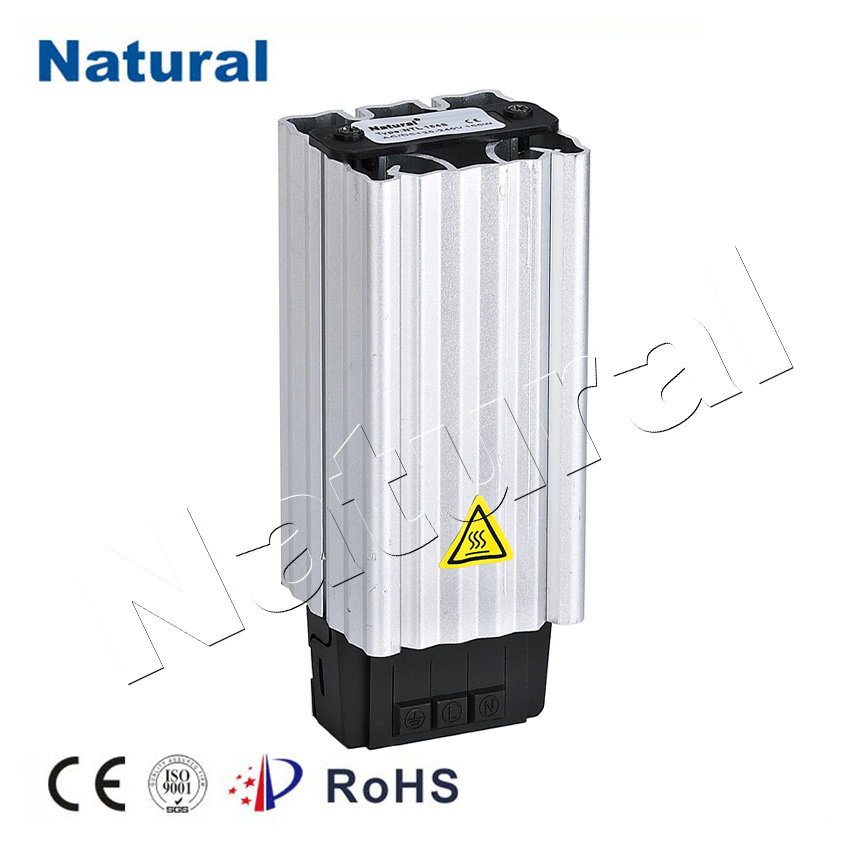
The Early Days of Factories Heaters In the early days of industrialization, factories relied on basic heating methods, such as wood-burning stoves and coal-fired furnaces. These primitive systems were effective to some extent but came with numerous drawbacks. They were notorious for emitting copious amounts of pollutants, creating safety hazards, and being inefficient in distributing heat evenly throughout the workspace. The Birth of Modern Factories Heaters The 20th century witnessed a revolution in heating technology, leading to the development of modern factories heaters. The introduction of natural gas and electricity as energy sources marked a turning point in the industry. These advancements brought several benefits, including cleaner and more efficient heating solutions. Advancements in Efficiency One of the key areas of improvement in factories heaters has been energy efficiency. With the increasing focus on sustainability and cost savings, manufacturers have developed heaters that consume less energy while providing better heating performance. These heaters often incorporate features like programmable thermostats, variable heating settings, and improved insulation to reduce heat loss. Sustainability and Environmental Impact The environmental impact of factories heaters has also been a significant concern. Early heating systems were notorious for their contribution to air pollution. However, the industry has made great strides in reducing emissions and environmental impact. Modern factories heaters are designed to meet strict emissions standards, utilize cleaner energy sources, and employ advanced combustion technologies to minimize their carbon footprint. Technological Advancements In recent years, technological advancements have further transformed factories heaters. Internet of Things (IoT) integration has allowed for remote monitoring and control, enabling facility managers to optimize heating systems for efficiency and respond to issues promptly. Smart factories heaters can adjust heating levels based on real-time data, weather conditions, and occupancy, ensuring a more efficient operation. Renewable Energy Integration The push towards sustainability has also led to the integration of renewable energy sources with factories heaters. Solar panels, wind turbines, and geothermal systems are increasingly used to generate the energy required for heating, reducing dependence on fossil fuels and lowering operating costs. This shift towards renewables aligns with global efforts to combat climate change and reduce greenhouse gas emissions. Heat Recovery Systems Another innovative approach to enhancing sustainability is the implementation of heat recovery systems. These systems capture and reuse waste heat generated by industrial processes, reducing the overall energy consumption of factories heaters. Heat recovery not only lowers operating costs but also minimizes environmental impact by maximizing energy efficiency. Conclusion Factories heaters have come a long way from their humble beginnings as wood-burning stoves. The evolution of these essential devices has been marked by a commitment to efficiency and sustainability. Modern factories heaters are not only more effective at maintaining comfortable working conditions but also contribute to reducing environmental impact and operating costs. As technology continues to advance, we can expect even more innovative solutions that will further enhance the performance and sustainability of factories heaters, making them a vital component of the modern manufacturing landscape.