Monthly Archives: September 2023

“Enhancing Industrial Efficiency with Fan Filters”

Industrial processes often generate a significant amount of airborne particles and contaminants that can jeopardize both product quality and worker health. As industries continue to advance, the need for effective air filtration solutions becomes increasingly vital. One such solution that has gained prominence is the industri fan filter. In this article, we will explore the importance of industri fan filters and how they contribute to improving industrial efficiency.
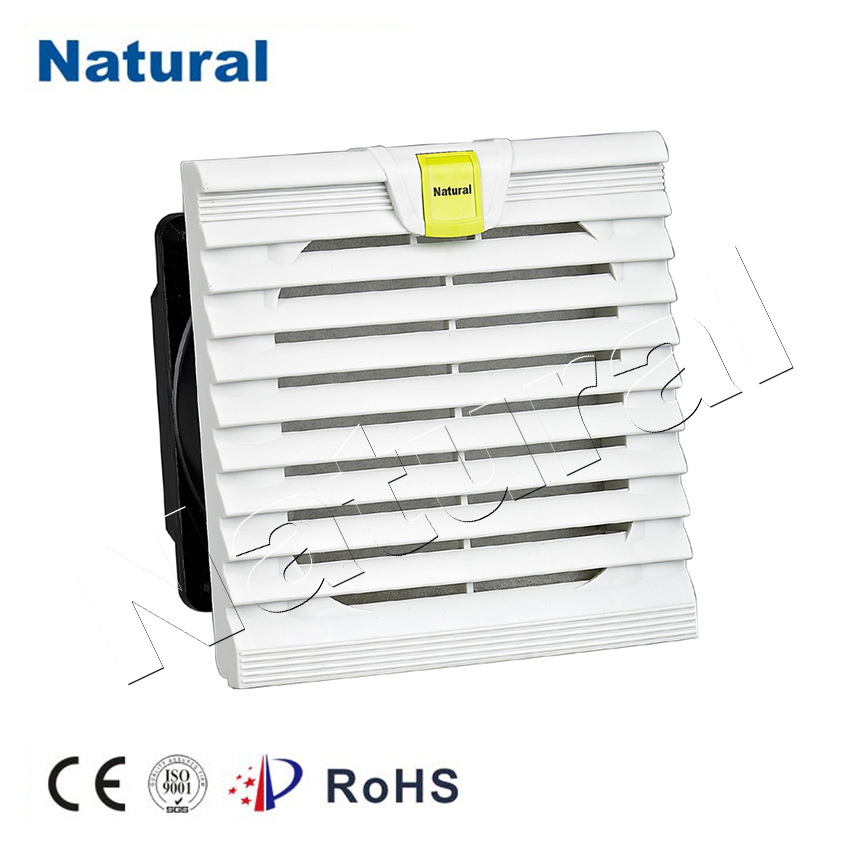
industri fan filter

What are Industri Fan Filters? Industri fan filters, also known as industrial fan filter units or simply industrial filters, are specialized devices designed to maintain clean and pollutant-free air in industrial environments. These units consist of a powerful fan and a high-efficiency air filter. Their primary purpose is to capture and remove airborne contaminants such as dust, fumes, and microorganisms from the air, ensuring a healthier and more productive workspace. Why Are Industri Fan Filters Necessary? Protecting Equipment:Industrial machinery is a significant investment for any company. Airborne particles can clog machinery, leading to costly repairs and downtime. Industri fan filters help prevent these issues by keeping the air clean and free from contaminants that might damage sensitive equipment. Ensuring Product Quality:Many industries, such as electronics manufacturing and pharmaceuticals, require a controlled environment to maintain product quality. Industri fan filters play a crucial role in maintaining the cleanliness and sterility required for such processes. Worker Health:Airborne contaminants can pose serious health risks to employees. By removing harmful particles and fumes from the air, industri fan filters help protect workers from respiratory problems and other health issues, contributing to a safer workplace. Regulatory Compliance:Industries are subject to various environmental and safety regulations. Industri fan filters help companies meet these compliance standards by controlling emissions and maintaining air quality. Types of Industri Fan Filters There are several types of industri fan filters available, each designed to address specific industrial needs: HEPA Filters:High Efficiency Particulate Air (HEPA) filters are effective at capturing even the smallest particles. They are commonly used in industries where maintaining high air quality is critical, such as semiconductor manufacturing and pharmaceuticals. Activated Carbon Filters:These filters are excellent at removing odors, gases, and volatile organic compounds (VOCs). They find applications in industries like chemical manufacturing and wastewater treatment. Bag Filters:Bag filters are efficient at removing larger particles and are often used in woodworking, metalworking, and cement production. Panel Filters:Panel filters are versatile and suitable for various industrial applications. They are easy to install and maintain, making them a cost-effective choice for many industries. Benefits of Industri Fan Filters Improved Air Quality:Industri fan filters effectively remove pollutants, ensuring a cleaner and healthier working environment. Energy Efficiency:Many modern industri fan filters are designed to be energy-efficient, helping companies reduce their operating costs. Extended Equipment Lifespan:By preventing contamination of machinery, these filters can prolong the life of expensive industrial equipment. Enhanced Productivity:Clean air contributes to better employee health and productivity, reducing absenteeism and improving overall efficiency. Conclusion Industri fan filters are indispensable tools for modern industries seeking to optimize their processes and meet stringent quality and safety standards. From protecting equipment to ensuring worker well-being, these filters play a pivotal role in enhancing industrial efficiency. As industries continue to evolve, the demand for reliable and efficient air filtration solutions like industri fan filters is expected to grow, making them a crucial component of the industrial landscape.
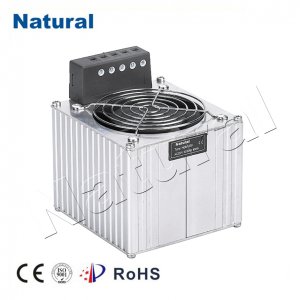
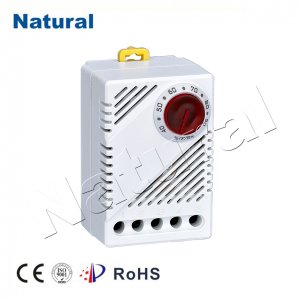
The Versatility and Efficiency of Industrial Fan Heaters

Industrial Fan Heaters: Combining Efficiency and Versatility

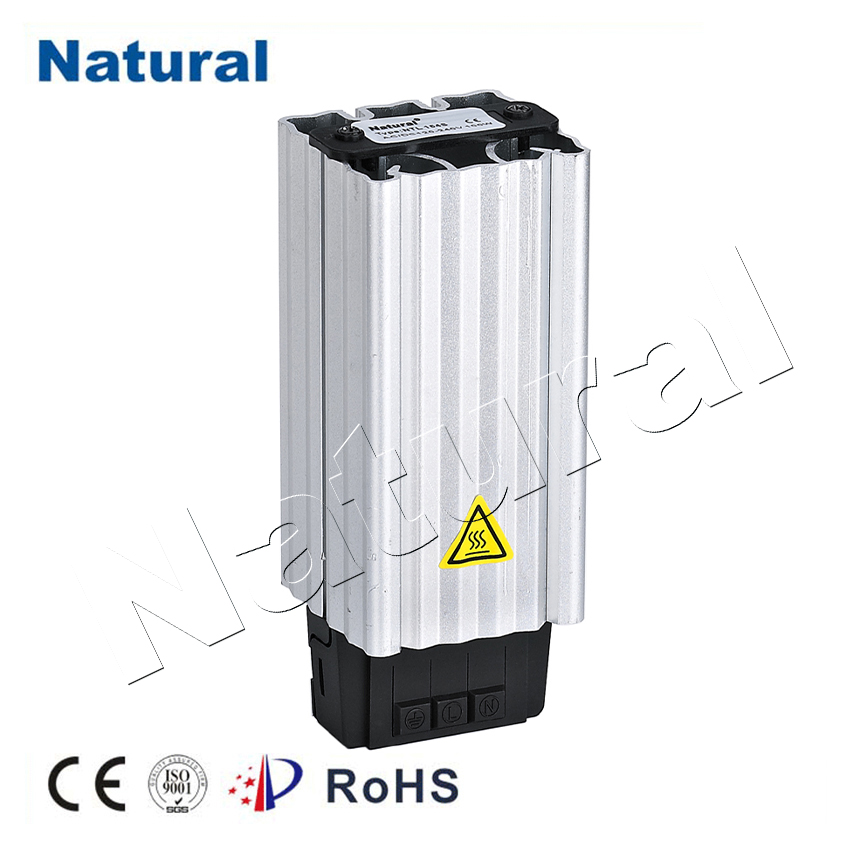
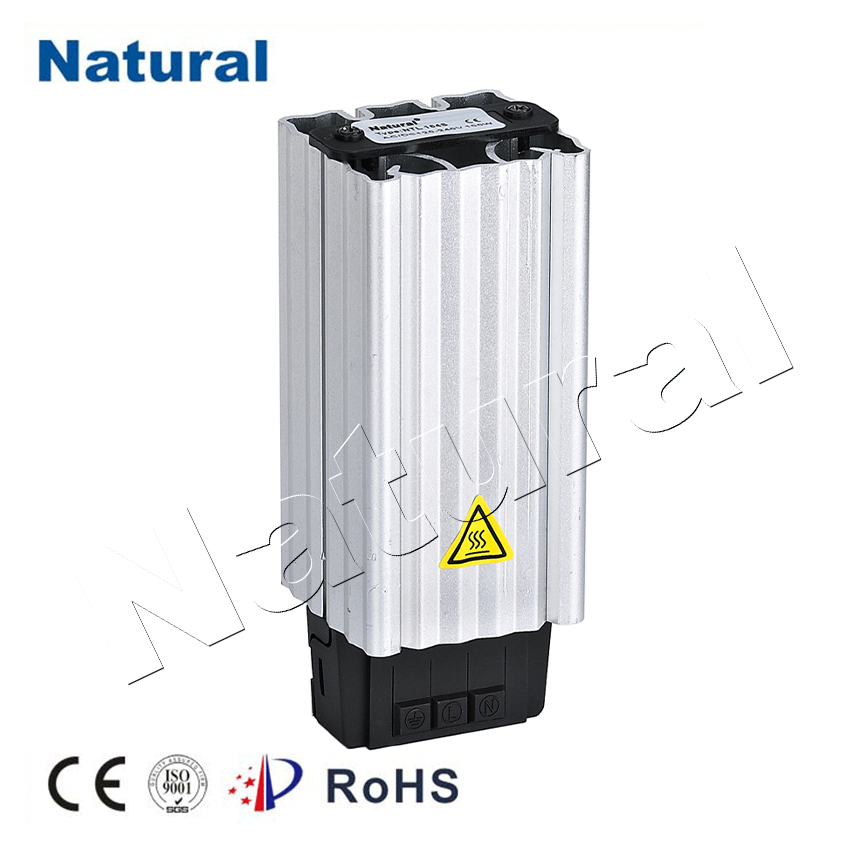
industri fan heater

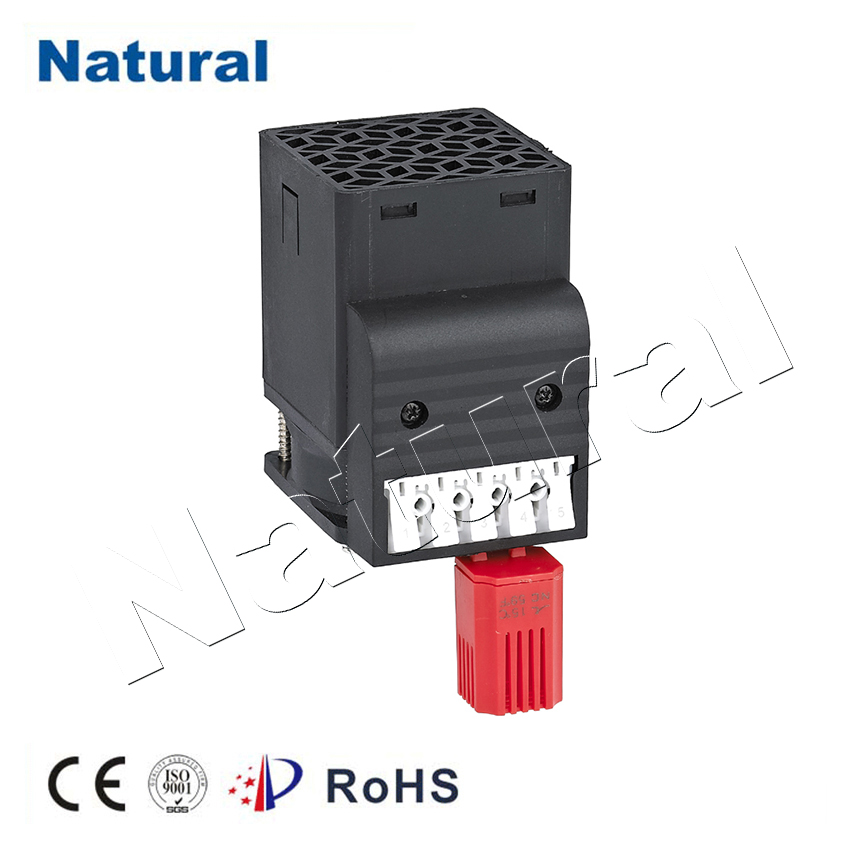
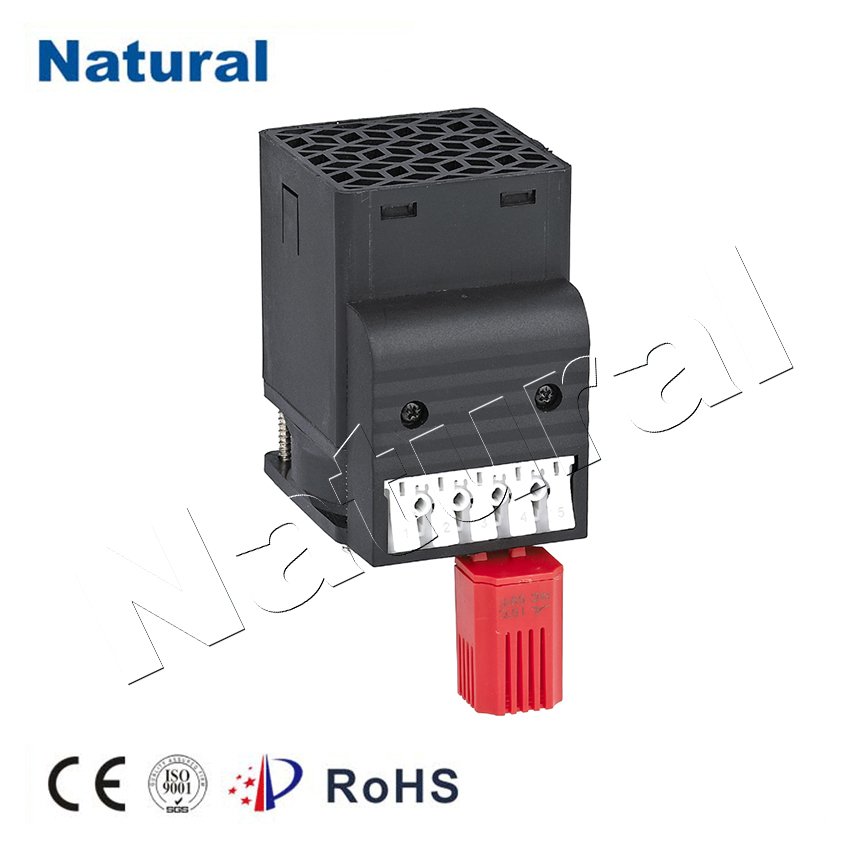
In the world of industrial heating solutions, versatility and efficiency are two key factors that can make a substantial difference in the success of any operation. One such solution that has gained significant popularity in recent years is the industrial fan heater. These powerful devices are designed to provide reliable and efficient heating in a wide range of industrial settings, making them a valuable asset for businesses across various industries. Understanding Industrial Fan Heaters Industrial fan heaters are advanced heating systems that combine the benefits of forced air circulation with efficient heating elements. They are engineered to deliver consistent and rapid heating, making them ideal for spaces that require fast and uniform temperature control. These heaters are available in various sizes and configurations, allowing businesses to choose the most suitable model for their specific needs. Versatility in Application One of the standout features of industrial fan heaters is their versatility in application. They can be used in a wide range of industrial environments, from warehouses and factories to construction sites and workshops. Here are some common scenarios where industrial fan heaters excel: Construction Sites:Cold weather can significantly hinder construction progress. Industrial fan heaters are invaluable for keeping workers warm and maintaining the ideal curing temperatures for various construction materials. Warehouses and Distribution Centers:Large open spaces like warehouses require efficient heating solutions to ensure the comfort of employees and to prevent damage to stored goods. Industrial fan heaters can quickly and evenly distribute warm air in these spaces. Manufacturing Facilities:Many manufacturing processes require precise temperature control. Industrial fan heaters can provide consistent heating, helping maintain product quality and production efficiency. Workshops and Garages:Small and medium-sized businesses often use industrial fan heaters to maintain comfortable working conditions during colder months. They are also suitable for drying paint and coatings. Event Spaces:Temporary structures and event spaces often require heating for special occasions. Portable industrial fan heaters can be easily deployed to provide warmth for guests. Efficiency and Cost Savings Efficiency is a critical factor when it comes to heating solutions for industrial applications. Industrial fan heaters excel in this regard for several reasons: Quick Heating:These heaters can rapidly raise the temperature in a space, reducing downtime and increasing productivity. Uniform Heating:The forced air circulation ensures even heating throughout the area, preventing hot and cold spots. Energy Efficiency:Industrial fan heaters are designed to be energy-efficient, which can lead to cost savings over time. Precise Temperature Control:Many models come with thermostats and variable heat settings, allowing users to fine-tune the temperature to their specific requirements. Conclusion Industrial fan heaters have become indispensable tools in a wide range of industrial and commercial settings due to their versatility, efficiency, and cost-effectiveness. Whether you need to keep workers comfortable in a construction site, maintain optimal conditions in a warehouse, or ensure consistent heating in a manufacturing facility, industrial fan heaters offer reliable performance. Investing in these heating solutions can lead to increased productivity, improved product quality, and significant cost savings in the long run, making them a smart choice for businesses looking to enhance their operations.

Understanding Hygrostat Thermostats: Optimal Climate Control

Hygrostat Thermostats: A Marvel of Climate Control Technology

hygrostat thermostat

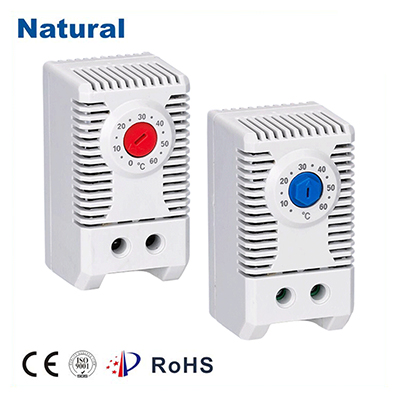
In the realm of home and industrial climate control, precision is paramount. Maintaining the ideal temperature and humidity levels can be a challenging task, but thanks to advancements in technology, it has become more achievable than ever. One such technological marvel is the hygrostat thermostat. In this article, we will delve into the intricacies of hygrostat thermostats, exploring their functionality, applications, and benefits. What Is a Hygrostat Thermostat? A hygrostat thermostat is a device designed to regulate both temperature and humidity levels within a given environment. Unlike traditional thermostats that solely control temperature, hygrostat thermostats offer a comprehensive solution for achieving and maintaining the perfect climate conditions. How Does It Work? The operation of a hygrostat thermostat involves two primary sensors: a temperature sensor and a humidity sensor. These sensors continuously monitor the ambient conditions within the controlled space. When the temperature deviates from the setpoint, the thermostat activates the heating or cooling system to bring the temperature back to the desired level. Simultaneously, if the humidity level falls outside the specified range, the hygrostat thermostat engages a humidifier or dehumidifier to restore optimal humidity. The key to the hygrostat thermostat’s effectiveness lies in its ability to adjust both temperature and humidity simultaneously, ensuring a comfortable and healthy environment for occupants or preserving the quality of products in industrial settings. Applications of Hygrostat Thermostats Home Climate Control: Hygrostat thermostats are widely used in residential HVAC (heating, ventilation, and air conditioning) systems. They help maintain indoor comfort by preventing temperature and humidity fluctuations. Industrial Processes: Many industrial processes, such as food production and pharmaceutical manufacturing, require strict control over both temperature and humidity. Hygrostat thermostats play a critical role in maintaining product quality and process efficiency. Greenhouses: In agriculture, greenhouses rely on hygrostat thermostats to create the ideal environment for plant growth. These devices ensure that plants receive the right balance of temperature and humidity for optimal development. Museums and Art Galleries: Precious artifacts, paintings, and sculptures are sensitive to environmental conditions. Hygrostat thermostats help protect these valuable items by regulating the climate within museums and art galleries. Benefits of Using Hygrostat Thermostats Energy Efficiency: By controlling both temperature and humidity, hygrostat thermostats reduce energy consumption compared to using separate devices for heating, cooling, and humidity control. Comfort and Health: In homes and offices, maintaining the right humidity levels can improve comfort and promote better health. Hygrostat thermostats create a more pleasant living and working environment. Product Quality: Industries that rely on precise climate control benefit from improved product quality and reduced waste when using hygrostat thermostats. Preservation: Museums, archives, and libraries depend on these thermostats to safeguard valuable historical artifacts and documents for future generations. Automation: Hygrostat thermostats can be integrated into smart home and building automation systems, allowing for remote control and programming, further enhancing convenience and energy savings. Conclusion Hygrostat thermostats represent a significant advancement in climate control technology. Their ability to regulate temperature and humidity simultaneously makes them indispensable in various applications, from homes to industries. By providing energy efficiency, improved comfort, and enhanced product quality, these devices have become essential tools for achieving the perfect climate control balance. As technology continues to evolve, hygrostat thermostats will likely play an even more prominent role in shaping our future, creating environments that are not only comfortable but also sustainable and efficient.

“High Temperature Thermostats: Precision Control for Extreme Environments”

In our increasingly interconnected and technologically advanced world, temperature regulation is a critical aspect of various industries and applications. Whether it’s maintaining the optimal operating temperature of industrial machinery or safeguarding sensitive electronic components from overheating, high temperature thermostats play a pivotal role in ensuring efficient and reliable performance. This article delves into the world of high temperature thermostats, exploring their significance, working principles, and diverse applications.

high temperature thermostat

Understanding High Temperature Thermostats High temperature thermostats are specialized devices designed to control and regulate temperatures in extreme environments. Unlike conventional thermostats, which are typically used for residential heating and cooling systems, high temperature thermostats are engineered to withstand elevated temperatures often encountered in industrial and scientific settings. How High Temperature Thermostats Work High temperature thermostats operate on the same fundamental principle as their standard counterparts: they sense the temperature of a given environment and activate or deactivate a heating or cooling element to maintain the desired temperature within a specific range. However, what sets them apart is their ability to handle much higher temperatures without compromising accuracy or reliability. These thermostats incorporate advanced temperature sensors, such as thermocouples or resistance temperature detectors (RTDs), that can withstand extreme heat. They are connected to a control unit, which processes temperature data and activates the heating or cooling mechanism when necessary. High temperature thermostats may employ various heating or cooling methods, including electrical resistance heaters, Peltier devices, or even liquid cooling systems, depending on the specific application. Applications of High Temperature Thermostats Industrial Furnaces and Ovens: High temperature thermostats are indispensable in industries like metallurgy and ceramics, where precise temperature control is essential for manufacturing processes. They ensure that furnaces and ovens reach and maintain the required temperatures consistently. Laboratory Equipment: Scientific research often involves experiments conducted at extreme temperatures. High temperature thermostats are used in laboratories to maintain stable conditions inside chambers, reactors, and testing apparatus. Aerospace: Satellites, spacecraft, and aerospace components operate in the harsh conditions of outer space. High temperature thermostats help regulate temperatures within these systems, ensuring their functionality and longevity. Semiconductor Manufacturing: The semiconductor industry relies heavily on high temperature thermostats to control the temperature during the fabrication of microchips and electronic components. Precision in temperature control is critical to maintain the quality of these products. Oil and Gas: In the oil and gas sector, high temperature thermostats are used to regulate the temperature of drilling equipment and subsea pipelines, where extreme heat can be generated during operations. Advancements in High Temperature Thermostats As technology continues to advance, high temperature thermostats are also evolving. Manufacturers are developing thermostats that offer greater precision, faster response times, and enhanced durability. In addition, there is a growing emphasis on energy efficiency, with thermostats designed to minimize energy consumption while maintaining temperature accuracy. Conclusion High temperature thermostats are unsung heroes in industries and applications that demand precise temperature control under extreme conditions. They enable the efficient operation of machinery, safeguard valuable equipment, and contribute to scientific advancements. As technology continues to advance, high temperature thermostats will play an increasingly vital role in ensuring the reliability and performance of critical systems in our modern world.

The Evolution of Heating Thermostats: A Comfortable Journey

As the seasons change and temperatures fluctuate, maintaining a comfortable living environment becomes a top priority for many homeowners. Heating systems play a crucial role in this endeavor, and at the heart of these systems lies the unsung hero: the heating thermostat. In this article, we will explore the evolution of heating thermostats, from their humble beginnings to their modern, smart incarnations.

heating thermostat

1. The Early Days: Manual Thermostats The concept of a thermostat dates back to the ancient Greeks, who used it to control the temperature of their heated baths. However, the modern heating thermostat as we know it began to take shape in the early 20th century. Early thermostats were purely mechanical, relying on the expansion and contraction of materials such as wax or mercury to control the heating system. These manual thermostats required homeowners to adjust the temperature settings manually, which was not always convenient. 2. The Digital Revolution: Programmable Thermostats In the 1970s, digital technology entered the thermostat scene, giving birth to programmable thermostats. These devices allowed users to set heating schedules, ensuring that the system would automatically adjust the temperature according to their preferences. This innovation marked a significant improvement in energy efficiency, as homeowners could reduce heating when it wasn’t needed, such as when they were away from home or asleep. 3. Smart Thermostats: A Game Changer The true game-changer in the world of heating thermostats arrived with the advent of smart thermostats. These devices leverage the power of the internet and smartphone technology to provide homeowners with unprecedented control over their heating systems. Features like remote access, learning algorithms, and compatibility with voice assistants have made smart thermostats an integral part of modern homes. 4. Remote Access and Convenience One of the standout features of smart thermostats is remote access. Through dedicated apps, homeowners can adjust the temperature of their homes from anywhere with an internet connection. This level of convenience not only enhances comfort but also contributes to energy savings. For example, if you forget to turn down the heat before leaving for a vacation, you can do so remotely, preventing unnecessary energy consumption. 5. Learning Algorithms for Efficiency Smart thermostats often incorporate learning algorithms that adapt to your heating preferences over time. They analyze your behavior and adjust the temperature accordingly, ensuring a comfortable environment while minimizing energy waste. This ability to learn and optimize makes them an excellent choice for those looking to reduce their carbon footprint and energy bills. 6. Voice Control and Integration The integration of smart thermostats with voice assistants like Amazon’s Alexa, Google Assistant, and Apple’s Siri has further simplified their use. You can now change the temperature with a simple voice command, making hands-free control a reality. This feature not only adds to the convenience but also showcases the synergy between smart thermostats and the broader smart home ecosystem. 7. Energy Efficiency and Cost Savings Beyond the convenience and comfort they offer, smart thermostats are champions of energy efficiency. By reducing energy consumption during periods of inactivity, they help homeowners save on heating costs and reduce their environmental impact. Some utility companies even offer incentives or rebates to customers who install smart thermostats due to their positive impact on energy conservation. 8. Environmental Impact Reducing energy consumption not only saves money but also helps mitigate climate change. Smart thermostats play a vital role in reducing greenhouse gas emissions by minimizing the use of fossil fuels for heating. This makes them a responsible choice for environmentally conscious individuals and a step towards a more sustainable future. 9. The Future of Heating Thermostats The journey of heating thermostats has been remarkable, from simple mechanical devices to intelligent, connected systems. Looking ahead, we can expect further advancements in AI-driven optimization, increased compatibility with renewable energy sources, and tighter integration with the broader smart home ecosystem. In conclusion, heating thermostats have come a long way, evolving from manual controllers to smart, energy-efficient devices that provide unparalleled convenience and cost savings. Whether you opt for a basic programmable thermostat or invest in a cutting-edge smart thermostat, the choice is clear: these devices are key to creating a comfortable, sustainable, and connected home. Embracing the latest technology in heating thermostats is not just a matter of luxury but a step towards a brighter, more efficient future.

Innovations in Heater Manufacturing: Pioneering Comfort and Efficiency

Heaters have been a staple in our lives for decades, providing the warmth and comfort we crave during chilly winters. While the fundamental purpose of heaters remains unchanged, the world of heater manufacturing has witnessed a remarkable transformation in recent years. This article explores the innovative trends and breakthroughs in heater manufacturing that have revolutionized the way we stay warm and cozy.

heater manufactur

1. Energy Efficiency: One of the most significant advancements in heater manufacturing is the emphasis on energy efficiency. As global concerns about environmental sustainability grow, heater manufacturers have responded with innovative solutions to reduce energy consumption. High-efficiency heating elements, programmable thermostats, and smart heating systems are now standard features in modern heaters. These innovations not only save energy but also reduce utility bills, making eco-friendly heating options more accessible to consumers. 2. Smart Heating Technology: The advent of the Internet of Things (IoT) has ushered in a new era of smart heating technology. Today’s heaters can be controlled remotely through smartphone apps, enabling users to adjust temperatures and schedules with ease. Additionally, these smart heaters can learn user preferences over time and optimize heating patterns to maximize comfort while minimizing energy usage. Such technologies not only provide convenience but also contribute to a more sustainable future. 3. Environmentally Friendly Materials: Heater manufacturers are increasingly turning to eco-friendly materials and production methods. Traditional heaters often contained materials that posed environmental risks, such as mercury in older thermostats. However, modern heaters are designed with sustainability in mind, utilizing recyclable components and reducing their carbon footprint. Manufacturers are also exploring the use of renewable energy sources, such as solar power, to operate heaters, further reducing their environmental impact. 4. Improved Safety Features: Safety has always been a paramount concern in heater manufacturing. Recent innovations in safety features have made heaters safer than ever before. Overheating protection, automatic shutoff mechanisms, and childproof controls are just a few examples of the safety enhancements now standard in many heaters. These advancements ensure that users can enjoy the warmth of their heaters without worrying about potential hazards. 5. Enhanced Design and Aesthetics: Heater manufacturers have recognized the importance of aesthetics in modern living spaces. Today’s heaters come in a wide range of sleek and stylish designs, making them blend seamlessly with home décor. These heaters are not just functional appliances; they are also eye-catching additions to any room. With various sizes, shapes, and finishes to choose from, consumers have the freedom to select heaters that complement their interior design. 6. Integration with Home Automation Systems: As home automation systems become more popular, heater manufacturers have integrated their products with these systems. Users can now incorporate their heaters into their overall home automation network, enabling seamless control and coordination with other smart devices. This level of integration enhances user convenience and allows for more efficient energy management. 7. Diverse Heating Technologies: Heater manufacturing has diversified in terms of heating technologies. While traditional forced-air heaters and radiators remain popular choices, newer options such as infrared heaters, heat pumps, and underfloor heating systems have gained popularity. These alternatives offer different heating experiences and efficiencies, catering to various consumer preferences and needs. In conclusion, the world of heater manufacturing has evolved significantly to meet the changing demands of consumers and the global push for sustainability. Innovations in energy efficiency, smart technology, safety features, eco-friendly materials, and aesthetics have transformed heaters into more than just functional appliances—they are now essential components of modern, comfortable, and eco-conscious living spaces. As heater manufacturers continue to push the boundaries of what’s possible, we can look forward to even more exciting advancements in the future, making staying warm and cozy an even more enjoyable experience.

The Evolution of Heater Thermostats: Mastering Comfort and Efficiency

文章:

heater thermostat

Heater thermostats have become an indispensable part of our lives, silently working behind the scenes to keep us warm and comfortable during the chilly months. While we often take them for granted, these small devices have come a long way in terms of functionality and energy efficiency. In this article, we’ll explore the evolution of heater thermostats, from their humble beginnings to their role in modern homes. The Early Days The concept of controlling indoor temperature dates back centuries, but the first thermostat as we know it was invented in the early 17th century by Dutch inventor Cornelius Drebbel. His device used a mercury-based temperature sensor and relied on the expansion and contraction of the liquid metal to control a furnace. This was a significant step forward in heating technology, but it was far from the precise and user-friendly thermostats we have today. The Digital Revolution The 20th century saw a surge in innovation in the field of thermostat technology. The introduction of digital thermostats in the 1980s marked a major turning point. These thermostats replaced the traditional mercury switches with electronic sensors, providing greater accuracy and control over temperature settings. Users could now set precise temperatures and even program heating schedules, improving both comfort and energy efficiency. Smart Thermostats: A Game Changer In the past decade, smart thermostats have taken center stage in the heating industry. These devices leverage the power of the internet and smartphone connectivity to provide homeowners with unprecedented control over their heating systems. Brands like Nest, Ecobee, and Honeywell have led the way in this revolution, offering features such as remote temperature adjustment, learning algorithms, and energy usage tracking. One of the most significant advantages of smart thermostats is their ability to learn and adapt to a household’s heating preferences. Over time, they analyze user behavior and adjust heating schedules accordingly, maximizing energy efficiency without sacrificing comfort. For example, they can lower the temperature while residents are away and warm up the house just in time for their return. Energy Efficiency and Environmental Impact As concerns about energy conservation and environmental sustainability grow, heater thermostats have a crucial role to play. Modern thermostats are equipped with features like geofencing, which can detect when residents are leaving or returning home, optimizing heating settings accordingly. They also provide detailed reports on energy consumption, encouraging users to make informed decisions about their heating habits. Furthermore, the integration of smart thermostats with other smart home devices, such as occupancy sensors and weather forecasts, allows for even greater energy savings. These systems work together to ensure that heating is only used when and where it’s needed. Challenges and Future Prospects While heater thermostats have come a long way, challenges remain. Compatibility issues with existing HVAC systems can be a roadblock for some homeowners looking to upgrade to smart thermostats. Additionally, concerns about data security and privacy in the era of the Internet of Things (IoT) must be addressed to build trust among users. Looking ahead, the future of heater thermostats is likely to be even more interconnected and environmentally conscious. Integration with renewable energy sources, advanced predictive algorithms, and improved user interfaces are on the horizon. As technology continues to advance, these devices will play an increasingly vital role in our efforts to create comfortable, energy-efficient, and sustainable living environments. In conclusion, heater thermostats have evolved from rudimentary temperature control devices to sophisticated, energy-saving tools that enhance our comfort and reduce our environmental footprint. The journey from mercury switches to smart thermostats has been marked by innovation and progress, and the future promises even more exciting developments in this essential aspect of modern heating technology.

“Revolutionizing Industries: Heater Technology’s Impact on the Industrial Sector”

In today’s rapidly evolving industrial landscape, innovation plays a pivotal role in enhancing efficiency, sustainability, and productivity. Among the various technological advancements that have reshaped industries, heater technology stands out as a key driver of progress. The heating industry, or “heater industri,” has been at the forefront of these innovations, continually transforming the way businesses operate and products are manufactured.

heater industri

Heater technology encompasses a wide array of applications, from industrial processes and manufacturing to commercial and residential heating solutions. This article explores the profound impact of heater technology on the industrial sector, highlighting its contributions to energy efficiency, environmental sustainability, and enhanced production capabilities. 1. Energy Efficiency: One of the most significant contributions of heater technology to the industrial sector is its role in improving energy efficiency. Traditional heating systems often relied on outdated and energy-intensive methods, leading to excessive resource consumption and increased operational costs. Heater technology has revolutionized this aspect by introducing smart, energy-efficient heating solutions that optimize energy consumption while delivering precise and consistent results. Advanced heaters employ cutting-edge technologies such as infrared heating, induction heating, and heat pumps to achieve superior energy efficiency. These innovations not only reduce energy consumption but also minimize waste and emissions, aligning industries with global sustainability goals. 2. Environmental Sustainability: As the world grapples with environmental challenges, industries are under increasing pressure to adopt sustainable practices. Heater technology has risen to this challenge by offering environmentally friendly heating solutions that reduce the carbon footprint of industrial operations. By utilizing clean energy sources, such as electricity or renewable fuels, modern heaters contribute to reducing greenhouse gas emissions. Additionally, heater technology promotes sustainability through improved insulation and heating system design, minimizing heat loss and waste. This not only reduces energy consumption but also conserves valuable resources, making it a win-win solution for both businesses and the environment. 3. Enhanced Production Capabilities: Efficiency and precision are critical factors in industrial processes. Heater technology has played a pivotal role in enhancing production capabilities across various industries. Advanced heaters offer precise temperature control, allowing for optimal conditions in manufacturing, material processing, and research and development. Induction heating, for example, is widely used in the automotive industry for metal hardening and bonding processes. In semiconductor manufacturing, advanced heaters enable precise temperature profiles during the fabrication of microchips. These advancements result in higher-quality products, reduced production time, and ultimately, increased competitiveness in the global market. 4. Versatility and Adaptability: Heater technology’s versatility and adaptability make it suitable for a wide range of industrial applications. Whether it’s heating fluids in chemical processes, curing coatings in the aerospace industry, or providing comfort heating in warehouses, heaters can be tailored to meet specific needs. Moreover, advancements in heater technology have made it possible to integrate heaters seamlessly into automated systems, allowing for real-time monitoring and control. This level of automation not only improves efficiency but also reduces the need for manual intervention, enhancing overall workplace safety. 5. Future Prospects: The heater industri is poised for continued growth and innovation in the coming years. As industries strive to meet increasingly stringent environmental regulations and embrace sustainable practices, heater technology will play a pivotal role in helping them achieve these goals. The integration of smart and IoT-enabled heaters will further optimize energy usage and provide real-time data analytics for proactive maintenance. In conclusion, the heater industri has brought about a paradigm shift in the industrial sector. Its contributions to energy efficiency, environmental sustainability, enhanced production capabilities, versatility, and adaptability have made it an indispensable component of modern industrial processes. As industries continue to evolve, heater technology will remain at the forefront, driving innovation and shaping the future of industrial operations.

The Ingenious Engineering Behind Heater Cartridges

Heater Cartridges: Pioneering Precision in the World of Heat Generation

heater cartridg

In the realm of engineering marvels, heater cartridges stand out as unsung heroes. These unassuming components play a pivotal role in various industries, quietly providing precise and controlled heat for a multitude of applications. In this article, we will delve into the intricacies of heater cartridges, exploring their construction, applications, and the indispensable role they play in modern technology. The Inner Workings of a Heater Cartridge A heater cartridge is a small, cylindrical device designed to generate heat efficiently and reliably. It consists of a resistive heating element, usually made of high-resistance wire, coiled around a ceramic or other insulating material. The entire assembly is encased in a protective sheath, typically made of stainless steel, which ensures the safe and effective operation of the cartridge. The resistive wire within the cartridge is chosen for its ability to withstand high temperatures while maintaining its electrical resistance. When an electric current flows through this wire, it encounters resistance, resulting in the generation of heat. This heat is then transferred to the surrounding environment, making heater cartridges an essential component in a wide range of applications. Applications of Heater Cartridges Heater cartridges find their place in countless industries due to their versatility and precision. Some of the most common applications include: 3D Printing: In the world of additive manufacturing, precise temperature control is crucial for melting and extruding thermoplastic materials. Heater cartridges ensure that the printer’s nozzle reaches and maintains the required temperature, enabling the controlled deposition of material layer by layer. Hotend Assemblies: Heater cartridges are an integral part of hotend assemblies in 3D printers. They ensure that the filament is heated to the exact temperature needed for accurate and high-quality prints. Food Processing: In the food industry, heater cartridges are used in equipment like ovens and food warmers to maintain consistent and controlled temperatures for cooking and food preservation. Medical Devices: Heater cartridges are used in medical devices such as laboratory equipment, incubators, and diagnostic instruments to create precise and stable temperature environments for various processes. Automotive Industry: Heater cartridges are employed in automotive applications, including seat heaters, engine preheaters, and even in fuel systems to prevent fuel gelling in cold climates. Aerospace: Aerospace applications rely on heater cartridges for temperature control in critical components, such as avionics and sensors, ensuring reliable performance in extreme conditions. Plastic Extrusion: In the manufacturing of plastic products, heater cartridges are essential for melting and shaping plastic materials, enabling the creation of diverse products ranging from pipes to packaging materials. The Advantages of Heater Cartridges Heater cartridges offer several advantages that make them indispensable in various industries: Precision: Heater cartridges provide precise and stable temperature control, ensuring consistent results in applications where temperature is critical. Efficiency: These devices are highly efficient at converting electrical energy into heat, minimizing energy wastage. Durability: Built to withstand harsh conditions and repeated thermal cycles, heater cartridges are known for their durability and long service life. Compact Design: The compact and cylindrical shape of heater cartridges allows them to be easily integrated into existing systems. Conclusion In conclusion, heater cartridges are unsung heroes of modern engineering, providing precision and control over temperature in a wide range of applications. From 3D printing to food processing, medical devices to aerospace, these unassuming devices play a crucial role in ensuring the reliability and quality of countless products and processes. Their efficient design and durability make them an indispensable component in the ever-evolving landscape of technology and industry. So, the next time you use a 3D printer, enjoy a warm meal, or travel by air, remember that heater cartridges are silently working behind the scenes, making it all possible.

The Essential Guide to Hazardous Area Thermostats

文章:

Hazardous Area Thermostat

In industrial settings, safety is paramount. Especially in hazardous areas where the risk of explosions or fires is a constant concern, every piece of equipment must meet strict safety standards. Among these essential devices are Hazardous Area Thermostats, which play a critical role in maintaining temperature control while mitigating the risk of ignition. In this article, we will explore the world of Hazardous Area Thermostats, their significance, and how they contribute to safe operations. Understanding Hazardous Areas Hazardous areas, often found in industries like petrochemical, pharmaceutical, and manufacturing, are classified into zones based on the potential presence of flammable gases or dust. These zones require specialized equipment to minimize the risk of ignition and subsequent catastrophic events. The Role of Hazardous Area Thermostats Hazardous Area Thermostats are specifically designed to operate safely in these hazardous environments. Their primary function is to control temperature within a defined range by regulating the heating or cooling systems. This prevents overheating or freezing, which can lead to dangerous situations. Key Features of Hazardous Area Thermostats Explosion-Proof Enclosures: These thermostats are encased in explosion-proof enclosures, preventing sparks or excessive heat from escaping and igniting the surrounding atmosphere. Temperature Sensing: They are equipped with precise temperature sensors that constantly monitor the environment. If the temperature exceeds safe levels, the thermostat can shut down the heating or cooling system. Robust Construction: Hazardous Area Thermostats are built to withstand harsh conditions, including extreme temperatures, humidity, and corrosive chemicals. Certifications: They undergo rigorous testing and certification processes to ensure they meet safety standards and regulations for hazardous areas. Remote Monitoring: Some models feature remote monitoring capabilities, allowing operators to check temperature levels and make adjustments without physically entering the hazardous area. Applications of Hazardous Area Thermostats Oil and Gas Industry: In oil refineries and natural gas processing plants, these thermostats are used to maintain the temperature of pipelines, tanks, and equipment to prevent the risk of explosions. Chemical Manufacturing: Hazardous Area Thermostats help regulate the temperature of reactors and storage vessels, ensuring the safe production and storage of chemicals. Pharmaceuticals: In pharmaceutical manufacturing, maintaining precise temperature control is crucial for the production of medicines and vaccines, making these thermostats indispensable. Food Processing: In food processing plants, these thermostats help maintain the temperature of storage areas and equipment to ensure food safety. Safety First Safety in hazardous areas should always be a top priority. Hazardous Area Thermostats are just one piece of the puzzle, but they are a crucial one. By ensuring temperature control without the risk of ignition, these thermostats help protect lives, assets, and the environment. Conclusion In hazardous areas, the importance of Hazardous Area Thermostats cannot be overstated. These specialized devices are designed to provide precise temperature control without compromising safety. Whether in the oil and gas industry, pharmaceuticals, or any other sector operating in hazardous environments, these thermostats are essential for maintaining a secure and productive operation. Investing in quality Hazardous Area Thermostats is not just a matter of compliance; it’s a matter of protecting people and assets in the most challenging industrial environments.