Monthly Archives: September 2023

Understanding Panel Filters: Their Importance and Applications

Panel filters are an integral component of various systems and equipment, playing a crucial role in maintaining air quality, enhancing performance, and ensuring the longevity of machinery. In this article, we will delve into the world of panel filters, exploring their significance, diverse applications, and key considerations for selection and maintenance.
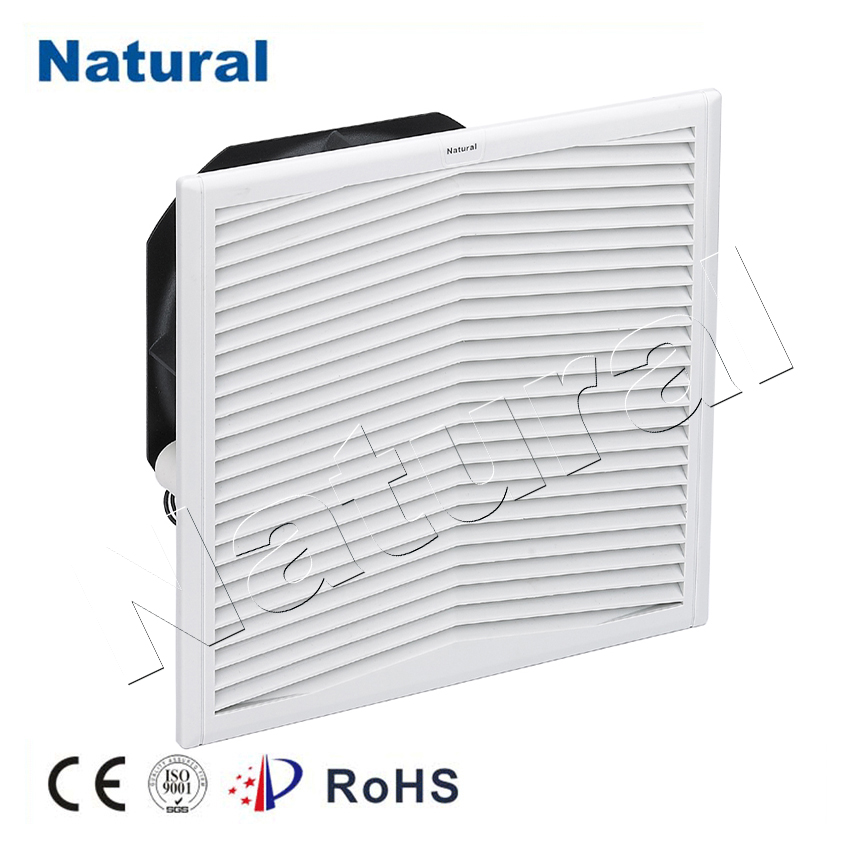
panel filter

Introduction Panel filters, also known as flat filters, are devices used to remove particulate matter and contaminants from the air. They consist of a flat or pleated sheet of filter media enclosed within a frame, typically made of cardboard, metal, or plastic. Panel filters are commonly employed in HVAC (Heating, Ventilation, and Air Conditioning) systems, industrial processes, and various equipment to improve air quality and prevent damage caused by airborne particles. Importance of Panel Filters Air Quality Improvement: One of the primary functions of panel filters is to enhance indoor air quality. They capture dust, pollen, pet dander, and other airborne particles, preventing them from circulating through indoor spaces. This is especially important in residential and commercial buildings, where clean air contributes to a healthier environment and increased comfort. Equipment Protection: In industrial settings, panel filters are essential for safeguarding machinery and equipment. Airborne contaminants can accumulate on sensitive components, causing premature wear and reduced efficiency. By trapping these particles, panel filters help prolong the lifespan of expensive equipment. Energy Efficiency: Clogged or inefficient filters can lead to decreased airflow, resulting in higher energy consumption and reduced system performance. Regularly maintained panel filters ensure that HVAC systems operate at peak efficiency, reducing energy bills and minimizing the environmental footprint. Applications of Panel Filters HVAC Systems: Panel filters are a fundamental component of HVAC systems, ensuring that the air circulated throughout buildings is clean and free of contaminants. They are commonly found in residential air conditioning units, commercial rooftop HVAC systems, and even large-scale industrial HVAC systems. Industrial Processes: Manufacturing facilities, laboratories, and cleanrooms rely on panel filters to maintain controlled environments. These filters help prevent the introduction of contaminants into sensitive processes and protect valuable products from contamination. Automotive Industry: In automotive applications, panel filters are used in cabin air filters to provide clean and breathable air to passengers. They are also employed in engine air intake systems, preventing dirt and debris from entering the engine and causing damage. Commercial Kitchens: Commercial kitchens use panel filters in exhaust hoods to capture grease, smoke, and odors, ensuring a safe and clean kitchen environment while complying with safety regulations. Selecting the Right Panel Filter Choosing the appropriate panel filter for a specific application is crucial. Factors to consider include: Efficiency Rating: Filters are rated based on their ability to capture particles of various sizes. The Minimum Efficiency Reporting Value (MERV) is commonly used to assess filter efficiency. Higher MERV ratings indicate better filtration performance. Airflow Capacity: It’s important to select a filter that allows sufficient airflow for the system it serves. A filter with too high a MERV rating might restrict airflow if not properly matched to the system’s specifications. Filter Media: Different filter media are designed to capture specific types of particles, such as allergens, dust, or odors. Choose a filter with media suited to the contaminants present in your environment. Maintenance and Replacement Regular maintenance is essential for panel filters to perform effectively. Depending on the environment and filter type, they should be inspected and replaced according to a schedule. Neglecting filter maintenance can lead to reduced air quality and increased energy consumption. In conclusion, panel filters play a vital role in enhancing air quality, protecting equipment, and improving energy efficiency across various applications. Understanding their importance and selecting the right filter for the job is essential for maintaining clean and healthy environments while optimizing the performance of equipment and systems.
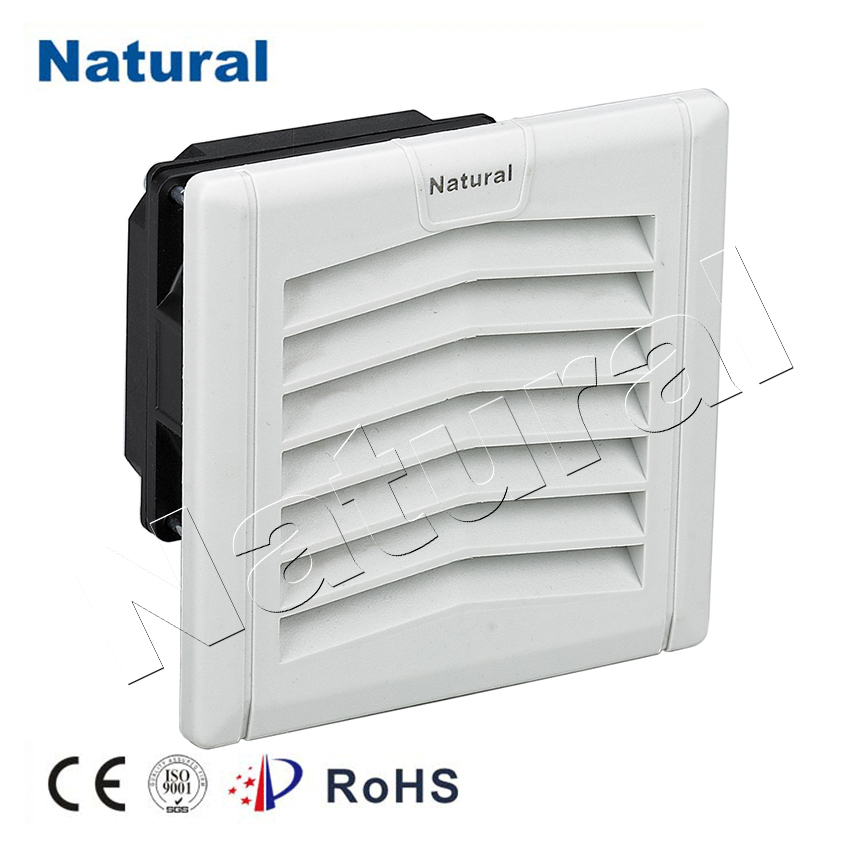
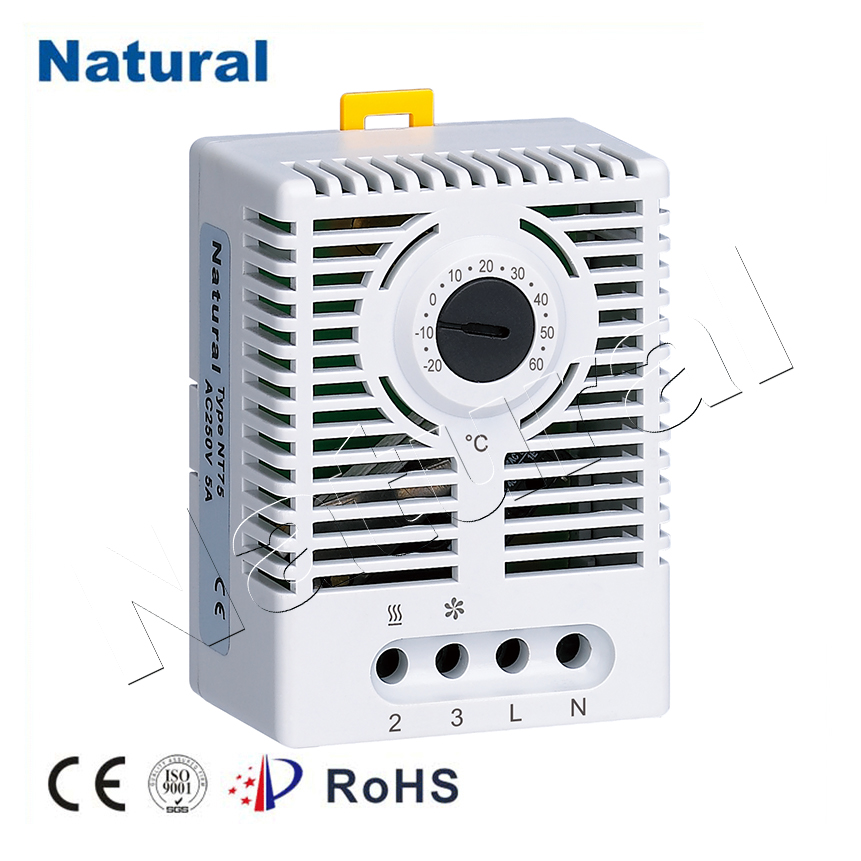
Enhancing Air Quality with Panel Air Fan Filters

In our rapidly advancing world, the importance of air quality cannot be overstated. Clean and pure air is not only essential for our health but also crucial for the efficient operation of various industrial processes and electronic equipment. Panel air fan filters play a pivotal role in ensuring that the air we breathe is free from contaminants, dust, and particles. In this article, we will explore the significance of panel air fan filters and how they contribute to improved air quality.

panel air fan filter

Understanding Panel Air Fan Filters Panel air fan filters, also known as fan filter units (FFUs), are devices designed to remove airborne particles, such as dust, pollen, and microorganisms, from the air. These filters consist of a fan and a filtration system enclosed within a compact panel. The fan draws in the surrounding air, which then passes through the filter, trapping contaminants and releasing clean air on the other side. Panel air fan filters are commonly used in various applications, including cleanrooms, data centers, manufacturing facilities, and medical environments. Key Features and Benefits Efficient Filtration:Panel air fan filters are equipped with high-efficiency particulate air (HEPA) or ultra-low penetration air (ULPA) filters that can remove particles as small as 0.3 microns in size. This level of filtration is crucial in environments where even tiny contaminants can disrupt processes or compromise product quality. Energy Efficiency:Many modern panel air fan filters are designed to be energy-efficient. They utilize variable speed fans that adjust their speed based on the required airflow, reducing energy consumption and operational costs. Quiet Operation:These filters are engineered for low noise emissions, making them suitable for use in environments where noise levels must be minimized, such as laboratories and offices. Customization:Panel air fan filters come in various sizes and configurations, allowing for easy integration into different systems and applications. This flexibility ensures that they can meet the specific needs of any environment. Applications Panel air fan filters find applications across a wide range of industries: Cleanrooms:In pharmaceutical, semiconductor, and biotechnology industries, maintaining a sterile environment is critical. Panel air fan filters help achieve and maintain the required levels of cleanliness by continuously filtering the air. Data Centers:Data centers house sensitive electronic equipment that is vulnerable to dust and contaminants. Fan filters ensure that the air inside these facilities remains clean, preventing equipment damage and downtime. Hospitals:In healthcare settings, clean air is essential for infection control and the well-being of patients. Panel air fan filters are used in operating rooms, isolation units, and critical care areas to maintain high air quality. Manufacturing:Industries such as automotive and electronics manufacturing rely on clean air to prevent defects in their products. Fan filters are used in production areas to remove particles and ensure product quality. Maintenance and Replacement To ensure the continued effectiveness of panel air fan filters, regular maintenance and timely replacement of filter elements are necessary. The frequency of maintenance depends on factors such as the level of contamination in the environment and the type of filter used. Proper maintenance not only extends the life of the filter but also ensures that it continues to provide clean air. Conclusion Panel air fan filters are unsung heroes in the quest for clean and pure air. They play a vital role in diverse industries, from healthcare to manufacturing, ensuring that the air we breathe and the products we manufacture meet stringent cleanliness standards. As technology continues to advance, these filters will likely become even more efficient and energy-conscious, contributing further to our well-being and the efficiency of industrial processes. In a world increasingly concerned with air quality, panel air fan filters are a cornerstone of progress and health.

Understanding Normally Open and Normally Closed Thermostat Thermal Protectors

Thermostat thermal protectors are essential components in a wide range of appliances and systems, serving the critical role of monitoring and controlling temperature to prevent overheating and potential damage. Among the various types of thermal protectors available, the “normally open” and “normally closed” variants are commonly used in different applications. In this article, we will delve into the world of thermostat thermal protectors, exploring their functionalities, applications, and differences.

normally open closed thermostat thermal protector

Introduction to Thermostat Thermal Protectors Thermostat thermal protectors, also known as thermal switches or thermal cutouts, are devices designed to regulate temperature in electronic and electrical systems. These small yet crucial components are often found in appliances like ovens, refrigerators, and air conditioning units, as well as in industrial equipment such as motors and transformers. They serve as a safeguard against overheating, which can lead to component damage, fires, or system failure. The Basics: Normally Open and Normally Closed Thermal protectors come in two primary configurations: normally open (NO) and normally closed (NC). The fundamental difference lies in their electrical behavior when the temperature rises above a certain threshold: Normally Open (NO):In its default state, a normally open thermal protector maintains an open circuit. When the temperature exceeds the set threshold, it closes the circuit, interrupting power flow. This action effectively shuts down the equipment or system it is protecting, preventing further temperature rise. Normally open thermal protectors are often used in situations where safety is paramount, as they offer immediate and decisive protection against overheating. Normally Closed (NC):Conversely, a normally closed thermal protector remains in a closed circuit state at rest. It only opens the circuit when the temperature surpasses the predefined limit. This interruption in power serves as a signal to the system controller, alerting it to the overheat condition. Normally closed thermal protectors are commonly used in applications where monitoring and early detection of temperature anomalies are crucial, allowing for timely intervention and maintenance. Applications of NO and NC Thermostat Thermal Protectors The choice between normally open and normally closed thermal protectors depends on the specific requirements of the application. Let’s explore some typical scenarios: Oven Temperature Control:In an electric oven, normally open thermal protectors are employed to ensure immediate shutdown if the temperature exceeds safe limits. This rapid response prevents food from burning and reduces the risk of fire. Motor Protection:Industrial motors often use normally closed thermal protectors. These protectors allow continuous monitoring of the motor’s temperature. If an overheating situation arises, the thermal protector opens the circuit, triggering an alarm or initiating a shutdown sequence to prevent motor damage. Refrigeration Systems:Normally closed thermal protectors are used in refrigerators and freezers to monitor the compressor’s temperature. If the compressor gets too hot, the protector opens the circuit, signaling the need for maintenance before the system fails. HVAC Systems:Both normally open and normally closed thermal protectors find applications in heating, ventilation, and air conditioning systems. Normally open protectors may be used to prevent overheating, while normally closed protectors provide continuous temperature monitoring. Conclusion Thermostat thermal protectors, whether normally open or normally closed, play a vital role in maintaining the safe and efficient operation of various appliances and industrial equipment. The choice between these configurations depends on the specific requirements of the application, with normally open protectors offering immediate protection and normally closed protectors providing continuous monitoring. Understanding the differences between these two types of thermal protectors is essential for ensuring the safety and reliability of the systems they safeguard.

Understanding Mechanical Temperature Switches

文章:

mechanical temperature switch

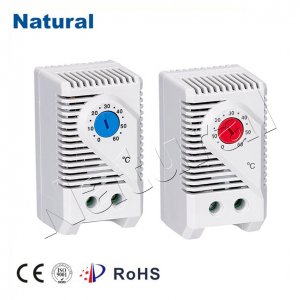
Mechanical temperature switches have been a fundamental component in various industrial and domestic applications for many decades. These switches play a critical role in maintaining optimal temperatures in a wide range of systems, ensuring efficient operation and safety. In this article, we will delve into the world of mechanical temperature switches, exploring their functionality, applications, and advantages. How Do Mechanical Temperature Switches Work? At their core, mechanical temperature switches are simple yet effective devices designed to control temperature. They consist of a bimetallic strip or a coiled bi-metal element. The bimetallic strip is composed of two different metals with different coefficients of thermal expansion. As temperature changes, the metals expand or contract at different rates, causing the strip to bend. This bending motion is what activates or deactivates the switch. When the temperature rises to the predetermined setpoint, the bimetallic strip bends, making or breaking an electrical contact, depending on the switch’s design. This action can either turn on or off a connected device or trigger an alarm. The setpoint is adjustable in many mechanical temperature switches, allowing users to fine-tune the temperature control according to their specific needs. Applications of Mechanical Temperature Switches Mechanical temperature switches find applications across various industries and sectors due to their reliability and cost-effectiveness. Here are some common applications: HVAC Systems: Heating, ventilation, and air conditioning systems often use mechanical temperature switches to regulate temperature and maintain comfort levels in buildings. Refrigeration: Mechanical temperature switches are crucial in refrigeration systems to ensure that the temperature inside refrigerators and freezers stays within a safe and optimal range for food storage. Automotive: In vehicles, these switches control engine cooling fans, ensuring the engine operates at the right temperature. Industrial Machinery: Mechanical temperature switches are used in manufacturing processes to monitor and control temperatures in various equipment, preventing overheating and damage. Safety Systems: They are employed in safety systems like fire alarms, where temperature rises can trigger the activation of sprinkler systems or other emergency responses. Hot Water Heaters: These switches help maintain the desired water temperature in hot water heaters, preventing scalding or inadequate heating. Advantages of Mechanical Temperature Switches Mechanical temperature switches offer several advantages: Reliability: They are known for their durability and long service life, making them a dependable choice for critical applications. Cost-Effective: Mechanical temperature switches are often more affordable than electronic alternatives, making them a cost-effective choice for many industries. Ease of Use: Their simplicity makes them easy to install and operate, requiring minimal maintenance. High-Temperature Tolerance: They can withstand extreme temperature conditions without malfunctioning, making them suitable for harsh environments. Safety: Mechanical temperature switches are inherently safe and are often used in safety-critical systems. In conclusion, mechanical temperature switches continue to play a vital role in maintaining temperature control and safety across various industries. Their simple yet effective design, reliability, and affordability make them a preferred choice for many applications. As technology advances, electronic alternatives are gaining ground, but mechanical temperature switches remain a cornerstone of temperature regulation in countless systems worldwide.

“Mastering Temperature Control with Mechanical Temperature Controllers”

Introduction:

mechanical temperature controller

Temperature control is a crucial aspect of various industrial processes and everyday applications. In the world of temperature management, mechanical temperature controllers play a pivotal role. These devices are renowned for their reliability, simplicity, and effectiveness in maintaining precise temperature levels. In this article, we will delve into the world of mechanical temperature controllers, exploring their functions, applications, and advantages. The Basics of Mechanical Temperature Controllers: Mechanical temperature controllers, also known as thermostats, are devices designed to regulate temperature by activating or deactivating a heating or cooling source. They function through a set of mechanical components and do not rely on complex digital algorithms or electronic circuits. This simplicity makes them an attractive choice for various applications. How They Work: The core component of a mechanical temperature controller is a bimetallic strip. This strip is composed of two different metals with distinct expansion coefficients. When exposed to temperature changes, the strip will bend due to the differing rates of expansion of the metals. This bending movement is then used to control the opening and closing of electrical contacts. Applications of Mechanical Temperature Controllers: HVAC Systems: One of the most common applications of mechanical temperature controllers is in heating, ventilation, and air conditioning (HVAC) systems. These controllers regulate the temperature in homes, offices, and industrial settings by turning heating or cooling devices on and off as needed. Refrigeration: Mechanical temperature controllers are frequently used in refrigeration units to maintain the desired temperature inside refrigerators and freezers. They ensure that perishable items stay fresh for extended periods. Industrial Processes: Mechanical temperature controllers find their place in various industrial processes where maintaining a consistent temperature is vital. Examples include plastic molding, food processing, and chemical manufacturing. Advantages of Mechanical Temperature Controllers: Reliability: Mechanical temperature controllers have a long history of dependable performance. They are less prone to electronic failures and are more robust in harsh environments. Simplicity: The straightforward design of mechanical temperature controllers makes them easy to install and operate. Minimal training is required to use them effectively. Cost-Effective: These controllers are often more budget-friendly than their electronic counterparts, making them an economical choice for many applications. Maintenance: Maintenance requirements are minimal, and they typically have a longer lifespan compared to electronic systems. Safety: Mechanical temperature controllers do not generate heat themselves, reducing the risk of electrical fires associated with some electronic devices. Conclusion: In a world increasingly dominated by digital technology, mechanical temperature controllers stand as a testament to the enduring power of simplicity and reliability. Their time-tested design and wide range of applications make them indispensable tools in temperature control. Whether in your home, office, or a complex industrial setting, mechanical temperature controllers quietly and efficiently ensure that the temperature remains just as it should be.

KTS011 Thermostat: Precision Control for Optimal Temperature Management

文章:

kts011 thermostat

In the realm of temperature management, precision is paramount. Whether it’s ensuring that delicate electronic components remain within safe operating ranges or maintaining the ideal temperature in a climate-controlled environment, having the right thermostat can make all the difference. One such thermostat that has been gaining popularity for its precision and reliability is the KTS011 thermostat. Introducing KTS011 Thermostat The KTS011 thermostat is a versatile and dependable device used for temperature regulation in a wide range of applications. Its compact design and precise temperature control capabilities make it an ideal choice for industries ranging from electronics and HVAC to industrial machinery. Key Features 1. Precision Temperature Control: The KTS011 thermostat boasts an impressive level of precision in temperature control. It can maintain temperatures within a narrow range, ensuring that sensitive equipment and processes operate optimally. This level of precision is crucial in preventing overheating or underheating, which can lead to equipment failure or subpar product quality. 2. Compact and Durable: One of the standout features of the KTS011 thermostat is its compact and robust design. This thermostat is built to withstand harsh industrial environments and is resistant to vibrations and shock. Its durable construction ensures that it can operate reliably in demanding conditions. 3. Wide Temperature Range: The KTS011 thermostat offers a wide temperature range, making it suitable for various applications. Whether you need to control temperatures in the sub-zero range or in extreme heat, this thermostat has you covered. Its flexibility makes it a go-to choice for many industries. 4. User-Friendly Design: Installation and setup are hassle-free with the KTS011 thermostat. Its user-friendly design ensures that even those with limited technical expertise can get it up and running quickly. This feature is particularly valuable for businesses looking to reduce downtime and improve efficiency. 5. Versatile Applications: The versatility of the KTS011 thermostat cannot be overstated. It finds applications in numerous industries, including: diffCopy code – Electronics: Keeping sensitive components at the right temperature.- HVAC Systems: Ensuring precise climate control in residential and commercial spaces.- Industrial Machinery: Preventing overheating in heavy machinery.- Medical Devices: Regulating temperature in medical equipment.- Food Processing: Maintaining optimal conditions in food production. Why Choose KTS011 Thermostat? When it comes to temperature control, precision is everything. The KTS011 thermostat offers not only precision but also reliability and durability. It’s engineered to meet the demands of various industries, making it a versatile and cost-effective solution for temperature regulation needs. Whether you need to protect your electronic equipment from overheating, optimize your HVAC system’s energy efficiency, or ensure that your industrial machinery operates within safe temperature limits, the KTS011 thermostat has proven itself as a trusted and dependable choice. In conclusion, the KTS011 thermostat is a game-changer in the world of temperature management. Its precision, versatility, and user-friendly design make it a top pick for businesses and industries where temperature control is critical. When you choose the KTS011 thermostat, you’re choosing reliability and peace of mind in all your temperature regulation needs.

Exploring the KTS011 Temperature Controller: Precision in Temperature Management

文章:

kts011 temperature controller

In today’s rapidly evolving world of technology, precision is paramount, especially when it comes to temperature control. Whether it’s in industrial settings, home appliances, or scientific laboratories, maintaining the right temperature is crucial for efficient and safe operations. This is where the KTS011 Temperature Controller shines, offering a reliable solution for temperature management needs. In this article, we will explore the KTS011 Temperature Controller, its features, applications, and the benefits it brings to various industries. Understanding the KTS011 Temperature Controller The KTS011 Temperature Controller is a compact and versatile device designed to accurately monitor and control temperatures within a specified range. Developed by a renowned manufacturer, this controller has gained recognition for its efficiency and reliability. It is equipped with advanced technology and a user-friendly interface, making it suitable for both professionals and beginners. Key Features Digital Display: The KTS011 comes with a clear digital display that provides real-time temperature readings, allowing users to monitor the temperature with ease. Adjustable Setpoint: Users can set their desired temperature range, and the controller will ensure that the temperature stays within this range, automatically adjusting heating or cooling equipment as needed. Alarm Function: The controller includes an alarm feature that alerts users if the temperature deviates from the setpoint, helping to prevent potential issues. Wide Temperature Range: The KTS011 can handle a broad temperature range, making it suitable for various applications, from -50°C to 110°C. Compact Design: Its compact and space-saving design ensures it can be easily integrated into existing systems or setups. Applications The KTS011 Temperature Controller has a wide range of applications across different industries: Industrial: In manufacturing processes, maintaining precise temperatures is essential for product quality and consistency. The KTS011 can be used in ovens, furnaces, and chemical reactors to control temperature variations. Agriculture: In agricultural settings, the KTS011 helps control the temperature and humidity in greenhouses, ensuring optimal conditions for plant growth. Home Appliances: It is also found in home appliances like refrigerators, where it ensures that the temperature remains within the safe storage range for food and other perishables. Laboratories: In scientific laboratories, this controller is used to regulate temperatures in incubators, freezers, and environmental chambers for experiments and sample storage. HVAC Systems: The KTS011 is an integral part of HVAC systems, controlling heating and cooling units to maintain a comfortable indoor environment in homes and commercial buildings. Benefits Energy Efficiency: By precisely regulating temperatures, the KTS011 helps reduce energy consumption, making it environmentally friendly and cost-effective. Increased Productivity: In industrial settings, the controller’s accuracy leads to improved product quality and reduced waste, ultimately increasing productivity. Safety: The alarm function ensures that temperature deviations are promptly addressed, preventing damage or accidents in various applications. User-Friendly: Its intuitive interface and ease of installation make it accessible to users with varying levels of technical expertise. In conclusion, the KTS011 Temperature Controller is a versatile and reliable tool for temperature management across multiple industries. With its advanced features, wide temperature range, and user-friendly design, it stands as a testament to the importance of precision in today’s technology-driven world. Whether you are looking to enhance product quality, save energy, or ensure safety, the KTS011 is an excellent choice for precise temperature control.

“Enhancing Industrial Efficiency with Industrial Filter Fans”

In today’s rapidly advancing industrial landscape, the need for efficient and reliable cooling solutions has never been more critical. Industrial processes generate substantial heat, which, if left unchecked, can lead to equipment malfunction, reduced productivity, and increased maintenance costs. One indispensable tool in the quest for optimal performance and equipment longevity is the industrial filter fan.

industrial filter fan

The Significance of Industrial Filter Fans Industrial filter fans are specialized cooling devices designed to maintain optimal operating temperatures within industrial enclosures and control cabinets. These fans offer a comprehensive solution, combining ventilation with effective air filtration. By drawing in ambient air, these fans help dissipate excess heat while ensuring that dust, dirt, and other contaminants are prevented from entering sensitive electronic equipment. Key Benefits of Industrial Filter Fans Temperature Regulation:Industrial filter fans are instrumental in maintaining a stable temperature within enclosures. They ensure that equipment operates within the specified temperature range, preventing overheating, which can lead to costly downtime and component failure. Enhanced Component Lifespan:By preventing overheating, industrial filter fans prolong the lifespan of sensitive electronic components, reducing the need for frequent replacements and lowering maintenance costs. Improved Operational Reliability:These fans play a crucial role in ensuring the reliability of industrial equipment, which is especially important in critical applications where downtime can have severe consequences. Energy Efficiency:Industrial filter fans are energy-efficient, consuming minimal power while delivering effective cooling and filtration, making them an environmentally responsible choice. Dust and Contaminant Control:The built-in filters capture and trap dust, dirt, and other particles, maintaining a clean and contaminant-free environment inside enclosures. Choosing the Right Industrial Filter Fan When selecting an industrial filter fan, several factors should be considered: Airflow Requirements:Determine the airflow requirements based on the heat generation within the enclosure. Adequate airflow ensures efficient cooling. Environmental Conditions:Consider the environment where the fan will be used. Extreme temperatures, humidity levels, and exposure to chemicals may necessitate specialized fan models. Filter Efficiency:Evaluate the filter’s efficiency in capturing contaminants to meet the specific cleanliness requirements of the equipment. Noise Levels:Ensure that the fan operates at acceptable noise levels, especially in noise-sensitive environments. Installation and Maintenance:Choose a fan that is easy to install and maintain, reducing downtime during maintenance activities. Applications of Industrial Filter Fans Industrial filter fans find applications in a wide range of industries, including manufacturing, food processing, telecommunications, transportation, and more. They are essential in: Control Cabinets:Ensuring the reliable operation of control cabinets and electrical panels. Electronic Enclosures:Protecting sensitive electronics from overheating and contamination. Telecommunication Infrastructure:Cooling equipment in cell towers and data centers. Industrial Automation:Maintaining optimal conditions for PLCs, drives, and sensors. Medical Devices:Preserving the functionality of medical equipment. Transportation:Ensuring the operation of critical systems in vehicles and trains. In conclusion, industrial filter fans are indispensable tools for modern industrial processes. They contribute to equipment longevity, operational reliability, and energy efficiency while maintaining a clean and controlled environment. Choosing the right industrial filter fan tailored to specific needs is crucial for optimizing performance and reducing maintenance costs in industrial settings. As technology continues to advance, these fans will remain at the forefront of industrial cooling solutions, facilitating progress across various industries.

Exploring the Benefits of IP54 Fan Filters

In today’s rapidly evolving technological landscape, electronic devices are becoming increasingly integral to our daily lives. Whether it’s the computer you use for work, the server that hosts your favorite websites, or the industrial machinery that powers factories, these devices generate a significant amount of heat during operation. Efficient cooling is essential to ensure optimal performance and prevent overheating, which can lead to costly downtime and even permanent damage. One crucial component that plays a vital role in maintaining the temperature of electronic enclosures is the IP54 fan filter.

ip54 fan filter

The Importance of Temperature Control To comprehend the significance of IP54 fan filters, it’s essential to first understand the critical role temperature control plays in the proper functioning of electronic devices. Excessive heat can lead to reduced efficiency, accelerated wear and tear, and in some cases, catastrophic failures. To mitigate these risks, engineers and manufacturers have developed various cooling solutions, with IP54 fan filters emerging as a dependable and efficient choice. What Is an IP54 Fan Filter? IP54 fan filters are specialized components designed to regulate the internal temperature of electronic enclosures effectively. The “IP” in IP54 stands for Ingress Protection, a standard that classifies the level of protection an electronic device or enclosure has against the intrusion of solids and liquids. In this context, IP54 signifies that the fan filter provides protection against dust and limited water ingress. These filters consist of a fan unit and a filter element, which work together to maintain a controlled environment inside the enclosure. The fan unit circulates air through the filter, removing heat generated by the electronic components and expelling it outside the enclosure. Meanwhile, the filter element prevents dust, dirt, and other particulate matter from entering, ensuring a clean and dust-free interior. Key Advantages of IP54 Fan Filters Enhanced Cooling Efficiency: IP54 fan filters help maintain a consistent and optimal operating temperature within electronic enclosures. By efficiently dissipating heat, they extend the lifespan of sensitive components and reduce the risk of overheating-related failures. Dust and Particle Protection: The filter element of IP54 fan filters acts as a barrier against dust, dirt, and other contaminants. This protection is especially crucial in industrial settings where airborne particles can pose a significant threat to electronics. Moisture Resistance: IP54 fan filters are designed to resist limited water ingress, making them suitable for environments where humidity and moisture are concerns. This feature prevents damage caused by condensation and splashes. Cost Savings: By preventing overheating and protecting against dust and moisture, IP54 fan filters contribute to lower maintenance costs and reduced downtime, ultimately saving businesses money. Quiet Operation: Many IP54 fan filters are engineered for quiet operation, ensuring that cooling doesn’t create a disruptive noise in office or industrial environments. Easy Installation: These fan filters are typically designed for straightforward installation, making them accessible to both professionals and enthusiasts. Applications of IP54 Fan Filters IP54 fan filters find applications in a wide range of industries and settings, including: Data Centers: Ensuring the efficient cooling of servers and networking equipment is crucial to maintaining uptime and data integrity. Industrial Automation: In manufacturing and process control environments, IP54 fan filters protect critical electronics from dust and moisture. Telecommunications: Enclosures housing communication equipment benefit from the dust and humidity protection provided by these filters. Medical Devices: Sensitive medical equipment requires precise temperature control and protection against contaminants. Residential Electronics: IP54 fan filters can even be found in home electronics to enhance performance and longevity. Conclusion In an increasingly digitized world, the role of electronic devices cannot be overstated. To ensure these devices operate optimally, IP54 fan filters play a vital role in maintaining a controlled environment within electronic enclosures. By efficiently cooling sensitive components, protecting against dust and moisture, and reducing maintenance costs, these filters are an essential component of any system requiring reliable temperature control and protection. As technology continues to advance, IP54 fan filters will undoubtedly remain a critical asset for engineers, manufacturers, and consumers alike.

“Industrial Filter Fans: Enhancing Air Quality and Equipment Performance”

In today’s industrial landscape, maintaining optimal working conditions is essential for both human comfort and equipment performance. Industrial filter fans have emerged as indispensable tools in achieving this balance. These versatile devices not only help improve air quality within industrial settings but also contribute significantly to the longevity and efficiency of machinery. In this article, we will explore the importance of industrial filter fans and their various applications.

industri filter fan

Enhancing Air Quality Air quality is a critical factor in industrial environments, where dust, pollutants, and airborne particles can have a detrimental impact on both workers’ health and equipment integrity. Industrial filter fans play a pivotal role in addressing these concerns by constantly circulating and filtering the air. These fans effectively remove dust and contaminants, ensuring that the air remains clean and safe for all personnel on the premises. Preventing Equipment Damage One of the primary functions of industrial filter fans is to safeguard machinery from dust and debris. These contaminants can infiltrate sensitive equipment components, causing friction, heat buildup, and premature wear and tear. By maintaining a clean and dust-free environment, filter fans contribute to the extended lifespan of industrial machinery, reducing the need for costly repairs and downtime. Improving Efficiency Efficiency is a cornerstone of any industrial operation. Industrial filter fans assist in optimizing this efficiency by regulating the temperature and humidity levels within the workspace. By preventing excessive heat buildup, these fans help equipment operate at its peak performance, reducing the risk of overheating and ensuring consistent productivity. Applications in Diverse Industries Industrial filter fans find applications in various industries, including manufacturing, automotive, food processing, pharmaceuticals, and many more. Here are some notable use cases: Manufacturing:In manufacturing plants, filter fans maintain clean air to prevent contamination of products and machinery. Automotive:Automotive facilities use filter fans to control dust and improve air quality in paint booths and assembly lines. Food Processing:Filter fans are crucial in food processing environments, where cleanliness and hygiene are paramount. Pharmaceuticals:The pharmaceutical industry relies on filter fans to ensure sterile environments for drug production. Data Centers:Data centers employ filter fans to regulate temperature and protect sensitive electronic equipment from dust and overheating. Selecting the Right Industrial Filter Fan Choosing the appropriate industrial filter fan for a specific application is crucial. Factors such as air volume requirements, filtration efficiency, and environmental conditions need to be considered. Additionally, regular maintenance is essential to keep these fans operating at their best. In conclusion, industrial filter fans are indispensable tools that enhance air quality, prevent equipment damage, and improve efficiency across various industries. As industrial processes continue to evolve, the importance of these devices in maintaining healthy work environments and ensuring the longevity of machinery cannot be overstated. By investing in high-quality filter fans and proper maintenance, industries can reap the benefits of cleaner air and more reliable equipment performance.