Monthly Archives: September 2023

Understanding Temperature Controller Thermostats: Precision in Temperature Regulation

文章:

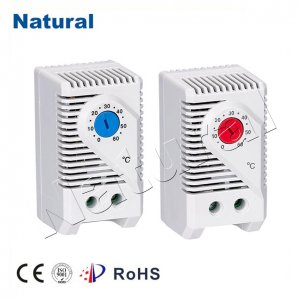
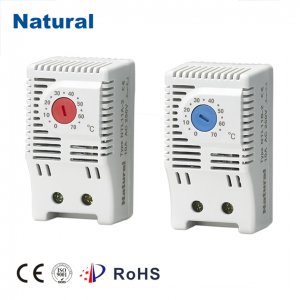
temperature controller thermostat

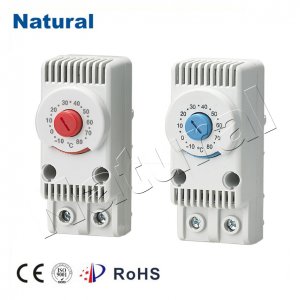
Temperature controller thermostats are essential devices used in various applications to maintain precise temperature levels. Whether it’s in your home, industrial settings, or scientific laboratories, these devices play a crucial role in ensuring that temperatures remain within desired ranges. In this article, we will delve into the world of temperature controller thermostats, exploring their functions, types, and applications. Functionality of Temperature Controller Thermostats Temperature controller thermostats are specialized devices designed to regulate temperature by sensing the current temperature and making adjustments to maintain the desired setpoint. They achieve this by controlling heating or cooling equipment, such as heaters, air conditioners, or refrigeration units. The primary components of a temperature controller thermostat include a temperature sensor, a control circuit, and an output mechanism. The temperature sensor, often a thermocouple or a resistance temperature detector (RTD), constantly measures the current temperature. The control circuit then compares this measured temperature to the setpoint temperature provided by the user. If the measured temperature deviates from the setpoint, the control circuit activates the output mechanism to either heat or cool the environment until the desired temperature is reached. Types of Temperature Controller Thermostats Temperature controller thermostats come in various types, each designed for specific applications: Mechanical Thermostats: These are the traditional thermostats with a bimetallic strip that expands and contracts with temperature changes. They are commonly used in residential heating and cooling systems. Digital Thermostats: Digital thermostats use electronic components for precise temperature control. They offer programmable settings, making them suitable for both residential and commercial use. PID (Proportional-Integral-Derivative) Controllers: PID controllers are highly advanced and provide precise control over temperature by adjusting the heating or cooling output based on the rate of change in temperature. Smart Thermostats: These thermostats are connected to the internet and can be controlled remotely using smartphones or other smart devices. They often feature learning algorithms that adapt to the user’s preferences and schedule. Safety Thermostats: Safety thermostats are used in critical applications, such as industrial processes or laboratories, to prevent overheating or undercooling, which could lead to equipment damage or safety hazards. Applications of Temperature Controller Thermostats Temperature controller thermostats have a wide range of applications across various industries: HVAC Systems: In residential and commercial buildings, thermostats control heating and cooling systems to maintain a comfortable indoor temperature. Refrigeration and Cold Storage: Temperature controller thermostats regulate the temperature inside refrigerators and cold storage units to preserve food, vaccines, and other perishable items. Industrial Processes: Industries such as manufacturing, pharmaceuticals, and chemical processing use temperature controller thermostats to maintain precise temperatures during production. Laboratory Equipment: Scientific laboratories rely on these devices to ensure stable conditions for experiments and research. Greenhouses: Thermostats help manage temperature and humidity in greenhouses to optimize plant growth. In conclusion, temperature controller thermostats are indispensable tools for maintaining temperature stability in various settings. They come in different types to suit specific needs, and their applications range from residential comfort to critical industrial processes. As technology continues to advance, we can expect even more precise and efficient temperature control solutions in the future.
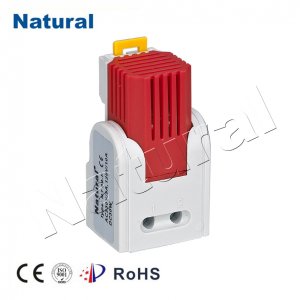
Temperature Control with Bimetal Thermostats

文章正文:

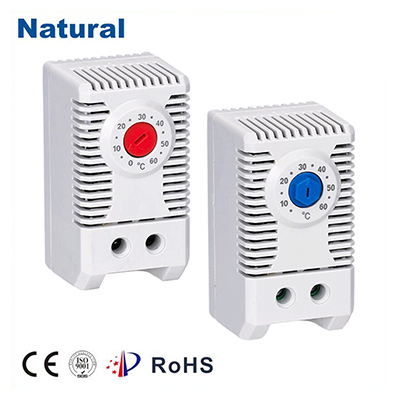
temperature controler bimetal thermostat

Temperature control is a crucial aspect of many industrial and household applications, ensuring that processes run smoothly and products are of high quality. One essential tool in achieving precise temperature control is the bimetal thermostat. In this article, we will explore the workings and applications of bimetal thermostats. What is a Bimetal Thermostat? A bimetal thermostat is a temperature-sensitive device composed of two different metals bonded together. These metals have different coefficients of thermal expansion, which means they expand and contract at different rates when exposed to temperature changes. This unique characteristic forms the foundation of bimetal thermostat operation. How Does It Work? Inside a bimetal thermostat, the two metals are typically layered together in a strip or coil. When the temperature changes, the bimetal strip bends due to the unequal expansion of the two metals. This bending movement is utilized to control electrical contacts, making or breaking a circuit to regulate temperature. For instance, in a heating system, as the temperature drops below the desired setpoint, the bimetal strip bends, closing an electrical circuit to activate the heater. Conversely, when the temperature rises above the setpoint, the strip straightens out, breaking the circuit and turning off the heater. Applications Bimetal thermostats are versatile and find applications in various industries and devices: Home Appliances: Bimetal thermostats are commonly used in household appliances such as ovens, refrigerators, and irons. They ensure that these devices maintain consistent and safe operating temperatures. HVAC Systems: Heating, Ventilation, and Air Conditioning (HVAC) systems employ bimetal thermostats to regulate indoor temperatures. These devices help maintain comfort and energy efficiency in residential and commercial buildings. Automotive: Bimetal thermostats are crucial in automotive engines. They regulate the engine’s temperature, ensuring it operates within the optimal range for performance and longevity. Industrial Processes: Many industrial processes require precise temperature control. Bimetal thermostats are used in machinery and equipment to ensure that temperature-sensitive materials and products are produced with high quality and consistency. Advantages of Bimetal Thermostats Bimetal thermostats offer several advantages: Cost-Effective: They are cost-effective solutions for temperature control, making them accessible for a wide range of applications. Reliability: Bimetal thermostats are known for their reliability and durability, as they have no moving parts that can wear out quickly. Wide Temperature Range: These thermostats can operate over a broad temperature range, from sub-zero temperatures to extremely high temperatures, depending on the materials used. Safety: They are inherently safe, as their simple design ensures fail-safety in case of malfunction. Challenges Despite their numerous advantages, bimetal thermostats do have limitations. They may not offer the precision required for some highly sensitive applications, and their response time may be slower compared to more advanced temperature control technologies like digital controllers. In conclusion, bimetal thermostats play a vital role in temperature control across various industries and everyday devices. Their simplicity, reliability, and cost-effectiveness make them a popular choice for many applications. While they may not be suitable for every situation, understanding their basic principles and capabilities can help you make informed decisions when it comes to temperature control in your projects and systems.

The Future of Home Comfort: Tamper-Proof Thermostats

In the world of home automation and smart technology, the thermostat has emerged as a pivotal device for enhancing comfort, energy efficiency, and convenience. Among the latest advancements in this field is the tamper-proof thermostat, a revolutionary solution that not only grants homeowners greater control over their indoor climate but also prevents unauthorized adjustments. In this article, we will explore the concept of tamper-proof thermostats and delve into the benefits they offer.

Tamper-proof Thermostat

The Need for Tamper-Proof Thermostats Traditional thermostats have long been the primary means of regulating temperature within homes. However, they often come with a significant drawback: they are easily accessible and adjustable by anyone in the household. This accessibility can lead to temperature disputes, energy waste, and increased utility bills. Moreover, in commercial settings such as hotels and office buildings, unregulated thermostat adjustments can result in substantial expenses. Tamper-proof thermostats are designed to address these issues. By implementing advanced technology and security features, they ensure that only authorized individuals can make changes to the temperature settings. This not only prevents unwarranted adjustments but also enhances energy efficiency and cost savings. Key Features of Tamper-Proof Thermostats PIN or Password Protection: Tamper-proof thermostats often require a Personal Identification Number (PIN) or a password for access. This ensures that only those with the correct code can modify the settings. Remote Control: Many tamper-proof thermostats can be controlled remotely through smartphone apps or web interfaces. This feature is particularly valuable for homeowners who want to adjust their thermostat settings while away from home. Lockout Modes: These thermostats may include lockout modes that temporarily disable any changes to the settings. For instance, during business hours in a commercial building, the thermostat can be locked to prevent employees from altering the temperature. Alerts and Notifications: Some tamper-proof thermostats can send alerts or notifications when unauthorized access attempts are made, providing an additional layer of security. Usage Tracking: They often offer usage tracking, allowing homeowners or building managers to monitor temperature adjustments and analyze energy consumption patterns. Benefits of Tamper-Proof Thermostats Energy Efficiency: By preventing unnecessary adjustments, tamper-proof thermostats help maintain consistent temperature settings, resulting in increased energy efficiency and reduced utility costs. Cost Savings: Reduced energy consumption directly translates to cost savings. Homeowners and businesses can expect lower heating and cooling bills. Improved Comfort: With stable and well-regulated temperatures, occupants experience improved comfort and a more pleasant living or working environment. Enhanced Security: In commercial settings, tamper-proof thermostats add a layer of security by preventing unauthorized access and potential tampering. Convenient Control: Despite their security features, tamper-proof thermostats offer convenient control options, such as remote access via smartphones and web interfaces. Environmentally Friendly: By reducing energy waste, tamper-proof thermostats contribute to a smaller carbon footprint, making them an eco-friendly choice. Applications of Tamper-Proof Thermostats Tamper-proof thermostats find applications in various settings: Residential Homes: They are ideal for families looking to maintain harmony in temperature preferences and reduce energy consumption. Commercial Buildings: Offices, hotels, and retail spaces benefit from tamper-proof thermostats to ensure consistent comfort and lower operational costs. Rental Properties: Landlords can use these thermostats to prevent tenants from excessively adjusting temperature settings. Government Buildings: Public facilities can implement tamper-proof thermostats to manage energy consumption more efficiently. Conclusion The emergence of tamper-proof thermostats represents a significant leap forward in the world of home comfort and energy efficiency. By offering enhanced security and control, these devices are transforming the way we manage indoor climate settings. With their ability to reduce energy waste, lower utility bills, and provide a more comfortable environment, tamper-proof thermostats are poised to become a cornerstone of modern home automation and smart technology. Embracing this innovation will not only benefit individuals and businesses but also contribute to a more sustainable and eco-friendly future.

Space-saving Fan Heater: Compact Comfort for Every Season

In our modern world, convenience and space-efficiency are prized virtues. One home appliance that embodies these qualities perfectly is the space-saving fan heater. As we navigate through the challenges of changing seasons, a compact fan heater can be your trusty companion. In this article, we will explore the benefits and features of these remarkable devices.

Space-saving Fan Heater

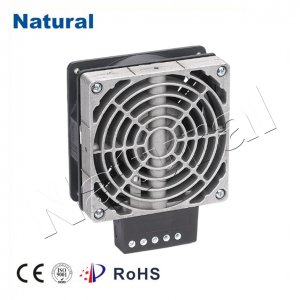
Compact Design Space-saving fan heaters are designed with a focus on minimizing their footprint while maximizing their functionality. These heaters are usually small and lightweight, making them easy to place in any room without occupying too much space. Whether you live in a cozy studio apartment or a spacious house, a fan heater can fit effortlessly into your living space. Versatility One of the key advantages of space-saving fan heaters is their versatility. They can quickly switch from heating to cooling mode, making them suitable for year-round use. During the chilly winter months, they provide a powerful blast of warmth to keep you comfortable. In the summer, they can function as a fan to help cool down a room. This dual-purpose functionality ensures that your investment is worthwhile. Energy Efficiency Modern space-saving fan heaters are designed with energy efficiency in mind. They use advanced heating elements and fan technology to distribute heat evenly throughout a room. This efficient heating process not only keeps you warm but also helps you save on energy bills. Many models come with adjustable temperature settings and timers, allowing you to customize your heating experience and further reduce energy consumption. Safety Features Safety is a paramount concern when it comes to any heating device. Space-saving fan heaters are equipped with multiple safety features to provide peace of mind to users. Overheat protection ensures that the heater automatically shuts off if it becomes too hot, preventing any potential hazards. Additionally, many models have tip-over protection, so if the heater is accidentally knocked over, it will switch off to prevent fires or other accidents. Portability The compact and lightweight design of space-saving fan heaters makes them highly portable. You can easily move them from room to room, ensuring that you stay comfortable wherever you are in your home. This portability also comes in handy when you need to travel, as you can take your trusty fan heater with you to ensure that you have a comfortable and cozy space wherever you go. Quiet Operation Nobody wants a noisy heater disrupting their peace and quiet. Fortunately, many space-saving fan heaters are designed to operate quietly, allowing you to enjoy a comfortable environment without the distraction of loud fan noises or rattling components. This is particularly important if you plan to use the heater in a bedroom or office space. Stylish Designs Gone are the days when heaters were bulky eyesores. Space-saving fan heaters now come in a variety of stylish designs and colors that can complement any interior decor. They blend seamlessly into your living space, adding both functionality and aesthetics. Conclusion Space-saving fan heaters are a testament to the innovation and convenience that define our modern world. With their compact design, versatility, energy efficiency, safety features, portability, quiet operation, and stylish aesthetics, they are the ideal heating solution for any home. These devices provide the comfort and warmth you need, no matter the season or room size, while also saving space and energy. Invest in a space-saving fan heater today, and experience the perfect blend of comfort and convenience.

The Cozy Comfort of Space Heaters

文章正文:

space heater

In the chilly embrace of winter, there’s nothing quite like the warmth and comfort that a space heater can provide. These portable and efficient devices have become a staple in many households, offering a convenient solution to combat the cold and create a snug atmosphere. In this article, we will delve into the world of space heaters, exploring their benefits, types, safety measures, and environmental considerations. 1. The Many Benefits of Space Heaters Space heaters are revered for their ability to swiftly warm up a room, making them an excellent choice for quick and targeted heat distribution. Here are some of the key benefits that make them a popular winter accessory: Efficiency:Space heaters are designed to heat small to medium-sized spaces efficiently, allowing you to save on energy costs by not having to heat your entire home. Portability:Their compact size and lightweight design make them easy to move from one room to another, providing warmth wherever it’s needed. Cost-effective:Investing in a space heater is often more economical than installing or using central heating systems, especially in homes with sporadic heating needs. 2. Types of Space Heaters There are several types of space heaters available, each with its unique features and benefits. The most common types include: a. Ceramic Heaters:These heaters use ceramic elements to generate heat, making them energy-efficient and quick to warm up a room. b. Infrared Heaters:Infrared heaters emit infrared radiation, which directly warms objects and people in the room, creating a cozy and comfortable atmosphere. c. Oil-filled Radiators:These heaters use oil as a heat reservoir, allowing them to provide a steady and long-lasting warmth. d. Fan-forced Heaters:Fan-forced heaters blow air over a heated element, rapidly distributing warm air throughout the room. 3. Safety First While space heaters offer many advantages, it’s crucial to use them safely to prevent accidents and fires. Here are some safety tips to keep in mind: a. Placement:Always place your space heater on a level and non-flammable surface, keeping it away from curtains, furniture, and other combustible materials. b. Ventilation:Ensure proper ventilation in the room to prevent the buildup of carbon monoxide. Never use gas-powered space heaters indoors. c. Electrical Safety:Inspect the power cord for any damage and avoid using extension cords. Plug the heater directly into a wall outlet. d. Auto-shutoff:Opt for a space heater with an automatic shutoff feature in case it overheats or tips over. 4. Environmental Considerations While space heaters are energy-efficient for heating small spaces, it’s essential to be mindful of their environmental impact. Here are some steps you can take to minimize their carbon footprint: a. Energy-Efficiency:Choose an energy-efficient space heater with a thermostat to maintain a comfortable but not excessive temperature. b. Zone Heating:Use space heaters strategically in rooms you frequent the most instead of heating the entire house. c. Regular Maintenance:Keep your space heater clean and well-maintained to ensure it operates at peak efficiency. In conclusion, space heaters are versatile and valuable devices for maintaining warmth and comfort during the colder months. By selecting the right type, using them safely, and considering their environmental impact, you can enjoy the cozy embrace of a space heater while keeping energy costs in check and promoting safety in your home. Stay warm and snug this winter with the help of these efficient heating companions.

Small Semiconductor Heaters: Efficient Solutions for Precise Temperature Control

In today’s fast-paced technological landscape, precise temperature control is a critical factor in the performance and reliability of electronic devices and industrial processes. One innovation that has gained prominence in recent years is the Small Semiconductor Heater. This compact and efficient heating solution has revolutionized temperature management across various applications, from electronics to healthcare. In this article, we will delve into the world of Small Semiconductor Heaters, exploring their working principles, advantages, and diverse applications.

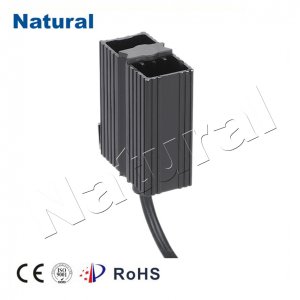
Small Semiconductor Heater

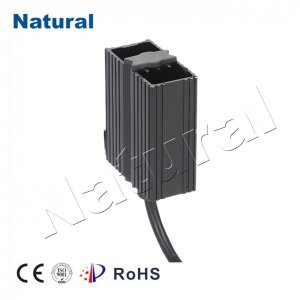
The Basics of Small Semiconductor Heaters Small Semiconductor Heaters are solid-state devices designed to generate controlled heat by utilizing the thermoelectric effect. They rely on the Peltier effect, where an electrical current flowing through two dissimilar semiconductor materials creates a heat differential, transferring heat from one side to the other. This ingenious mechanism allows Small Semiconductor Heaters to maintain precise and stable temperatures, making them ideal for a wide range of applications. Advantages of Small Semiconductor Heaters Efficiency: Small Semiconductor Heaters are highly energy-efficient, as they only consume power when actively heating or cooling. This efficiency makes them cost-effective and environmentally friendly compared to traditional heating elements. Precise Temperature Control: These heaters offer unparalleled temperature control, ensuring that the target temperature is maintained with minimal fluctuations. This level of precision is essential in industries like electronics manufacturing, where even slight temperature variations can lead to defects. Compact Size: Small Semiconductor Heaters are incredibly compact, allowing for easy integration into tight spaces. Their small footprint makes them a preferred choice for applications with limited space, such as medical devices and automotive components. Longevity: Semiconductor materials are inherently robust and durable, ensuring the longevity of Small Semiconductor Heaters. They have a significantly longer lifespan compared to traditional heating elements, reducing maintenance costs. Applications of Small Semiconductor Heaters Electronics Cooling: Small Semiconductor Heaters are widely used to control the temperature of electronic components, such as laser diodes, LEDs, and microprocessors. They help prevent overheating, ensuring the reliability and longevity of these devices. Medical Devices: In medical applications, precise temperature control is critical. Small Semiconductor Heaters are used in devices like blood analyzers, DNA sequencers, and diagnostic equipment to maintain the required temperature for accurate results. Automotive Industry: Small Semiconductor Heaters find applications in automotive seat heating, mirror defrosting, and battery temperature management. Their compact size and energy efficiency make them ideal for modern vehicles. Laboratory Equipment: Research and laboratory equipment, such as incubators, spectrometers, and environmental chambers, benefit from Small Semiconductor Heaters’ precise temperature control capabilities. Aerospace: Aerospace applications, including satellite instrumentation and aviation electronics, rely on Small Semiconductor Heaters to ensure optimal performance in extreme conditions. Conclusion Small Semiconductor Heaters have become indispensable tools in various industries due to their efficiency, precision, and versatility. Their ability to provide consistent and controlled heating or cooling has revolutionized temperature management, leading to improved product quality, energy savings, and enhanced reliability. As technology continues to advance, the role of Small Semiconductor Heaters is likely to expand, making them a cornerstone in the quest for precise temperature control in an ever-evolving world.

The Convenience of Small Compact Thermostats

In today’s fast-paced world, convenience and efficiency are key factors in our daily lives. Small compact thermostats have emerged as a revolutionary solution, providing homeowners with an innovative way to control their indoor environment. These intelligent devices are changing the way we interact with our heating and cooling systems, making our lives more comfortable and eco-friendly.

Small Compact Thermostat

Compact Size, Big Impact Small compact thermostats are designed with a focus on minimalism and aesthetics. Their sleek and unobtrusive appearance blends seamlessly with any home decor, making them an attractive addition to any living space. Gone are the days of clunky and complicated thermostat interfaces. With their compact size and user-friendly design, these devices are incredibly easy to install and operate. Intelligent Temperature Control One of the standout features of small compact thermostats is their intelligent temperature control capabilities. These devices utilize advanced sensors and algorithms to precisely monitor and adjust the indoor temperature. This means no more fiddling with temperature settings throughout the day. The thermostat learns your preferences and adapts to your schedule, ensuring that your home is always at the perfect temperature, whether you’re home or away. Energy Efficiency Small compact thermostats are not only about comfort but also about energy efficiency. By optimizing your heating and cooling systems, they help reduce energy consumption, which translates into lower utility bills and a smaller carbon footprint. These thermostats can detect when you’re not at home and adjust the temperature accordingly, saving energy without sacrificing comfort. Remote Accessibility One of the most significant advantages of small compact thermostats is their remote accessibility. With the help of smartphone apps, you can control your thermostat from anywhere in the world. This means you can adjust the temperature, set schedules, and monitor your energy usage on the go. Whether you’re coming home early or want to ensure your home is comfortable upon your arrival, remote accessibility provides unparalleled convenience. Compatibility and Integration Small compact thermostats are designed to integrate seamlessly with other smart home devices. They can work in harmony with your smart lighting, security systems, and voice assistants like Amazon Alexa or Google Assistant. This allows for comprehensive home automation, creating a truly connected and convenient living environment. Customizable Features Another noteworthy aspect of small compact thermostats is their customizable features. You can tailor your thermostat settings to match your unique preferences and lifestyle. Some thermostats even offer features like zoning, which allows you to control the temperature in different areas of your home independently. This level of customization ensures that your home’s climate is just the way you like it. Conclusion Small compact thermostats have brought a new level of convenience and efficiency to home climate control. With their sleek design, intelligent temperature control, energy-saving features, remote accessibility, and compatibility with other smart devices, they have become an essential component of modern living. As we continue to seek ways to simplify our lives and reduce our environmental impact, small compact thermostats are leading the way towards a more comfortable and sustainable future. Embrace the convenience of small compact thermostats and experience a new level of control over your indoor environment.

Regulable Thermostats: Enhancing Comfort and Efficiency

Regulable Thermostats: Enhancing Comfort and Efficiency

regulable thermostat

Introduction Regulable thermostats have become an indispensable part of modern living, revolutionizing the way we control and optimize indoor temperatures. These smart devices have not only enhanced our comfort but also contributed significantly to energy efficiency and sustainability. In this article, we will explore the key features and benefits of regulable thermostats, shedding light on their role in modern home management. The Evolution of Thermostats Before delving into regulable thermostats, it is essential to understand the evolution of these devices. Traditional thermostats, often referred to as manual thermostats, required users to manually adjust the temperature settings. While they served their purpose, they were far from efficient in maintaining a consistent and comfortable environment. Regulable Thermostats Defined Regulable thermostats, also known as programmable or smart thermostats, have ushered in a new era of climate control. These devices allow users to program temperature settings based on their preferences and schedules, thus automating the heating and cooling of their homes. This level of customization and automation has several advantages. Energy Efficiency One of the most significant benefits of regulable thermostats is their ability to optimize energy consumption. By setting specific temperatures for different times of the day or week, users can avoid excessive heating or cooling when not needed. For example, the thermostat can lower the temperature during working hours and raise it just before returning home. This not only reduces energy bills but also contributes to a more sustainable lifestyle by decreasing carbon emissions. Cost Savings Regulable thermostats can result in substantial cost savings over time. By fine-tuning temperature settings and reducing energy waste, homeowners can enjoy lower utility bills. The initial investment in a regulable thermostat often pays for itself through these savings. Enhanced Comfort These thermostats provide a higher level of comfort by ensuring that your home is always at the right temperature when you need it. Whether it’s a chilly winter morning or a scorching summer afternoon, regulable thermostats can maintain the ideal climate inside your home, enhancing your overall well-being. Remote Control and Monitoring Many regulable thermostats are equipped with Wi-Fi connectivity, enabling users to control and monitor their HVAC systems remotely through smartphone apps or web interfaces. This feature is particularly useful when you want to make adjustments while away from home, ensuring that you return to a comfortable environment. Learning Capabilities Some regulable thermostats possess learning algorithms that adapt to your preferences over time. They analyze your behavior and adjust temperature settings accordingly, taking the guesswork out of programming schedules. This self-learning feature makes regulable thermostats even more user-friendly. Environmental Benefits In addition to personal advantages, regulable thermostats play a role in reducing greenhouse gas emissions. By promoting energy efficiency and responsible consumption, they contribute to a greener planet and a more sustainable future. Choosing the Right Regulable Thermostat Selecting the right regulable thermostat for your home involves considering factors such as compatibility with your HVAC system, ease of use, and desired features. It’s essential to research and compare different models to find the one that best suits your needs and budget. Conclusion Regulable thermostats have transformed the way we control indoor temperatures, offering a range of benefits that enhance our comfort, save us money, and protect the environment. As technology continues to advance, these devices are likely to become even more efficient and integrated into our daily lives. Embracing regulable thermostats is not just a smart choice for modern living; it’s a step towards a more sustainable and comfortable future.

Exploring the Versatility of PTC Fan Heaters

In today’s fast-paced world, staying comfortable in any environment is essential. Whether it’s your home, office, or any other indoor space, having the right heating solution can make all the difference. One such heating appliance that has gained immense popularity is the PTC fan heater. In this article, we will delve into the world of PTC fan heaters, exploring their features, benefits, and various applications.

ptc fan heater

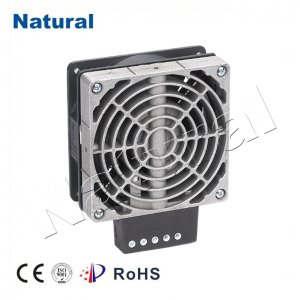
PTC, which stands for Positive Temperature Coefficient, is a technology that has revolutionized the heating industry. Unlike traditional heating elements, PTC heaters are known for their efficiency, safety, and versatility. Here are some key aspects that make PTC fan heaters stand out: Energy Efficiency: PTC heaters are designed to be highly energy-efficient. They operate by increasing their electrical resistance as they heat up, which in turn reduces the power consumption. This feature not only saves energy but also reduces your electricity bills. Safety First: Safety is paramount when it comes to heating appliances. PTC fan heaters are equipped with built-in safety mechanisms. They automatically regulate their temperature to prevent overheating and are less likely to cause fires, making them a reliable choice for any space. Quick and Even Heating: PTC fan heaters are renowned for their rapid heating capabilities. They can quickly warm up a room or maintain a consistent temperature. The fan function ensures even distribution of warm air, eliminating cold spots. Compact and Portable: Most PTC fan heaters are compact and lightweight, making them easy to move around. Whether you need to heat a bedroom, living room, or even a small office cubicle, PTC fan heaters can be conveniently placed wherever needed. Now, let’s explore the diverse applications of PTC fan heaters: 1. Home Comfort: PTC fan heaters are a popular choice for homeowners. They can be used in bedrooms, living rooms, and even bathrooms to provide instant warmth during chilly days. Many models come with adjustable thermostats and timers, allowing you to customize your comfort. 2. Office Spaces: In office environments, maintaining a comfortable temperature is crucial for productivity. PTC fan heaters are an excellent choice for individual workspaces or conference rooms, ensuring that everyone can focus on their tasks without being affected by the cold. 3. Garages and Workshops: For those who spend time in garages or workshops, PTC fan heaters are a valuable addition. They can help keep these often drafty spaces warm during the winter months, making them more conducive for work or hobby projects. 4. Camping and RVs: Some PTC fan heaters are designed for portable use. They can be powered by batteries or car outlets, making them ideal for camping trips or heating up your RV during cold nights. 5. Greenhouses: Gardeners and plant enthusiasts can benefit from PTC fan heaters in their greenhouses. These heaters help maintain a consistent temperature, protecting delicate plants from frost and extreme cold. In conclusion, PTC fan heaters have emerged as a versatile and reliable heating solution for various applications. Their energy efficiency, safety features, and portability make them a preferred choice for both residential and commercial settings. Whether you need to stay cozy at home, keep your workspace comfortable, or warm up specialized spaces like garages or greenhouses, PTC fan heaters have got you covered. With their advanced technology, these heaters are sure to continue providing warmth and comfort in an energy-efficient and safe manner for years to come.

Understanding Panel Thermostats: Efficient Climate Control Solutions

Panel thermostats are indispensable devices in modern homes and commercial buildings, playing a crucial role in maintaining comfortable indoor temperatures while optimizing energy consumption. In this article, we will delve into the world of panel thermostats, exploring their functionality, benefits, and how they contribute to enhanced energy efficiency.

panel thermostat

Introduction Panel thermostats, also known as wall thermostats or climate control panels, are devices used to regulate heating, ventilation, and air conditioning (HVAC) systems. They offer users the ability to set and control indoor temperatures, ensuring that the environment remains comfortable year-round. These devices have evolved significantly over the years, becoming smarter, more energy-efficient, and user-friendly. Functionality Panel thermostats primarily serve two main functions: temperature sensing and control. They achieve this through a combination of sensors, controllers, and user interfaces. Here’s a breakdown of their functionality: Temperature Sensing: Panel thermostats are equipped with sensors that detect the current temperature in the room. This information is crucial for the thermostat to determine whether heating or cooling is required to maintain the desired temperature. User Interface: Most panel thermostats have user-friendly interfaces with digital displays or touchscreens. Users can input their preferred temperature settings and adjust other parameters such as fan speed and mode (cool, heat, or auto). Control: Once the thermostat has gathered temperature data and user input, it sends signals to the HVAC system to activate heating or cooling as necessary. Some advanced thermostats can also be controlled remotely through smartphone apps or integrated into home automation systems. Benefits of Panel Thermostats Panel thermostats offer numerous advantages that make them essential components in modern climate control systems: Energy Efficiency: Panel thermostats enable precise temperature control, preventing excessive heating or cooling. This optimization reduces energy consumption, leading to lower utility bills and reduced environmental impact. Comfort: Users can maintain a comfortable indoor environment year-round, adjusting the thermostat settings to match their preferences. Customization: Many panel thermostats offer programmable schedules, allowing users to set different temperatures for various times of the day. This feature ensures energy savings when the space is unoccupied or during sleeping hours. Remote Control: Advanced panel thermostats can be controlled remotely, providing flexibility and convenience. This feature is particularly useful for adjusting temperatures while away from home. Integration: Some panel thermostats can integrate with smart home ecosystems, offering compatibility with voice assistants and other connected devices for seamless automation. Data Insights: Certain panel thermostats provide energy consumption data and usage insights, helping users make informed decisions about their HVAC system’s efficiency. Choosing the Right Panel Thermostat Selecting the right panel thermostat for your needs is essential. Consider the following factors: Compatibility: Ensure the thermostat is compatible with your HVAC system. Some systems may require specific thermostat models. Features: Evaluate the features offered, such as programmability, remote control, and integration capabilities, to find the best fit for your lifestyle. Energy Efficiency: Look for Energy Star-certified thermostats that meet strict energy efficiency standards. User Interface: Choose a thermostat with a user-friendly interface that suits your preferences and technical abilities. Budget: Panel thermostats come in various price ranges, so set a budget and explore options within that range. Conclusion Panel thermostats are indispensable tools for maintaining indoor comfort while optimizing energy use. Their advanced features, user-friendly interfaces, and energy efficiency make them valuable additions to homes and businesses alike. By selecting the right panel thermostat and using it wisely, you can enjoy a comfortable environment while reducing your carbon footprint and energy expenses. Embrace the power of panel thermostats and take control of your climate today.