Monthly Archives: September 2023

Understanding ACB Breakers: A Comprehensive Guide
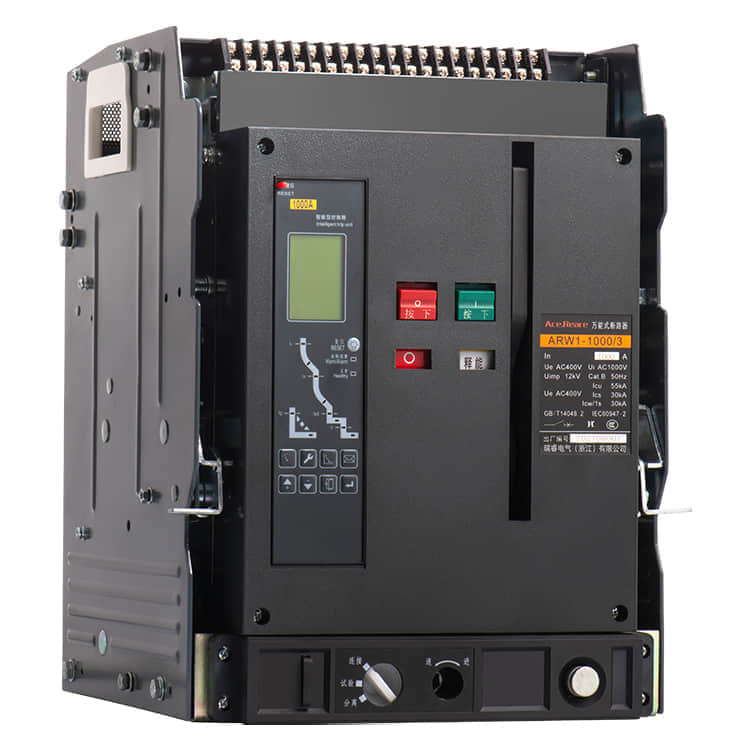
ACB Breakers: A Comprehensive Guide

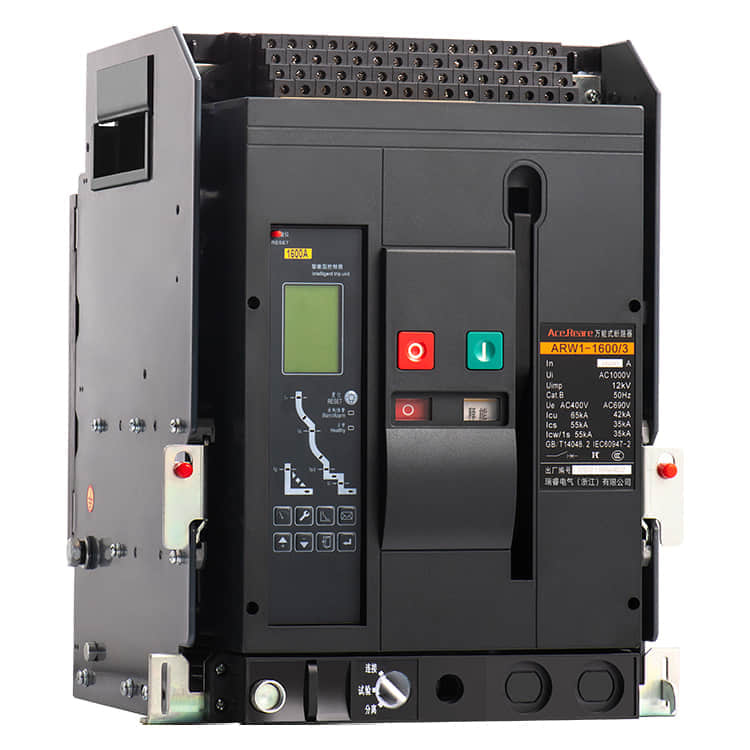
ACB breaker

Introduction

ACB breaker

In the world of electrical engineering and power distribution, ACB breakers play a pivotal role in ensuring safety and efficiency. ACB, or Air Circuit Breaker, is a vital component in electrical circuits, providing protection against overcurrents and short circuits. In this article, we will delve into the intricacies of ACB breakers, exploring their functions, types, applications, and the importance of proper maintenance. What is an ACB Breaker? An Air Circuit Breaker, commonly known as an ACB breaker, is a device designed to protect electrical circuits and equipment from damage due to excessive current flow. Unlike traditional fuses, ACB breakers can be reset after tripping, making them reusable and cost-effective in the long run. Functions of ACB Breakers Overcurrent Protection: The primary function of an ACB breaker is to interrupt the circuit when it detects an overcurrent condition. This is crucial for preventing damage to electrical equipment and ensuring safety. Short Circuit Protection: ACB breakers also protect against short circuits, which occur when an electrical current takes an unintended path. These can lead to fires, equipment damage, and electrical hazards. Types of ACB Breakers There are various types of ACB breakers designed to meet different requirements in electrical systems. Some common types include: Fixed Type ACB: These breakers have a fixed frame and are suitable for applications with stable current loads. Drawout Type ACB: These breakers are designed to be easily removed from the panel for maintenance or replacement, making them ideal for critical systems. Air Blast Circuit Breaker: This type of ACB uses a high-velocity air blast to quench the arc when the circuit is interrupted, making it highly efficient. Magnetic Blowout ACB: These breakers use a magnetic field to force the arc to move away from the contacts, extinguishing it quickly. Applications of ACB Breakers ACB breakers find applications in various industries and settings, including: Industrial Facilities: ACB breakers are commonly used in manufacturing plants, factories, and industrial facilities to protect machinery and equipment. Commercial Buildings: In commercial buildings, ACB breakers help safeguard electrical systems, preventing costly downtime. Power Generation and Distribution: ACB breakers play a crucial role in power generation and distribution to ensure a stable supply of electricity. Marine and Aerospace: ACB breakers are used in marine and aerospace applications, where reliability is paramount. Importance of Maintenance Proper maintenance of ACB breakers is essential to ensure their reliability and longevity. Regular inspections, cleaning, and testing are crucial to identify and address any issues before they lead to system failures. Additionally, routine maintenance can extend the service life of ACB breakers, reducing overall operational costs. Conclusion ACB breakers are indispensable components of electrical systems, providing protection against overcurrents and short circuits. Understanding their functions, types, and applications is essential for ensuring the safety and efficiency of electrical systems in various industries. Regular maintenance and inspection of ACB breakers are key to their reliability and performance, making them a vital part of modern electrical engineering.
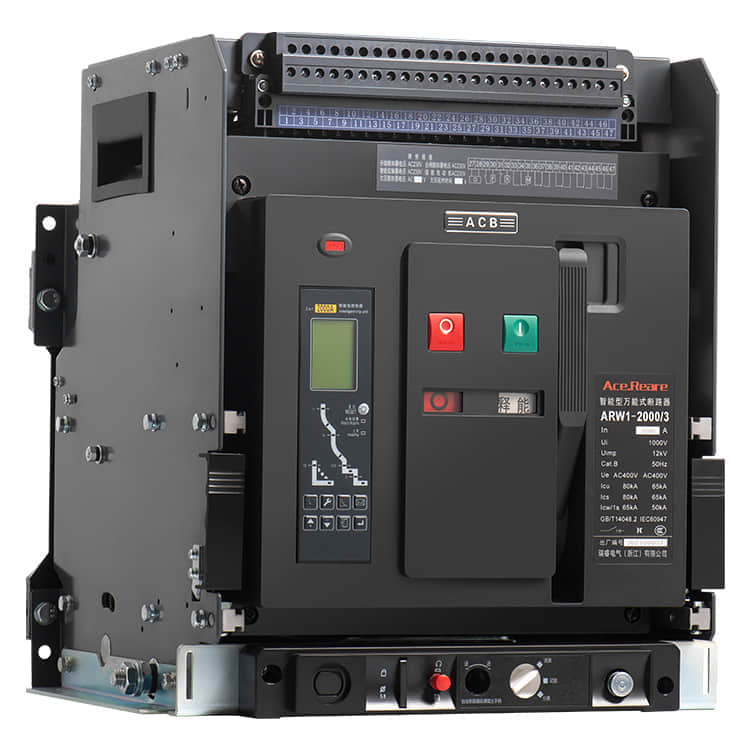
ACB breaker

The Evolution of Wall Thermostats: Controlling Comfort and Efficiency

Wall thermostats have come a long way since their inception. These unassuming devices play a pivotal role in regulating the temperature of our homes, ensuring both comfort and energy efficiency. In this article, we will delve into the history and technological advancements of wall thermostats, highlighting their indispensable contribution to modern living.

wall thermostat

The Birth of Wall Thermostats The concept of thermostats can be traced back to the ancient Greeks who used rudimentary systems to control the temperature of their baths. However, it was not until the 17th century that the first modern thermostat was invented by Dutch inventor Cornelis Drebbel. This early thermostat, known as the mercury thermostat, used mercury in a glass bulb to control temperature. While innovative for its time, it lacked the convenience and accuracy we now associate with wall thermostats. The Thermostat Revolution The real revolution in thermostat technology began in the mid-20th century with the introduction of the first wall-mounted thermostats. These devices allowed homeowners to set and maintain their desired indoor temperatures easily. However, they were still relatively simple, relying on bimetallic strips to expand and contract with temperature changes. The Digital Era The 1970s ushered in the digital era of wall thermostats. This marked a significant leap in accuracy and convenience. Digital thermostats featured electronic sensors and displays, enabling users to program specific temperature settings for different times of the day, improving energy efficiency and reducing heating and cooling costs. Smart Thermostats: A Game Changer In recent years, smart thermostats have taken center stage in the world of home climate control. These intelligent devices offer unprecedented convenience and energy-saving potential. Equipped with Wi-Fi connectivity, sensors, and advanced algorithms, smart thermostats allow users to control their HVAC systems remotely using smartphones or voice commands. One of the standout features of smart thermostats is their ability to learn and adapt to homeowners’ preferences. They analyze usage patterns and adjust temperature settings automatically, optimizing comfort while reducing energy consumption. Additionally, they offer detailed energy usage reports, helping homeowners make informed decisions about their energy usage. Energy Efficiency and Sustainability Wall thermostats have played a crucial role in promoting energy efficiency and sustainability in modern homes. The ability to program temperature settings and the integration of smart features make it easier than ever to reduce energy waste. By reducing the workload on heating and cooling systems during times of low occupancy or when occupants are asleep, wall thermostats contribute to lower energy bills and a reduced carbon footprint. Compatibility and Integration The compatibility of modern wall thermostats with other smart home devices is a significant advantage. They can seamlessly integrate with heating, ventilation, and air conditioning (HVAC) systems, as well as other smart appliances, creating a cohesive and interconnected home environment. This interconnectedness allows for centralized control and automation, providing homeowners with unprecedented convenience and control over their living spaces. The Future of Wall Thermostats As technology continues to evolve, the future of wall thermostats looks promising. We can expect even more advanced features, increased energy efficiency, and improved sustainability. Artificial intelligence (AI) and machine learning will likely play a more prominent role in optimizing HVAC systems, making them even smarter and more adaptable to changing conditions. In conclusion, wall thermostats have come a long way since their humble beginnings. From the simple mercury thermostats of the past to the intelligent, connected devices of today, they have undergone a remarkable transformation. These unassuming devices have not only improved our comfort but have also become essential tools in the quest for energy efficiency and sustainability. As technology continues to advance, we can look forward to even more innovations in wall thermostat design, further enhancing our quality of life and our impact on the environment.

“Ventil Filter Fan: Optimizing Air Quality and Comfort”

In today’s fast-paced world, we often find ourselves spending the majority of our time indoors. Whether it’s in our homes, offices, or other enclosed spaces, the quality of the air we breathe is of paramount importance. Poor indoor air quality can lead to a range of health issues, from allergies to respiratory problems. This is where ventil filter fans come into play, offering a solution to improve air quality and enhance overall comfort.

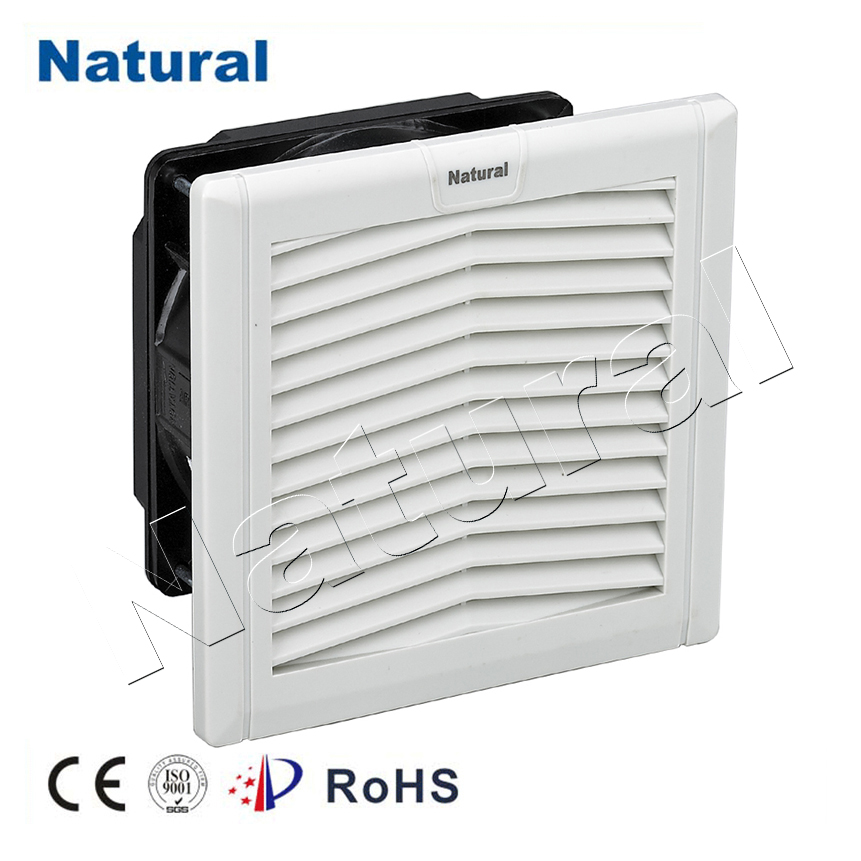
ventil filter fan

What is a Ventil Filter Fan? A ventil filter fan, also known as a ventilation filter fan, is a versatile device designed to extract stale or polluted air from an indoor environment and replace it with fresh, clean air from the outdoors. These fans are equipped with advanced filtration systems that capture dust particles, allergens, pollutants, and even microscopic airborne contaminants, ensuring that the air we breathe is pure and healthy. Key Features of Ventil Filter Fans Efficient Filtration: Ventil filter fans are equipped with high-performance filters that can capture particles as small as 0.3 microns. This includes dust, pollen, pet dander, and even some bacteria and viruses. This level of filtration is particularly beneficial for individuals with allergies or asthma. Energy Efficiency: Many modern ventil filter fans are designed to be energy-efficient, using intelligent sensors to detect when ventilation is needed. This not only saves energy but also reduces utility bills. Quiet Operation: These fans operate quietly, ensuring minimal disruption to your indoor environment. You can enjoy the benefits of clean air without the noise commonly associated with traditional ventilation systems. User-Friendly Controls: Most ventil filter fans come with user-friendly controls, including remote control options and programmable settings. This allows you to customize the fan’s operation to suit your specific needs. Air Quality Monitoring: Some models are equipped with air quality sensors that continuously monitor the indoor air quality. They can automatically adjust the fan’s speed and filtration level to maintain optimal air quality. Benefits of Using Ventil Filter Fans Improved Air Quality: The primary benefit of a ventil filter fan is the significant improvement in indoor air quality. By removing pollutants and allergens, these fans help create a healthier and more comfortable living or working environment. Healthier Living: Cleaner air means better health. Those with allergies, asthma, or other respiratory conditions will experience fewer symptoms and enjoy a better quality of life. Energy Savings: With energy-efficient operation, ventil filter fans contribute to reduced energy consumption and lower utility bills. They are a cost-effective way to maintain good indoor air quality. Enhanced Comfort: Clean, fresh air enhances overall comfort, leading to improved concentration, productivity, and well-being. It’s especially valuable in workplaces and educational institutions. Environmental Benefits: Using ventil filter fans reduces the need for energy-intensive air conditioning and heating systems, which can help lower your carbon footprint and contribute to a more sustainable future. Conclusion In conclusion, ventil filter fans are indispensable devices that play a vital role in improving indoor air quality and enhancing comfort in our homes and workplaces. With their advanced filtration systems, energy efficiency, and user-friendly features, these fans are a valuable addition to any indoor space. By investing in a ventil filter fan, you not only breathe cleaner air but also create a healthier, more pleasant environment for yourself and those around you. Prioritizing air quality is a step towards a healthier, more sustainable future.

Ventil Fan Filter: Enhancing Air Quality and Efficiency

Ventil Fan Filter: Enhancing Air Quality and Efficiency

ventil fan filter

In today’s rapidly evolving world, air quality and energy efficiency have become paramount concerns. Whether in industrial settings, commercial spaces, or residential areas, ensuring clean and healthy air while optimizing energy consumption is crucial. One innovative solution that addresses these concerns is the Ventil Fan Filter. The Importance of Air Quality Clean air is fundamental to our well-being and productivity. Poor indoor air quality can lead to a range of health issues, including allergies, respiratory problems, and reduced cognitive function. Moreover, in industrial and manufacturing settings, contaminated air can compromise the quality of products and even pose safety risks to workers. The Role of Ventil Fan Filters Ventil Fan Filters are engineered to enhance air quality by efficiently removing impurities from the air. These filters are designed to work seamlessly with ventilation systems, providing a multi-pronged approach to air purification. 1. Particle Filtration One of the primary functions of Ventil Fan Filters is to capture and remove particulate matter from the air. This includes dust, pollen, pet dander, and other allergens. By eliminating these particles, the filters significantly reduce the risk of respiratory problems and allergies among occupants. 2. Odor and Gas Removal In addition to particle filtration, Ventil Fan Filters can also be equipped with activated carbon filters to absorb odors and gases. This is particularly beneficial in commercial kitchens, where cooking odors can be pervasive, or in industrial environments with potential gas emissions. 3. Enhanced Efficiency Beyond improving air quality, Ventil Fan Filters can enhance the efficiency of ventilation systems. When air is clean and free from obstructions, fans and HVAC units don’t need to work as hard to circulate it. This leads to lower energy consumption and reduced operational costs, making Ventil Fan Filters a sustainable choice for businesses and homeowners alike. 4. Extend Equipment Lifespan The use of Ventil Fan Filters also extends the lifespan of ventilation equipment. By preventing the accumulation of dust and contaminants on fans and ducts, the filters reduce wear and tear on these components. This not only saves money on maintenance but also reduces the likelihood of unexpected breakdowns. 5. Compliance with Regulations In many industries, adherence to air quality regulations is mandatory. Ventil Fan Filters can play a pivotal role in helping businesses comply with these regulations by ensuring that emissions and air quality standards are met. Customization for Diverse Applications Ventil Fan Filters are not one-size-fits-all solutions. They can be customized to suit various applications and environments. Whether it’s a large industrial facility, a commercial kitchen, a healthcare institution, or a residential space, Ventil Fan Filters can be tailored to meet the specific air quality needs of the location. Conclusion In a world where air quality and energy efficiency are increasingly vital concerns, Ventil Fan Filters offer a versatile and effective solution. By removing particles, odors, and gases from the air, these filters contribute to a healthier and more comfortable environment for occupants. Simultaneously, they reduce energy consumption, extend the lifespan of ventilation equipment, and ensure regulatory compliance. Ventil Fan Filters represent a win-win solution for improving air quality and efficiency across diverse industries and settings.

The Evolution of Thermostat Switches: From Simple Control to Smart Efficiency

Thermostat switches have come a long way since their inception, revolutionizing the way we control and manage temperature in our homes and workplaces. These unassuming devices have played a crucial role in improving energy efficiency, comfort, and convenience. In this article, we will delve into the evolution of thermostat switches, exploring their history, types, and the exciting advancements that have made them an integral part of modern life.

thermostat switch

A Brief History The concept of regulating indoor temperature has been around for centuries, with early methods ranging from manually adjusting windows and fireplace dampers to more primitive thermostats. It wasn’t until the late 19th century that the first automatic thermostat was developed by Warren S. Johnson, laying the foundation for modern thermostat switches. Traditional Thermostats Traditional thermostat switches, also known as mechanical or non-programmable thermostats, became popular in the mid-20th century. These devices typically consist of a bimetallic coil that expands and contracts with temperature changes, causing a switch to open or close. When the temperature rises above a set point, the thermostat activates the cooling system, and when it falls below the set point, it triggers the heating system. While effective, these thermostats had limited functionality and required manual adjustments. Programmable Thermostats The next major advancement in thermostat technology came with programmable thermostats in the late 20th century. These devices allowed users to set specific temperature schedules, enabling energy savings during periods of inactivity or when occupants were away from home. This was a significant step towards greater energy efficiency and reduced utility bills. The Smart Thermostat Revolution The dawn of the 21st century brought about the era of smart thermostats. These innovative devices have completely transformed how we interact with temperature control. Equipped with Wi-Fi connectivity, sensors, and advanced algorithms, smart thermostats offer unparalleled convenience and efficiency. Smart thermostats can be controlled remotely through smartphone apps, allowing users to adjust settings even when they are away from home. They also have learning capabilities, adapting to users’ preferences and optimizing heating and cooling cycles for maximum comfort and energy savings. In addition, many smart thermostats integrate with other smart home devices, creating a cohesive and automated ecosystem. Environmental Impact The adoption of smart thermostats has had a positive impact on the environment. Their energy-saving features, including occupancy detection, weather forecasting, and adaptive algorithms, have helped reduce carbon footprints by minimizing unnecessary energy consumption. Some smart thermostats even provide energy usage reports, enabling homeowners to track and improve their energy efficiency further. Challenges and Future Trends While smart thermostats have revolutionized temperature control, they are not without challenges. Concerns about data privacy and cybersecurity have arisen due to their connectivity features. Additionally, the initial cost of smart thermostats can be higher than traditional options, although the long-term energy savings often outweigh this investment. Looking to the future, the evolution of thermostat switches is likely to continue. We can expect further integration with renewable energy sources, such as solar panels, and enhanced compatibility with electric vehicles for a holistic approach to energy management. Artificial intelligence and machine learning will continue to play a crucial role in optimizing heating and cooling systems. In conclusion, thermostat switches have come a long way from their humble beginnings as basic temperature regulators. The transition from mechanical thermostats to programmable and smart thermostats has revolutionized how we control temperature, making our lives more comfortable and energy-efficient. As technology continues to advance, thermostat switches will remain at the forefront of the effort to reduce energy consumption and combat climate change.

“Understanding the Benefits and Applications of 220V Thermostats”

In today’s world, energy efficiency and climate control are becoming increasingly important. One essential device that plays a pivotal role in maintaining comfort and saving energy in our homes and workplaces is the 220V thermostat. In this article, we will delve into the world of 220V thermostats, exploring their benefits and various applications.

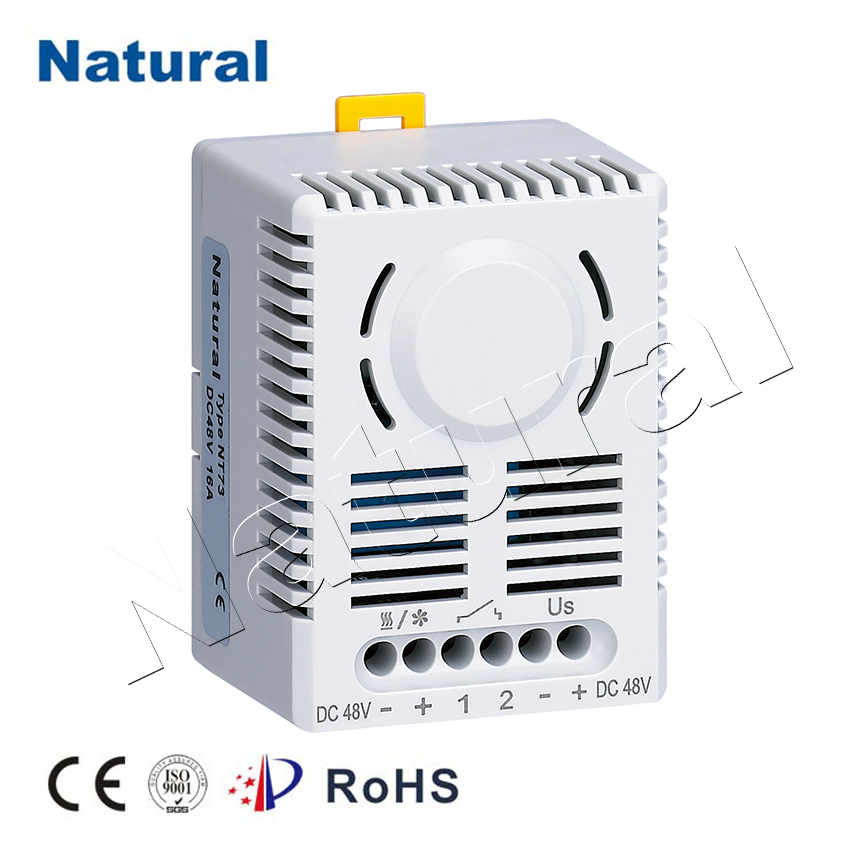
thermostat 220v

What is a 220V Thermostat? A thermostat is a temperature-regulating device that is designed to control heating or cooling systems. The “220V” in the name refers to the voltage it operates on, which is commonly used in many electrical appliances and systems. These thermostats are an integral part of HVAC (Heating, Ventilation, and Air Conditioning) systems and are used in various residential and commercial settings. Benefits of 220V Thermostats Efficient Energy Usage:One of the primary advantages of a 220V thermostat is its ability to regulate energy consumption effectively. By maintaining a consistent temperature within a specified range, it prevents unnecessary heating or cooling, leading to significant energy savings. Enhanced Comfort:These thermostats allow you to maintain a comfortable indoor environment year-round. You can set the desired temperature and let the thermostat do the work of keeping it steady. Cost Savings:Energy efficiency not only reduces your carbon footprint but also lowers your utility bills. With a 220V thermostat, you can optimize your heating and cooling systems to operate more efficiently, thus reducing your overall energy costs. Remote Control:Many modern 220V thermostats come with remote control and smart capabilities. You can adjust your home’s temperature settings from your smartphone, making it convenient to manage your HVAC system even when you’re away. Applications of 220V Thermostats Residential Heating and Cooling:220V thermostats are commonly used in homes to control central heating and air conditioning systems. They provide homeowners with the ability to create a comfortable living environment while optimizing energy use. Commercial Buildings:In commercial buildings, 220V thermostats are essential for regulating temperature across large spaces. Offices, retail stores, and industrial facilities rely on these devices to maintain a pleasant atmosphere for employees and customers while keeping operating costs in check. Greenhouses:Greenhouse operators use 220V thermostats to control temperature and humidity levels, ensuring ideal conditions for plant growth. These thermostats help maximize crop yields and reduce energy consumption. Industrial Applications:Industries that require precise temperature control, such as food processing and pharmaceutical manufacturing, use 220V thermostats to maintain quality and safety standards. Hospitality Sector:Hotels and restaurants use these thermostats to create a comfortable environment for guests, helping to enhance their overall experience. Choosing the Right 220V Thermostat When selecting a 220V thermostat, consider factors such as the size of the space you need to control, your budget, and any specific features you require. Additionally, look for energy-efficient models that meet your needs while minimizing environmental impact. In conclusion, 220V thermostats are vital tools for achieving energy efficiency, cost savings, and comfort in various settings. Whether you are a homeowner looking to optimize your HVAC system or a business owner aiming to create an ideal environment for customers and employees, these thermostats play a crucial role in achieving your goals. Understanding their benefits and applications can help you make informed decisions when it comes to temperature control in your space.

Understanding Thermostats and Hygrostats: Managing Comfort and Efficiency

Thermostats and hygrostats are essential devices that play a crucial role in maintaining the comfort and efficiency of our living spaces. These devices help regulate temperature and humidity levels, ensuring a pleasant and healthy indoor environment. In this article, we will delve into the functions, benefits, and applications of thermostats and hygrostats, shedding light on their importance in our daily lives.

thermostat and hygrostat

Thermostats: Precision Control of Temperature Thermostats are devices designed to control the temperature of a space by monitoring and adjusting heating or cooling systems. They serve as the brains behind your heating, ventilation, and air conditioning (HVAC) system, helping to maintain a consistent and comfortable temperature indoors. One of the primary functions of a thermostat is to sense the current temperature in a room. This is typically achieved through a sensor or a network of sensors strategically placed throughout the space. Once the thermostat knows the current temperature, it compares it to the desired temperature, also known as the setpoint. If the actual temperature deviates from the setpoint, the thermostat activates the heating or cooling system to bring the room back to the desired temperature. Modern thermostats often come equipped with advanced features such as programmable schedules, remote control via smartphones, and even machine learning algorithms that adapt to your preferences over time. These features not only enhance comfort but also improve energy efficiency, as they enable you to optimize your HVAC system’s operation. Hygrostats: Managing Humidity Levels While thermostats focus on temperature control, hygrostats are designed to regulate humidity levels. Maintaining the right level of humidity in your living space is crucial for your health and well-being, as well as for the preservation of your home and belongings. Hygrostats rely on humidity sensors to measure the moisture content in the air. These sensors can detect if the humidity level is too high or too low. If the humidity exceeds the desired range, a hygrostat can activate a humidifier or dehumidifier to restore the optimal humidity level. Maintaining proper humidity levels can prevent issues like mold growth, dry skin, and even damage to wooden furniture and musical instruments. Applications and Benefits Both thermostats and hygrostats have a wide range of applications beyond our homes. In industrial settings, they are used to control environmental conditions in manufacturing plants, data centers, and warehouses. In agriculture, they help monitor and manage temperature and humidity in greenhouses and storage facilities. The medical field relies on these devices to create controlled environments for laboratories and hospital rooms. The benefits of these devices extend beyond comfort and health. Properly managed temperature and humidity levels can lead to significant energy savings. By optimizing heating, cooling, and humidity control, you can reduce energy consumption and lower utility bills. Additionally, these devices can prolong the lifespan of equipment and improve the overall efficiency of various processes. Conclusion Thermostats and hygrostats are unsung heroes in our daily lives, silently working to keep us comfortable and healthy. They offer precision control over temperature and humidity, contributing to our well-being, energy efficiency, and the preservation of our belongings. As technology continues to advance, we can expect even more sophisticated and user-friendly versions of these devices, further enhancing our quality of life. So, the next time you adjust the thermostat or check the humidity level, remember the vital role these devices play in creating a comfortable and efficient living environment.

Exploring Thermostat Prices: Factors, Variations, and Considerations

In the realm of modern home technology, thermostats have emerged as key players in enhancing energy efficiency and overall comfort. These devices allow homeowners to control the temperature of their living spaces with precision, leading to reduced energy consumption and lower utility bills. However, the market for thermostats is vast and diverse, with prices ranging from budget-friendly options to high-end models packed with advanced features. In this article, we will delve into the factors influencing thermostat prices, the variations available, and the considerations to keep in mind when choosing the right thermostat for your needs.

thermostat  price

Factors Influencing Thermostat Prices Features:Thermostats come with a wide range of features, and the complexity of these features often affects the price. Basic models offer manual temperature control and programming, while more advanced options may include Wi-Fi connectivity, learning capabilities, voice control, and compatibility with smart home systems. The inclusion of features like these can significantly impact the cost of a thermostat. Technology:The technology used in a thermostat also contributes to its price. Traditional thermostats with simple mechanical components tend to be more affordable. In contrast, smart thermostats equipped with sensors, touchscreen interfaces, and sophisticated algorithms command a higher price point due to their enhanced capabilities. Energy Efficiency:Energy-saving features, such as adaptive learning and geofencing, can influence the price of a thermostat. These features allow the device to optimize temperature settings based on your habits and occupancy patterns, ultimately reducing energy consumption and costs over time. Brand Reputation:Established brands with a history of producing reliable and innovative products often charge a premium for their thermostats. This reflects both the quality assurance associated with the brand and the investment in research and development. Variations in Thermostat Pricing Basic Thermostats:These entry-level thermostats offer manual temperature adjustments and preset programming options. They are usually the most affordable option but lack the advanced features of higher-priced models. Programmable Thermostats:Mid-range options include programmable thermostats that allow you to set temperature schedules for different times of the day. These models offer increased energy efficiency compared to basic thermostats but may lack smart features. Smart Thermostats:Equipped with Wi-Fi connectivity, smart thermostats can be controlled remotely through smartphone apps. They often feature learning capabilities, adapting to your routines and making automatic adjustments to save energy. These devices tend to have a higher price range due to their advanced technology and convenience. High-End Thermostats:At the top end of the price spectrum are high-end thermostats packed with cutting-edge features. These may include voice control, compatibility with smart home ecosystems, advanced sensors for improved accuracy, and integration with other smart devices in your home. Considerations When Choosing a Thermostat Budget:Determine how much you are willing to spend on a thermostat based on your needs and financial capacity. Remember that while higher-priced models offer more features, a basic thermostat might suffice if you’re on a tight budget. Home Setup:Consider the compatibility of the thermostat with your HVAC system. Some systems may require specific thermostat models, which could influence your choices. Lifestyle:Your daily routine and occupancy patterns play a significant role in the type of thermostat you should choose. If you’re away from home frequently, a smart thermostat with remote control capabilities might be a wise investment. Future Savings:While a smart thermostat may have a higher initial cost, its energy-saving features can lead to substantial long-term savings on utility bills. Features:Determine which features are essential for you. If you value convenience and automation, a smart thermostat’s advanced features might be worth the extra cost. In conclusion, thermostat prices vary based on features, technology, brand reputation, and energy efficiency. When choosing a thermostat, it’s crucial to consider your budget, home setup, lifestyle, potential savings, and desired features. Investing in the right thermostat can not only enhance your comfort but also contribute to a more energy-efficient and environmentally conscious home.

The Evolution of Thermostats: A Journey Towards Energy Efficiency

Thermostats: A Crucial Component of Comfort and Energy Management

Thermostat

In the realm of modern home comfort and energy management, thermostats play an indispensable role. These unassuming devices quietly regulate our indoor climate, ensuring our spaces are always at the perfect temperature. However, the history of thermostats is a testament to the relentless pursuit of energy efficiency and technological innovation. In this article, we will take a journey through time, exploring the evolution of thermostats from their humble beginnings to their current state of advanced, smart technology. The Humble Beginnings: Bimetallic Thermostats The earliest thermostats were simple bimetallic devices, consisting of two different metals bonded together. As temperature changed, the metals expanded or contracted at different rates, causing the device to bend. This movement, in turn, would activate or deactivate a heating or cooling system. These early thermostats were effective but far from precise. They lacked the sophistication needed for fine-tuned climate control. The Birth of Precision: Mercury Thermostats Mercury thermostats, introduced in the mid-20th century, marked a significant advancement. These devices utilized the unique properties of mercury, which expands and contracts uniformly with temperature changes. This provided a higher level of precision and accuracy in controlling indoor climates. However, they had environmental drawbacks due to the toxic nature of mercury, which led to their eventual phasing out. The Digital Revolution: Programmable Thermostats The digital era brought about programmable thermostats. These devices allowed homeowners to set specific temperature schedules, optimizing comfort and energy consumption. Programmable thermostats were a step forward in energy efficiency, as they could automatically adjust temperatures when occupants were away or asleep, reducing unnecessary heating or cooling. The Smart Thermostat Revolution In recent years, smart thermostats have taken center stage. These Internet-connected devices are the pinnacle of thermostat technology, offering a wide range of features that enhance both comfort and energy efficiency. Here are some key attributes of smart thermostats: Remote Control: Smart thermostats can be controlled remotely via smartphone apps. This allows homeowners to adjust settings from anywhere, ensuring their homes are comfortable upon arrival. Learning Capabilities: Many smart thermostats have learning algorithms that adapt to user behavior. They can anticipate temperature preferences and automatically adjust settings to optimize comfort and energy savings. Integration: Smart thermostats often integrate with other smart home devices, such as voice assistants, weather apps, and occupancy sensors. This seamless connectivity enhances overall home automation and energy management. Energy Reports: Users receive detailed energy reports, helping them understand their consumption patterns and make informed decisions to reduce energy waste. Geofencing: Smart thermostats can use the location of occupants’ smartphones to determine whether they are at home or away, adjusting temperatures accordingly. The Future of Thermostats: Sustainability and Efficiency Looking ahead, the future of thermostats is undoubtedly focused on sustainability and efficiency. As climate change concerns intensify, there is growing emphasis on reducing energy consumption and greenhouse gas emissions. Future thermostats are likely to feature: Energy-Optimized AI: Advanced artificial intelligence will continue to improve the efficiency of thermostat operations, fine-tuning settings to minimize energy use while maintaining comfort. Renewable Energy Integration: Thermostats may integrate with renewable energy sources, such as solar panels and wind turbines, to prioritize clean energy usage. Enhanced User Engagement: User-friendly interfaces and gamification elements may encourage users to actively participate in energy-saving efforts. Environmental Sensing: Thermostats could incorporate environmental sensors to consider factors like outdoor air quality when making climate control decisions. Government Initiatives: Government regulations and incentives may drive the development of more energy-efficient thermostat technology. In conclusion, the evolution of thermostats reflects our ongoing quest for greater comfort and energy efficiency. From simple bimetallic devices to the cutting-edge smart thermostats of today, these unassuming gadgets have come a long way. With technology advancing at a rapid pace, we can expect thermostats of the future to play an even more significant role in promoting sustainability and reducing our carbon footprint. As we strive to create a greener and more comfortable world, thermostats will undoubtedly remain a vital component of our journey.

The Marvel of Precision: Exploring the World of Thermostats

Thermostats: those unassuming devices that quietly regulate our indoor climate, making our lives more comfortable and energy-efficient. While they may seem like a mundane part of our daily lives, thermostats are actually marvels of engineering and precision. In this article, we will delve into the world of thermostats, exploring their history, technology, and their crucial role in modern homes.

thermostat

The Evolution of Thermostats The history of thermostats dates back to ancient times when people used simple methods to control temperature. Early civilizations adjusted indoor temperatures by opening or closing windows and doors, or by using basic heat sources like fire. However, the concept of a modern thermostat as we know it today began to take shape in the 17th century. The first thermostat, as we recognize it, was invented by Cornelius Drebbel in 1620. His invention used mercury to regulate the temperature in a furnace. Over the centuries, thermostats underwent numerous advancements, with notable contributions from inventors like Andrew Ure and Warren S. Johnson. These innovations eventually paved the way for the thermostats we use today. The Inner Workings of a Thermostat Modern thermostats are far more sophisticated than their predecessors. They rely on a combination of mechanical and electronic components to maintain a precise indoor climate. Here’s a glimpse into how they work: Temperature Sensor: The heart of a thermostat is its temperature sensor, which can be a bimetallic coil, thermistor, or even infrared sensors. This component constantly measures the room temperature. Setpoint and Differential: The user sets the desired temperature, known as the setpoint. The thermostat then maintains the temperature within a narrow range called the differential. For example, if the setpoint is 72°F with a differential of 2°F, the thermostat will turn on the heating system when the temperature falls to 70°F and turn it off when it reaches 72°F. User Interface: Most modern thermostats have user-friendly interfaces, including digital displays and touchscreens, allowing users to easily adjust settings and program schedules. Control Unit: The thermostat’s control unit processes temperature data and activates heating or cooling systems when necessary. It may also include additional features like Wi-Fi connectivity, voice control, and energy-saving algorithms. Energy Efficiency and Environmental Impact One of the most significant advantages of modern thermostats is their ability to improve energy efficiency. Programmable thermostats, for example, allow users to set different temperature profiles for various times of the day. This means you can lower the temperature when you’re away from home or sleeping, reducing energy consumption and utility bills. Furthermore, the rise of smart thermostats has revolutionized the way we manage energy in our homes. These devices can learn user preferences, adjust settings automatically, and even be controlled remotely through smartphones. By optimizing heating and cooling, smart thermostats play a crucial role in reducing carbon footprints and combating climate change. The Future of Thermostats As technology continues to advance, the future of thermostats looks promising. We can expect even greater integration with other smart home devices, improved machine learning algorithms for more accurate temperature control, and increased connectivity to grid systems for energy optimization. In conclusion, thermostats have come a long way from their humble beginnings, evolving into essential tools for managing indoor climate and reducing energy consumption. Their fascinating history and intricate technology make them indispensable in modern homes. As we continue to prioritize energy efficiency and environmental sustainability, thermostats will remain at the forefront of our efforts to create more comfortable, eco-friendly living spaces.