Monthly Archives: September 2023

Innovating Excellence: The Role of Metal Stamping Parts ODM Manufacturers

In the world of manufacturing, precision and quality are paramount. Metal stamping, a versatile and essential process, plays a pivotal role in industries ranging from automotive to electronics. To meet the ever-evolving demands of these sectors, Original Design Manufacturer (ODM) companies specializing in metal stamping parts have become crucial. In this article, we will delve into the significance of Metal Stamping Parts ODM Manufacturers and their role in shaping the industrial landscape.
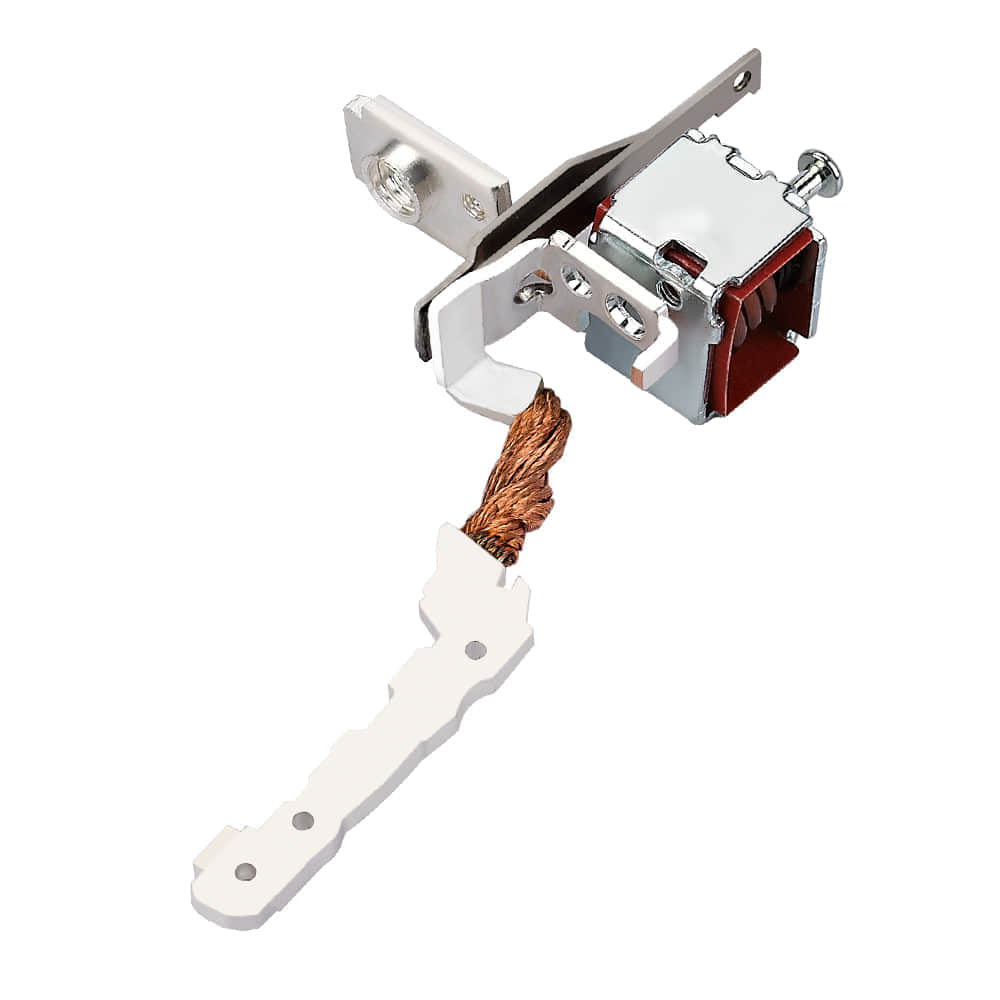
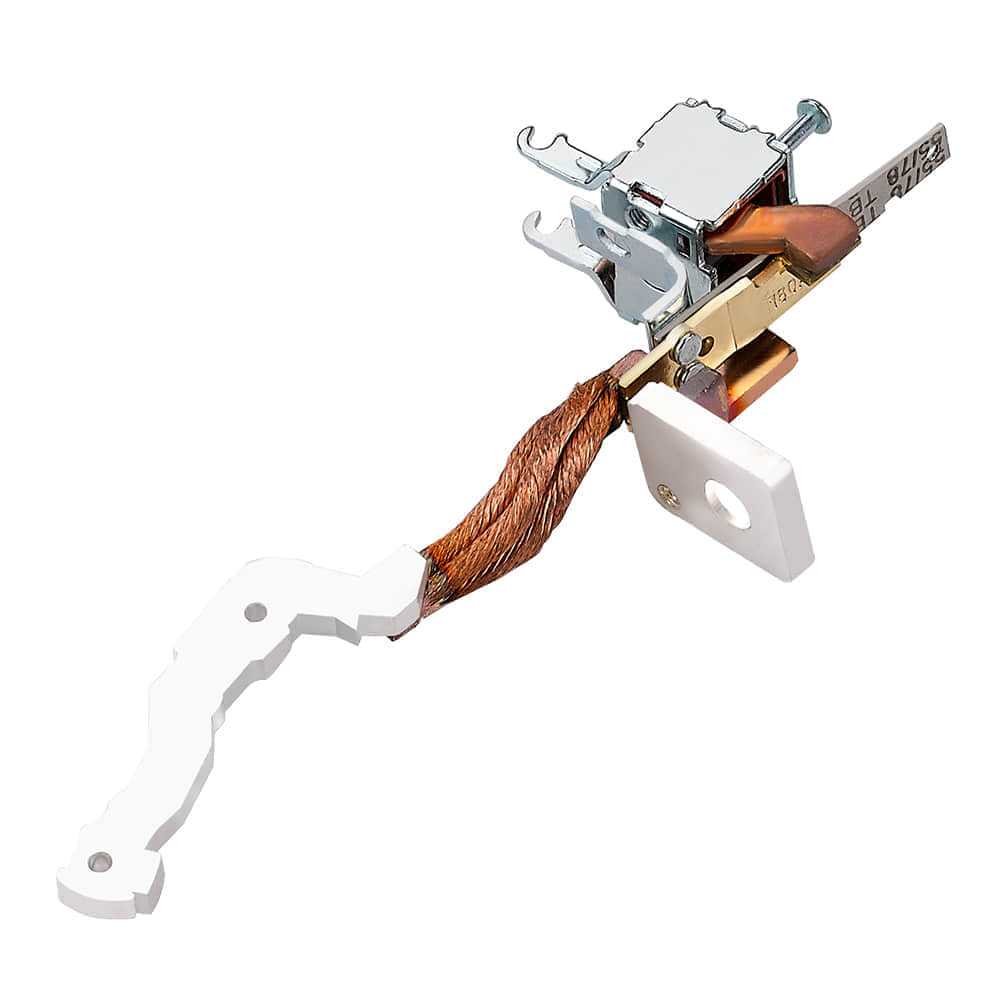
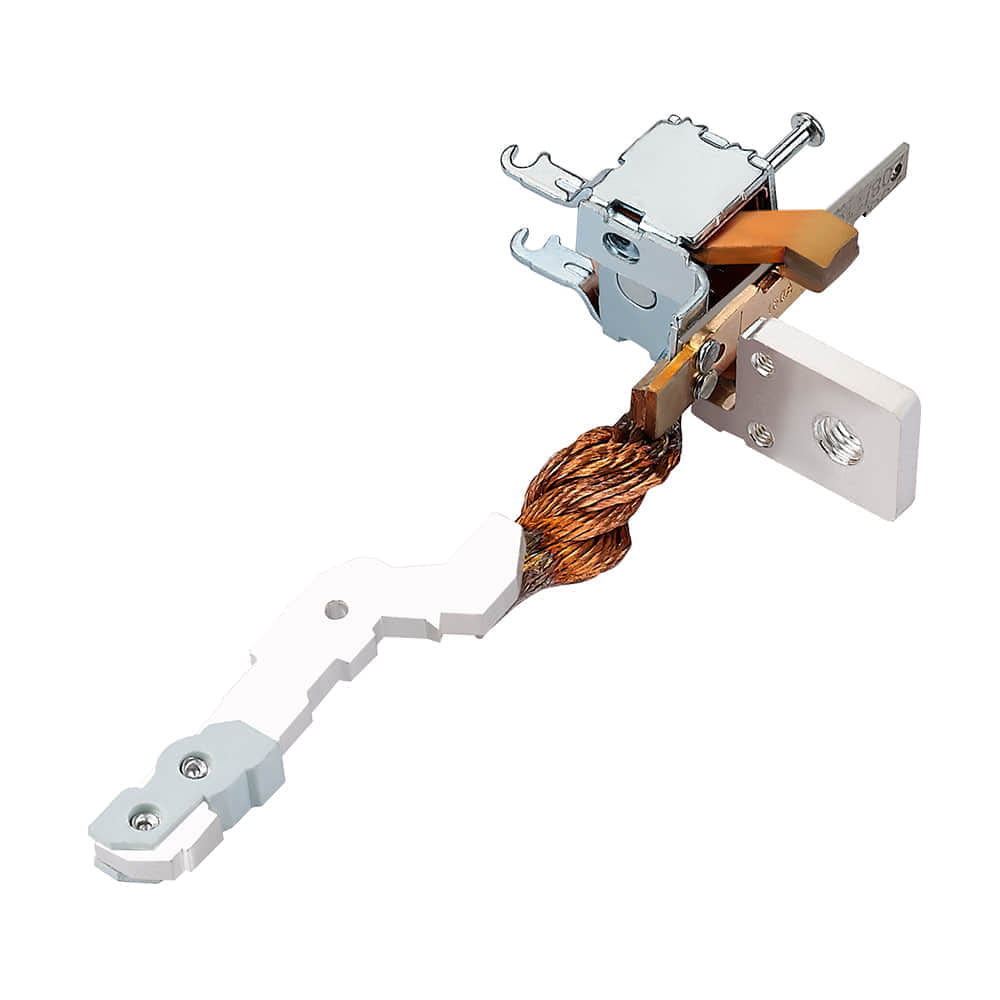
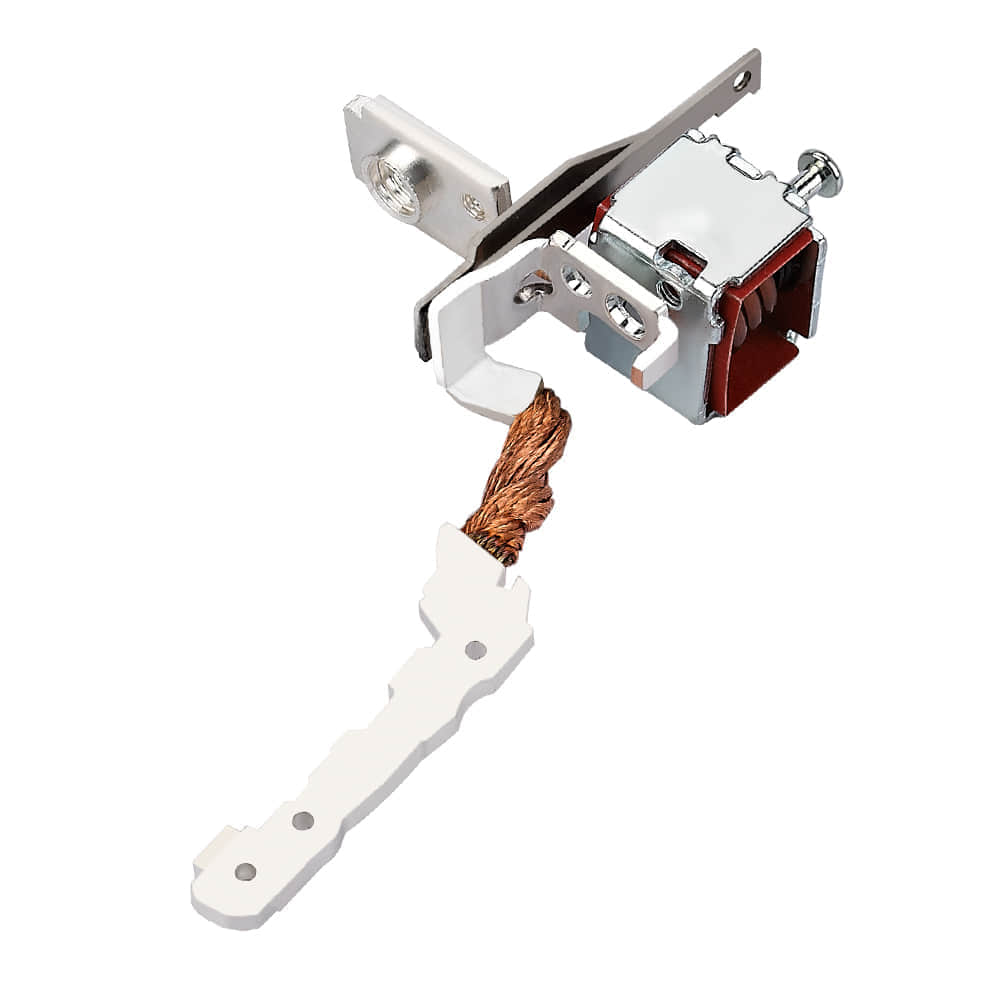
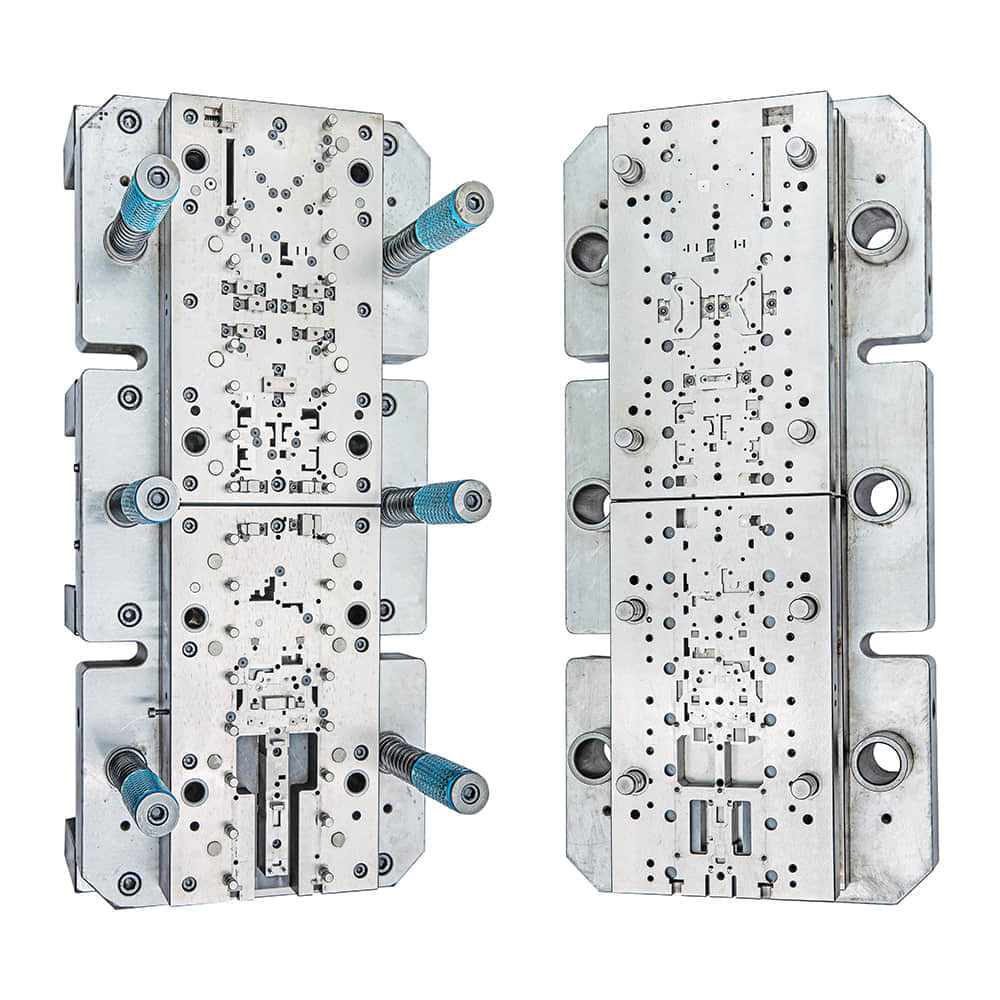
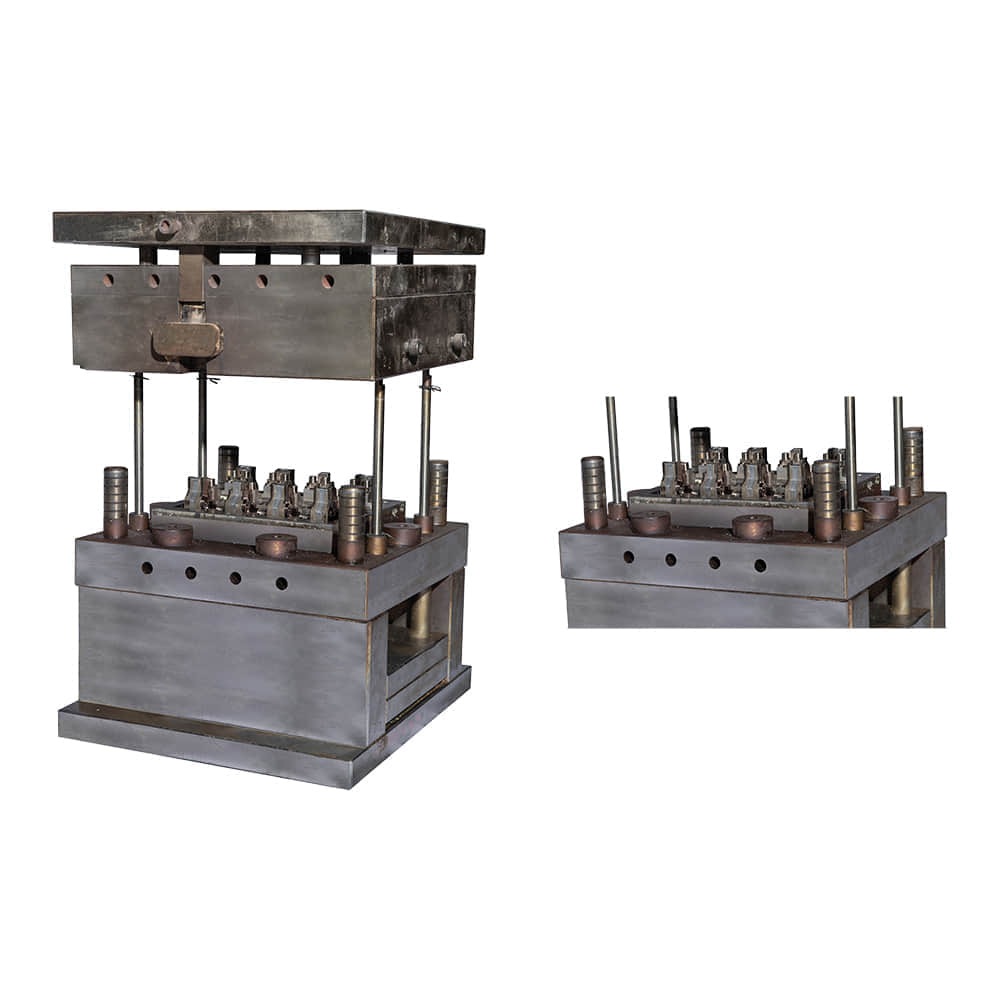
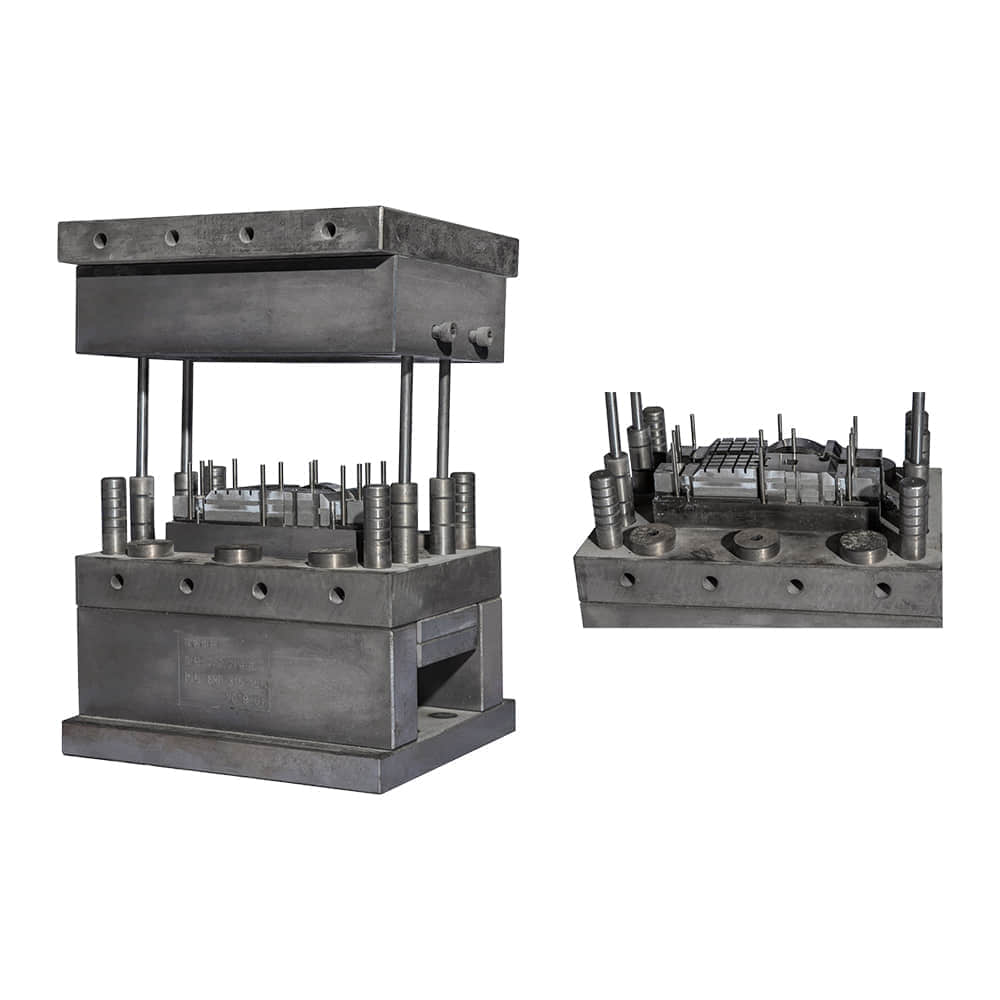
Metal stamping parts ODM manufacturer

The Genesis of Metal Stamping Parts ODM Manufacturers
Metal stamping parts ODM manufacturer

Metal stamping, often referred to as presswork, is a process where metal sheets are precisely shaped into desired forms using specialized machinery. The emergence of ODM manufacturers in this field stemmed from the need for customized, high-quality metal parts that meet stringent industry standards. These manufacturers, with their expertise and technological prowess, have filled the gap effectively. Customization at Its Best One of the standout attributes of Metal Stamping Parts ODM Manufacturers is their ability to offer tailor-made solutions. Every industry has unique requirements, and ODM manufacturers understand this. They work closely with their clients to design and produce metal parts that perfectly align with specific project needs. Whether it’s intricate automotive components or critical aerospace parts, customization is the hallmark of these ODM manufacturers. Cutting-Edge Technology Innovation is the lifeblood of Metal Stamping Parts ODM Manufacturers. They invest heavily in state-of-the-art technology, including computer-controlled stamping machines, laser cutting systems, and advanced quality control equipment. This commitment to technology ensures not only precision but also efficiency in production processes. Quality Assurance Quality control is non-negotiable in metal stamping. ODM manufacturers adhere to rigorous quality standards and have established robust quality assurance processes. From material selection to final inspection, each step is carefully monitored to deliver parts that meet or exceed industry benchmarks. This commitment to quality bolsters their reputation as reliable partners in the manufacturing ecosystem. Cost Efficiency and Scalability Metal Stamping Parts ODM Manufacturers excel in optimizing production costs. Through efficient material usage and streamlined processes, they offer cost-effective solutions without compromising on quality. Moreover, their ability to scale production up or down according to market demands makes them indispensable in industries characterized by fluctuations. Sustainability and Environmental Responsibility In today’s eco-conscious world, sustainable manufacturing practices are paramount. ODM manufacturers take their environmental responsibilities seriously. They implement eco-friendly materials and processes, ensuring minimal waste and reduced environmental impact. This dedication to sustainability aligns with the global trend toward greener manufacturing. Global Reach The impact of Metal Stamping Parts ODM Manufacturers extends far beyond their immediate geographical location. They often serve as vital links in global supply chains, exporting their products to clients worldwide. Their ability to navigate international regulations and standards makes them preferred partners for multinational corporations. Continuous Improvement The manufacturing landscape is in a constant state of flux, with new materials, techniques, and regulations emerging regularly. ODM manufacturers understand the importance of staying up-to-date. They invest in ongoing training for their workforce, keeping them informed about the latest industry trends and technologies. Conclusion Metal Stamping Parts ODM Manufacturers are the unsung heroes of modern manufacturing. Their ability to innovate, customize, ensure quality, and drive cost efficiency has revolutionized industries that rely on precision metal parts. As we move into an increasingly technologically advanced and environmentally conscious future, these manufacturers will continue to play a pivotal role in shaping the industrial landscape, one meticulously stamped part at a time.
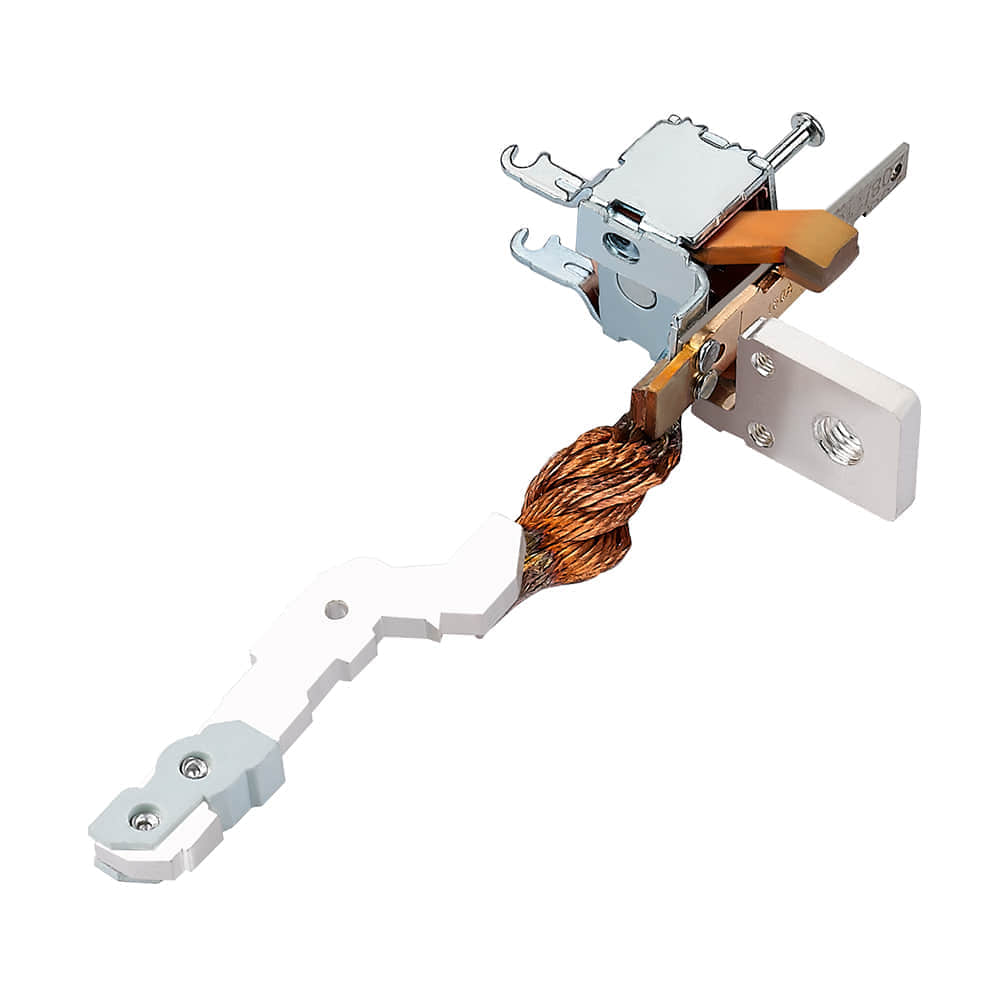
Metal stamping parts ODM manufacturer

Metal Stamping Parts Manufacturers: Precision Engineering at Its Best

In the realm of modern manufacturing, metal stamping has emerged as a cornerstone process, enabling the creation of intricate metal components used across a multitude of industries. Metal stamping parts manufacturers play a pivotal role in producing these components with unmatched precision, efficiency, and innovation.

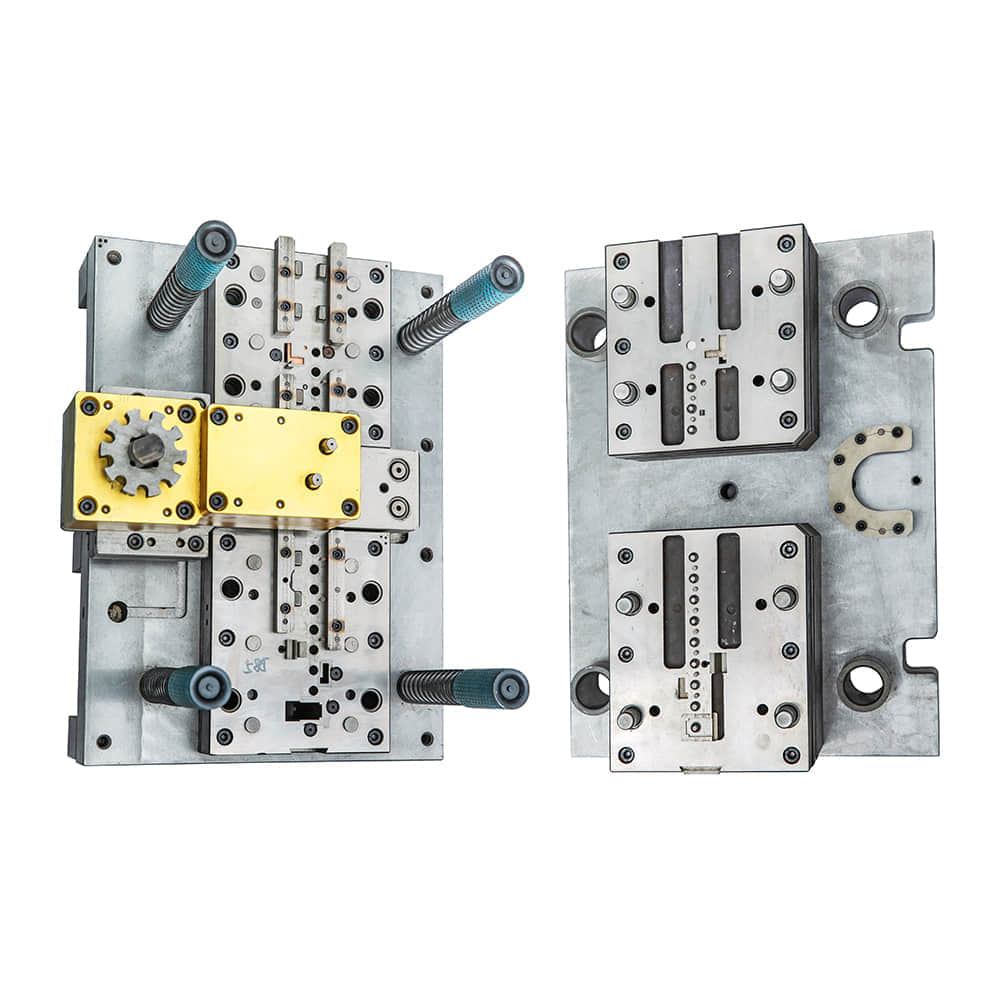
Metal stamping parts manufacturers

Precision in Every Punch

Metal stamping parts manufacturers

At the heart of metal stamping lies precision. Manufacturers utilize advanced machinery and computer-aided design (CAD) software to create intricate designs and specifications. These designs are then translated into metal stamping dies, which serve as the templates for shaping raw metal sheets. The precision of these dies ensures that each stamped part conforms to exact measurements, tolerances, and intricate details, down to fractions of a millimeter. Diverse Applications The products of metal stamping find their way into an array of industries. Automotive manufacturers rely on stamped parts for engine components, chassis elements, and interior details. The electronics industry benefits from stamped metal parts in the creation of connectors, terminals, and intricate shielding components. Even everyday items like kitchen appliances and household tools often incorporate stamped metal parts. The versatility of metal stamping makes it an essential player in the modern manufacturing landscape. Efficiency and Cost-Effectiveness Metal stamping parts manufacturers are revered for their efficiency. The process allows for the rapid production of large quantities of parts, often with minimal manual intervention. This efficiency not only reduces production time but also leads to cost savings, as fewer man-hours are required for the creation of each part. Additionally, the ability to work with a variety of metals, including steel, aluminum, and copper, adds to the cost-effectiveness of the process. Innovation and Adaptability In recent years, metal stamping has embraced technological advancements to further enhance its capabilities. Manufacturers now employ techniques such as progressive stamping, where a single metal sheet undergoes a series of stamping operations to create multiple features in a single run. This innovation reduces production time and enhances accuracy. Furthermore, manufacturers are exploring the integration of sensors and artificial intelligence to monitor the stamping process in real-time, ensuring consistent quality. Quality Assurance Quality assurance is of paramount importance in the metal stamping industry. Reputed manufacturers implement stringent quality control measures throughout the production process. Advanced inspection methods, including automated vision systems and coordinate measuring machines, verify the dimensional accuracy of each stamped part. This commitment to quality ensures that the end products meet or exceed industry standards. Environmental Considerations Metal stamping parts manufacturers are also conscious of their environmental impact. Many employ eco-friendly practices, such as recycling scrap metal and optimizing production processes to minimize waste. The durability of stamped metal components contributes to the longevity of the products in which they are used, reducing the need for frequent replacements and conserving resources in the long run. Conclusion Metal stamping parts manufacturers are the unsung heroes of modern manufacturing, shaping industries through precision, efficiency, and innovation. Their ability to create intricate components with consistency and accuracy drives progress in automotive, electronics, and countless other sectors. As technology continues to evolve, we can expect metal stamping to remain at the forefront of manufacturing excellence, delivering the building blocks of progress with every meticulously punched part.

Metal stamping parts manufacturers

Precision Engineering: The World of Metal Stamping Parts Manufacturers

In the vast world of manufacturing, metal stamping is a vital and intricate process that plays a significant role in creating countless products we use daily. From the smallest electronic components to large automotive parts, metal stamping manufacturers are at the forefront of precision engineering. In this article, we will delve into the fascinating world of metal stamping parts manufacturers and explore their crucial role in modern industry.

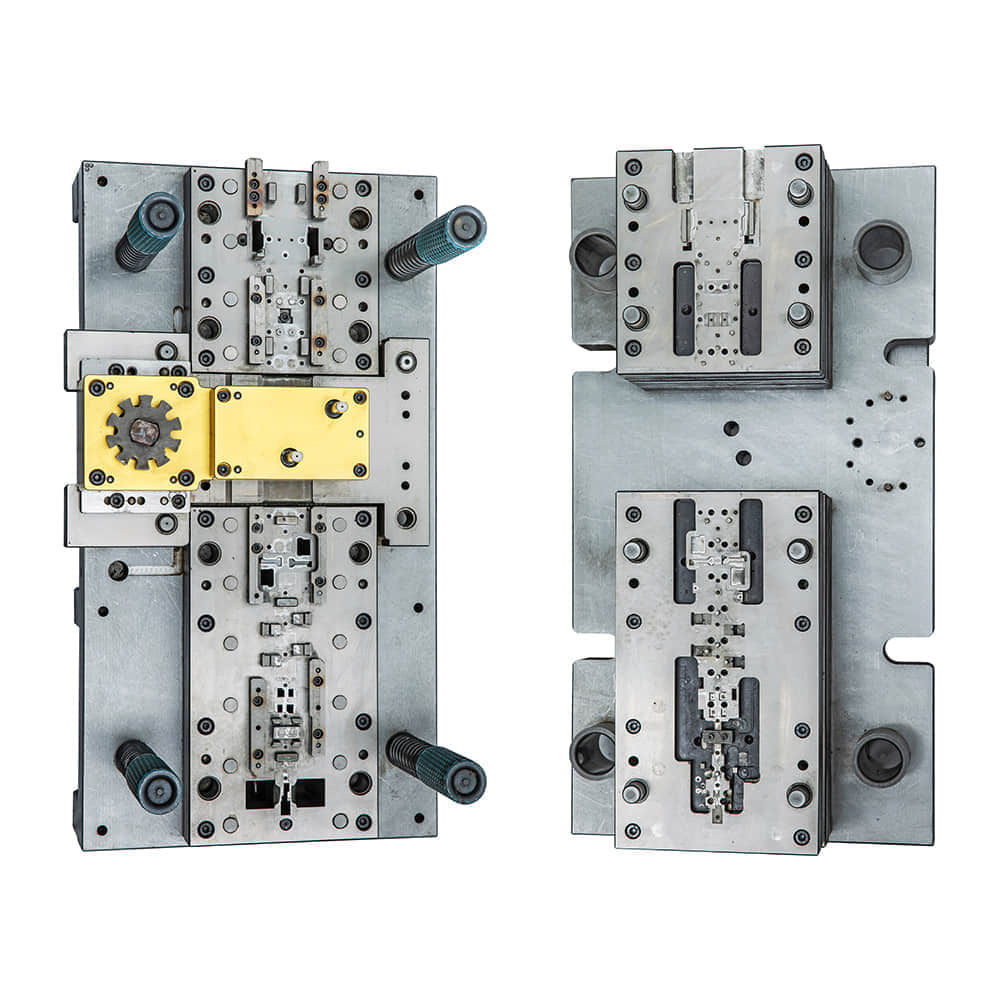
Metal stamping parts manufacturer

Metal Stamping: An Art of Precision

Metal stamping parts manufacturer

Metal stamping is a manufacturing technique that involves cutting, shaping, and forming metal sheets or coils into various desired shapes and sizes. This process is essential for industries ranging from aerospace to healthcare, as it enables the production of highly precise components with consistency and efficiency. The Core Processes Metal stamping manufacturers employ several core processes: Blanking: This involves cutting the desired shape out of a metal sheet. Precision is paramount, as any deviation can lead to component defects. Piercing: Piercing is the process of creating holes or openings in the metal. This is a critical step for components like brackets and brackets used in various industries. Bending: Bending machines are used to create intricate bends and curves in the metal. This step is crucial for forming parts such as brackets, clips, and connectors. Deep Drawing: Deep drawing involves stretching a metal sheet over a die to create complex, three-dimensional shapes, like the body of a cookware item or an automotive component. Materials Matter Metal stamping manufacturers work with a wide range of materials, including steel, aluminum, copper, and more. The choice of material depends on the intended application, with factors such as strength, conductivity, and corrosion resistance taken into account. Advanced Technology The metal stamping industry has embraced advanced technology to enhance precision and efficiency. Computer Numerical Control (CNC) machines are commonly used, allowing for highly accurate and repeatable processes. Additionally, robotics and automation have streamlined production lines, reducing labor costs and minimizing errors. Quality Control Quality control is of utmost importance in metal stamping. Manufacturers employ rigorous testing and inspection methods to ensure that each stamped component meets strict quality standards. This commitment to quality ensures the reliability and safety of the final products in which these components are used. Applications Across Industries Metal stamping parts find applications in a wide range of industries: Automotive: From chassis components to engine parts, metal stamping plays a pivotal role in the automotive sector, ensuring safety and performance. Electronics: The tiny components in your smartphone or laptop often involve metal stamping. These precise parts are essential for modern electronic devices. Aerospace: Aerospace manufacturers rely on metal stamping for lightweight yet durable components, contributing to the safety and efficiency of aircraft. Medical: In the medical field, metal stamping helps create intricate and sterile components used in everything from surgical instruments to diagnostic equipment. Construction: Building structures and infrastructure projects benefit from metal stamped parts, ensuring stability and longevity. Environmental Considerations In an era of increasing environmental awareness, metal stamping manufacturers are also adopting sustainable practices. Recycling and responsible material sourcing are becoming more prevalent in the industry, reducing its environmental footprint. The Future of Metal Stamping As technology continues to advance, the metal stamping industry will likely see further improvements in precision and efficiency. 3D printing and additive manufacturing may complement traditional metal stamping processes, offering new possibilities for customization and design. Conclusion Metal stamping parts manufacturers are the unsung heroes of modern manufacturing, producing the precision components that enable our technological advances. From transportation to healthcare, their work touches every aspect of our lives. As we move into a future marked by innovation and sustainability, metal stamping manufacturers will continue to evolve, ensuring the reliability and quality of the products we depend on every day.

Metal stamping parts manufacturer

Precision and Versatility in Manufacturing: Exploring the World of Metal Stamping Parts

Metal stamping, a cornerstone of modern manufacturing, has revolutionized the way intricate metal parts are produced. From automobiles to consumer electronics, metal stamping parts play a crucial role in various industries, enabling mass production of precise components with remarkable efficiency. In this article, we will delve into the world of metal stamping parts, exploring their significance, manufacturing process, and diverse applications.

Metal stamping parts

The Significance of Metal Stamping Parts:

Metal stamping parts

Metal stamping is a manufacturing process that involves shaping flat sheets of metal into desired forms using dies and presses. The resulting components, known as metal stamping parts, exhibit exceptional precision, uniformity, and consistency. This method offers a cost-effective solution for producing intricate parts in large quantities without compromising on quality. Industries ranging from aerospace and electronics to medical equipment harness the benefits of metal stamping to meet their complex manufacturing requirements. The Manufacturing Process: The process of creating metal stamping parts involves several stages, each contributing to the final product’s accuracy and durability. Here’s a breakdown of the typical steps involved: Design and Prototyping:Engineers create detailed designs and prototypes of the desired components, ensuring that every intricate detail is accounted for. Material Selection:The choice of metal alloy is critical, as it affects the part’s characteristics such as strength, conductivity, and corrosion resistance. Blanking:The initial sheet of metal is cut into smaller, flat pieces known as blanks. This is often done using high-precision mechanical or laser cutting methods. Stamping:Blanks are placed between the dies in a press. The press applies high force to shape the metal into the desired form. This can involve multiple operations, such as bending, punching, and coining. Forming:Additional processes like bending, drawing, and stretching can be performed to achieve the final shape and dimensions. Finishing:Surface treatments such as plating, painting, or powder coating are applied to enhance the part’s appearance and protect it from corrosion. Quality Control:Each stamped part undergoes rigorous quality checks to ensure it meets the specified tolerances and standards. Diverse Applications: Metal stamping parts find their applications in a wide range of industries, contributing to the functionality and aesthetics of various products. Some notable applications include: Automotive Industry:Metal stamping produces intricate components for engines, transmissions, chassis, and interiors, contributing to the overall performance and safety of vehicles. Electronics and Appliances:From smartphones to refrigerators, metal stamping parts are integral to the structural integrity and functionality of electronic devices and household appliances. Aerospace Sector:Critical aerospace components requiring high strength and precision are manufactured using metal stamping, ensuring the safety and efficiency of aircraft. Medical Equipment:Metal stamping produces parts for medical devices, implants, and surgical instruments, where precision and biocompatibility are paramount. Construction and Infrastructure:Many architectural and construction elements, such as brackets, hinges, and panels, are manufactured through metal stamping. Conclusion: In the realm of modern manufacturing, metal stamping parts stand as a testament to human innovation and engineering prowess. The ability to create intricate, high-quality components in bulk has transformed industries and shaped the products that define our lives. As technology advances, metal stamping techniques continue to evolve, promising even greater precision, efficiency, and versatility in the production of essential components across various sectors.

Metal stamping parts

Precision Craftsmanship in Metal Stamping Die Manufacturing: Your Trusted OEM Manufacturer

In the realm of modern manufacturing, precision and quality reign supreme. One integral aspect of this landscape is metal stamping die production, a process that relies on meticulous engineering and craftsmanship. As industries evolve, the demand for reliable Original Equipment Manufacturers (OEMs) for metal stamping dies has intensified. This article delves into the world of metal stamping die OEM manufacturers, highlighting their significance and the expertise they bring to the table.

Metal Stamping Die OEM Manufacturer

The Essence of Metal Stamping Die OEM Manufacturers

Metal Stamping Die OEM Manufacturer

Metal stamping dies are critical tools in the production of various metal components used across industries. These dies essentially shape and cut metal sheets into specific forms, enabling the mass production of consistent parts with exceptional accuracy. In this arena, OEM manufacturers play a pivotal role by designing, developing, and producing these dies according to the unique requirements of their clients. Unveiling the Expertise OEM manufacturers specializing in metal stamping dies distinguish themselves through their expertise and commitment to innovation. Their teams often comprise skilled engineers, designers, and technicians who collectively possess an in-depth understanding of metallurgy, tooling, and manufacturing processes. This knowledge is put to the test when creating intricate designs that optimize material usage, minimize waste, and ensure prolonged die lifespan. Customization is Key No two manufacturing projects are identical, and this is where metal stamping die OEM manufacturers truly shine. They excel at tailoring each die to suit the specific needs of their clients. Whether it’s a complex automotive component or a delicate electronic part, OEMs collaborate closely with their clients to comprehend the nuances of the required design, material, and production volume. This customization guarantees that the resulting stamping die aligns seamlessly with the client’s production process. The Marriage of Tradition and Technology While traditional craftsmanship forms the bedrock of metalworking, technology has undeniably revolutionized the field. Modern metal stamping die OEM manufacturers seamlessly integrate traditional skills with cutting-edge technology. Computer-Aided Design (CAD) software allows for intricate die designs, simulations, and optimizations. Additionally, advanced manufacturing techniques like CNC machining and EDM (Electrical Discharge Machining) enhance precision and speed, resulting in dies that meet the highest quality standards. Quality Assurance: A Non-Negotiable Reliability and durability are non-negotiable traits for any metal stamping die. OEM manufacturers recognize this and implement stringent quality control processes throughout production. From material selection to prototype testing and final production runs, each phase is meticulously monitored and evaluated. This commitment to quality ensures that the end product not only meets but often exceeds industry expectations. Beyond Production: Collaboration and Support Metal stamping die OEM manufacturers don’t just stop at production; they foster enduring partnerships. Their dedication to client satisfaction often extends to providing assistance during the integration of the die into the client’s manufacturing line. This collaborative approach showcases their investment in the success of their clients’ projects. A Sustainable Future In an era of heightened environmental awareness, OEM manufacturers are also exploring sustainable practices. From eco-friendly material choices to optimizing production processes for minimal waste, these manufacturers are committed to reducing their environmental footprint while maintaining exceptional product quality. Conclusion Metal stamping die OEM manufacturers are the unsung heroes of modern manufacturing. Their precision, customization, and commitment to quality propel industries forward by enabling the efficient production of essential components. As industries continue to advance, these OEM manufacturers will remain at the forefront, shaping the future of manufacturing through their expertise, innovation, and unwavering dedication.

Metal Stamping Die OEM Manufacturer

Crafting Excellence: The World of Metal Stamping Die ODM Manufacturing

In the vast realm of manufacturing, precision and innovation go hand in hand. One industry that epitomizes this synergy is Metal Stamping Die ODM (Original Design Manufacturer) Manufacturing. With a relentless commitment to quality and a knack for innovation, these companies play a pivotal role in shaping industries worldwide.

Metal Stamping Die ODM Manufacturer

The Art of Metal Stamping Die ODM Manufacturing

Metal Stamping Die ODM Manufacturer

At its core, metal stamping die ODM manufacturing is an art form, a meticulous craft that transforms raw materials into precision components used in diverse applications, from automotive parts to electronics. It involves the design and fabrication of metal stamping dies, which are tools used to shape and cut metal sheets into specific shapes and sizes with remarkable accuracy. Precision in Every Detail One of the hallmarks of metal stamping die ODM manufacturing is precision. These manufacturers are the unsung heroes behind countless products, ensuring that each component meets exact specifications. The process involves the use of advanced computer-aided design (CAD) software to create detailed blueprints for stamping dies. These designs are then translated into physical dies through advanced machining processes. Innovation Driving Progress Innovation is the lifeblood of the metal stamping die ODM industry. These manufacturers are constantly pushing the boundaries of what is possible, embracing cutting-edge technologies like 3D printing and artificial intelligence for design optimization. By staying at the forefront of technological advancements, they can create dies that are not only precise but also efficient and cost-effective. Meeting Diverse Industry Needs Metal stamping die ODM manufacturers cater to a wide range of industries, including automotive, aerospace, electronics, and more. Each industry has its unique demands, and ODM manufacturers rise to the challenge by customizing their designs to meet these specific requirements. This adaptability is one of the industry’s key strengths. Sustainability Matters In an era where sustainability is paramount, metal stamping die ODM manufacturers are also doing their part. Many have adopted eco-friendly practices, such as using recycled materials and optimizing production processes to minimize waste. By doing so, they not only contribute to a greener planet but also reduce costs for their clients. Global Reach, Local Touch The world of metal stamping die ODM manufacturing knows no borders. These manufacturers often have a global presence, serving clients around the world. Yet, they also value the importance of a local touch. By having a presence in different regions, they can better understand the unique needs and preferences of their clients, ensuring that their products are tailored to perfection. The Human Element Behind the machines and technology, it’s the skilled workforce that truly makes the difference. Metal stamping die ODM manufacturing requires a highly trained and experienced team of engineers, designers, and technicians. Their expertise ensures that every project is executed flawlessly, from the initial design phase to the production of the final die. Conclusion: Crafting Tomorrow, Today In the world of manufacturing, metal stamping die ODM manufacturers are the unsung heroes who craft the future, one precision component at a time. Their commitment to quality, innovation, and sustainability ensures that industries worldwide can rely on their expertise to bring their visions to life. As technology continues to evolve, these manufacturers will remain at the forefront, driving progress and shaping the world of manufacturing for generations to come.
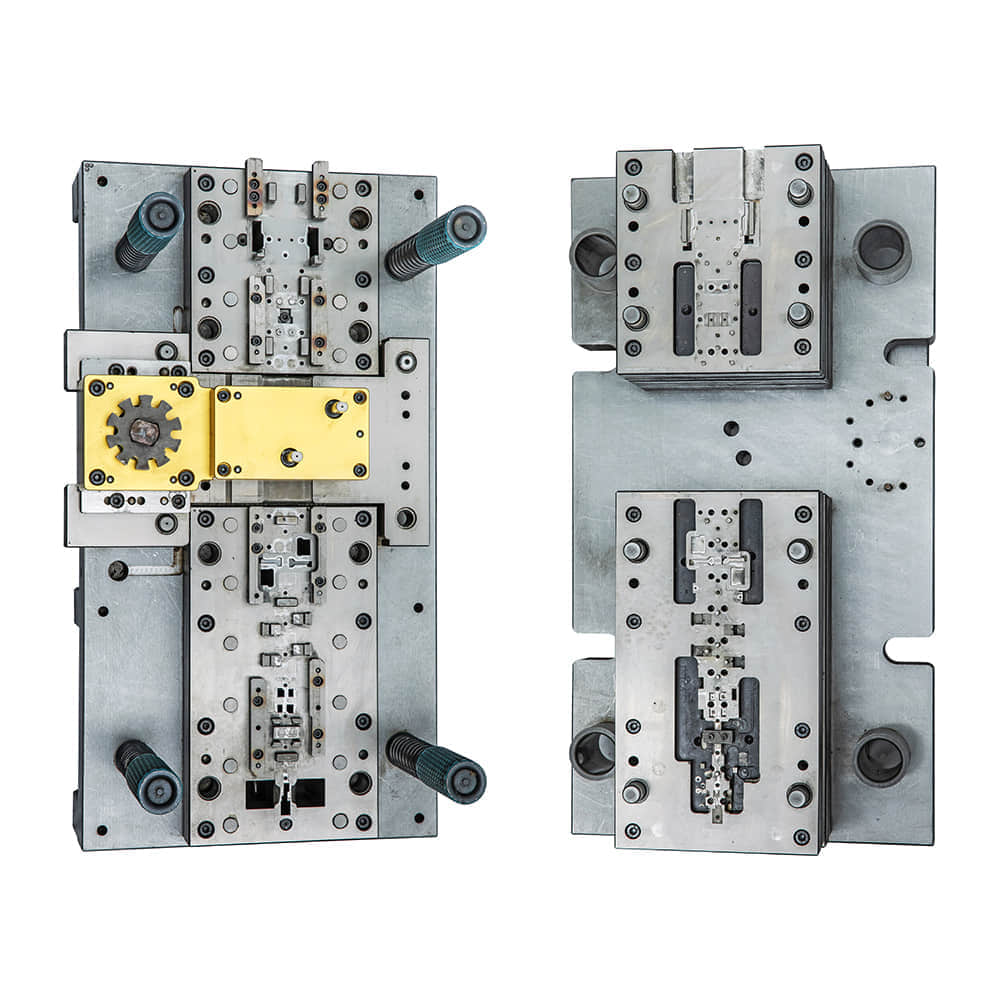
Metal Stamping Die ODM Manufacturer

Metal Stamping Die Manufacturers: Shaping the Future of Precision Manufacturing

In the realm of modern manufacturing, metal stamping dies play a pivotal role in transforming raw materials into intricate, precise components used in various industries. As technology continues to advance, the demand for high-quality metal stamping dies has surged, prompting a dynamic evolution in the landscape of metal stamping die manufacturers.

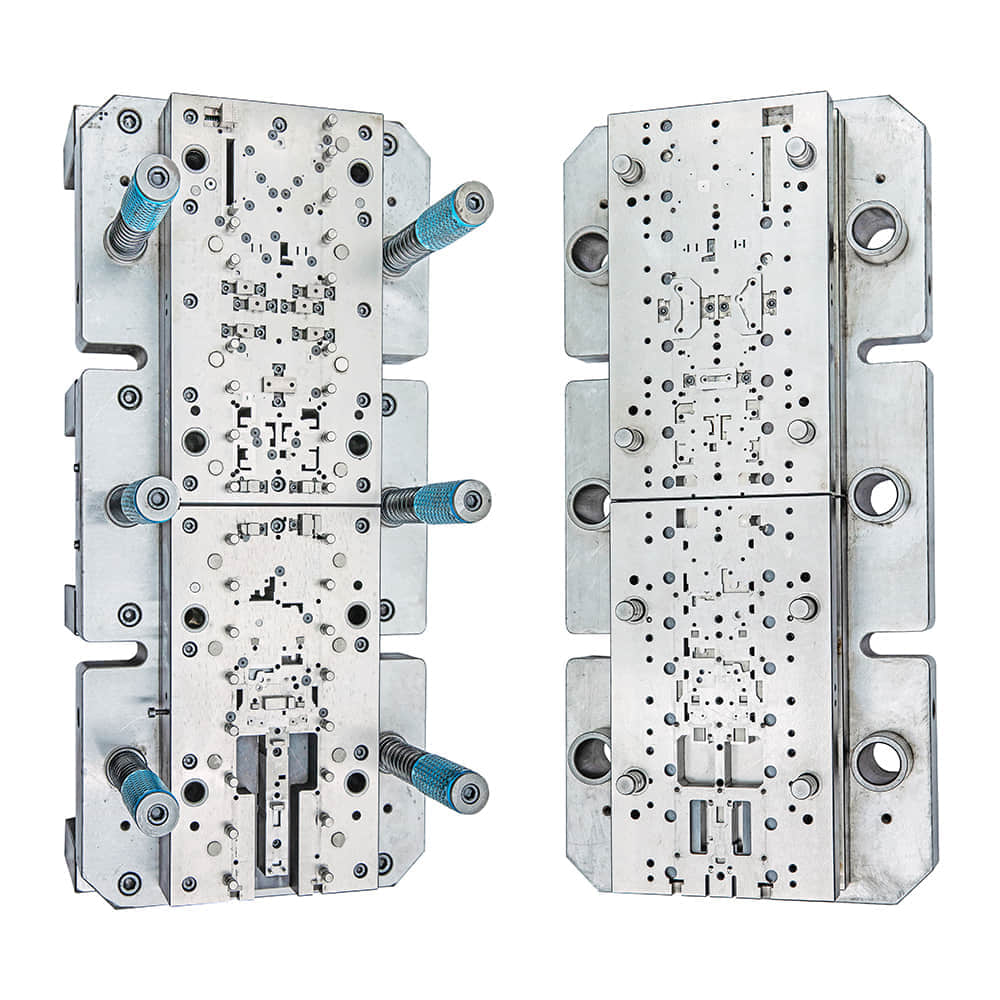
Metal stamping Die manufacturers

The Art of Precision Manufacturing

Metal stamping Die manufacturers

Metal stamping dies are specialized tools used to shape and cut metal sheets into specific forms with remarkable precision. From automotive parts to consumer electronics, metal stamped components are ubiquitous in our daily lives. As industries push the boundaries of innovation, the role of metal stamping die manufacturers has transcended mere tool production; they are now integral partners in the design and manufacturing process. Innovation and Technology Integration In recent years, the metal stamping die manufacturing industry has witnessed a profound transformation driven by technological advancements. Computer-Aided Design (CAD) and Computer-Aided Manufacturing (CAM) technologies have revolutionized the way dies are conceptualized and fabricated. These tools allow manufacturers to create intricate designs with micron-level precision, resulting in components that meet the most stringent requirements. Furthermore, the integration of simulation software has enabled manufacturers to predict potential flaws in the stamping process before production even begins. This not only reduces the likelihood of defects but also minimizes material wastage, contributing to a more sustainable manufacturing process. Meeting Complex Challenges Manufacturing complex components demands innovative solutions. Metal stamping die manufacturers are rising to the challenge by investing in research and development. They are exploring new materials, coatings, and heat treatment techniques to enhance the durability and performance of their dies. This proactive approach ensures that the dies can withstand high pressures, repetitive stamping cycles, and challenging materials, all while maintaining the required precision. Global Outreach and Collaboration In an increasingly interconnected world, collaboration has become a driving force behind progress. Metal stamping die manufacturers are partnering with experts from various fields to gain fresh insights. Engineers, material scientists, and even artists are coming together to push the boundaries of what’s possible in metal stamping. These collaborations not only enhance the technical aspects of die manufacturing but also infuse creativity and innovation into the process. Sustainability and Efficiency The metal stamping die industry is not only focused on precision and innovation but also on sustainability. Manufacturers are adopting environmentally friendly practices by optimizing material usage, reducing energy consumption, and implementing recycling programs. As the world shifts towards a greener future, these efforts are positioning metal stamping dies as a sustainable choice in the manufacturing realm. Skilled Craftsmanship in the Digital Age While technology has automated many aspects of manufacturing, the importance of skilled craftsmanship remains paramount. Experienced designers and toolmakers bring a wealth of knowledge that cannot be replaced by machines. These experts work in harmony with advanced technologies, ensuring that the marriage of tradition and innovation results in top-notch metal stamping dies. Conclusion The world of metal stamping die manufacturing is undergoing a remarkable transformation, fueled by innovation, collaboration, and a commitment to precision. These manufacturers are no longer just producers of tools; they are architects of the components that shape our modern world. As technology continues to advance, we can only anticipate that metal stamping dies will become even more sophisticated, contributing to the evolution of industries and the progress of society as a whole.

Metal stamping Die manufacturers

Crafting Excellence: The Art of Metal Stamping Die Manufacturing

In the intricate world of metalworking, one industry stands out for its crucial role in shaping the modern manufacturing landscape: metal stamping die manufacturing. With a blend of artistry, engineering precision, and advanced technology, these manufacturers play a pivotal role in the creation of countless everyday items. This article delves into the realm of metal stamping die manufacturers, exploring their significance, the processes they employ, and the impact they have on various industries.

Metal Stamping Die Manufacturer

The Significance of Metal Stamping Die Manufacturers

Metal Stamping Die Manufacturer

Metal stamping die manufacturers are the unsung heroes behind the scenes, responsible for producing the molds that shape metal sheets into diverse forms. These forms are the basis for numerous products, ranging from automobile parts to household appliances, electronics, and even aerospace components. This industry’s significance lies in its ability to provide cost-effective, high-volume production solutions without compromising on precision and quality. The Art of Precision Engineering Creating metal stamping dies is a blend of science and art. It requires intricate design skills, a deep understanding of metallurgy, and advanced engineering techniques. Manufacturers meticulously craft these dies to exact specifications, considering factors such as material properties, durability, and the intricacies of the final product. The precision engineering involved ensures that each piece manufactured is consistent, reliable, and adheres to the strictest tolerances. The Manufacturing Process The journey of a metal stamping die from concept to completion is a multi-step process that demands expertise and innovation: Design and Prototyping: Manufacturers collaborate with clients to understand their needs and specifications. Computer-aided design (CAD) software plays a crucial role in creating virtual prototypes, allowing for adjustments before physical production begins. Material Selection: Depending on the end application, manufacturers select appropriate metals with the desired properties, such as strength, malleability, and resistance to wear. Die Creation: Highly skilled toolmakers then craft the metal stamping dies using a combination of traditional machining techniques and modern technologies like computer numerical control (CNC) machining. Testing and Refinement: The initial prototypes are rigorously tested to ensure they meet the desired standards. Any necessary adjustments are made to enhance performance and precision. Production: Once the final prototype is approved, the metal stamping die enters full-scale production, where it is used to shape metal sheets into the desired forms through stamping presses. Quality Control: Quality control measures are implemented throughout the production process to identify and rectify any deviations from the desired specifications. Impact on Industries The products of metal stamping die manufacturers touch nearly every aspect of modern life. They provide essential components for industries such as automotive, aerospace, electronics, and home appliances. From the intricate parts of a smartphone to the structural components of an automobile, metal stamping dies enable the creation of complex shapes with unparalleled efficiency. Advancements and Future Trends As technology evolves, so does the field of metal stamping die manufacturing. Manufacturers are incorporating data-driven approaches, simulation software, and advanced materials to enhance precision, reduce lead times, and optimize the manufacturing process. Additionally, the industry’s focus on sustainability has led to the exploration of eco-friendly materials and energy-efficient processes. In conclusion, the world of metal stamping die manufacturing is a harmonious blend of creativity, engineering prowess, and technological innovation. These manufacturers silently shape the world around us, enabling the mass production of intricate and essential components that drive various industries. As technology continues to advance, so too will the capabilities of metal stamping die manufacturers, ensuring that the art of precision metalworking remains an integral part of our modern world.

Metal Stamping Die Manufacturer

Unveiling the Excellence of BMC Molding Manufacturers

In the world of modern manufacturing, BMC (Bulk Molding Compound) has emerged as a versatile and efficient material, leading to the rise of specialized BMC molding manufacturers. These manufacturers play a pivotal role in shaping industries by producing intricate and high-quality products. In this article, we will explore the significance of BMC molding manufacturers and delve into the various aspects that make them integral to today’s production landscape.

BMC molding manufacturer

The Art of BMC Molding

BMC molding manufacturer

BMC molding involves the process of thermosetting plastic resin mixed with various additives, reinforcing fibers, and fillers to create a compound that is then molded into the desired shape. This technique is utilized in a wide range of industries, including automotive, electrical, aerospace, and consumer goods. BMC molding offers numerous advantages such as high strength-to-weight ratio, dimensional stability, and resistance to corrosion and heat, making it an ideal choice for manufacturing intricate parts. Precision and Expertise BMC molding manufacturers are experts in the field, equipped with the knowledge and experience required to handle the complexities of the molding process. The success of BMC molding hinges on precise formulation of the compound, appropriate selection of molding techniques, and accurate control of curing processes. Manufacturers with a strong track record ensure that these processes are executed flawlessly, resulting in products that meet stringent quality standards. Customization and Innovation One of the standout qualities of BMC molding manufacturers is their ability to offer customization according to client specifications. The versatility of BMC allows manufacturers to tailor components to exact requirements, promoting innovation and pushing the boundaries of design. This level of customization not only meets the diverse needs of industries but also encourages collaboration between manufacturers and clients, fostering a symbiotic relationship. Efficiency and Sustainability BMC molding manufacturers are champions of efficiency. The process allows for high-volume production with minimal waste, reducing the environmental impact. Additionally, BMC molding is characterized by its low energy consumption and longer tool life, contributing to sustainable manufacturing practices. As industries worldwide strive to embrace eco-friendly methods, BMC molding manufacturers stand out as pioneers in resource-conscious production. Quality Assurance and Compliance Reputed BMC molding manufacturers adhere to strict quality control measures to ensure that every product leaving their facilities is of the highest caliber. Compliance with industry standards and regulations is non-negotiable, as components manufactured by BMC molding often find applications in critical sectors where safety and reliability are paramount. Global Impact The influence of BMC molding manufacturers spans the globe. They cater to a myriad of industries that rely on precision-engineered components. From automotive engine parts that require temperature resistance to electrical enclosures that demand insulation and durability, BMC molding manufacturers contribute to the functionality of countless products that shape modern life. Looking Ahead As technology advances and industries evolve, the role of BMC molding manufacturers will continue to be instrumental. Their ability to adapt to changing requirements, innovate new solutions, and maintain a high level of quality will ensure their relevance in the ever-shifting manufacturing landscape. The synergy between BMC molding manufacturers and their clients will undoubtedly drive progress and lead to the development of products that define the future. Conclusion BMC molding manufacturers are unsung heroes in the world of manufacturing, shaping industries through precision, innovation, and sustainability. Their expertise in harnessing the potential of BMC and transforming it into functional components showcases their pivotal role in modern production. As we move forward, BMC molding manufacturers will undoubtedly keep pushing boundaries, propelling industries into new realms of possibilities.

BMC molding manufacturer

The Art and Science of Metal Stamping Die: Precision in Manufacturing

Metal stamping die, a fundamental tool in the world of manufacturing, is a testament to the fusion of artistry and science. It embodies the craftsmanship required to transform raw metal into intricate and precise components used in a multitude of industries. In this article, we will delve into the fascinating realm of metal stamping die, exploring its evolution, working principles, and the pivotal role it plays in modern manufacturing processes.

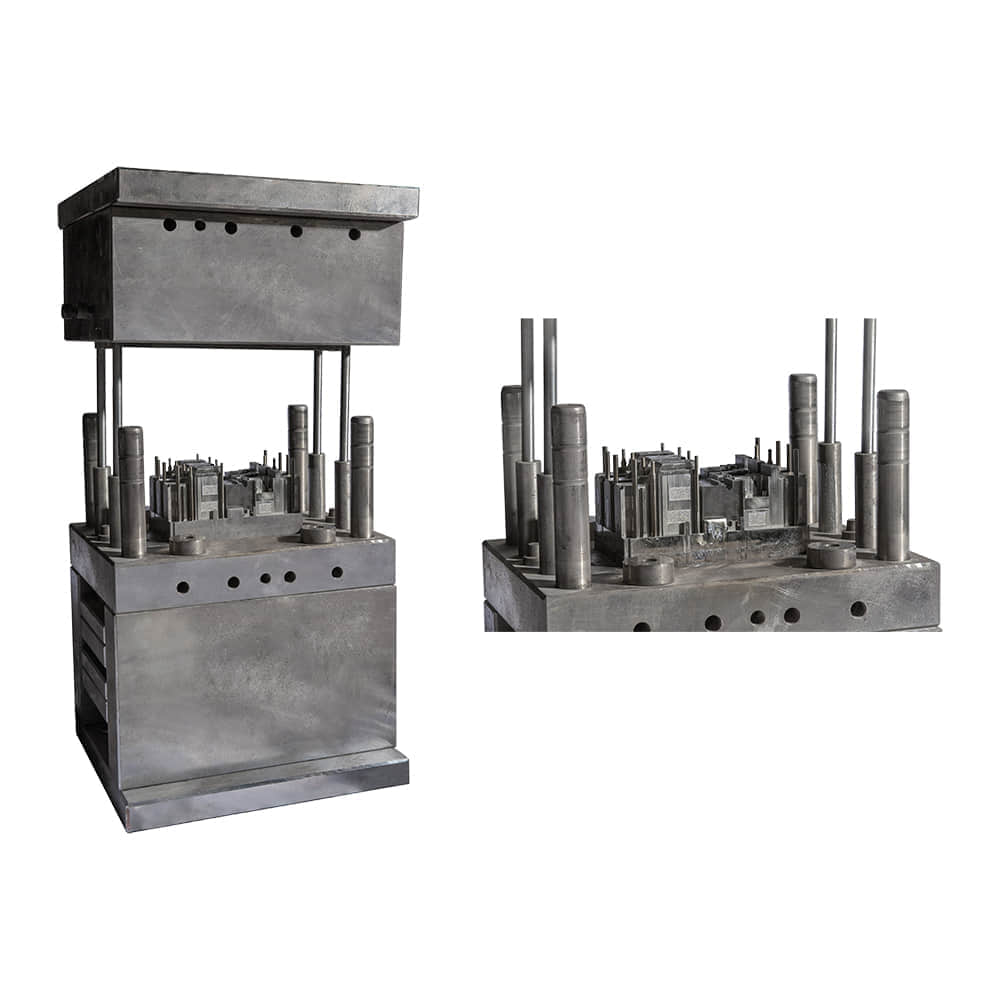
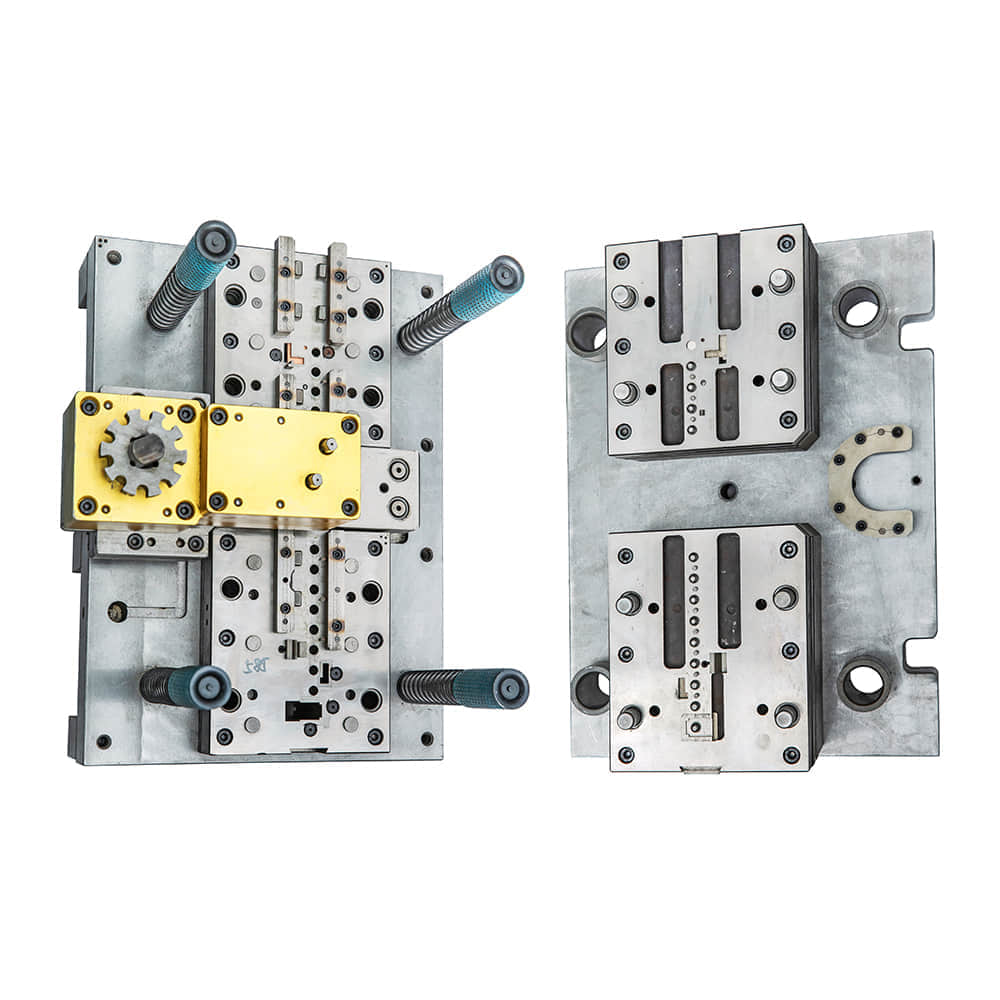
Metal Stamping Die

The Evolution of Metal Stamping Die

Metal Stamping Die

The origins of metal stamping can be traced back to ancient civilizations, where craftsmen used rudimentary tools to create simple metal shapes. Over the centuries, this art form evolved into a highly sophisticated and precise manufacturing process. The development of metal stamping die, a specialized tool designed for mass production, marked a significant turning point in the history of metalworking. The earliest metal stamping dies were handcrafted, often by skilled blacksmiths. These dies were used to create basic shapes, such as coins and simple jewelry. As industrialization spread, the demand for more complex and precise components grew, leading to the development of automated stamping machines and increasingly intricate dies. The Working Principles of Metal Stamping Die Metal stamping die operates on a deceptively simple principle: the transformation of a flat metal sheet or coil into a desired shape through the application of force. However, the execution of this principle involves a delicate interplay of factors and processes. Design and Engineering: The first step in creating a metal stamping die is meticulous design and engineering. This phase involves defining the shape of the final product, selecting the appropriate metal material, and designing the die components to ensure accuracy and longevity. Material Preparation: Metal sheets or coils are carefully selected and prepared for stamping. This includes cutting the material to the required size and often applying a lubricant to facilitate the stamping process. Stamping Process: The prepared metal material is placed into the stamping machine, where it is secured between the die and the press. The press then exerts immense force, causing the metal to conform to the shape of the die cavities. This can involve multiple stages of stamping to achieve the final shape. Quality Control: Precision is paramount in metal stamping, and quality control measures are in place at every stage. Modern stamping machines often incorporate sensors and automation to monitor and adjust the process in real-time, ensuring each stamped component meets stringent quality standards. The Pivotal Role of Metal Stamping Die in Manufacturing Metal stamping die plays a pivotal role in various industries, including automotive, aerospace, electronics, and more. Its importance lies in its ability to produce consistent, high-quality components with incredible precision. Here are some key areas where metal stamping die shines: Mass Production: Metal stamping die enables the mass production of components with minimal variation. This is crucial in industries where large quantities of identical parts are needed. Cost Efficiency: The efficiency of the stamping process, coupled with the durability of the dies, contributes to cost savings in production. Complex Shapes: Metal stamping can produce components with intricate shapes that would be challenging or impossible to achieve through other manufacturing methods. Material Utilization: Stamping optimizes material usage, minimizing waste and making it an eco-friendly manufacturing method. Consistency: The precision of metal stamping die ensures that each component is virtually identical, reducing the risk of defects and improving product performance. In conclusion, metal stamping die is a testament to the marriage of artistry and science in manufacturing. Its evolution from humble beginnings to its pivotal role in modern industry showcases the relentless pursuit of precision and efficiency. As technology continues to advance, metal stamping die will undoubtedly remain a cornerstone of manufacturing, enabling us to turn sheets of metal into the intricate components that power our world.

Metal Stamping Die