Monthly Archives: September 2023

“Exploring the World of Molded Case Switch Manufacturers”

In the realm of electrical equipment, the importance of molded case switches cannot be overstated. These critical components play a pivotal role in ensuring the safety and functionality of various electrical systems. As the demand for reliable electrical solutions continues to rise, so does the significance of molded case switch manufacturers. In this article, we delve into the world of molded case switch manufacturers, shedding light on their essential role and the key factors that make them successful.
Molded case switch manufacturer

Understanding Molded Case Switches

Molded case switch manufacturer

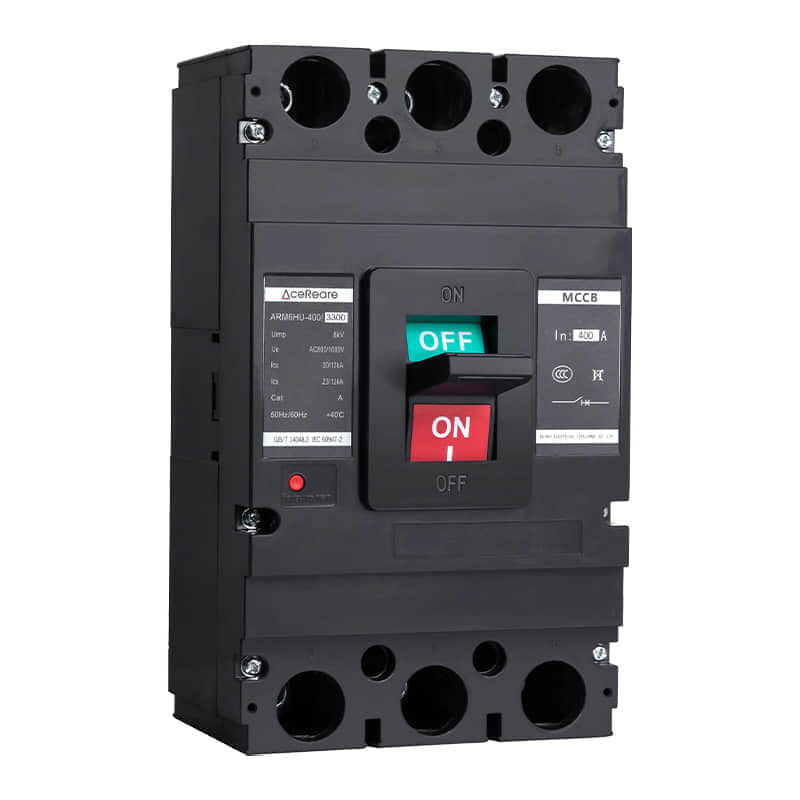
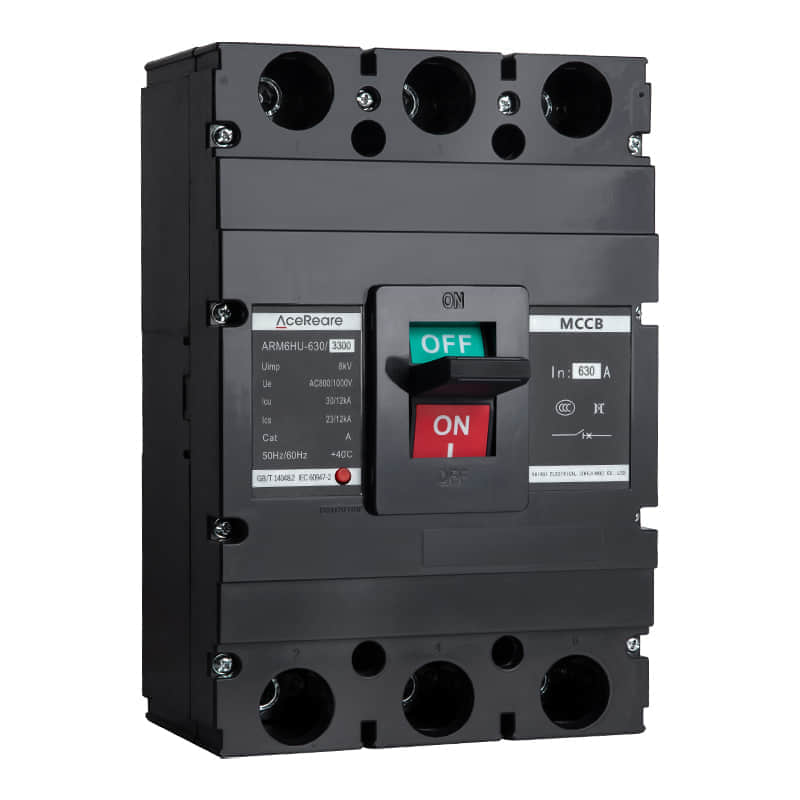
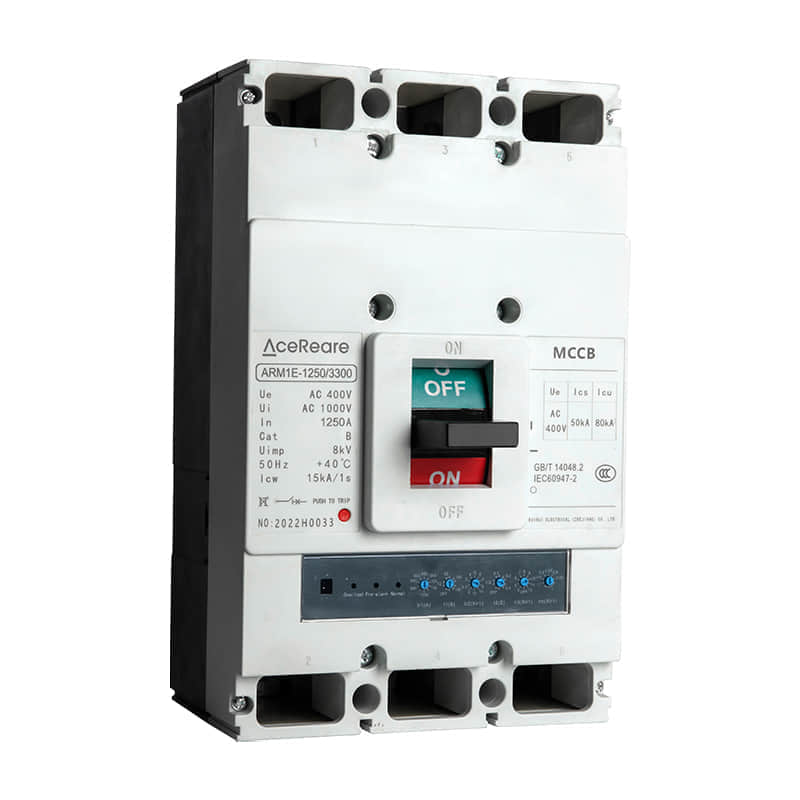
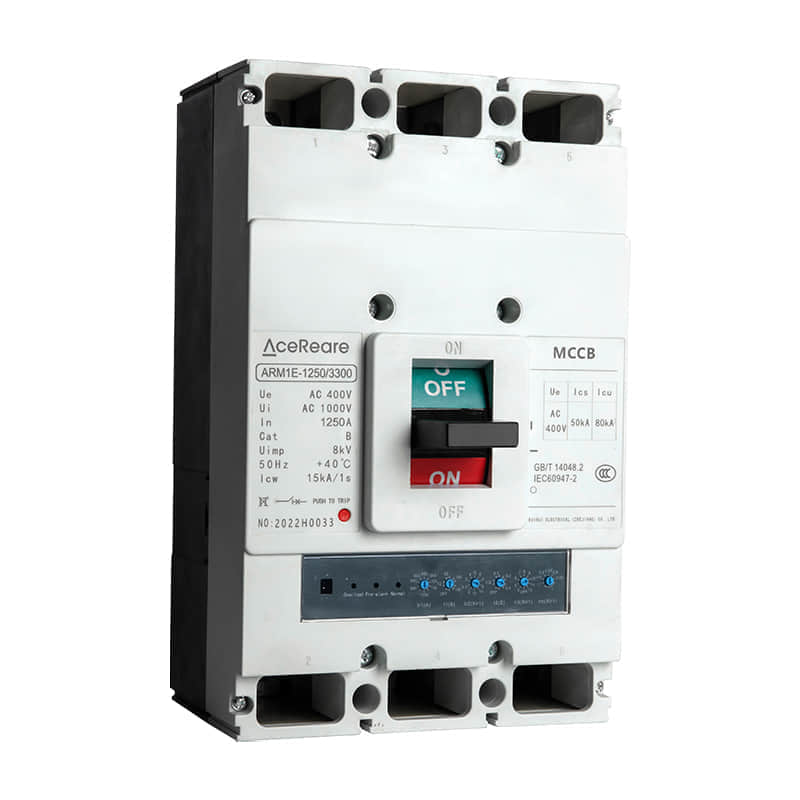
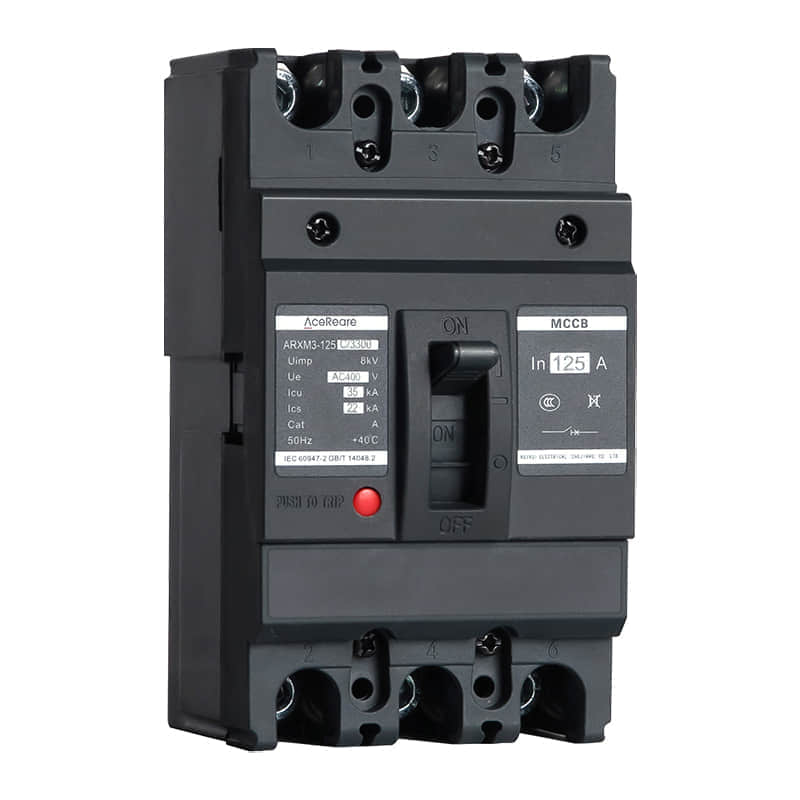
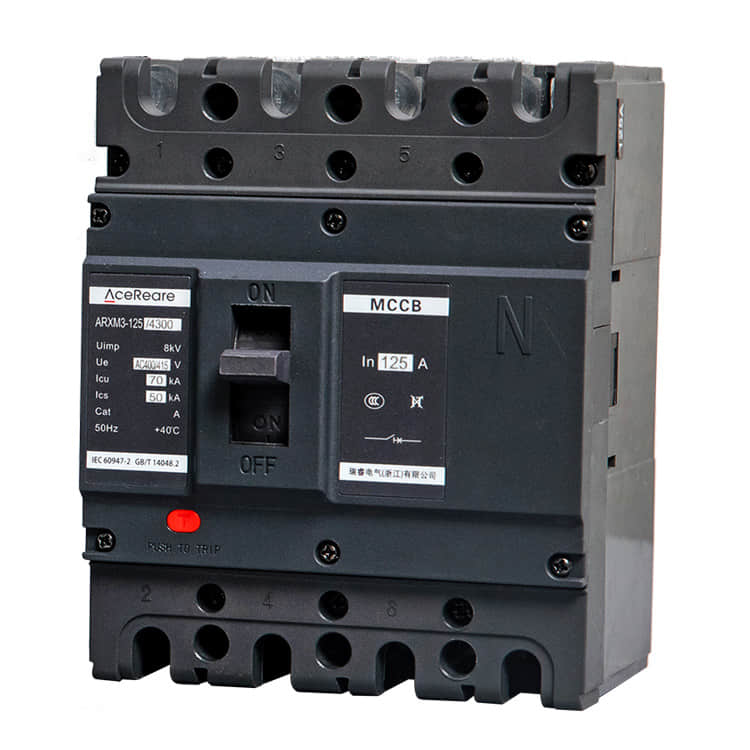
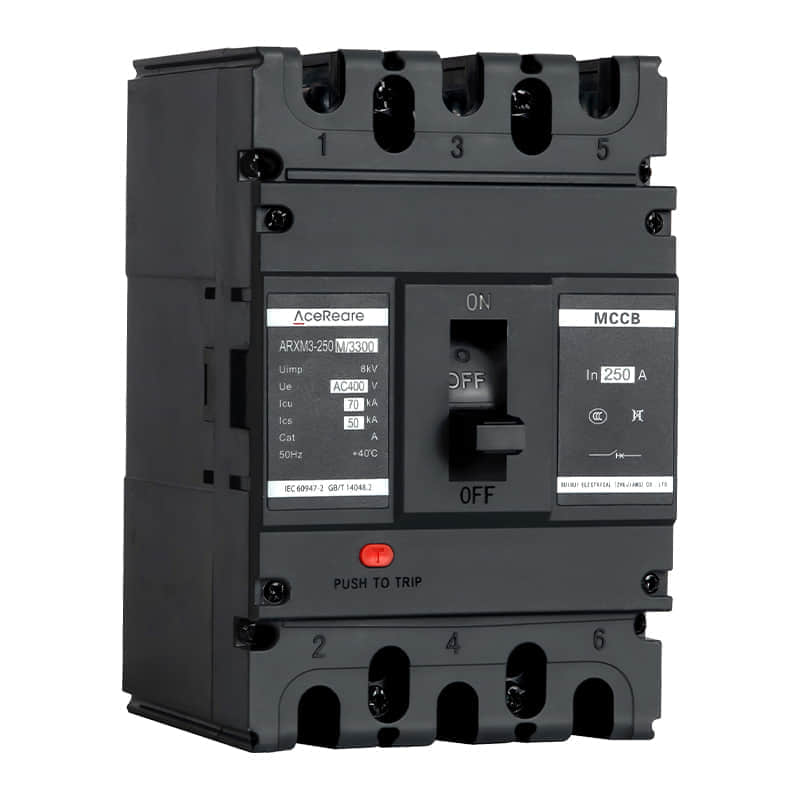
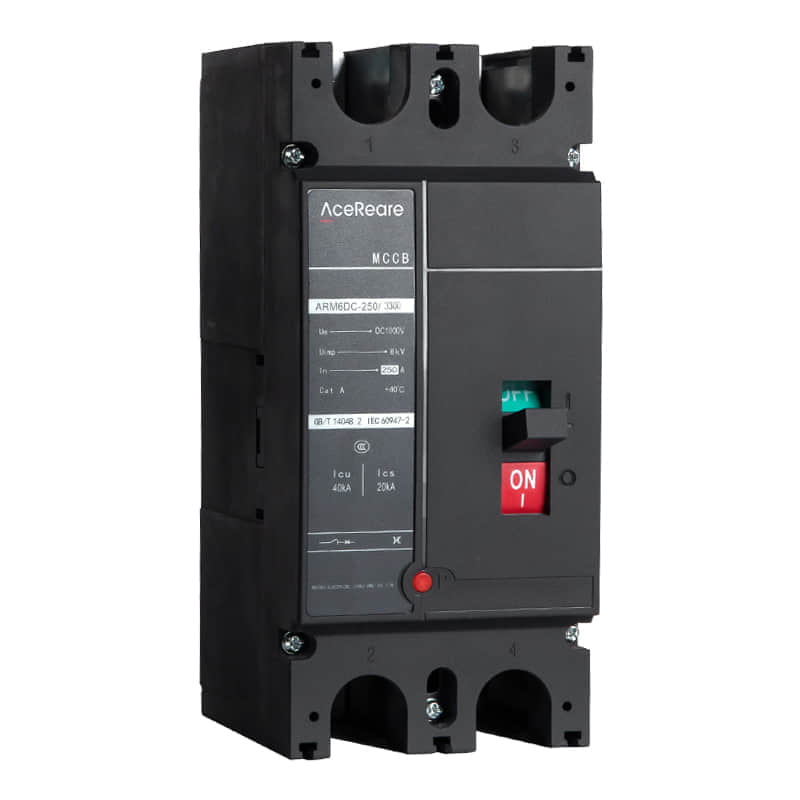
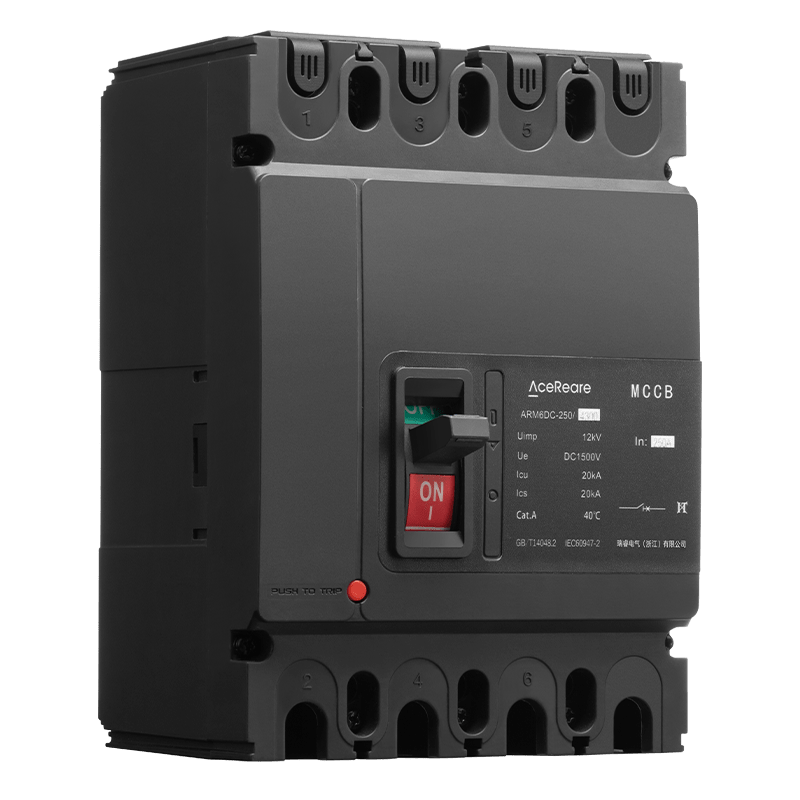
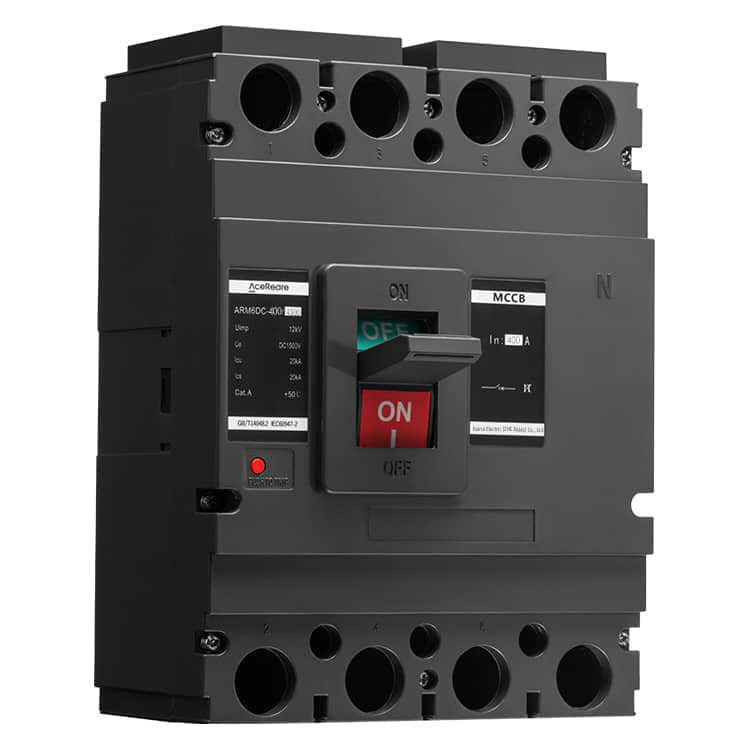
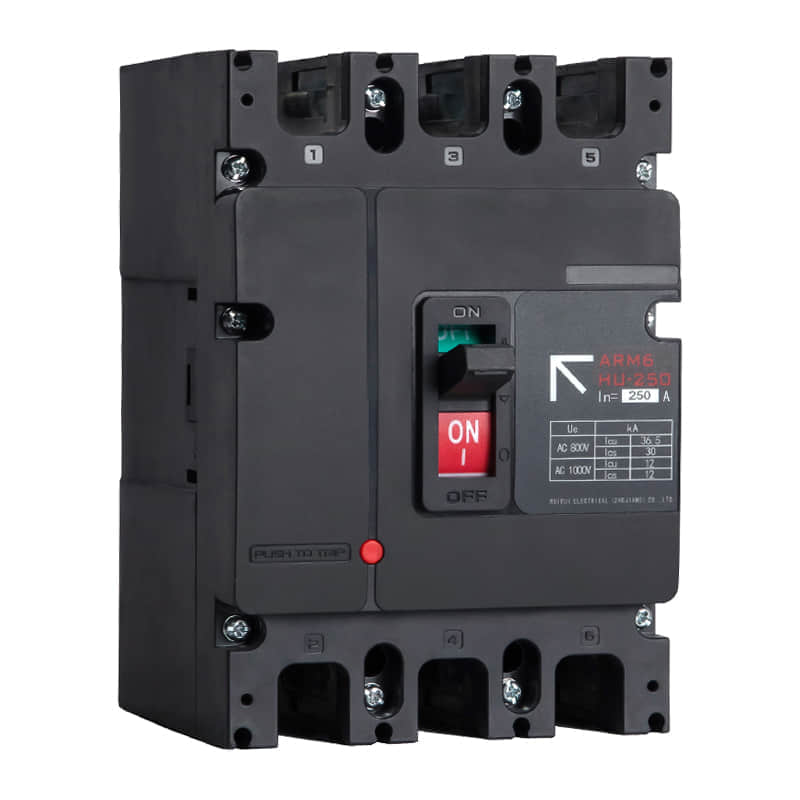
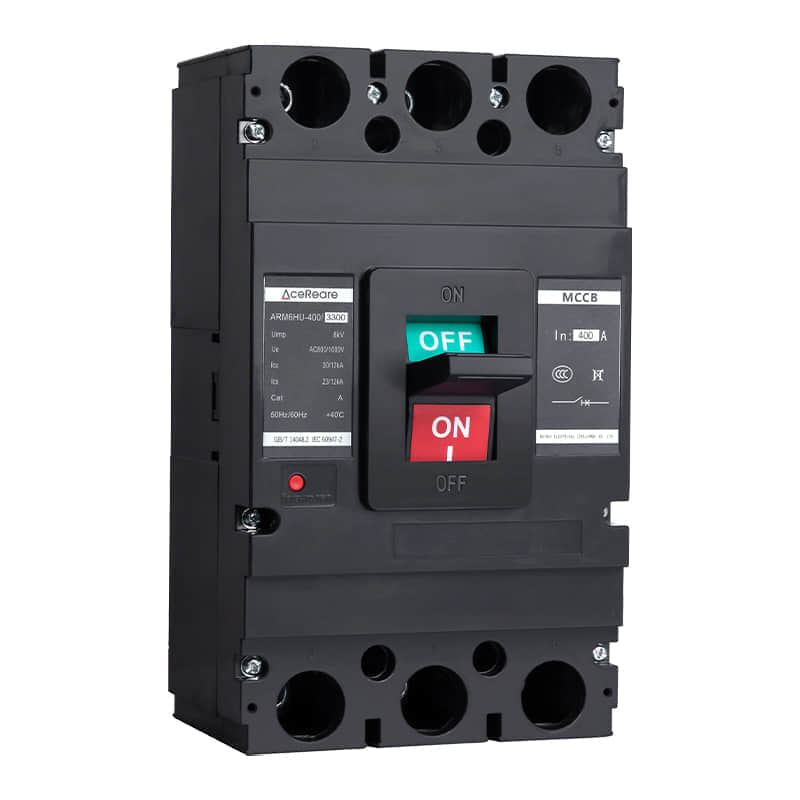
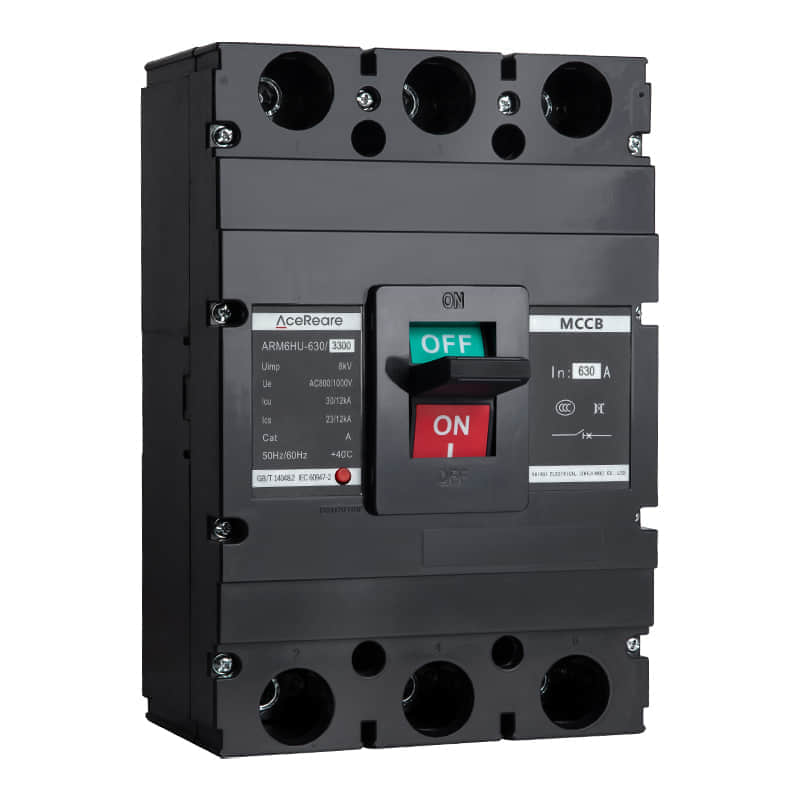
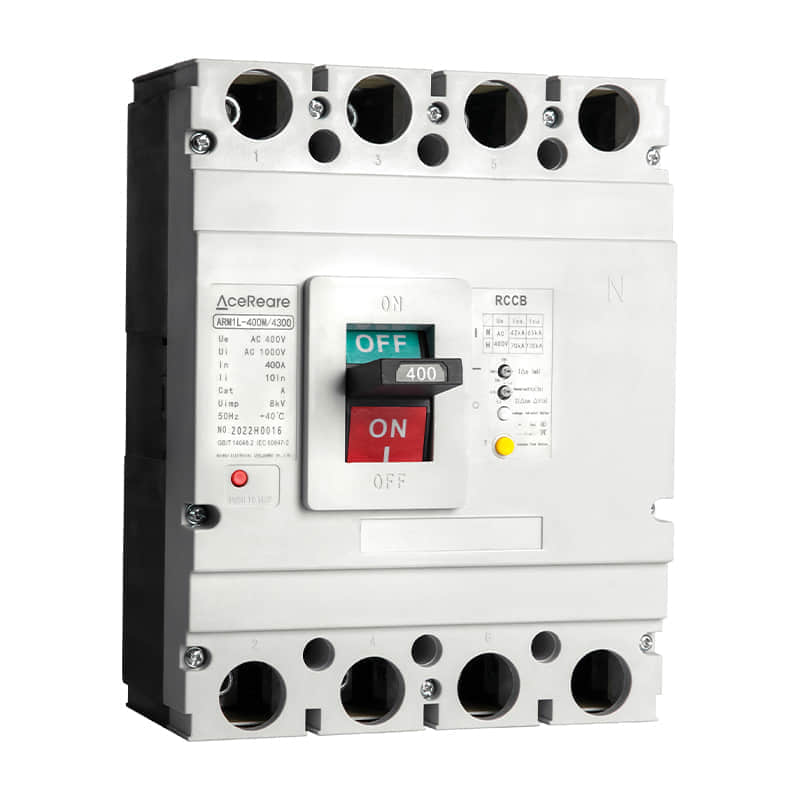
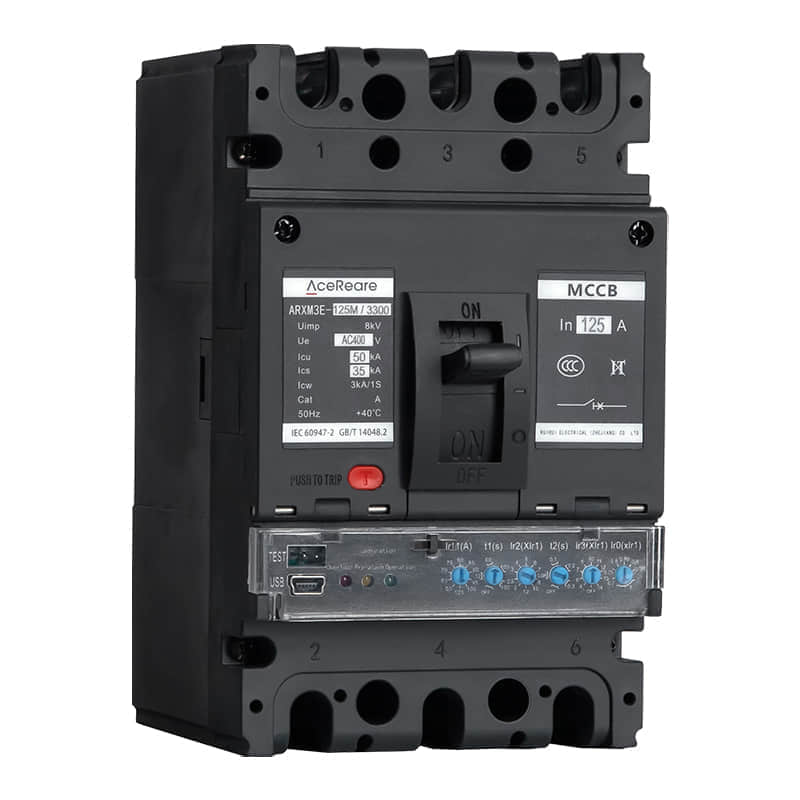
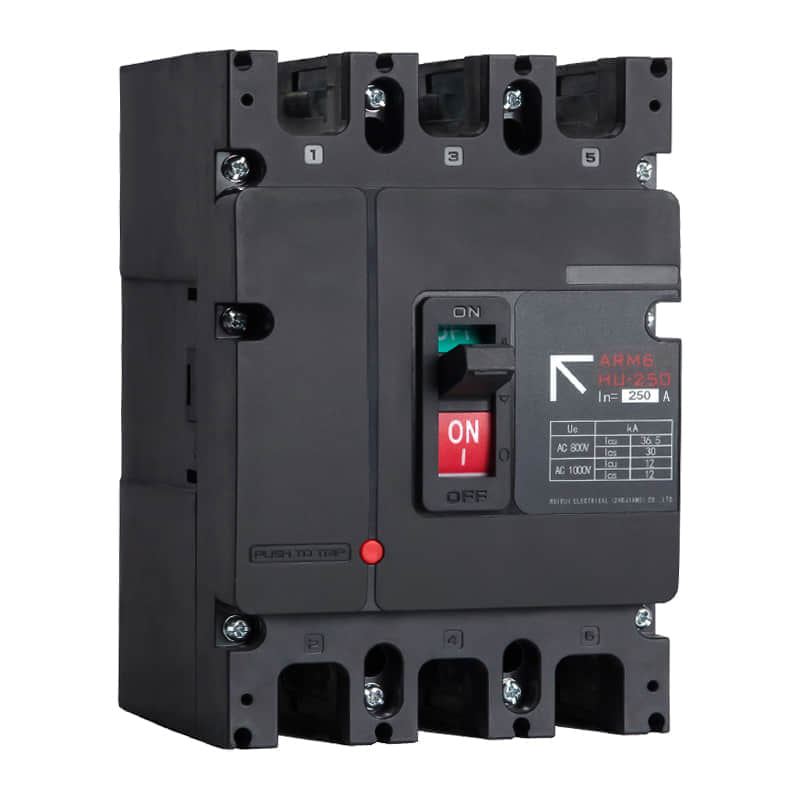
Before we dive into the world of manufacturers, let’s take a moment to understand what molded case switches are and why they are indispensable. Molded case switches, often referred to as MCCBs (Molded Case Circuit Breakers), are electrical protection devices used to safeguard electrical circuits from overcurrents and short circuits. They are designed to interrupt the flow of electrical current when abnormal conditions are detected, preventing damage to equipment and potential electrical fires. The Role of Molded Case Switch Manufacturers Molded case switch manufacturers are the backbone of the electrical industry. They are responsible for designing, producing, and distributing MCCBs to various industries, including residential, commercial, and industrial sectors. Here are some key roles and responsibilities of molded case switch manufacturers: Product Development: Manufacturers invest heavily in research and development to create MCCBs that meet industry standards and the evolving needs of customers. This involves designing switches with precise trip settings, high interrupting capacities, and advanced features to enhance safety and reliability. Quality Assurance: Ensuring the reliability of MCCBs is paramount. Manufacturers implement rigorous quality control measures throughout the production process, including materials testing, assembly inspections, and functional testing. This commitment to quality guarantees that their products perform as intended. Customization: Manufacturers often offer a range of MCCBs with different specifications to cater to diverse applications. They work closely with customers to understand their specific requirements and can provide customized solutions when needed. Compliance and Certification: Compliance with industry standards and regulations is non-negotiable. Manufacturers ensure that their MCCBs meet the safety and performance requirements set by organizations like UL (Underwriters Laboratories) and IEC (International Electrotechnical Commission). This certification instills confidence in customers. Distribution and Support: Manufacturers have a network of distributors and service centers to supply MCCBs to end-users and provide technical support when required. This ensures that customers have access to their products and assistance wherever they are located. Factors That Define Successful Molded Case Switch Manufacturers In a highly competitive industry, success as a molded case switch manufacturer hinges on several critical factors: Innovation: The ability to innovate and stay ahead of technological advancements is essential. Manufacturers that invest in cutting-edge technologies and product development tend to lead the market. Quality and Reliability: Consistency in delivering high-quality, reliable MCCBs is paramount. Reputation and trust are built on a track record of dependable performance. Customer-Centric Approach: Successful manufacturers prioritize customer needs and provide excellent customer service, including technical support and product customization. Global Reach: Expanding beyond domestic markets to serve a global customer base is often a sign of a successful manufacturer. Sustainability: With growing environmental concerns, manufacturers that focus on sustainable practices and eco-friendly materials gain a competitive edge. Conclusion Molded case switch manufacturers are integral to the electrical industry’s safety and efficiency. Their commitment to product development, quality assurance, customization, compliance, and customer support ensures the continued reliability of electrical systems worldwide. As technology advances and the demand for electrical solutions evolves, these manufacturers will play an ever more critical role in powering our connected world.

Molded case switch manufacturer

Exploring the Efficiency and Functionality of Molded Case Switches

Molded case switches, also known as circuit breakers, are essential components within electrical distribution systems. These devices play a crucial role in safeguarding both commercial and residential spaces from electrical overloads and short circuits. With their advanced features and robust construction, molded case switches offer a reliable and efficient solution for electrical control and protection.

Molded case switch

Molded case switches are designed to interrupt the flow of current in a circuit when certain conditions, such as overcurrent or short circuits, are detected. This prevents potential damage to equipment, fire hazards, and ensures the safety of personnel. These switches are commonly found in distribution boards, switchgear, control panels, and other electrical enclosures. They are favored for their ability to handle high current levels and provide adjustable protection settings.

Molded case switch

One of the primary advantages of molded case switches is their versatility in protection settings. Users can customize the switch’s trip characteristics to suit the specific requirements of the connected circuits. For instance, in circuits with motors, a longer delay can be set to accommodate the high inrush currents during motor startup, preventing unnecessary tripping. In critical applications, such as hospitals or data centers, molded case switches with precise and adjustable protection settings are essential to maintain uninterrupted power supply. The construction of molded case switches contributes to their reliability and durability. These switches consist of a molded insulating housing that contains the switching mechanism, thermal and magnetic trip elements, and current-carrying components. The housing not only provides electrical insulation but also shields the internal components from environmental factors like dust, humidity, and corrosive agents. This robust construction ensures the longevity of the switch and reduces the need for frequent maintenance. In addition to their protective functions, molded case switches often feature advanced technologies that enhance their overall functionality. Some switches incorporate digital communication capabilities, allowing them to be integrated into smart grid systems. This enables remote monitoring, control, and diagnostics, enhancing the efficiency of maintenance and troubleshooting. Moreover, these switches can provide real-time data on current levels, power consumption, and fault status, contributing to effective load management and energy efficiency. Molded case switches also come in various sizes and current ratings, making them suitable for a wide range of applications. From small residential circuits to large industrial setups, there’s a molded case switch designed to meet the specific demands of each environment. This adaptability makes them a staple in electrical distribution networks worldwide. In conclusion, molded case switches play a vital role in ensuring electrical safety and efficient power distribution. With their customizable protection settings, sturdy construction, and advanced features, they have become an indispensable component in both residential and industrial settings. As technology continues to advance, these switches are likely to evolve further, incorporating more intelligent features to meet the ever-changing demands of modern electrical systems.

Molded case switch

“Molded Case Parts Manufacturers: Crafting Precision and Reliability”

In the world of manufacturing, precision and reliability are paramount. Industries ranging from automotive to aerospace, from electronics to construction, all rely on components that meet stringent quality standards. Molded case parts manufacturers play a pivotal role in ensuring these standards are met. In this article, we will delve into the world of molded case parts manufacturing, exploring its significance, processes, and the impact it has on various industries.

Molded case parts manufacturers

The Significance of Molded Case Parts

Molded case parts manufacturers

Molded case parts, often made from materials such as plastics, metals, or composites, serve as essential building blocks in numerous products. These parts can be found in circuit breakers, electrical enclosures, automotive components, and a multitude of other applications. The significance of molded case parts lies in their ability to provide protection, insulation, and structural support to these products. Precision in Manufacturing Precision is the hallmark of any reputable molded case parts manufacturer. The production process involves a series of meticulous steps to ensure that each part meets exact specifications. Computer-aided design (CAD) software plays a pivotal role in the initial stages, allowing engineers to create detailed 3D models of the desired part. Once the design is finalized, precision molds are created using high-quality tooling materials. These molds must be capable of withstanding high pressures and temperatures during the molding process. The choice of molding technique, which can be injection molding, compression molding, or transfer molding, depends on the material and the complexity of the part. Material Selection Selecting the right material is crucial in molded case parts manufacturing. Different industries demand various properties from their components, such as electrical conductivity, heat resistance, or impact strength. Molded case parts manufacturers work closely with their clients to choose the appropriate material for each application. For example, in electrical enclosures, materials with excellent insulation properties are preferred to ensure safety and prevent electrical mishaps. In contrast, automotive components might require materials that can withstand high temperatures and mechanical stress. Quality Control Quality control is an integral part of the manufacturing process. Manufacturers employ various techniques, such as non-destructive testing, dimensional inspections, and material analysis, to ensure that every part meets the specified standards. Any deviations are addressed promptly to maintain the integrity of the final product. Diverse Applications Molded case parts manufacturers cater to a wide range of industries. Let’s take a closer look at a few of them: Electrical Industry: Molded case circuit breakers are essential components in electrical distribution systems. These devices protect against overcurrents and short circuits, ensuring the safety of electrical systems. Automotive Industry: Many automotive components, such as engine mounts, interior trim, and electrical connectors, rely on molded case parts for their durability and performance. Aerospace Industry: Aircraft require lightweight, high-strength components. Molded case parts, often made from advanced composites, are used in applications ranging from structural elements to interior components. Environmental Considerations Sustainability is a growing concern in the manufacturing industry. Molded case parts manufacturers are increasingly adopting eco-friendly practices by recycling materials, reducing waste, and using energy-efficient processes. These efforts not only benefit the environment but also align with the preferences of environmentally conscious consumers and regulatory requirements. Conclusion Molded case parts manufacturers are the unsung heroes of many industries. Their commitment to precision, material science, and quality control ensures that the products we rely on daily are safe, reliable, and efficient. As technology advances and environmental concerns continue to grow, these manufacturers will play an even more critical role in shaping the future of various industries. Through innovation and dedication to excellence, they will continue to provide the backbone of modern manufacturing.

Molded case parts manufacturers

Exploring Molded Case Parts: Functionality and Applications

Molded Case Parts, an integral component of modern engineering and manufacturing, play a pivotal role in ensuring the efficient and safe operation of various electrical and mechanical systems. These parts are designed with precision and durability in mind, catering to a wide range of applications across industries. In this article, we will delve into the world of Molded Case Parts, exploring their functions, applications, and significance in contemporary technology.

Molded Case Parts

Functions of Molded Case Parts:Molded Case Parts are primarily used for protection and control purposes in electrical and mechanical systems. These parts are constructed using robust materials, often molded from high-quality polymers or metals. Their design aims to provide reliable insulation, heat dissipation, and mechanical strength. One of the key functions is to safeguard sensitive components within electrical systems from external factors such as dust, moisture, and physical damage. They also help in containing and controlling the heat generated during operation, preventing overheating and potential failures.

Molded Case Parts

Applications in Electrical Systems:Molded Case Circuit Breakers (MCCBs) are a prominent example of Molded Case Parts used in electrical systems. MCCBs are vital for safeguarding electrical circuits from overcurrent and short circuit conditions. These breakers are widely employed in residential, commercial, and industrial settings, where they provide essential protection to equipment and personnel. The molded casing ensures that the internal mechanisms are insulated from the surroundings, enhancing operational safety. Mechanical Systems and Beyond:While Molded Case Parts are commonly associated with electrical systems, their utility extends to mechanical applications as well. In the realm of mechanical engineering, these parts are employed in creating protective enclosures for various components. For example, in the automotive industry, molded cases are used to house critical control units, protecting them from vibrations, temperature fluctuations, and external contaminants. This integration of Molded Case Parts ensures the longevity and reliability of mechanical systems. Significance in Industrial Settings:In industrial environments, where machinery and equipment operate continuously under demanding conditions, Molded Case Parts play a crucial role. They contribute to the overall reliability of production processes by maintaining the integrity of electrical and mechanical components. By preventing disruptive events like short circuits and overloads, these parts minimize downtime, reduce maintenance costs, and enhance workplace safety. Advancements in Material Science:The evolution of Molded Case Parts is closely intertwined with advancements in material science and engineering. Modern polymers and composite materials offer a unique combination of properties, including high strength, electrical insulation, and resistance to environmental stressors. This enables the production of Molded Case Parts that are not only functional but also lightweight and versatile. The utilization of innovative materials empowers engineers to design intricate molded structures that cater to specific application requirements. Environmental Considerations:As industries worldwide emphasize sustainability and reduced environmental impact, Molded Case Parts are evolving to meet these demands. Manufacturers are exploring the use of recyclable and eco-friendly materials in the production of these parts. Furthermore, the durability and protective nature of Molded Case Parts contribute to the longevity of equipment, reducing the need for frequent replacements and minimizing waste. In conclusion, Molded Case Parts play an indispensable role in ensuring the reliability, safety, and efficiency of electrical and mechanical systems across various industries. Their functions encompass protection, insulation, and heat dissipation, crucial for maintaining optimal performance. With applications ranging from electrical circuit protection to safeguarding critical mechanical components, these parts are a cornerstone of modern engineering. As technology advances and sustainability becomes a paramount concern, the continuous development of Molded Case Parts will undoubtedly shape the future of engineering solutions.

Molded Case Parts

Molded Case Circuit Breaker with Residual Leakage Protection: Ensuring Electrical Safety

In today’s rapidly evolving technological landscape, electrical safety has become paramount. Whether in industrial settings, commercial complexes, or residential areas, ensuring the protection of both people and equipment from electrical faults is of utmost importance. To address this concern, the Molded Case Circuit Breaker (MCCB) with Residual Leakage Protection has emerged as a crucial innovation. In this article, we will delve into the intricacies of MCCBs with residual leakage protection, exploring their functions, benefits, and significance in contemporary electrical systems.

Molded case circuit breaker with residual leakage protection

1. Introduction

Molded case circuit breaker with residual leakage protection

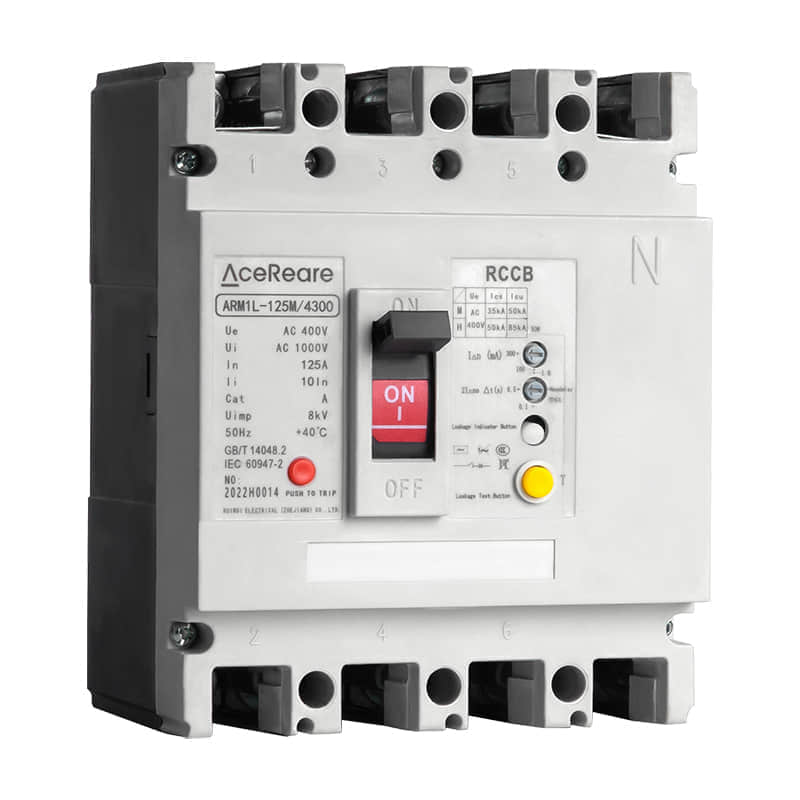
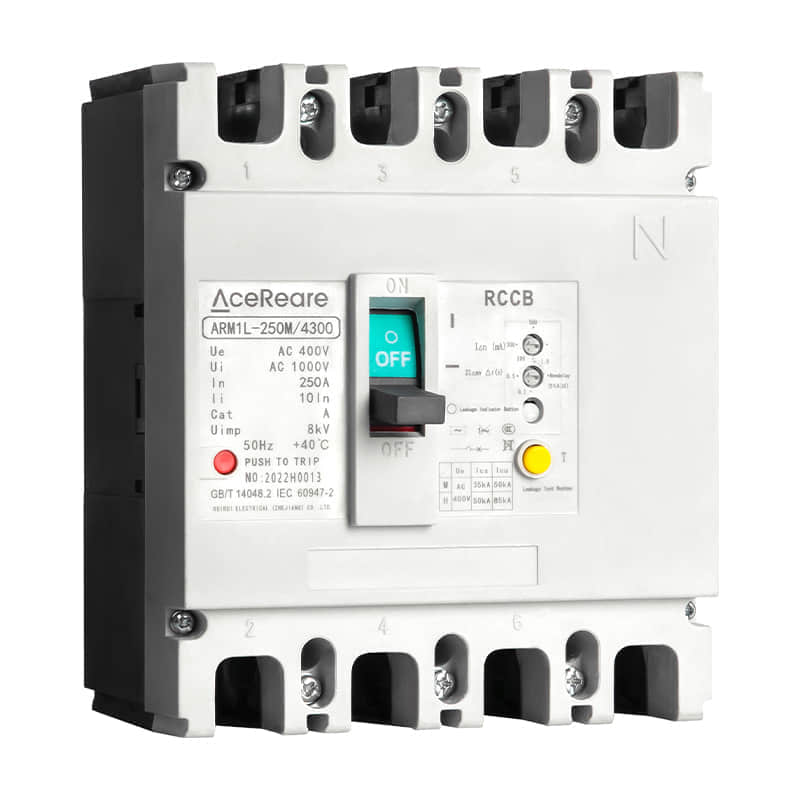
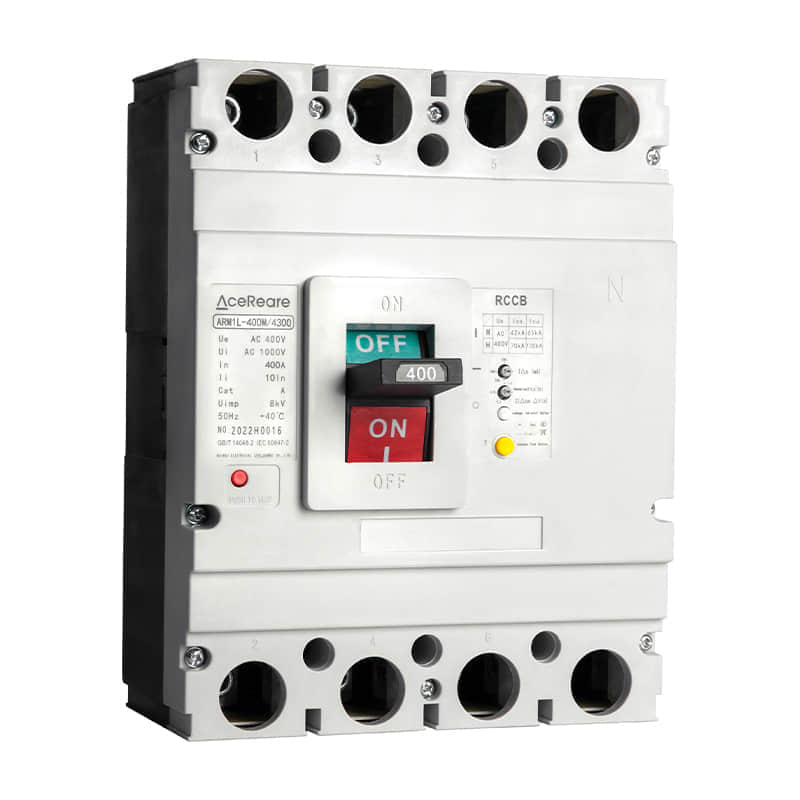
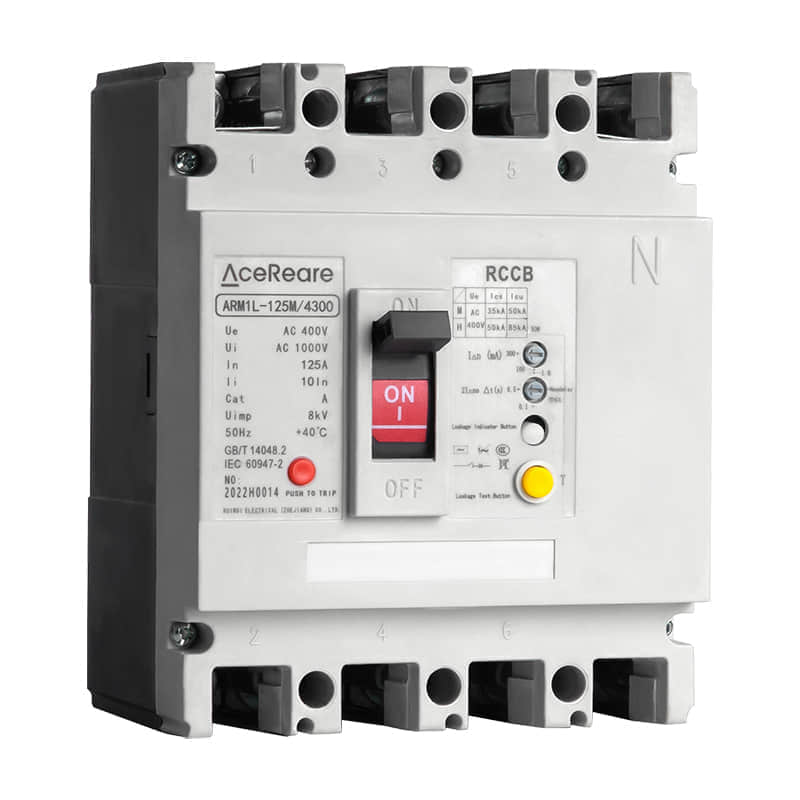
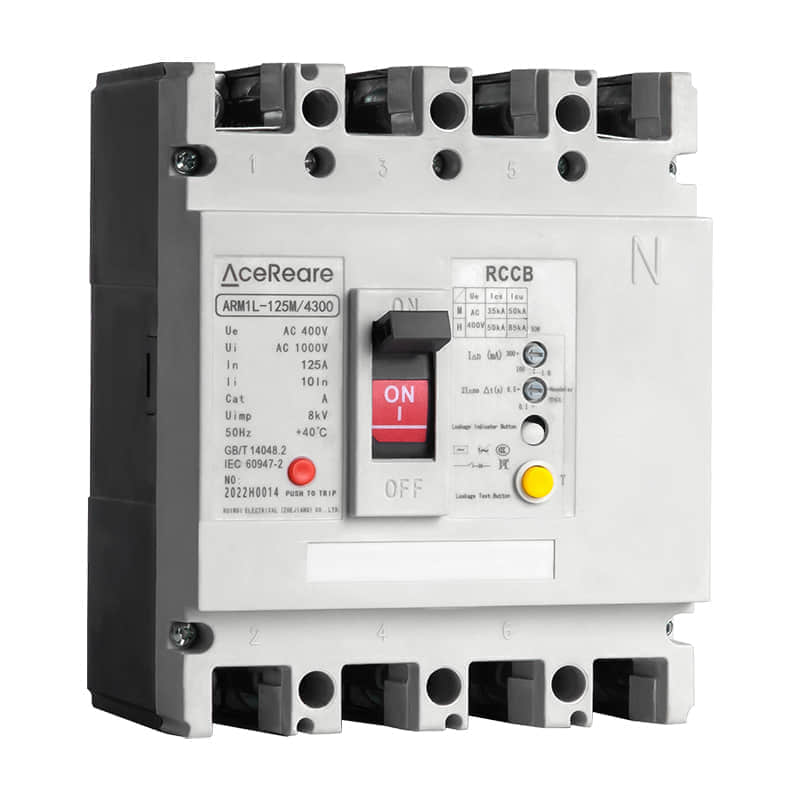
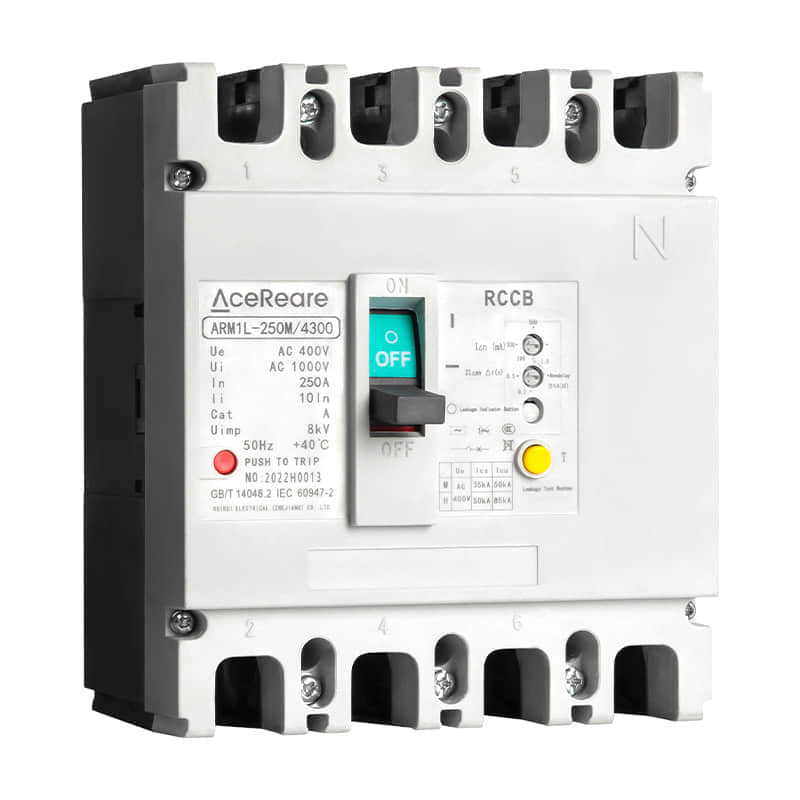
MCCBs are vital components in electrical distribution systems. They safeguard circuits and connected devices by interrupting the flow of electricity in the event of an overload or short circuit. However, electrical systems can also pose hidden dangers, such as ground faults and residual currents. These occurrences can lead to fires, equipment damage, and, most critically, electrical shocks to individuals. To mitigate these risks, MCCBs are now equipped with residual leakage protection. 2. Understanding Residual Leakage Protection Residual Leakage Protection, commonly referred to as Ground Fault Protection (GFP) or Earth Leakage Protection (ELP), is a feature integrated into MCCBs to detect small imbalances in the current flow within a circuit. It monitors the current entering and leaving a circuit and compares the two. If there is a discrepancy, it indicates that some current is escaping the intended path, potentially flowing into unintended and unsafe routes. 3. How MCCBs with Residual Leakage Protection Work MCCBs with residual leakage protection employ advanced electronic sensors and algorithms. They continuously monitor the current flow, and when they detect a leakage current above a predetermined threshold, they swiftly trip the breaker. This immediate response is crucial for preventing electrical shocks and fires caused by ground faults. 4. Key Benefits Enhanced Safety:The primary benefit of MCCBs with residual leakage protection is enhanced safety. They substantially reduce the risk of electrical accidents and fatalities by promptly disconnecting the power supply when a ground fault occurs. Protection for Sensitive Equipment:In addition to safeguarding human lives, MCCBs with residual leakage protection also protect sensitive electrical equipment. Uncontrolled ground faults can damage expensive machinery and disrupt critical processes. Reduced Downtime:Quick detection and interruption of ground faults translate to minimal downtime in industrial applications, ensuring continuous productivity. 5. Significance in Contemporary Electrical Systems In today’s interconnected world, electrical systems are more complex than ever. The proliferation of electronic devices, automation, and renewable energy sources demands more robust protection measures. MCCBs with residual leakage protection play a pivotal role in these modern systems, providing the necessary safety net to prevent accidents and system failures. 6. Conclusion The Molded Case Circuit Breaker with Residual Leakage Protection represents a remarkable advancement in electrical safety. By addressing the dangers posed by ground faults and residual currents, it ensures that our electrical systems are not only functional but also safe. As technology continues to advance, the importance of these protective devices will only grow. Investing in MCCBs with residual leakage protection is not just a matter of compliance; it’s a commitment to safeguarding lives and assets in an electrified world.

Molded case circuit breaker with residual leakage protection

Leading the Charge: Top Molded Case Circuit Breaker Manufacturers

In the realm of electrical safety and protection, Molded Case Circuit Breakers (MCCBs) play a pivotal role. These devices safeguard electrical circuits and equipment from overcurrents, preventing potential disasters like fires and electrical malfunctions. As the demand for reliable electrical protection grows worldwide, it’s imperative to recognize the leading manufacturers that drive innovation and set the industry’s standards. In this article, we’ll delve into the world of MCCB manufacturing, highlighting some of the top manufacturers who are at the forefront of this critical industry.

Molded case circuit breaker manufacturers

1. Schneider Electric

Molded case circuit breaker manufacturers

Schneider Electric, a global energy management and automation company, is a powerhouse in the MCCB manufacturing sector. With a commitment to sustainability and innovation, Schneider Electric produces MCCBs that are renowned for their reliability and efficiency. Their comprehensive range of MCCBs caters to a variety of applications, from residential to industrial. 2. ABB ABB, a Swiss-Swedish multinational corporation, is another key player in the MCCB manufacturing landscape. ABB’s MCCBs are synonymous with quality and precision. Their innovative designs ensure optimal protection and ease of use, making them a top choice for industries where electrical safety is paramount. 3. Siemens Siemens, a German conglomerate, has a long-standing reputation for producing cutting-edge technology across various sectors, including MCCB manufacturing. Siemens’ MCCBs are celebrated for their durability and advanced protection features. Their commitment to research and development ensures that their products stay ahead of the curve. 4. Eaton Eaton, a multinational power management company, is a name synonymous with reliability in the MCCB industry. Their MCCBs are designed to meet the diverse needs of industries worldwide. Eaton’s products are known for their robust construction and ability to withstand harsh environmental conditions. 5. Legrand Legrand, a French industrial group, offers a wide range of electrical solutions, including MCCBs. Legrand’s MCCBs are favored for their user-friendly designs and versatility. Whether for residential, commercial, or industrial applications, Legrand provides tailored solutions that prioritize safety. 6. Mitsubishi Electric Mitsubishi Electric, a Japanese multinational company, is a global leader in electrical and electronic equipment manufacturing. Their MCCBs are revered for their precision and performance. Mitsubishi Electric’s commitment to quality ensures that their MCCBs excel in protecting electrical systems. 7. Rockwell Automation Rockwell Automation, an American provider of industrial automation and information technology, also stands out in the MCCB market. Their MCCBs are engineered with a focus on intelligent solutions. These MCCBs integrate seamlessly into automated systems, offering enhanced control and safety. 8. Fuji Electric Fuji Electric, a Japanese company with a global presence, specializes in the production of MCCBs that prioritize efficiency and reliability. Their MCCBs are designed to meet the demanding requirements of modern industries while ensuring the utmost protection for electrical circuits. 9. L&T Electrical & Automation Larsen & Toubro’s Electrical & Automation division, based in India, is a prominent player in the MCCB manufacturing landscape. Their MCCBs are acclaimed for their robust construction and compliance with international safety standards. 10. General Electric (GE) General Electric, a household name in the electrical industry, offers a wide array of MCCBs known for their quality and innovation. GE’s MCCBs are designed to cater to the evolving needs of industries globally. In conclusion, Molded Case Circuit Breakers are the unsung heroes of electrical safety, and the manufacturers mentioned above are the driving forces behind their evolution. Each of these companies brings unique strengths and innovations to the table, ensuring that industries and consumers have access to top-tier electrical protection solutions. As the world continues to rely on electricity, these manufacturers play a crucial role in keeping us safe and our electrical systems secure.

Molded case circuit breaker manufacturers

Exploring the Excellence of Molded Case Circuit Breaker Brands

Introduction

Molded case circuit breaker brand

In the dynamic world of electrical engineering, the significance of safety and efficiency cannot be overstated. Among the critical components ensuring the smooth functioning of electrical systems, Molded Case Circuit Breakers (MCCBs) stand out. These devices are at the forefront of electrical protection, preventing overloads and short circuits. In this article, we delve into the realm of MCCB brands, exploring their features, innovations, and the impact they have on modern electrical infrastructure.

Molded case circuit breaker brand

Reliability and Innovation MCCB brands have established themselves as pioneers in the field of electrical protection through their commitment to reliability and innovation. These brands continuously strive to enhance the performance of their MCCBs, adapting to the evolving needs of industries and technologies. State-of-the-art thermal magnetic trip units and electronic trip units are integrated into these breakers, enabling precise and swift responses to faults. Brands invest in research and development to ensure MCCBs can handle various voltage and current demands, ensuring optimal protection in diverse applications. Customization and Flexibility One of the distinguishing features of premium MCCB brands is their focus on customization and flexibility. They recognize that different industries and installations have unique requirements. To address this, MCCB brands offer a wide range of current ratings, breaking capacities, and accessories, allowing electrical engineers to tailor the protection solution to the specific needs of their projects. This adaptability not only enhances safety but also optimizes energy distribution, reducing wastage and improving overall efficiency. Smart and Connected Solutions In the era of the Internet of Things (IoT), even MCCBs have embraced smart technology. Leading brands have developed smart MCCBs equipped with communication modules, enabling real-time monitoring, remote control, and data analysis. These features empower maintenance teams to identify potential issues before they escalate, minimizing downtime and maintenance costs. Moreover, the data collected from smart MCCBs contribute to predictive maintenance strategies, enhancing the reliability of entire electrical systems. Efficiency and Environmental Considerations MCCB brands are not only focused on performance but also on environmental sustainability. Energy efficiency is a prime concern in today’s world, and premium MCCB brands design their products with this in mind. They employ advanced materials and engineering techniques to reduce energy losses and heat generation, leading to more efficient operation. This not only benefits the user in terms of cost savings but also contributes to a greener planet by conserving energy resources. Global Standards and Certifications Top MCCB brands adhere to international standards and certifications to ensure their products meet stringent safety and performance criteria. These certifications validate the quality and reliability of MCCBs, giving users the confidence that their electrical systems are adequately protected. Compliance with standards also facilitates seamless integration of MCCBs into larger electrical networks, enhancing interoperability and compatibility. Conclusion Molded Case Circuit Breaker brands play a vital role in safeguarding electrical systems across various industries. Their commitment to reliability, innovation, customization, and environmental sustainability has revolutionized electrical protection. With the integration of smart technologies and adherence to global standards, MCCB brands continue to shape the landscape of electrical engineering, enabling safer, more efficient, and interconnected power distribution systems. As industries evolve, these brands will undoubtedly remain at the forefront of electrical safety, driving advancements that propel us into a more electrifying future.

Molded case circuit breaker brand

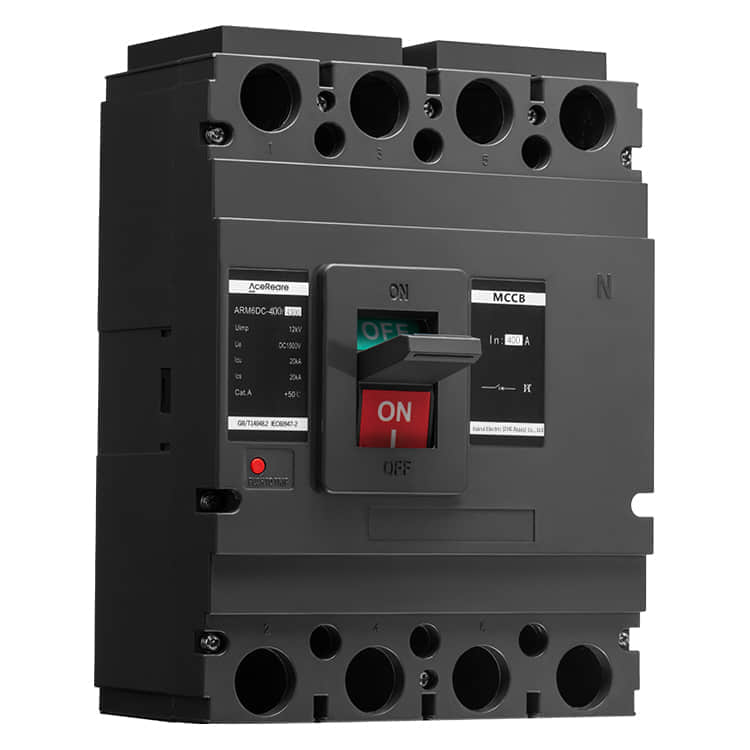
Innovating Power Management: Unveiling the Excellence of DC Molded Case Circuit Breakers

Innovating Power Management: Unveiling the Excellence of DC Molded Case Circuit Breakers

Brand of DC molded case circuit breaker

In the realm of electrical systems, safety, reliability, and efficiency stand as pillars of paramount importance. A pivotal component that embodies these qualities is the DC (Direct Current) Molded Case Circuit Breaker, a cornerstone of modern power distribution and protection. As the demand for more sophisticated and secure power management solutions continues to grow, understanding the brand of DC Molded Case Circuit Breakers becomes essential.

Brand of DC molded case circuit breaker

The Evolution of Power Protection: DC Molded Case Circuit Breakers DC Molded Case Circuit Breakers (MCCBs) have revolutionized power distribution by providing a reliable means of disconnecting circuits in case of overload, short-circuit, or other faults. These breakers are designed to operate in both low and medium-voltage applications, ensuring the uninterrupted flow of electricity while safeguarding equipment and systems from potential hazards. Breaking Down the Brand: A Trusted Name in Power Management Within the realm of DC Molded Case Circuit Breakers, one brand has consistently stood out: a brand that embodies innovation, reliability, and safety. This brand’s commitment to excellence has solidified its position as a global leader in power management solutions. From industrial setups to commercial spaces, their MCCBs have demonstrated unmatched performance and adaptability. 1. Cutting-edge Technological Innovations At the heart of this brand’s DC Molded Case Circuit Breakers lies a series of cutting-edge technological innovations. These innovations range from advanced trip units with precise protection settings to smart monitoring capabilities. The incorporation of digital elements enables real-time monitoring of electrical parameters, ensuring proactive maintenance and reducing downtime. 2. Uncompromised Reliability Reliability forms the foundation of this brand’s DC Molded Case Circuit Breakers. With mechanisms designed for high fault interruption capacity and endurance, these breakers effectively mitigate the risks associated with electrical faults. The brand’s commitment to rigorous testing and quality assurance guarantees consistent performance even in the most demanding conditions. 3. Enhanced Safety Measures Safety remains a paramount concern in power distribution, and this brand’s MCCBs prioritize safety through thoughtful design and engineering. Features like arc flash protection, intelligent short-circuit detection, and rapid fault clearing contribute to creating safer environments for both personnel and equipment. 4. Flexibility and Adaptability Recognizing the diverse needs of different industries and applications, this brand’s DC Molded Case Circuit Breakers offer unparalleled flexibility and adaptability. From adjustable trip settings to modular designs that cater to changing requirements, these breakers provide tailored solutions that optimize power distribution while minimizing complexity. 5. Sustainability at the Core In an era where sustainability is a global imperative, this brand remains dedicated to minimizing its environmental footprint. The energy-efficient operation of their DC MCCBs reduces power losses, and their commitment to responsible manufacturing processes reflects a harmonious balance between technological advancement and ecological preservation. Conclusion: Empowering the Future of Power Distribution As technology advances and energy management grows increasingly complex, the significance of a reliable and innovative brand of DC Molded Case Circuit Breakers cannot be overstated. This brand’s unwavering dedication to pushing the boundaries of power distribution, enhancing safety, and embracing sustainability paves the way for a future where efficient power management is the cornerstone of progress. In essence, these DC MCCBs stand as more than just electrical components; they represent a commitment to a safer, more reliable, and sustainable world powered by the marvels of modern engineering.

Brand of DC molded case circuit breaker

Exploring the Advancements and Applications of Molded Case Circuit Breakers

Introduction

Molded case circuit breaker

In the world of electrical engineering, safety and efficiency are paramount concerns. Molded Case Circuit Breakers (MCCBs) have emerged as indispensable components in electrical distribution systems, providing protection against overcurrent and short circuits. This article delves into the intricacies of MCCBs, exploring their design, working principles, applications, and advancements.

Molded case circuit breaker

Design and Working Principles MCCBs are circuit protection devices designed to safeguard electrical systems by interrupting the flow of current when abnormal conditions arise. They consist of a molded case housing, current-carrying components, trip units, and operating mechanisms. The housing is typically made of high-strength insulating materials, ensuring that the internal components are well-protected from external factors. At the heart of an MCCB is the trip unit, which detects overcurrent and short-circuit conditions. The trip unit comprises a thermal element for detecting prolonged overloads and a magnetic element for rapid response to high-current faults. When the current exceeds a certain threshold, the trip unit activates the operating mechanism, causing the circuit breaker to open and interrupt the current flow. Applications in Various Industries MCCBs find applications across a wide range of industries due to their versatility and reliability. In commercial buildings, they protect wiring systems and electrical equipment from overheating, preventing potential fire hazards. Industrial settings utilize MCCBs to safeguard heavy machinery, motors, and production lines. The ability to handle high short-circuit currents makes MCCBs essential in power distribution stations and substations. Advancements in MCCB Technology The field of MCCBs has witnessed significant technological advancements in recent years. One notable development is the integration of digital communication capabilities. Modern MCCBs can be equipped with communication modules that enable real-time monitoring and remote control. This is especially valuable for predictive maintenance, as engineers can gather data on the breaker’s performance and health. Adjustable trip settings have also become a standard feature in MCCBs. Engineers can customize the current thresholds for tripping, allowing for better coordination with other protective devices in the circuit. Moreover, the incorporation of arc flash protection systems enhances operator safety by minimizing the potential harm caused by arc flashes during circuit interruption. Environmental considerations have led to the development of more energy-efficient MCCBs. These devices minimize energy losses and contribute to overall system efficiency. Additionally, advancements in materials and manufacturing techniques have resulted in MCCBs with improved performance characteristics and longer operational lifetimes. Conclusion Molded Case Circuit Breakers have become integral components of modern electrical systems, ensuring safety and reliability in various applications. Their design, working principles, and technological advancements have made them indispensable in a wide range of industries. As technology continues to evolve, MCCBs will likely see further enhancements in terms of communication capabilities, energy efficiency, and overall performance. The ongoing pursuit of safer, more efficient electrical distribution systems will undoubtedly be closely linked to the evolution of MCCB technology.

Molded case circuit breaker

Advantages of Choosing a Metal Stamping Parts OEM Manufacturer

In the world of manufacturing, precision and reliability are paramount. One key player in this arena is the Metal Stamping Parts Original Equipment Manufacturer (OEM). These specialized manufacturers offer a range of benefits that contribute to the efficiency and quality of various industries. This article explores the advantages of partnering with a Metal Stamping Parts OEM manufacturer.

Metal stamping parts OEM manufacturer

1. Precision Engineering:Metal stamping involves the use of dies to shape and cut metal sheets into specific forms with high precision. OEM manufacturers are equipped with advanced machinery and cutting-edge technology to ensure that each stamped part meets exact specifications. This precision is vital in industries where even the slightest deviation can lead to performance issues.

Metal stamping parts OEM manufacturer

2. Cost-Effectiveness:Collaborating with a Metal Stamping Parts OEM manufacturer can significantly reduce production costs. These manufacturers often deal with bulk orders, allowing for economies of scale. Moreover, their expertise in material utilization minimizes waste, contributing to overall cost savings. 3. Expertise and Experience:OEM manufacturers specialize in metal stamping, bringing years of experience to the table. Their teams typically consist of skilled engineers and technicians who understand the nuances of the process. This expertise ensures that the stamped parts are of the highest quality and compatible with their intended applications. 4. Customization:Industries often require unique components tailored to their specific needs. Metal Stamping OEM manufacturers offer customization options, working closely with clients to create parts that match their exact requirements. This flexibility is crucial in industries where off-the-shelf solutions might not suffice. 5. Quick Turnaround:Time-to-market is a critical factor in today’s fast-paced industries. Metal Stamping OEM manufacturers are adept at delivering orders within tight deadlines. Their streamlined processes and efficient workflows ensure that clients receive their stamped parts promptly, aiding in project timelines. 6. Quality Control:Maintaining consistent quality is a top priority for Metal Stamping OEM manufacturers. They implement rigorous quality control measures throughout the production process, from material selection to final inspection. This commitment to quality results in reliable and durable stamped parts. 7. Material Variety:Metal stamping can be performed on a wide range of materials, including stainless steel, aluminum, copper, and more. OEM manufacturers possess the knowledge to select the appropriate material for each application, ensuring optimal performance and longevity. 8. Reduced Lead Times:Metal Stamping OEM manufacturers often have established supply chains and partnerships with material suppliers. This leads to reduced lead times for sourcing raw materials, further contributing to efficient production schedules. 9. Focus on Innovation:Partnering with a Metal Stamping OEM manufacturer allows businesses to focus on their core competencies and innovations. By outsourcing the production of stamped parts, companies can allocate resources and energy to other aspects of product development and enhancement. 10. Long-Term Collaboration:OEM manufacturers aim to build lasting relationships with their clients. They prioritize customer satisfaction and strive to meet evolving needs over time. This long-term collaboration leads to smoother communication, better understanding, and ultimately, improved products. In conclusion, the advantages of working with a Metal Stamping Parts OEM manufacturer are far-reaching. From precision engineering and cost-effectiveness to customization and expertise, these manufacturers play a vital role in various industries. Their commitment to quality, efficiency, and innovation makes them indispensable partners for businesses seeking reliable and top-quality stamped metal components.

Metal stamping parts OEM manufacturer