Monthly Archives: September 2023

Leading the Industry: China’s Premier Frame Circuit Breaker Drawer Switch Manufacturer

In the realm of electrical engineering, innovation and reliability are paramount. China has emerged as a global leader in this field, producing cutting-edge electrical components that power industries and homes worldwide. Among these components, the frame circuit breaker drawer switch stands out as a cornerstone of electrical safety and efficiency. At the forefront of manufacturing excellence in this domain is a select group of companies, with one shining star: China’s unrivaled frame circuit breaker drawer switch manufacturer.
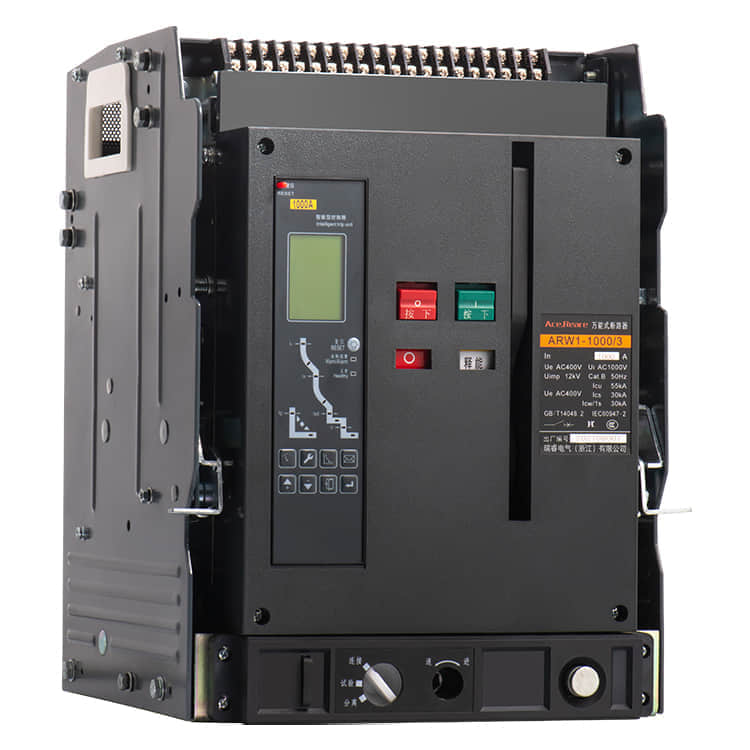
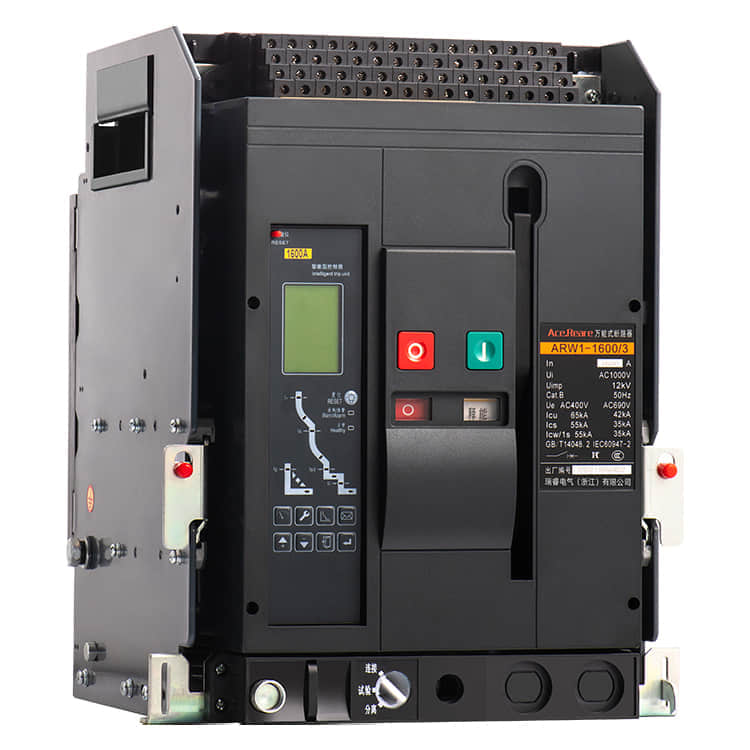
China frame circuit breaker drawer switch manufacturer

With a steadfast commitment to quality and innovation, China’s manufacturers have redefined the standards of electrical engineering. The frame circuit breaker drawer switch, an indispensable device in modern electrical systems, showcases the pinnacle of their expertise. This switch acts as a crucial link between a power source and the connected appliance, enabling rapid disconnection in case of overcurrent or short circuit, thereby preventing potential disasters.
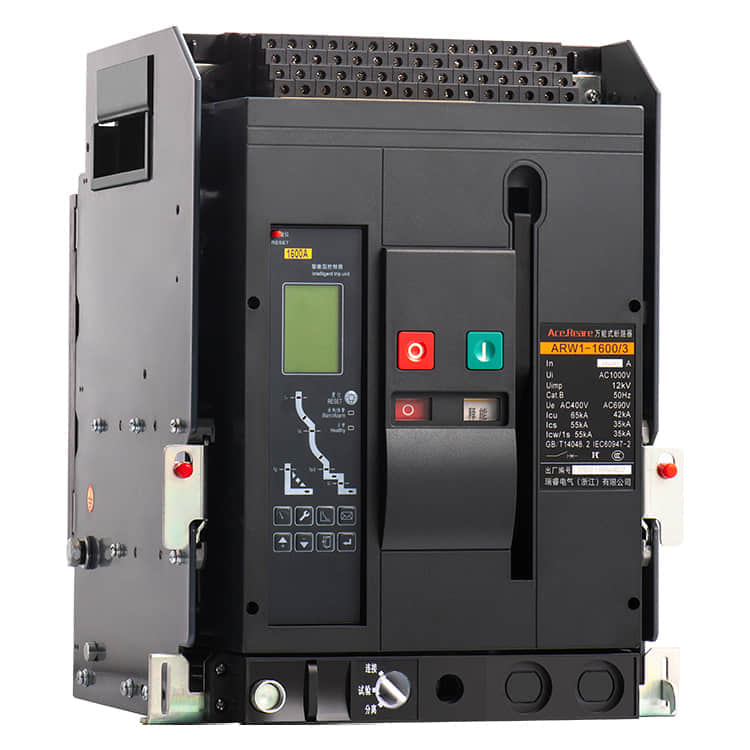
China frame circuit breaker drawer switch manufacturer

What sets China’s manufacturers apart is not just their ability to produce these essential components, but their dedication to advancing the technology embedded within them. The research and development teams work tirelessly to enhance the efficiency, safety, and durability of frame circuit breaker drawer switches. This commitment has resulted in the integration of smart technologies that enable real-time monitoring, remote control, and proactive fault detection, elevating these switches into a new era of intelligent electrical management. One of the key reasons behind China’s prominence in this industry is its state-of-the-art manufacturing infrastructure. The facilities are equipped with advanced machinery that can handle intricate processes while maintaining strict quality control. Automated assembly lines streamline production, ensuring precision and consistency in every unit manufactured. This blend of technological prowess and stringent quality measures guarantees that each frame circuit breaker drawer switch that leaves the factory is a testament to China’s unwavering dedication to excellence. Environmental consciousness is another hallmark of China’s leading frame circuit breaker drawer switch manufacturers. As the world shifts towards sustainability, these companies are at the vanguard, incorporating eco-friendly materials and energy-efficient processes into their production. By adhering to international environmental standards, they ensure that their products not only contribute to the advancement of technology but also align with global efforts to reduce carbon footprints. In a world where safety cannot be compromised, these manufacturers go the extra mile to ensure the reliability of their frame circuit breaker drawer switches. Rigorous testing procedures simulate a wide range of scenarios to validate the switches’ performance under stress. Temperature fluctuations, voltage surges, and mechanical endurance are among the many factors that these switches are subjected to before they earn the esteemed seal of approval. China’s dominance in the frame circuit breaker drawer switch manufacturing domain is not merely a result of technical competence; it is a culmination of a holistic approach to innovation. The synergy between research, manufacturing, quality control, and environmental responsibility propels these manufacturers to the zenith of the industry. Their products not only power electrical systems but also empower industries, businesses, and households to operate with confidence and security. In conclusion, China’s frame circuit breaker drawer switch manufacturers have not only redefined the standards of excellence in electrical engineering but have also set the bar impossibly high. Their dedication to innovation, quality, and sustainability is a testament to their role as industry leaders. As technology continues to evolve, these manufacturers will undoubtedly remain at the forefront, illuminating the path towards safer, smarter, and more efficient electrical systems for the world.
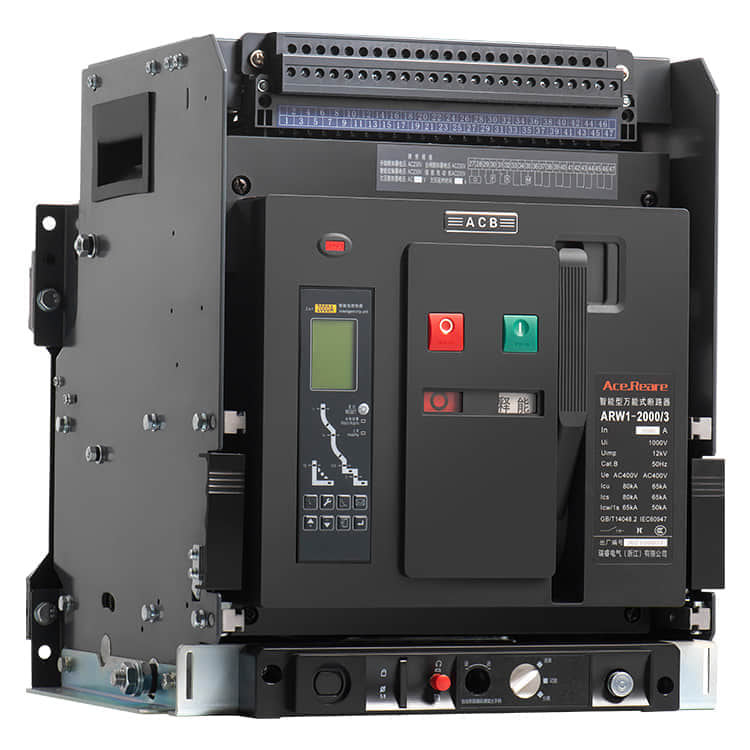
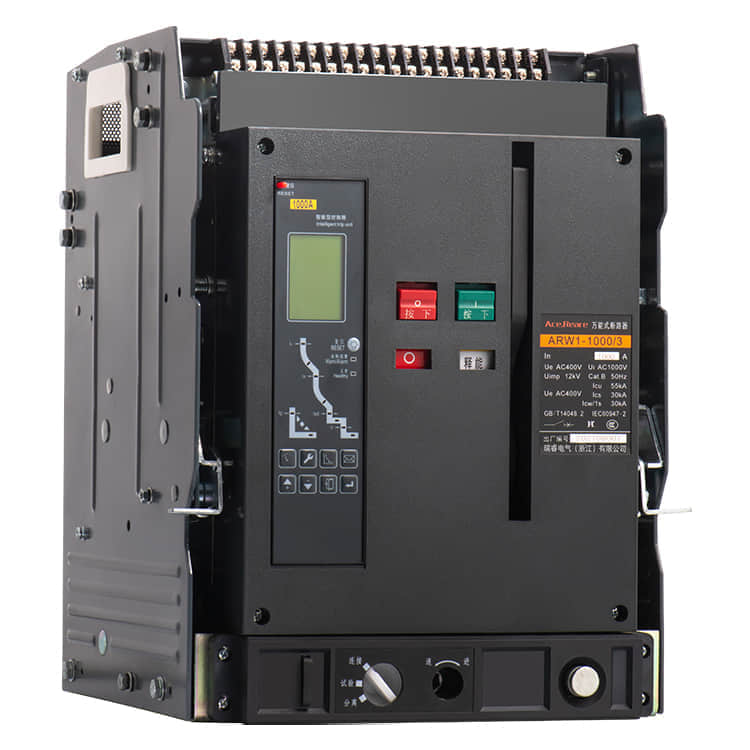
China frame circuit breaker drawer switch manufacturer

Unveiling the Advancements and Importance of ACB Breakers

In the realm of electrical engineering, the quest for safety, reliability, and efficiency remains an ongoing journey. Among the numerous components that contribute to this endeavor, Air Circuit Breakers (ACBs) stand as a pivotal innovation. With their capacity to ensure electrical system stability and safeguard equipment, ACB breakers have become indispensable assets in modern industries and households.

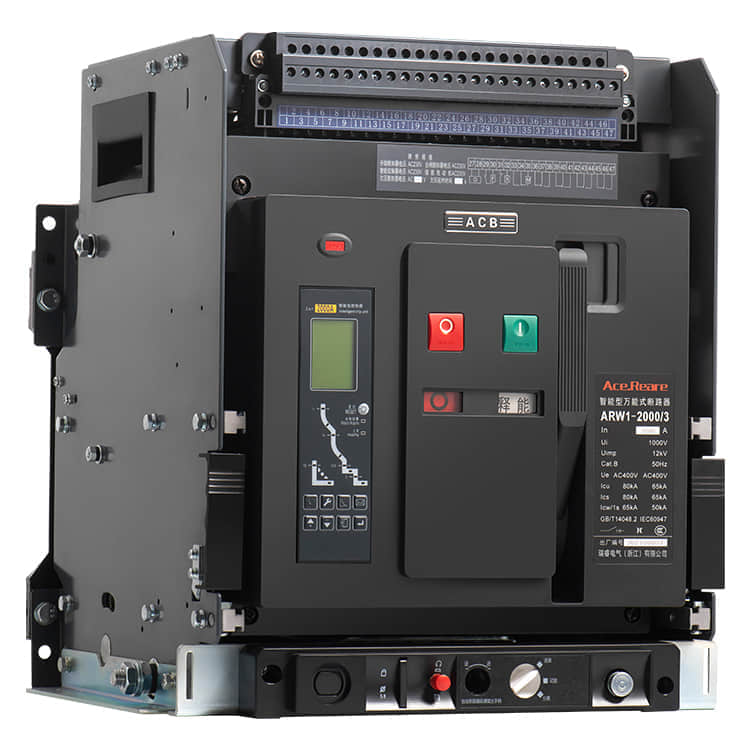
ACB breaker

An ACB breaker, as the name suggests, is an electrical protection device that automatically interrupts the flow of electric current in the circuit when it detects an overload, short circuit, or any other fault. This swift response helps prevent potential hazards such as electrical fires, equipment damage, and even life-threatening situations. ACB breakers are designed to handle high currents and are used in a wide range of applications, from low-voltage distribution systems to heavy industrial setups.

ACB breaker

One of the primary advantages of ACB breakers is their adaptability to various current levels. These breakers come in different sizes and configurations to accommodate the specific needs of a given application. Whether it’s protecting a small residential circuit or a complex industrial network, ACB breakers can be tailored to fit the requirements precisely. This adaptability not only simplifies installation but also optimizes the performance of the overall electrical system. Furthermore, ACB breakers are known for their durability and longevity. The arc quenching mechanism employed in ACB breakers ensures that the electrical arc produced during circuit interruption is rapidly extinguished. This not only minimizes wear and tear on the contacts but also enhances the breaker’s lifespan, resulting in reduced maintenance requirements and long-term cost savings. The robust construction of ACB breakers also contributes to their ability to withstand harsh environmental conditions, making them reliable choices for critical applications. Modern ACB breakers are often equipped with advanced features that enhance their functionality. Microprocessor-based trip units, for instance, offer precise control over tripping parameters, allowing for customization according to the specific characteristics of the connected circuit. This level of control improves the overall efficiency of the electrical system while facilitating rapid fault detection and isolation. In industrial settings, ACB breakers play a crucial role in maintaining production continuity. A fault in an industrial circuit can lead to significant downtime, resulting in substantial financial losses. ACB breakers, with their high-speed operation and dependable performance, help minimize such disruptions by swiftly isolating faulty sections while allowing the unaffected parts of the system to continue functioning uninterrupted. The importance of ACB breakers in ensuring electrical safety cannot be overstated. Their ability to prevent electrical accidents and mitigate potential hazards not only safeguards human lives but also protects valuable equipment investments. Moreover, the integration of ACB breakers into smart grid systems and automation networks paves the way for even greater control and monitoring capabilities, contributing to a more reliable and efficient electrical infrastructure. In conclusion, Air Circuit Breakers (ACBs) have emerged as a cornerstone of modern electrical engineering, addressing the crucial aspects of safety, reliability, and efficiency. Their adaptability, durability, and advanced features make them essential components in various applications, ranging from residential buildings to industrial complexes. As technology continues to evolve, ACB breakers are poised to further revolutionize the way we manage and secure electrical systems, ushering in an era of enhanced safety and productivity.

ACB breaker

Understanding Thermostat Prices: Factors and Considerations

Thermostats have become an indispensable part of modern homes, providing us with the ability to control indoor temperatures with ease and efficiency. However, when it comes to purchasing a thermostat, the wide range of options and price points can be overwhelming. In this article, we will delve into the factors that influence thermostat prices and help you make an informed decision when choosing the right thermostat for your needs.

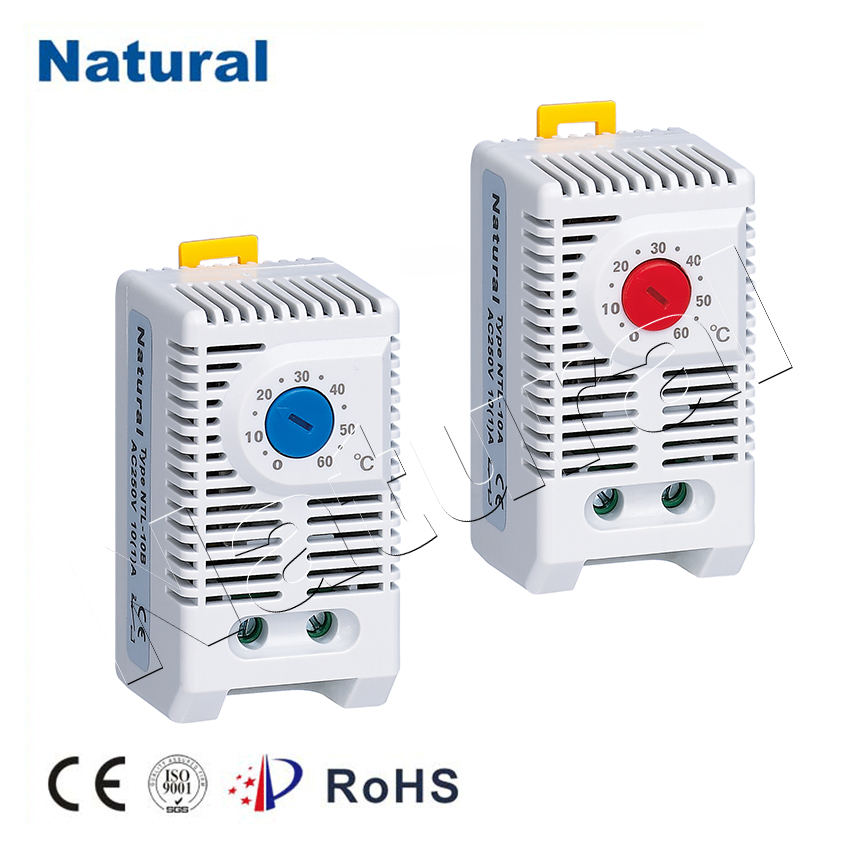
thermostat  price

1. Type of Thermostat The type of thermostat you choose is one of the most significant factors affecting its price. There are several types available on the market: Manual Thermostats:These are the most basic and affordable options. They require manual adjustment and do not offer advanced features. Prices for manual thermostats typically range from $20 to $50. Programmable Thermostats:Programmable thermostats allow you to set temperature schedules, which can help save energy and money. Prices vary depending on features, but you can find good options starting from $50 to $150. Smart Thermostats:Smart thermostats, with their advanced technology and connectivity, offer the highest level of convenience and energy savings. They can be controlled remotely via smartphone apps and often integrate with other smart home devices. Expect to pay anywhere from $100 to $300 or more for a quality smart thermostat. 2. Brand and Manufacturer The brand and manufacturer of a thermostat can significantly influence its price. Established and reputable brands often command higher prices due to their track record of reliability and performance. Brands like Nest, Ecobee, Honeywell, and Emerson are known for their quality but may come with a premium price tag. Lesser-known or generic brands may offer more budget-friendly options, but be cautious when opting for cheaper alternatives, as they may lack the same level of quality and support. 3. Features and Technology The features and technology incorporated into a thermostat can also impact its price. Common features that can drive up the cost include: Wi-Fi Connectivity:Thermostats with Wi-Fi connectivity enable remote control and access via smartphone apps. This feature is standard in smart thermostats but can add to the cost. Voice Control:Some thermostats are compatible with voice assistants like Amazon Alexa or Google Assistant, allowing you to adjust settings using voice commands. Learning Algorithms:Smart thermostats often include learning algorithms that adapt to your preferences and adjust the temperature accordingly, potentially saving energy and money over time. Zoning Capabilities:Certain thermostats support multi-zone heating and cooling, allowing you to control different areas of your home independently. Compatibility with HVAC Systems:Ensure that the thermostat you choose is compatible with your existing heating and cooling systems to avoid additional installation costs. 4. Installation Costs While the price of the thermostat itself is a significant consideration, don’t forget to factor in installation costs. Some thermostats, especially smart thermostats, may require professional installation, which can add to the overall expense. DIY installation options are available for many thermostats, but be sure you’re comfortable with the installation process if you choose this route. 5. Energy Savings Finally, consider the potential energy savings when evaluating the price of a thermostat. While a smart thermostat may have a higher upfront cost, its ability to optimize your HVAC system’s performance can lead to long-term savings on your energy bills, making it a worthwhile investment. In conclusion, the price of a thermostat varies based on factors such as type, brand, features, and technology. Before making a purchase, assess your specific needs and budget. Consider the long-term benefits of energy savings and convenience when deciding which thermostat is the right fit for your home. Ultimately, a well-chosen thermostat can enhance your comfort and help reduce your energy consumption.

Mechanical Hygrostat: Regulating Humidity with Precision

文章:

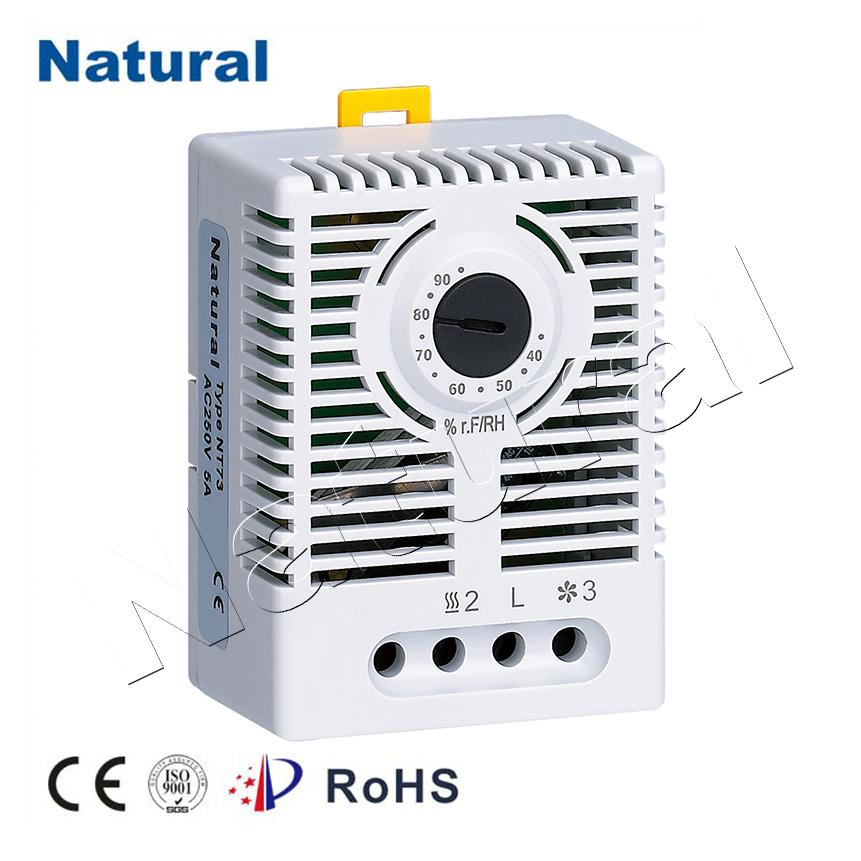
Mechanical Hygrostat

In the pursuit of comfort and control over our environment, the regulation of humidity plays a crucial role. Whether it’s in our homes, offices, or industrial settings, maintaining the right level of humidity is essential for our well-being and the proper functioning of various processes. One indispensable device that aids in achieving this balance is the Mechanical Hygrostat. Understanding the Mechanical Hygrostat A Mechanical Hygrostat is a simple yet effective device designed to control humidity levels in a given space. It operates on the principle of hygroscopy, where certain materials absorb or release moisture depending on the surrounding humidity levels. This mechanical wonder consists of a moisture-sensitive element, typically made of materials like organic fibers or bimetallic strips, which expand or contract in response to humidity changes. How Does It Work? The working mechanism of a Mechanical Hygrostat is elegantly straightforward. As humidity levels rise, the moisture-sensitive element absorbs moisture, causing it to expand. Conversely, when humidity decreases, the element releases moisture and contracts. This expansion and contraction of the element are linked to a switching mechanism that controls connected devices, such as humidifiers or dehumidifiers. Applications of Mechanical Hygrostats Climate Control in Homes: Mechanical Hygrostats are commonly used in household humidifiers and dehumidifiers. They ensure that the indoor humidity remains within the optimal range, preventing problems like dry skin, static electricity, and mold growth. Industrial Settings: In industrial processes where humidity control is critical, such as in pharmaceutical manufacturing or food storage, Mechanical Hygrostats are employed to maintain precise humidity levels to ensure product quality and safety. Greenhouses: Mechanical Hygrostats are used to regulate humidity in greenhouses to create the ideal environment for plant growth. Proper humidity levels can significantly impact crop yield and quality. Museums and Art Galleries: These devices are vital for preserving valuable artworks and historical artifacts. Maintaining the right humidity prevents deterioration and damage to these cultural treasures. Advantages of Mechanical Hygrostats Reliability: Mechanical Hygrostats are known for their durability and reliability. They can withstand harsh environmental conditions and are less prone to electronic malfunctions. Affordability: Compared to their electronic counterparts, Mechanical Hygrostats are often more budget-friendly, making them a practical choice for various applications. Ease of Use: These devices are simple to install and require minimal maintenance. They are perfect for users who prefer a “set it and forget it” approach. Limitations While Mechanical Hygrostats offer numerous advantages, they do have some limitations. They may not provide the same level of precision and customization as electronic hygrostats, which can be programmed to maintain specific humidity levels. Additionally, they may have a slower response time to humidity changes. Conclusion In the world of humidity control, the Mechanical Hygrostat stands as a reliable, cost-effective, and widely used solution. Its ability to maintain optimal humidity levels in various settings, from homes to industrial facilities, demonstrates its versatility and importance. While newer electronic hygrostat technologies have emerged, the Mechanical Hygrostat continues to prove its worth as a dependable tool in the pursuit of environmental comfort and control. As we navigate the challenges of modern living, we can always rely on this mechanical marvel to keep our humidity levels in check, ensuring a healthier and more comfortable atmosphere.

Utilizing Filter Fans for Efficient Ventilation and Cooling in Enclosures and Cabinets

In the world of electronic equipment and machinery, maintaining the optimal operating conditions within enclosures and cabinets is crucial. Excessive heat and humidity can lead to malfunctions and even permanent damage to sensitive components. To counter these issues, filter fans have emerged as indispensable tools for providing effective ventilation and cooling solutions. In this article, we will delve into the importance and advantages of using filter fans in enclosures and cabinets.

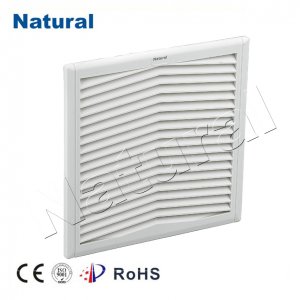
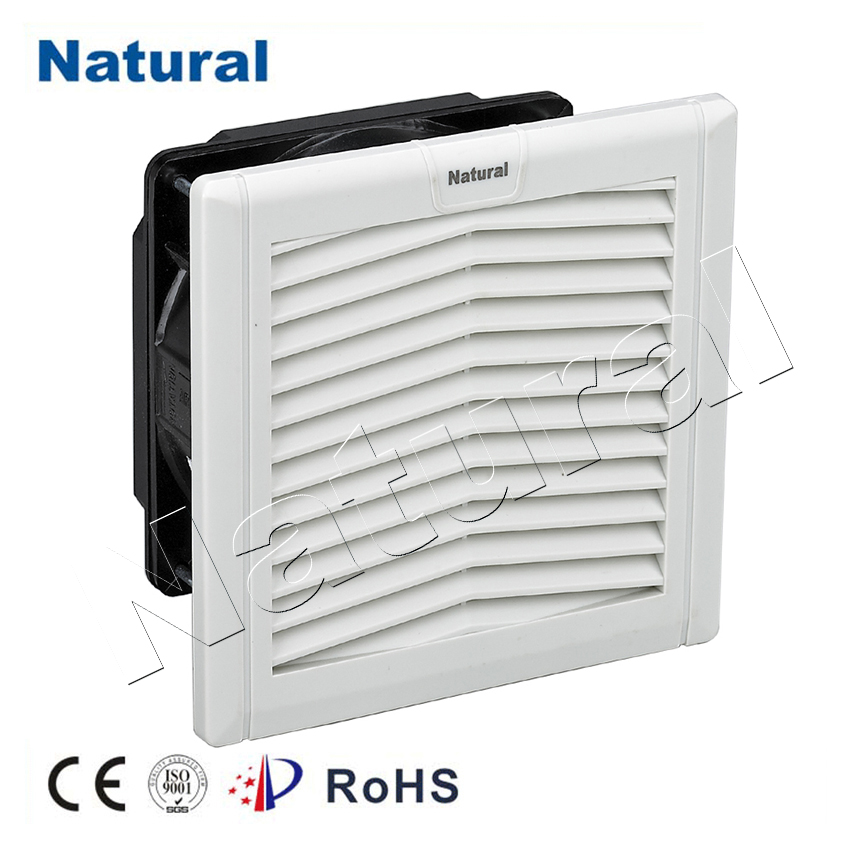
Filter Fan use for Enclosure and Cabinets to offer ventilation and cooling

1. The Significance of Proper Ventilation:To comprehend the importance of filter fans, it is essential to recognize why proper ventilation is critical in enclosures and cabinets. Electronic devices generate heat during operation, and if this heat is not efficiently dissipated, it can result in overheating. Excessive heat can degrade component performance and, in severe cases, cause component failure. Moreover, high humidity levels inside enclosures can lead to condensation, which may damage sensitive electronics. Filter fans play a pivotal role in maintaining a controlled environment by facilitating the exchange of air. 2. Filter Fans in Action:Filter fans consist of a fan unit and a filter mat. The fan unit actively draws in ambient air from the surroundings and expels it into the enclosure or cabinet. As the air enters the enclosure, it passes through the filter mat. The filter mat serves a dual purpose: firstly, it prevents dust, dirt, and other contaminants from entering the enclosure, and secondly, it helps filter out impurities from the incoming air, maintaining a clean internal environment. 3. Benefits of Using Filter Fans: a.Efficient Cooling:Filter fans ensure a constant flow of fresh, cool air into the enclosure, effectively dissipating heat generated by electronic components. This prevents overheating and extends the lifespan of sensitive devices. b.Dust and Contaminant Protection:The filter mat in filter fans acts as a barrier against dust, dirt, and other particles. By keeping these contaminants out, filter fans help maintain the cleanliness of the enclosure’s interior, reducing the risk of component damage and malfunctions. c.Reduced Maintenance:With filter fans in place, the need for frequent manual cleaning and maintenance of enclosures is significantly reduced. This not only saves time and effort but also minimizes the risk of accidental damage during cleaning. d.Energy Efficiency:Filter fans are designed to operate only when necessary. They are equipped with temperature or humidity sensors that activate the fan unit when predefined thresholds are exceeded. This ensures energy-efficient operation. 4. Customization and Integration:Filter fans are highly adaptable and can be customized to suit specific enclosure and cabinet requirements. They come in various sizes and can be seamlessly integrated into different types of enclosures, ranging from small control panels to large industrial cabinets. 5. Conclusion:In summary, filter fans have become indispensable tools for maintaining the ideal operating conditions within enclosures and cabinets housing electronic equipment and machinery. Their ability to provide efficient ventilation and cooling, protect against dust and contaminants, reduce maintenance efforts, and promote energy efficiency makes them a wise choice for engineers and operators looking to safeguard their investments in sensitive electronic components. By incorporating filter fans into their systems, businesses can ensure the longevity and reliability of their equipment while reducing the risk of costly downtime.

The Advantages of Electric Air Heaters

Electric air heaters have become an integral part of our daily lives, serving a multitude of purposes in various settings. From keeping us warm during cold winters to facilitating industrial processes, these innovative devices have proven their worth time and again. In this article, we will explore the many advantages of electric air heaters, shedding light on their versatility, efficiency, and environmental benefits.

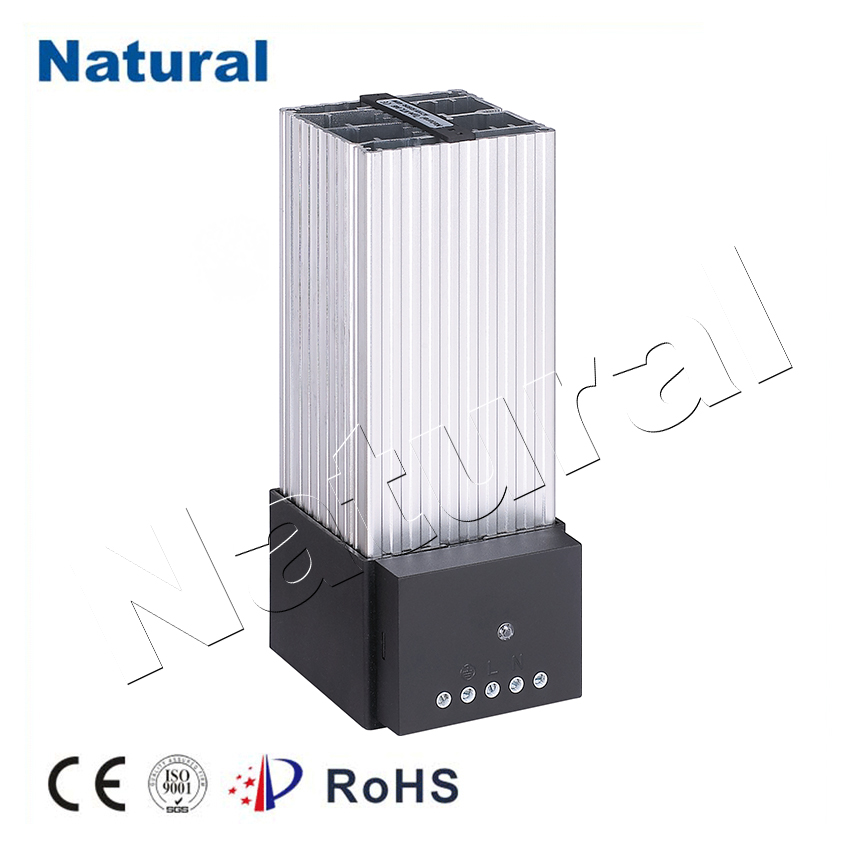
electr air heater

Energy Efficiency:One of the primary advantages of electric air heaters is their remarkable energy efficiency. Unlike traditional heating methods that rely on fossil fuels, electric air heaters convert electricity into heat with minimal energy loss. This efficiency not only saves money on energy bills but also reduces carbon emissions, making them a more eco-friendly option. Precision and Control:Electric air heaters offer precise temperature control, allowing users to maintain their desired temperature levels consistently. This level of control is invaluable in various applications, from homes and offices to industrial processes. It ensures comfort, productivity, and safety by preventing overheating or underheating. Safety:Electric air heaters are inherently safe to use. They don’t produce harmful emissions, such as carbon monoxide, which can be a concern with gas heaters. Additionally, they are less prone to fire hazards, as they don’t involve open flames or hot surfaces. This makes them an excellent choice for both residential and industrial environments. Compact and Portable:Many electric air heaters are designed to be compact and portable, making them easy to move and store as needed. This flexibility is particularly beneficial in homes and offices where heating requirements can change from room to room. Quick Heat Generation:Electric air heaters heat up quickly, providing almost instant warmth when needed. This rapid heating ability is ideal for spaces that require immediate temperature adjustments, such as chilly mornings or cold workspaces. Quiet Operation:Electric air heaters are known for their quiet operation, ensuring minimal disruption in residential and office environments. Unlike some other heating systems, they won’t create noise pollution, allowing you to work or relax in peace. Low Maintenance:Electric air heaters are relatively low maintenance compared to other heating options. They don’t require regular fuel replenishment, and there are no filters to replace. Routine cleaning and occasional checks are usually sufficient to keep them in good working condition. Environmentally Friendly:As the world becomes more conscious of environmental concerns, electric air heaters stand out as a cleaner heating option. Their energy efficiency and lack of emissions contribute to a reduced carbon footprint, aligning with global efforts to combat climate change. Versatile Applications:Electric air heaters find applications in a wide range of settings. They are suitable for heating homes, offices, warehouses, factories, and even outdoor spaces like patios. Their adaptability makes them a valuable asset for various industries, including agriculture, food processing, and construction. Cost-Effective:In the long run, electric air heaters can prove to be cost-effective due to their energy efficiency and minimal maintenance requirements. While the initial investment may be higher than some alternatives, the savings in energy costs and reduced maintenance expenses make them a financially sensible choice. In conclusion, electric air heaters offer a host of advantages that make them an attractive heating solution for both residential and industrial applications. Their energy efficiency, precision, safety, and versatility set them apart as a reliable and eco-friendly choice. As technology continues to advance, electric air heaters are likely to become even more efficient and environmentally friendly, further cementing their place as a crucial component of modern heating systems.

DIN Rail Temperature Controllers: Precision Control for Optimal Efficiency

In the world of industrial automation and process control, temperature regulation is often a critical factor in ensuring product quality, safety, and efficiency. DIN rail temperature controllers have emerged as indispensable tools in achieving precise temperature control across a wide range of applications. In this article, we will explore the capabilities and benefits of DIN rail temperature controllers.

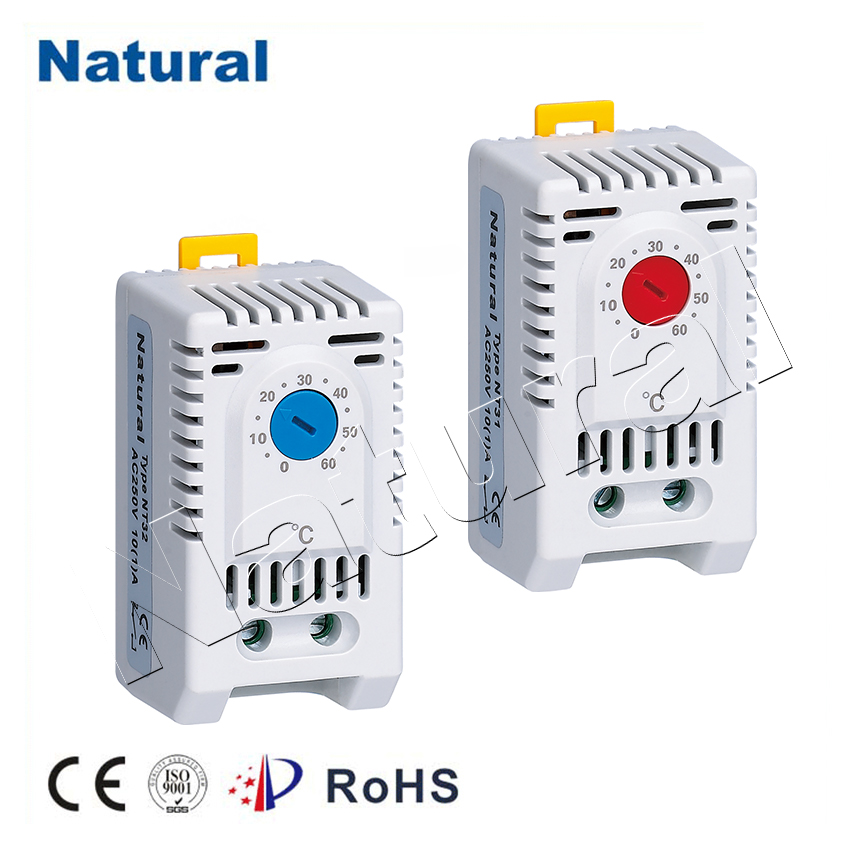
din rail temperature controller

Introduction to DIN Rail Temperature Controllers DIN rail temperature controllers are compact and versatile devices designed to monitor and control temperature within various industrial processes. They are named after the standard DIN rail mounting system, which allows for easy installation in control panels, cabinets, and enclosures. These controllers come equipped with a range of features and functions that make them indispensable for industries such as manufacturing, food processing, and HVAC. Precision Temperature Control One of the primary advantages of DIN rail temperature controllers is their ability to provide precise temperature control. These devices use advanced algorithms and sensors to maintain temperatures within tight tolerances, ensuring product quality and consistency. Whether it’s maintaining the temperature of a chemical reaction or controlling the climate in a data center, DIN rail temperature controllers excel in delivering accuracy. Versatility in Applications DIN rail temperature controllers find applications in various industries, including: Manufacturing: In manufacturing processes, precise temperature control is essential for tasks like soldering, welding, and plastic molding. DIN rail controllers ensure that temperatures remain constant, leading to improved product quality and reduced defects. Food Processing: Food safety and quality standards demand strict temperature control during cooking, cooling, and storage. DIN rail controllers play a crucial role in meeting these standards, ensuring that food products are safe for consumption. Pharmaceuticals: Temperature-sensitive pharmaceuticals require consistent storage conditions. DIN rail controllers help maintain the required temperature, preserving the efficacy of medications and vaccines. HVAC: Heating, ventilation, and air conditioning systems benefit from DIN rail temperature controllers by maintaining comfortable indoor temperatures efficiently. This not only enhances occupant comfort but also reduces energy consumption. User-Friendly Interface DIN rail temperature controllers are designed with user-friendliness in mind. Most models feature intuitive interfaces with LCD displays and easily adjustable settings. Operators can set temperature parameters, view real-time data, and make quick adjustments, ensuring that processes run smoothly without the need for constant manual monitoring. Alarm and Safety Features To safeguard industrial processes and equipment, DIN rail temperature controllers are equipped with alarm and safety features. These controllers can detect deviations from the set temperature range and trigger alarms or shutdown procedures to prevent damage or product loss. Remote Monitoring and Control In the age of Industry 4.0, remote monitoring and control have become crucial. Many DIN rail temperature controllers offer connectivity options, allowing operators to monitor and adjust temperature settings remotely through computers or mobile devices. This capability enhances efficiency and reduces the need for on-site personnel. Conclusion DIN rail temperature controllers have revolutionized temperature regulation in various industries, providing precise control, versatility, and user-friendly interfaces. Their ability to maintain temperature within tight tolerances ensures product quality, safety, and energy efficiency. As industries continue to evolve and demand more sophisticated temperature control solutions, DIN rail temperature controllers will undoubtedly remain at the forefront of innovation, contributing to the success of countless processes and applications.

The Essential Role of Cooling Fan Filters in Electronics

In the world of electronics, the importance of keeping components cool cannot be overstated. Overheating can lead to reduced performance, shortened lifespan, and even catastrophic failure of sensitive electronic devices. Cooling fans are a common solution to this problem, but they come with their own set of challenges. Dust, debris, and other contaminants can quickly accumulate within the system, leading to further heat buildup and potential damage. This is where cooling fan filters step in as unsung heroes, safeguarding your electronics from harm.

cooling fan filters

Cooling fan filters are simple yet indispensable components that play a crucial role in maintaining the health and longevity of electronic equipment. They are typically made of fine mesh or foam material, designed to trap and prevent airborne particles from entering the system. These filters act as a barrier between the outside environment and the delicate components inside, ensuring that only clean, cool air reaches the electronic components. One of the primary functions of cooling fan filters is to prevent dust buildup. Dust particles are notorious for their ability to infiltrate electronic devices. Once inside, they can coat internal components, obstruct airflow, and interfere with heat dissipation. Over time, this can lead to a gradual increase in temperature, causing the device to overheat. Cooling fan filters intercept dust before it has a chance to enter the system, effectively reducing the risk of overheating and extending the lifespan of the electronics. Furthermore, cooling fan filters are not limited to protecting against dust alone. They also shield against a wide range of contaminants, including pet hair, pollen, and even tiny insects. In industrial environments or areas with high pollution levels, these filters become even more critical. Without proper filtration, contaminants can accumulate rapidly, potentially causing malfunctions or costly downtime for electronic equipment. Maintaining cooling fan filters is a relatively straightforward task, but it can have a profound impact on the performance of your electronics. Regular cleaning or replacement of the filters ensures that they continue to function effectively. Neglecting this essential maintenance step can lead to reduced airflow, decreased cooling efficiency, and ultimately, an increased risk of overheating. Another advantage of cooling fan filters is their contribution to improved air quality. By trapping allergens and particulate matter, these filters help create a healthier working environment, particularly in spaces where electronic devices are heavily utilized. This is especially beneficial for individuals who suffer from allergies or respiratory conditions. Cooling fan filters also play a role in reducing noise levels. When dust and debris accumulate on fan blades, they can become unbalanced, leading to vibrations and increased noise. A clean, well-maintained filter ensures smooth fan operation, reducing unnecessary noise pollution in your workspace. In conclusion, cooling fan filters are a small yet vital component in the world of electronics. They protect sensitive devices from dust and contaminants, extend their lifespan, and contribute to a healthier, quieter working environment. Neglecting the importance of these filters can result in costly repairs or replacements down the line. Therefore, it is crucial to prioritize the maintenance and replacement of cooling fan filters as part of your electronic device care routine. With these unsung heroes on your side, your electronics can continue to operate at their best for years to come.

The Evolution of Contact Thermostats: A Comprehensive Overview

Contact Thermostats: A Brief Introduction

contact thermostat

Thermostats are essential devices in our daily lives, regulating the temperature of our homes, offices, and various industrial processes. Among the different types of thermostats available, contact thermostats have played a pivotal role in maintaining temperature stability for decades. In this article, we will delve into the world of contact thermostats, exploring their history, working principles, applications, and future prospects. A Historical Perspective The concept of thermostats dates back to the early 17th century when Cornelis Drebbel, a Dutch inventor, developed a mercury thermostat. However, it wasn’t until the 19th century that the modern thermostat began to take shape. Albert Butz’s invention of the first electric room thermostat in 1885 marked a significant milestone. This invention laid the foundation for the development of contact thermostats. Working Principles of Contact Thermostats Contact thermostats are mechanical devices that rely on physical contact to control temperature. They consist of two main components: a temperature-sensitive element and a switch. The temperature-sensitive element, often made of bimetallic strips or gas-filled bellows, undergoes a physical change in response to temperature variations. When the temperature reaches a specific setpoint, the element triggers the switch, either opening or closing an electrical circuit. Applications in Heating and Cooling Contact thermostats have found widespread use in both residential and industrial settings. In home heating and cooling systems, these thermostats are commonly used to maintain a comfortable indoor temperature. They ensure that the heating or cooling equipment turns on or off when necessary, thereby conserving energy and reducing utility bills. Industrial processes also rely heavily on contact thermostats to control temperature-sensitive equipment. They are integral in regulating the temperature of ovens, refrigeration units, and manufacturing machinery. These thermostats help maintain precise temperatures required for product quality and consistency. Advantages and Limitations Contact thermostats offer several advantages: Simplicity: They are straightforward to install and use, making them accessible to a wide range of users. Reliability: Contact thermostats have a proven track record for durability and long-term performance. Cost-effectiveness: These thermostats are often more affordable compared to their digital counterparts. However, they also come with limitations: Limited Precision: Contact thermostats may have limited temperature control precision compared to digital thermostats. Mechanical Wear: The mechanical components can wear out over time, leading to potential maintenance issues. Limited Features: Contact thermostats lack advanced features such as programmability and remote control. The Future of Contact Thermostats As technology continues to advance, contact thermostats are not being left behind. Manufacturers are constantly improving their design and functionality. Modern contact thermostats now offer features like adjustable temperature differentials and improved accuracy. They are also designed with energy efficiency in mind, helping users reduce their carbon footprint. Furthermore, the integration of contact thermostats into smart home systems is on the rise. Users can now control their contact thermostat remotely via smartphone apps or voice assistants. This added convenience makes contact thermostats more adaptable to the demands of modern living. Conclusion Contact thermostats have come a long way since their inception, proving their reliability and effectiveness in temperature control. While digital thermostats are gaining popularity, contact thermostats continue to hold their place in various applications due to their simplicity, durability, and cost-effectiveness. As technology evolves, we can expect contact thermostats to remain a crucial component of our heating, cooling, and industrial processes, adapting to the changing demands of our ever-advancing world.

“Bimetal Thermostats: Precision and Reliability in Temperature Control”

In the realm of temperature regulation, where precision and reliability are paramount, bimetal thermostats stand as a testament to engineering ingenuity. These remarkable devices have found their way into countless applications, from everyday household appliances to industrial processes. In this article, we will delve into the world of bimetal thermostats, exploring their principles, applications, and the pivotal role they play in maintaining temperature equilibrium.

bimetal thermostat thermostat

The Ingenious Mechanism At the heart of every bimetal thermostat lies a simple yet ingenious mechanism that allows it to respond to temperature changes with remarkable accuracy. This mechanism comprises two strips of different metals, typically brass and steel, bonded together. These strips expand and contract at different rates when subjected to temperature variations, creating a bending effect. This bending is harnessed to open or close an electrical circuit, depending on the desired temperature range. Precision in Action The precision of bimetal thermostats makes them an ideal choice for various applications. In household thermostats, for instance, they ensure that your home’s heating and cooling systems maintain a comfortable temperature. In ovens, they help you achieve the perfect bake, ensuring that your culinary creations rise to their full potential. These thermostats are also commonly found in refrigerators, water heaters, and electric kettles, all working diligently behind the scenes to make our lives more comfortable. Industrial Applications Beyond the confines of our homes, bimetal thermostats play a pivotal role in industrial processes. They are essential in controlling the temperature of machinery and equipment, preventing overheating and ensuring optimal performance. In manufacturing, they help maintain consistency in product quality by precisely regulating the temperature during various production stages. Their reliability and cost-effectiveness have led to their widespread adoption in these critical applications. Advantages of Bimetal Thermostats Reliability:Bimetal thermostats are known for their robustness and long-term reliability. They can withstand harsh environmental conditions and continue to perform accurately over time. Accuracy:These thermostats offer precise temperature control, making them ideal for applications where maintaining a specific temperature range is crucial. Cost-effectiveness:Bimetal thermostats are cost-effective compared to some other temperature control mechanisms, making them an attractive choice for various industries. Challenges and Innovations While bimetal thermostats are highly effective, they do have some limitations, such as relatively slow response times and limited temperature ranges. However, ongoing research and innovation in materials science and sensor technology continue to address these challenges. New alloys and sensor designs are emerging, promising even greater precision and responsiveness in temperature control. Conclusion In the world of temperature regulation, bimetal thermostats have carved out a niche as dependable and cost-effective solutions. Their ingenious mechanism, precision, and reliability make them invaluable across a wide range of applications, from our everyday appliances to critical industrial processes. As technology continues to advance, we can expect bimetal thermostats to evolve and play an even more significant role in maintaining temperature equilibrium in an ever-changing world.