Monthly Archives: September 2023

Bimetal Thermostats: Precision in Temperature Control

Bimetal thermostats have been at the heart of temperature control systems for decades, offering precision and reliability in a wide range of applications. These ingenious devices are a testament to the marriage of science and engineering, harnessing the unique properties of bimetallic materials to regulate temperature with remarkable accuracy. In this article, we will explore the fascinating world of bimetal thermostats, their principles of operation, diverse applications, and the advantages they bring to various industries.
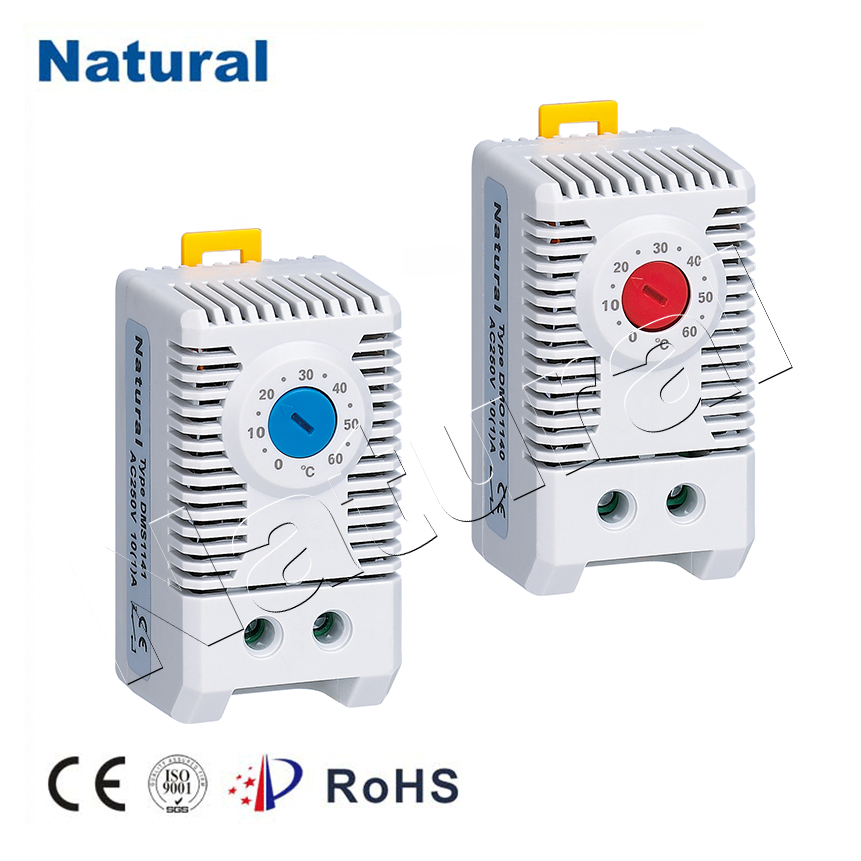
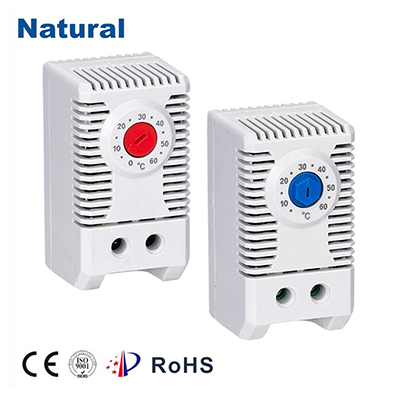
bimetal thermostat

The Science Behind Bimetal Thermostats At the core of every bimetal thermostat lies a simple yet ingenious concept: the differential expansion of two dissimilar metals when subjected to temperature changes. Typically, these metals are bonded together in a flat strip or coil. The most commonly used pair is brass and steel, with each metal having a different coefficient of thermal expansion. As temperature increases or decreases, the bimetal strip bends due to the unequal expansion rates of the two metals. This bending motion is harnessed to actuate a switch, initiating a response to control the temperature. Operation and Precision Bimetal thermostats operate on the principle that when the bimetal strip bends, it triggers a mechanical switch, either making or breaking an electrical circuit. This switch is connected to a heating or cooling system, ensuring that the desired temperature is maintained. The precision of bimetal thermostats depends on the careful selection of materials and the design of the strip. This makes them ideal for applications where accurate temperature control is critical, such as HVAC systems, refrigeration units, and household appliances like ovens and water heaters. Applications in HVAC Heating, ventilation, and air conditioning (HVAC) systems rely heavily on bimetal thermostats to maintain indoor comfort levels. These thermostats are capable of providing consistent temperature control, ensuring that a room remains warm in the winter and cool in the summer. Bimetal thermostats are not only reliable but also cost-effective, making them a popular choice in the HVAC industry. Refrigeration and Appliances In the world of refrigeration and household appliances, bimetal thermostats play a crucial role in ensuring food safety and comfort. Refrigerators, freezers, and air conditioners all use these thermostats to maintain the ideal temperature, preserving the quality of perishable goods and providing a comfortable environment for users. Automotive Applications Bimetal thermostats are also found under the hoods of cars, where they regulate engine temperature. If the engine gets too hot, the thermostat opens a valve to allow coolant to flow through the radiator, cooling the engine down. Conversely, when the engine is too cold, the thermostat restricts the flow of coolant to raise the temperature, ensuring optimal engine performance and efficiency. Advantages of Bimetal Thermostats The widespread use of bimetal thermostats can be attributed to several key advantages: Reliability:Bimetal thermostats are known for their long-term reliability and durability. They require minimal maintenance and can operate effectively for many years. Cost-Effective:These thermostats are cost-effective, making them an attractive choice for both residential and industrial applications. Wide Temperature Range:Bimetal thermostats can handle a wide temperature range, from sub-zero temperatures in freezers to high-temperature environments in ovens and industrial processes. Safety:They provide an added layer of safety by preventing overheating or freezing in various systems, safeguarding both equipment and human health. Conclusion Bimetal thermostats are a testament to the elegance of engineering solutions based on fundamental scientific principles. Their precise temperature control, reliability, and versatility have made them indispensable in countless applications, ranging from HVAC systems to automotive engines. As technology continues to advance, bimetal thermostats will likely remain a vital component of our daily lives, ensuring that we can enjoy comfort, convenience, and safety in an ever-changing world.
“Efficiency and Comfort: The Evolution of Automatic Temperature Control Thermostats”

In today’s fast-paced world, convenience and efficiency are paramount. One aspect of our daily lives that reflects this sentiment is the way we control the temperature in our homes and workplaces. Gone are the days of manual adjustments to the thermostat throughout the day; instead, we now have the marvel of automatic temperature control thermostats. These devices have revolutionized the way we manage our indoor environments, offering both enhanced comfort and significant energy savings.

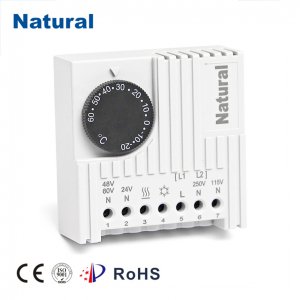
automatic temperature control thermostat

The concept of automatic temperature control has been around for quite some time, but recent advancements in technology have made these thermostats smarter and more efficient than ever before. In this article, we will delve into the evolution of automatic temperature control thermostats, exploring their features, benefits, and the positive impact they have on our lives. The Early Days of Thermostats Before the advent of automatic temperature control thermostats, the task of regulating indoor temperatures relied solely on manual thermostats. These thermostats required constant adjustments to maintain a comfortable temperature, leading to potential energy waste and fluctuations in comfort levels. However, they laid the foundation for the development of automatic systems. The Emergence of Programmable Thermostats The next step in the evolution of thermostats was the introduction of programmable thermostats. These devices allowed users to schedule temperature changes throughout the day, making it possible to reduce heating or cooling when it wasn’t needed, such as during working hours or while asleep. This innovation marked a significant improvement in energy efficiency, as it eliminated the need for constant manual adjustments. Smart Thermostats: A Technological Leap Forward The most recent and groundbreaking evolution in temperature control is the advent of smart thermostats. These devices incorporate cutting-edge technology to offer a wide range of features and benefits. Smart thermostats are Wi-Fi-enabled and can be controlled remotely via smartphone apps or voice commands. They use sensors to detect occupancy and adjust the temperature accordingly, ensuring optimal comfort while minimizing energy consumption. One of the standout features of smart thermostats is their ability to learn and adapt to users’ preferences. Over time, they analyze usage patterns and make automatic adjustments to create a tailored and energy-efficient heating and cooling schedule. Some models even consider local weather forecasts to optimize temperature settings, further increasing efficiency. Benefits of Automatic Temperature Control Thermostats Energy Efficiency:Automatic temperature control thermostats help reduce energy consumption by optimizing heating and cooling schedules. This not only lowers utility bills but also benefits the environment by decreasing greenhouse gas emissions. Convenience:The convenience of remote control and automation means you can adjust your home’s temperature from anywhere, ensuring a comfortable environment upon your return. Cost Savings:While the initial cost of a smart thermostat may be higher than traditional thermostats, the long-term savings on energy bills make them a wise investment. Improved Comfort:These thermostats maintain a consistent indoor climate, eliminating temperature fluctuations and hot/cold spots, enhancing your overall comfort. Environmental Impact:By reducing energy consumption, automatic temperature control thermostats contribute to a greener and more sustainable future. Conclusion Automatic temperature control thermostats have come a long way since the days of manual adjustments. They have evolved from simple programmable devices to sophisticated, intelligent systems that enhance our lives in many ways. Their energy efficiency, convenience, cost savings, and comfort benefits make them an essential addition to modern homes and workplaces. As technology continues to advance, we can expect even more innovative features and improved performance from these remarkable devices, further improving our quality of life while reducing our carbon footprint.

The Benefits of Air Filter Fans: Clean, Fresh, and Healthy Air

In today’s world, where air quality is a growing concern, the need for effective and efficient solutions to maintain clean and healthy indoor air is paramount. One such solution gaining popularity is the air filter fan. In this article, we will explore the advantages of air filter fans and how they can enhance the quality of the air we breathe.

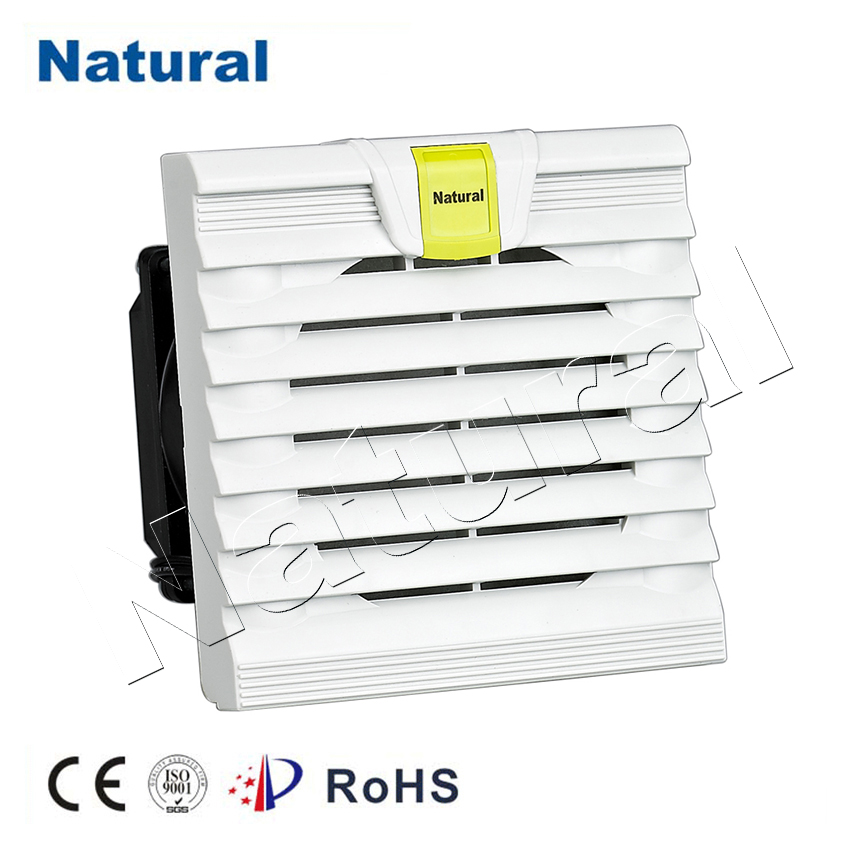
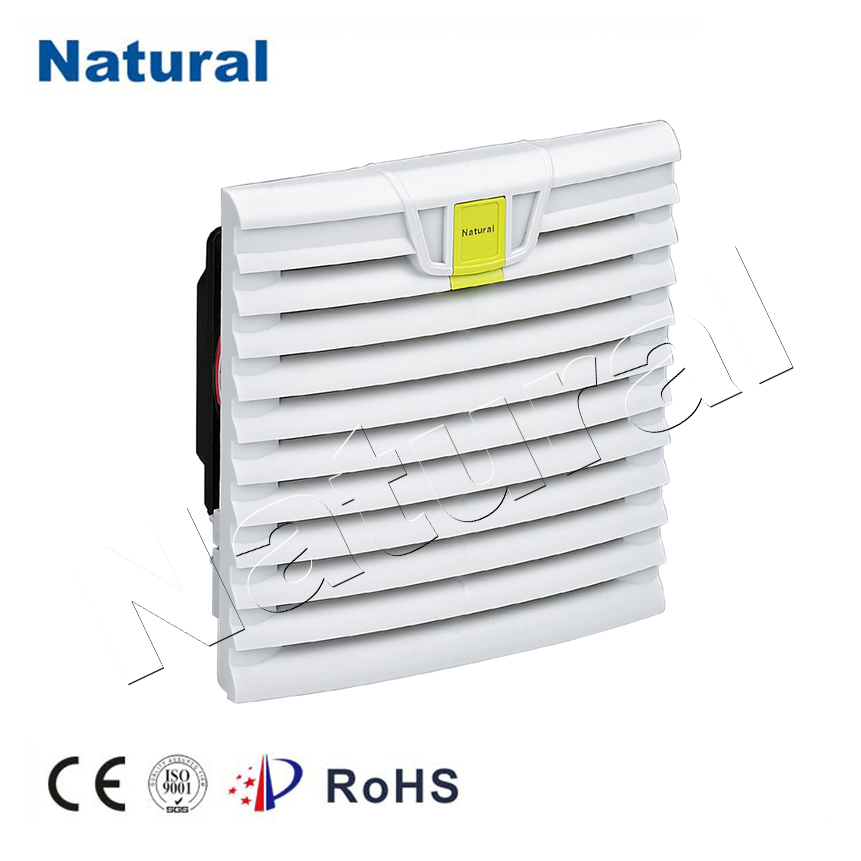
air filter fan

1. Improved Air Quality Air filter fans are designed to remove airborne particles and contaminants, such as dust, pollen, pet dander, and even harmful microorganisms, from the air. These devices utilize advanced filtration systems that can trap particles as small as 0.3 microns in size. As a result, the air in your home or office becomes noticeably cleaner, reducing the risk of allergies, asthma, and respiratory issues. 2. Enhanced Respiratory Health Cleaner air means better respiratory health. Air filter fans can significantly reduce the presence of allergens and irritants in the air, providing relief to individuals who suffer from allergies or asthma. Breathing becomes easier, and the chances of experiencing discomfort due to airborne allergens are minimized. 3. Odor Removal Beyond particles, air filter fans can also help eliminate unpleasant odors from your environment. Whether it’s cooking odors, pet smells, or the musty scent of a basement, these devices can effectively neutralize and remove unwanted odors, leaving your space smelling fresh and clean. 4. Improved Sleep Quality Clean air can have a positive impact on your sleep quality. Air filter fans work quietly in the background, purifying the air while you rest. With fewer allergens and pollutants in the air, you are less likely to wake up during the night due to allergies or breathing difficulties, leading to a more restful night’s sleep. 5. Energy Efficiency Many air filter fans are designed to be energy-efficient, consuming minimal power while operating. This not only helps reduce your electricity bills but also contributes to a more sustainable lifestyle. Choosing an energy-efficient air filter fan can have a positive impact on both your health and the environment. 6. Convenience and Portability Air filter fans come in various shapes and sizes, making them suitable for different spaces. They are often portable, allowing you to move them to areas where air quality is a particular concern. Whether you need clean air in your bedroom, living room, or office, air filter fans are versatile enough to meet your needs. 7. Easy Maintenance Maintaining air filter fans is relatively simple. Most models require periodic filter replacement, which is a straightforward task. Regular filter changes ensure the continued effectiveness of the device in keeping your air clean and healthy. 8. Peace of Mind In an era when air quality can fluctuate due to environmental factors, having an air filter fan can provide peace of mind. It acts as a constant safeguard against pollutants, ensuring that you and your family breathe in clean, fresh air no matter the external conditions. In conclusion, air filter fans are a valuable addition to any indoor environment, offering numerous benefits such as improved air quality, enhanced respiratory health, odor removal, better sleep quality, energy efficiency, convenience, and peace of mind. Investing in an air filter fan is a step toward a healthier, more comfortable, and more enjoyable living space. As concerns about air quality continue to grow, these devices provide a practical and effective solution for maintaining clean, fresh, and healthy air.

The Importance of Air Filter Cabinets in Maintaining Clean Air

In today’s increasingly polluted world, the quality of the air we breathe has become a critical concern. Air pollution not only affects our health but also has a detrimental impact on the environment. To combat this issue, the use of air filter cabinets has gained prominence. These cabinets play a vital role in ensuring the air we breathe is clean and safe. In this article, we will explore the significance of air filter cabinets and how they contribute to a healthier and more sustainable future.

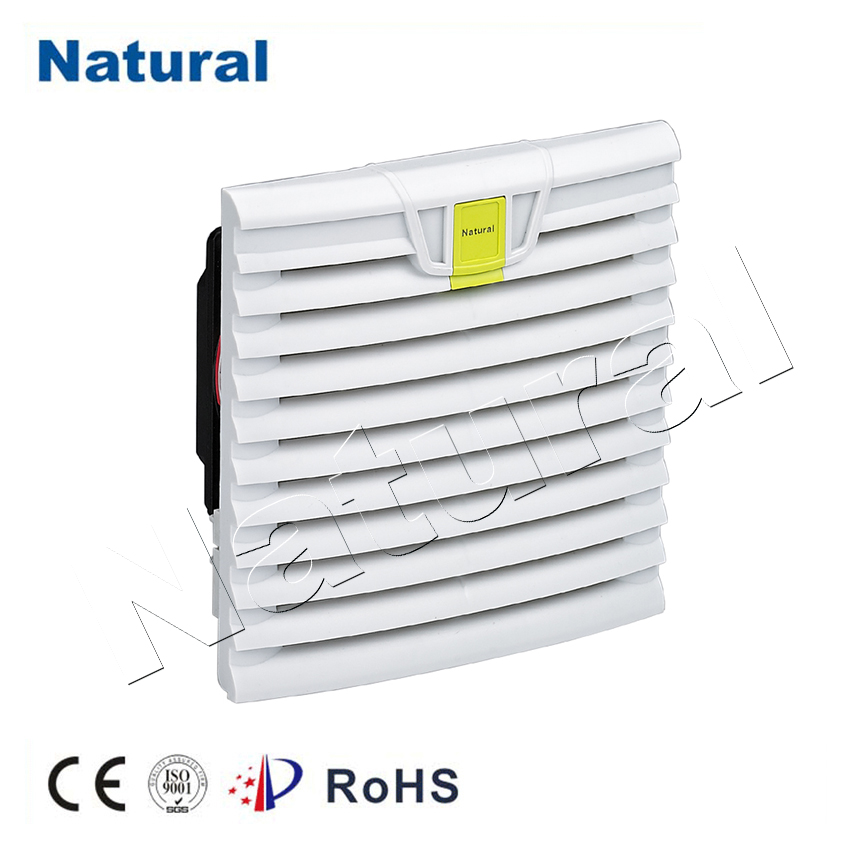
air filter cabinet

1. Filtering Out Harmful Particles Air filter cabinets are designed to remove airborne particles, contaminants, and pollutants from the air. These particles can range from dust and pollen to more harmful substances like bacteria, viruses, and even volatile organic compounds (VOCs). The filtration process helps in maintaining air quality at a level that is safe for human health. 2. Health Benefits Clean air is essential for good health. Poor air quality can lead to a variety of health issues, including respiratory problems, allergies, and skin irritations. Air filter cabinets help prevent these health problems by removing harmful particles and ensuring that the air indoors is of high quality. This is especially important for individuals with respiratory conditions like asthma. 3. Environmental Impact In addition to safeguarding human health, air filter cabinets also have a positive impact on the environment. By capturing pollutants and preventing them from being released into the atmosphere, these cabinets contribute to a reduction in outdoor air pollution. This, in turn, helps combat climate change and protects ecosystems. 4. Energy Efficiency Modern air filter cabinets are designed to be energy-efficient. They use advanced filtration technologies that require less energy to operate while still delivering high-performance results. This not only reduces energy consumption but also lowers utility bills, making them a cost-effective solution for clean air. 5. Extend the Life of HVAC Systems Air filter cabinets can extend the lifespan of heating, ventilation, and air conditioning (HVAC) systems. By capturing particles and contaminants before they can enter the system, these cabinets prevent damage and clogging of HVAC components. This leads to fewer breakdowns and the need for less frequent maintenance. 6. Improved Indoor Air Quality Indoor air quality is a significant concern, especially in homes and workplaces where people spend a significant portion of their time. Air filter cabinets play a crucial role in improving indoor air quality by removing pollutants that can accumulate indoors. This leads to a more comfortable and healthy living and working environment. 7. Allergen Reduction For individuals with allergies, air filter cabinets can be a game-changer. They effectively reduce allergens such as dust mites, pet dander, and pollen, providing relief to allergy sufferers. This allows people to breathe easier and enjoy a better quality of life. 8. Compliance with Regulations In many places, there are regulations and standards in place to ensure indoor air quality meets certain criteria. Air filter cabinets help buildings and businesses comply with these regulations, avoiding potential legal issues and fines. Conclusion Air filter cabinets are not just a luxury but a necessity in today’s world. They offer a wide range of benefits, from improving health and indoor air quality to protecting the environment and HVAC systems. As we continue to grapple with air pollution and its consequences, these cabinets stand as a crucial tool in our efforts to ensure that the air we breathe remains clean and safe. Investing in air filter cabinets is not just an investment in our well-being but also in a healthier and more sustainable future for our planet.

The Breath of Fresh Air: Exploring the Benefits of Air Filter Fans

In an increasingly industrialized and urbanized world, clean and fresh air is becoming a rare commodity. Pollution, allergens, and airborne particles pose a threat to our health and well-being. Fortunately, technological innovations have led to the development of air filter fans, devices designed to combat these challenges and provide us with a breath of fresh air. In this article, we will explore the world of air filter fans, their benefits, and why you should consider incorporating them into your living or working space.

air filter fan

Understanding Air Filter Fans Air filter fans, often simply referred to as air purifiers or air cleaners, are devices designed to remove contaminants from the air. They work by drawing in air through a series of filters that trap particles such as dust, pollen, pet dander, smoke, and even microscopic pollutants. After filtration, the purified air is released back into the room, allowing you to breathe cleaner, healthier air. Benefits of Air Filter Fans Improved Air Quality:The most obvious benefit of air filter fans is the improvement in air quality. They can remove up to 99.97% of airborne particles, providing a substantial reduction in allergens and pollutants. This is particularly beneficial for individuals with allergies, asthma, or other respiratory conditions. Health Benefits:Clean air is essential for our overall health. By reducing exposure to harmful particles and pollutants, air filter fans can help prevent respiratory issues and reduce the risk of cardiovascular diseases. Odor Removal:Air filter fans equipped with activated carbon filters can effectively eliminate unpleasant odors, such as cooking smells, pet odors, and smoke. This can lead to a more pleasant and comfortable living environment. Improved Sleep:Cleaner air can lead to better sleep quality. Air purifiers can remove allergens and irritants that may disrupt your sleep, allowing you to wake up feeling refreshed and rejuvenated. Increased Productivity:In workplaces, air filter fans can lead to increased productivity by providing employees with a healthier and more comfortable environment. Cleaner air can also reduce the occurrence of sick days among employees. Environmental Benefits:Using air filter fans can reduce the need for opening windows and doors to ventilate spaces, which can be especially beneficial in areas with high outdoor pollution levels. This can also contribute to energy savings by maintaining a more consistent indoor temperature. Easy Maintenance:Air filter fans are generally easy to maintain. Most models require only periodic filter replacement, and some even come with filter replacement indicators to make the process even more convenient. Choosing the Right Air Filter Fan When selecting an air filter fan, consider factors such as room size, the specific contaminants you want to address, and the device’s noise level. High-efficiency particulate air (HEPA) filters are renowned for their effectiveness in removing particles, while activated carbon filters excel at eliminating odors. Some models even come with additional features like UV-C sterilization to kill bacteria and viruses. Conclusion In a world where clean air is becoming increasingly scarce, air filter fans offer a practical solution to improve the quality of the air we breathe. Their numerous benefits, from health improvements to environmental advantages, make them a worthwhile addition to homes, offices, and other indoor spaces. By investing in an air filter fan, you’re not just enhancing your immediate surroundings; you’re also investing in a healthier and more comfortable future. Breathe easy with the assistance of these remarkable devices.

The Ingenious Invention of the Adjustable Thermostat

In our modern world, we often take for granted the comfort and convenience of controlling the temperature in our homes with the flip of a switch or the push of a button. It’s an invention that has revolutionized our lives, and it goes by the name of the adjustable thermostat. In this article, we will explore the history, technology, and impact of this ingenious device.

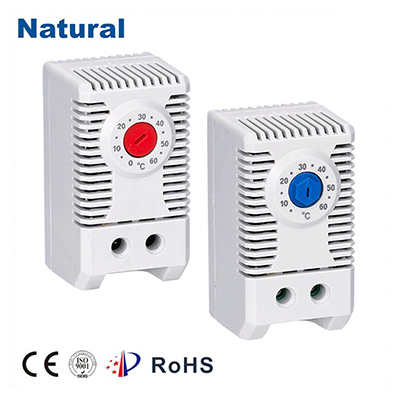
adjustable thermostat

The Birth of a Game-Changer The adjustable thermostat, a device that allows us to regulate the temperature of our living spaces, has a fascinating history that dates back to the early 19th century. Before its invention, maintaining a comfortable indoor climate was a challenging task. People had to rely on manually adjusting dampers, opening windows, or using bulky and inefficient heating stoves. These methods were not only cumbersome but also often resulted in discomfort and wasted energy. The breakthrough came in 1883 when Warren S. Johnson, an American inventor, introduced the first practical thermostat. His invention, known as the “Johnson System,” employed a bimetallic coil that expanded and contracted with temperature changes, thus opening or closing a circuit to control heating and cooling systems. This marked the beginning of a new era in home comfort. Evolution of Technology Over the years, thermostats have evolved significantly. From the early bimetallic designs to the electromechanical thermostats of the mid-20th century, and finally to the digital and smart thermostats of today, the technology has come a long way. Electromechanical thermostats, which dominated the market for many years, used a mercury switch to control the temperature. However, these thermostats had several drawbacks, including the use of toxic mercury and limited accuracy. The digital revolution in the late 20th century brought about programmable thermostats, allowing homeowners to set schedules for heating and cooling. This innovation not only enhanced comfort but also led to energy savings by reducing heating and cooling when not needed. In recent years, smart thermostats have taken center stage. These devices connect to Wi-Fi networks, enabling remote control via smartphone apps and integration with smart home systems. They use advanced algorithms to learn user preferences and adjust temperatures accordingly, maximizing energy efficiency and comfort. Energy Efficiency and Environmental Impact The adjustable thermostat has had a profound impact on energy consumption and the environment. By allowing precise control of heating and cooling systems, it has helped reduce energy waste and lower utility bills. Programmable and smart thermostats, in particular, have played a crucial role in promoting energy efficiency. Moreover, as the world becomes more conscious of environmental issues, the thermostat’s role in reducing carbon emissions cannot be overlooked. Efficient temperature control means fewer greenhouse gas emissions, making it an essential tool in the fight against climate change. Challenges and Future Prospects Despite the advancements in thermostat technology, there are still challenges to overcome. One of the primary concerns is the disposal of old thermostats containing mercury, which poses environmental risks. Additionally, the proliferation of smart thermostats has raised privacy and cybersecurity concerns. Looking ahead, the future of thermostats appears promising. We can expect further innovations in energy-efficient algorithms, enhanced integration with renewable energy sources, and increased connectivity with other smart devices in our homes. These developments will not only make our lives more comfortable but also contribute to a sustainable and eco-friendly future. Conclusion The adjustable thermostat is a testament to human ingenuity and innovation. From its humble beginnings in the 19th century to the sophisticated smart thermostats of today, this invention has transformed the way we control the temperature in our homes. It has made our lives more comfortable, saved energy, and contributed to environmental sustainability. As we continue to advance in technology, we can look forward to even more intelligent and eco-friendly solutions for managing our indoor climate.

The Ingenious Invention of the Adjustable Temperature Control Switch

In the modern world, we often take for granted the comfort and convenience of temperature-controlled environments. Whether it’s a cozy winter’s night with the heater turned up or a scorching summer day with the air conditioner on full blast, the ability to adjust indoor temperatures to our liking has become an integral part of our daily lives. Behind this comfort lies a remarkable invention: the adjustable temperature control switch.

adjustable temperature control switch

The Evolution of Temperature Control: A Brief History To truly appreciate the significance of the adjustable temperature control switch, we must first delve into its history. In the past, regulating indoor temperatures was a laborious and imprecise task. Early humans relied on natural methods like opening windows, lighting fires, or using primitive fans. As technology advanced, so did our methods of temperature control. One significant breakthrough was the invention of the thermostat in the 17th century. This device allowed for some degree of control over heating systems, but it was far from perfect. It wasn’t until the 20th century that the adjustable temperature control switch as we know it today came into existence. The Birth of the Adjustable Temperature Control Switch The modern adjustable temperature control switch owes its creation to a combination of technological advancements and innovative minds. In the early 20th century, the demand for more precise temperature regulation in homes, businesses, and industries led to the development of this remarkable device. One of the pioneers in this field was Warren S. Johnson, an American inventor, and entrepreneur. In 1883, Johnson founded the Johnson Electric Service Company, which later became Johnson Controls. Johnson’s pivotal invention, the first electric room thermostat, laid the foundation for the adjustable temperature control switch. How It Works The adjustable temperature control switch operates on a simple yet ingenious principle: it senses the current temperature and adjusts the heating or cooling system to maintain a desired temperature set by the user. This process involves several key components: Temperature Sensor: The heart of the system is a temperature sensor, often a bimetallic coil, a thermistor, or a semiconductor. This sensor constantly monitors the ambient temperature. Setpoint: Users can set their desired temperature using a dial or digital interface. The control switch then compares this setpoint with the current temperature. Actuator: When the current temperature deviates from the setpoint, the control switch activates an actuator. This can be a heating element, cooling compressor, or a fan, depending on whether the goal is to increase or decrease the temperature. Feedback Loop: The control switch continuously adjusts the actuator until the current temperature matches the desired setpoint, creating a closed-loop feedback system. Applications and Advantages The adjustable temperature control switch is not limited to residential use. It has found applications in a wide range of industries, from manufacturing and agriculture to healthcare and aerospace. Some of its key advantages include: Energy Efficiency: By maintaining a consistent temperature, it reduces energy wastage and lowers utility bills. Comfort: It provides comfort and convenience by ensuring that indoor environments remain at the desired temperature. Environmental Impact: The precise temperature control helps reduce greenhouse gas emissions by optimizing heating and cooling systems. Industrial Automation: In industrial settings, these switches are crucial for maintaining specific temperature conditions required for manufacturing processes. Conclusion The adjustable temperature control switch may seem like a small and unassuming device, but its impact on our lives is immeasurable. From humble beginnings to widespread adoption across various industries, it has revolutionized how we experience comfort and efficiency in our daily lives. As we continue to prioritize energy efficiency and sustainability, the adjustable temperature control switch will play an increasingly vital role in helping us create a more comfortable and environmentally responsible world. It stands as a testament to human ingenuity, innovation, and the relentless pursuit of better ways to control our environment.

The Versatility and Efficiency of 24V Thermostats

With the increasing focus on energy conservation and smart home technology, the humble thermostat has undergone a significant transformation in recent years. Among the various types of thermostats available, the 24V thermostat has emerged as a versatile and efficient choice for controlling heating, ventilation, and air conditioning (HVAC) systems in both residential and commercial settings.

24v thermostat

The Basics of 24V Thermostats A 24V thermostat, also known as a low-voltage thermostat, operates on a low voltage electrical circuit, typically 24 volts AC (alternating current). This is in contrast to line-voltage thermostats, which operate at 120 volts or 240 volts AC. The lower voltage of 24V thermostats offers several advantages, including enhanced safety and compatibility with a wide range of HVAC systems. Compatibility and Versatility One of the key strengths of 24V thermostats is their compatibility with various HVAC systems. Whether you have a forced-air furnace, a central air conditioning unit, a heat pump, or a combination of these systems, a 24V thermostat can likely work with them. This compatibility makes it a popular choice for both residential and commercial applications, providing flexibility to homeowners, businesses, and HVAC professionals. Energy Efficiency Energy efficiency is a primary concern for many homeowners and businesses today. 24V thermostats play a crucial role in optimizing energy consumption. These thermostats offer precise temperature control, allowing users to set their HVAC systems to operate only when needed. Many 24V thermostats are programmable, enabling users to create customized heating and cooling schedules to match their daily routines. This level of control can lead to substantial energy savings over time. Smart Technology Integration The rise of smart home technology has given birth to a new generation of 24V thermostats that can be controlled remotely using smartphones, tablets, or voice-activated assistants like Amazon Alexa or Google Assistant. These smart thermostats offer features like geofencing, learning algorithms, and real-time energy consumption tracking, further enhancing energy efficiency and user convenience. Easy Installation and Maintenance Installing a 24V thermostat is generally straightforward, especially when compared to line-voltage thermostats. Most 24V thermostats come with clear installation instructions, and many homeowners find them suitable for DIY installation. Additionally, maintenance is typically minimal, with most 24V thermostats requiring occasional battery replacement or software updates. Cost-Effective Choice Another advantage of 24V thermostats is their affordability. These thermostats are usually more cost-effective than their line-voltage counterparts, making them an attractive option for budget-conscious consumers. The potential energy savings they offer can often justify the initial investment in a 24V thermostat. Conclusion In conclusion, 24V thermostats have become a preferred choice for controlling HVAC systems due to their compatibility, energy efficiency, and affordability. Whether you’re looking to reduce your energy bills, integrate smart technology into your home, or simply enjoy precise temperature control, a 24V thermostat is a versatile and efficient solution. As technology continues to advance, we can expect even more innovative features and capabilities to be integrated into these essential devices, further enhancing their value in our homes and businesses.

The Versatility and Efficiency of 24V DC Thermostats

文章:

24v dc thermostat

In the world of heating and cooling systems, thermostats play a crucial role in maintaining comfort and energy efficiency. Among the various types of thermostats available, 24V DC thermostats have gained significant attention for their versatility and efficiency. In this article, we will delve into the world of 24V DC thermostats, exploring their benefits, applications, and how they contribute to a more sustainable future. Efficiency at Its Core The primary advantage of 24V DC thermostats lies in their efficiency. Unlike line voltage thermostats that operate at higher voltages, 24V DC thermostats consume significantly less power. This lower power consumption not only reduces energy costs but also minimizes the strain on your HVAC (Heating, Ventilation, and Air Conditioning) system. By maintaining a stable temperature without unnecessary energy consumption, 24V DC thermostats help reduce your carbon footprint. Wide Range of Applications 24V DC thermostats are incredibly versatile and can be used in various heating and cooling systems. They are commonly found in residential homes, commercial buildings, and industrial facilities. Whether you have a central heating and cooling system, a heat pump, or a multi-zone HVAC setup, a 24V DC thermostat can provide precise control over the temperature, ensuring optimal comfort and energy efficiency. Compatibility with Modern Technology One of the key features that make 24V DC thermostats stand out is their compatibility with modern technology. Many 24V DC thermostats are equipped with programmable features, allowing users to create customized heating and cooling schedules. Some models even offer remote access through smartphone apps, enabling homeowners to control their HVAC systems from anywhere. This level of control not only enhances convenience but also contributes to energy savings by adjusting the temperature based on occupancy and weather conditions. Energy Savings and Sustainability Reducing energy consumption is a critical step in achieving a more sustainable future. 24V DC thermostats are instrumental in this endeavor. By efficiently regulating temperature and minimizing unnecessary HVAC operation, these thermostats help conserve energy and reduce greenhouse gas emissions. This not only benefits the environment but also translates into lower energy bills for consumers. Ease of Installation and Maintenance Installing a 24V DC thermostat is relatively straightforward, and many homeowners find that they can do it themselves. With clear instructions and user-friendly interfaces, these thermostats make it easy to set up and program according to your preferences. Additionally, their low-voltage operation means they are safer to work with and pose less risk of electrical hazards. When it comes to maintenance, 24V DC thermostats typically require minimal attention, contributing to their long-term cost-effectiveness. Conclusion In summary, 24V DC thermostats offer a winning combination of efficiency, versatility, and compatibility with modern technology. They are instrumental in achieving energy savings and reducing our environmental impact. Whether you are looking to upgrade your existing thermostat or install a new HVAC system, consider the benefits of a 24V DC thermostat. By making this choice, you not only enhance your comfort but also take a step toward a more sustainable and energy-efficient future.

The Versatile Warmth: Exploring the World of 12V Heaters

In a world where staying warm is essential for comfort and survival, 12V heaters have become indispensable gadgets that offer warmth and convenience on the go. These compact and versatile devices are designed to operate in various settings, making them ideal for a wide range of applications. In this article, we will delve into the world of 12V heaters, exploring their functionality, applications, and benefits.

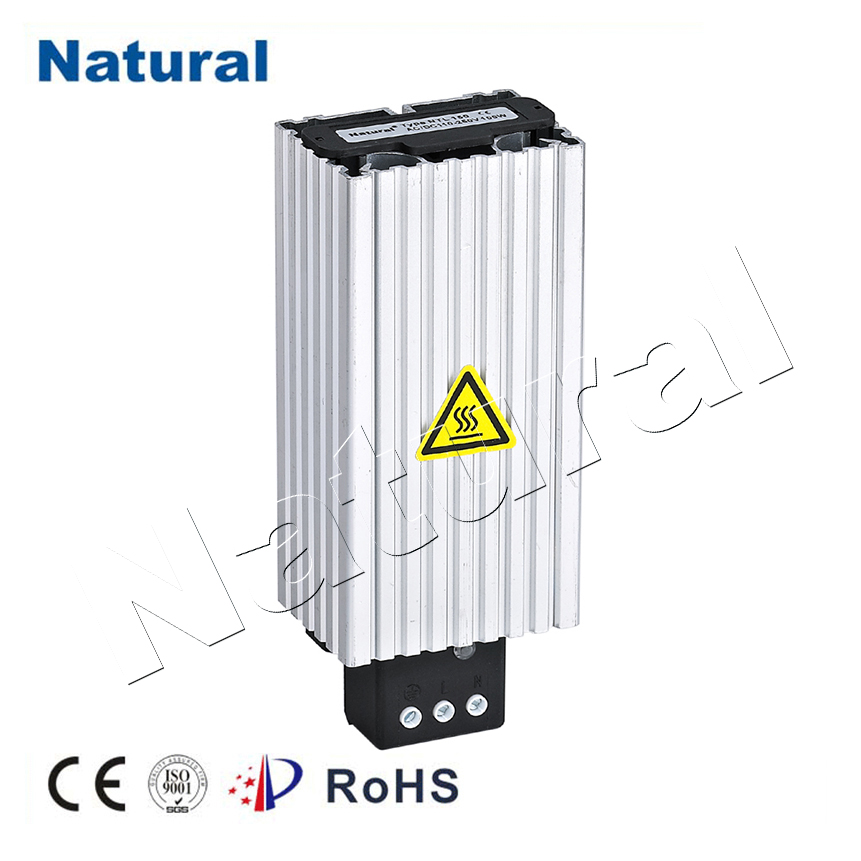
12v heater

Unraveling the 12V Heater A 12V heater, as the name suggests, operates on a 12-volt power source, commonly provided by a vehicle’s battery or a portable power bank. These heaters are designed to convert electrical energy into heat, creating a cozy and comfortable environment even in the chilliest conditions. Let’s take a closer look at how they work and where they find their applications. How 12V Heaters Work 12V heaters primarily use two methods to generate warmth: convection and radiant heating. Convection heaters circulate air through a heating element, gradually warming the surrounding space. Radiant heaters, on the other hand, emit infrared radiation that directly heats objects and people within their vicinity. This distinction allows users to choose the type of heater that best suits their needs. Versatile Applications 1. Automotive Comfort One of the most common uses of 12V heaters is in vehicles. Whether you’re facing a freezing winter morning or a chilly evening drive, a 12V heater can make all the difference. These heaters can defrost your windows, warm your car’s interior, and keep you cozy during long journeys, making them a must-have accessory for any vehicle owner. 2. Camping and Outdoor Adventures For outdoor enthusiasts, 12V heaters are a game-changer. Whether you’re camping, RVing, or simply spending time outdoors, these heaters can provide a warm retreat when the temperature drops. Portable 12V heaters are designed with convenience in mind, offering easy setup and operation in remote locations. 3. Emergency Heating In emergency situations, such as power outages during winter storms, a 12V heater can be a lifesaver. They can be connected to a backup power source, like a car battery or a portable generator, to provide essential heat when traditional heating systems fail. 4. Boating and Marine Use Boaters and sailors often face harsh weather conditions, especially during cold seasons. 12V heaters are a valuable addition to boats and yachts, ensuring that passengers stay comfortable and safe while on the water. Benefits of 12V Heaters Portability: Most 12V heaters are compact and lightweight, making them easy to transport and set up wherever needed. Energy Efficiency: They are energy-efficient, drawing power only when in use, which can help conserve your vehicle’s battery. Quick Heating: 12V heaters provide rapid warmth, ensuring you stay comfortable without waiting for extended periods. Safety: Many 12V heaters come with safety features like overheat protection and tip-over switches, reducing the risk of accidents. Cost-Effective: Compared to traditional heating systems, 12V heaters are often more affordable and cost-effective to operate. Conclusion 12V heaters are versatile devices that have found their way into various aspects of our lives, providing warmth and comfort in a range of situations. Whether you’re on the road, enjoying the great outdoors, facing an emergency, or sailing the seas, these compact heaters are there to ensure you stay warm and cozy. As technology continues to advance, we can expect even more innovations in the world of 12V heaters, making them an essential tool for modern living. Stay warm, stay comfortable, and explore the endless possibilities of 12V heaters.