Monthly Archives: September 2023

Exploring the Versatility of DIN Rail Thermostats

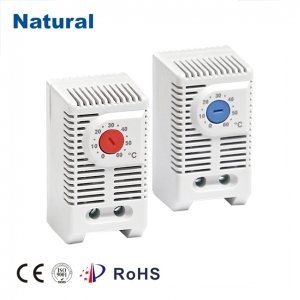
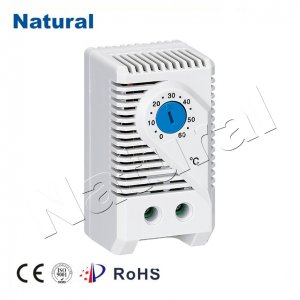
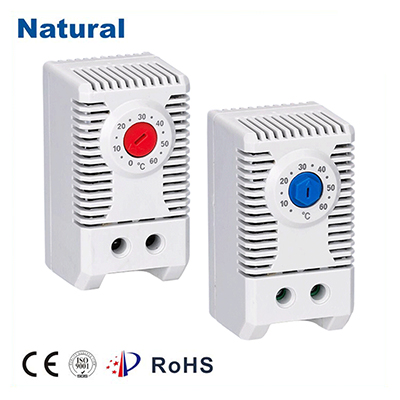
DIN Rail thermostats, often referred to as industrial thermostats, play a pivotal role in maintaining precise temperature control in a variety of industrial and commercial applications. These compact and robust devices are designed to be mounted on DIN rails, making them an essential component in many control panels and electrical enclosures. In this article, we will delve into the world of DIN Rail thermostats, exploring their functionality, applications, and advantages.

din rail thermostat

Introduction DIN Rail thermostats are temperature control devices designed to regulate heating or cooling equipment within industrial settings. Their compact design and compatibility with DIN rails make them an ideal choice for various industries, including manufacturing, HVAC, and automation. These thermostats are equipped with a range of features that make them versatile and suitable for a wide array of applications. Functionality DIN Rail thermostats function by sensing temperature changes and activating connected heating or cooling equipment accordingly. They consist of a temperature sensor, a control unit, and a relay switch. The temperature sensor monitors the ambient temperature, and the control unit compares it to the desired setpoint temperature. When the actual temperature deviates from the setpoint, the control unit triggers the relay to turn the connected equipment on or off. Applications Industrial Processes: DIN Rail thermostats are commonly used in industrial processes that require precise temperature control. They ensure that machinery, chemical reactors, and ovens maintain the desired temperature levels. HVAC Systems: In commercial buildings, HVAC (Heating, Ventilation, and Air Conditioning) systems rely on DIN Rail thermostats to regulate temperature and maintain comfort for occupants. Greenhouses: These thermostats are vital in greenhouse operations, helping to create optimal growing conditions for plants by controlling heating and cooling systems. Food Industry: DIN Rail thermostats are used in food processing and storage facilities to maintain temperature-sensitive environments, ensuring the quality and safety of food products. Energy Efficiency: They are instrumental in energy-efficient applications, as they help minimize energy consumption by ensuring that heating or cooling systems are only active when necessary. Advantages Space-saving: DIN Rail thermostats are compact and mountable on standard DIN rails, saving valuable space in control panels and enclosures. Durability: Built to withstand harsh industrial environments, these thermostats are designed to be rugged and reliable. Versatility: They are compatible with a wide range of heating and cooling equipment, making them adaptable to diverse applications. Ease of Installation: DIN Rail thermostats are easy to install and wire, simplifying the setup process for technicians. Cost-effective: Their reliability and longevity make them a cost-effective choice for temperature control solutions. Conclusion DIN Rail thermostats are indispensable components in industries that require precise temperature control. Their versatility, durability, and space-saving design make them an excellent choice for a variety of applications, from industrial processes to HVAC systems. As technology continues to advance, DIN Rail thermostats will likely play an even more significant role in ensuring efficient and reliable temperature regulation in the industrial and commercial sectors.
DIN Rail Temperature Controller: Precision and Versatility in Temperature Management

文章:

din rail temperature controller

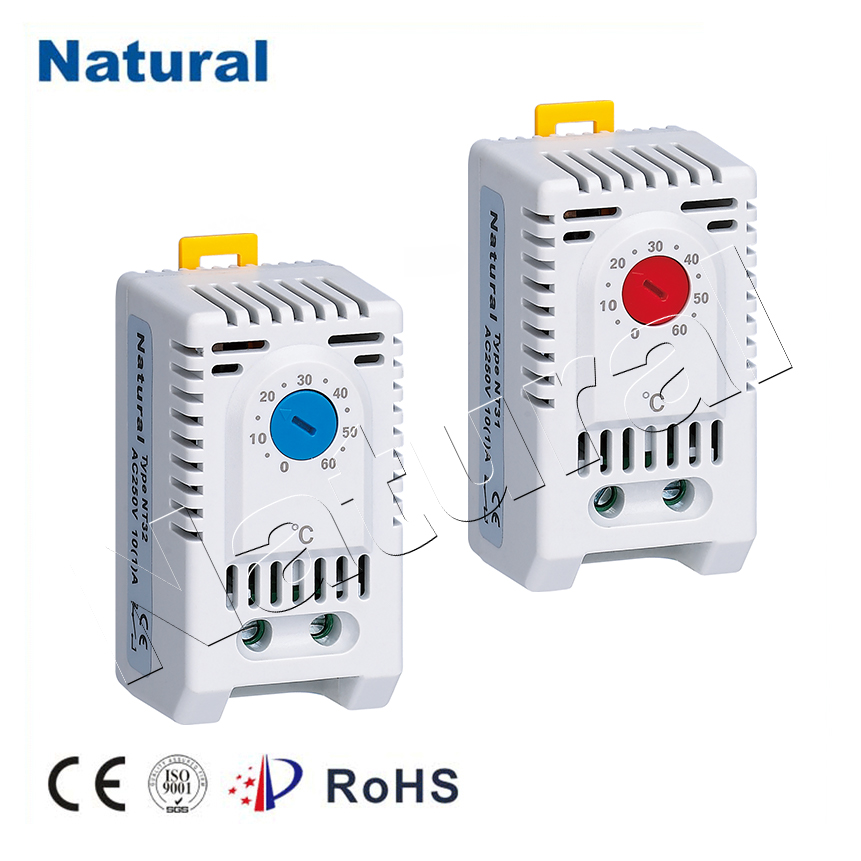
In today’s industrial landscape, precise temperature control is a critical element in ensuring the efficiency and reliability of various processes. Whether it’s maintaining the optimal temperature in a manufacturing facility or controlling the temperature of a complex chemical reaction, having the right tools for the job is paramount. One such tool that has gained widespread recognition for its accuracy and versatility is the DIN Rail Temperature Controller. The Evolution of Temperature Control Temperature controllers have come a long way since their inception. From simple thermostats to advanced digital controllers, the quest for more precise and efficient temperature regulation has been relentless. DIN Rail Temperature Controllers represent a significant milestone in this journey. What is a DIN Rail Temperature Controller? A DIN Rail Temperature Controller is a compact, modular, and highly adaptable device designed to regulate temperature within a specified range. It can be easily mounted on a DIN rail, which is a standardized metal rail commonly used in industrial settings for mounting various control and automation components. This feature allows for easy integration into control panels and cabinets. Key Features and Benefits 1. Precision Control One of the standout features of DIN Rail Temperature Controllers is their exceptional precision. These controllers offer highly accurate temperature regulation, ensuring that processes are maintained within the desired temperature range. This level of precision is crucial in industries where even slight temperature deviations can lead to costly inefficiencies or product defects. 2. Versatility DIN Rail Temperature Controllers are available in a wide range of configurations to suit various applications. They can handle both heating and cooling processes, making them suitable for a broad spectrum of industries, including manufacturing, food processing, and HVAC (Heating, Ventilation, and Air Conditioning). Their flexibility allows for the control of diverse heating elements, such as resistance heaters, thermocouples, and more. 3. User-Friendly Interface Most DIN Rail Temperature Controllers come equipped with user-friendly interfaces, often featuring digital displays and intuitive controls. This ensures that operators can easily set and adjust temperature parameters, making it convenient to monitor and fine-tune processes as needed. 4. Compact Design The compact design of DIN Rail Temperature Controllers saves valuable space in control panels and cabinets. This space-efficient form factor is especially beneficial in crowded industrial environments where every inch counts. 5. Reliability Reliability is a non-negotiable factor in industrial applications. DIN Rail Temperature Controllers are known for their durability and robustness, which ensures consistent performance even in harsh operating conditions. 6. Modular Expandability One of the most significant advantages of DIN Rail Temperature Controllers is their modular nature. Users can expand and customize their temperature control systems by adding additional modules or components as needed, making them adaptable to evolving requirements. Applications DIN Rail Temperature Controllers find application in a wide range of industries, including but not limited to: Manufacturing: Precise temperature control is crucial in manufacturing processes, ensuring product quality and consistency. Food Processing: From baking to brewing, maintaining the right temperature is essential in the food and beverage industry. Pharmaceuticals: Temperature-sensitive processes in pharmaceutical production rely on accurate temperature control. HVAC: Controlling heating and cooling systems efficiently is vital for energy conservation and occupant comfort. Chemical Processing: Many chemical reactions are highly temperature-dependent, requiring precise control to achieve desired outcomes safely. Conclusion In today’s industrial landscape, precision and versatility are key components of efficient temperature control. DIN Rail Temperature Controllers excel in both these areas, offering a reliable and customizable solution for a wide range of applications. As industries continue to evolve and demand more sophisticated temperature control solutions, DIN Rail Temperature Controllers are poised to play an increasingly vital role in maintaining the optimal temperature for various processes, ultimately contributing to improved productivity and product quality.

The Essential Role of Cooling Fan Filters in PC Maintenance

In the realm of computer hardware, enthusiasts and professionals alike understand the significance of proper cooling. Overheating can be detrimental to a computer’s performance, leading to reduced lifespan and even data loss. Cooling fans play a pivotal role in maintaining the optimal temperature of various computer components. However, these fans can become clogged with dust and debris, compromising their efficiency. This is where cooling fan filters come into play. In this article, we will explore the importance of cooling fan filters and how they contribute to the longevity and performance of your PC.

cooling fan filters

1. Dust: The Silent Killer of PCs Dust is a ubiquitous adversary for electronics, and PCs are no exception. Even in seemingly clean environments, microscopic dust particles can infiltrate your computer’s case, settling on vital components. Over time, this accumulation can lead to overheating, which in turn can cause system instability or even permanent damage. 2. The Role of Cooling Fans Cooling fans are strategically placed within a computer case to dissipate heat generated by the CPU, GPU, and other components. They draw in cool air and expel hot air, ensuring that your PC operates within safe temperature ranges. However, as air is drawn into the case, it also carries dust and debris with it. 3. Cooling Fan Filters: A Shield Against Dust Cooling fan filters act as a barrier between the incoming air and your computer’s components. These filters are typically made from fine mesh or foam that can trap dust particles before they enter the case. By doing so, they prevent dust from settling on your CPU heatsink, GPU, and other sensitive parts. 4. Benefits of Cooling Fan Filters a.Improved Cooling Efficiency: Unobstructed airflow is essential for effective cooling. By preventing dust from clogging your fans and heatsinks, filters ensure that air can flow freely, maintaining lower temperatures inside your PC. b.Extended Hardware Lifespan: Overheating can significantly reduce the lifespan of computer components. Cooling fan filters help prevent overheating, thus prolonging the life of your CPU, GPU, and other hardware. c.Reduced Maintenance Frequency: Without filters, you would need to clean your computer’s interior more frequently to remove dust buildup. Filters significantly reduce the frequency of these cleanings, saving you time and effort. 5. Types of Cooling Fan Filters Cooling fan filters come in various shapes and sizes, designed to fit different case and fan configurations. Some are magnetic and can be easily attached to the fan intake areas, while others are secured with screws or clips. When selecting a filter, ensure it is compatible with your case and fan setup. 6. Maintenance and Cleaning While cooling fan filters reduce the amount of dust entering your PC, they still require regular maintenance. Depending on the environment, you should clean or replace the filters every few months. This simple step will help ensure that your computer continues to run smoothly and efficiently. 7. Conclusion Cooling fan filters are an often overlooked but essential component in PC maintenance. They provide a cost-effective solution to prevent dust buildup, reduce overheating, and extend the life of your computer hardware. Whether you are a gaming enthusiast or a professional relying on your PC for work, investing in cooling fan filters is a small step that can yield significant benefits. Protect your investment and keep your PC running at its best by adding these filters to your setup today.

Control Bimetal Thermostat Thermal Protector: Ensuring Safety and Precision

In today’s technologically advanced world, control bimetal thermostat thermal protectors play a pivotal role in maintaining the safety and efficiency of various electronic and electrical appliances. These devices are essential for regulating temperature and preventing overheating, which can lead to malfunctions, fires, or even worse. In this article, we will delve into the significance of control bimetal thermostat thermal protectors and explore their applications and mechanisms.

control bimetal thermostat thermal protector

The Role of Control Bimetal Thermostat Thermal Protectors Control bimetal thermostat thermal protectors are miniature but mighty devices designed to control temperature in a variety of applications. Their primary function is to protect equipment from overheating by interrupting the electrical circuit when the temperature reaches a preset level. This action prevents further temperature rise and potential damage to the equipment. Applications Home Appliances:Bimetal thermostat thermal protectors are commonly used in household appliances like electric irons, coffee makers, and toasters. They ensure that these appliances operate within a safe temperature range, preventing fires and prolonging the life of the device. Motors and Compressors:In industrial settings, control bimetal thermostat thermal protectors are critical components in motors and compressors. They safeguard these machines from overheating, which can lead to costly downtime and repairs. Battery Packs:Lithium-ion battery packs, used in devices like laptops and power tools, rely on bimetal thermostat thermal protectors to prevent thermal runaway and potential explosions due to excessive heat. Operating Mechanism Control bimetal thermostat thermal protectors function on the principle of bimetallic strips. These strips are composed of two different metals with different coefficients of thermal expansion. When exposed to heat, one metal expands more than the other, causing the strip to bend or warp. This bending action is used to actuate a switch, opening the electrical circuit and interrupting the power supply to the device. The temperature at which this switch opens is predetermined during manufacturing, ensuring that the protector activates at a safe threshold for the specific application. Benefits of Control Bimetal Thermostat Thermal Protectors Reliability:These devices are known for their reliability and durability, making them a preferred choice for safety-critical applications. Cost-Effective:Control bimetal thermostat thermal protectors are cost-effective solutions for preventing overheating-related damage, reducing repair and replacement costs. Compact Design:Their small size and simple design make them easy to integrate into various electronic and electrical systems. Customization:Manufacturers can customize these protectors to suit specific temperature and application requirements, ensuring precise thermal control. Challenges and Future Developments While control bimetal thermostat thermal protectors are highly effective, they do have some limitations. They may not provide the ultra-precise temperature control required in some advanced applications, such as semiconductor manufacturing. In response to this challenge, researchers and engineers are continually working on developing more sophisticated thermal protection solutions, including digital temperature sensors and adaptive control systems. In conclusion, control bimetal thermostat thermal protectors are indispensable components in ensuring the safety and reliability of electronic and electrical devices across various industries. Their ability to respond to temperature changes swiftly and accurately makes them vital in preventing overheating-related incidents. As technology continues to evolve, so too will the capabilities of these protectors, contributing to the enhanced performance and longevity of our everyday appliances and industrial machinery.

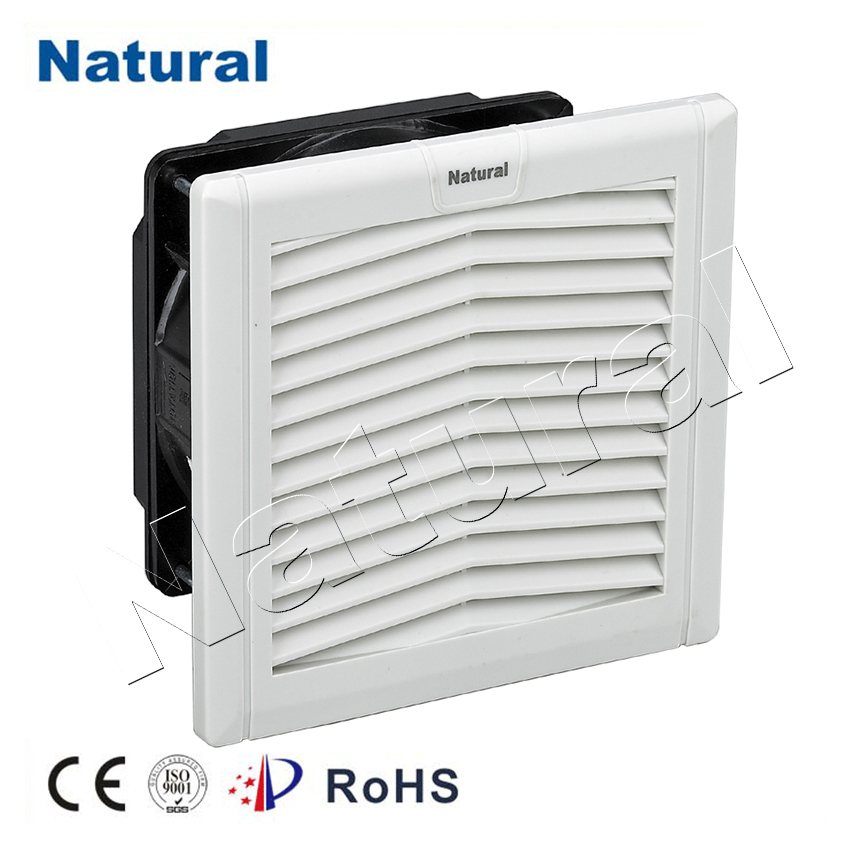
The Essential Role of Cabinet Ventilation Fan Filters

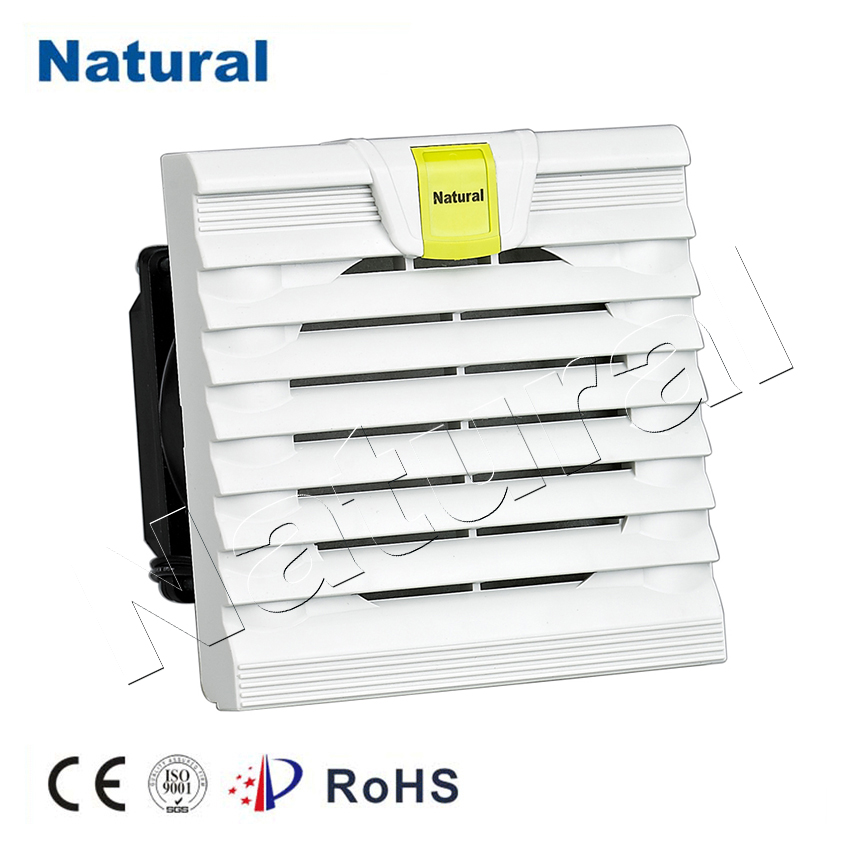
In today’s rapidly advancing technological landscape, cabinets play a crucial role in housing various electronic and electrical equipment. These cabinets ensure the protection and functionality of delicate components, such as servers, switches, and power supplies. However, as electronic devices become more sophisticated, they generate heat, which can jeopardize their performance and longevity. To counter this issue, cabinet ventilation fan filters have emerged as an indispensable solution, ensuring optimal cooling and air quality within cabinets.

cabinet ventil fan filter

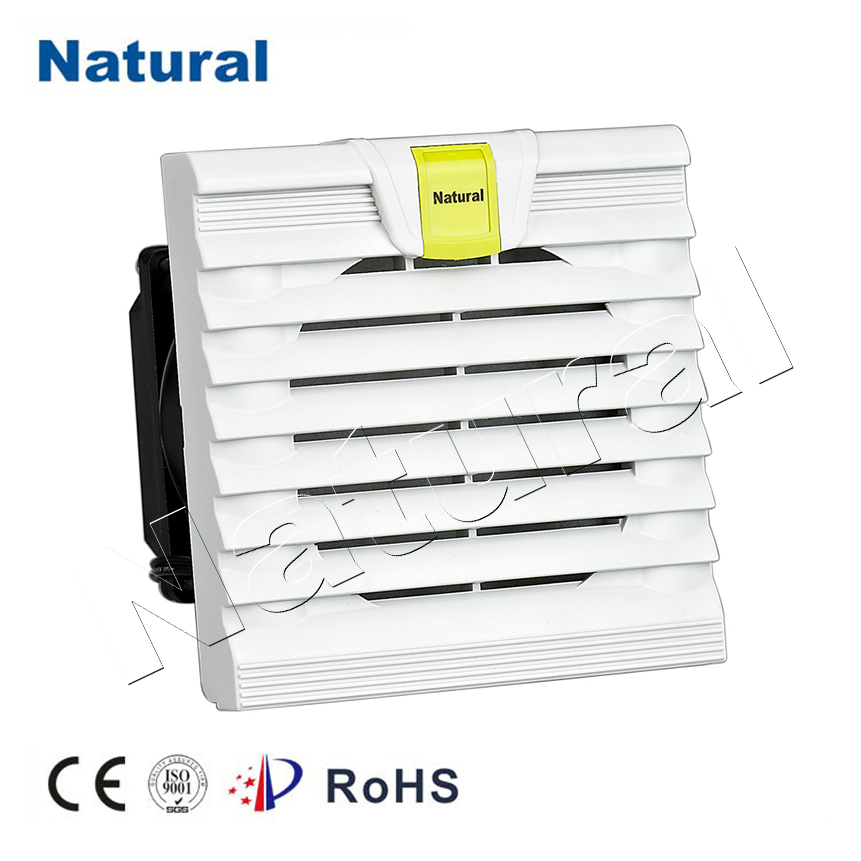
Understanding Cabinet Ventilation Fan Filters Cabinet ventilation fan filters are specialized components designed to maintain a controlled environment inside electronic cabinets. They serve two primary purposes: cooling and air filtration. Let’s delve into each of these functions. 1. Cooling:Electronic devices are prone to overheating, which can lead to a plethora of problems, including reduced performance and permanent damage. Cabinet ventilation fan filters facilitate the expulsion of hot air from the cabinet, allowing cooler air to circulate and dissipate heat effectively. This cooling process is vital for ensuring the reliability and longevity of the enclosed electronics. 2. Air Filtration:In addition to cooling, cabinet ventilation fan filters play a pivotal role in maintaining a clean and dust-free environment. Dust and debris can accumulate inside cabinets over time, clogging delicate components, and potentially causing malfunctions. Fan filters capture and prevent these particles from entering the cabinet, safeguarding the equipment from damage. Key Features and Benefits: 1. Efficient Filtration:Cabinet ventilation fan filters are equipped with fine mesh materials designed to trap even the tiniest particles. This level of filtration ensures that dust, dirt, and other contaminants are kept at bay, preserving the integrity of the electronics within. 2. Extended Equipment Lifespan:By preventing dust buildup and reducing internal temperatures, fan filters significantly contribute to prolonging the life of electronic devices. This translates to cost savings through reduced maintenance and replacement expenses. 3. Improved Air Quality:Clean air inside cabinets contributes to better overall air quality, which is especially crucial in industrial settings where employees may be exposed to airborne particles. Cabinet fan filters not only protect the equipment but also contribute to a healthier work environment. 4. Energy Efficiency:Efficient cooling facilitated by cabinet fan filters can lead to energy savings. When electronic equipment operates at lower temperatures, it typically requires less energy to function optimally, reducing electricity costs. 5. Easy Maintenance:Most cabinet ventilation fan filters are designed for easy removal and cleaning. This simplifies maintenance and ensures that the filters continue to perform effectively over time. Applications: Cabinet ventilation fan filters find applications in a wide range of industries, including data centers, telecommunications, manufacturing, and healthcare. Any environment that relies on electronic equipment to function effectively can benefit from these filters. Conclusion: In the ever-evolving landscape of technology, cabinet ventilation fan filters have emerged as indispensable components for maintaining optimal conditions inside electronic cabinets. Their ability to cool and filter the air not only ensures the longevity and performance of electronic equipment but also contributes to a healthier and more cost-effective operation. As electronic devices continue to advance, cabinet ventilation fan filters will remain a crucial part of the infrastructure that supports their reliability and functionality.

Exploring the World of Cabinet Thermostats

Cabinet thermostats, often overlooked in the realm of home and industrial appliances, play a crucial role in maintaining optimal temperatures within cabinets and enclosures. These unassuming devices are the unsung heroes behind the scenes, ensuring that sensitive electronic components, perishable goods, and even pharmaceuticals remain at their desired temperature ranges. In this article, we will delve into the world of cabinet thermostats, examining their functions, applications, and the key factors to consider when selecting one.

cabinet thermostat

Understanding the Basics At its core, a cabinet thermostat is a temperature control device designed to regulate the internal temperature of cabinets and enclosures. These compact units are equipped with temperature sensors and relay switches, which work in tandem to maintain a set temperature range. When the temperature inside the cabinet exceeds or falls below the preset limits, the thermostat activates a heating or cooling element, such as a fan or a heater, to restore the desired temperature. Applications of Cabinet Thermostats Cabinet thermostats find applications in various industries and settings: Electronics: In electronic cabinets, sensitive components can malfunction or degrade if exposed to extreme temperatures. Cabinet thermostats ensure that the internal temperature remains within the safe operating range, enhancing the reliability and lifespan of electronic equipment. Food Industry: In commercial refrigerators and freezers, cabinet thermostats regulate the temperature to keep food products fresh and safe for consumption. They also prevent frost buildup and energy wastage. Pharmaceuticals: Pharmaceuticals often require strict temperature control to maintain their efficacy. Cabinet thermostats are used in drug storage cabinets and refrigerators to ensure compliance with temperature-sensitive medication storage requirements. Industrial Applications: In industrial settings, cabinet thermostats help control temperature in equipment cabinets, preventing overheating and prolonging the life of machinery. Greenhouses: Cabinet thermostats can be employed in greenhouses to control the temperature and create an optimal environment for plant growth. Selecting the Right Cabinet Thermostat Choosing the appropriate cabinet thermostat is essential to ensure efficient operation and protection of sensitive contents. Here are some factors to consider: Temperature Range: Determine the required temperature range for your specific application. Some thermostats are designed for high-temperature environments, while others excel at low-temperature control. Accuracy: Consider the thermostat’s accuracy and tolerance level to ensure it can maintain the desired temperature with precision. Reliability: Look for thermostats from reputable manufacturers known for producing durable and reliable products. Mounting Type: Choose between various mounting options, such as DIN rail, panel mount, or surface mount, depending on your cabinet’s design and requirements. Additional Features: Some cabinet thermostats offer advanced features like digital displays, alarms, and remote monitoring capabilities. Evaluate if these features are necessary for your application. Environmental Conditions: Ensure the selected thermostat can operate effectively in the environmental conditions of your cabinet, such as humidity and dust levels. Power Supply: Check the power supply requirements of the thermostat and ensure compatibility with your cabinet’s power source. Conclusion Cabinet thermostats may go unnoticed in our daily lives, but they play a crucial role in maintaining the integrity of various systems and products. Whether it’s protecting sensitive electronics or ensuring the freshness of food and medicines, these unassuming devices are indispensable. When selecting a cabinet thermostat, careful consideration of factors such as temperature range, accuracy, and additional features is essential to ensure the desired level of temperature control and reliability. So, the next time you open your refrigerator or power up your computer, remember that there’s a cabinet thermostat silently working to keep everything just right.

The Importance of Cabinet Fan Filters in Electronics Cooling

In the fast-paced world of electronics, maintaining the optimal operating conditions for sensitive components is paramount. One often-overlooked yet critical aspect of this maintenance is the use of cabinet fan filters. These unassuming devices play a crucial role in keeping electronic cabinets clean and cool, thereby extending the lifespan and reliability of electronic equipment.

cabinet fan filter

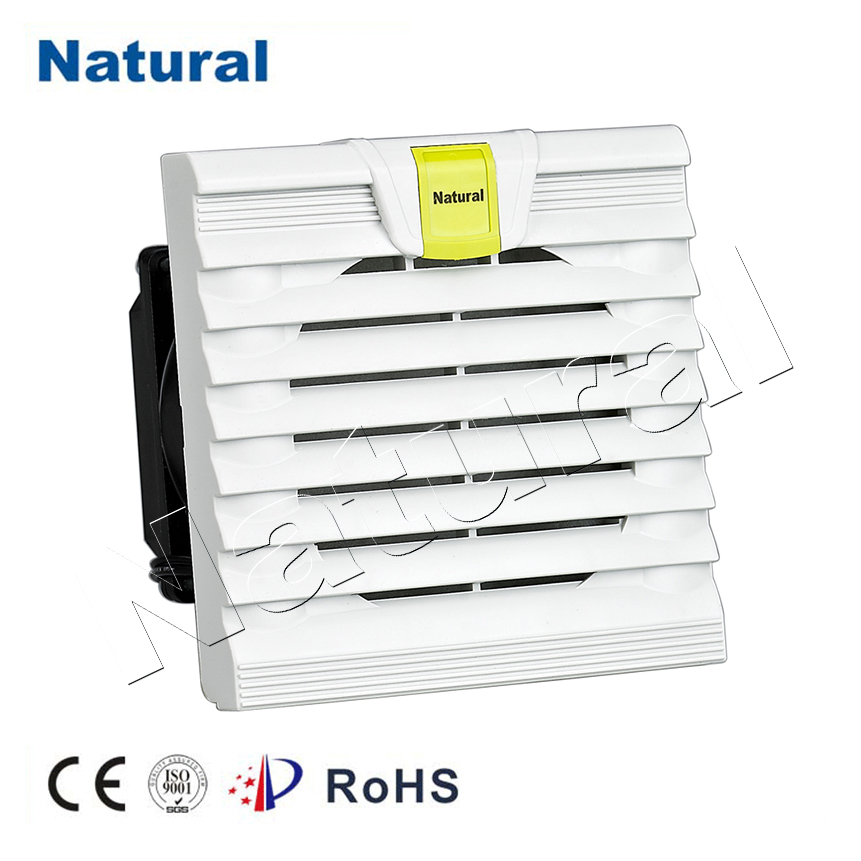
Understanding the Need for Cabinet Fan Filters Electronics generate heat during operation, and excessive heat can lead to component failure and reduced performance. To combat this, many electronic cabinets are equipped with cooling fans that circulate air to dissipate heat. However, these fans also draw in dust, dirt, and other airborne contaminants, which can accumulate over time and hinder cooling efficiency. The Role of Cabinet Fan Filters Cabinet fan filters act as the first line of defense against these contaminants. They are designed to capture and trap particles as small as a few micrometers in size, preventing them from entering the cabinet and clogging delicate electronic components. These filters are typically made of materials like foam, mesh, or polyester and can be easily replaced when they become dirty. Benefits of Using Cabinet Fan Filters Improved Equipment Lifespan:By preventing dust and dirt from infiltrating the cabinet, fan filters help extend the lifespan of electronic equipment. Dust accumulation can lead to overheating and reduced performance, while also increasing the risk of component failure. Enhanced Reliability:Electronic equipment housed in cabinets with fan filters is more reliable. Clean, cool air ensures consistent performance and reduces the chances of unexpected downtime. Reduced Maintenance:Regularly replacing fan filters is a simple and cost-effective maintenance task. It takes just a few minutes to replace a filter, but the benefits in terms of equipment reliability and longevity are significant. Improved Air Quality:In environments where air quality is a concern, such as industrial settings, cabinet fan filters help maintain a cleaner and healthier working environment by trapping harmful particles. Energy Efficiency:Cabinets with fan filters often require less energy to maintain optimal operating temperatures. By keeping components cool without excessive fan usage, energy costs can be reduced. Choosing the Right Cabinet Fan Filter Selecting the appropriate cabinet fan filter is crucial to ensure effective performance. Factors to consider include: Filter Material:Choose a material that suits your environment. For dusty or industrial settings, a denser filter with a higher filtration efficiency may be necessary. Size:Ensure that the filter size matches the fan opening in your cabinet to prevent bypass airflow. Maintenance:Consider the ease of replacing filters. Some designs allow for tool-less replacement, which can save time and effort. Filtration Efficiency:Higher filtration efficiency filters are better at capturing smaller particles but may require more frequent replacement. Conclusion In the world of electronics, reliability and longevity are of utmost importance. Cabinet fan filters may seem like small and inconspicuous components, but their role in protecting sensitive electronics from dust and heat cannot be overstated. By investing in quality fan filters and incorporating them into your equipment maintenance routine, you can ensure that your electronic cabinets remain clean, cool, and reliable for years to come. Don’t underestimate the impact of these unassuming devices; they are the unsung heroes of electronics cooling.

Cabinet Fan vs. Filter Fan: Optimizing Airflow in Enclosures

In the world of electronics and industrial equipment, maintaining the optimal operating temperature is crucial to ensure longevity and reliability. One of the key factors in achieving this is proper ventilation, and two commonly used solutions are cabinet fans and filter fans. In this article, we will explore the differences between these two options and discuss their respective advantages and applications.

cabinet fan and filter fan

Cabinet Fan: A cabinet fan is a simple yet effective device designed to circulate air within an enclosure or cabinet. It typically consists of a fan unit and a set of blades that draw air into the cabinet. Cabinet fans are commonly used to prevent the buildup of heat inside electronic enclosures, which can result from the operation of various components such as power supplies, amplifiers, and drives. Advantages of Cabinet Fans: Efficient Cooling:Cabinet fans are excellent at dissipating heat quickly, ensuring that the temperature within the enclosure remains within acceptable limits. Cost-Effective:They are relatively affordable and easy to install, making them a budget-friendly option for many applications. Low Maintenance:Cabinet fans require minimal maintenance, with periodic cleaning being the primary upkeep task. Applications of Cabinet Fans: Industrial Automation:Cabinet fans are commonly used in industrial automation systems where multiple electronic components are housed within enclosures. Telecommunications:They are also prevalent in the telecommunications industry to maintain the temperature of networking equipment. Filter Fan: Filter fans, on the other hand, serve a dual purpose of cooling and filtering the air inside enclosures. These fans consist of a fan unit, an exhaust filter, and an intake filter. The fan draws air from outside the enclosure, passes it through the intake filter, and then directs it into the enclosure. Simultaneously, the exhaust filter filters out any dust or particles from the air inside the enclosure. Advantages of Filter Fans: Clean Air:Filter fans provide a continuous supply of clean air to the enclosure, preventing dust and contaminants from entering and potentially damaging sensitive equipment. Enhanced Cooling:While cooling is their primary function, filter fans also improve the overall air quality within the enclosure, leading to better performance and longevity of electronic components. Versatility:Filter fans are adaptable to a wide range of applications and are available in various sizes and configurations to suit specific needs. Applications of Filter Fans: Medical Equipment:Filter fans are commonly used in medical equipment enclosures to ensure a clean and sterile environment for sensitive instruments. Food Processing:In the food processing industry, filter fans help maintain the integrity of electronic controls in dusty or humid environments. Agriculture:Agricultural machinery often employs filter fans to protect electronics from dust and debris in outdoor conditions. Conclusion: Choosing between cabinet fans and filter fans depends on the specific requirements of your application. If your primary concern is efficient cooling at a low cost and maintenance level, cabinet fans may be the right choice. On the other hand, if maintaining clean air and preventing contaminants from entering your enclosure are essential, filter fans are the superior option. In many cases, a combination of both types may be used to provide optimal temperature control and air quality, ensuring the longevity and reliability of your equipment.

Bimetal Thermostats: Precision and Efficiency in Temperature Control

Bimetal thermostats are ingenious devices that play a crucial role in regulating temperature across various applications. Combining the principles of thermal expansion with precision engineering, these thermostats offer efficient and reliable temperature control solutions. In this article, we will delve into the workings, advantages, and applications of bimetal thermostats.

bimetal thermostat thermostat

Understanding Bimetal Thermostats Bimetal thermostats are composed of two different metals with distinct coefficients of thermal expansion. Typically, these metals are bonded together, forming a strip or coil. When exposed to temperature changes, the metals expand or contract at different rates, causing the strip or coil to bend. This bending action is harnessed to control electrical contacts, thereby regulating temperature. The core principle behind bimetal thermostats is that as temperature rises, the metals bend one way, and as it falls, they bend the other way. This bending motion is used to open or close an electrical circuit, effectively controlling a heating or cooling system. The bending of the bimetallic strip is highly predictable and repeatable, making it ideal for precise temperature control. Advantages of Bimetal Thermostats Accuracy:Bimetal thermostats are known for their accuracy in maintaining a set temperature. Their predictable behavior allows for precise adjustments, crucial in applications such as ovens, refrigerators, and water heaters. Reliability:These thermostats have a long service life due to their simple, mechanical design. They are less prone to wear and tear, ensuring consistent performance over time. Cost-Effective:Bimetal thermostats are cost-effective compared to more complex electronic alternatives. They are an excellent choice for applications where budget constraints are a concern. Versatility:Bimetal thermostats can be tailored to various temperature ranges, making them suitable for a wide range of applications. From industrial processes to household appliances, they find use in diverse settings. Applications of Bimetal Thermostats Household Appliances:Bimetal thermostats are commonly found in appliances like ovens, toasters, and refrigerators. They ensure that these appliances maintain the desired temperature for cooking or preservation. HVAC Systems:Heating, ventilation, and air conditioning (HVAC) systems rely on bimetal thermostats to control the temperature in residential and commercial buildings. Automotive Industry:Bimetal thermostats help regulate engine temperature, preventing overheating and maintaining optimal operating conditions in vehicles. Industrial Processes:These thermostats are used in industrial machinery to control temperature, ensuring the quality and consistency of manufactured products. Medical Devices:Bimetal thermostats play a vital role in medical devices like incubators and sterilizers, where precise temperature control is critical for patient care. Conclusion Bimetal thermostats have stood the test of time as reliable and cost-effective temperature control solutions. Their accuracy, simplicity, and versatility make them indispensable in a wide array of applications, from everyday household appliances to critical industrial processes. Understanding the science behind these devices can help us appreciate their role in maintaining temperature stability in our modern world.

The Marvel of Precision Control: Bimetal Thermostats

Introduction

bimetal thermostat

In today’s world of technological marvels, where everything seems to operate with a touch or a voice command, it’s easy to overlook the humble yet incredibly important bimetal thermostat. These unassuming devices play a critical role in regulating temperature in numerous appliances and systems, from the thermostat in your home’s heating system to controlling the temperature of your morning coffee maker. In this article, we will explore the fascinating world of bimetal thermostats, their working principles, applications, and why they continue to be an essential part of modern engineering. The Basics of Bimetal Thermostats A bimetal thermostat is a temperature-sensitive device composed of two different metals bonded together. These metals have different coefficients of thermal expansion, which means they expand or contract at different rates when subjected to temperature changes. The most common metals used in bimetallic strips are steel and brass. The fundamental concept behind a bimetal thermostat is that when the temperature changes, the metals expand or contract at different rates, causing the strip to bend. This bending motion is harnessed to open or close an electrical circuit, depending on the specific application. Working Principles Expansion and Contraction:When exposed to a rise in temperature, the metal with the higher coefficient of thermal expansion will expand more than the other metal, causing the bimetal strip to bend towards the metal with the lower coefficient. This bending action can be precisely controlled based on the type and thickness of the metals used. Electrical Switching:The bending of the bimetal strip is used to actuate an electrical switch. In heating applications, this can turn a heater off when a certain temperature is reached or turn it on when the temperature falls below a set point. In cooling applications, the process is reversed. Applications of Bimetal Thermostats Household Thermostats:One of the most common applications of bimetal thermostats is in household heating and cooling systems. They enable precise temperature control, ensuring your home stays comfortable year-round while saving energy. Refrigerators:Bimetal thermostats are used in refrigerators to control the temperature inside the appliance. When the temperature rises above a certain point, the thermostat triggers the compressor to start cooling the refrigerator. Coffee Makers:Ever wondered how your coffee maker knows when to stop brewing? Bimetal thermostats are responsible for shutting off the heating element when the water reaches the desired temperature. Water Heaters:Bimetal thermostats play a crucial role in regulating the water temperature in electric water heaters, preventing scalding or water that’s too cold. Automotive Applications:Bimetal thermostats are also used in automobiles to regulate engine temperature. When the engine gets too hot, the thermostat opens, allowing coolant to flow through the radiator and cool the engine. Advantages of Bimetal Thermostats Reliability:Bimetal thermostats are known for their long-term reliability. They can withstand a wide range of temperatures and continue to function accurately. Cost-Effective:These thermostats are cost-effective to manufacture, making them an economical choice for various applications. Simple Design:Their simple design means fewer components to fail, reducing the risk of malfunction. Conclusion In a world filled with cutting-edge technology, the enduring relevance of bimetal thermostats is a testament to their reliability and effectiveness in temperature control. From ensuring your morning coffee is brewed to perfection to maintaining the ideal temperature in your home, bimetal thermostats silently play a vital role in our daily lives. So, the next time you adjust your thermostat or grab a cold drink from the refrigerator, take a moment to appreciate the marvel of precision control that is the bimetal thermostat.