Monthly Archives: September 2023

Enhancing Air Quality with Fan Air System Ventilation and HEPA Filters

In an era where clean and fresh air is becoming increasingly important, the integration of advanced ventilation systems with HEPA (High-Efficiency Particulate Air) filters has become a game-changer. This combination not only improves air quality but also plays a pivotal role in maintaining a healthy and comfortable indoor environment. In this article, we will explore the significance of fan air system ventilation with HEPA filters and how they work together to promote well-being.
fan air system ventilation hepa filter

The Need for Improved Air Quality Air quality is a crucial factor for a healthy life, as we spend a significant portion of our time indoors. Poor air quality can lead to various health issues, including allergies, respiratory problems, and even long-term conditions. It is particularly relevant in the context of workplaces, schools, and homes where the concentration of pollutants can be higher than in outdoor environments. The Role of Ventilation Systems Ventilation systems have long been used to exchange indoor air with outdoor air, ensuring that the indoor environment remains fresh and comfortable. Traditional ventilation systems often relied on simple methods like opening windows and doors. However, this approach has limitations, especially in densely populated urban areas with high levels of outdoor pollution. Fan air systems are designed to address these challenges by providing controlled and consistent air circulation. These systems employ fans to extract stale indoor air and replace it with fresh outdoor air. By doing so, they help dilute indoor pollutants and maintain oxygen levels, creating a healthier atmosphere for occupants. HEPA Filters: The Ultimate Air Purifiers While fan air systems are effective at improving air circulation, they alone cannot guarantee a pollutant-free environment. This is where HEPA filters come into play. HEPA filters are renowned for their exceptional filtration capabilities, capable of capturing particles as small as 0.3 microns in size. To put this into perspective, this includes dust, pollen, mold spores, pet dander, and even some bacteria and viruses. The HEPA filter functions as a barrier that traps these tiny particles, preventing them from reentering the indoor environment. When integrated into fan air systems, these filters become an essential component in the battle against indoor air pollution. The Synergy: Fan Air System Ventilation and HEPA Filters The combination of fan air system ventilation and HEPA filters creates a powerful synergy. The ventilation system ensures a constant supply of fresh air, while the HEPA filter removes harmful particles and allergens, resulting in an indoor environment with significantly improved air quality. Here’s how this synergy works: Continuous Air Exchange: Fan air systems ensure that there is a steady flow of fresh air into the indoor space, reducing the concentration of pollutants and replenishing oxygen levels. Particle Removal: The HEPA filter captures particles, including allergens and pollutants, preventing them from circulating in the indoor air. This results in a cleaner and healthier environment for occupants. Allergen Control: For individuals with allergies, HEPA filters can make a substantial difference by removing common allergens such as pollen and pet dander from the air. Virus and Bacteria Reduction: HEPA filters can also trap some airborne viruses and bacteria, offering an added layer of protection, especially during flu seasons or in areas with high population density. Improved Well-Being: The combined effect of cleaner air and improved ventilation contributes to the overall well-being of occupants, potentially reducing the risk of respiratory illnesses and enhancing comfort. Conclusion Fan air system ventilation with HEPA filters is a winning combination for those seeking to improve indoor air quality. Whether in residential homes, commercial buildings, or educational institutions, this synergy ensures a healthier, more comfortable, and safer indoor environment. As we continue to prioritize health and well-being, these integrated systems are poised to play an increasingly vital role in our lives. Investing in cleaner, fresher air is an investment in our future.
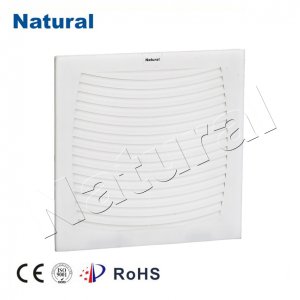
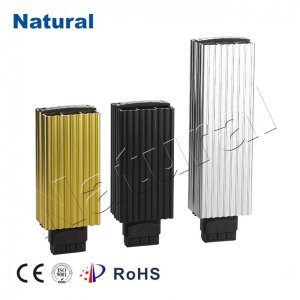
“Enhancing Equipment Reliability with Enclosure Fan Filters”

In today’s technology-driven world, electronic equipment is the backbone of various industries, from manufacturing plants to data centers. Ensuring the optimal performance and longevity of these systems is paramount. One often-overlooked component that plays a crucial role in maintaining the health of electronic equipment is the enclosure fan filter. In this article, we will explore the significance of enclosure fan filters and how they contribute to the reliability of electronic systems.

enclosure fan filter

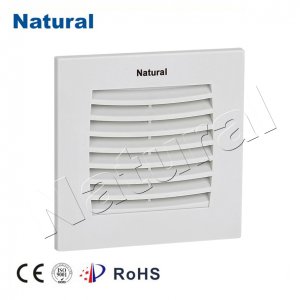
The Role of Enclosure Fan Filters Enclosure fan filters are devices designed to prevent dust, dirt, and other contaminants from entering electronic enclosures. These enclosures house critical equipment such as servers, power supplies, and industrial machinery. Without adequate protection, these contaminants can wreak havoc on sensitive electronics, leading to increased downtime, maintenance costs, and even equipment failure. Dust and Contaminant Threats Dust, in particular, poses a substantial threat to electronic equipment. When dust accumulates on circuit boards, heat sinks, and other components, it can impede airflow, hinder heat dissipation, and compromise the performance of the equipment. Over time, dust buildup can cause overheating, which is a leading cause of electronic component failure. Enclosure fan filters act as the first line of defense against these issues. Key Benefits of Enclosure Fan Filters Improved Air Quality:Enclosure fan filters effectively capture and trap airborne particles, ensuring that only clean air enters the enclosure. This not only prevents dust buildup but also helps maintain a cleaner working environment. Enhanced Cooling:By maintaining a dust-free environment within the enclosure, fan filters help optimize airflow, promoting efficient cooling. This is especially critical for high-performance systems that generate a significant amount of heat. Extended Equipment Lifespan:With reduced exposure to contaminants and improved cooling, electronic components can operate within their recommended temperature ranges, which significantly extends their lifespan. Reduced Maintenance Costs:Regular cleaning and maintenance of electronic equipment can be time-consuming and costly. Enclosure fan filters minimize the need for such maintenance, saving both time and money. Selecting the Right Fan Filter When choosing an enclosure fan filter, several factors must be considered: Filter Efficiency:Look for filters with high-efficiency ratings to effectively capture even the smallest particles. Compatibility:Ensure that the filter is compatible with the specific enclosure and equipment it will protect. Airflow Resistance:Balance the need for filtration with the requirement for adequate airflow by selecting a filter with the right level of resistance. Ease of Replacement:Choose filters that are easy to replace to minimize downtime during maintenance. Environmental Conditions:Consider the environmental conditions in which the equipment operates, as extreme temperatures or humidity may require specialized filters. Conclusion Enclosure fan filters play a crucial role in maintaining the reliability and performance of electronic equipment. By preventing dust and contaminants from infiltrating enclosures, they contribute to extended equipment lifespan, reduced maintenance costs, and enhanced overall system reliability. When selecting a fan filter, it’s essential to consider factors such as filter efficiency, compatibility, airflow resistance, ease of replacement, and environmental conditions. Investing in quality enclosure fan filters is a wise decision that pays dividends in the form of improved equipment longevity and reduced downtime.

The Marvel of Element Heaters: Efficient Heating for Modern Homes

Element heaters have revolutionized the way we heat our homes, offering efficiency, convenience, and sustainability like never before. In this article, we will delve into the world of element heaters, exploring their technology, benefits, and how they are transforming the heating industry.

element heater

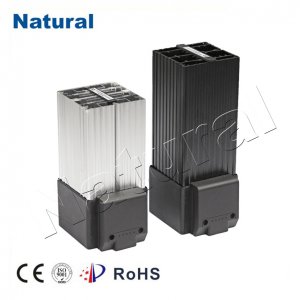
Understanding Element Heaters Element heaters, also known as electric resistance heaters, are devices that generate heat by passing an electric current through a resistive element. The core of these heaters typically consists of a coil or a wire made from materials like nickel-chromium alloy. When electricity flows through this resistive element, it encounters resistance, and this resistance results in the generation of heat. This heat is then transferred to the surrounding environment, effectively warming up a space. Efficiency Redefined One of the standout features of element heaters is their efficiency. Unlike traditional heating methods like gas furnaces, which can lose a significant amount of heat through exhaust gases, element heaters convert nearly all the electricity they consume into heat. This makes them incredibly energy-efficient and cost-effective in the long run. Moreover, element heaters offer precise temperature control. They can quickly respond to changes in the thermostat settings, ensuring that your living space remains at the desired temperature without fluctuations. This level of control not only enhances comfort but also reduces energy waste. Convenience and Versatility Element heaters come in various forms to suit different heating needs. They can be wall-mounted, ceiling-mounted, or even portable, allowing homeowners to choose the option that best fits their space and lifestyle. Portable element heaters are especially popular for their ease of use and mobility. Furthermore, element heaters do not require a complex installation process or the need to manage fuel supplies, as is the case with gas heating systems. You simply plug them in, set your desired temperature, and enjoy consistent warmth throughout your home. This convenience is a significant advantage for those looking for a hassle-free heating solution. Sustainability and Environmental Impact As the world increasingly focuses on environmental sustainability, element heaters are gaining recognition for their green credentials. Unlike fossil fuel-based heating systems, electric element heaters produce zero emissions on-site. This means they do not contribute to air pollution or greenhouse gas emissions when operated. Additionally, the environmental impact of element heaters can be further reduced by using electricity from renewable sources, such as solar or wind power. This makes them an attractive option for homeowners seeking to reduce their carbon footprint and embrace clean energy solutions. Smart Technology Integration In the age of smart homes, element heaters have not been left behind. Many modern element heaters come equipped with smart technology, allowing users to control them remotely via smartphone apps or integrate them into their home automation systems. This level of control enables homeowners to optimize heating schedules, save energy, and ensure comfort, even when they are away from home. Conclusion Element heaters have truly transformed the heating landscape, offering a compelling blend of efficiency, convenience, sustainability, and smart technology integration. Whether you are retrofitting your home with a new heating system or simply looking to upgrade your existing one, element heaters are an option worth considering. Their ability to provide reliable and cost-effective heating while minimizing environmental impact makes them a standout choice for modern homes. Embrace the warmth of the future with element heaters and experience a new level of comfort and efficiency in your living space.

The Evolution of Comfort: Electronic Thermostats

Electronic Thermostats: Revolutionizing Comfort and Efficiency

Electronic Thermostat

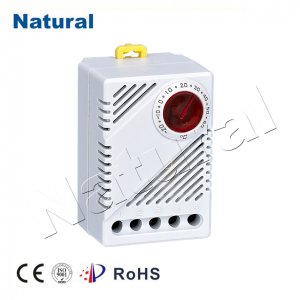
In an era marked by rapid technological advancements, electronic thermostats have emerged as silent heroes in the quest for both comfort and energy efficiency. These unassuming devices have revolutionized the way we control indoor temperatures, providing us with precise control, convenience, and a greener footprint. In this article, we will explore the evolution of electronic thermostats and their impact on our daily lives. The Humble Beginning Before electronic thermostats graced our homes, mechanical thermostats were the standard. These rudimentary devices employed bimetallic strips or gas-filled bellows to regulate temperature. However, their accuracy left much to be desired, often leading to temperature swings and discomfort. This is where electronic thermostats stepped in, promising a more refined and reliable solution. Precision at Your Fingertips Electronic thermostats introduced digital displays and buttons, making it easier than ever to set and maintain a desired temperature. These devices use sensors to measure the current temperature and communicate with your heating or cooling system to achieve the desired level. Unlike their mechanical predecessors, electronic thermostats can maintain a constant temperature within a fraction of a degree, ensuring your comfort remains uninterrupted. Programmable Convenience One of the most significant advantages of electronic thermostats is their programmability. You can create custom schedules to match your daily routine. For instance, you can lower the temperature while you’re away at work and have it rise just before you return, saving energy without sacrificing comfort. Some advanced models even learn your preferences over time, further enhancing efficiency. Smart Thermostats: The Future is Here The latest evolution of electronic thermostats is the emergence of smart thermostats. These devices are Internet-enabled and can be controlled remotely through smartphone apps or voice assistants like Alexa and Google Assistant. They analyze your usage patterns and offer suggestions for optimizing energy consumption, helping you reduce your carbon footprint and lower utility bills. Energy Efficiency and Savings Electronic thermostats are not just about convenience; they are also eco-friendly. By maintaining precise control over temperature settings and enabling energy-saving features, these devices contribute significantly to reducing energy consumption. This not only benefits the environment but also results in substantial cost savings for homeowners. Compatibility and Ease of Installation Electronic thermostats are versatile and compatible with various heating and cooling systems, making them a suitable choice for most households. Installation is relatively straightforward, and many models come with detailed instructions. In case of doubts, professional installation services are readily available. Conclusion Electronic thermostats have come a long way since their inception, offering us precise control, convenience, and a greener way to manage indoor temperatures. They have evolved from humble beginnings to become essential tools in the pursuit of comfort and energy efficiency. Whether you opt for a programmable electronic thermostat or a cutting-edge smart thermostat, these devices empower you to take charge of your comfort and your impact on the environment. In an age where sustainability and comfort go hand in hand, electronic thermostats are leading the way towards a more efficient and enjoyable future.

Enhancing Electrical Panel Efficiency with Fan Filters

In today’s fast-paced world, electricity is the lifeblood that powers our homes, industries, and technologies. Behind the scenes, electrical panels play a crucial role in ensuring a steady and safe supply of electricity. To maintain optimal performance and prolong the lifespan of electrical panels, it’s essential to consider the often-overlooked aspect of fan filters. In this article, we will explore the importance of fan filters for electrical panels and how they contribute to efficiency and reliability.

electrical panel fan filter

Understanding Electrical Panels Before delving into the significance of fan filters, it’s important to understand the role of electrical panels. These panels house a complex system of electrical components, including circuit breakers, fuses, switches, and more. Their primary function is to control and distribute electrical power throughout a building or industrial facility. This distribution ensures that electricity reaches various circuits and equipment, enabling them to function properly. The Role of Fan Filters Electrical panels generate heat as a natural byproduct of their operations. Over time, this heat can accumulate and lead to increased operating temperatures within the panel. Excessive heat can damage sensitive electronic components, reduce efficiency, and potentially lead to catastrophic failures. This is where fan filters come into play. Fan filters are specially designed components that serve a dual purpose: Dust and Contaminant Filtration: Fan filters prevent dust, dirt, and other contaminants from entering the electrical panel. Dust can settle on components, impairing their functionality and causing overheating. By filtering out these particles, fan filters help maintain a clean and dust-free environment within the panel. Heat Dissipation: Fan filters include built-in fans or openings to facilitate airflow within the electrical panel. This airflow helps dissipate excess heat generated during operation. Proper cooling is essential for preventing overheating, which can degrade the performance and reliability of electrical components. Benefits of Fan Filters Extended Lifespan: Fan filters promote a cooler operating environment for electrical panels, which can significantly extend the lifespan of components. Prolonged component life translates to reduced maintenance and replacement costs. Enhanced Efficiency: Cooler operating temperatures allow electrical panels to function at peak efficiency. This results in less energy consumption and a more reliable power distribution system. Reduced Downtime: Preventing overheating through effective heat dissipation and contaminant filtration reduces the risk of unexpected downtime due to equipment failures. Improved Safety: Maintaining a clean and cool electrical panel environment enhances safety by reducing the likelihood of electrical fires and component malfunctions. Compliance: Many industries have regulations and standards that require electrical panels to be maintained at certain temperature levels. Fan filters can help ensure compliance with these requirements. Selecting the Right Fan Filters Choosing the appropriate fan filters for your electrical panels is crucial. Consider factors such as panel size, the level of dust and contaminants in the environment, and the required airflow capacity. It’s advisable to consult with experts or manufacturers to ensure you select the most suitable fan filters for your specific needs. Conclusion In the realm of electrical power distribution, fan filters play a pivotal role in maintaining efficiency, reliability, and safety. By filtering out contaminants and promoting optimal cooling, these unassuming components contribute significantly to the longevity of electrical panels and the overall functionality of electrical systems. Regular maintenance, including the inspection and replacement of fan filters when needed, is essential to ensure that your electrical panels continue to perform at their best.

“Efficiency and Comfort: The Electrifying Benefits of Space Heaters”

In an era where energy efficiency and sustainability are paramount, the humble space heater has emerged as a versatile and eco-friendly solution to combat the cold. These compact devices have made significant advancements in recent years, offering not only warmth but also a range of features designed to enhance your comfort while reducing energy consumption. In this article, we will explore the world of electric space heaters and the myriad advantages they bring to your home.

electr space heater

1. Efficient Heating Electric space heaters are renowned for their efficiency. Unlike traditional central heating systems, which heat the entire house, space heaters provide heat exactly where you need it. This targeted heating approach not only reduces energy waste but also allows you to lower your overall heating bills. Moreover, modern space heaters are equipped with programmable thermostats and timers, enabling you to maintain precise control over your comfort and energy consumption. 2. Portability and Convenience One of the standout features of electric space heaters is their portability. These devices are lightweight and come with integrated handles or wheels for easy maneuverability. This means you can enjoy warmth in any room of your home without the need for complex installations. Whether you’re working from home in your office, watching TV in the living room, or sleeping in your bedroom, a portable space heater can follow you wherever you go. 3. Safety Features Safety is a top priority when it comes to electric space heaters. Manufacturers have incorporated numerous safety features to protect users and their homes. Overheat protection automatically shuts off the heater if it gets too hot, preventing fires. Tip-over switches ensure that the heater turns off immediately if it’s accidentally knocked over. These features give you peace of mind, especially if you have children or pets in the house. 4. Energy-Saving Technology Recent advancements in technology have made electric space heaters even more energy-efficient. Ceramic heaters and infrared heaters are two popular options known for their ability to heat quickly and evenly. They use less energy compared to older models, and some even have eco-friendly modes that further reduce power consumption while maintaining a comfortable temperature. 5. Eco-Friendly Options Environmental consciousness is at the forefront of many consumers’ minds. Fortunately, there are eco-friendly space heater options available. Look for models with energy-saving certifications such as ENERGY STAR, which signifies that the heater meets strict efficiency guidelines set by the Environmental Protection Agency. Additionally, some heaters use non-toxic materials and eco-friendly refrigerants, minimizing their environmental impact. 6. Zoned Heating Electric space heaters excel at providing zoned heating, allowing you to maintain different temperatures in various rooms of your home. This feature not only caters to individual preferences but also maximizes energy savings. By only heating the rooms you’re using, you can significantly reduce your carbon footprint and utility bills. 7. Silent Operation Unlike some heating systems that can be noisy and disruptive, electric space heaters operate almost silently. This makes them an excellent choice for bedrooms, offices, and other quiet spaces where noise could be a distraction. 8. Easy Maintenance Maintaining an electric space heater is a breeze. Most models require minimal maintenance, typically involving periodic cleaning of the heating elements and air filters. This ease of upkeep ensures your heater remains efficient and reliable over the years. In conclusion, electric space heaters have come a long way in terms of efficiency, convenience, and safety. They offer an eco-friendly solution to keep your home warm while allowing you to customize your heating needs on a room-by-room basis. With advanced features and options designed to save energy and reduce costs, electric space heaters have become an indispensable addition to modern homes, promising comfort, convenience, and sustainability.

The Evolution of Electric Fan Heaters: A Warm Breeze of Comfort

Electric Fan Heaters: A Brief Overview

electr fan heater

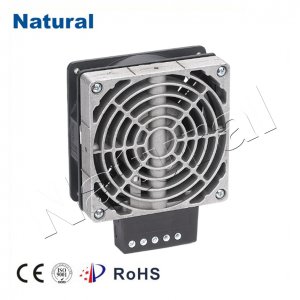
Electric fan heaters have become an indispensable part of our lives, offering a quick and efficient way to warm up our surroundings. These devices have come a long way since their inception, evolving to meet the diverse needs of users while incorporating cutting-edge technology for enhanced performance and energy efficiency. In this article, we will explore the fascinating world of electric fan heaters, examining their history, design, features, and their impact on modern living. A Historical Journey The concept of fan heaters can be traced back to the early 20th century when innovative minds sought ways to provide a portable and effective source of heat. Initial designs featured basic metal elements that heated the air, which was then circulated by a fan. These early fan heaters were bulky, noisy, and consumed significant amounts of electricity. Design Evolution Over the decades, fan heater designs have undergone a remarkable transformation. Today’s electric fan heaters are sleek, compact, and aesthetically pleasing, fitting seamlessly into any living space. Manufacturers have focused on improving safety features, incorporating cool-touch exteriors and overheat protection to prevent accidents. The integration of digital controls and programmable thermostats allows users to customize their heating experience for maximum comfort and energy savings. Energy Efficiency Efficiency has become a key focus in the development of electric fan heaters. Modern models utilize advanced heating elements that heat up quickly and distribute warmth evenly throughout the room. Some heaters also incorporate energy-saving modes and timers, enabling users to maintain a comfortable temperature while minimizing energy consumption. These innovations not only save on utility bills but also reduce the carbon footprint. Quiet Operation Gone are the days of noisy fan heaters that disrupt peace and quiet. Many contemporary fan heaters are designed to operate silently, allowing users to enjoy the warmth without disturbance. This feature is particularly appreciated in bedrooms, offices, and libraries where tranquility is essential. Portability and Convenience Electric fan heaters are celebrated for their portability and convenience. They are lightweight and equipped with handles for easy transportation from room to room. This mobility ensures that warmth is available wherever it is needed, providing comfort and convenience during cold seasons. Safety First Safety remains a top priority in fan heater design. Newer models are equipped with various safety features, such as tip-over switches that automatically shut off the heater if it is knocked over. Additionally, many heaters have child lock functions to prevent accidental adjustments by curious little hands. These safety measures give users peace of mind, especially in households with children and pets. Environmental Considerations In recent years, environmental consciousness has influenced the development of electric fan heaters. Manufacturers are increasingly using materials that are eco-friendly and recyclable. Additionally, some fan heaters are designed to be energy-efficient, reducing greenhouse gas emissions. The incorporation of timers and thermostats further contributes to a greener and more sustainable future. Conclusion The evolution of electric fan heaters is a testament to human ingenuity and the commitment to improving comfort and convenience in our daily lives. From their humble beginnings as noisy, energy-hungry devices, fan heaters have emerged as sleek, efficient, and eco-friendly companions for modern living. As we continue to seek innovative solutions for our heating needs, electric fan heaters will undoubtedly play a central role in keeping us warm and comfortable, both today and in the future.

The Power of Precision: Exploring Dual Thermostats

In the ever-evolving world of home automation and energy efficiency, one innovation has stood out for its remarkable ability to transform our daily lives: the dual thermostat. This ingenious device has revolutionized the way we control the temperature in our homes, offering precision, comfort, and savings like never before.

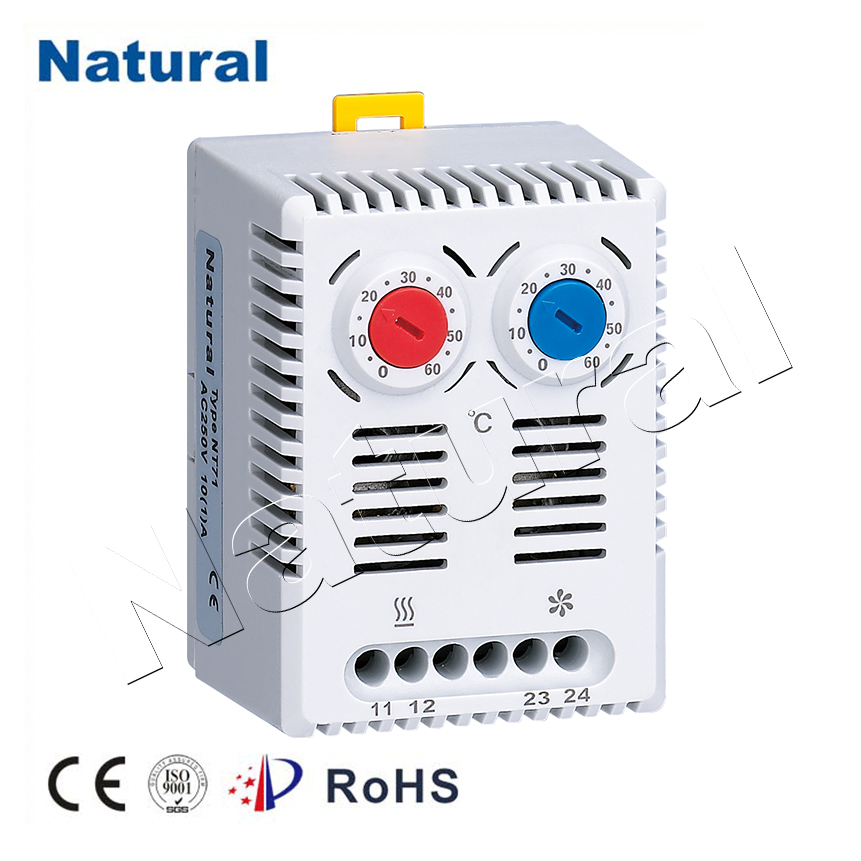
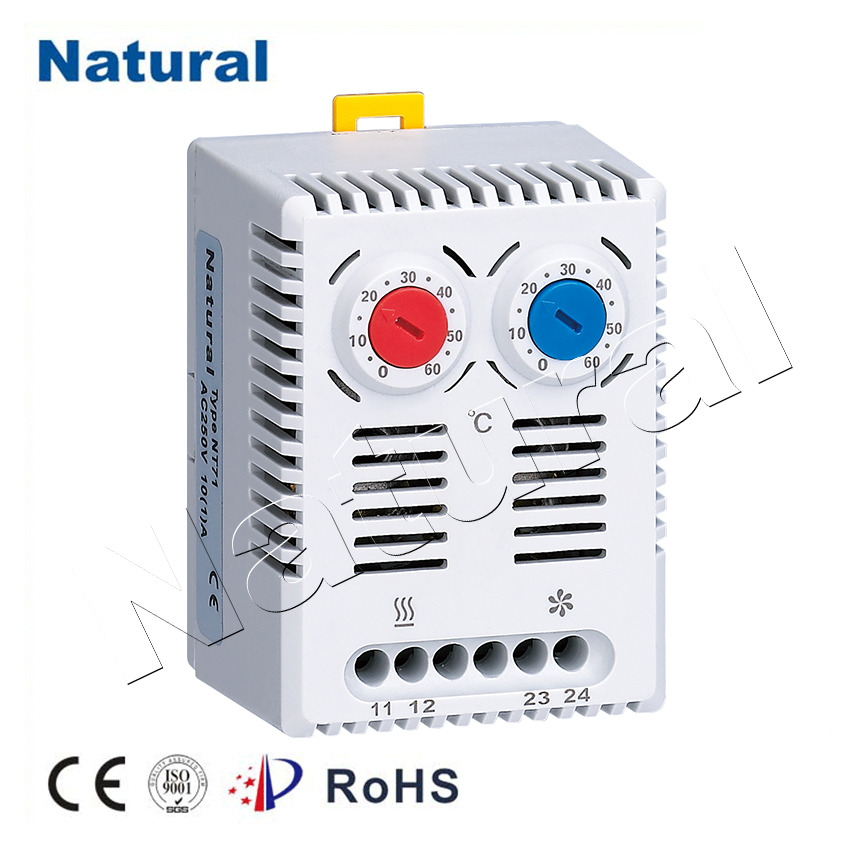
Dual Thermostat

Understanding Dual Thermostats A dual thermostat is a thermostat system that uses two separate temperature sensors to maintain the desired indoor temperature. Unlike traditional thermostats that rely solely on a single sensor, dual thermostats offer a higher level of accuracy and control. These systems are designed to enhance both heating and cooling efficiency, making them an ideal choice for modern households seeking to reduce energy consumption and costs. The Benefits of Dual Thermostats Enhanced Precision: Dual thermostats excel in maintaining a more consistent indoor temperature. By using two sensors, one placed in a strategically chosen location and the other as a reference point, these systems can detect temperature variations more effectively. This precision results in a more comfortable living environment year-round. Energy Savings: One of the most significant advantages of dual thermostats is their ability to save energy. The precise temperature control means that the heating or cooling system doesn’t overcompensate for fluctuations in temperature. As a result, you’ll experience reduced energy consumption and lower utility bills. Zoning Capabilities: Many dual thermostat systems offer zoning features, allowing you to divide your home into different temperature zones. This feature is especially valuable for larger homes with multiple levels or areas that have varying heating and cooling needs. Zoning ensures that you only heat or cool the areas that require it, further increasing energy efficiency. Remote Control and Smart Integration: Dual thermostats often come equipped with smart technology, enabling remote control via smartphone apps or voice assistants like Amazon Alexa or Google Assistant. This convenience allows you to adjust your home’s temperature settings from anywhere, ensuring comfort when you arrive home and energy savings when you’re away. Environmental Benefits: By reducing energy consumption, dual thermostats contribute to a more sustainable lifestyle. Lower energy use means a reduced carbon footprint, making these devices an eco-friendly choice for environmentally-conscious individuals. Choosing the Right Dual Thermostat When selecting a dual thermostat for your home, consider factors like compatibility with your heating and cooling systems, user-friendly interfaces, and smart features. Look for a model that suits your specific needs and integrates seamlessly into your existing smart home ecosystem if applicable. Conclusion Dual thermostats have redefined how we manage our indoor climate, offering unmatched precision, energy savings, and convenience. As we strive to reduce our environmental impact and enhance our daily lives, these innovative devices play a crucial role in achieving both goals. Whether you’re looking to lower your energy bills, increase your comfort, or reduce your carbon footprint, a dual thermostat is a wise investment that promises to deliver lasting benefits for years to come. Embrace the power of precision with dual thermostats and transform your home into a more efficient and comfortable space.

Exploring the Efficiency of Dual Thermostats in Home Climate Control

In recent years, advancements in smart home technology have revolutionized the way we manage our living spaces. One such innovation that has gained significant attention is the dual thermostat system. This cutting-edge technology offers a new level of control and efficiency in regulating indoor temperatures, making it an appealing choice for homeowners looking to optimize their comfort and energy usage.

dual thermostat

What is a Dual Thermostat? Before delving into the benefits of dual thermostats, let’s clarify what they are. A dual thermostat, as the name suggests, is a two-part system that allows for more precise temperature management in a home. It consists of two separate thermostats—one for heating and one for cooling—working in tandem to maintain a comfortable indoor environment. Enhanced Temperature Precision One of the primary advantages of dual thermostats is their ability to provide enhanced temperature precision. Traditional thermostats often have a single setpoint, meaning they can either heat or cool your home, but not both simultaneously. Dual thermostats, on the other hand, can fine-tune the temperature for each aspect of climate control. This means you can keep the living room comfortably warm while cooling down the kitchen, all at the same time. Energy Efficiency The dual thermostat system can significantly improve energy efficiency in your home. By allowing for individual control of heating and cooling systems, it ensures that energy is not wasted in areas that do not require it. For instance, during transitional seasons, you may need heating in some rooms and cooling in others. Dual thermostats can adapt to these scenarios, preventing unnecessary energy consumption and reducing utility bills. Customized Comfort Dual thermostats empower homeowners to create a customized comfort experience. If you prefer a cooler sleeping environment while keeping the rest of the house warm, a dual thermostat system makes this possible. It enables you to tailor the temperature in each room to suit your specific needs, ensuring that you and your family are comfortable year-round. Smart Home Integration Many dual thermostat systems are compatible with smart home technology, allowing you to control them remotely through smartphone apps or voice-activated virtual assistants. This integration makes it easy to adjust the temperature settings from anywhere, giving you unparalleled convenience and control over your home’s climate. Improved Indoor Air Quality Maintaining a comfortable temperature is not the only benefit of dual thermostats. They can also contribute to improved indoor air quality. By efficiently managing heating and cooling, these systems can help regulate humidity levels, preventing excessive dryness or moisture in the air. This, in turn, can lead to a healthier living environment. Environmental Impact Dual thermostats not only benefit homeowners but also have a positive impact on the environment. The reduced energy consumption resulting from precise temperature control can lower greenhouse gas emissions, helping to mitigate climate change. By investing in this technology, you can contribute to a more sustainable future. Considerations and Installation Before installing a dual thermostat system, it’s essential to assess your home’s heating and cooling needs. Consult with a professional to ensure that your HVAC systems are compatible with this technology. Additionally, proper installation and calibration are crucial to realizing the full potential of dual thermostats. In conclusion, dual thermostats are a promising advancement in home climate control. They offer enhanced temperature precision, energy efficiency, customized comfort, and compatibility with smart home systems. Moreover, they can contribute to improved indoor air quality and have a positive impact on the environment. As smart home technology continues to evolve, dual thermostats are becoming an attractive option for homeowners seeking to optimize their living spaces for comfort, efficiency, and sustainability.

DIN Thermostat: Precision and Efficiency in Temperature Control

文章:

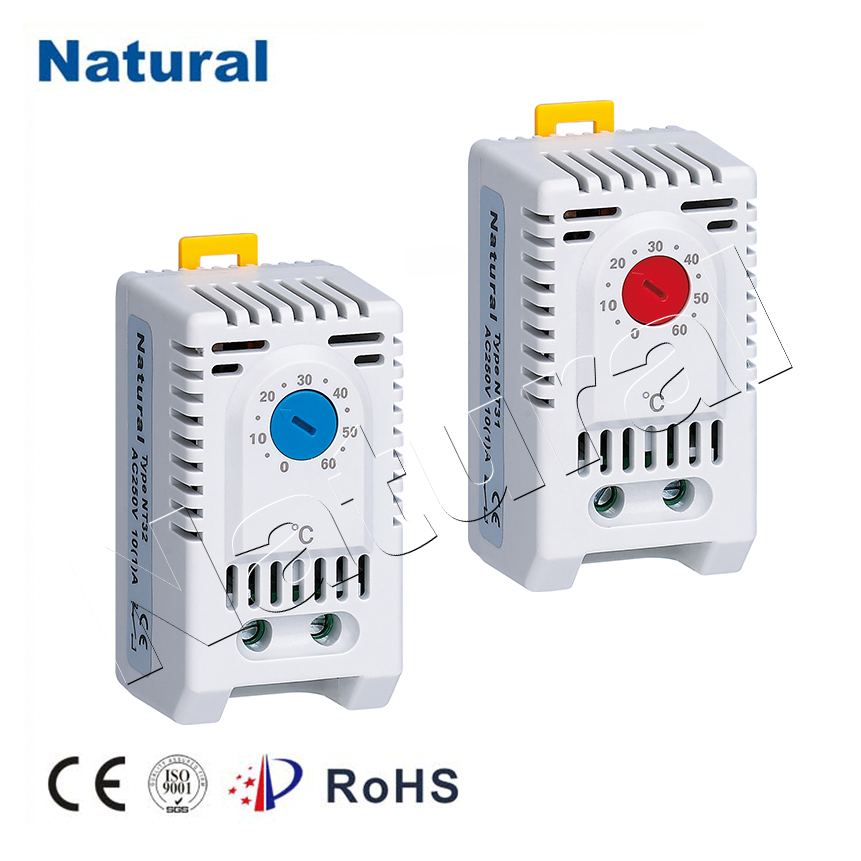
din thermostat

In today’s fast-paced world, precision and efficiency are key factors in any industry. When it comes to temperature control, the DIN thermostat stands out as a reliable and versatile solution. In this article, we will explore the features and benefits of the DIN thermostat, showcasing why it has become an essential tool for various applications. What is a DIN Thermostat? The term DIN stands for “Deutsches Institut für Normung,” which translates to the “German Institute for Standardization.” DIN thermostats are designed to meet strict quality and performance standards, making them highly dependable in a wide range of settings. These thermostats come in various sizes and configurations, but they all share the common goal of precise temperature regulation. Precision Control One of the standout features of DIN thermostats is their exceptional precision in temperature control. They utilize advanced sensors and algorithms to maintain the desired temperature within a narrow margin of error. This precision is crucial in industries like manufacturing, where even a slight temperature variation can lead to defective products or process inefficiencies. Versatility DIN thermostats are incredibly versatile and can be found in diverse applications. From industrial ovens and furnaces to scientific laboratories and HVAC systems, these thermostats have proven their reliability across the board. Their adaptability to different environments and requirements makes them a popular choice among engineers and technicians. User-Friendly Interface Despite their advanced technology, DIN thermostats are known for their user-friendly interfaces. They are designed to be easy to program and operate, ensuring that even non-technical users can set them up without hassle. This simplicity reduces the risk of errors and makes them accessible to a broader range of users. Energy Efficiency In an era where energy conservation is a top priority, DIN thermostats shine. They are designed with energy efficiency in mind, optimizing the heating and cooling processes to minimize energy consumption. This not only reduces operational costs but also contributes to a more sustainable future. Remote Monitoring and Control Many DIN thermostats come equipped with remote monitoring and control capabilities. This feature is invaluable for applications where real-time temperature adjustments are necessary. Whether you’re managing a complex industrial process or maintaining a controlled environment in a research facility, the ability to monitor and adjust temperatures remotely enhances efficiency and convenience. Durability and Reliability DIN thermostats are built to withstand harsh industrial environments. They are constructed using high-quality materials and are rigorously tested to ensure durability and reliability. This robust design ensures that they can operate consistently in demanding conditions, minimizing downtime and maintenance costs. Conclusion In conclusion, DIN thermostats have earned their reputation as precision temperature control solutions. Their versatility, user-friendly interfaces, energy efficiency, and durability make them a top choice across various industries. Whether you need to maintain precise temperatures in a laboratory, control industrial processes, or optimize HVAC systems, DIN thermostats offer the precision and efficiency required for the job. With their commitment to quality and performance, these thermostats are sure to remain a staple in temperature control for years to come.