Understanding the 12V Relay: Its Function, Applications, and Benefits
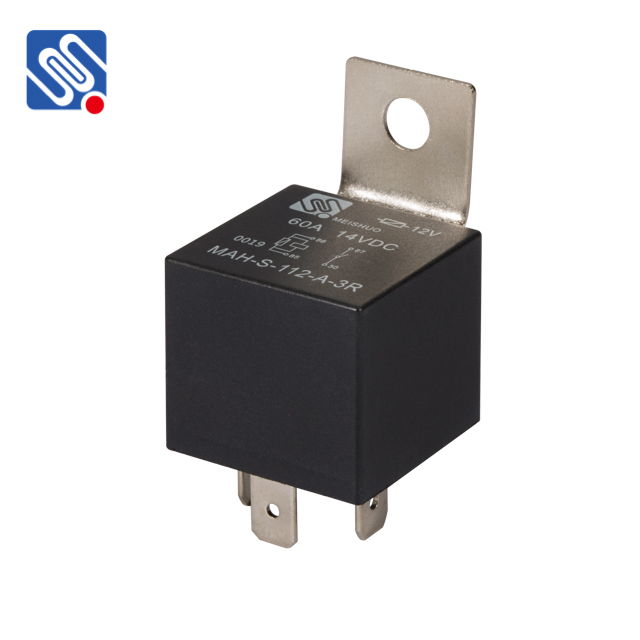
A relay is an essential electrical component used in many electronic and electrical systems. Its role is to act as a switch, allowing low-power circuits to control high-power devices. Among the various types of relays, the 12V relay is one of the most commonly used, especially in automotive, industrial, and household applications. This article explores the function, applications, and benefits of the 12V relay, shedding light on its importance in modern electrical systems. What is a 12V Relay? A 12V relay operates as an electrically controlled switch that opens or closes a circuit when a voltage of 12V is applied to its coil. The relay’s coil creates a magnetic field when current flows through it, pulling a movable arm that changes the state of the contacts inside the relay. These contacts typically include “normally open” (NO) and “normally closed” (NC) terminals, which allow the relay to control the flow of electricity in different circuits.
Leave a Reply